

US and Iran exchange tit-for-tat blows after cargo ship attack.
On the morning of June 27th, the Middle East continued to witness tense developments as the US military and Iran's Islamic Revolutionary Guard Corps (IRGC) conducted tit-for-tat airstrikes. This move is putting the ceasefire agreement between the two sides at risk of collapse.

According to the U.S. Central Command (CENTCOM), U.S. forces have bombed multiple missile depots, drones, and coastal radar stations in Iran. This is seen as an immediate response after Washington accused Tehran of attacking a commercial vessel transiting the Strait of Hormuz.
The US asserted that Iran's attack was a "clear violation" of the ceasefire agreement that had lasted nearly four months.
Shortly afterward, Iranian state television quoted a statement from the IRGC confirming that it had attacked US targets in the Persian Gulf in retaliation. The group warned of a "more extensive response" if US military actions continued.
Faced with the risk of escalating conflict, US officials have issued strong messages. Both President Donald Trump and Vice President JD Vance condemned the attack on the cargo ship. Vance emphasized that Washington always respects the ceasefire agreement, but warned that any act of violence would face a proportionate response.
The incident has raised concerns about maritime security in the Strait of Hormuz – a strategic transit route for approximately 20% of global oil and gas exports. Despite the security risks, trade through the region continues, contributing to lower global oil prices amid expectations of a swift and stable recovery of maritime traffic.
Amid escalating tensions, parallel diplomatic efforts are underway. In Washington, US Secretary of State Marco Rubio, along with Israeli and Lebanese envoys, signed a framework agreement aimed at peace, despite opposition from Hezbollah.
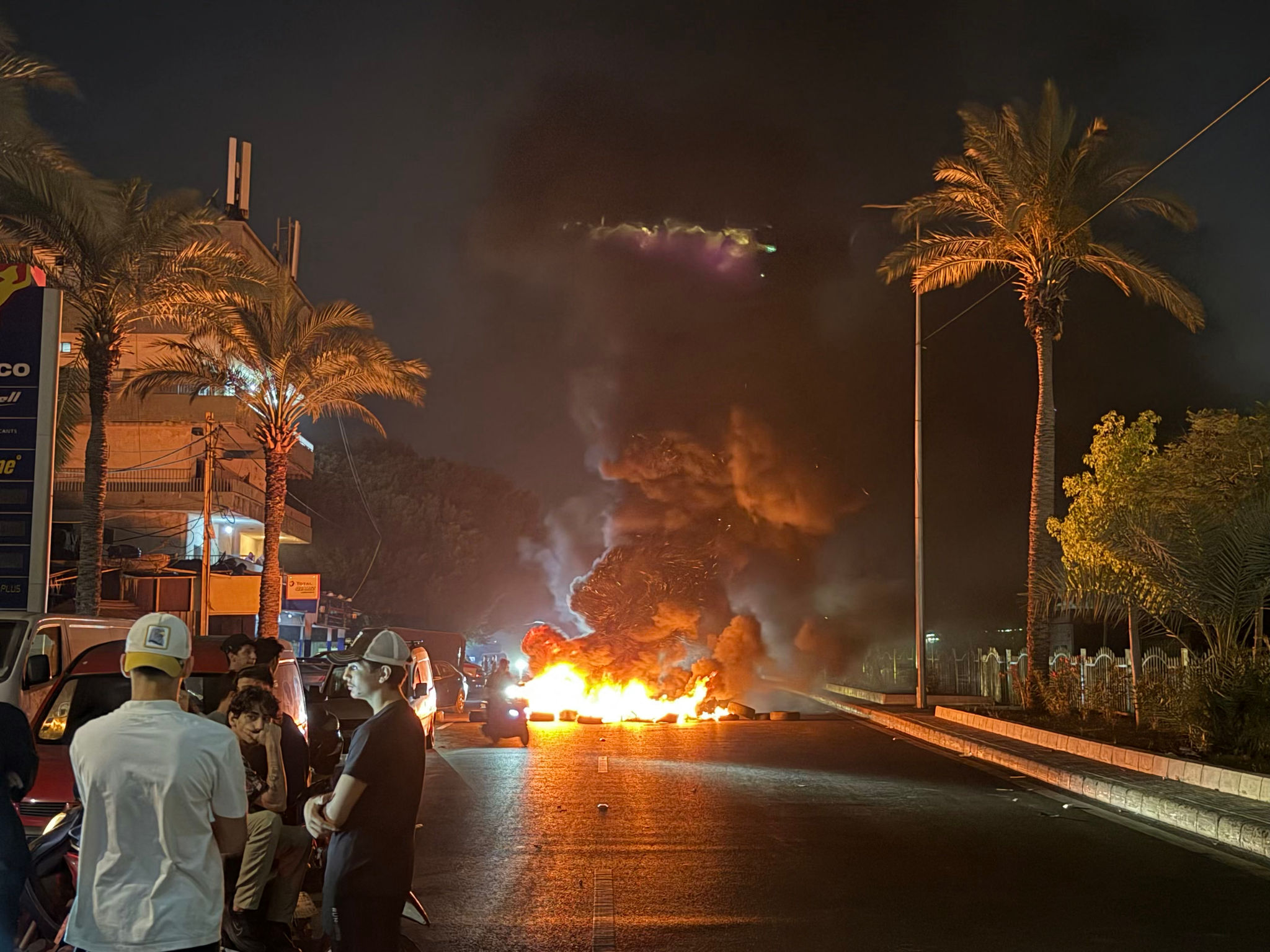
On the same day, regarding the nuclear negotiations, the Director General of the International Atomic Energy Agency (IAEA), Rafael Grossi, emphasized that any comprehensive solution between the US and Iran in the future must be accompanied by a strict monitoring system to ensure that Tehran's nuclear program complies with international regulations.