
Part 1: When droughts no longer follow a pattern
There was a time when farmers in Nghe An could predict the weather and harvest simply by looking at the clouds on the mountaintops, feeling the earth beneath their feet, or observing the water level in ponds and lakes. However, in recent years, these familiar weather patterns have been disrupted.
Reporters' Team |Design:Huu QuanJune 27, 2026
There was a time when farmers in Nghe An could predict the weather and harvest simply by looking at the clouds on the mountaintops, feeling the earth beneath their feet, or observing the water level in ponds and lakes. These experiences, accumulated over generations, were once a reliable "heavenly calendar" for farmers. However, in recent years, these familiar weather patterns have been disrupted. Droughts in Nghe An are not only occurring more frequently but also taking on a new form: more extreme, longer-lasting, unpredictable, and beyond all forecast. What worries farmers is not just the intense heat, but the uncertainty of nature – when yesterday's experience is no longer sufficient to predict tomorrow.

Amidst the scorching sun of late June, Ms. Lu Thi Sen in Tam Bong village, Tam Quang commune, diligently tends to her rice seedlings, which have just started to turn green again. She uses a plastic bucket, faded with age, to scoop water from a low-lying pit at the foot of the field, slowly watering the newly rooted seedlings. This work has been going on for days, not to nurture a hopeful harvest, but to cling to fragile life after four consecutive failures. This is the fifth batch of seeds her family has tried in the same season. Each time, she has lost money buying more seeds, spent time soaking and germinating them again from scratch, stirring the mud, and sowing them again, all while feeling exhausted and anxious.
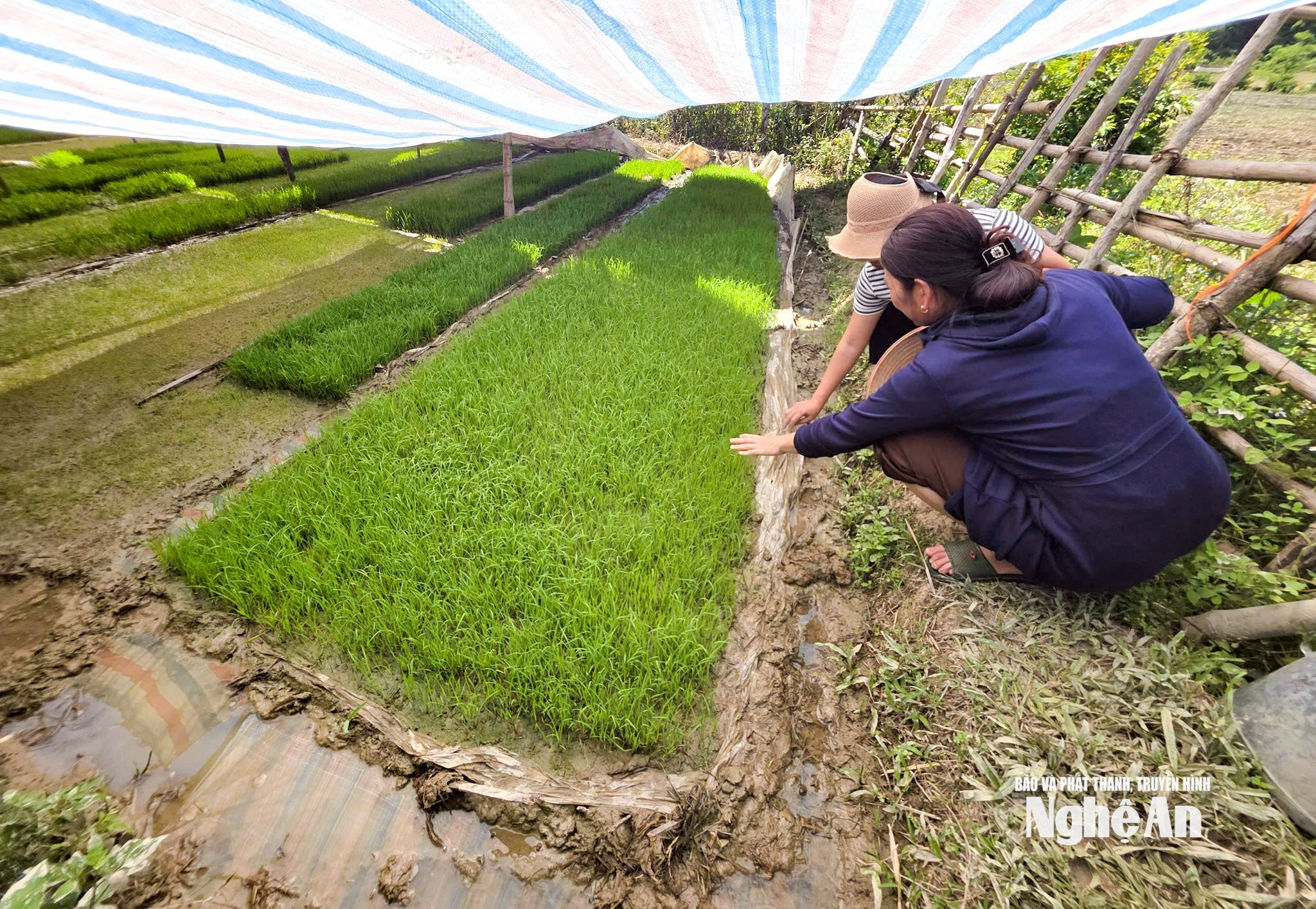
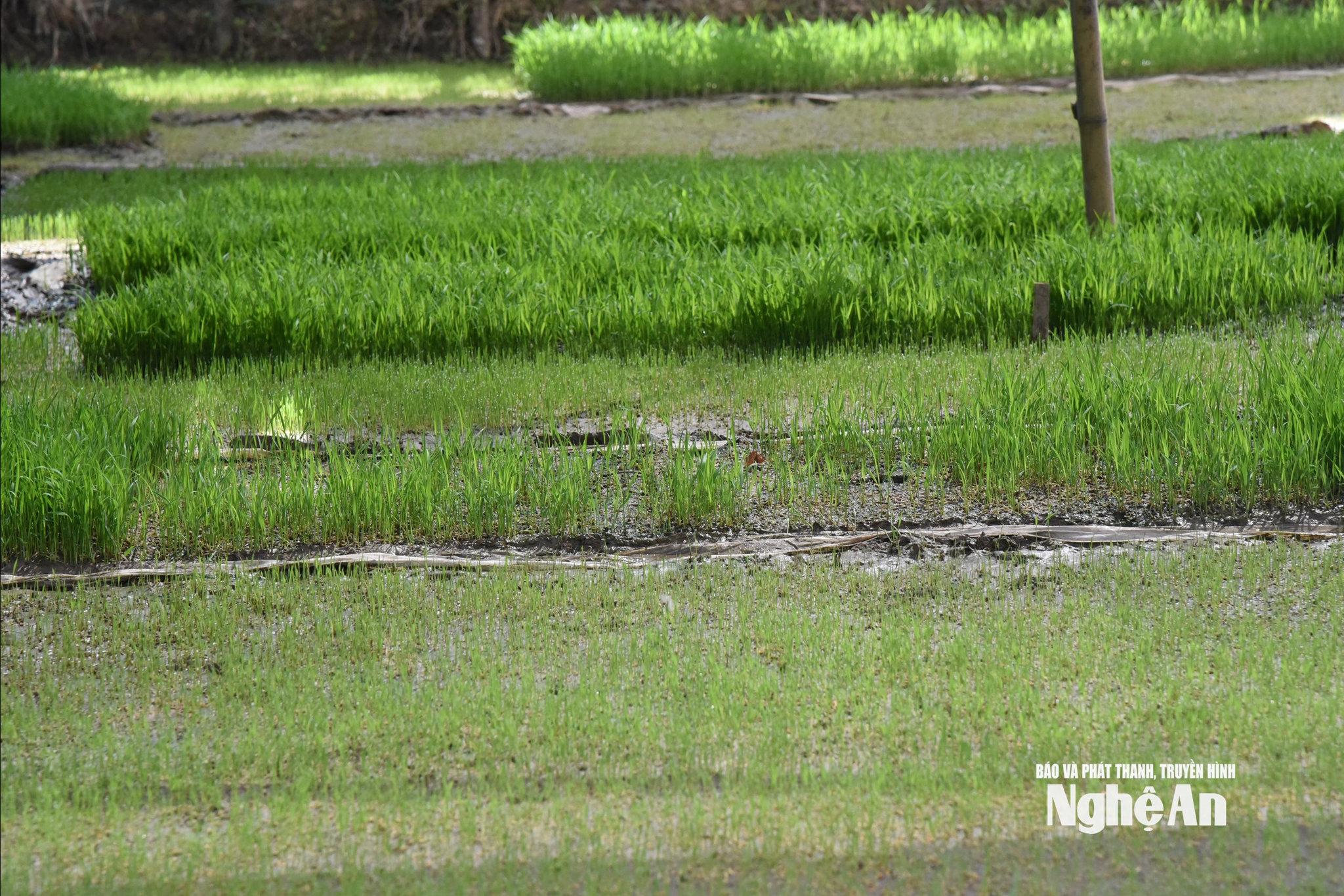
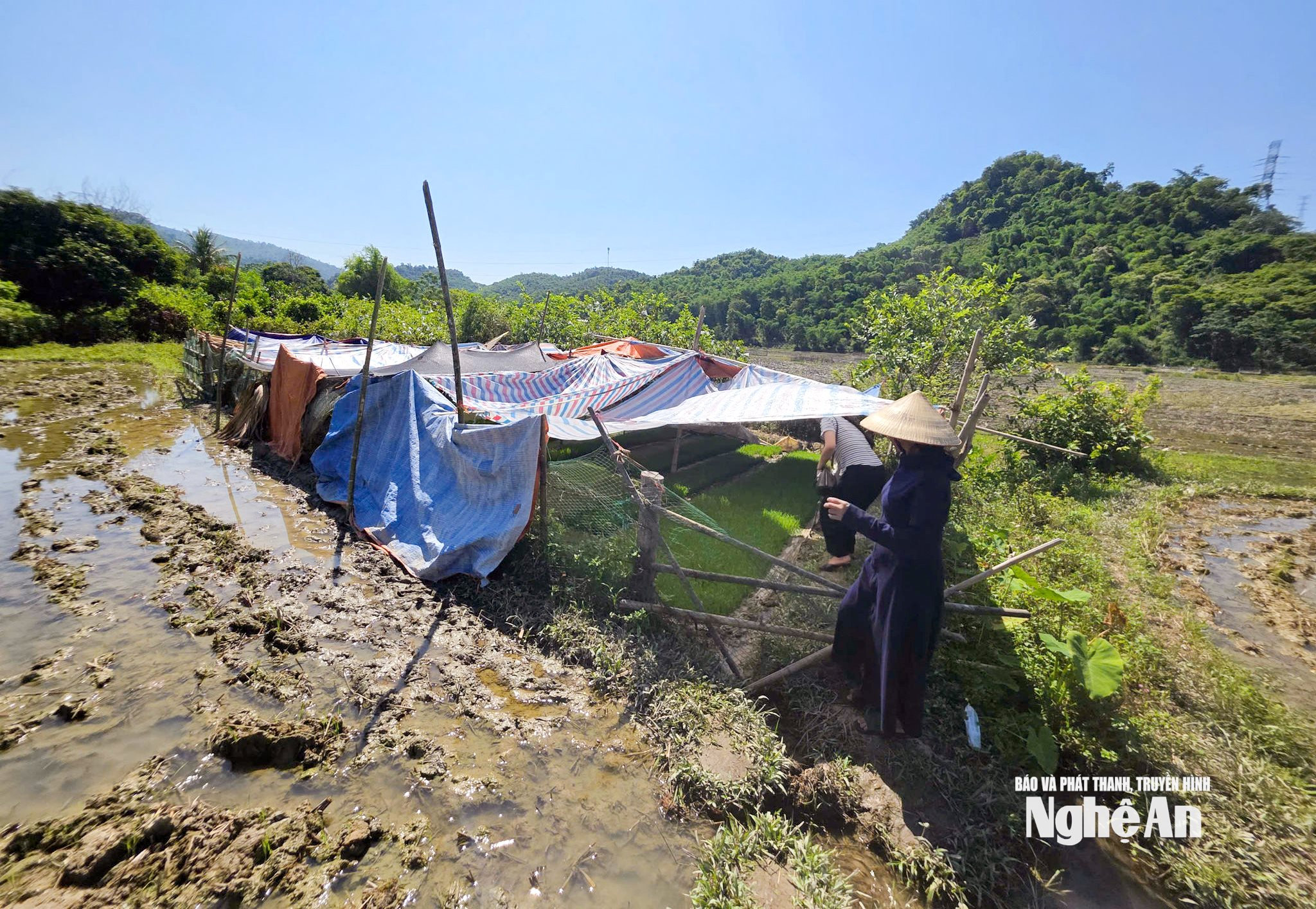
"I've never felt so helpless growing rice as I have in the past few years. Before, one sowing was enough, maybe one more time at most. Now, we have to sow it up to five times and still don't know if we'll survive. We spend more on seeds, put in more effort, and we're constantly worried about when the weather will change," sighed Ms. Sen. Even tray seedlings, considered a technological advancement that helps manage planting seasons and reduce labor, have become fragile in the face of unpredictable weather. Trays of seedlings placed on the ground absorb intense heat; just a few hours without protection can cause the entire tray to burn. People have to take turns stretching tarpaulins to shield the seedlings from the sun from morning until evening, then pulling them back to protect them from dew.
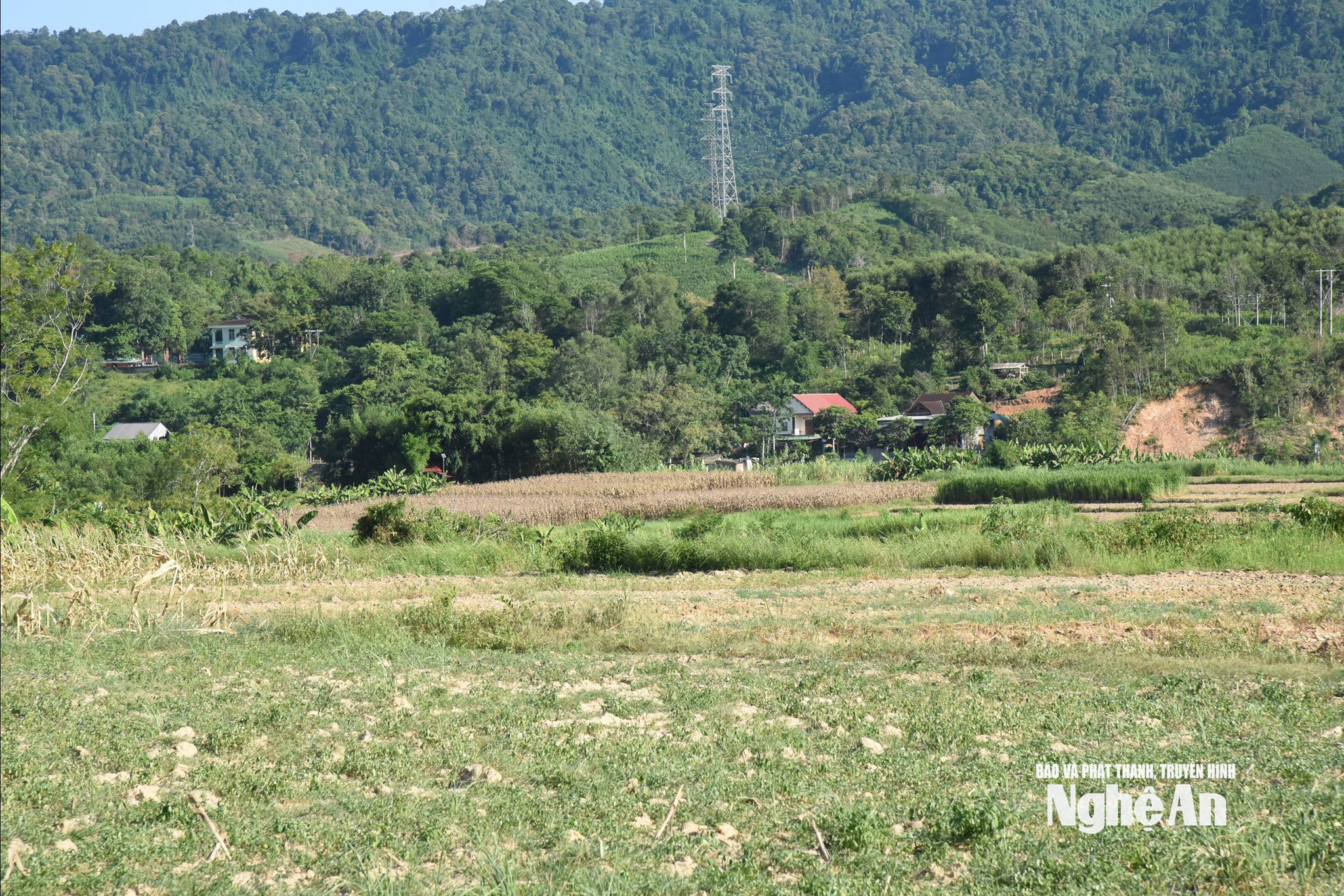
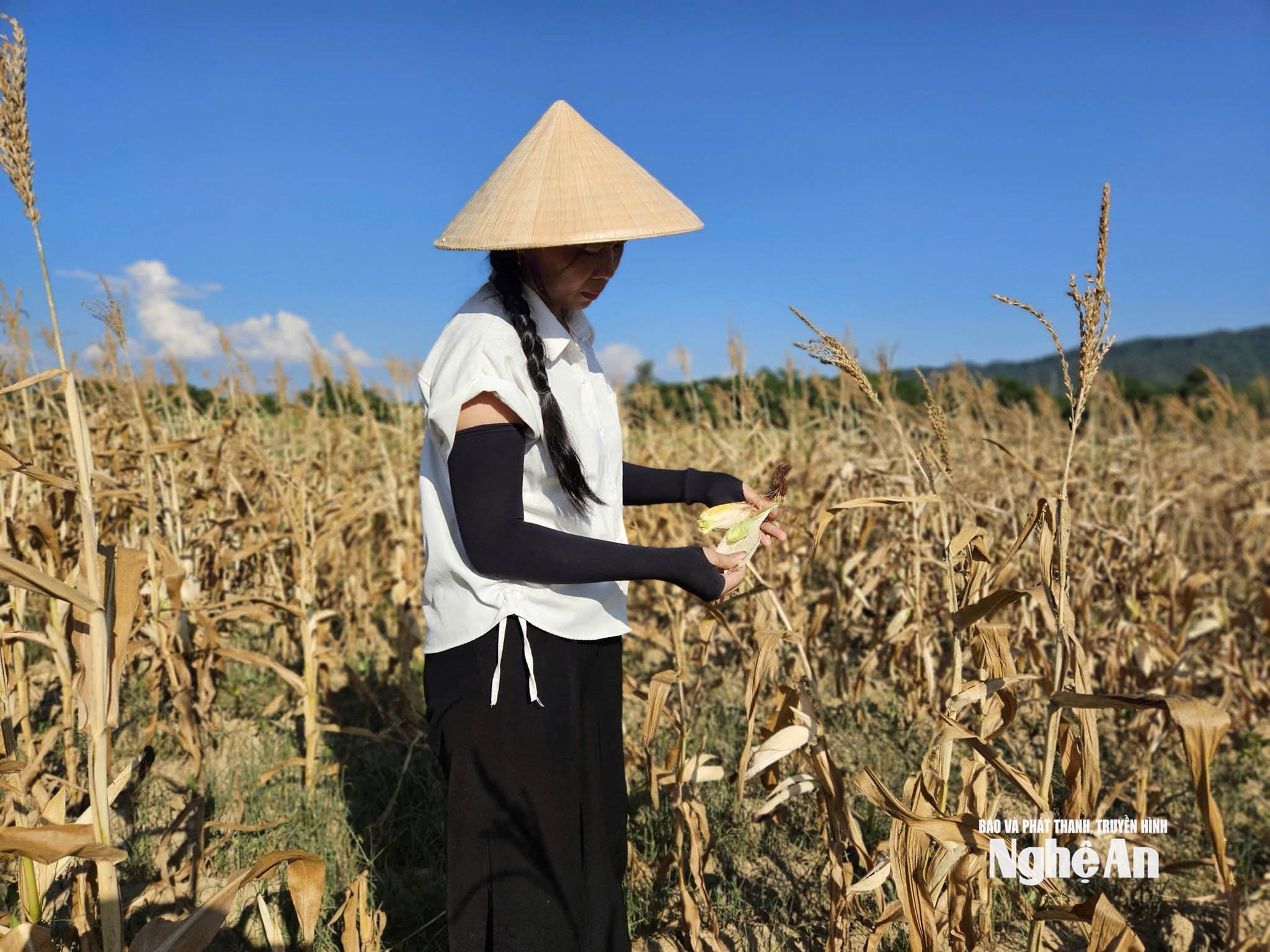
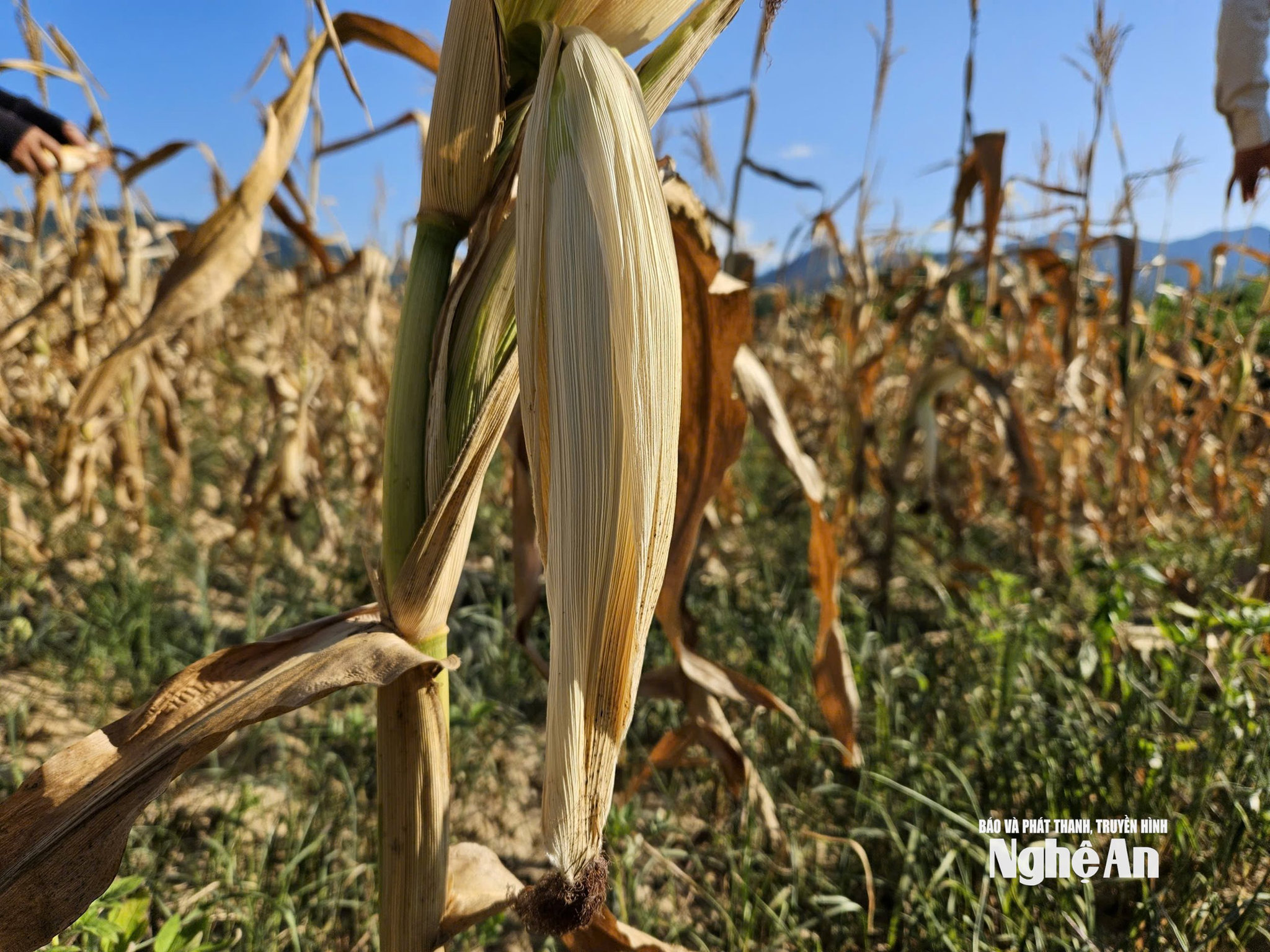
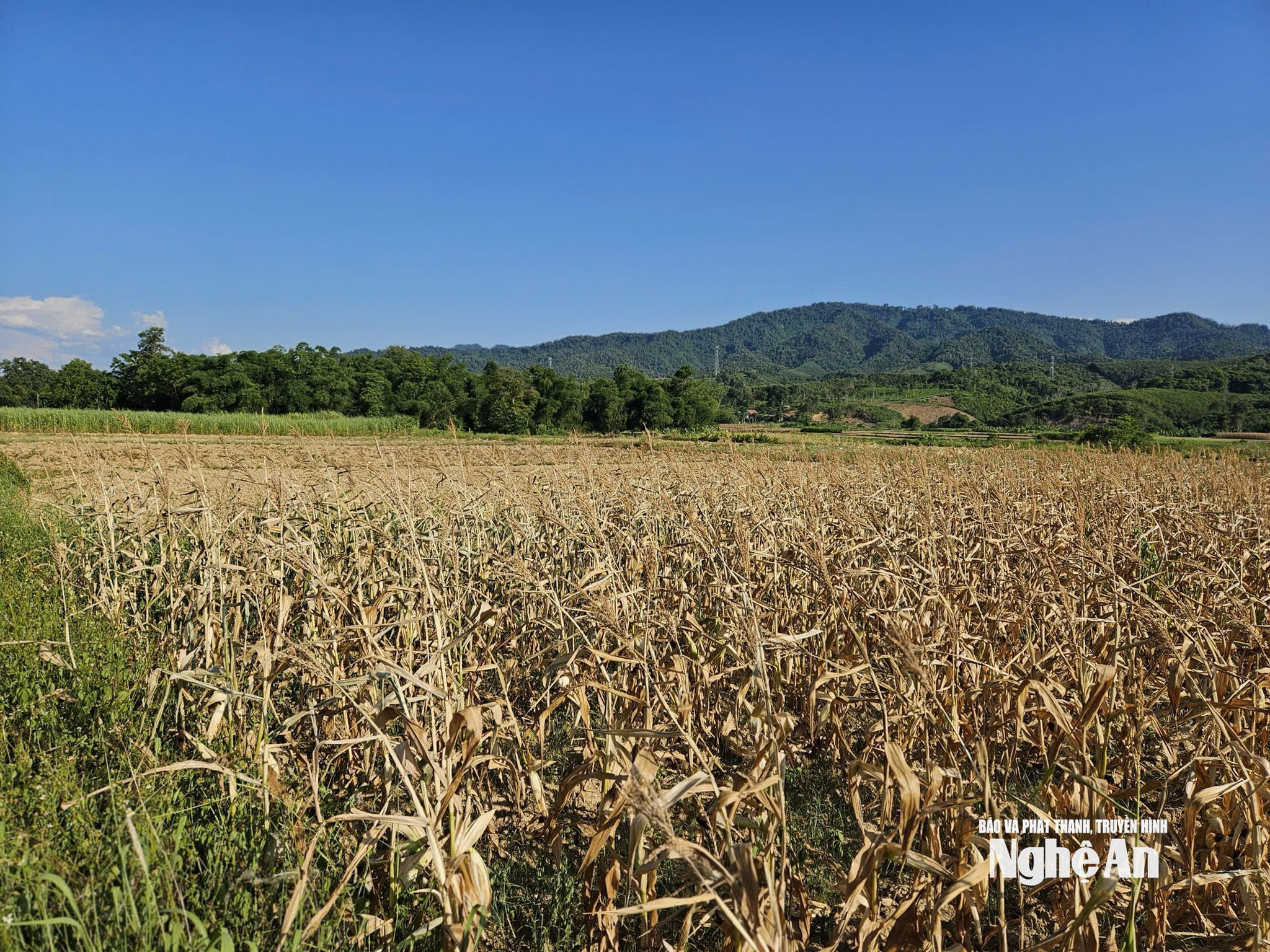
At just 7 a.m., the sun in the Ca Oi rice paddies of Thanh Binh Tho commune was already blazing, the entire field covered in a pale silver hue of dried sugarcane, burnt corn, and withered elephant grass due to the prolonged drought. Mr. Mac Van Huy, a resident of Vinh Thanh hamlet, quietly walked along his field, cutting handfuls of dry grass to cover the sugarcane stalks, hoping to retain the little moisture left in the soil. The corn rows nearby had curled leaves, stunted stems, and shriveled ears that had stopped developing before the kernels could fully develop.
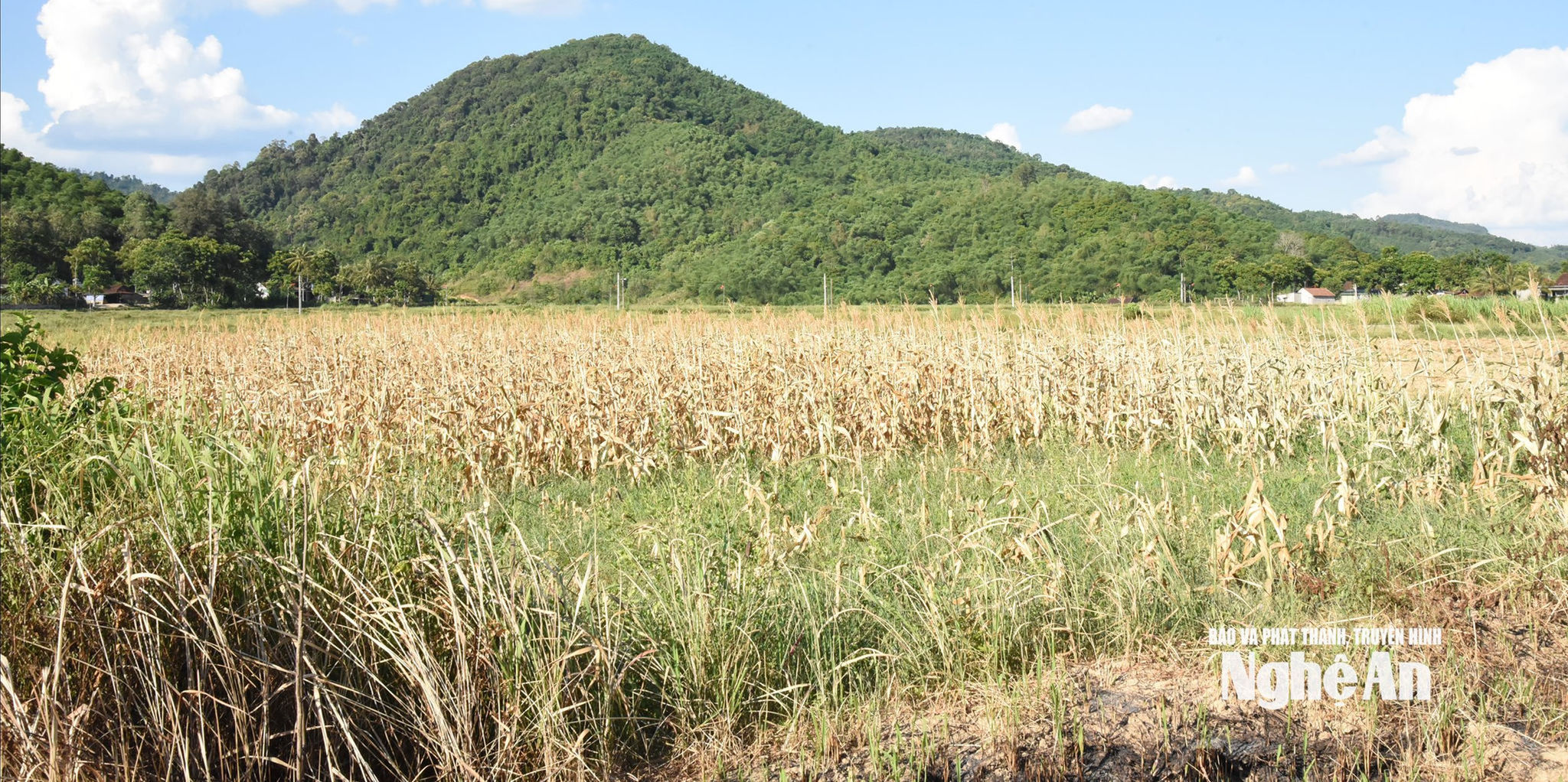
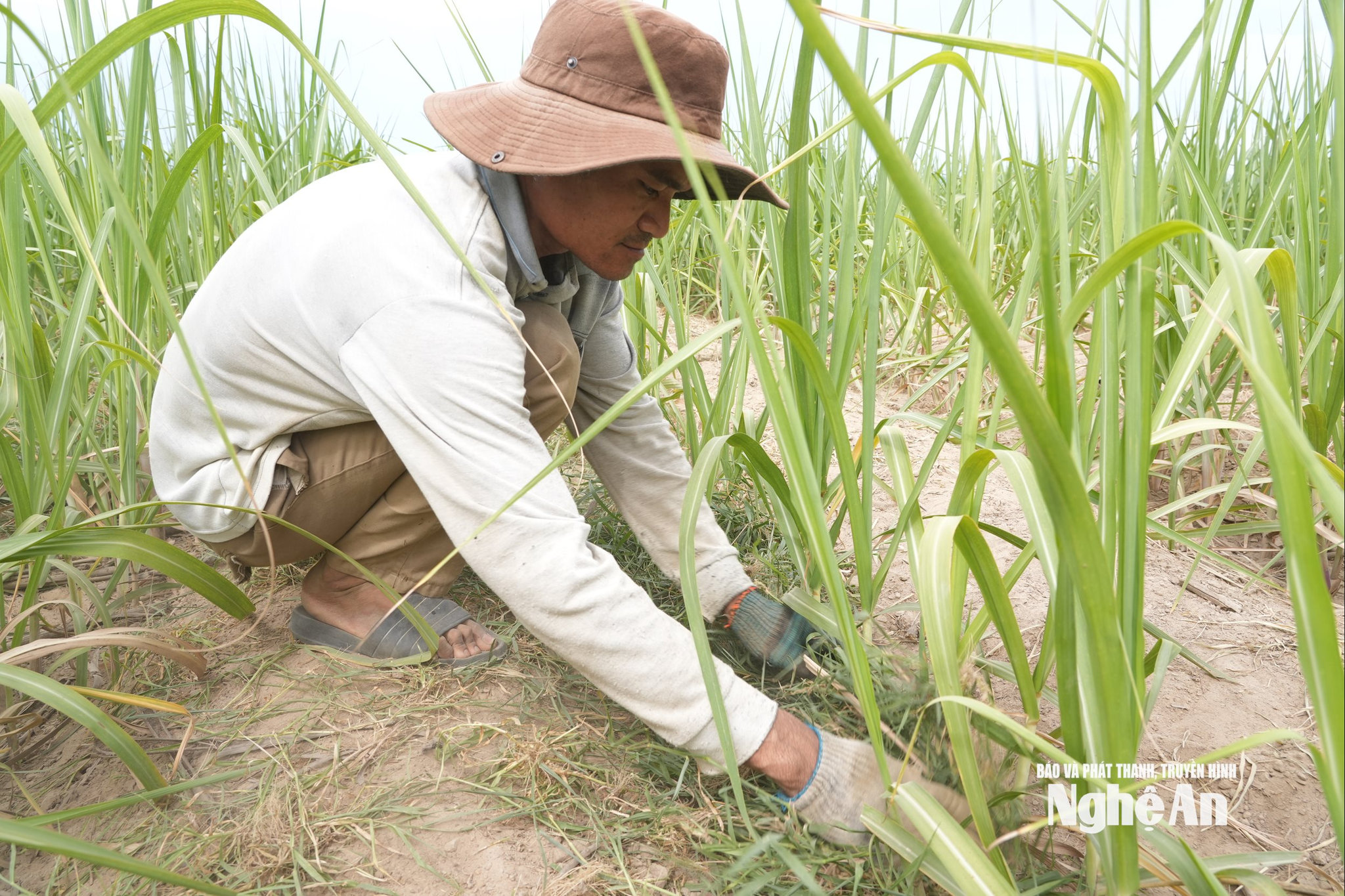
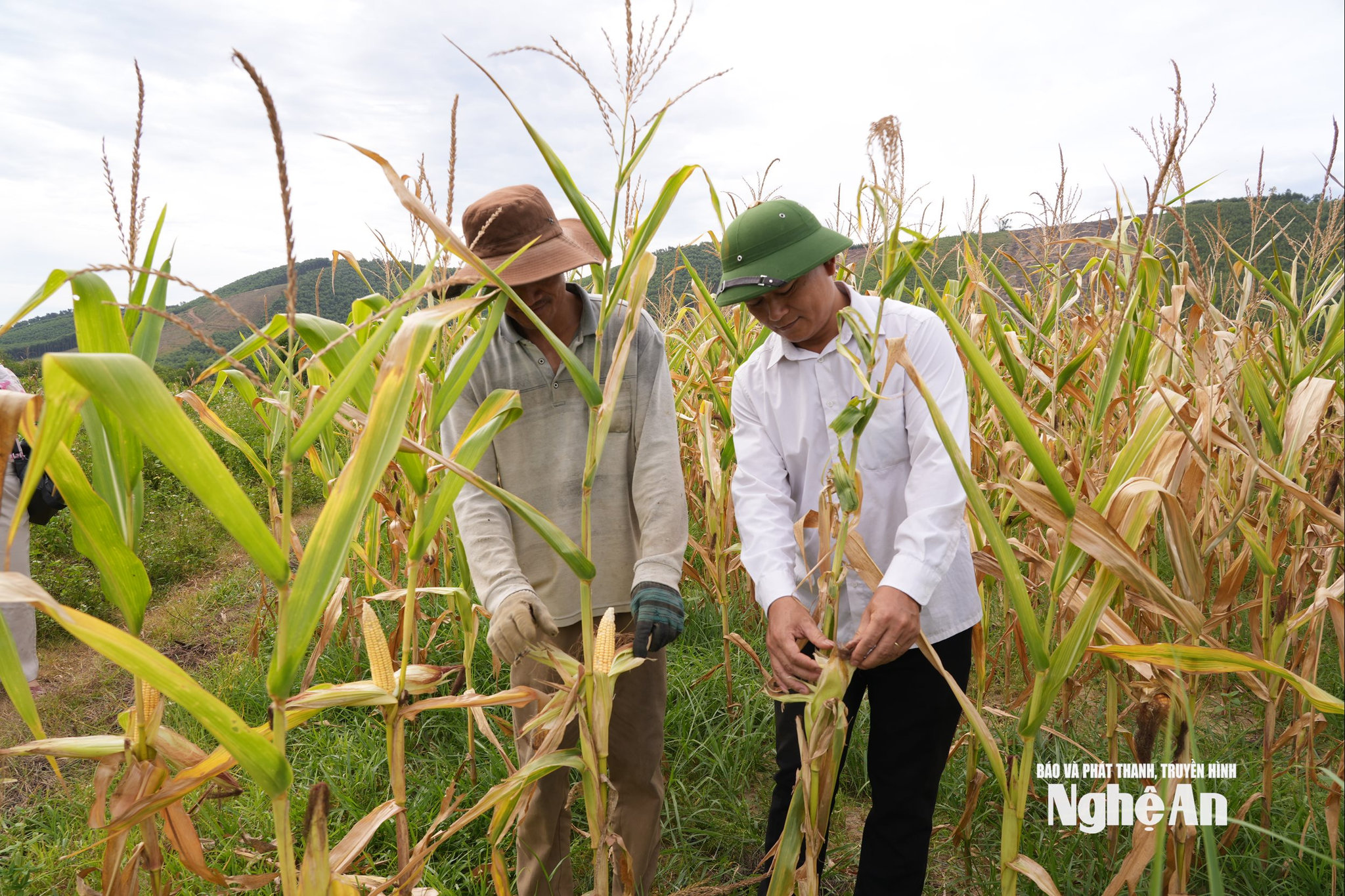
"I've been farming for decades, but I've never seen such a long, dry spell like this. The corn is practically ruined; there won't be any kernels to harvest. The sugarcane is also stunted by this intense heat; its leaves are starting to dry out and burn. Even if it doesn't die from the heat, the yield will be minimal," said Mr. Mac Van Huy, his voice lowering as he gently stroked the sugarcane leaves, which were gradually drying and becoming brittle under the sun.
Not only Mr. Huy's family, but many other households in Vinh Thanh hamlet are facing a similar situation. Mrs. Nguyen Thi Tinh stands in the middle of her once lush green field, sadly watching her family's 5 acres of corn completely destroyed. The cracked fields no longer have enough water to sustain the crops, while successive heatwaves have rendered all efforts to combat the drought futile. According to statistics from Thanh Binh Tho commune, the total area of crops damaged by drought each year ranges from 30-70% to over 143 hectares, of which more than 26 hectares have been completely lost. Not only corn, rice, and sugarcane, but also many areas of tea, acacia, and melaleuca trees have been severely affected by the prolonged water shortage.

During the peak production days of the Summer-Autumn crop season, farmers' worries no longer stop at seeds or labor as before, but instead focus on the reservoirs that are draining water day by day under the prolonged, intense heat. In the Hung Yen Nam 1 field, Yen Trung commune, Mr. Nguyen Dinh Thao – the village head – still regularly goes to the fields every morning. Standing by the edge of the field, his eyes fixed on the Thach Tien dam, he walks and calculates all possibilities: "If the heat continues like this, the water in the dams will quickly dry up, meaning that the crop season will be very difficult, and we might even have to postpone planting or switch to other crops," Mr. Thao said with a worried expression.
Accompanying us through the recently harvested rice fields, Ms. Nguyen Thi Yen, a specialist from the Economic Department of Yen Trung commune who has decades of experience monitoring and directing local production, could not hide her concern. A field inspection revealed that the six reservoirs and dams in the commune currently only hold 40-70% of their designed capacity. If the early summer flood season is not anticipated, the risk of water shortage for approximately 550 hectares of early-season rice is very high, especially in the high-lying areas and at the end of the irrigation canals.
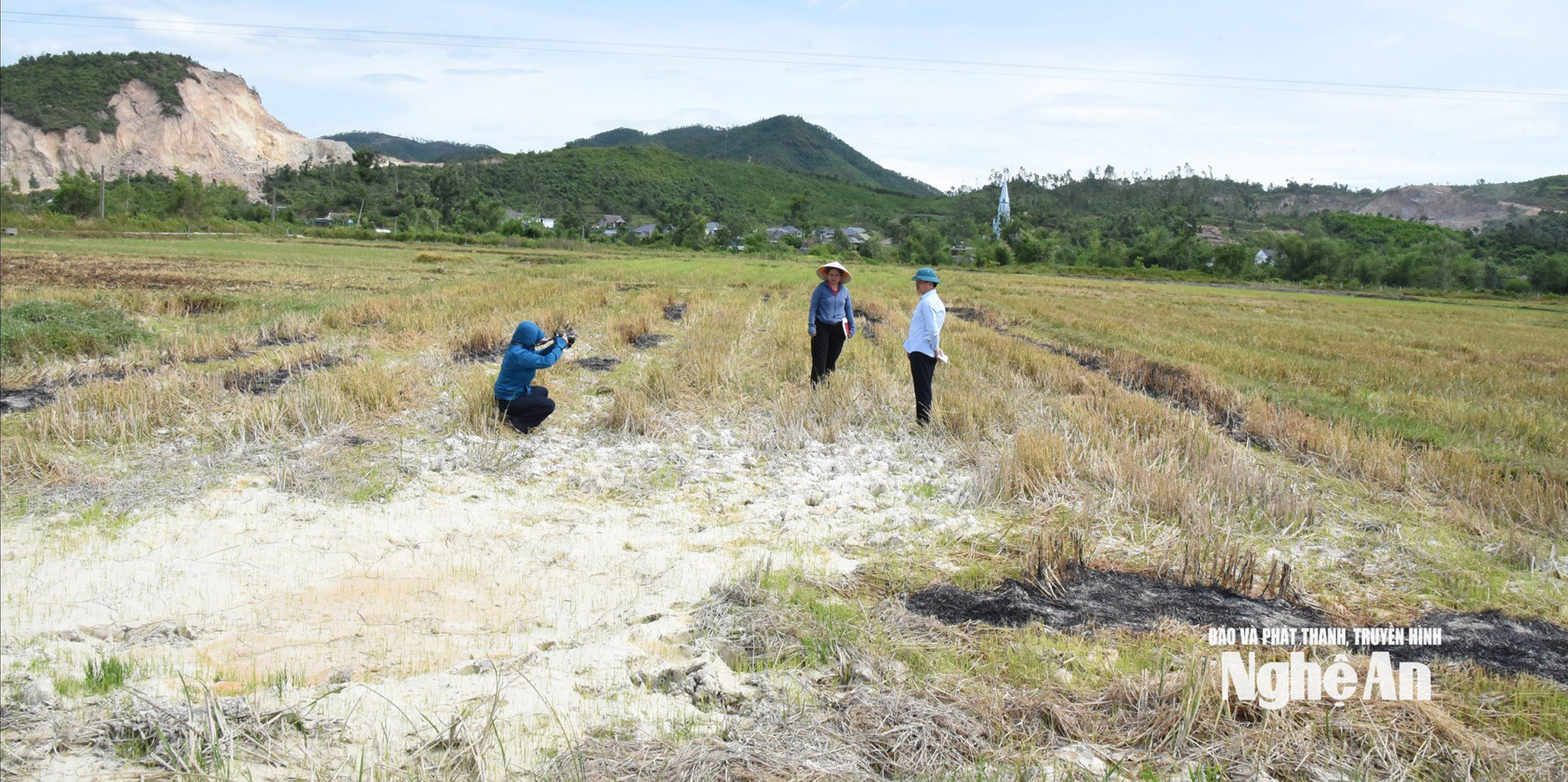
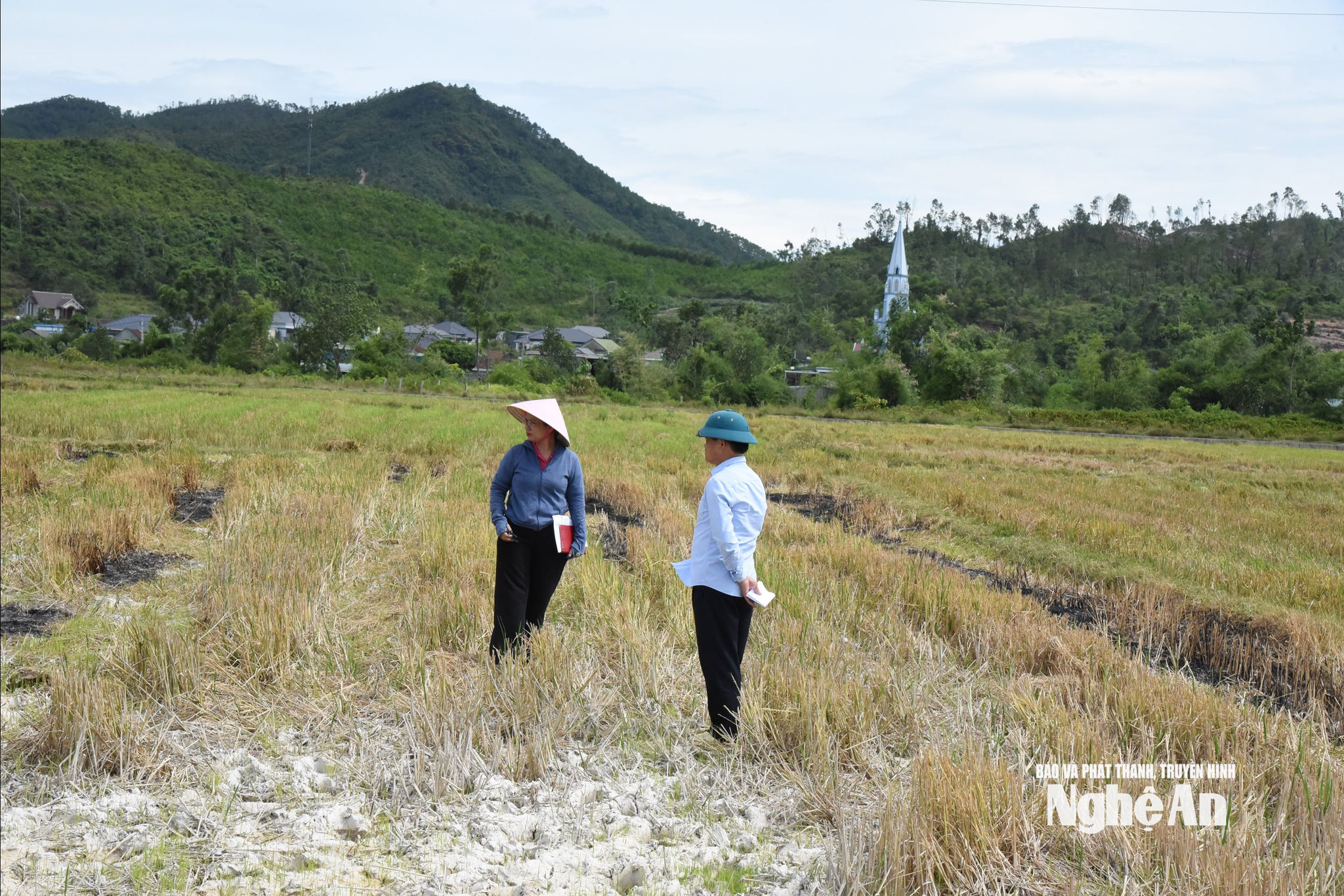
Faced with this situation, the local authorities had to consider options that were previously only seen as contingency plans. Areas frequently experiencing water shortages, such as Dong Xa Ra and Hon Loi in Hung Yen Nam 1; Tung and Con Quanh in Hung Yen Nam 6 and 7; and Cua Cho area in Hung Yen Bac 3, were included in the conversion plan. According to the plan, the rice cultivation area will be reduced by about 1,000 hectares to allow for flexible switching to growing corn, mung beans, and sesame when water resources are insufficient.
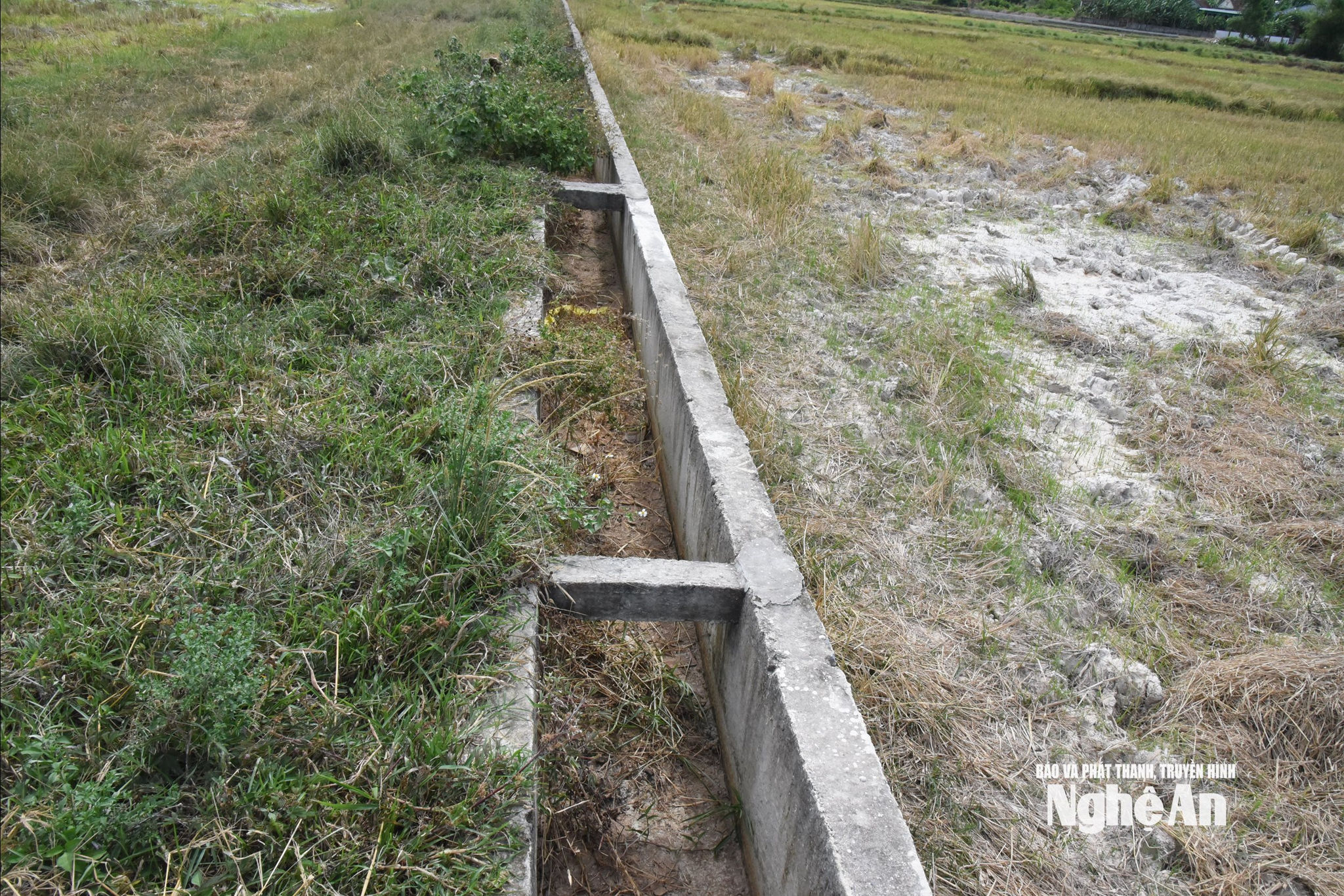
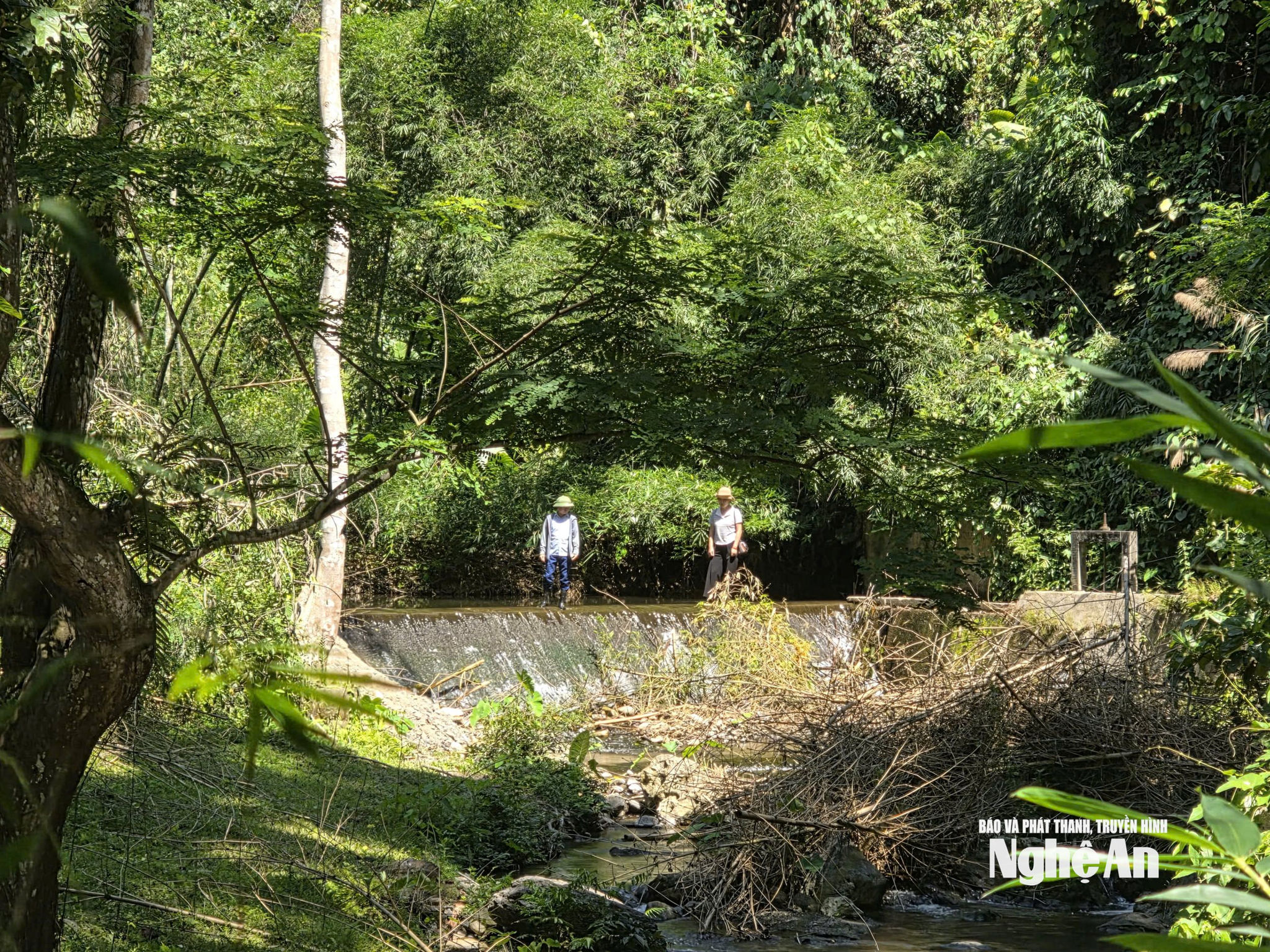
The droughts in Nghe An's rice fields don't just stem from prolonged heatwaves. In many areas, the drought is exacerbated by aging irrigation systems that have been in operation for decades. In Tam Quang commune, a border area considered one of the "hottest spots" in western Nghe An every summer, the system of lakes, dams, and canals is clearly showing its limitations. Among them, the Nam Khun dam complex, which supplies water to over 36 hectares of rice fields in Bai So and Tam Lien villages, is in serious disrepair.
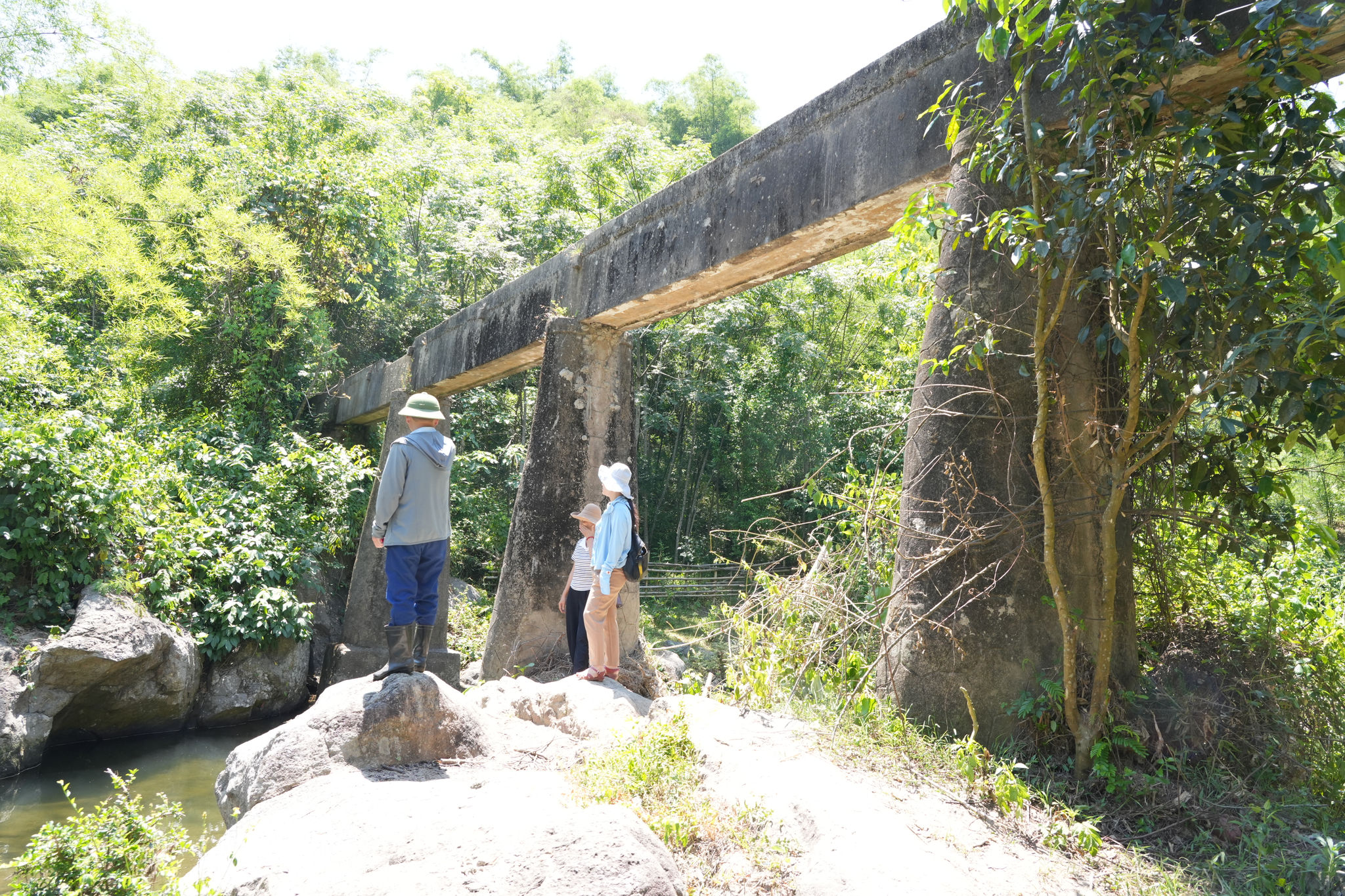
Following the village head Nguyen Van Tung and the village secretary Nguyen Thi Hoai, we made our way along the irrigation canals leading to the headwaters. The structure, built a long time ago, has now exceeded its safe operating lifespan. The sluice gates are rusty, and in many places, they can no longer close tightly; water leaks through the gaps year-round, causing constant water loss from the reservoir. Cracks and subsidence are clearly visible on the dam's body over time. "In severe drought years, the water recedes so much that the bottom of the dam is exposed, allowing you to walk across the reservoir. Even when it rains, the water doesn't last long. Just opening the sluice gates for about a week causes a noticeable drop in the water level," said village head Nguyen Van Tung.
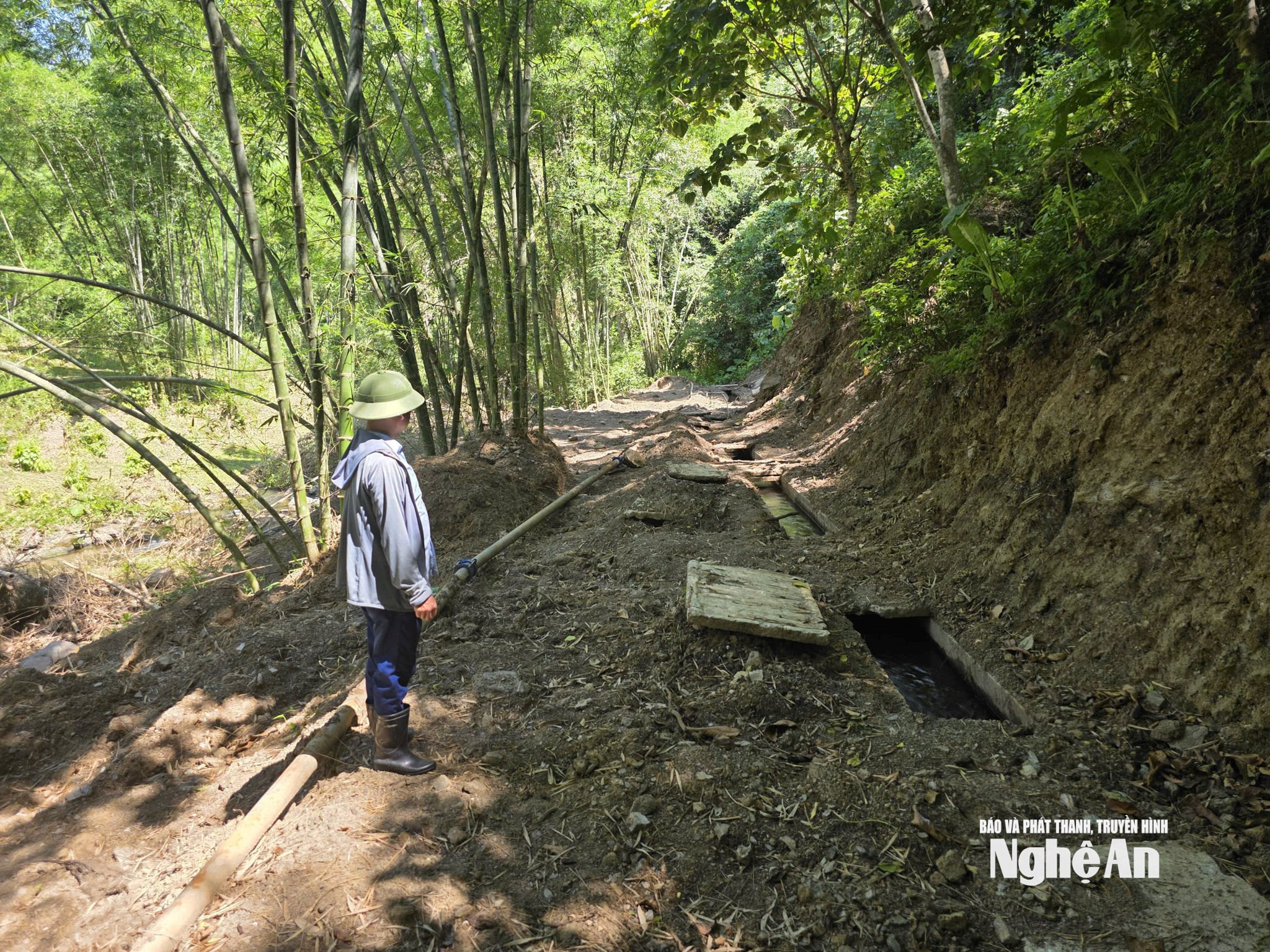
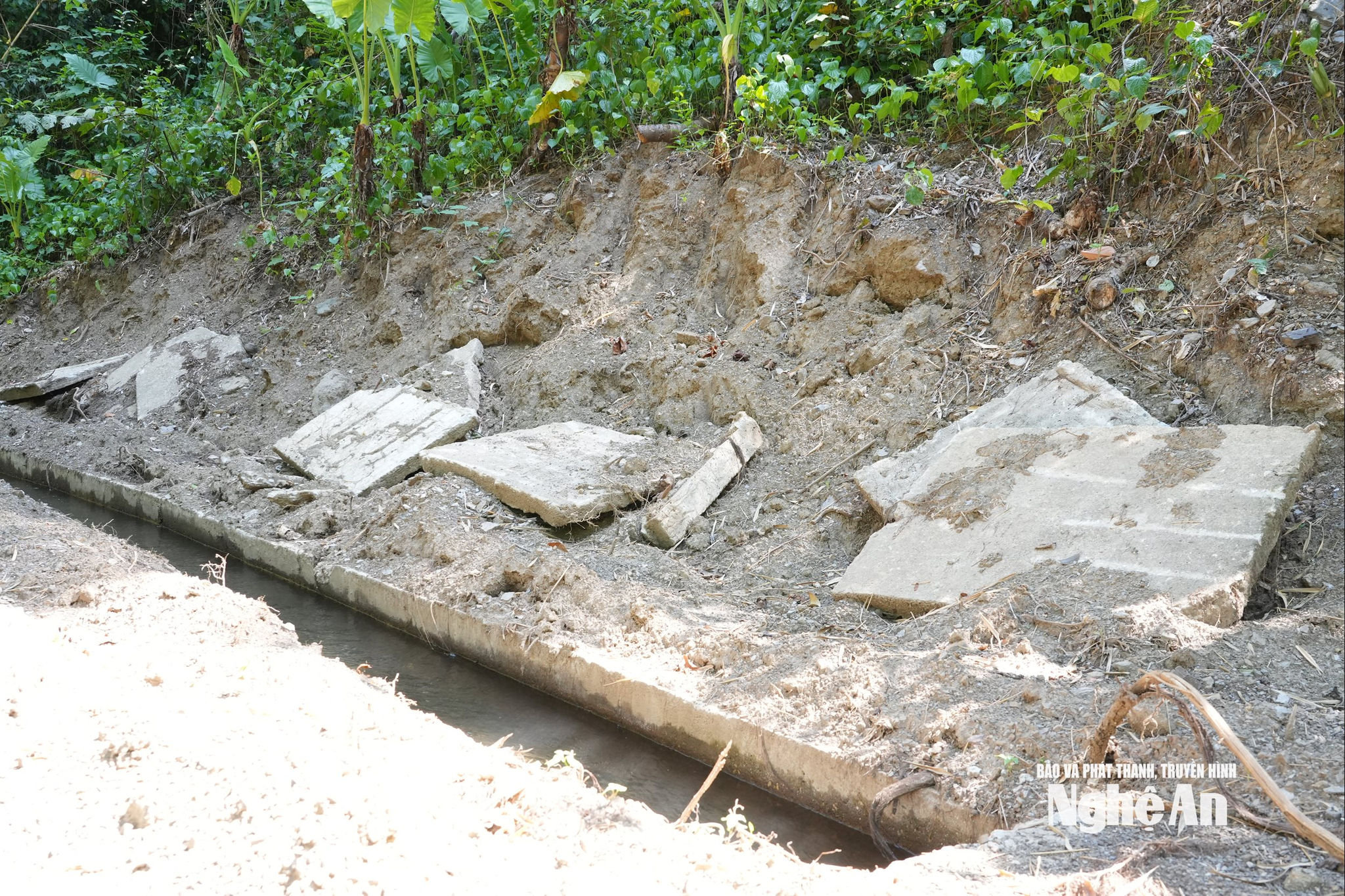
Leaving the Nam Khun dam, we followed Tam Bong village head Luong Van Thanh to inspect the canal connecting the upstream to the fields. The canal and aqueduct, built in 1981, have seriously deteriorated after more than four decades of use. Many sections have collapsed concrete covers, weeds have overgrown the canal bed, and numerous leaks cause water to escape before reaching the fields. "If the canal system were properly repaired and maintained, the locality wouldn't have to worry about drought to this extent, because the upstream water source is very abundant," Mr. Thanh said.
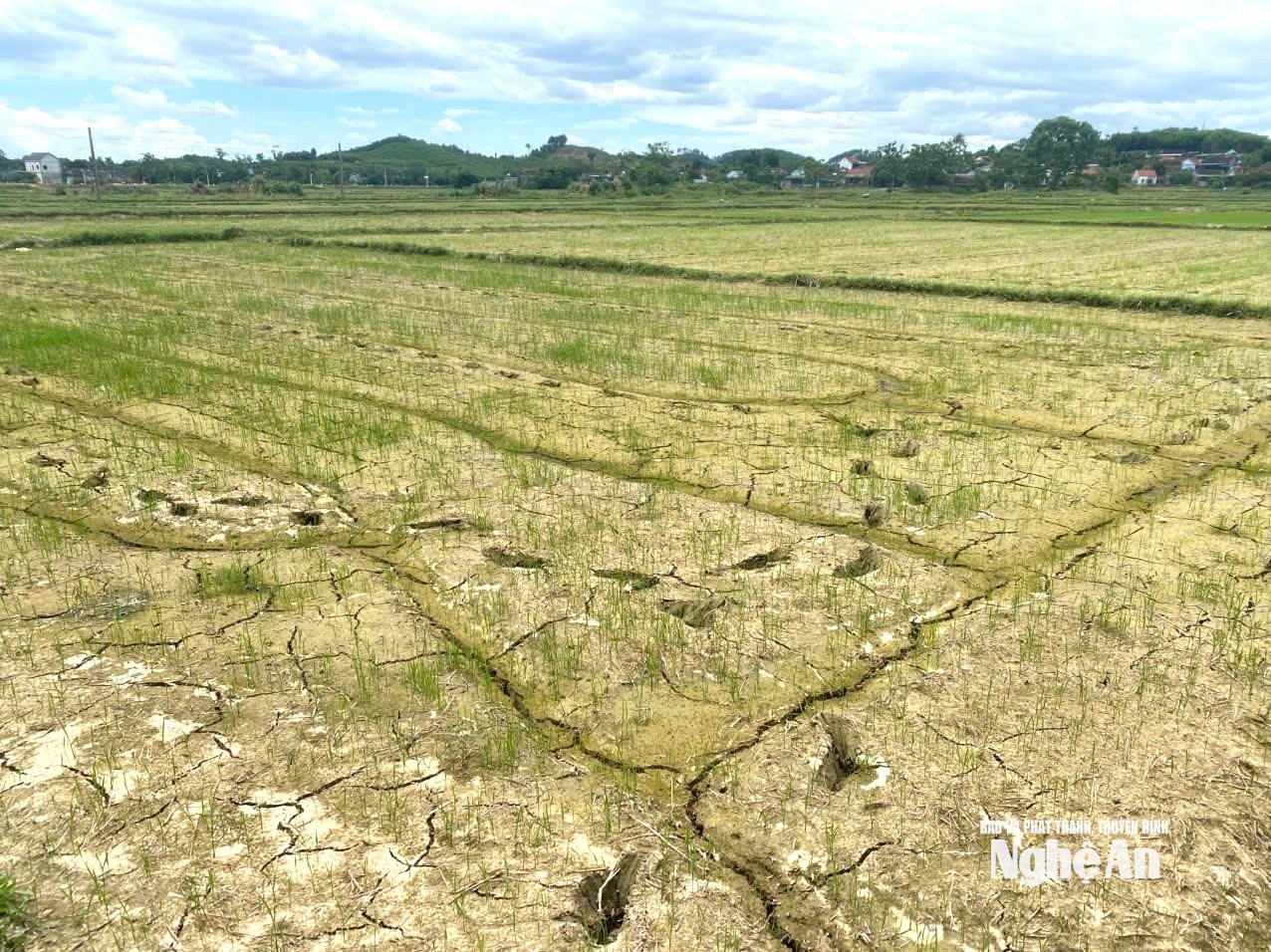
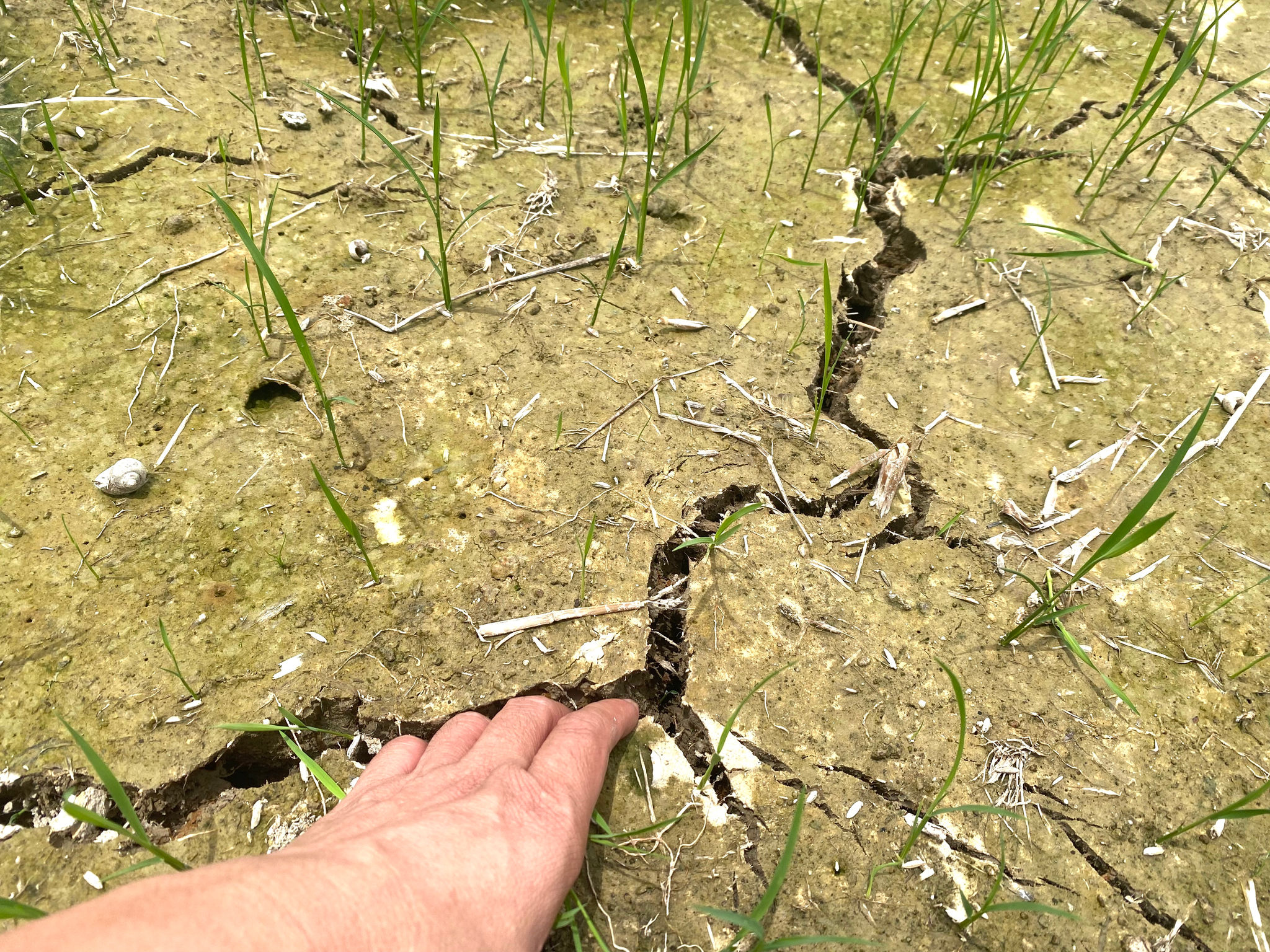
At the Truông dam, the source of water for agricultural production in Bạch Ngọc commune, the scene is even more harsh. The reservoir is completely dry, with only a few small puddles of water scattered among the weeds. Buffaloes and cows roam freely right at the bottom of the dam. Downstream, the newly sown rice fields have cracked into large patches. Ms. Lê Thị Hòa, from Tân Thịnh hamlet, stands amidst her three plots of rice fields, sown just over 10 days ago, and cannot hide her worry: "The Truông dam is dry, the land is completely barren. If it doesn't rain in a few more days, we'll lose everything."
According to the Nghe An Irrigation Department, the province still has more than 996.5 km of canals and ditches that have not been reinforced out of a total length of 6,414 km. The majority of these are severely degraded, with siltation and leakage, reducing irrigation efficiency and wasting water resources.
According to the Nghe An Irrigation Department, the province still has more than 996.5 km of canals and ditches that have not been reinforced out of a total length of 6,414 km. The majority of these are severely degraded, with siltation and leakage, reducing irrigation efficiency and wasting water resources.

At 102 years old, Mr. Nguyen Tu Chau, from Yen Trung commune, still maintains the habit of stepping out onto his porch every morning to gaze at the sky and the land. For decades, from his time as a young farmer to his time as a land administrator in the commune, he has been accustomed to observing the color of the clouds, the direction of the wind, and the water level in the fields to predict the harvest. These experiences, accumulated over the years and passed down from generation to generation, have served as a foundation for farmers to proactively plan their seed soaking, land preparation, and planting.

"In the past, we could tell when the summer-autumn crop season would start, whether there would be a lot or a little water, just by looking at the weather. Farming was hard work, but it gave us peace of mind because we knew the weather usually followed a pattern. Now, it's impossible. Some years, the fields are scorched by drought at the beginning of the season, and then there are thunderstorms and tornadoes at the end. We don't know what to expect," Mr. Chau said slowly.
The story of the man who lived through more than a century seems to reflect the shared sentiment of many farmers in Nghe An today. What worries them is not just the intense heat waves or unusually heavy rains, but the feeling that the experience that once helped them navigate countless seasons is no longer sufficient to guide them. The familiar "weather calendar" is becoming precarious in the face of increasingly extreme and unpredictable weather patterns.
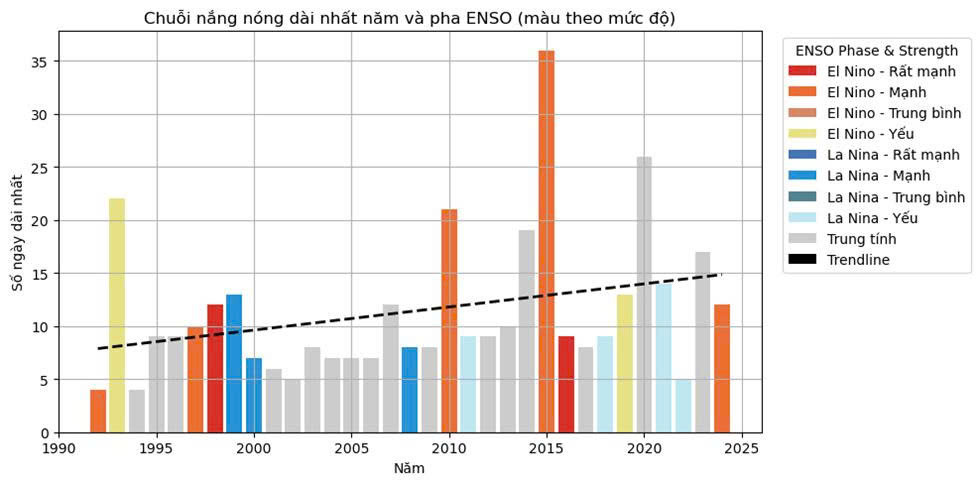
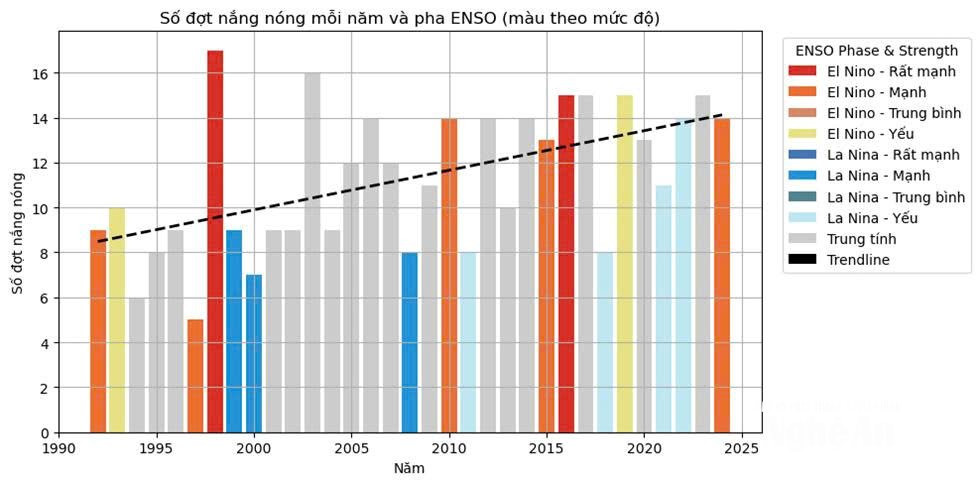
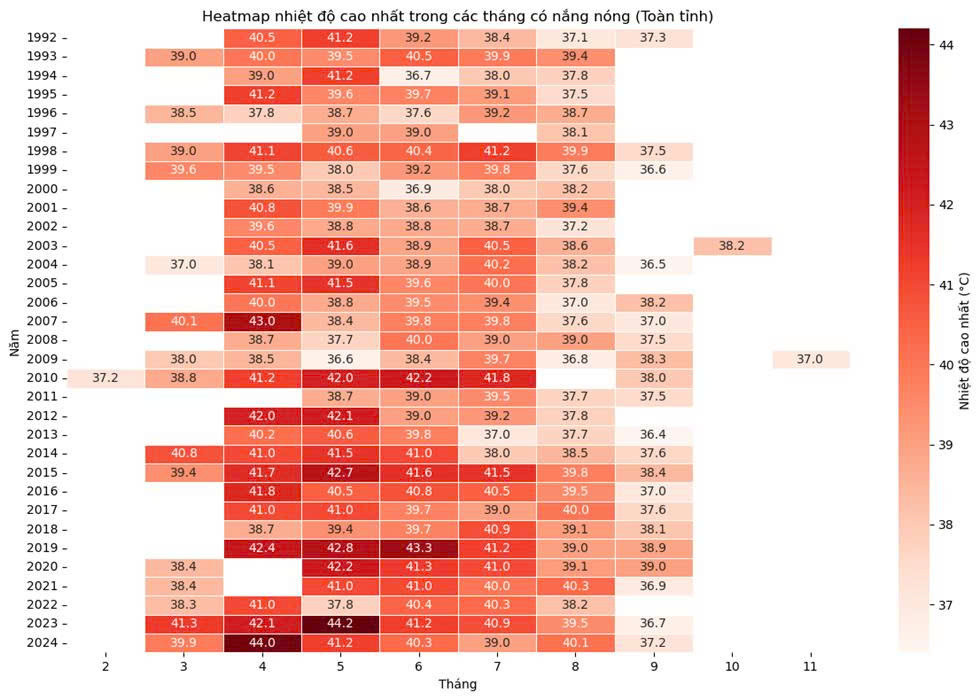
According to the North Central Meteorological and Hydrological Station, from the beginning of 2026 to mid-June, Nghe An experienced six widespread heatwaves in April, May, and June. Compared to the multi-year average, these heatwaves occurred more frequently, lasted longer, and were significantly more intense. Notably, the severe and exceptionally severe heatwave from April 14th to the present has seen maximum temperatures commonly reaching 38-41°C. The meteorological agency predicts that severe and exceptionally severe heatwaves will continue in the last days of June, then further increase in intensity in July and August. The number of hot days during this period is forecast to be higher than the multi-year average and significantly higher than the same period in 2025, before gradually decreasing from the second half of September.
Compared to previous years, the climate in Nghe An and the Central region is trending towards hotter, more extreme, and more unpredictable conditions. Heatwaves are occurring earlier and lasting longer; heavy rains, thunderstorms, flash floods, and landslides are happening with greater frequency and intensity, and over a wider area.”
Mr. Tang Van An - Deputy Director of the Nghe An Provincial Meteorological and Hydrological Station
Even Nghe An's irrigation system, with over 1,060 large and small lakes and dams, is facing unprecedented pressure as its water supply depends almost entirely on natural rainfall. During peak drought periods, the water storage rate in many locally managed lakes only reaches 30-55% of their designed capacity. Many small lakes and dams are completely dry, exposing cracked mud and dried-up fish carcasses, as happened at the Khe Mua and Cho Ran dams in the former Do Luong district.
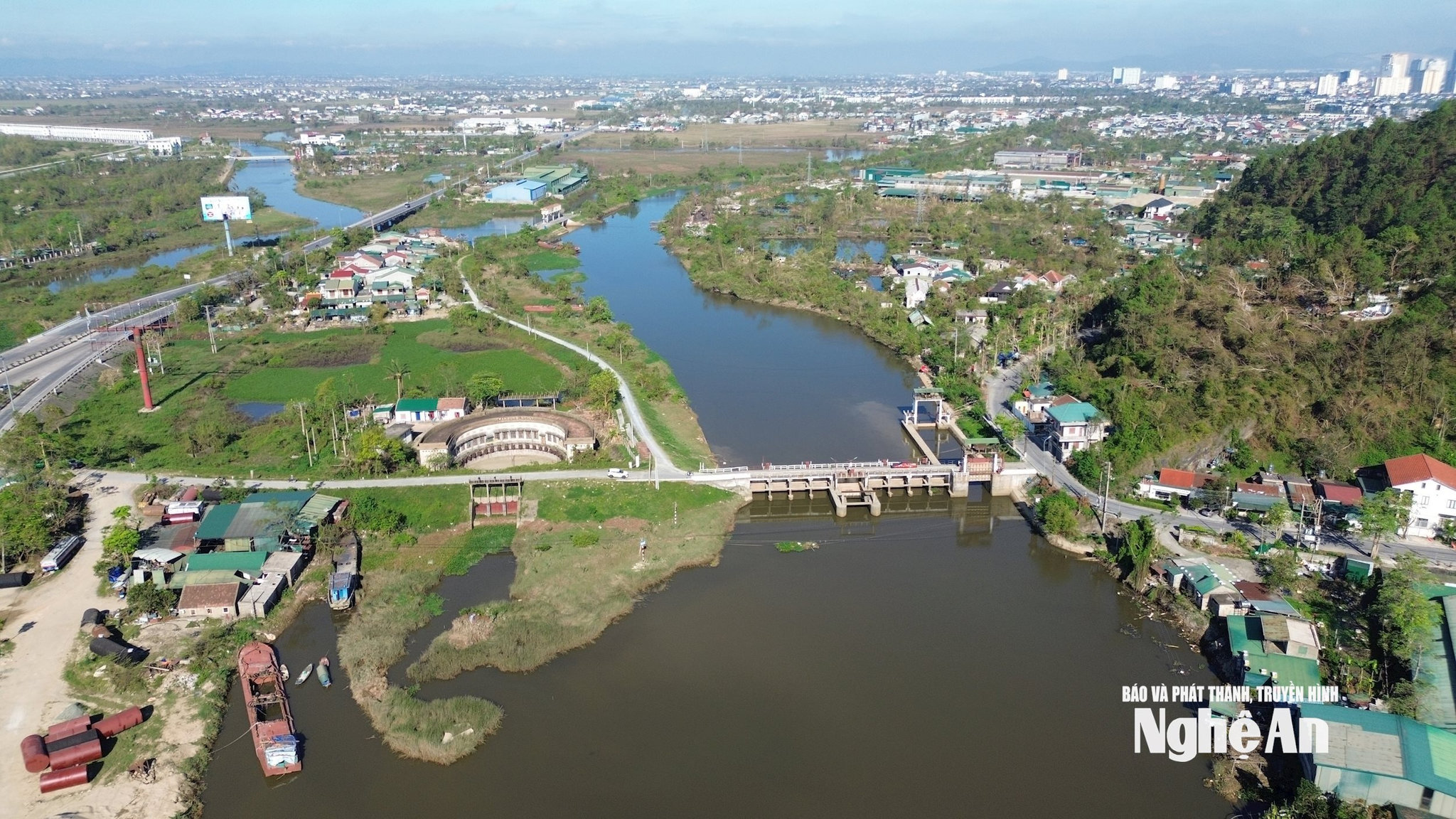
In the downstream area, saltwater intrusion penetrates deep into the inland areas very early, putting great pressure on saltwater intrusion prevention and freshwater retention structures such as Ben Thuy and Nghi Quang dams, directly threatening the water source for agricultural production in the Nam-Hung-Nghi region.
From fields that have to be replanted repeatedly, to lakes and dams drying up in the early summer, it's clear that drought in Nghe An is no longer a seasonal natural disaster as people used to face. It's becoming part of an extreme climate, where old rules are constantly being broken and experience accumulated over generations is no longer enough to guide the way.
(To be continued)
PV Team | Design: Huu Quan