

What should we do to make summer activities in our residential area truly beneficial?
Summer is a time for children to rest after a school year, but it also places a greater demand on creating safe and healthy playgrounds in the community. Experience in some residential areas shows that summer activities remain necessary, but if reforms are slow, these playgrounds can easily become mere formal gatherings.
When children are reluctant to participate in summer activities.
For about the past four years, every summer, 14th-grade students from Ha Huy Tap ward, Vinh City (formerly), now Ha Huy Tap 14th grade, Vinh Phu ward, have gathered for activities in the courtyard of Ha Huy Tap 2 Primary School. Twice a week, students from grades 3 to 12 come together in the courtyard, mainly to do exercises under the guidance of some retired teachers. Towards the end of the activities, they also have a talk on school traditions.
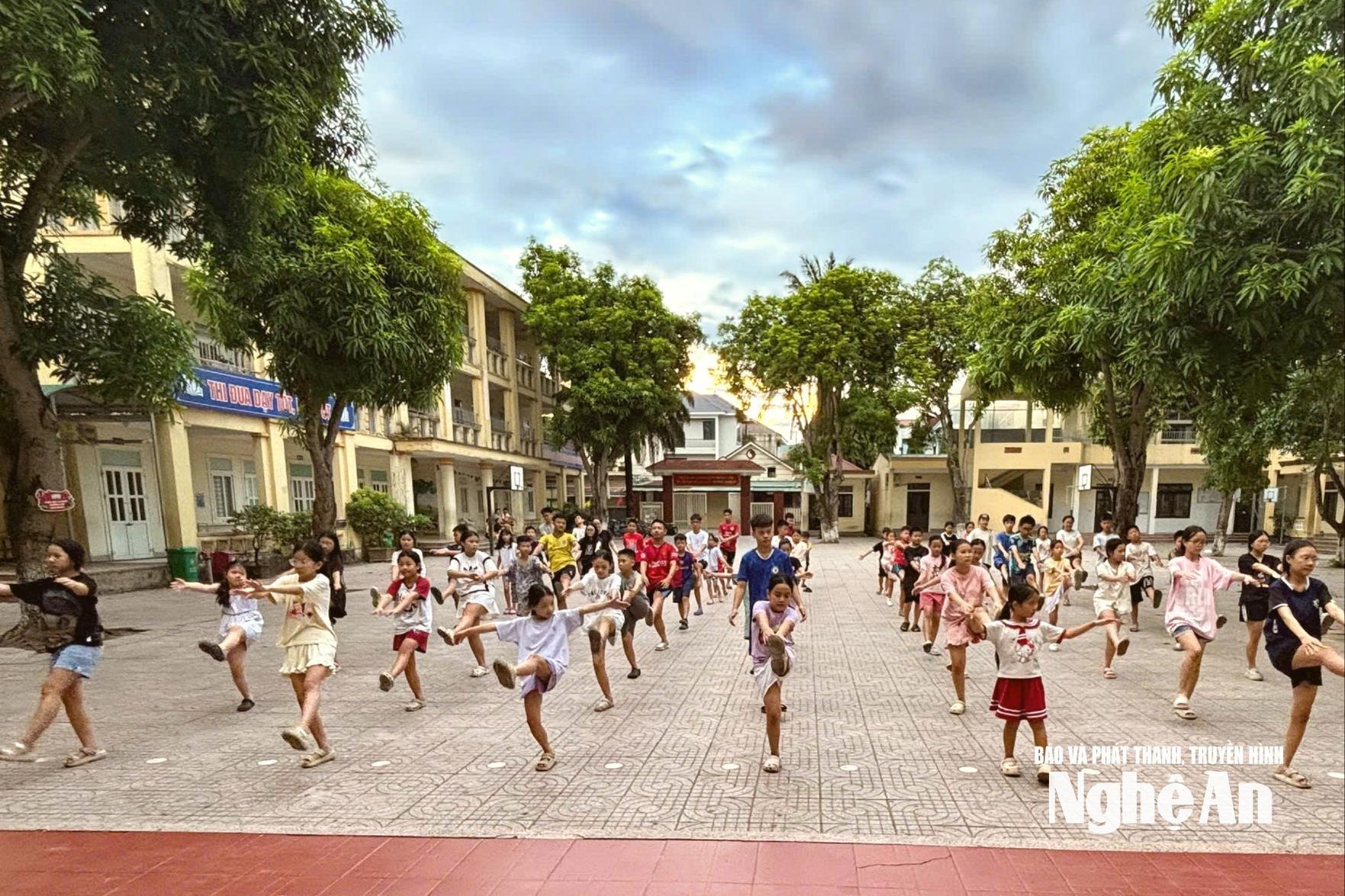
In form, this is an organized activity with designated leaders, a designated location, and contributes to maintaining student discipline during the summer. However, due to the lack of variation in content and the wide age range of participants—from elementary to high school students—all participating in the same activities, the activity has not truly become appealing. Many students attend school with the mindset of simply "being present," because frequent absences could result in reprimands upon their return to school at the start of the academic year.
Hoang Thao Nguyen, a middle school student participating in summer activities at the 14th grade of Ha Huy Tap High School, said that the activities usually follow a familiar pattern: gathering, lining up, exercising, and then going home. “Some days, my friends and I participate mainly because we're afraid of being marked absent and getting a reprimand at the beginning of the school year. If the summer activities included more games, football, badminton, reading, water safety skills, or group activities based on age, I'm sure everyone would be more enthusiastic,” Thao Nguyen shared.
"Parents want their children to have a safe and enriching playground near home, not just to be included in a summer activity list. Children these days get bored very quickly, and if every year it's just about gathering and exercising, it's hard to maintain self-discipline."
Ms. Tran Thi Thuy Anh, a resident of Block 14, Ha Huy Tap Street, Vinh Phu Ward.
The story in Block 14, Ha Huy Tap Street, is not unique. In many residential areas, summer activities still rely mainly on the enthusiasm of youth union officials, block/hamlet/neighborhood committees, or some retired local people. With limited funding, a lack of playgrounds, equipment, and people with the skills to organize activities for children, many places struggle to maintain diverse and regular programs.
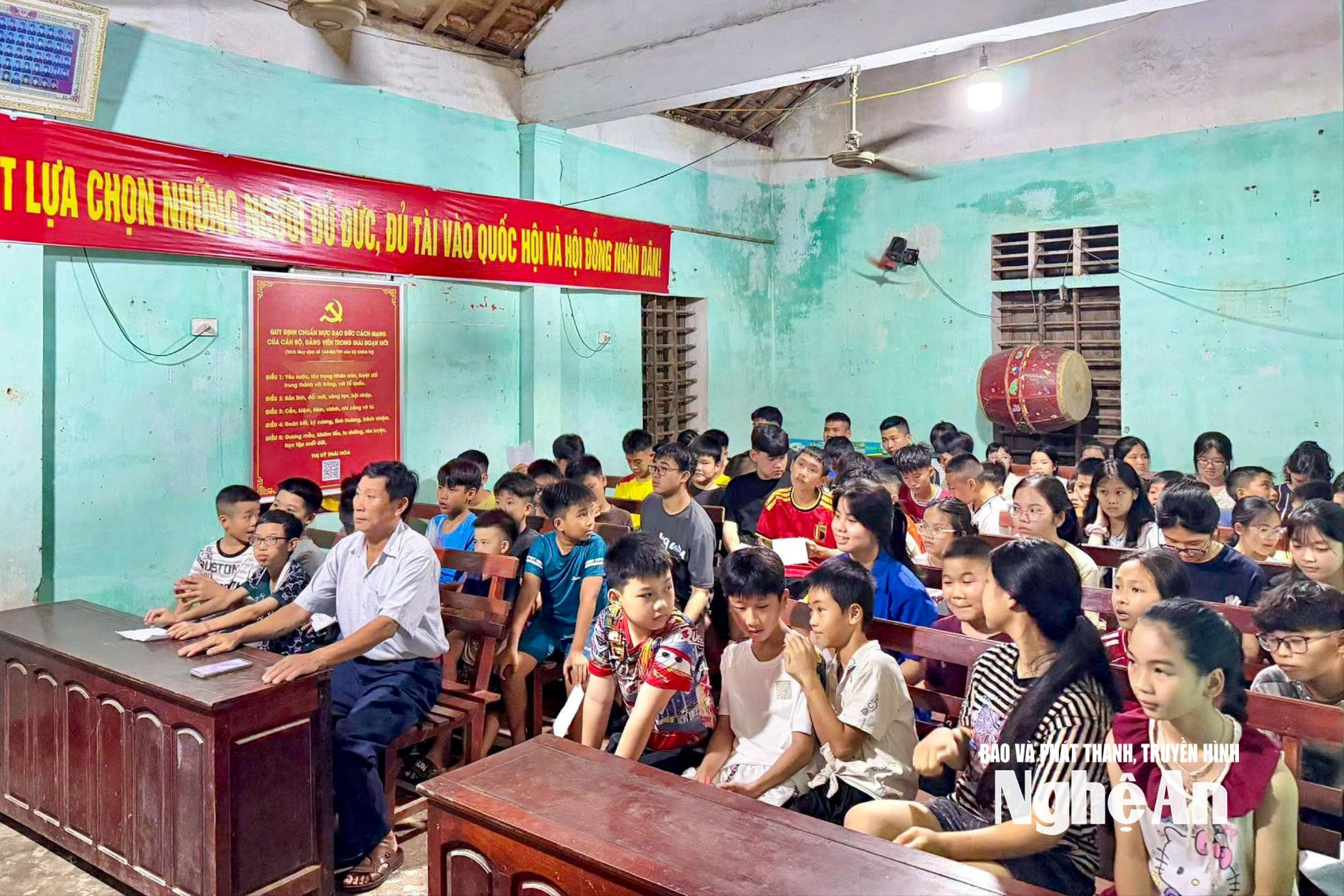
Meanwhile, children's needs today are different from before. They no longer just need a place to register their attendance; they need space to exercise, socialize, showcase their talents, learn skills, and connect with friends. If summer activities lack interaction, are not grouped by age, and offer little innovation, it's understandable that children will participate reluctantly.
From scheduled activities to customized playgrounds.
Besides those still following traditional methods, many Youth Union branches in Nghe An have begun to find ways to innovate summer activities for children. In some localities such as Giai Lac, Minh Chau, Thai Hoa, Thong Thu, Con Cuong, Chau Tien, etc., summer activities are not limited to gathering students, but are linked to arts and culture, physical education, sports, group games, raising awareness about drowning prevention skills, traffic safety, protecting children in the online environment, environmental activities, and caring for disadvantaged children.
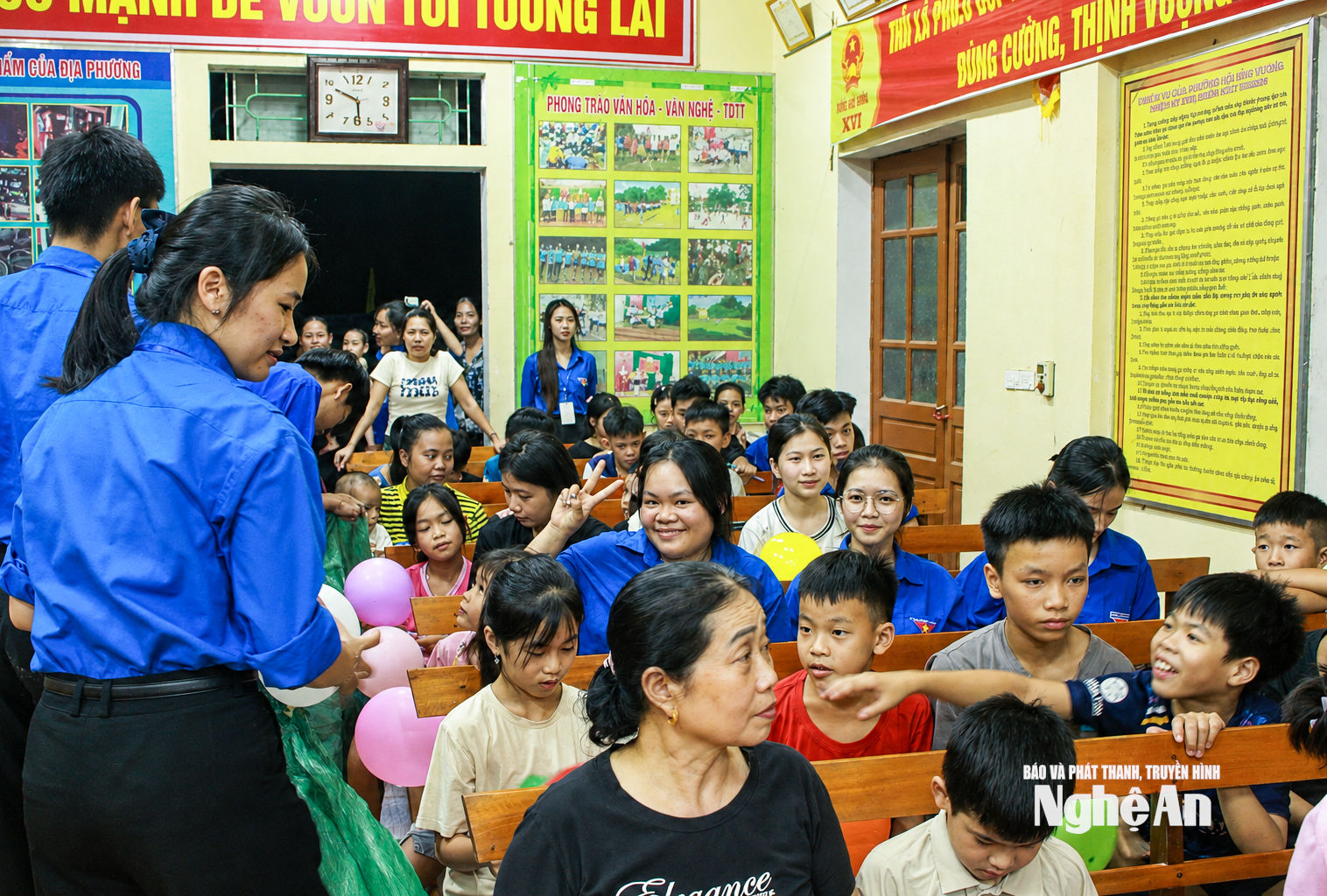
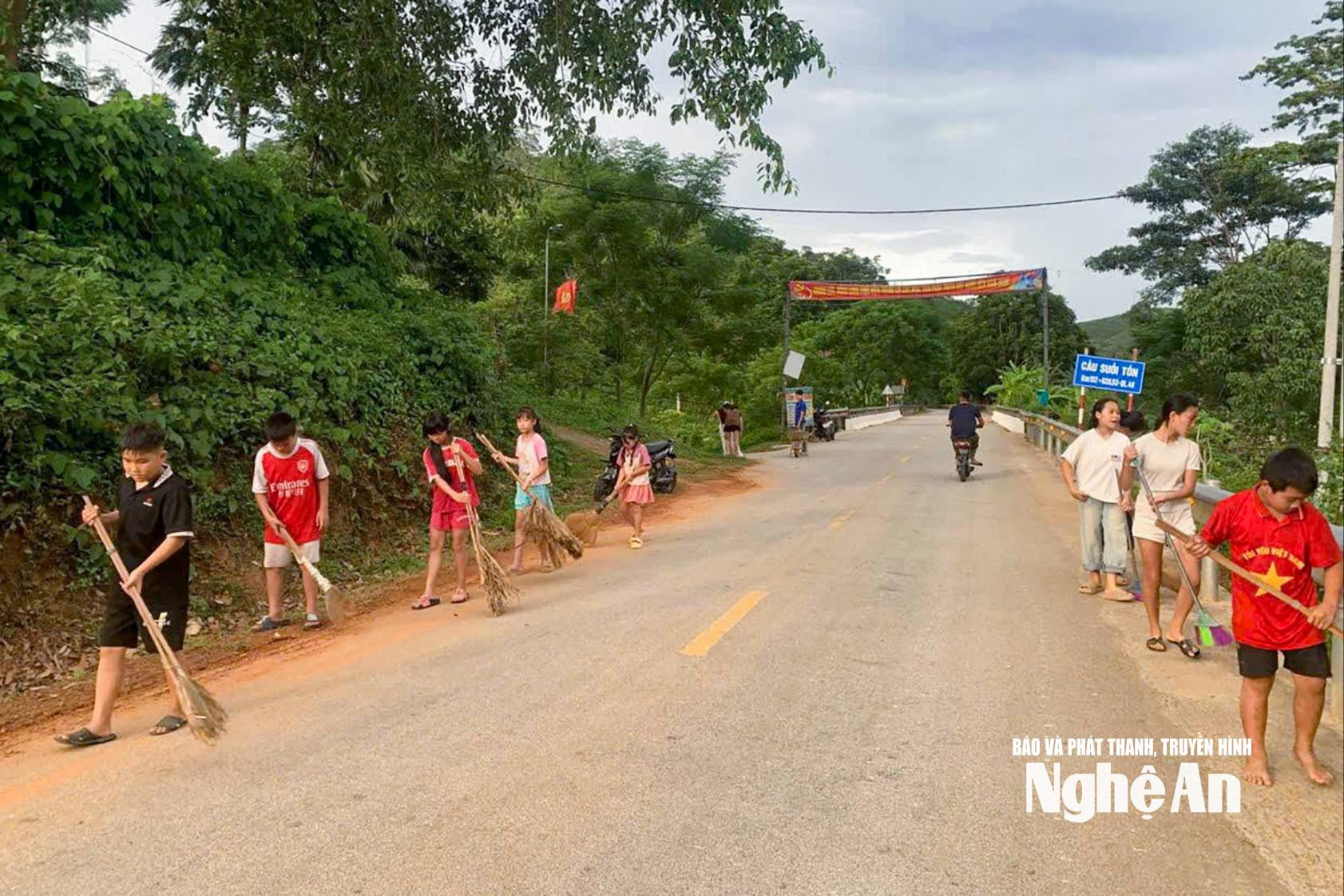
For example, in Thong Thu commune, summer activities for children and teenagers are organized in a way that combines fun with community activities. Typically, in Muong Piet village, during a recent summer program, in the afternoon, the children, along with youth union members, participated in cleaning up the environment, clearing overgrown paths and alleys, contributing to building a green, clean, and beautiful landscape. In the evening, the program continued at the village cultural center with games like tug-of-war, "who's faster than the chair," dance practice, and group interaction, creating a joyful and united atmosphere.
According to Ms. Luong Thi Doan, Secretary of the Youth Union of Thong Thu commune, the most difficult thing right now is not gathering children for a few early summer sessions, but maintaining their enthusiasm throughout the entire holiday.
Children nowadays, even those in mountainous areas like Thong Thu, have many entertainment options, especially phones and social media. Therefore, summer activities must constantly change, incorporating games, physical activities, skill-building exercises, and age-specific activities. A mass, centralized approach makes it very difficult to keep children engaged.
Ms. Luong Thi Doan - Secretary of the Youth Union of Thong Thu Commune
Based on practical experience at the grassroots level, Nguyen Hoang Chung, Secretary of the Giai Lac Commune Youth Union, suggested that to innovate summer activities, youth union branches, blocks, and hamlets need specific weekly activity schedules, rather than cramming everything into a few sessions at the beginning or end of summer. Local authorities should also mobilize more parents, teachers, student volunteers, and sports and arts clubs to participate.
"In many residential areas, the resources for organizing summer activities are limited, and funding is restricted, so if it's solely entrusted to the Youth Union, it's difficult to enrich the program. Summer activities should be a shared effort of the entire community," Chung shared.
One innovative approach is to organize activities based on shared interests and age groups. For elementary school students, activities could include folk games, reading, painting, singing and dancing, storytelling, and self-defense instruction. For middle and high school students, clubs could be developed for football, badminton, folk dance, communication skills, safe internet use, small-scale volunteer work, gardening, and local history exploration. When students participate according to their interests, they will see summer activities as a natural need rather than a chore.
Along with innovative content, summer activities also need to increase experiential learning. A drowning prevention awareness session would be more effective if it included illustrative scenarios, guidance on identifying dangerous areas, and safety rules for swimming in the sea, ponds, lakes, rivers, and streams. A talk on online safety would be more practical if it helped children recognize suspicious links, fake accounts, enticing messages, online bullying, and how to report unsafe situations to adults.
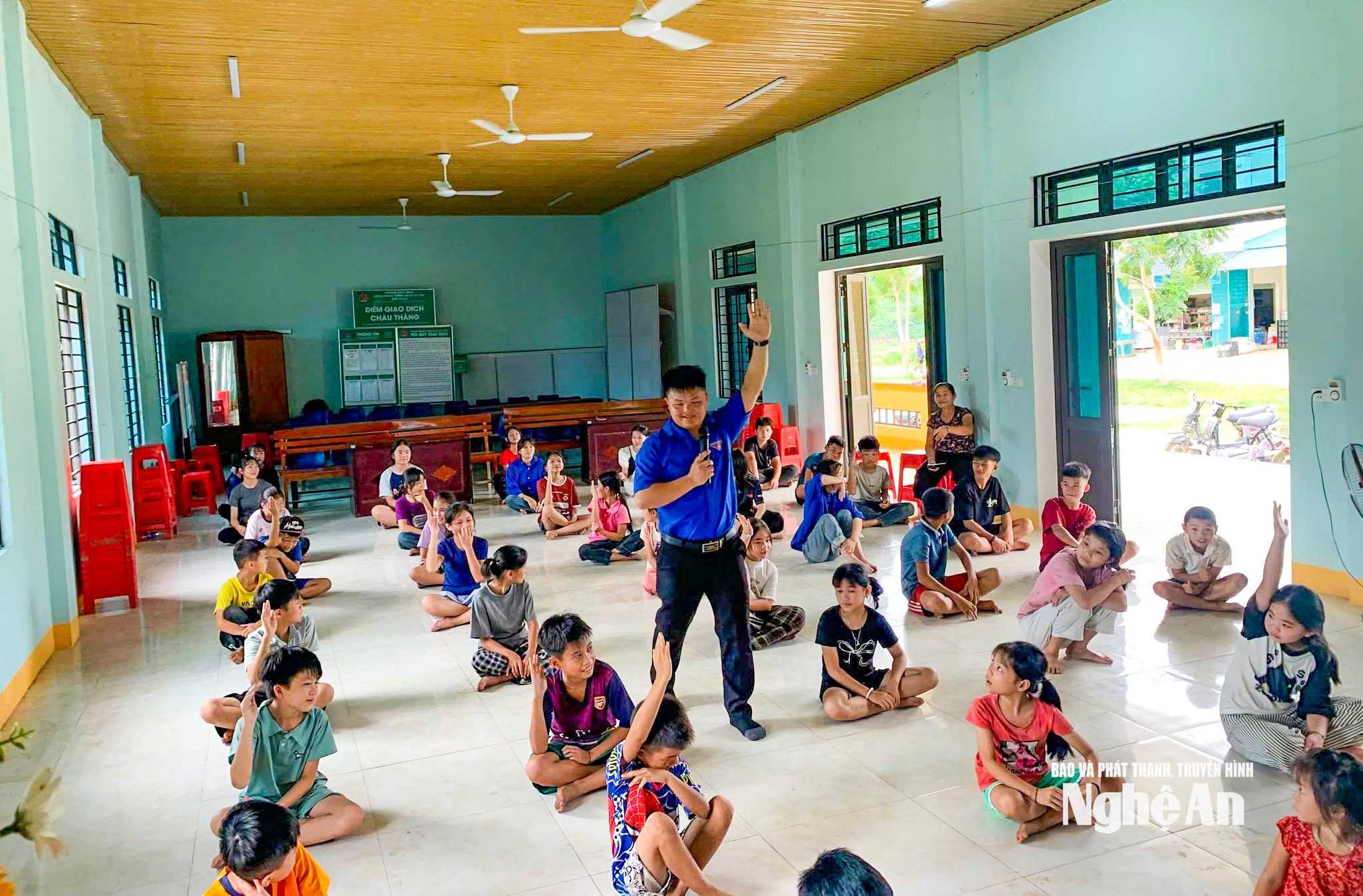
Children's summers will be more meaningful when they can play safely, exercise, learn skills, and connect with the community. When each neighborhood truly becomes a "playground near home," summer activities will no longer be something students participate in out of fear of criticism, but rather a time they look forward to in their journey of growing up.