

Nghe An: CSea dikes need to be upgraded soon in anticipation of major storms.
In 2025, due to the consecutive landfall of typhoons No. 5 and No. 10, many sections of coastal dikes, embankments, and main sluices suffered severe erosion and degradation. With the 2026 rainy season approaching, localities need to inspect and review the situation, and promptly upgrade sections of sea and river dikes adjacent to the sea to cope with increasingly complex natural disasters caused by climate change.
Increase the wave resistance of vulnerable sea dikes.
In recent years, thanks to the attention and support from the central government, the sea dike system in Nghe An, especially the critical sections directly adjacent to the sea, has been invested in and reinforced, making it more solid and secure. Typical examples include the sea dike system from An Chau commune to Dien Chau commune, and the sea dike from Hai Chau commune to Quynh Phu commune, which includes dikes and breakwaters capable of withstanding storms of level 10-11.
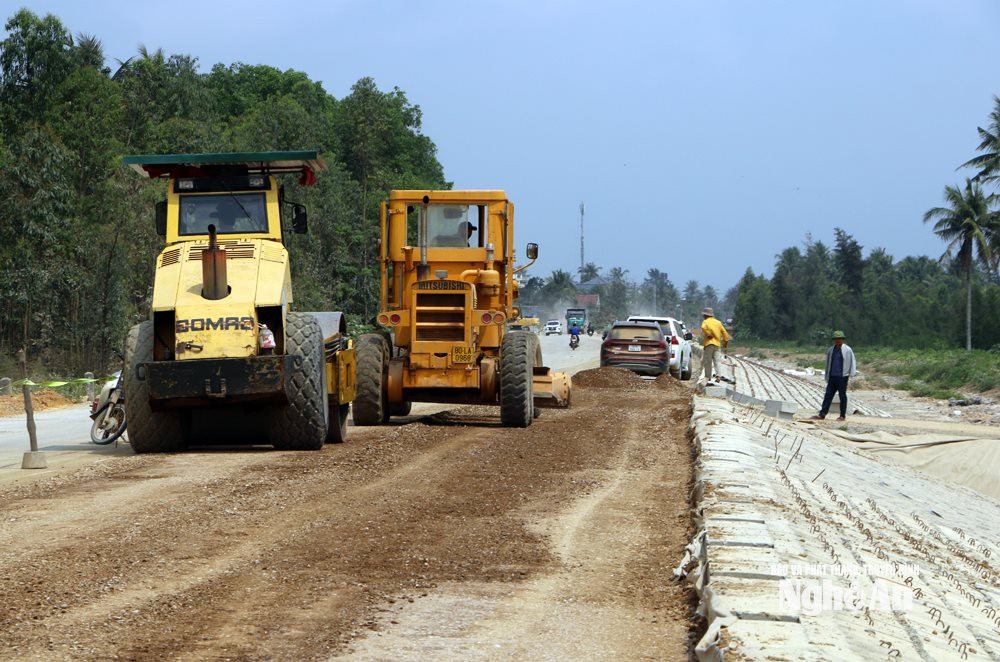
Furthermore, thanks to the investment in a parallel coastal road, some sections of which are integrated with the sea dike, the sea dike's ability to withstand large waves and rising sea levels has improved. This is most evident in the section of the sea dike from the foot of Lach Van Bridge to the foot of Lach Thoi Bridge, which has been significantly reinforced.
In addition to repairing damage caused by construction, and fulfilling their commitment to the local People's Committees, after completing the coastal road, the contractors increased the thickness of the dike by 20-25cm and smoothed the concrete surface on some sections of the dike in Hai Chau and Quynh Phu communes (formerly part of Quynh Tho commune); opened connecting roads from residential areas to the dike; renovated and repaired the dike slopes and reinforced them with concrete to facilitate access for residents, increasing the dike's resistance to storms and rising sea levels...
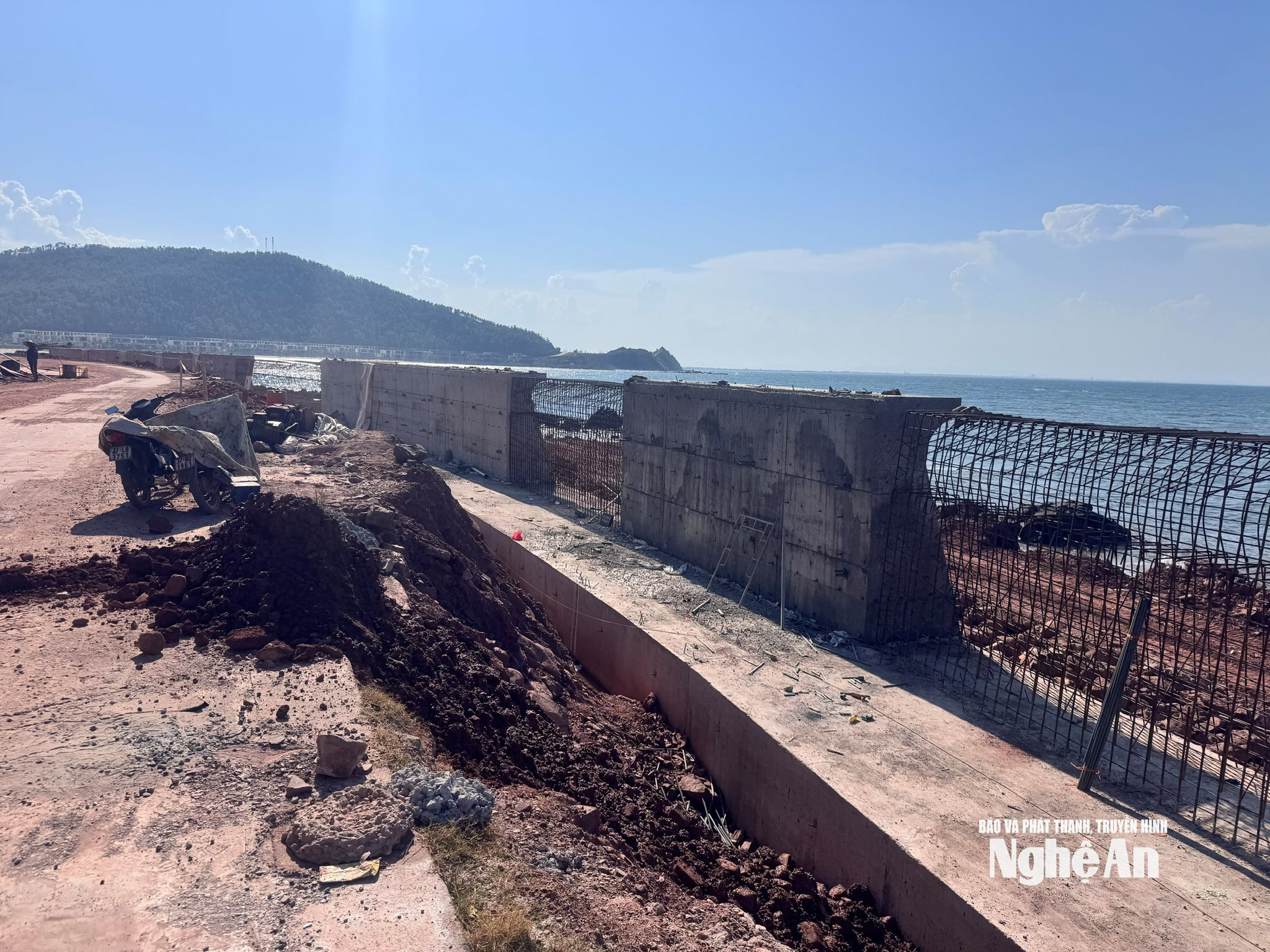
Regarding the national defense road combined with a breakwater from Bai Lu to Tien Phong hamlet, Hai Loc commune, which suffered severe erosion and degradation after typhoon No. 5, the province has decided to invest over 370 billion VND to rebuild this road and combine it with a breakwater to prevent further erosion.
Mr. Nguyen Dinh Thi, Chairman of the Hai Loc Commune People's Committee, happily stated: "After Typhoon No. 5, the national defense road and breakwater were damaged by landslides and erosion, forcing the commune to put up warning signs. We are very pleased that after a period of petitioning, the Provincial People's Committee has approved the reconstruction of nearly 500 meters of this road and breakwater. The breakwater project at Bai Lu is expected to be completed in August 2026, before the rainy season."
Mr. Nguyen Truong Thanh, Head of the Provincial Department of Irrigation and Dike Management, assessed: Basically, the coastal dike system in Nghe An province has been solidly and comprehensively invested in over the years, capable of withstanding storms up to level 10 and sea level rise of 1-2 meters. After completion, the coastal dike lines are decentralized to the communes for management. In case of major repairs, the communes report to the Department, which then reports to the Provincial People's Committee.
Proactively prevent potential problems.
Although there is some reassurance regarding the sea dike system, as shared by the head of the Department of Irrigation and Dike Management: According to the design, the sea dike system in Nghe An, including vulnerable sections such as the cofferdam in An Chau commune and the sea dike from Hai Chau commune to Quynh Phu commune, is only capable of withstanding storms of level 11 and high tides, with sea level rise below 2 meters. According to forecasts, due to the impact of climate change, the mainland could be directly affected by major storms of level 12 to 14-15, along with high tides causing large waves and sea level rise of 3-5 meters.
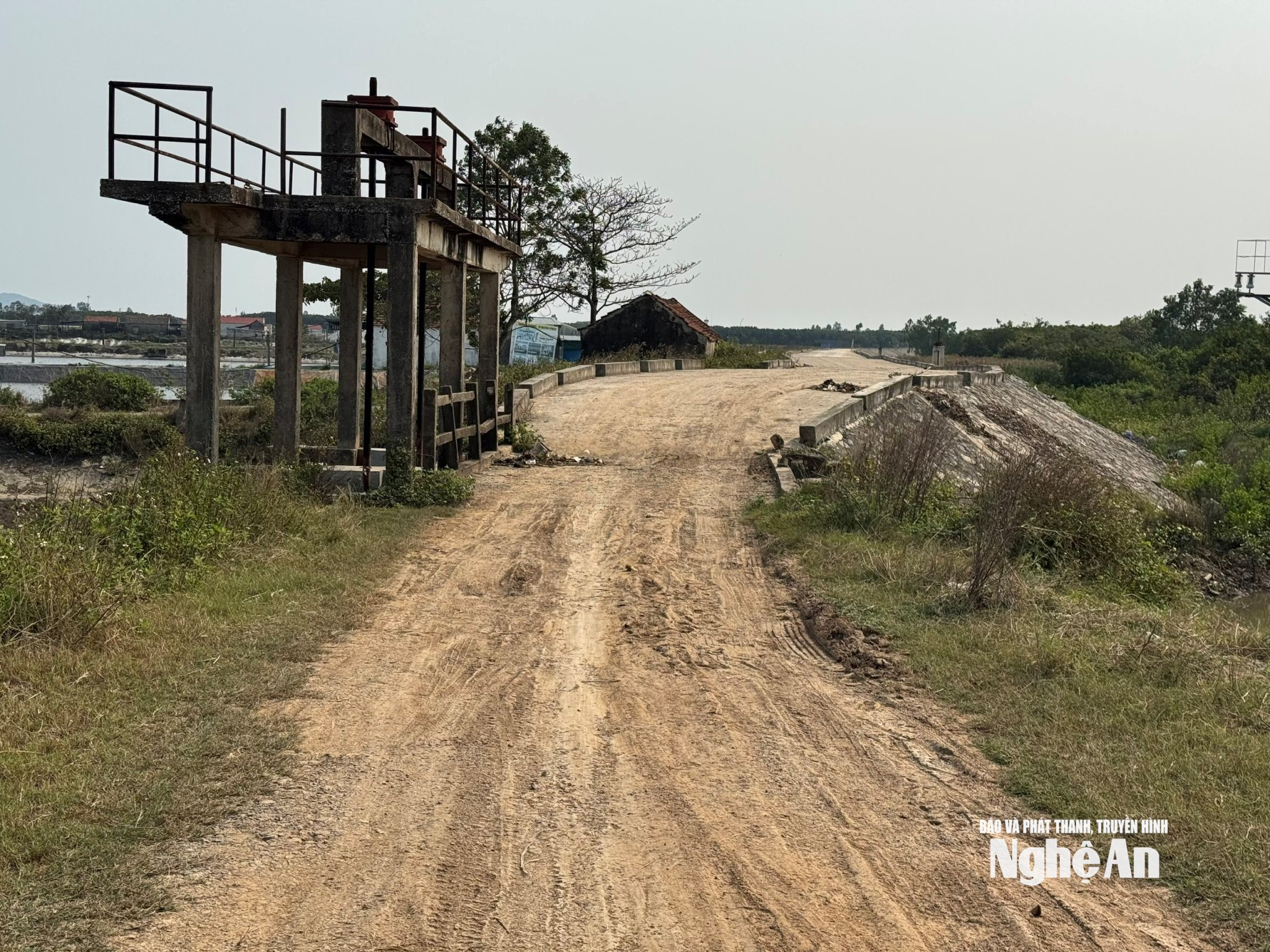
In fact, in recent years there have been major storms that have breached dikes, even causing seawater to overflow into residential areas and inland fields, resulting in heavy damage, so we cannot be complacent. Therefore, during the rainy season, when warnings of large waves and sea levels rising above 3 meters are issued, the province and localities must develop corresponding evacuation plans.
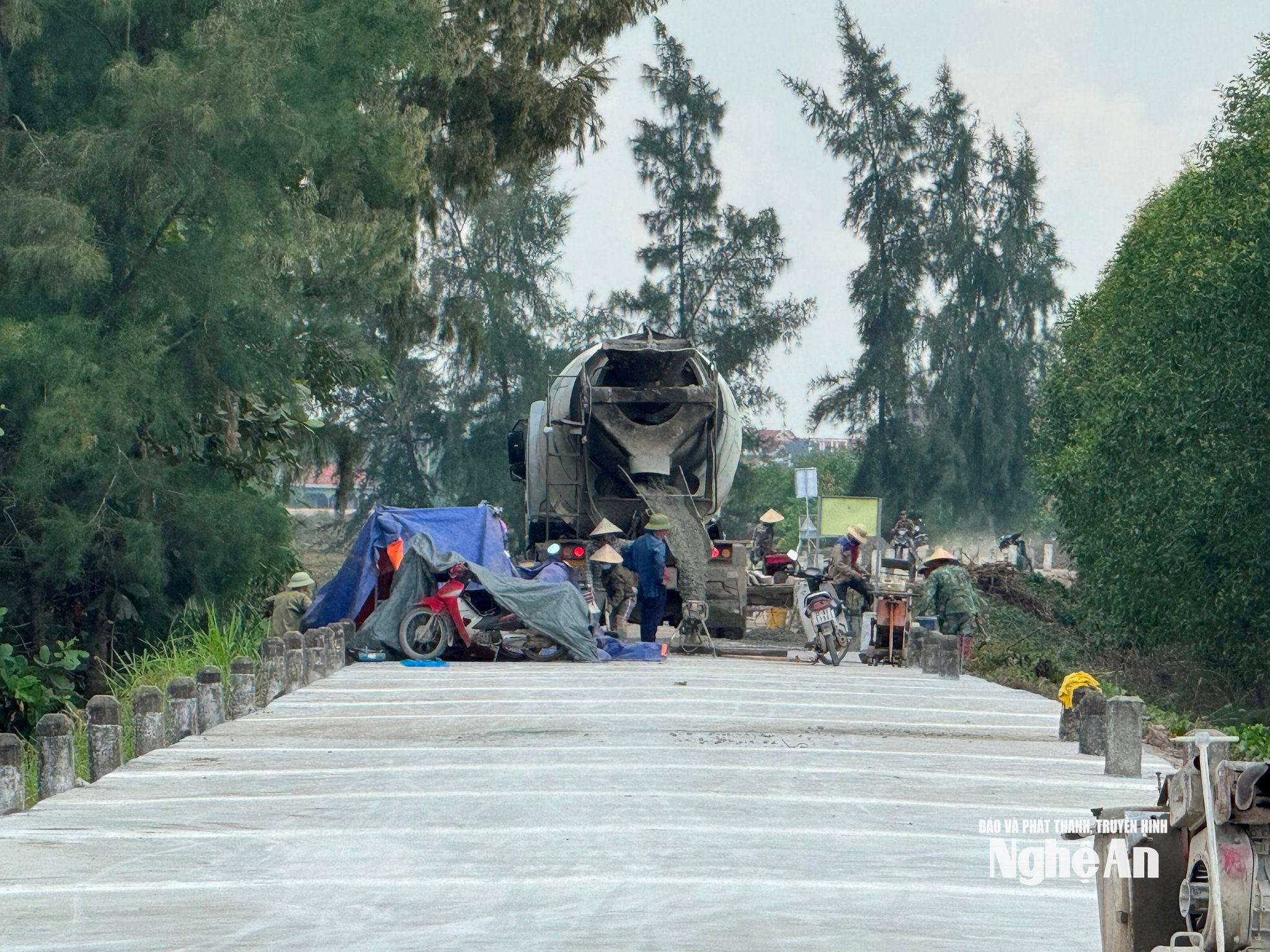
Mr. Cao Xuan Diep – Vice Chairman of the People's Committee of Quynh Phu commune shared: During typhoons No. 5 and No. 10, due to high tides and predicted waves of 3-4 meters rising into Quynh Phu commune, the commune had to evacuate nearly 900 households overnight, which was quite difficult. Therefore, along with urgently reviewing the drainage system through the dike to prevent flooding and organizing the mooring of boats, the commune continuously proposed investment in upgrading some vulnerable sections of the dike…
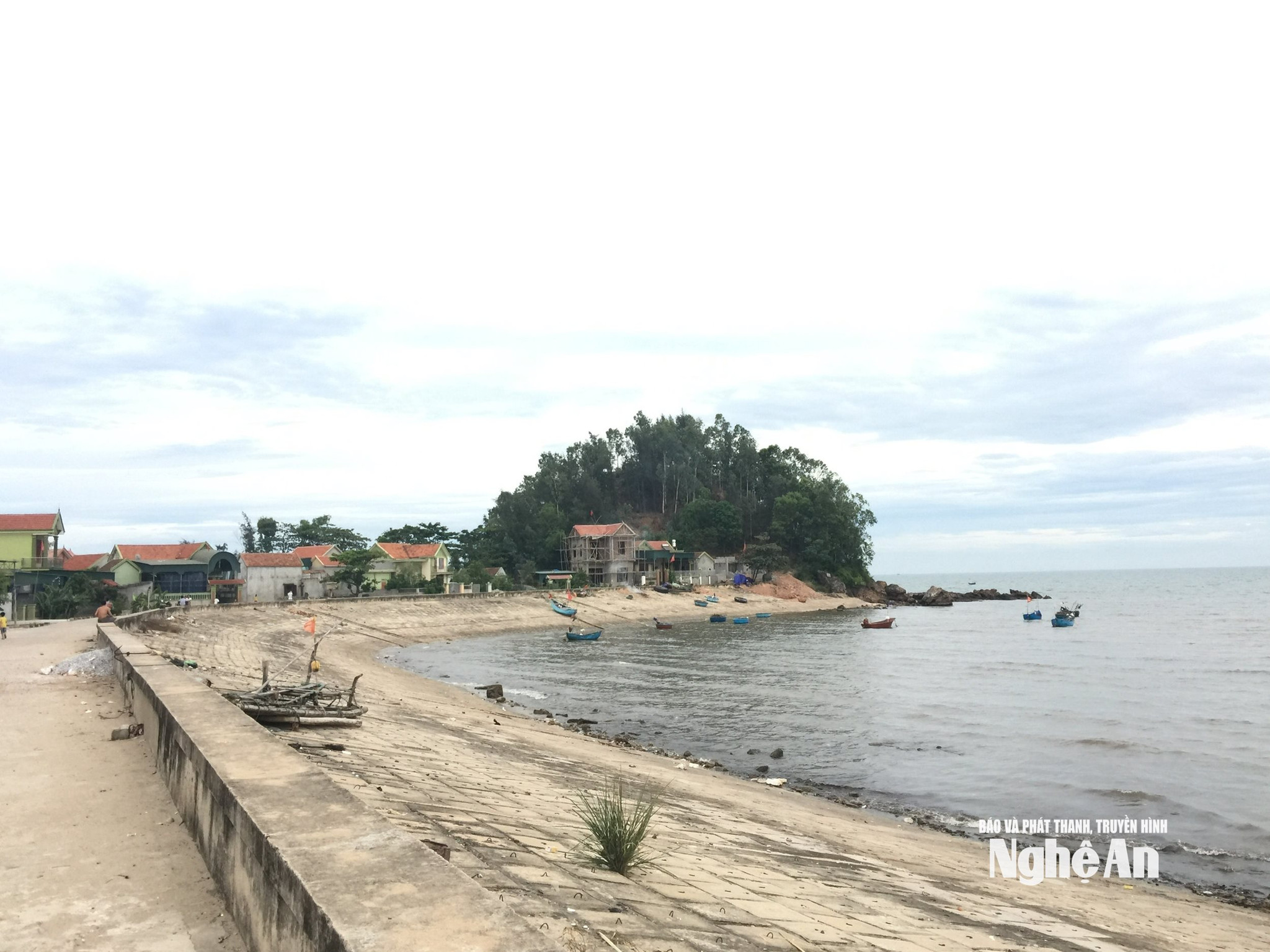
Further investigation revealed that one of the key factors in protecting the sea dike and reducing damage is the system of protective mangrove forests outside the dike. Years ago, due to fewer storms, the protective mangrove forests of casuarina, acacia, and melaleuca trees along the coastal line from An Chau and Hai Chau communes to Quynh Phu and Quynh Mai communes were quite good. However, in 2025, due to two consecutive typhoons (numbers 5 and 10), many areas of protective mangrove forests, including decades-old casuarina trees in Hai Chau, Quynh Phu, and Quynh Mai communes, were broken and had to be cut down. Although the communes have replanted them, the trees are still too small, so their effectiveness in protecting the dike from waves is not as good as before.
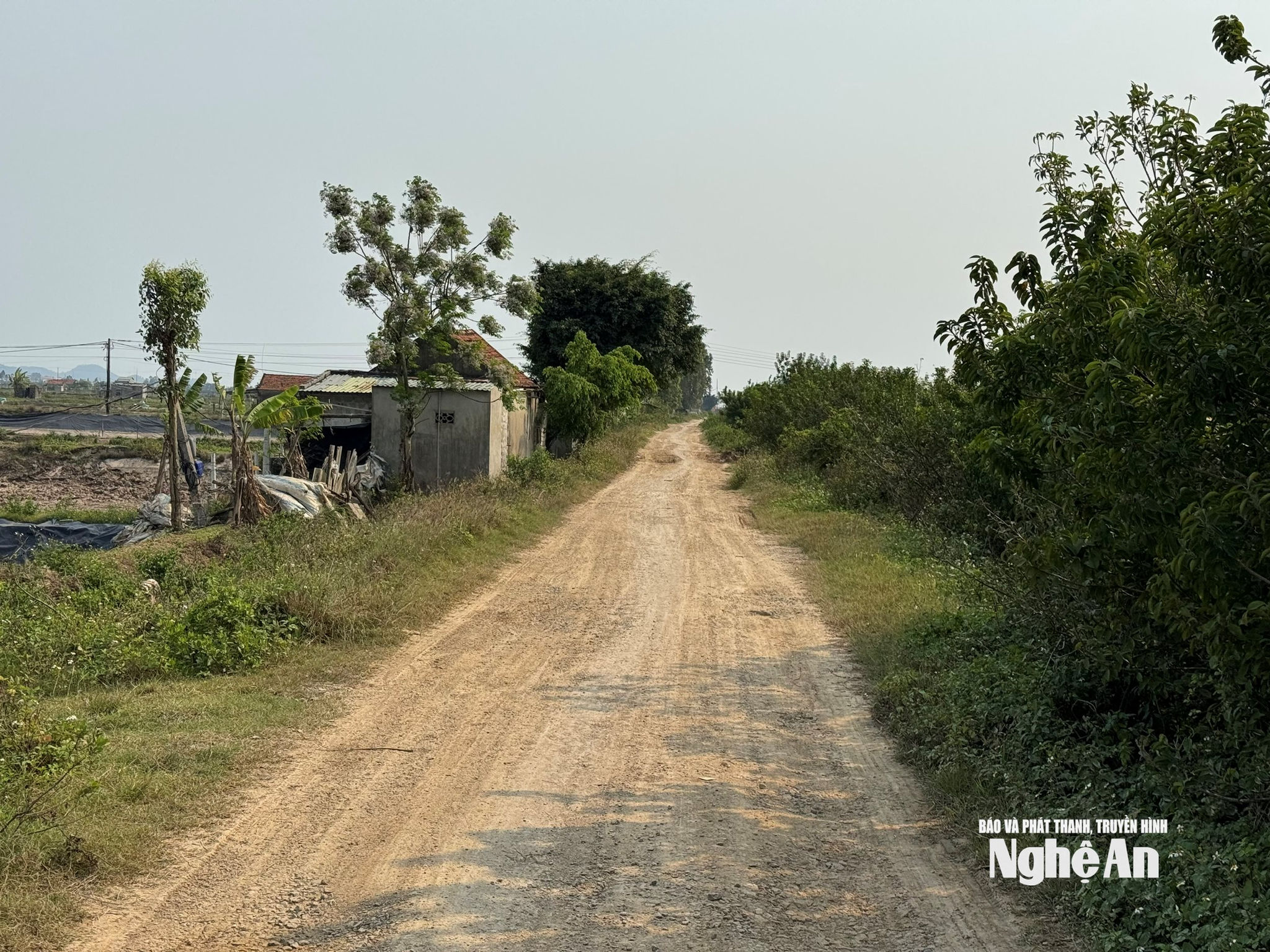
In Quynh Anh commune, although there are no critical sea dikes, nearly 2km of the Mơ River embankment in the former Quynh Bang commune, built on earthen foundations, is severely degraded. While 5km of the Mơ River embankment on the southern bank has been reinforced with ODA loan funds, the northern bank has not yet been repaired or upgraded. Heavy rains and rising sea levels pose a constant risk of dike breach.
Mr. Dang Tam, Director of Quynh Anh Agricultural Service Cooperative, said: "If this nearly 2km stretch of the Mo River dike breaks, it will cause enormous damage because behind it are 200 hectares of intensive shrimp farming ponds belonging to the commune and dozens of hectares of intensive vegetable crops belonging to local people nearby. We hope the province will pay attention to this issue so that it can be reinforced soon."
In Cua Lo Ward, the risk of flooding due to rising sea levels and seawater intrusion is imminent. During Typhoon No. 5, after causing landslides on many sections of roads and the eastern beach embankment, seawater overflowed the embankment and flowed into Binh Minh Street, flooding some sections with 20-30cm of water. Although it did not cause major damage, this serves as a warning and we cannot be complacent.
Representatives from the Nghe An Department of Irrigation and Dyke Management stated that the Provincial People's Committee has issued a plan for responding to natural disasters in 2026, which includes evacuation and relocation scenarios from level I to level VII for situations such as sea dike breaches, river dike breaches, or flooding. However, to proactively minimize damage, in the long term, it is essential to allocate resources to upgrade the resilience of sea dikes against the impacts of climate change. In addition, it is necessary to urgently replant and maintain the area of coastal protection forests.