
Distorting history, insulting leaders: They must pay the price before the law.
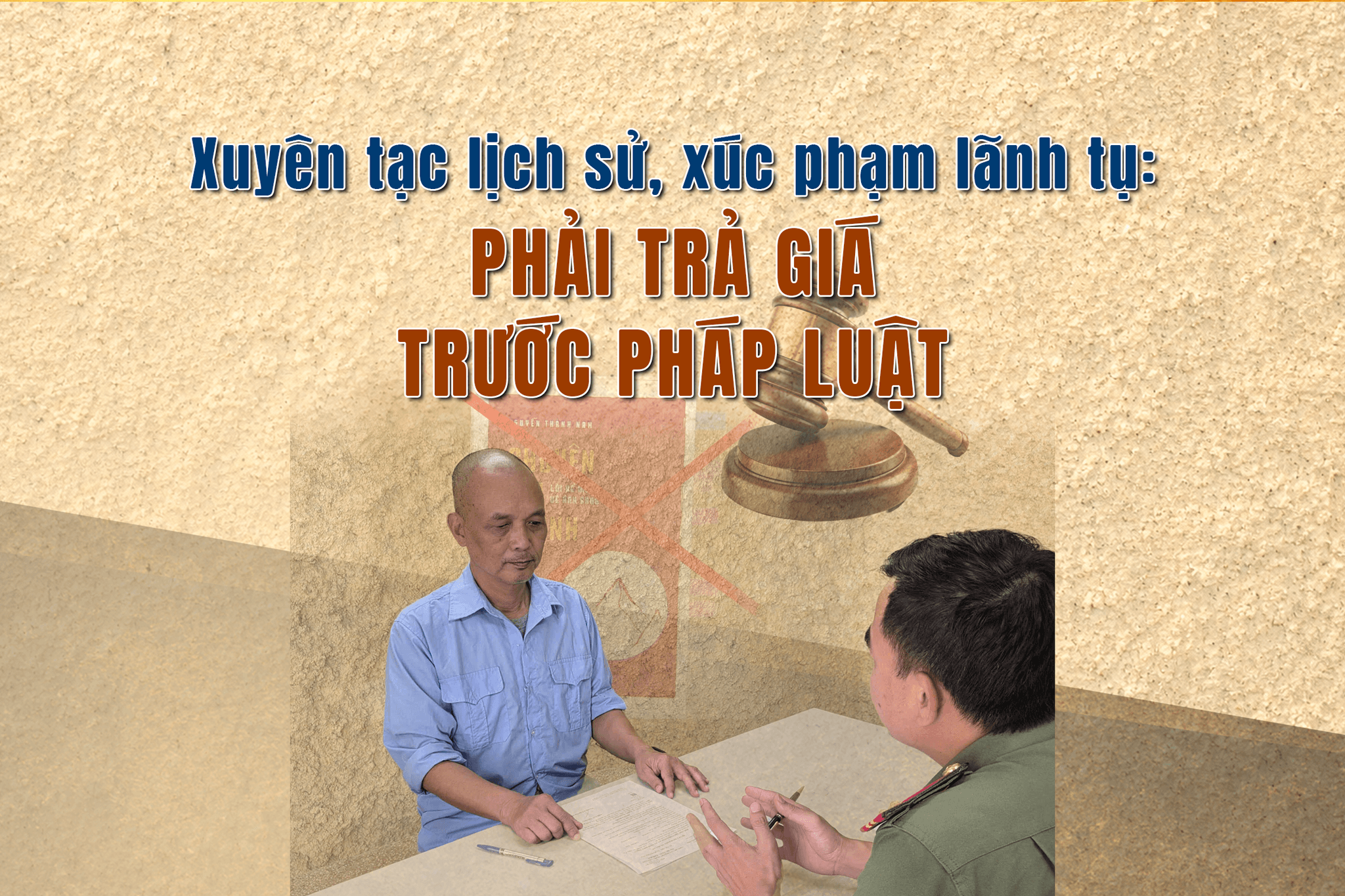
The prosecution and detention of Nguyen Thanh Nam and Tran Viet Anh in connection with the book "Stories with Thanh - A New Account of Light" and videos distorting history and insulting national leaders once again affirms the principle of the rule of law: all freedoms have limits. No one is allowed to use the name of "liberation," "criticism," or "freedom of speech" to distort historical truth or insult the sacred values of the nation. Any such act must be punished by law!
Duc Nghia• 07/07/2026 22:17
The prosecution and detention of Nguyen Thanh Nam and Tran Viet Anh in connection with the book "Stories with Thanh - A New Account of Light" and videos distorting history and insulting national leaders once again affirms the principle of the rule of law: all freedoms have limits. No one is allowed to use the name of "liberation," "criticism," or "freedom of speech" to distort historical truth or insult the sacred values of the nation. Any such act must be punished by law!
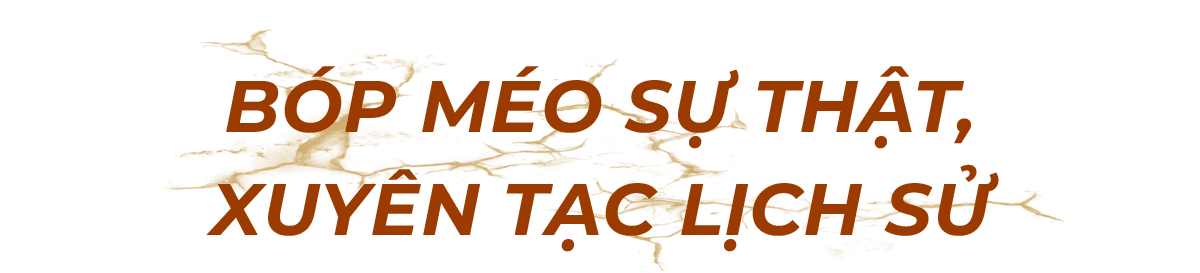
One of the most alarming manifestations in cyberspace today is the deliberate manipulation of concepts. People use the name of critical thinking to deny; the name of independent thinking to attack; the name of enlightenment to insult; and the name of research to distort history. Even more dangerous, these actions are often cloaked in an academic veneer, presented in seemingly rational language, and disseminated through books, videos, seminars, or digital platforms to create the illusion of a "new truth" being discovered.
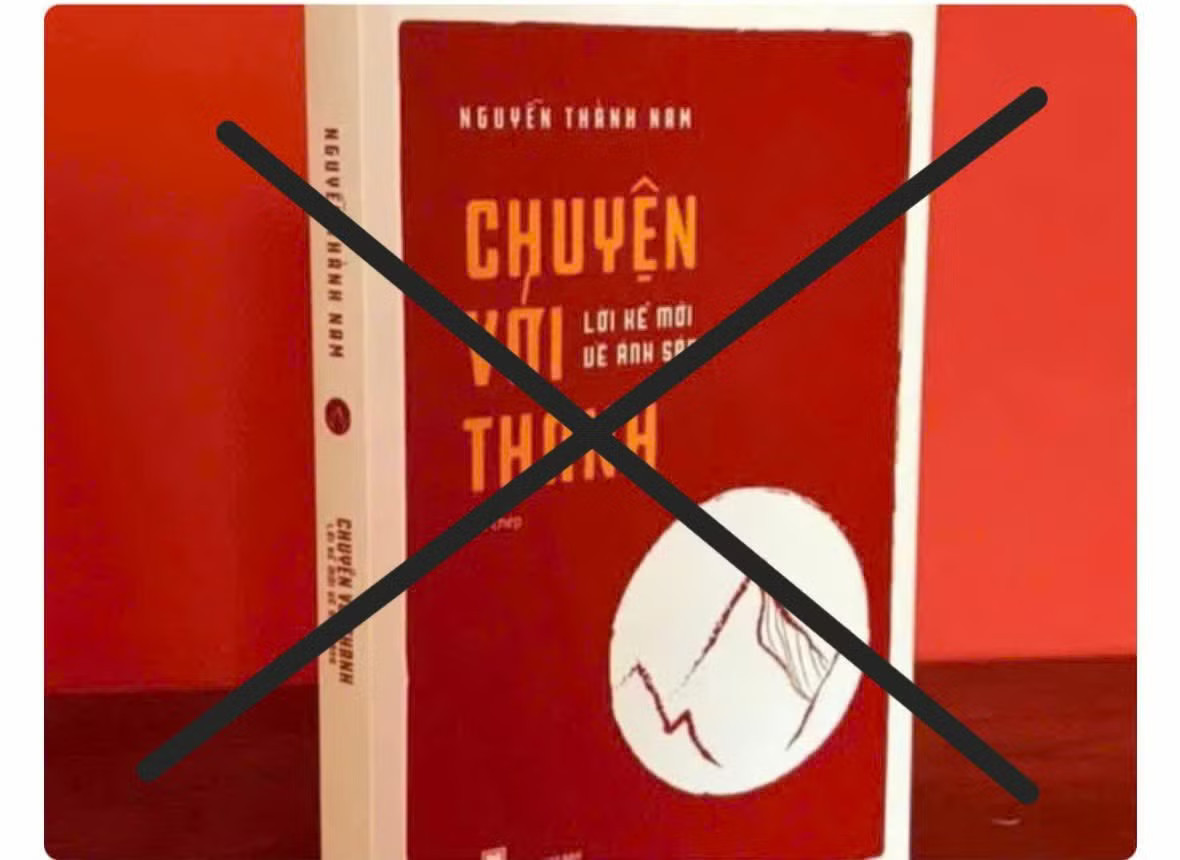
But history is not a language game. Nor is it a place where one can arbitrarily select a few disparate pieces of information, omit context, disregard the system of evidence, and then piece them together to form conclusions that serve personal biases. The essence of historical research is the search for truth. The essence of historical distortion is the distortion of truth. These two activities are opposed to each other in purpose, method, and value.
The case involving Nguyen Thanh Nam is a clear illustration of the boundary between freedom of expression and violations of the law. According to information from the investigating agency, the disseminated documents and content have been identified as distorting historical facts about revolutions, misrepresenting the Party's guidelines and policies, and the State's laws and regulations; while also insulting President Ho Chi Minh, General Vo Nguyen Giap, and many other senior leaders of the Party and State. Therefore, this is no longer simply a matter of academic debate or differences in research viewpoints, but has crossed the limits of freedom of speech and become a case being handled by the authorities in accordance with the law.
In any country, national leaders are not merely historical figures. These leaders, honored by history and the people, are symbols of pivotal periods in a nation's development. It is no coincidence that most countries around the world have legal mechanisms in place to protect historical truth, safeguard national symbols, and prevent the dissemination of false information that could harm the socio-political foundations.
What is more concerning is that misinformation today is no longer confined to a narrow sphere. A book can be recalled. A publication can be destroyed. But dozens of videos, hundreds of edited clips, and thousands of shares on social media can continue to exist, infiltrating social consciousness, especially the consciousness of young people who lack the means to verify information.
The destructive power of misinformation in the digital age is far greater than before. A fabricated story, repeated enough times, can create the illusion of truth. A false statement, spread continuously, can erode the trust of a segment of the public in their national history. That is why acts of distorting history in any form cannot be taken lightly.
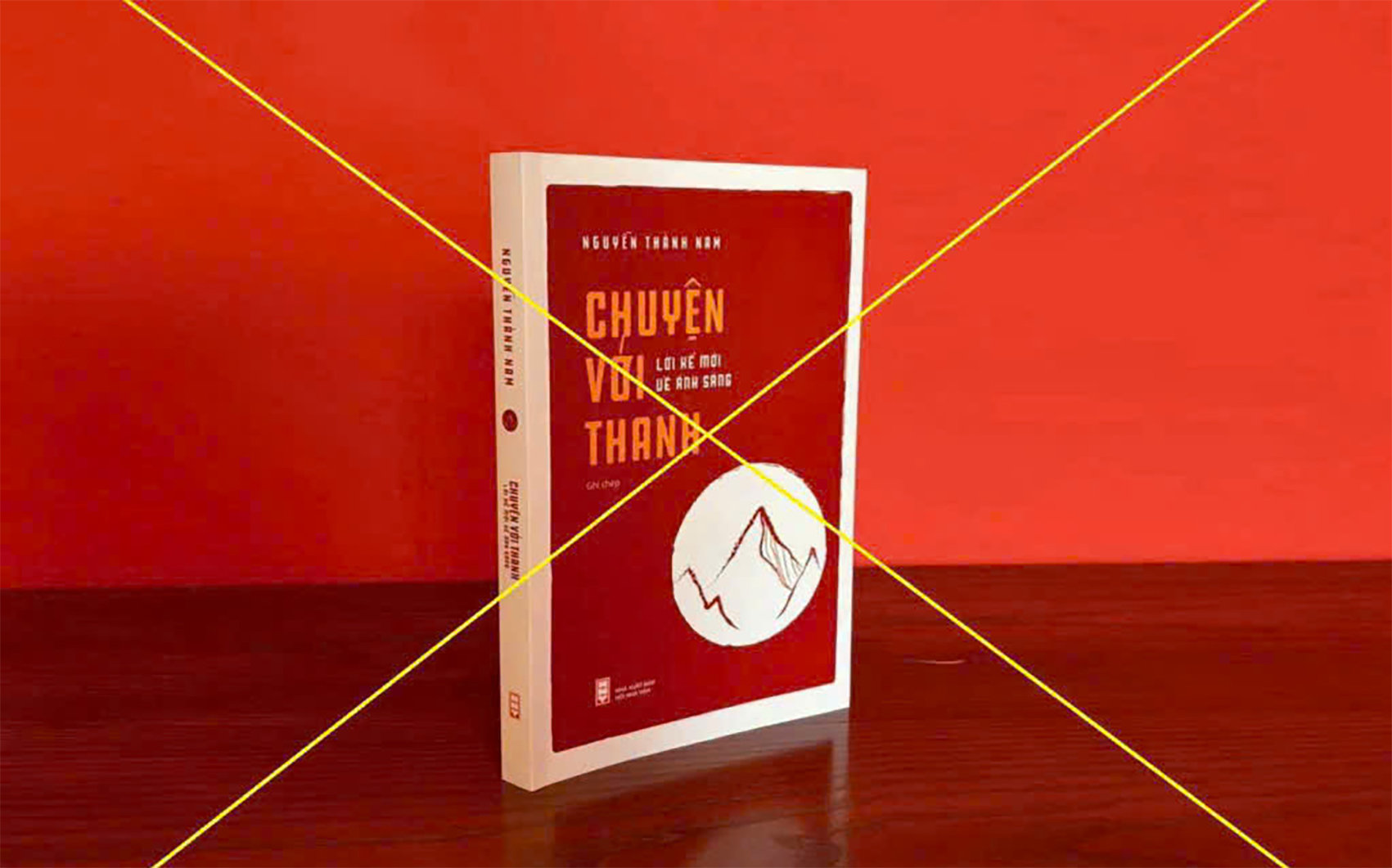
The course of events shows that the authorities handled the matter step-by-step, in the correct order, and based on clear legal grounds. Immediately after public and scholarly feedback emerged, the state management agency requested a review of the book's content. The Vietnam Writers Association Publishing House acknowledged shortcomings in its editing and review process, and accepted responsibility for deficiencies related to the accuracy of historical data and the way the work was presented. The book was withdrawn from circulation and recalled nationwide.
On June 15, 2026, the Department of Publishing, Printing and Distribution fined the Vietnam Writers Association Publishing House 100 million VND, suspended its operations for two months, ordered the destruction of all recalled publications, and demanded the return of any illegal profits obtained from the book's distribution. The penalty decision determined that the book contained inaccurate information and opinions about historical figures and events, and used inappropriate language when writing about President Ho Chi Minh and other former leaders of the Party.
Subsequent developments indicate that the case did not end with administrative handling of publishing activities. When the investigating agency determined there were signs of criminal law violations, the case was initiated, suspects were charged, and arrests were made in accordance with the law. This represents a shift from administrative responsibility to criminal responsibility, reflecting the nature and severity of the investigated act.
In a state governed by the rule of law, no one is above the law. An individual may be famous. A person may have a high academic degree. A person may have significant influence on social media. But all of that does not create any privilege to exempt them from liability when they break the law.
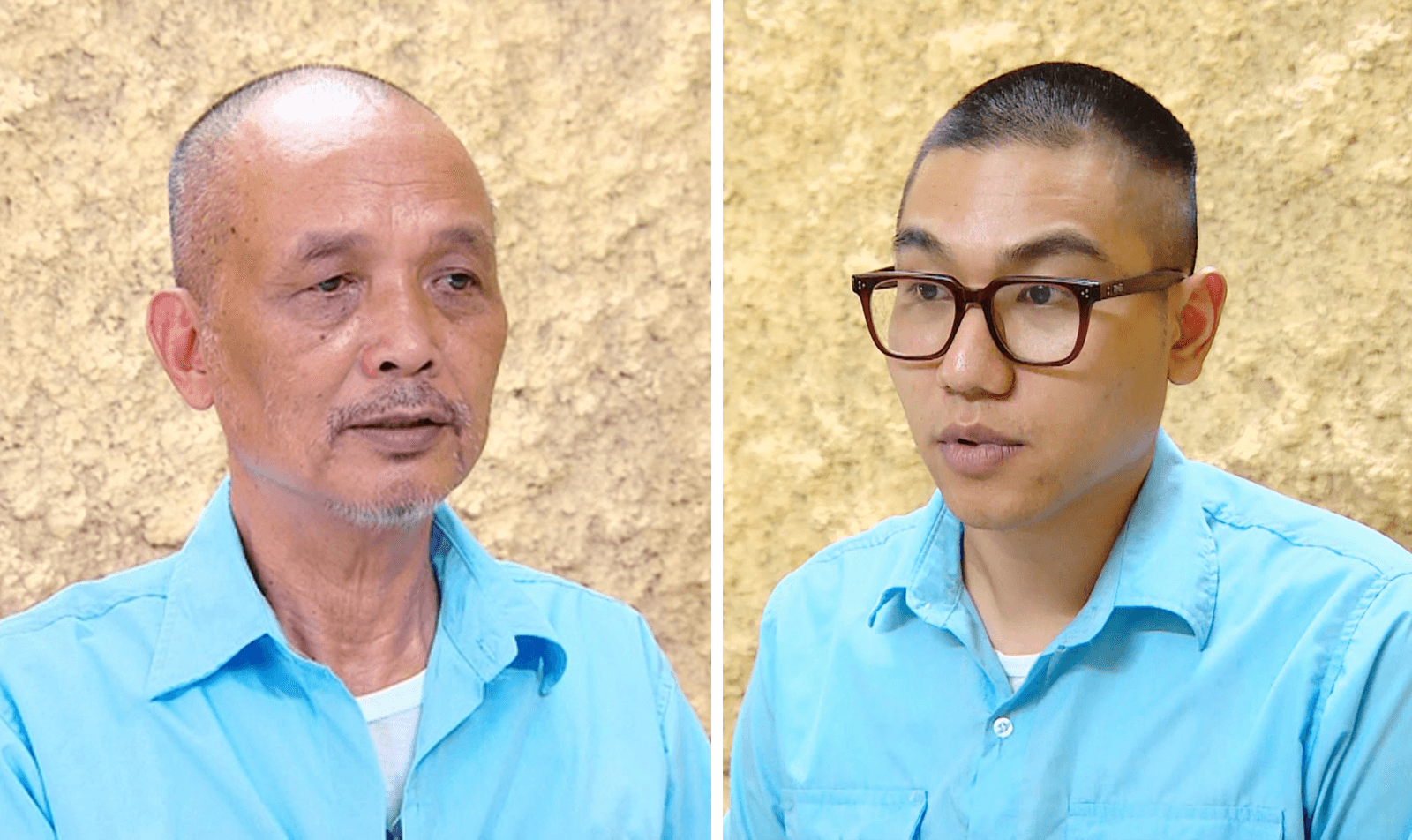
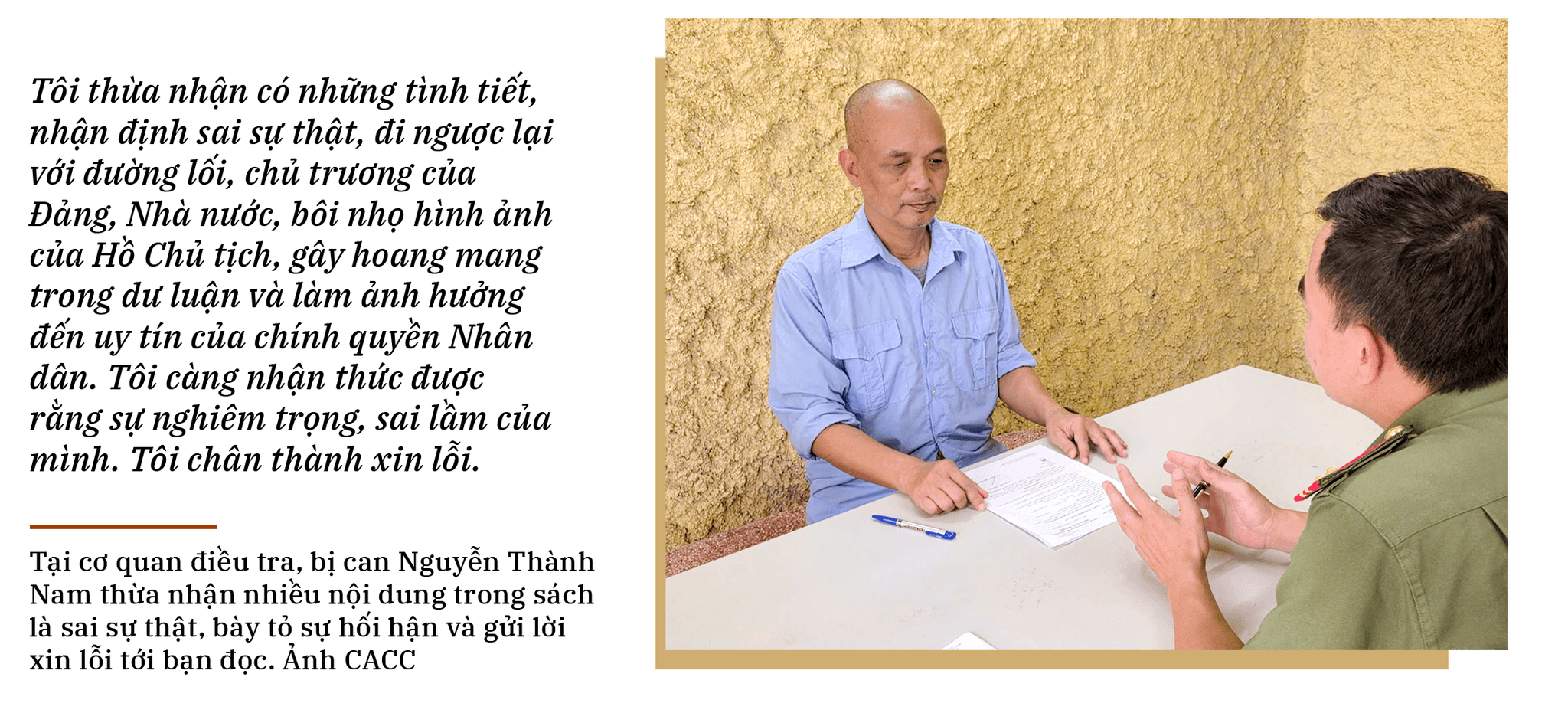
Notably, according to published information, at the investigative agency, Nguyen Thanh Nam admitted that the disseminated content contained false details and statements. This admission once again shows that this is not a debate between different interpretations of history, but rather a story about information that has been identified as inaccurate. Once the truth is established, any attempts to hide behind the guise of "enlightenment" or "critical criticism" cannot change the fundamental nature of the issue.
Freedom of speech is a fundamental right. But freedom of speech has never been understood as the right to fabricate stories. Freedom of academia has never been understood as the right to distort the truth. And social criticism has certainly never been understood as the right to insult the sacred symbols of the nation.
If society tolerates the distortion of history in the name of enlightenment today, tomorrow there will be those who, in the name of creativity, deny the law; in the name of freedom, deny responsibility; and in the name of individual rights, deny national interests. This is the path leading to chaos in perception and the breakdown of social norms.
In the hearts and minds of many generations of Vietnamese people, President Ho Chi Minh is the embodiment of the aspiration for national independence, of patriotism, love for the people, and lifelong sacrifice for the Fatherland. The love and respect that the people have for him is nurtured from his arduous revolutionary life, from his great contributions to the cause of national liberation and reunification, and from his great personality that has touched the conscience of millions of people around the world. Therefore, any deliberate act of distorting, slandering, or insulting President Ho Chi Minh is not simply an insult to an individual, but also an infringement on the historical, cultural, and spiritual values that have been forged through many generations of Vietnamese people.
The strict enforcement of the law in this case therefore not only aims to punish a specific act. It also sends a clear message that Vietnamese society protects freedom but does not tolerate its abuse; encourages criticism but does not accept distortion; respects scientific research but does not allow the falsification of history. It is also a warning to anyone who harbors the illusion that they can use the power of social media, the curiosity of the crowd, or academic rhetoric to cover up their violations of the law.
History can be studied from many different approaches, but historical truth cannot be replaced by fabrication. Freedom may be vast, but the law is always the ultimate limit. And anyone who crosses that limit, in the name of whatever they do, will ultimately be held accountable before the law, before society, and before their own conscience.
On the evening of July 7th, the Hanoi City Police announced that the Security Investigation Agency had issued a decision to initiate a criminal case, indict and temporarily detain Nguyen Thanh Nam and Tran Viet Anh for the crime of "making, possessing, distributing or disseminating information, documents, or items aimed at opposing the Socialist Republic of Vietnam." The case relates to the book "Stories with Thanh - A New Account of Light" and numerous videos containing illegal content. The investigating agency determined that these materials distorted historical facts about revolutions, the Party's guidelines and policies, and the State's laws and regulations. They also insulted President Ho Chi Minh, General Vo Nguyen Giap, and many other Party and State leaders.
Duc Nghia