

Comparing HIMARS and Tornado-S multiple rocket launchers: Two firepower philosophies from the US and Russia.
The American M142 HIMARS and the Russian 9K515 Tornado-S represent two directions in the development of modern multiple rocket launchers: one prioritizing accuracy and mobility, the other focusing on heavy firepower.
In modern warfare, multiple rocket launchers (MLRS) have evolved from wide-area weapons into long-range precision strike systems. The conflict in Ukraine has become a real-world testing ground for comparing the effectiveness of the American M142 HIMARS and the Russian 9K515 Tornado-S. Although both systems perform the task of destroying targets deep behind enemy lines, they possess distinctly different technical and tactical characteristics.
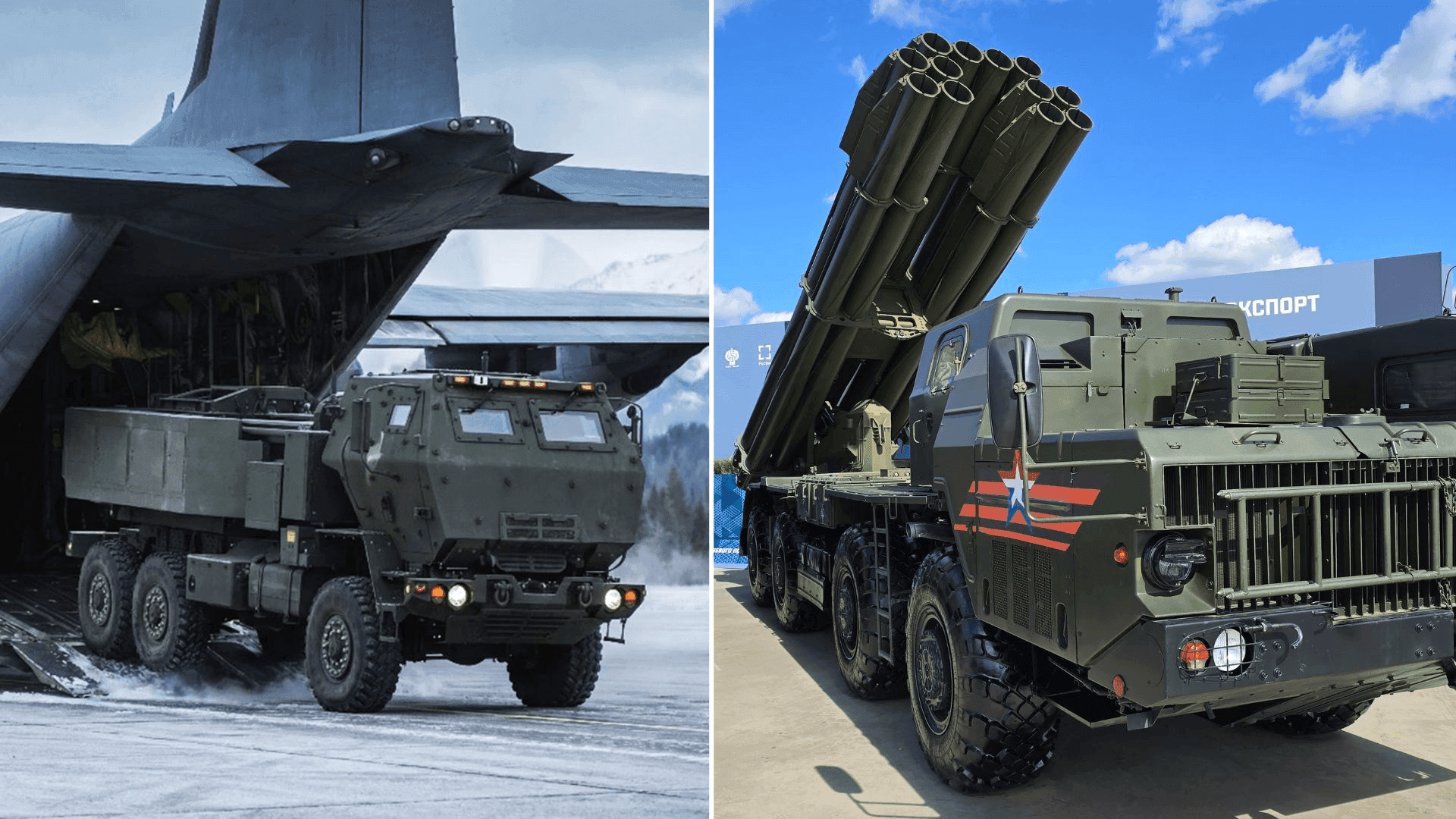
M142 HIMARS: Versatility and Modular Ammunition Ecosystem
HIMARS (High Mobility Artillery Rocket System) is designed on a 5-ton wheeled truck chassis, optimized for rapid mobility. The HIMARS' greatest strength lies not in the number of launch tubes, but in its modular loading system (pod). Instead of loading individual missiles, the crew replaces the entire pre-packaged launch tube assembly, reducing reloading time and increasing survivability.
This system can deploy a variety of ammunition types depending on the target:
- GMLRS:Guided rockets have a range of over 70 km and carry 6 rockets per cluster.
- ATACMS:Tactical ballistic missiles have a range of approximately 300 km, carrying one missile per cluster.
- PrSM:The new generation missiles have a range exceeding 400 km and carry two missiles per cluster.
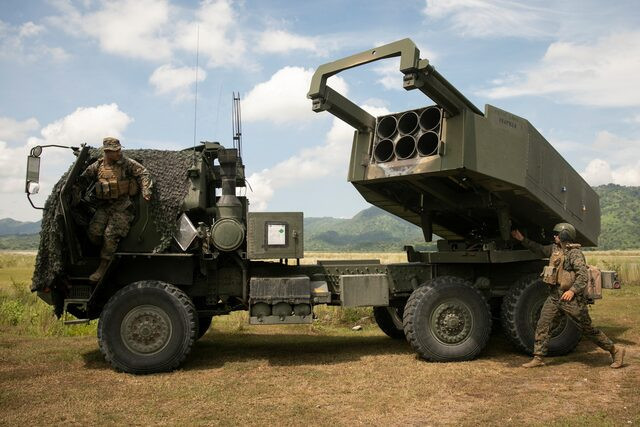
On the battlefield, HIMARS acts as a sophisticated "surgical knife." With precise coordinates from intelligence networks, a salvo of just six GMLRS missiles is enough to neutralize a key enemy command post or ammunition depot before quickly withdrawing to avoid counter-fire.
9K515 Tornado-S: Heavy firepower and impressive range.
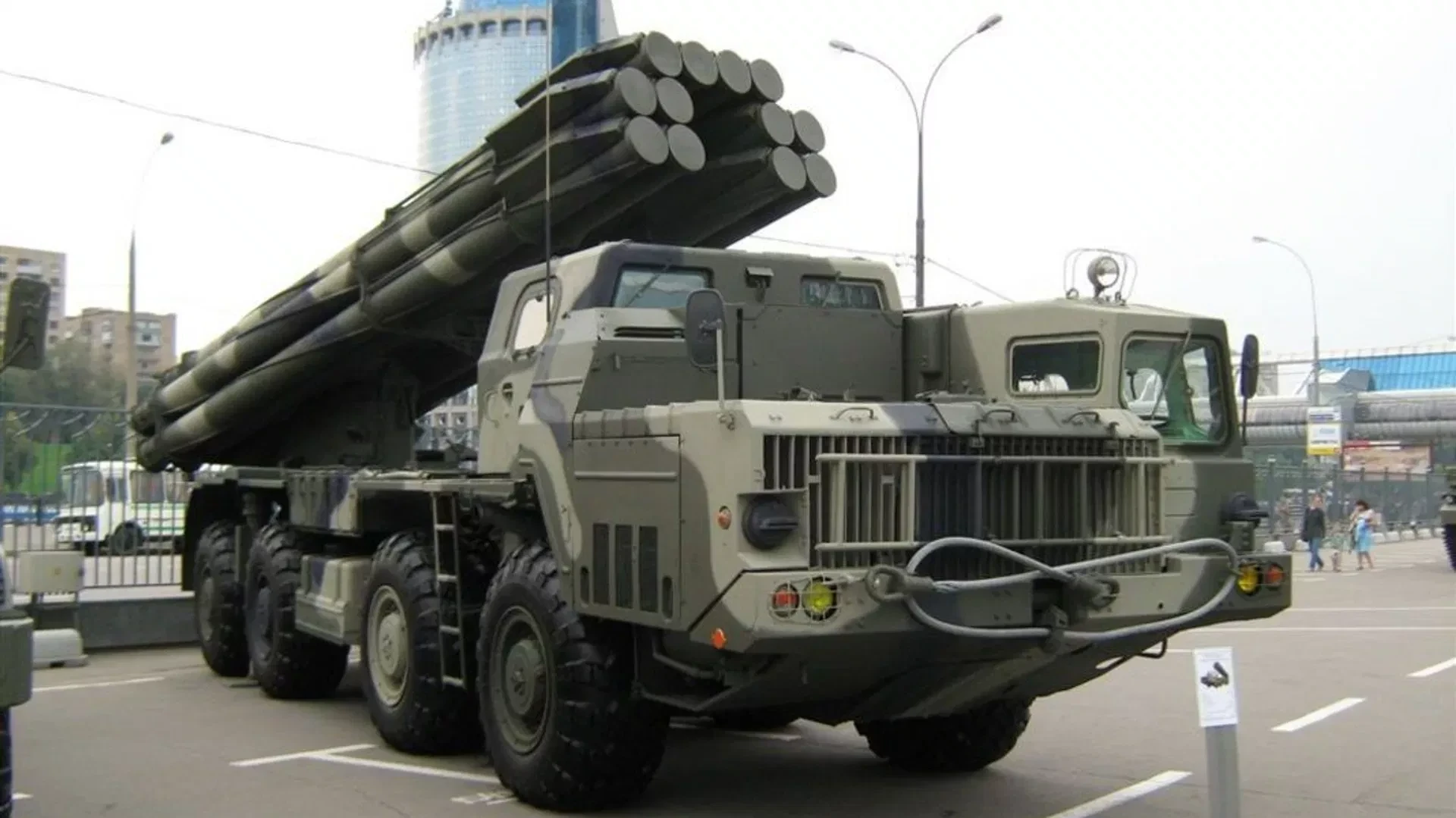
In contrast to the American philosophy of compactness, the Tornado-S is a deeply modernized version of the legendary BM-30 Smerch system. With 12 300 mm caliber launch tubes, the Tornado-S possesses overwhelming firepower in a single volley. Russia has upgraded this system with the ability to use satellite-guided and inertial-guided munitions, transforming it into a long-range precision strike weapon.
The Tornado-S has a claimed range of up to 120 km with standard rockets, far exceeding the range of the GMLRS rounds on the HIMARS. However, its large size (weighing approximately 43.7 tons) makes the system more difficult to conceal from aerial reconnaissance vehicles and requires specialized reloading vehicles with a more complex reloading procedure.
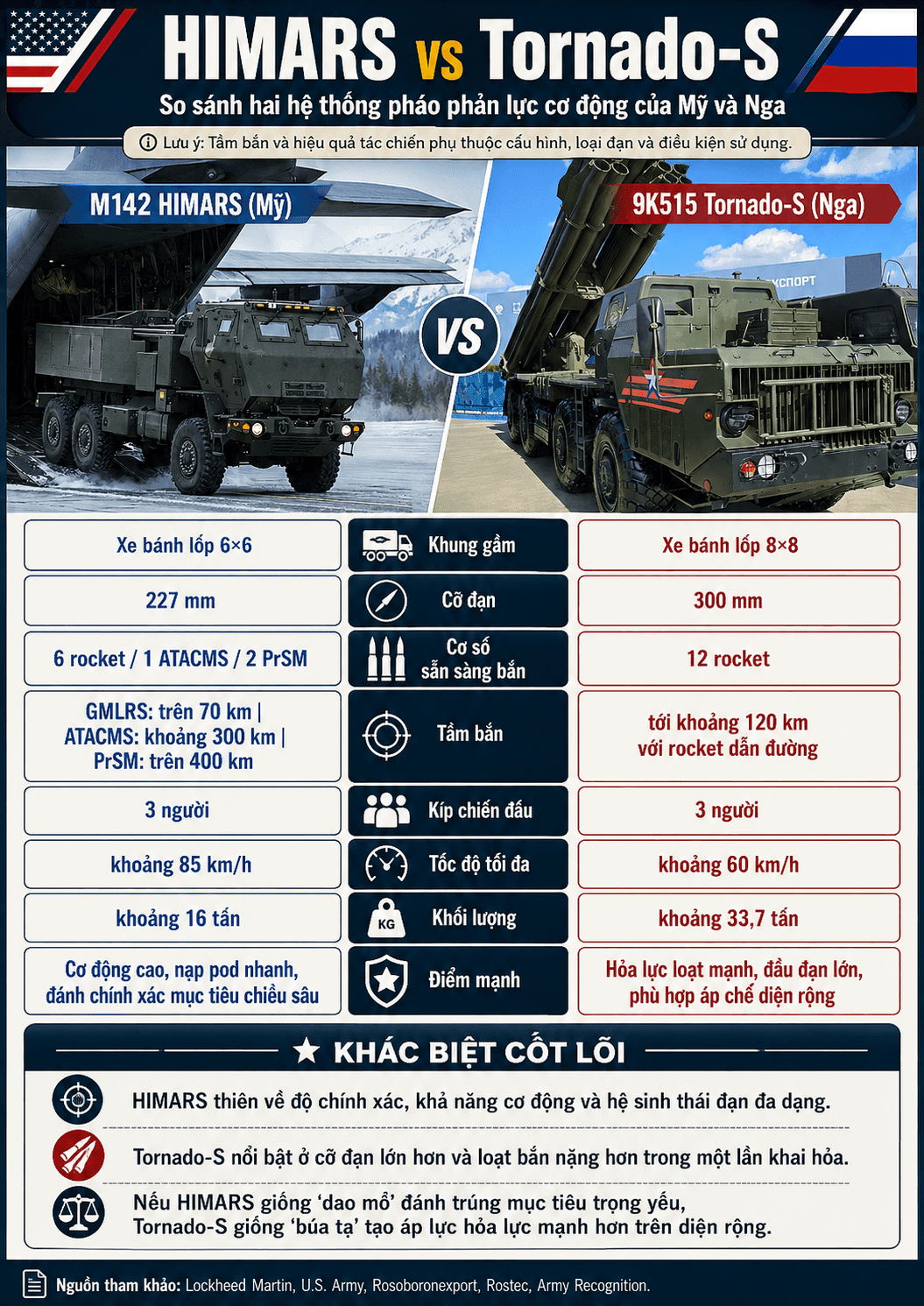
Comparison of technical specifications and combat capabilities
Below is a comparison table of the basic parameters between the two systems based on publicly available data:
| Parameter | M142 HIMARS (USA) | 9K515 Tornado-S (Russia) |
|---|---|---|
| Chassis | 6x6 tires | 8x8 Tires |
| caliber | 227 mm | 300 mm |
| Number of launchers | 6 (GMLRS) or 1 (ATACMS) | 12 |
| Maximum range | 70 - 400+ km (depending on the type of ammunition) | 120 km |
| Loading method | Replace the module (Pod) | Load each launch tube individually. |
| Combat weight | Approximately 16 tons | Approximately 43.7 tons |
The realities of the battlefield and technological challenges.
Experience from Ukraine shows that the effectiveness of both systems depends not only on the launcher itself but also on the support system behind it. HIMARS is most effective when combined with real-time target data and rapid reloading capabilities. Meanwhile, Tornado-S demonstrates superiority in fire coverage and the destructive power of its large-caliber warhead.
Notably, both are facing the development of electronic warfare (EW). GPS-guided munitions can be jammed, reducing accuracy. This forces both sides to constantly update guidance technology and change algorithms to maintain combat effectiveness. Overall, no system is absolutely superior; each has its own role in the firepower structure of each army.