
Soft and fragrant, a delicious treat with the rich flavors of local produce.
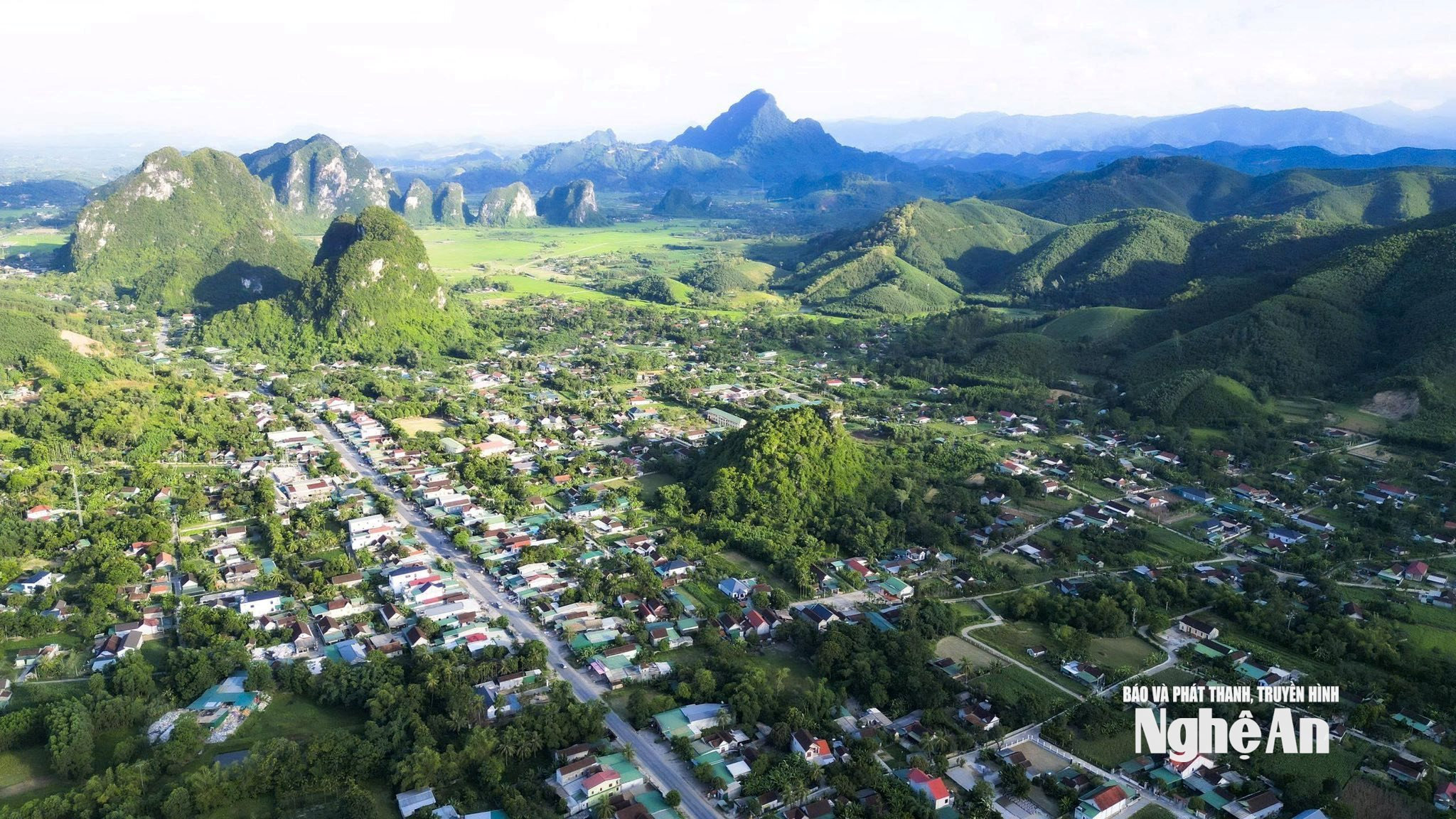
Nestled alongside National Highway 7A, Cho Dua hamlet (Vinh Tuong commune) has long been known as the "capital" of sticky rice cakes in the western region of Nghe An province. From the dark, chewy, fragrant cakes wrapped in simple dried banana leaves, lies a story of a traditional craft preserved through generations. Not only does it preserve the soul of the countryside in its flavors, but Cho Dua sticky rice cakes have also become an OCOP (One Commune One Product) product, creating jobs, increasing income for the people, and gradually expanding into domestic and international markets.
.png)
Hoai Thu - Khanh Ly/Present:Hong Toai• July 11, 2026
*****
Nestled alongside National Highway 7A, Cho Dua hamlet (Vinh Tuong commune) has long been known as the "capital" of sticky rice cakes in the western region of Nghe An province. From the dark, chewy, fragrant cakes wrapped in simple dried banana leaves, lies a story of a traditional craft preserved through generations. Not only does it preserve the soul of the countryside in its flavors, but Cho Dua sticky rice cakes have also become an OCOP (One Commune One Product) product, creating jobs, increasing income for the people, and gradually expanding into domestic and international markets.
.png)
One early summer morning, before the sun had risen high, we followed National Highway 7A and stopped at Coconut Hill in Cho Dua hamlet, Vinh Tuong commune. From afar, wisps of white smoke rose from the steamers, carrying the gentle aroma of thorny leaves, glutinous rice flour, and mung beans mixed with hot steam, making it difficult for anyone passing by to continue.
In that bustling space, Bui Thi Lan's bánh gai (sticky rice cake) production facility, one of the largest in the region, is always ablaze with activity. The sounds of flour mills, pestles pounding fillings, and the laughter and chatter of the workers blend into the familiar rhythm of a craft that has existed for decades.
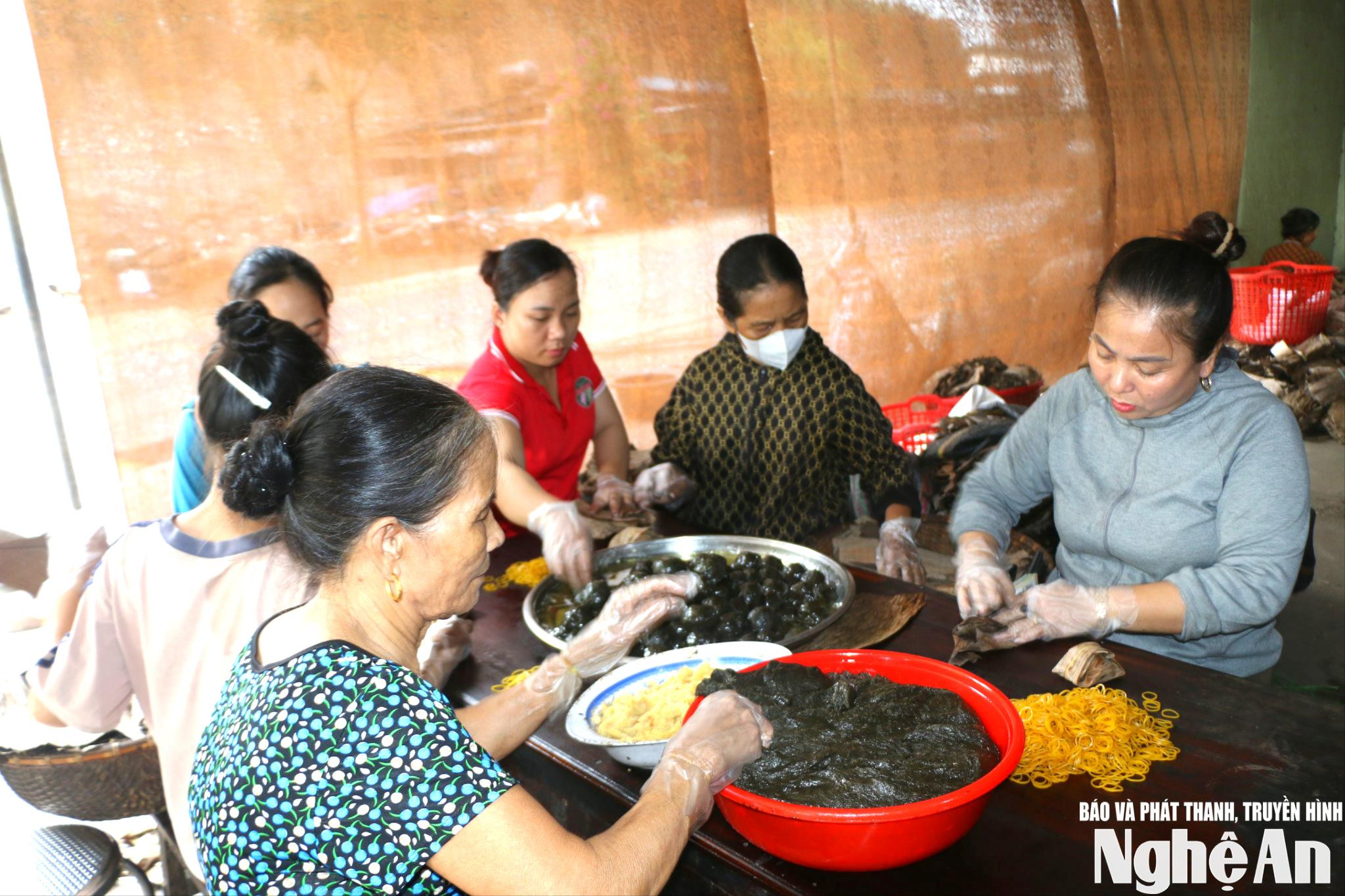
Lan's nimble hands constantly check each batch of glutinous rice flour and each pot of mung bean paste, ensuring it's perfectly cooked. Having been involved in the craft for over 30 years, she still maintains the same meticulousness as when she first learned to make cakes from her mother.
"This profession has supported my family for generations. Each cake we make is not only for sale but also a source of pride for our hometown," Lan shared.
.jpg)
Currently, her establishment provides regular employment for about 15 local workers. Each person handles a different task, but they work together seamlessly like an assembly line honed over many years. Those with physical strength take on the task of kneading and mixing the dough, while those with dexterity handle the filling and wrapping the cakes.
What's special about this bakery is that many of its workers have been there for over three decades. Ms. Bui Thi Loan (70 years old) and Ms. Nguyen Thi Tinh (65 years old) still diligently work with batches of cakes every day. The marks of time are clearly visible on their hands, but every movement of measuring fillings and wrapping cakes remains precise and consistent.
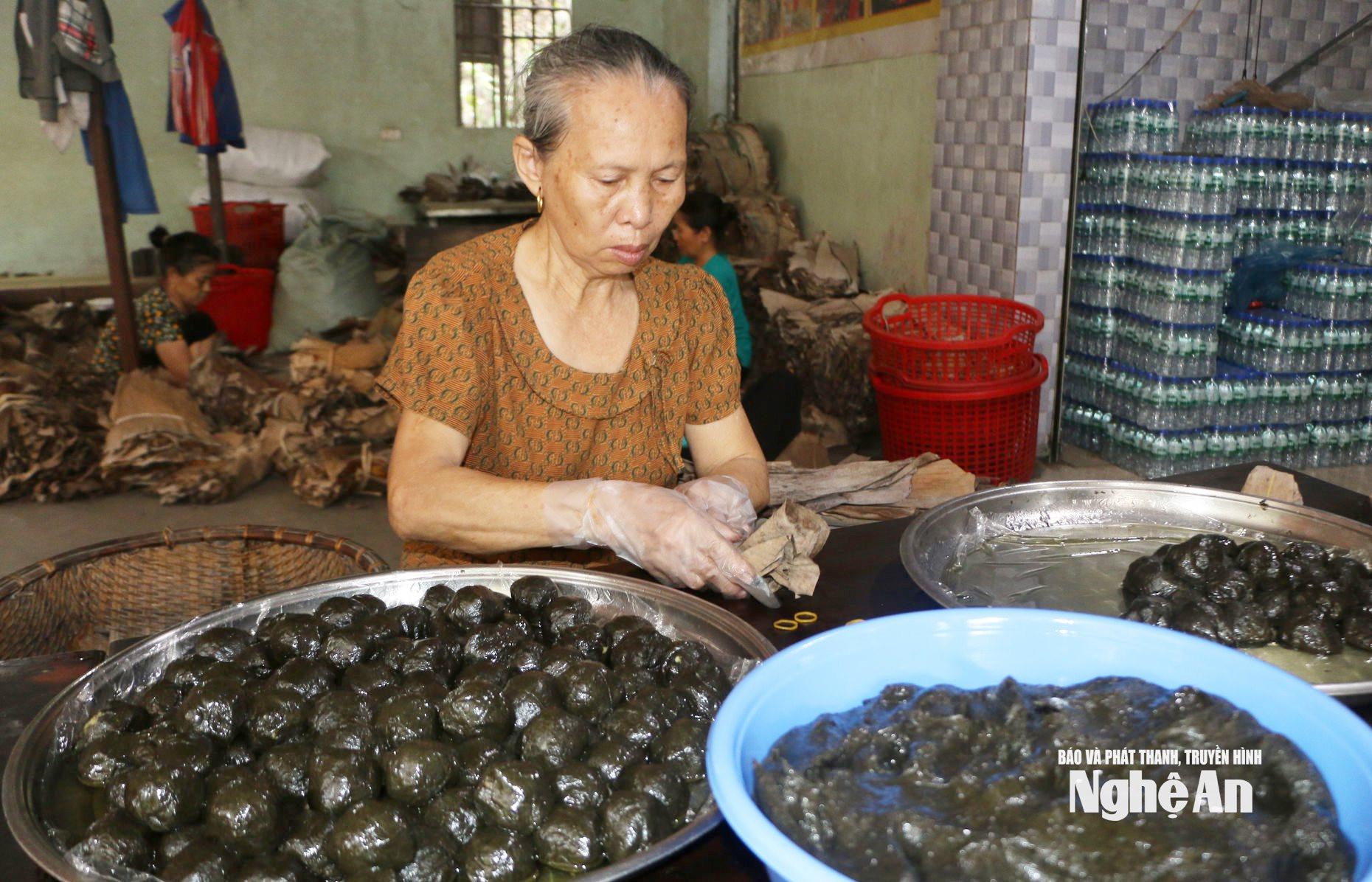
"Sticky rice cakes have been with the people of Doc Dua through countless seasons of rain and sunshine. There were times, no matter how difficult, when Tet (Lunar New Year) came, every family would try to set aside some sticky rice and honey to make a few stacks of cakes to offer to their ancestors and give to relatives far from home," Mrs. Tinh recounted.
According to the elders, the cake may look simple, but achieving the authentic flavor requires more than ten steps, demanding meticulous attention from selecting ingredients to lighting the fire for steaming.
According to Ms. Bui Thi Lan, head of the Coconut Land Sticky Rice Cake Cooperative, the main ingredients are the "soul" of the cake.
.jpg)
First, there are the nettle leaves – the ingredient that gives the cake its distinctive glossy black color and unique chewy texture. Like many other bakeries, Lan's family proactively cultivates nearly one and a half acres of nettle plants, and also purchases additional supplies from local people to ensure a clean and reliable source of ingredients.
The leaves are only harvested when they reach 40-45 days of age. If they are too young, the cake will lack elasticity. If they are too old, the cake will have a dull color and its flavor will be significantly diminished.
.jpg)
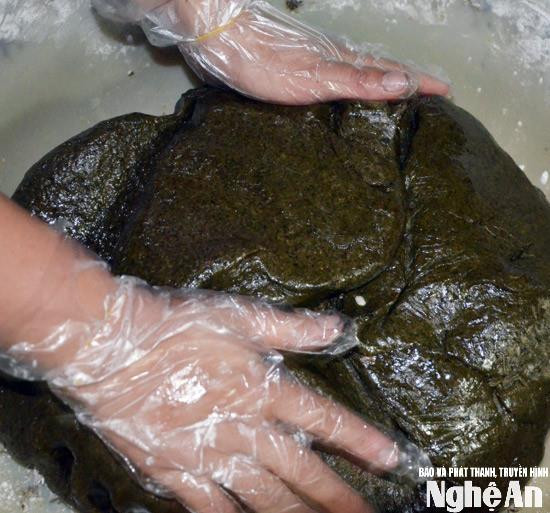
After harvesting, the leaves are washed and then boiled continuously for about 10 hours. Next, the leaves are pressed to remove all the water, and the remaining pulp is ground repeatedly until very smooth before being mixed with glutinous rice flour and white sugar that has been cooked into a syrup.
While the thorny leaves determine the color, the glutinous rice determines the stickiness of the cake. Ms. Lan said that the facility usually orders high-quality fragrant glutinous rice, which is milled and ground immediately after arrival to preserve its natural aroma. On average, the factory produces about 2,000 stacks, equivalent to 4,000 cakes, per day, consuming nearly 100 kg of glutinous rice and over 100 kg of Lam Son sugar for the crust and filling.
.png)
Hidden inside the glossy black shell is a golden yellow mung bean filling blended with rich, creamy shredded coconut. According to Ms. Lan, the cooking process also has its own secrets. The beans must be rinsed many times until the water is completely clear before being cooked immediately.
"If you soak the beans for too long, the beans will become tough, the kernels will lose their richness, and they will easily become chewy," she said.
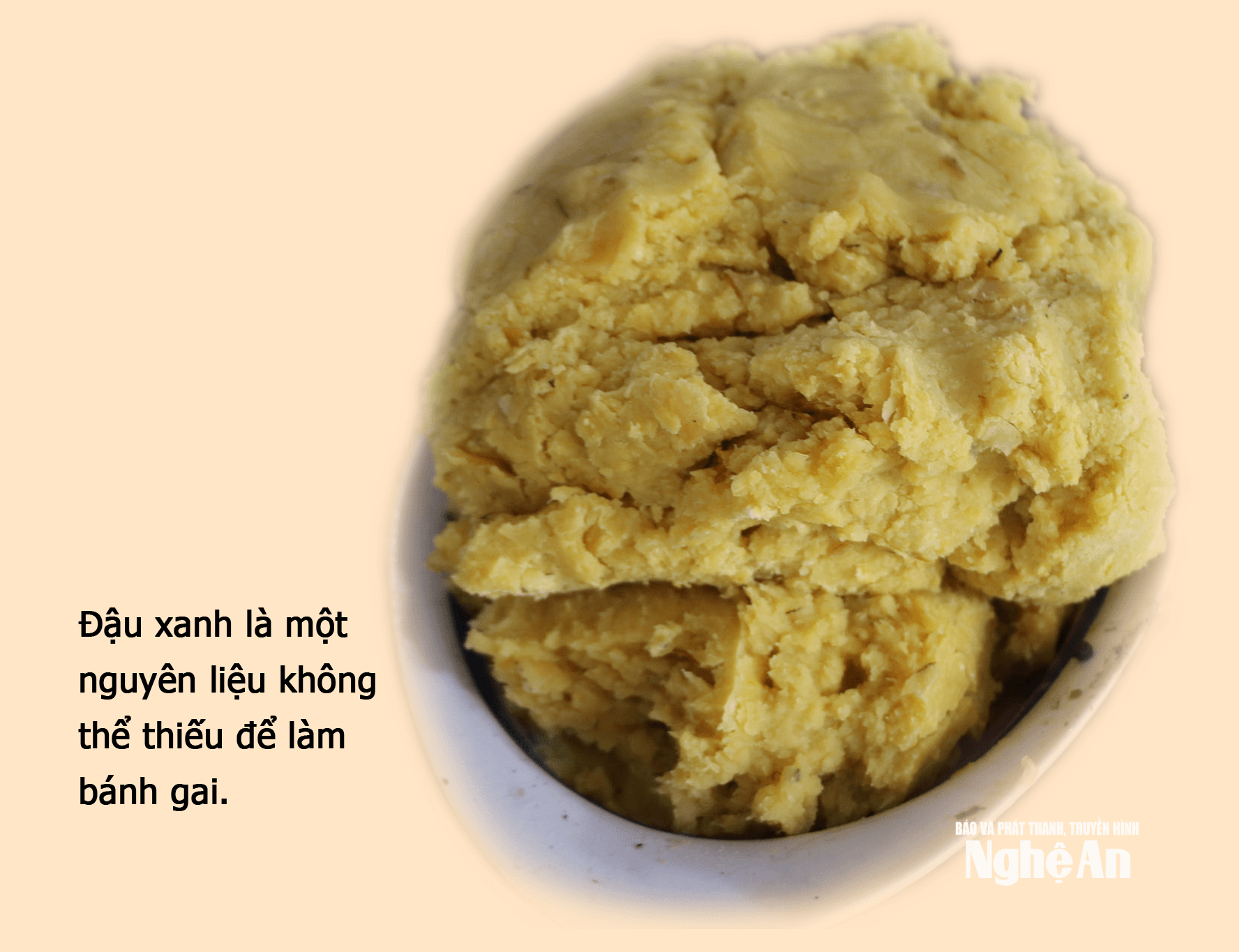
After cooking, the beans are mashed and mixed with finely chopped coconut pulp. All ingredients are carefully selected to ensure quality and food safety.
Equally important are the dried banana leaves used to wrap the cakes. People usually take advantage of the early morning to pick the ripest leaves from the trees while they are still covered in dew.
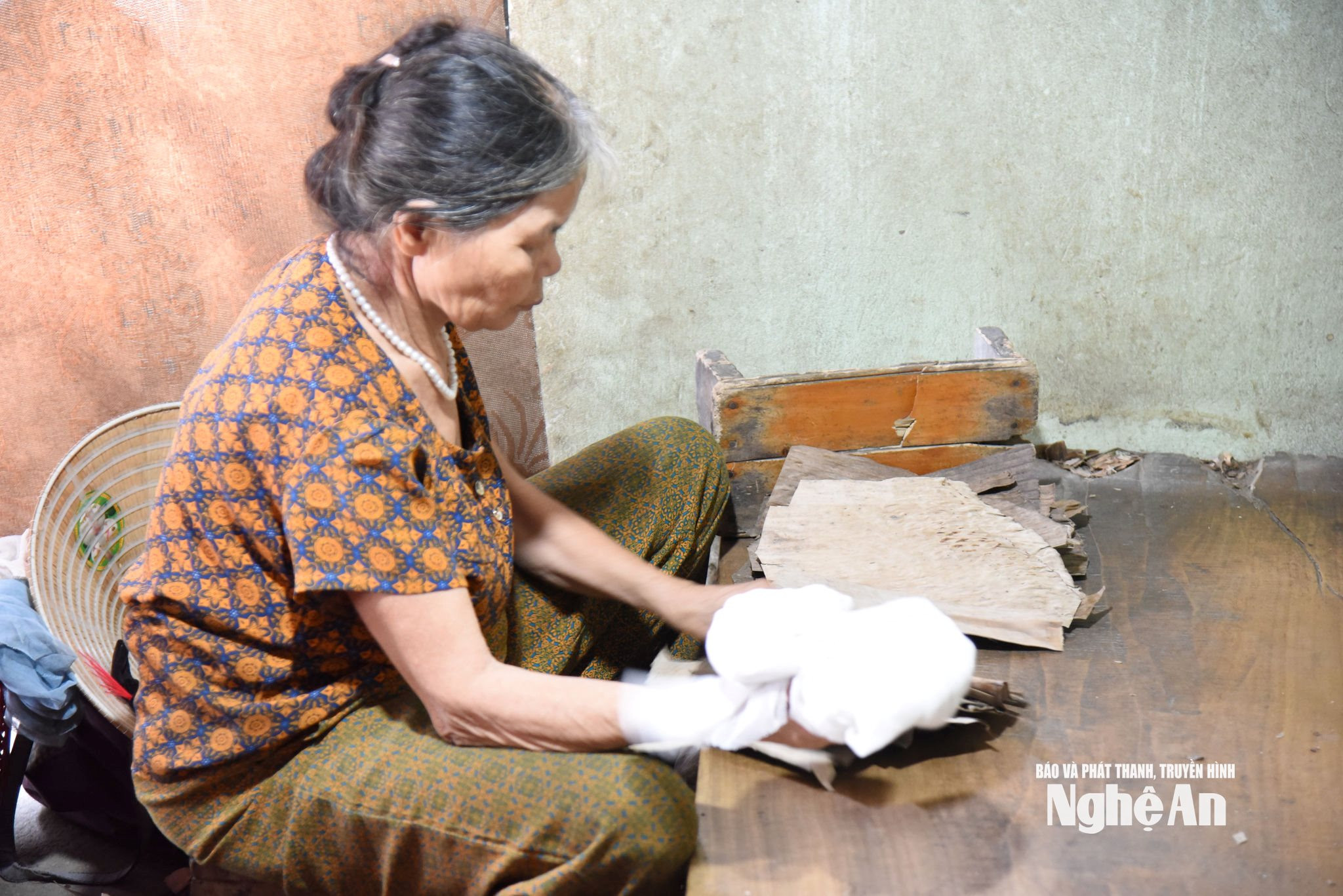
At that point, the leaves were just right—neither rotten nor brittle. Each leaf was carefully wiped clean before wrapping around the glossy black dough. Once the cake was completely wrapped, the baker moved on to the final, crucial step: steaming the cake.
.jpg)
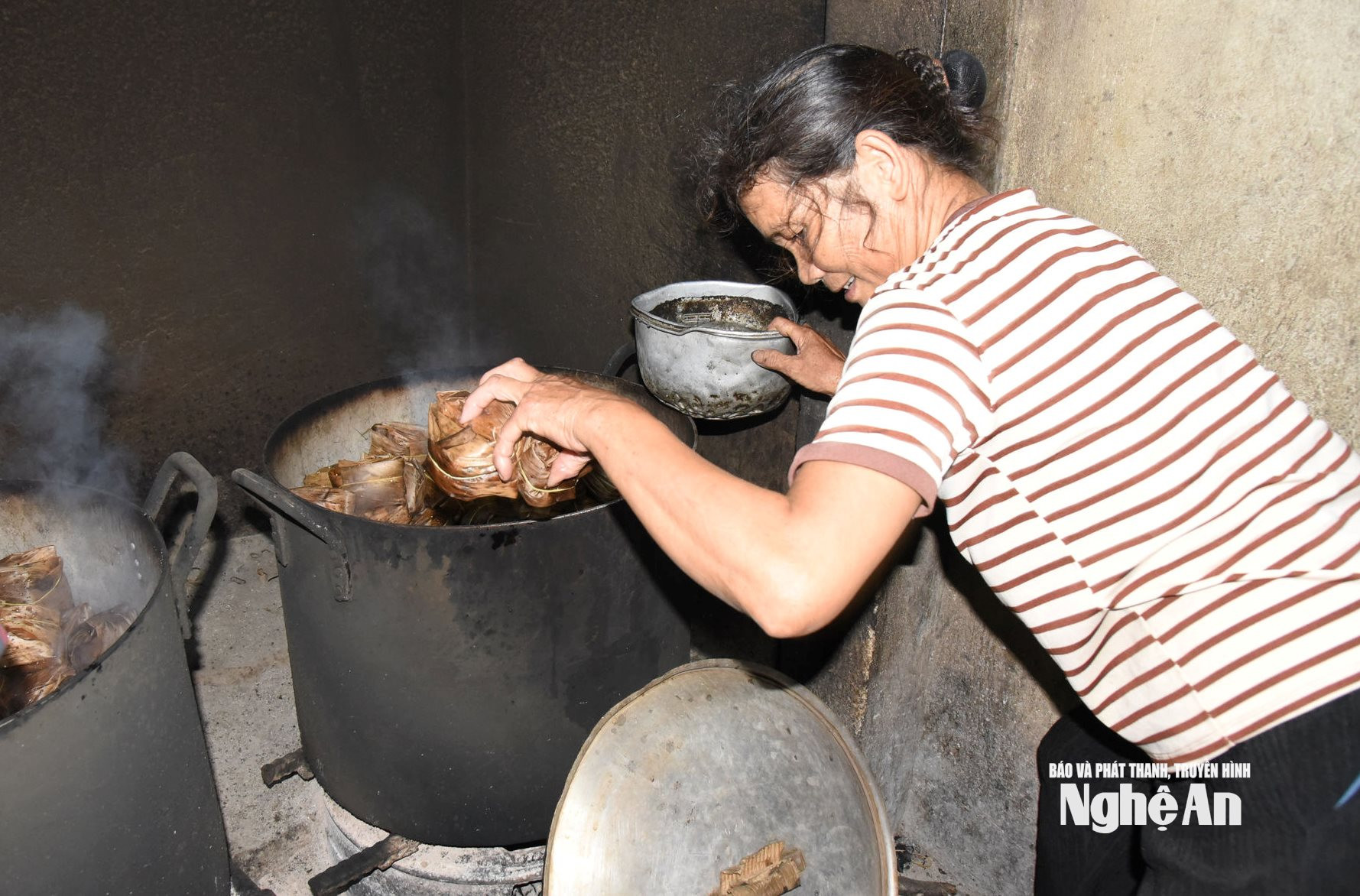
The fire in the oven must be consistently red-hot. The steam must be strong enough for an hour and a half to ensure the cake cooks thoroughly from the inside out. If the fire is too strong or too weak, the quality of the cake will be affected.
According to experienced bakers, a perfect bánh chưng (Vietnamese rice cake) will have a sticky, smooth, glossy outer layer with a fragrant aroma of pandan leaves, and a sweet and creamy mung bean filling blended with coconut that is neither dry nor mushy.
Dốc Dừa sticky rice cake also has its own unique appearance. The cake is wrapped into small triangular blocks, tied into neat square stacks, easy to hold, creating a distinctive look that sets it apart from sticky rice cakes in other regions.
.png)
From a simple, rustic local delicacy, Dốc Dừa sticky rice cake has gradually built its own brand.
With the support of the local government and the Women's Union of the commune, small-scale producers have joined together to form the Coconut Rice Cake Cooperative with 14 members. In addition, the entire commune currently has more than 20 households maintaining the traditional craft of making rice cakes.
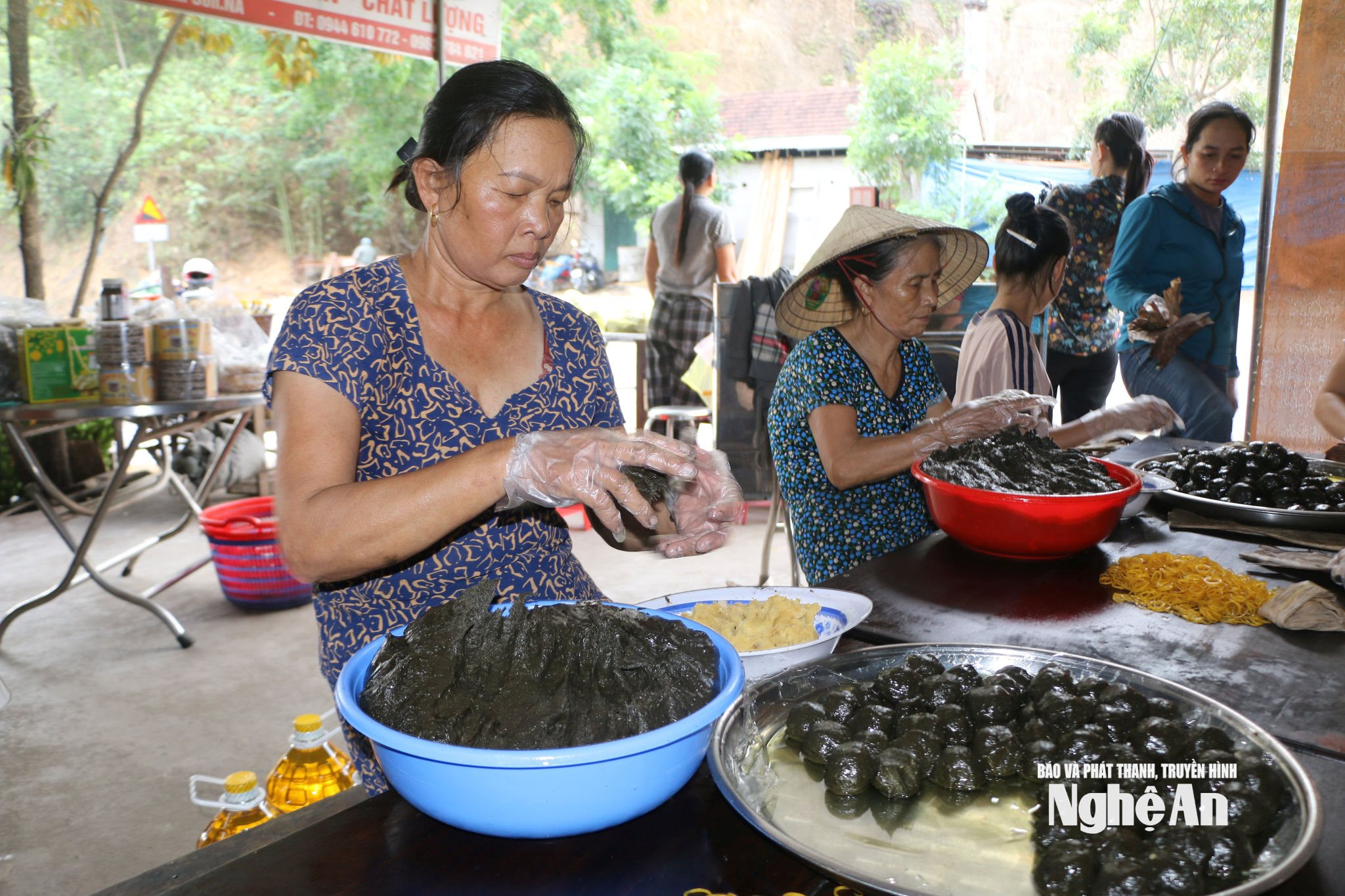
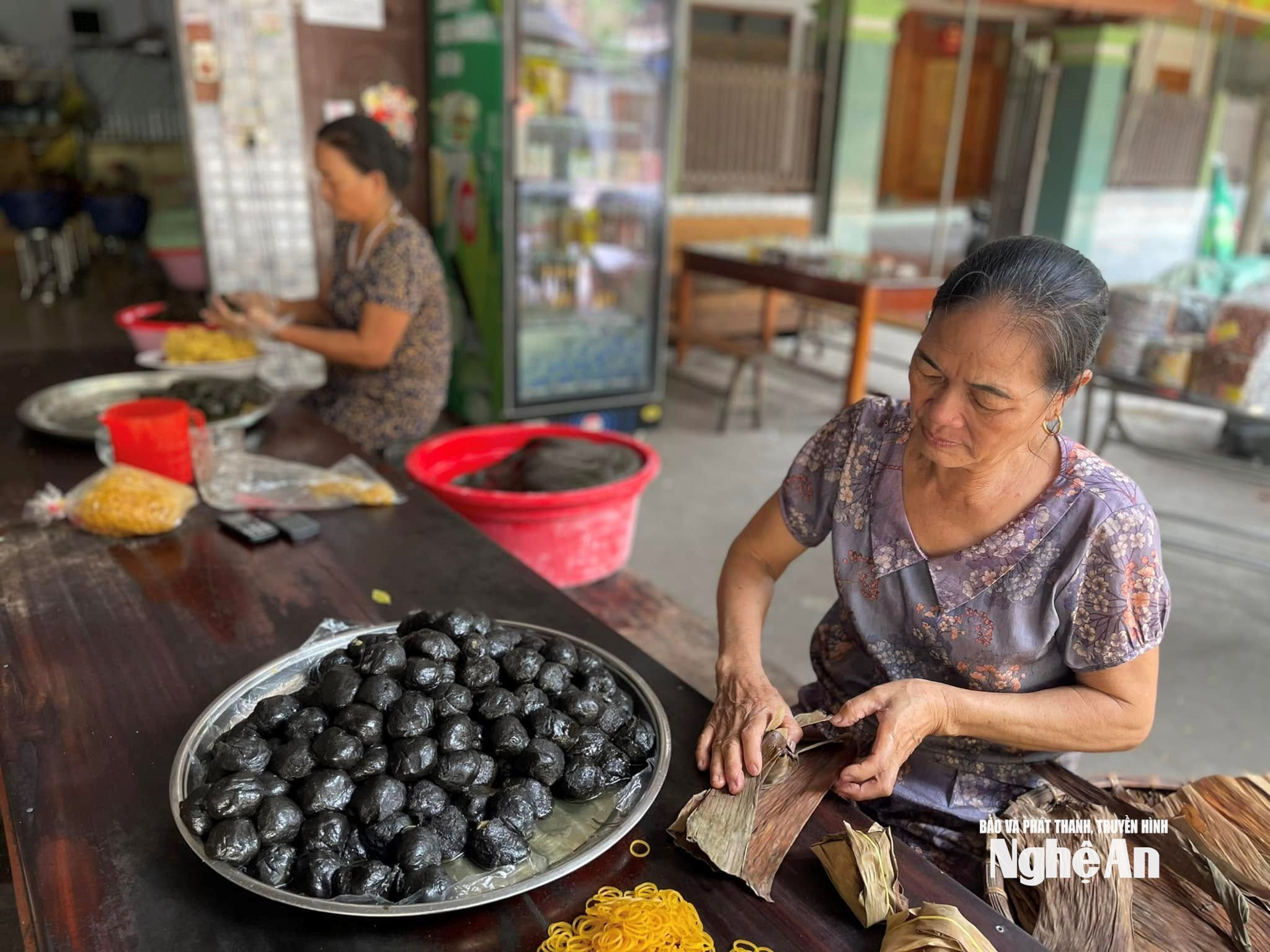
This collaboration helps facilities standardize production processes, improve quality, ensure food safety and hygiene, and gradually build a common brand.
Ms. Nguyen Thi Thuy, Chairwoman of the Women's Union of Vinh Tuong commune, said that the goal is not only to preserve the craft but also to make banh gai (sticky rice cake) a distinctive product with high economic value. At the end of 2023, the banh gai product of Ms. Bui Thi Lan's establishment and several other households received OCOP certification, creating motivation for households to continue investing in improving quality and expanding the market.
What is most valuable is the spirit of sharing among those working in this profession.
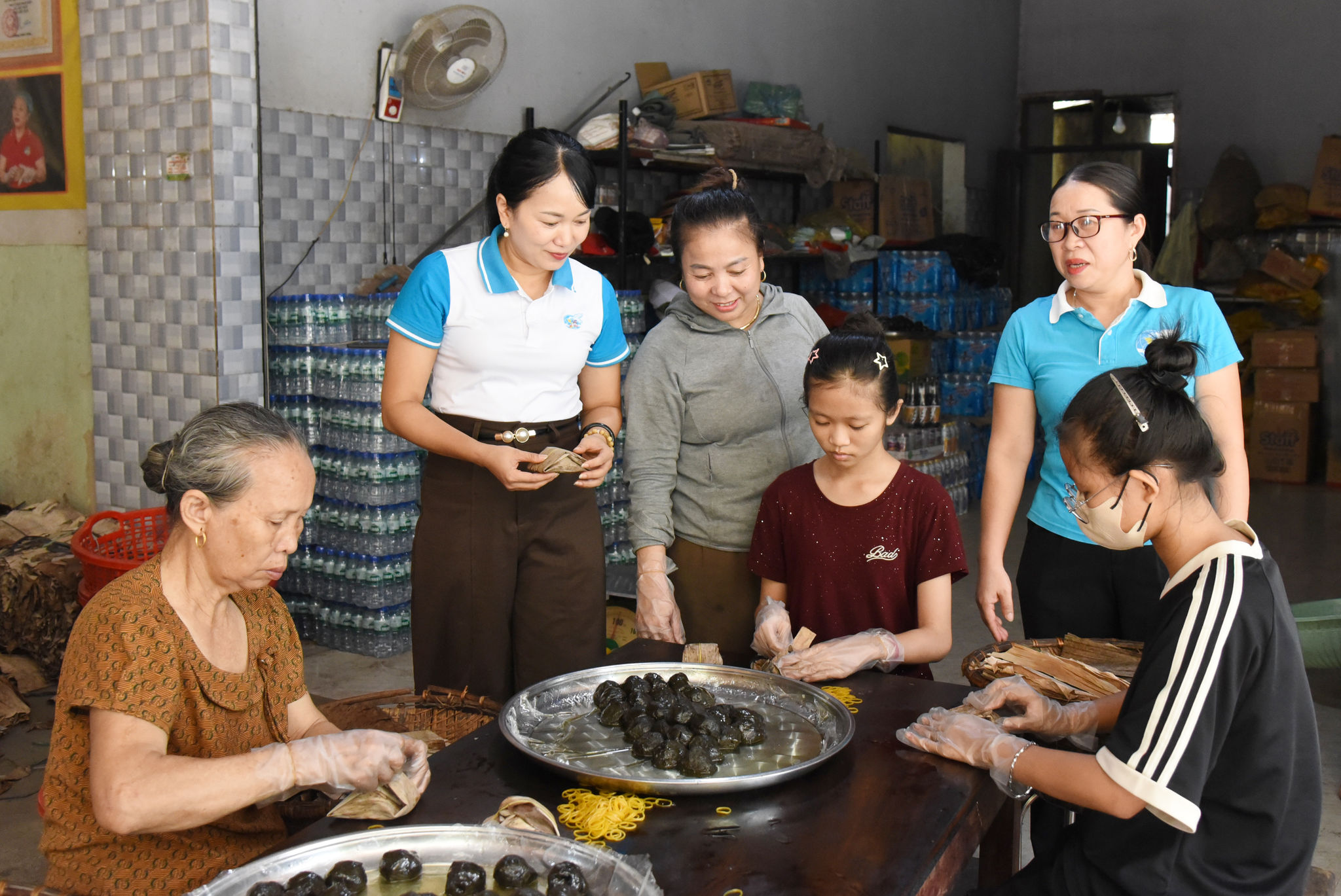
Lan recalled that the previous year's rainy season caused many banana plantations to be damaged, and the supply of dried banana leaves became scarce. She proactively sought out sources of leaves from other places and brought them back to distribute to members of the cooperative so that no one would have to stop production.
During drought years, when the nettle plants in the area were destroyed by fire, she would directly contact suppliers in Thanh Hoa to buy tens of tons of dried nettle leaves, only charging for transportation costs, and then redistribute them to households in need.
"If we have the materials, we'll work together and sell together. For the craft to thrive, everyone must work together to preserve it," she said simply.
Currently, each household producing these cakes provides stable employment for 5-6 local workers, with an average income of about 200,000 VND per day. Thanks to this craft, many families have been able to support their children's education and improve their living standards.
During the summer, many families encouraged their children to attend workshops to learn the craft of making sticky rice cakes, both to increase their income and to contribute to preserving the traditional craft of their hometown. Tran Thi Nhu Quynh, a 10th-grade student in Quyet Thang village, said she took advantage of the summer break to learn the craft with her younger sister.
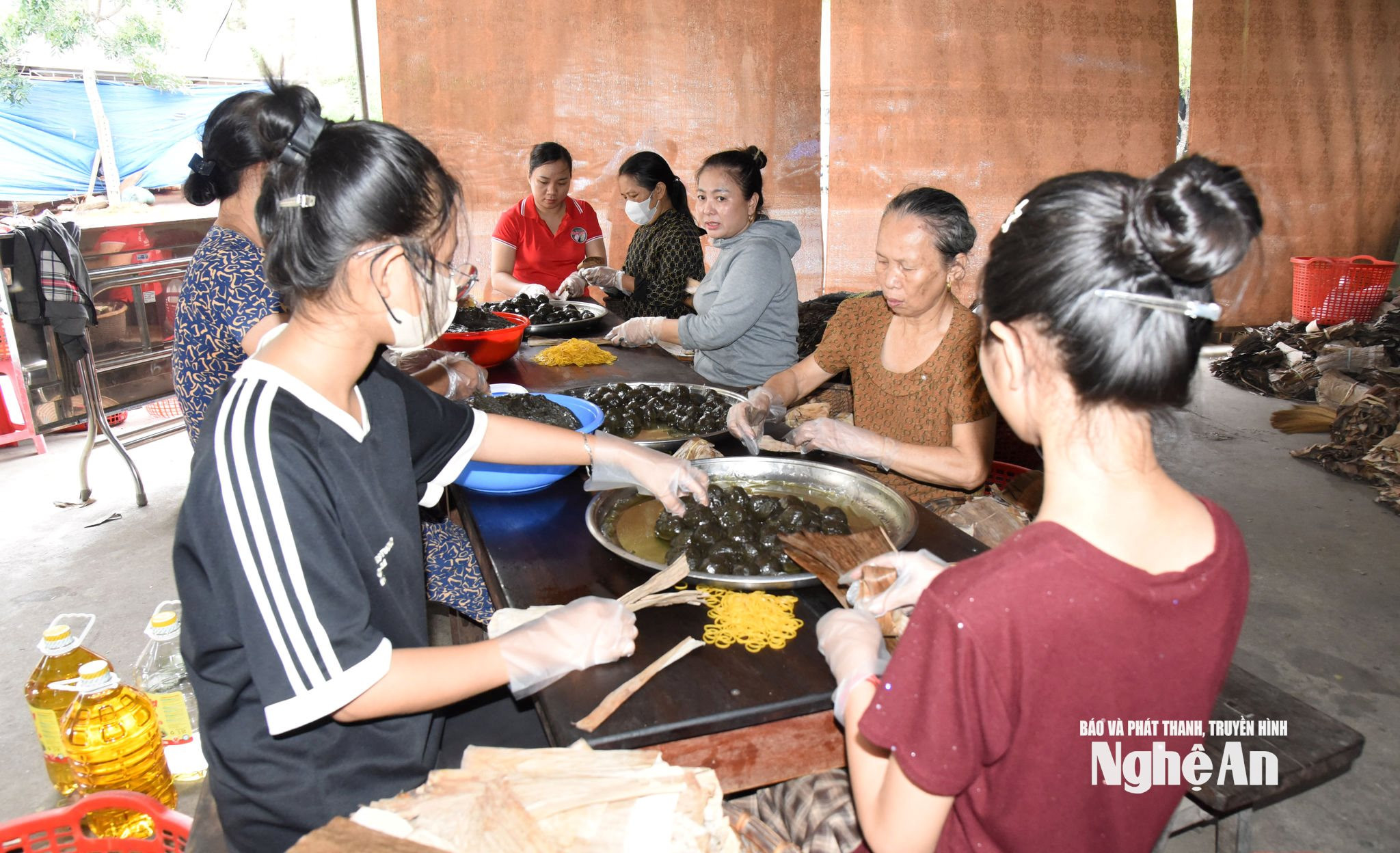
"At first, I only knew how to help wipe the leaves. With the guidance of the older women, I can now wrap the cakes myself. I want to preserve the traditional craft of my hometown in the future," Quynh smiled.
The expansion of National Highway 7A, along with the development of digital technology, has opened up many new opportunities for the craft village. Besides selling directly to passersby, the establishments actively promote their products on Facebook, Zalo, and other platforms. As a result, Dốc Dừa sticky rice cakes are now available in many provinces and cities nationwide, transported to Laos, and reaching many mountainous provinces in Northern Vietnam.
Amidst the hustle and bustle of modern life, while many traditional crafts are gradually fading away, the households making cakes in Cho Dua hamlet quietly keep the flame alive every day. Using simple ingredients from the fields, gardens, and riverbanks, they create fragrant, chewy cakes that embody the soul of Nghe An province along the Lam River.
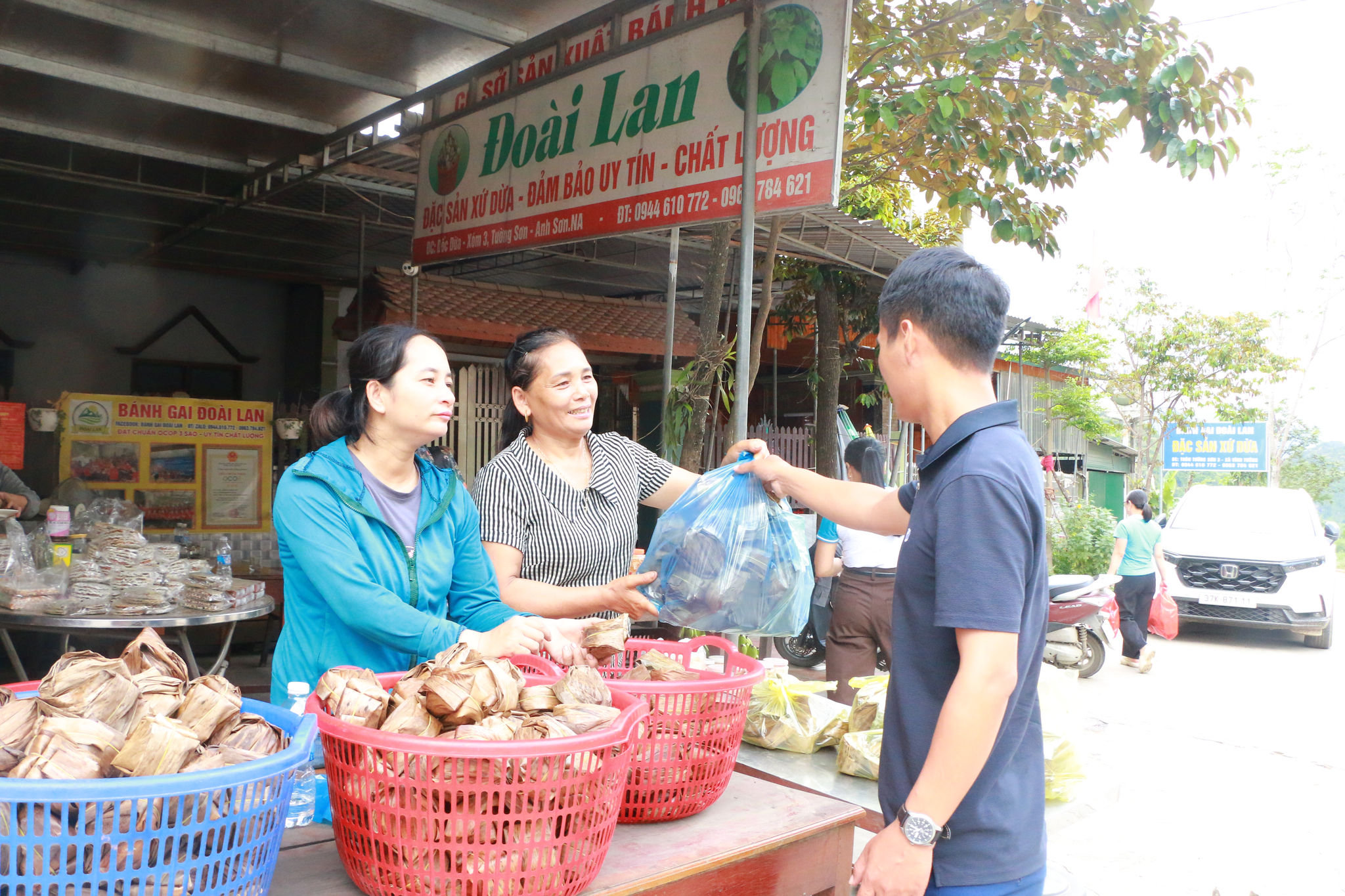
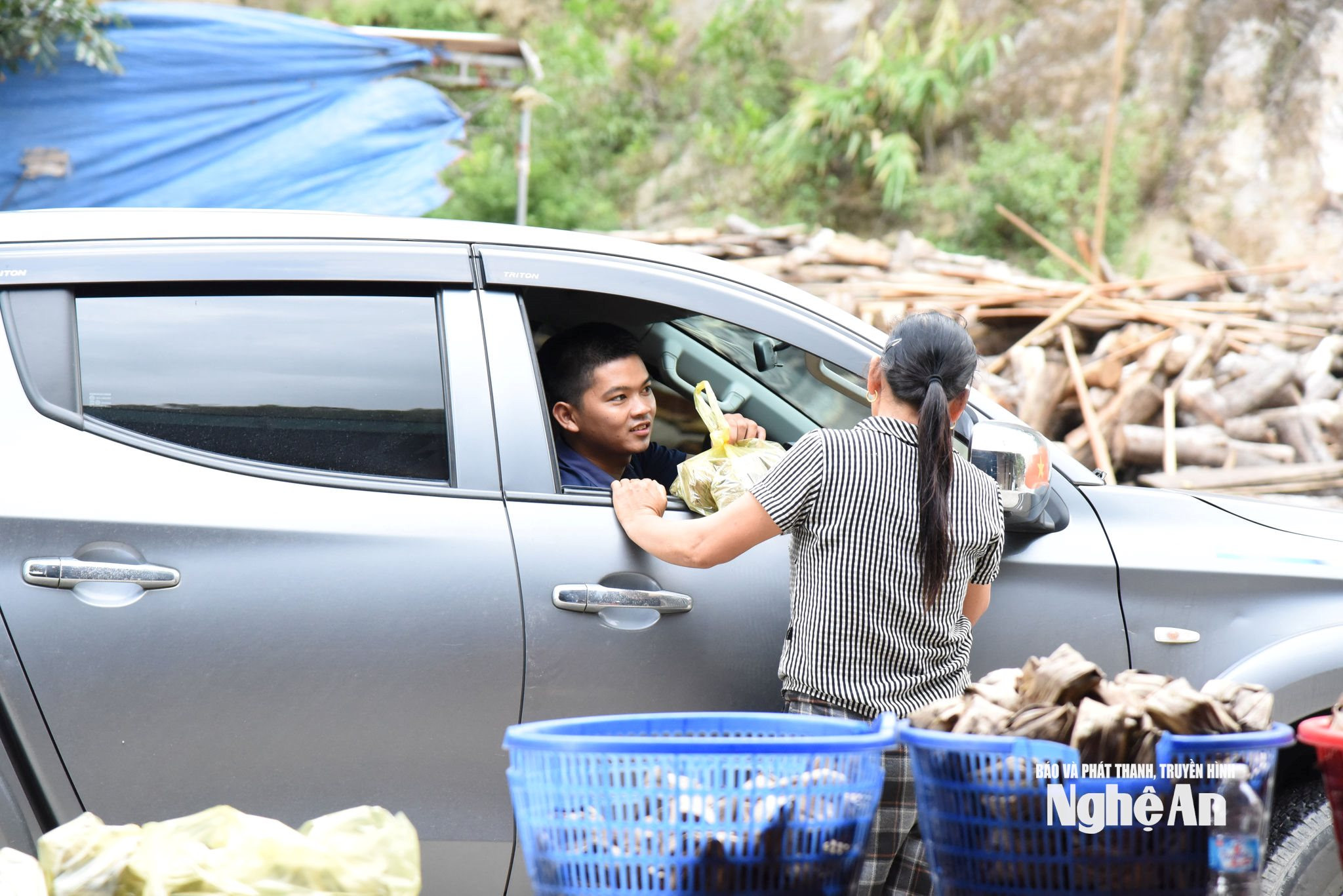
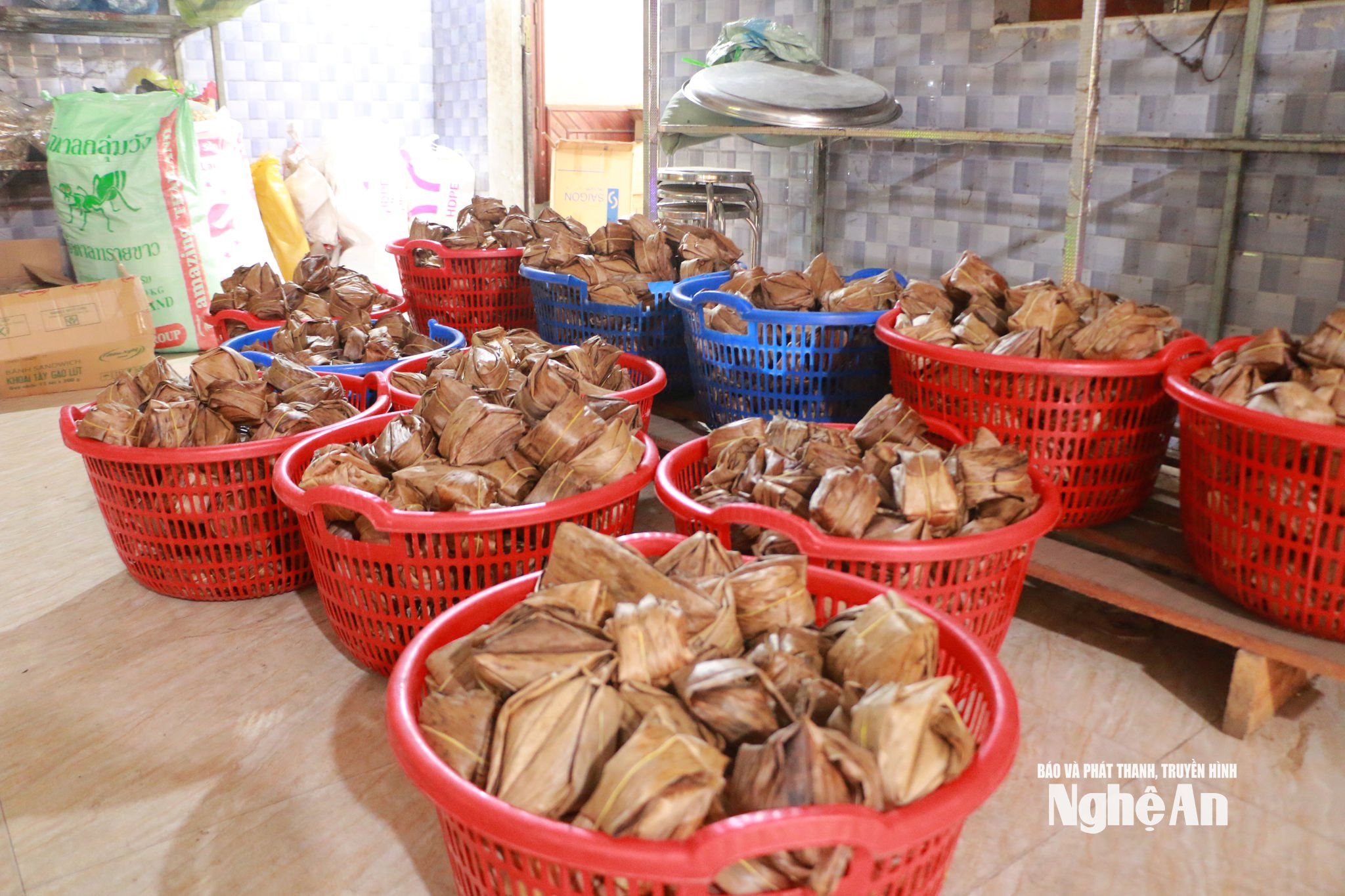
Each sticky rice cake from Doc Dua today is not just a simple local gift, but also the culmination of hard work, skill, and a spirit of community cohesion.
And from those carefully wrapped, glossy black rice cakes, the story of a traditional craft continues to spread, bringing the flavors of the homeland beyond the small slopes along National Highway 7A to more and more diners near and far.
Hoai Thu - Khanh Ly