
The power source beneath the sacred temple roof.
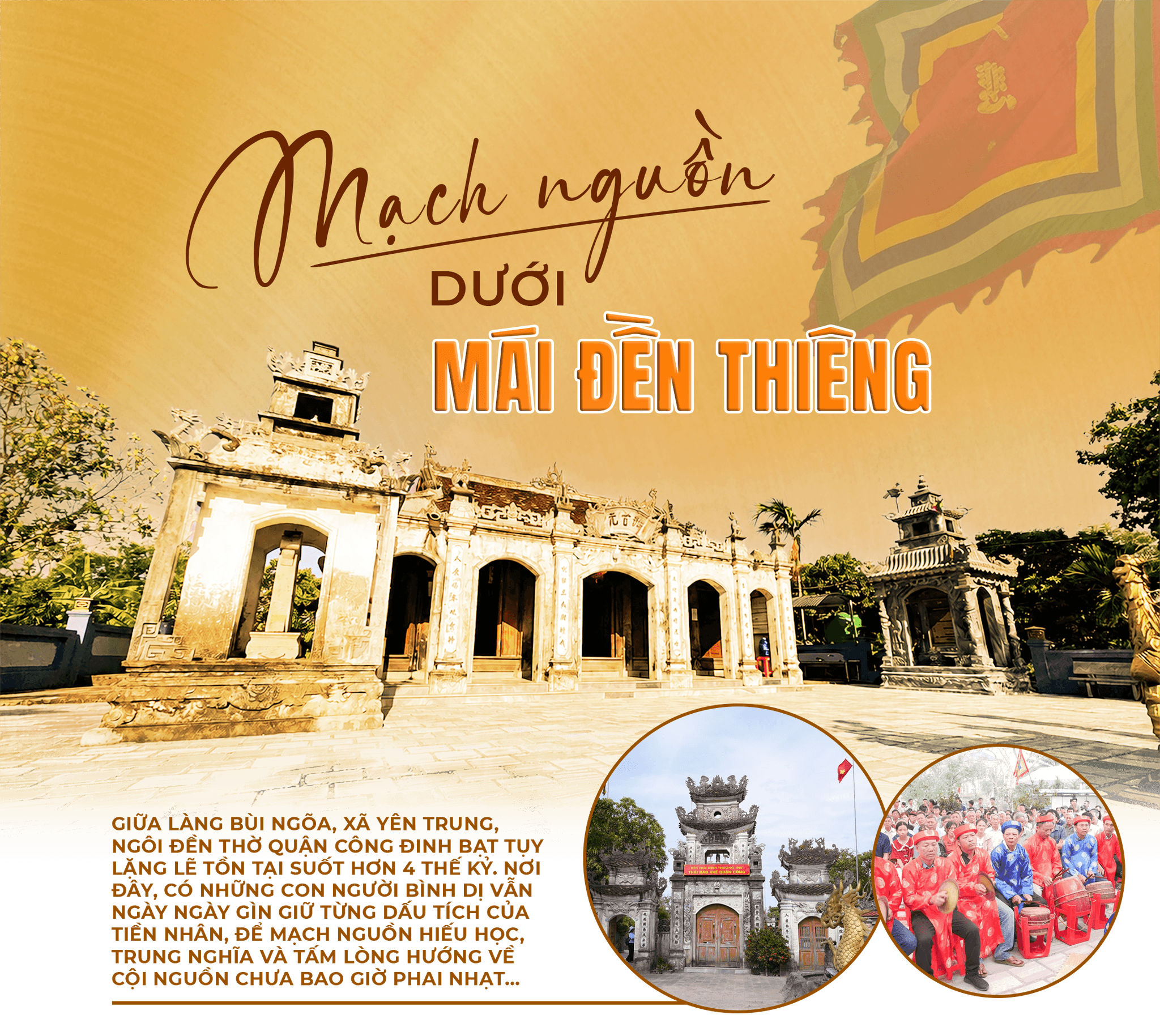
In the heart of Bui Ngoa village, Yen Trung commune, the temple dedicated to Duke Dinh Bat Tuy has quietly stood for over four centuries. Here, ordinary people still preserve the traces of their ancestors, ensuring that the spirit of learning, loyalty, and devotion to their roots never fades...
Thanh Phuc - Hoai Thu| Design:Huu Quan• July 12, 2026

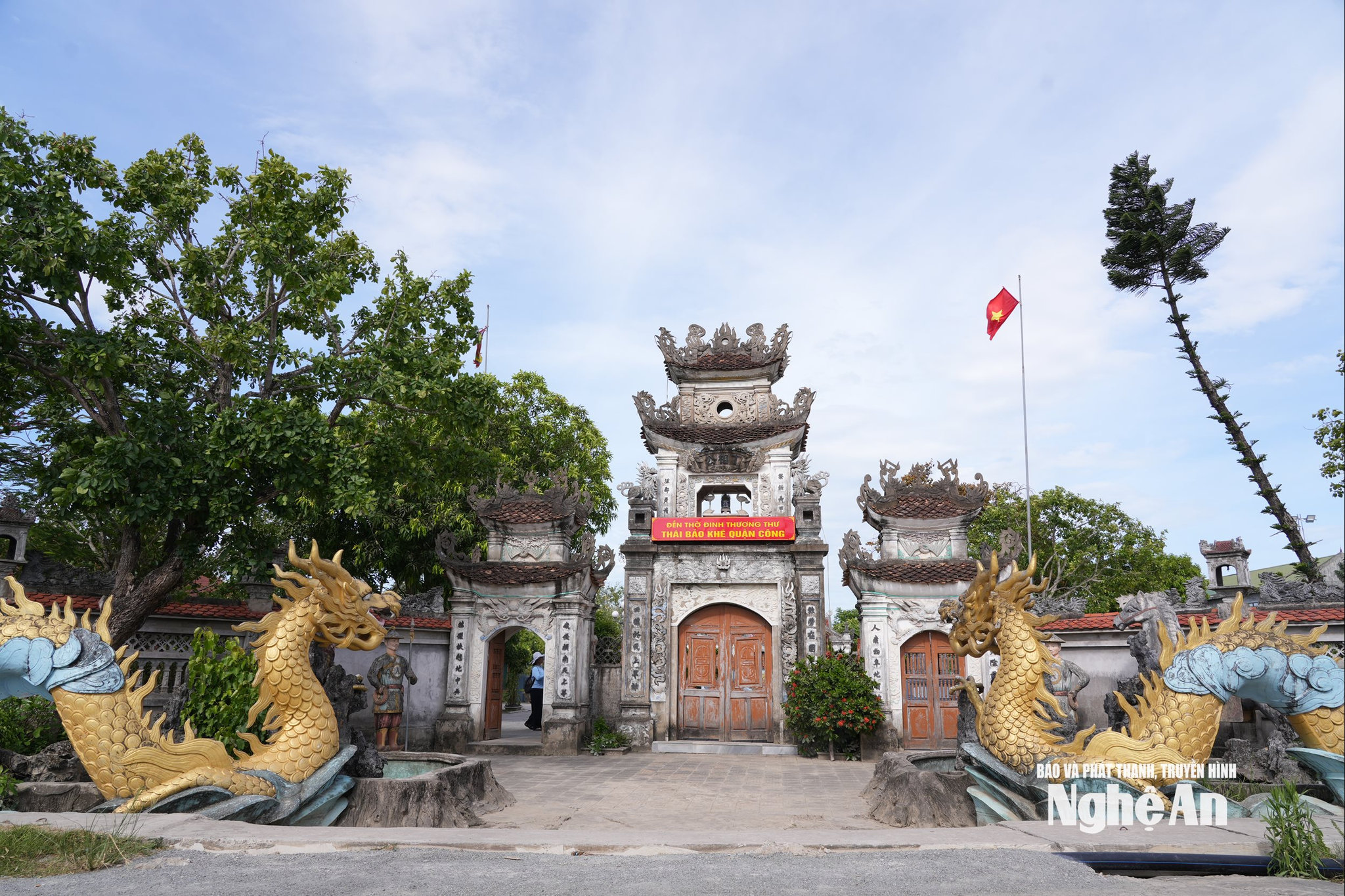
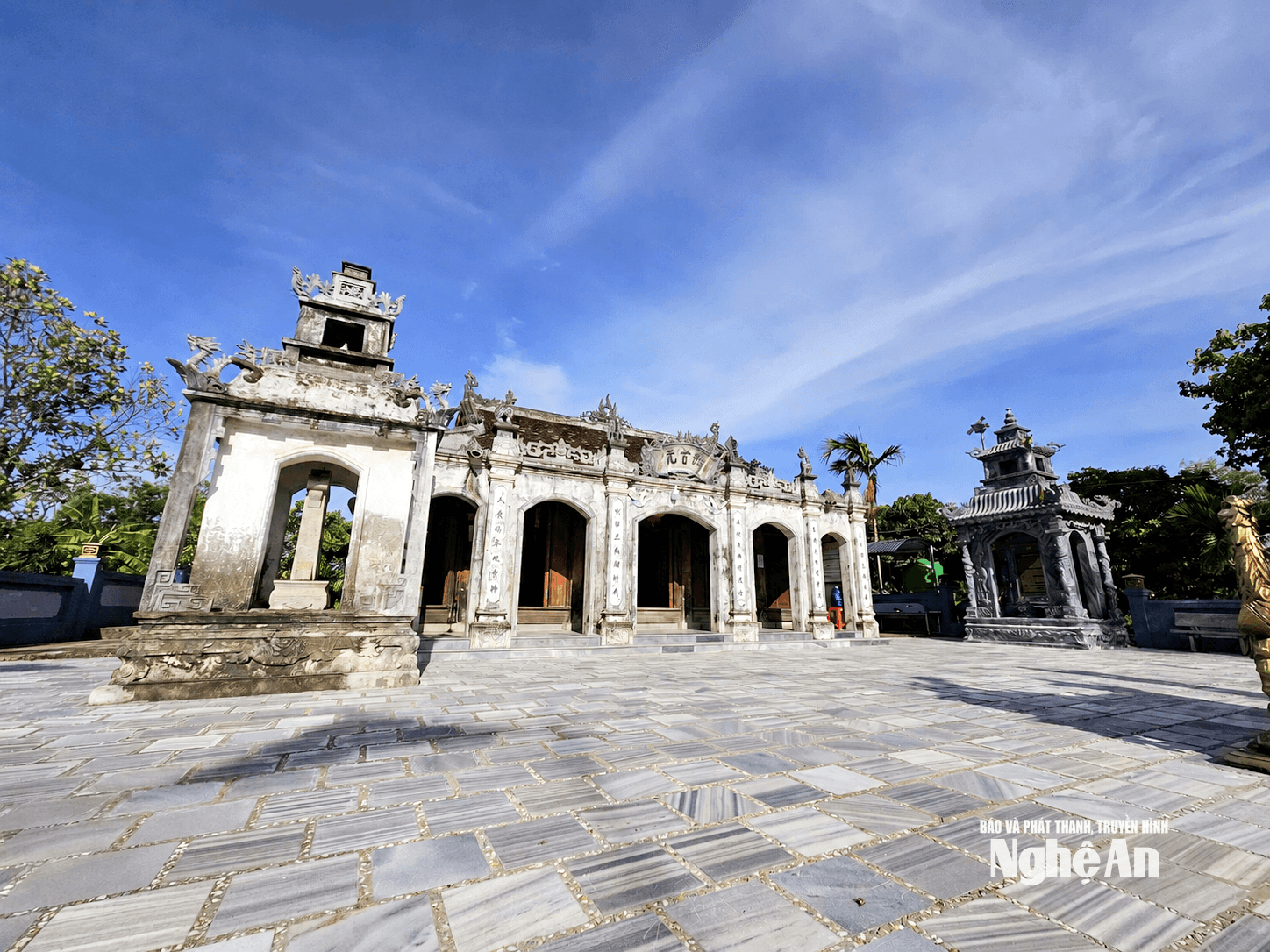
On a July afternoon, we followed cultural officials from Yen Trung commune to Bui Ngoa village as the last rays of sunlight still lingered on the moss-covered tiled roofs of the temple dedicated to the renowned general Dinh Bat Tuy, a historical site that has stood for over four centuries. Welcoming us at the triple-arched gate were the temple caretaker, Mr. Dinh Bat Trang, and two other elders of the family. Stepping through the gate, the space inside the temple seemed completely separate from the hustle and bustle of the outside world. Ancient trees cast their shadows over the paved courtyard, worn smooth by countless footsteps, and the scent of incense mingled with the evening breeze, creating an atmosphere of profound tranquility. The calls of birds in the ancient trees, the gentle rustling of bamboo brooms across the courtyard, and the slow pace of the elderly caretaker prompted each visitor to unconsciously lower their voices. This serenity stemmed not only from the age of the historical site but also from the enduring preservation efforts passed down through generations of the Dinh Bat family.
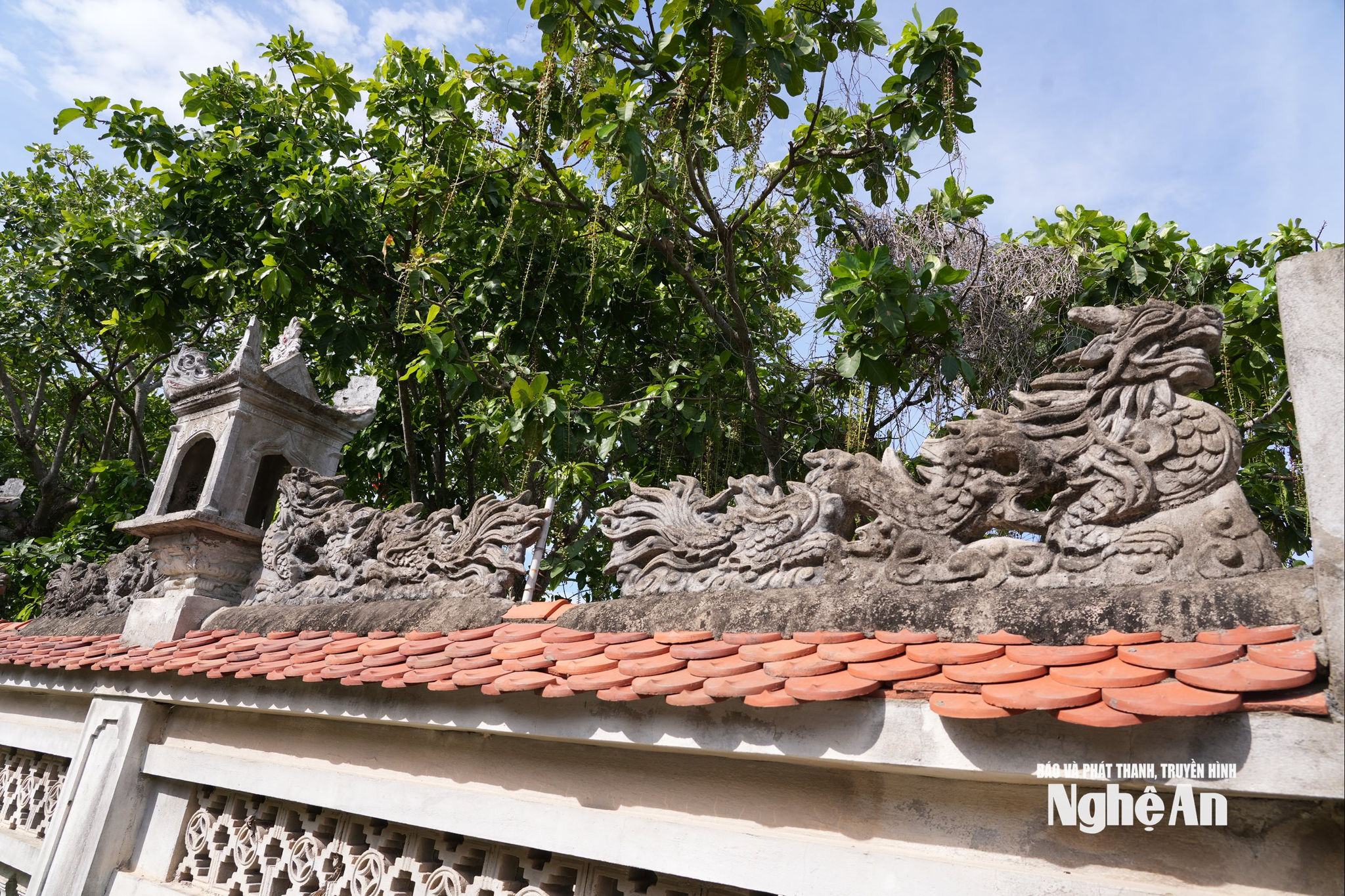
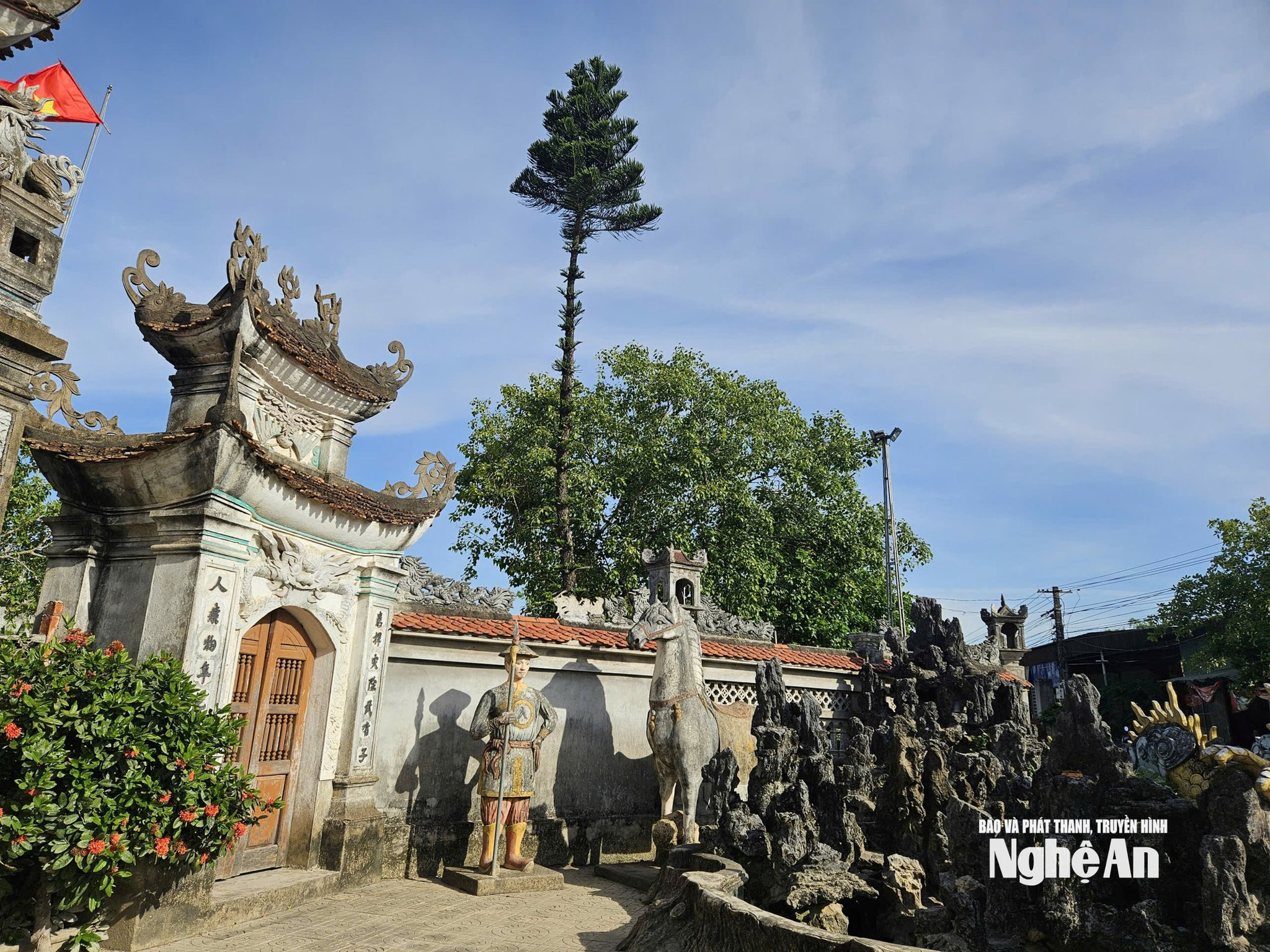
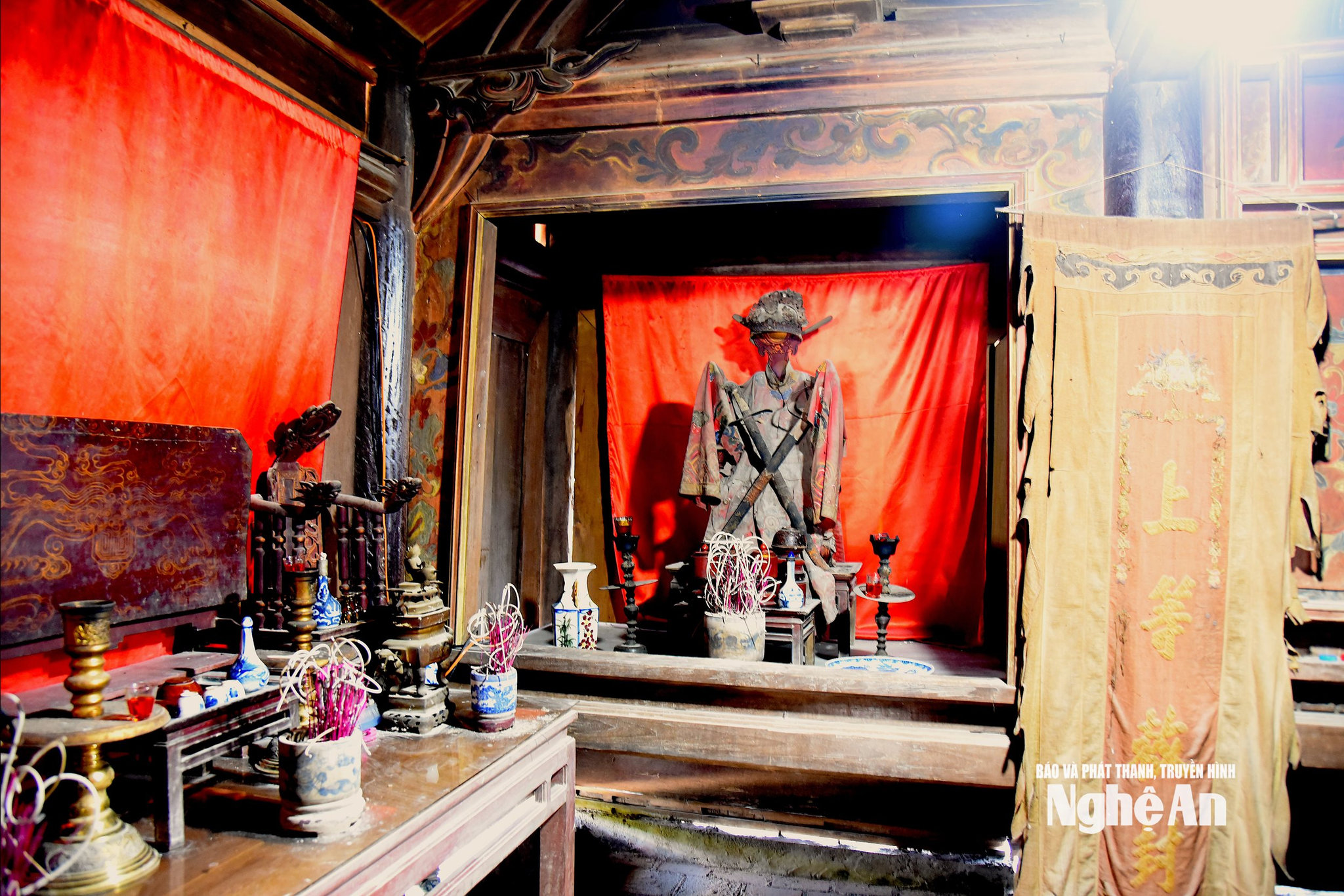
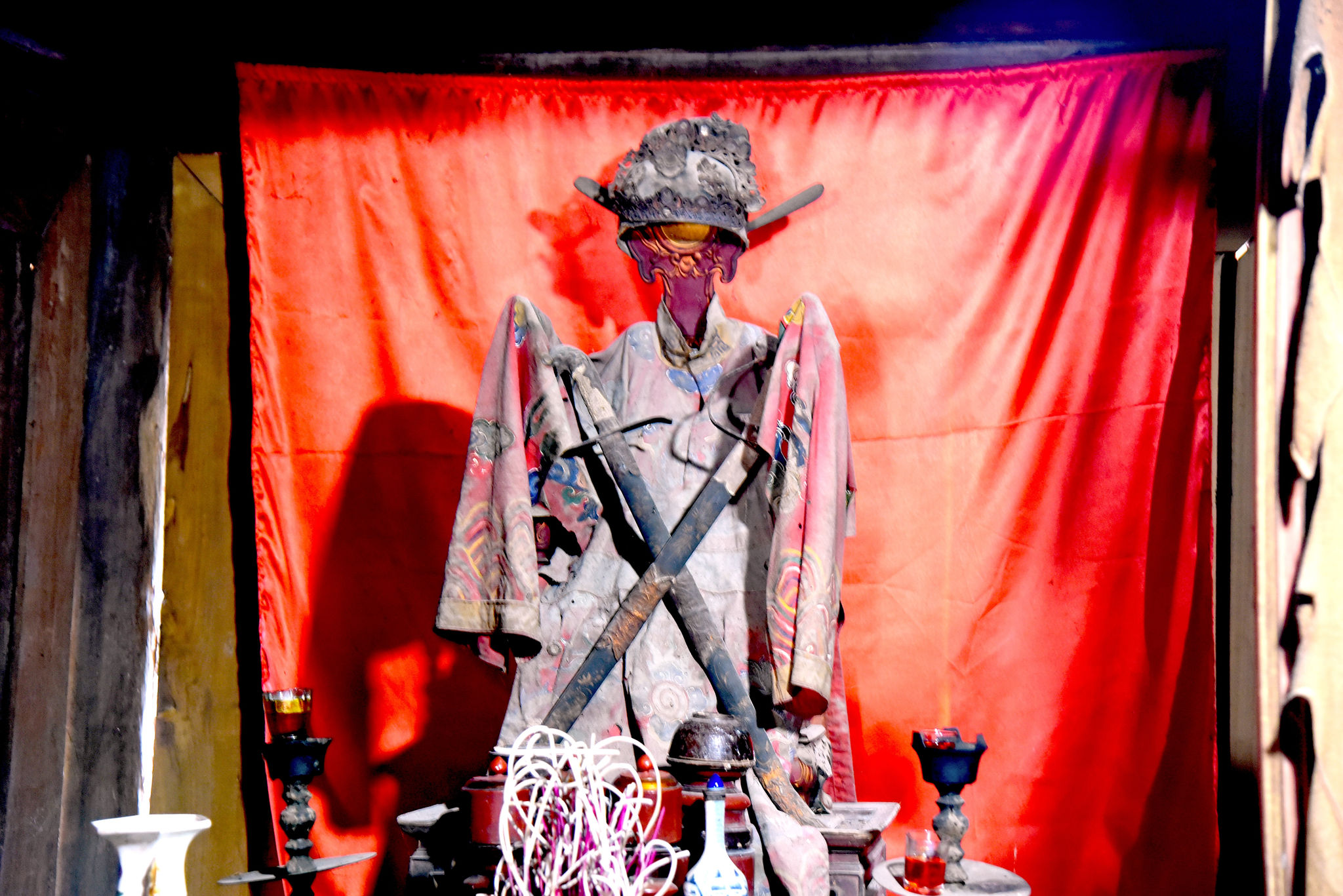
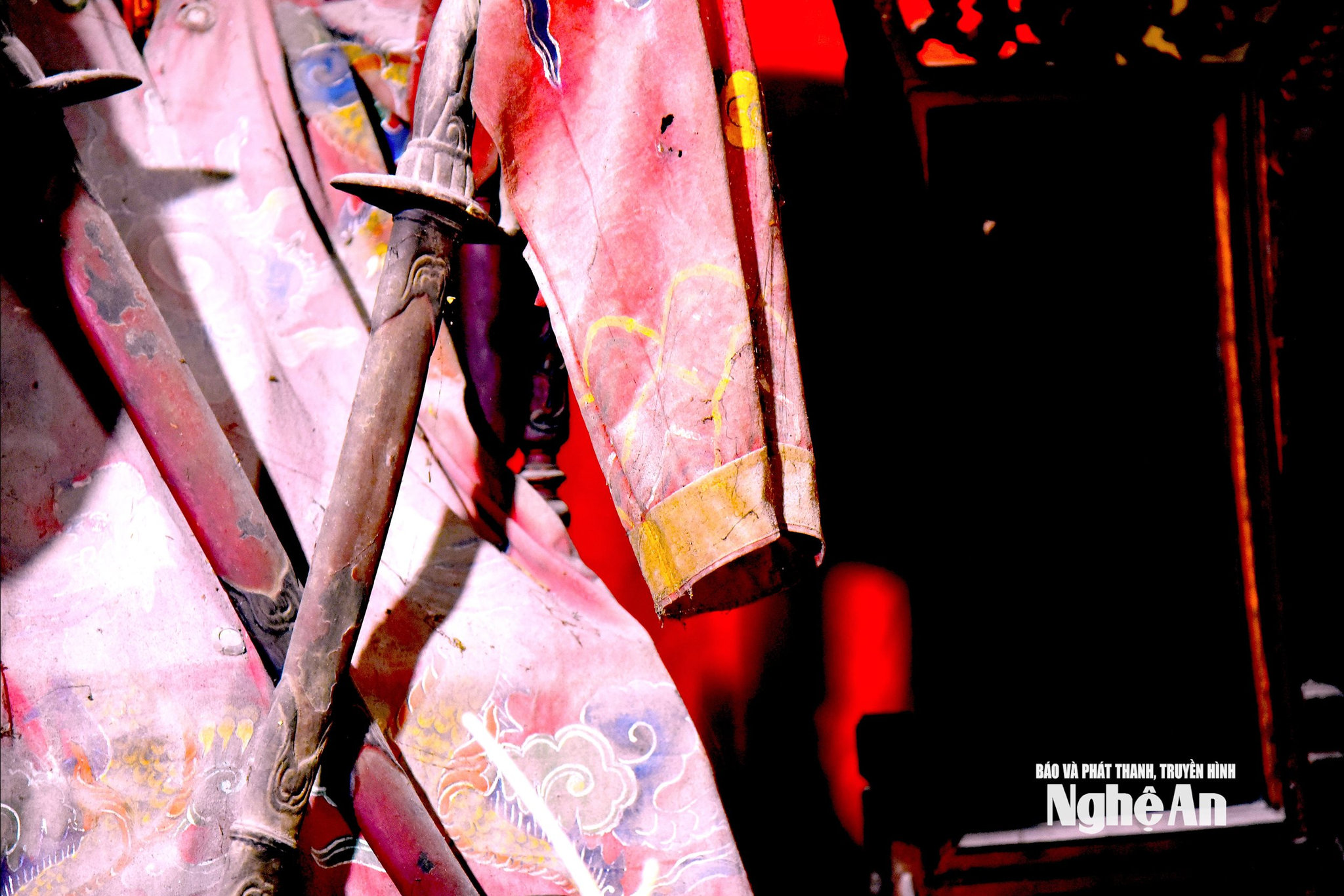
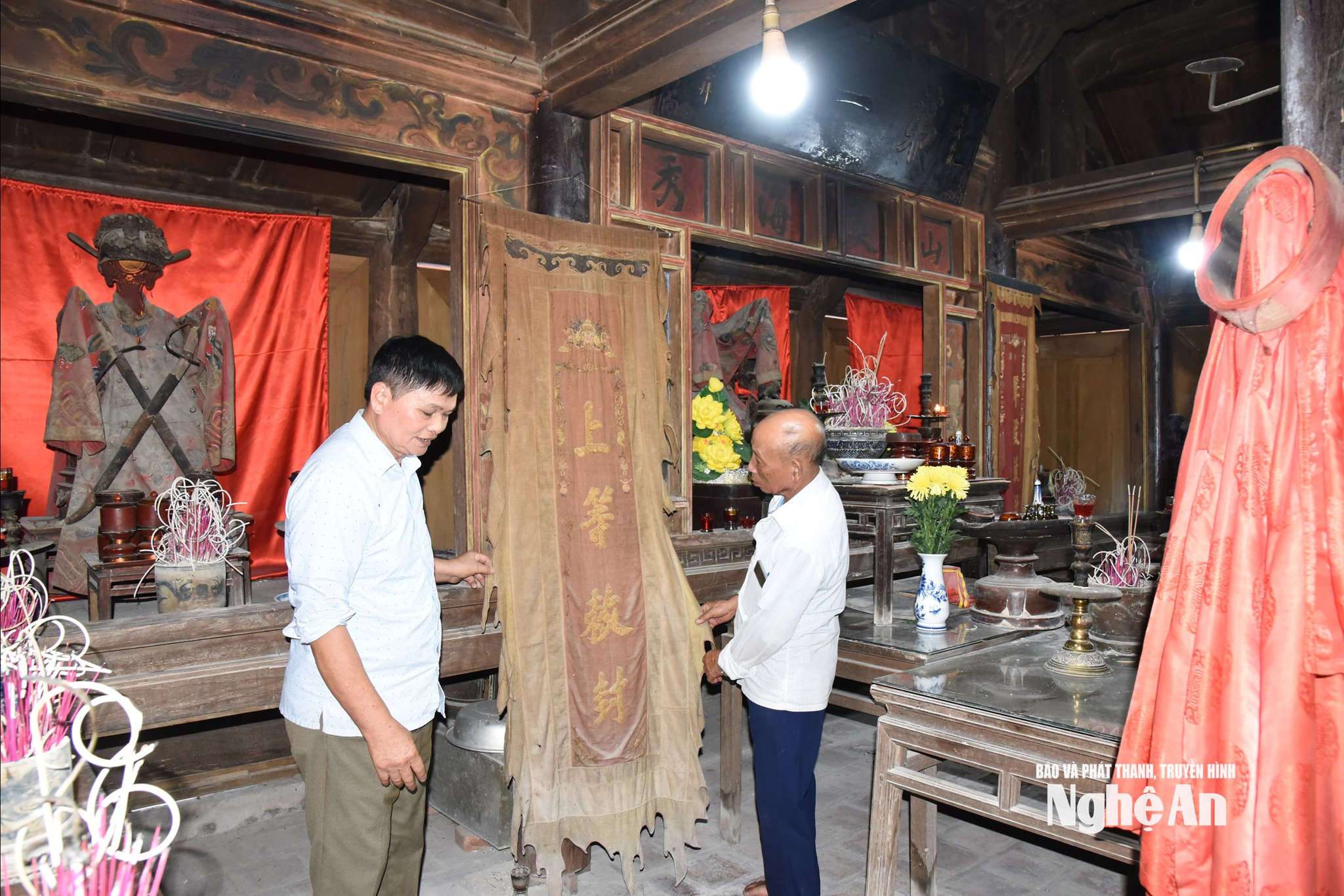
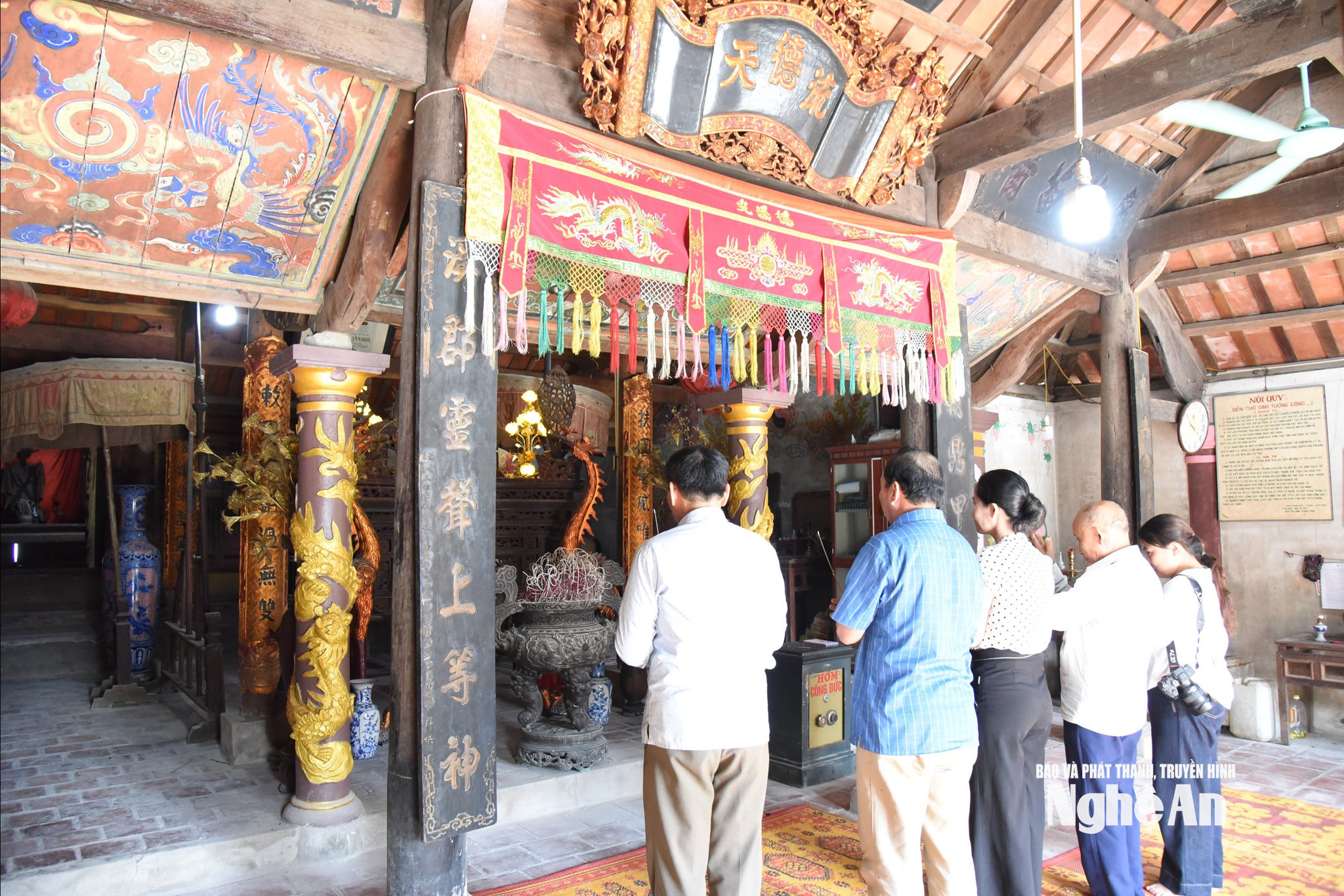
Following Mr. Trang into the inner chambers, we truly felt the reverence that generations of descendants have for the relics of their ancestors. On the dragon thrones, three ancient robes are still preserved almost intact after more than four hundred years.
Grandpa Trang carefully held the soft feather duster, gently stroking the delicate, silken fabric. His movements were so slow that even those standing nearby held their breath. Seeing our attentive observation, he softly explained, "The robes shouldn't be washed, nor should they be wiped with a cloth. The fabric is too thin; even a little water could cause them to rot. For generations, our descendants have only dared to use the softest feather dusters to remove the dust." The simple words of the temple caretaker brought a moment of quiet to the inner sanctuary. In that instant, we realized that what was preserved under this temple's roof was not just rare treasures, but also the reverence and the awareness of preserving heritage passed down from generation to generation.
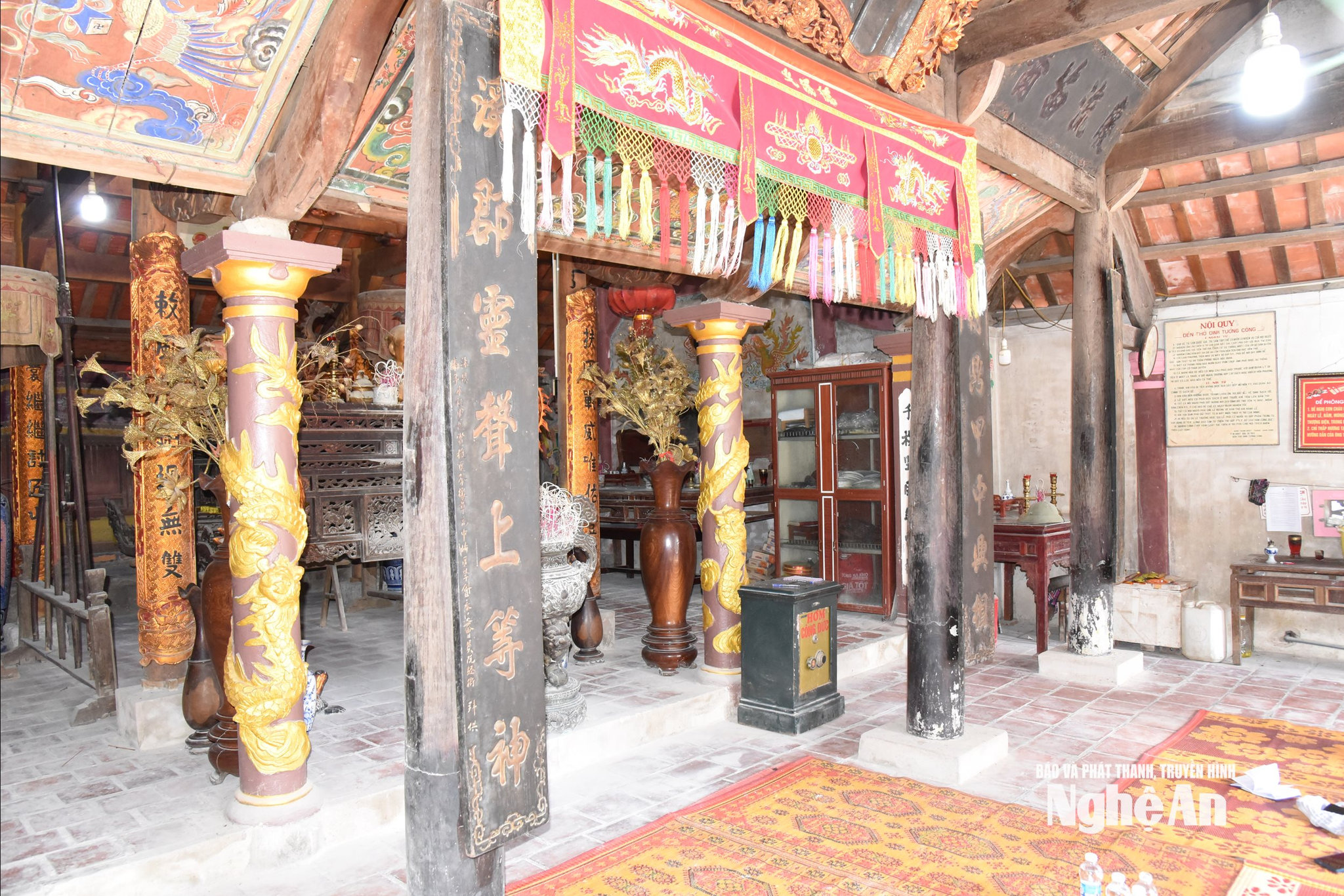
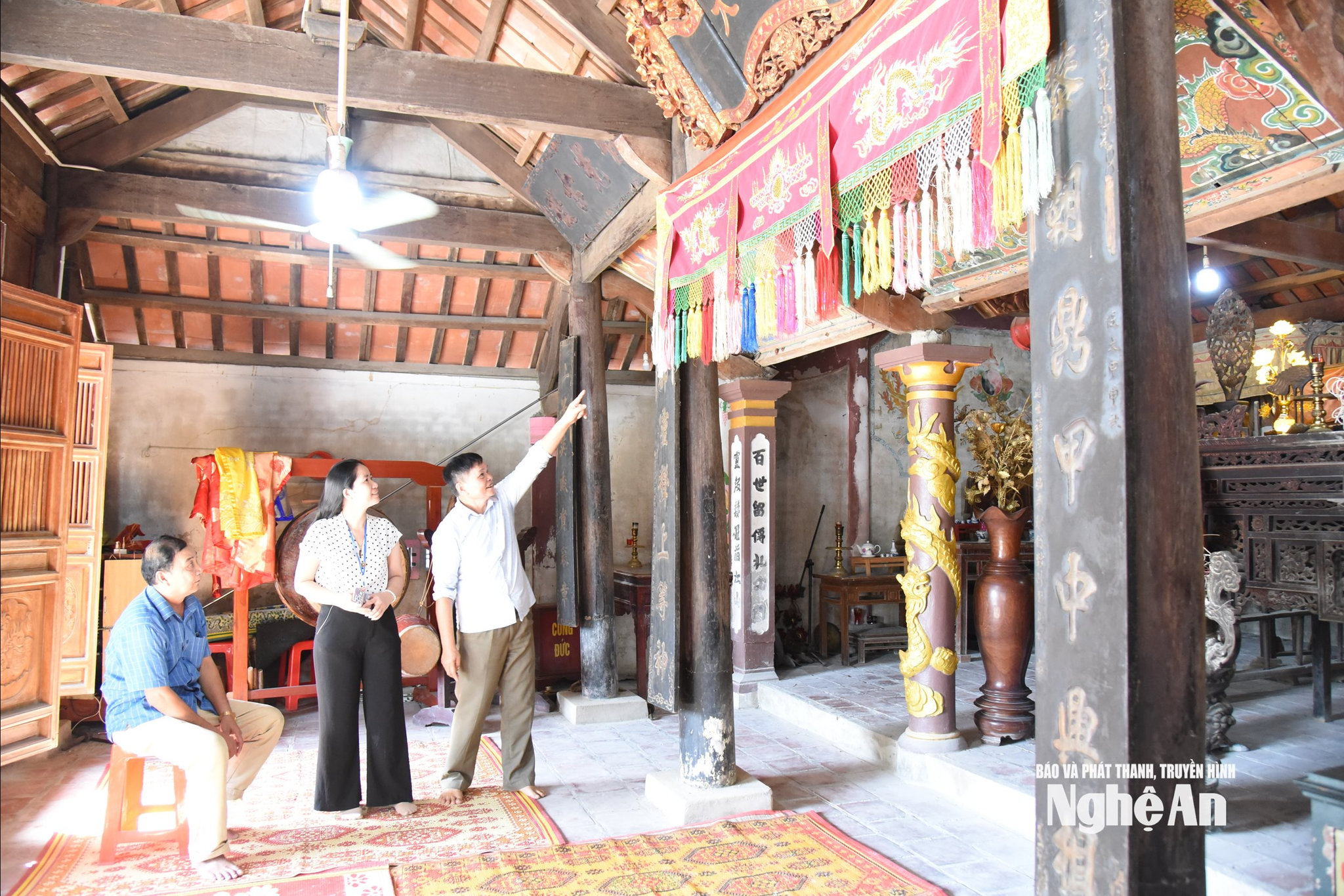
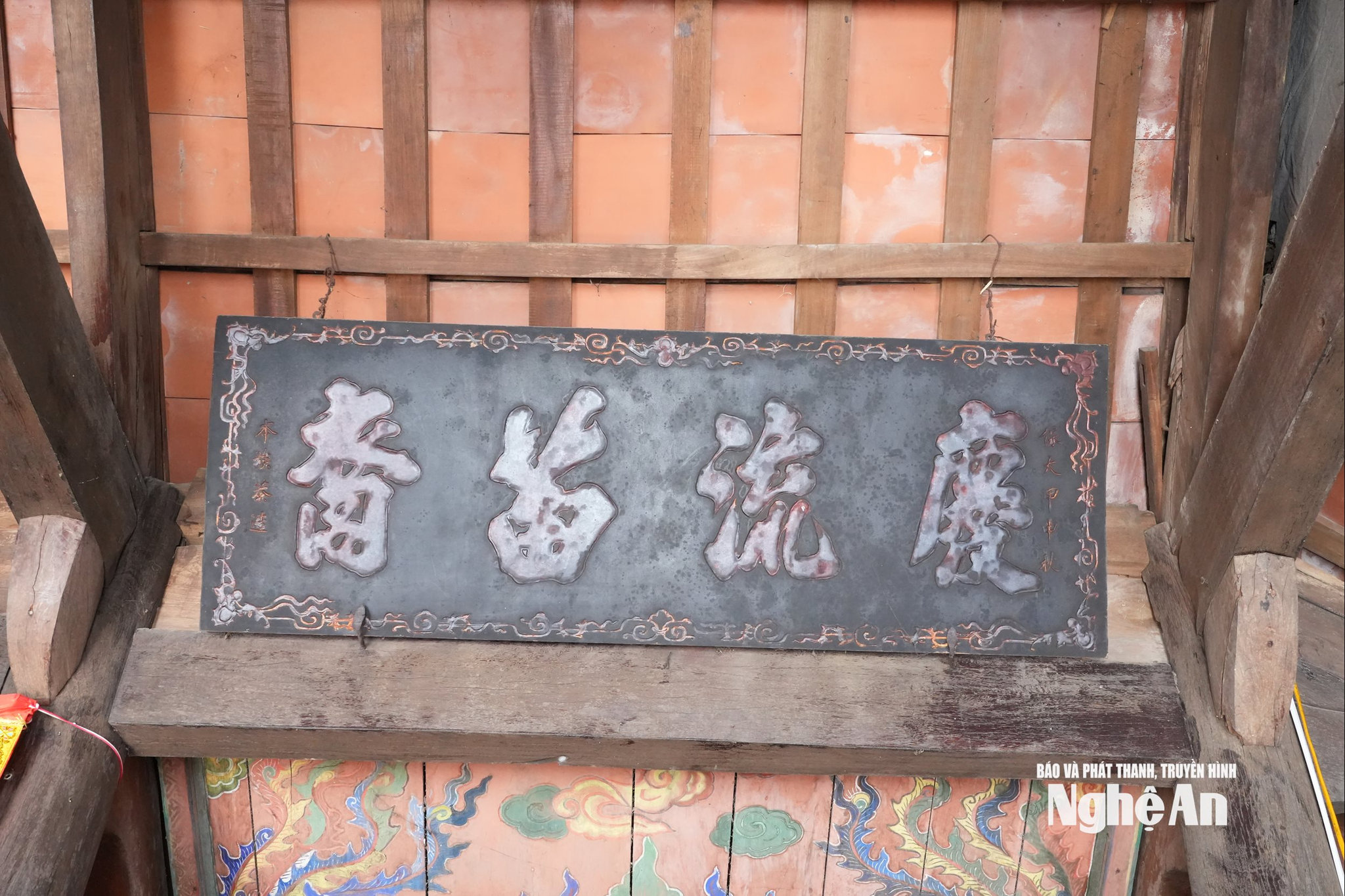
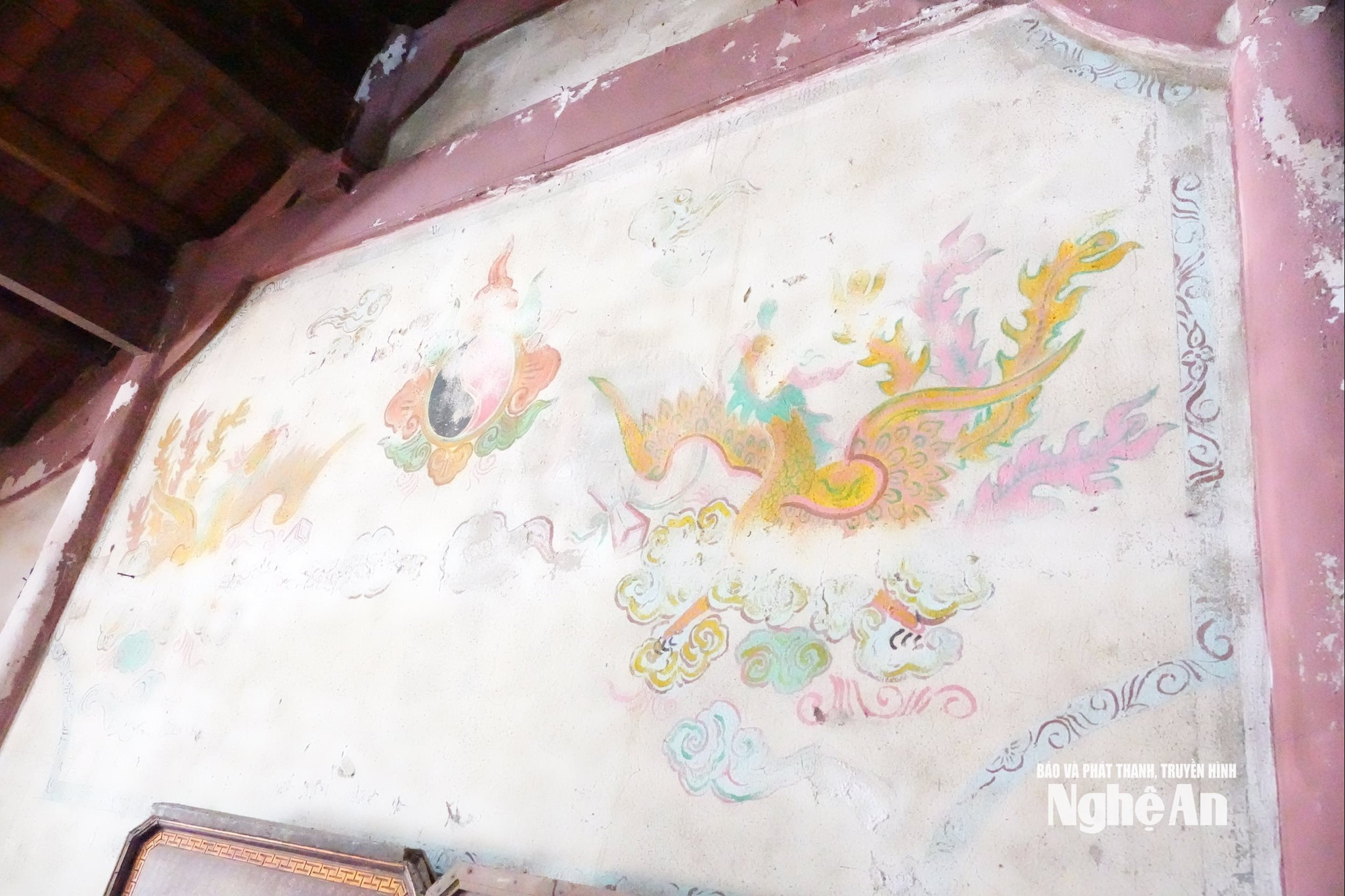
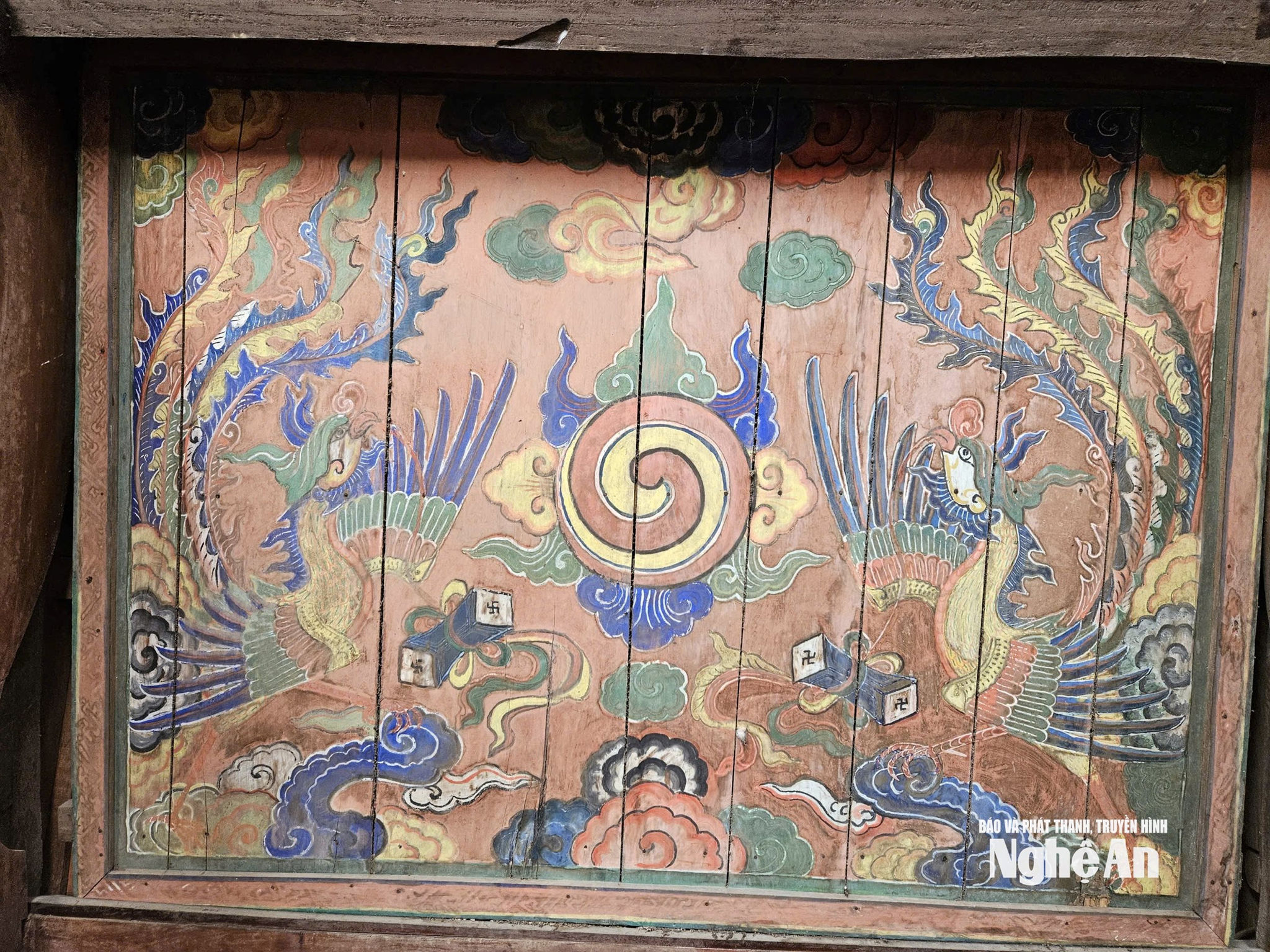
Leaving the inner sanctuary, Mr. Dinh Bat Hong, an elder of the Dinh Bat family, continued to lead us along the temple buildings. He paused for a considerable time before the intricately carved wooden panels depicting "Two Dragons Facing the Moon," still sharp after hundreds of years of rain and sun. Drawing on his extensive knowledge of family genealogies, inscriptions, and the system of horizontal plaques and couplets within the temple, he recounted stories of ancient artisans and the various dynasties that had bestowed titles and posthumously honored the renowned general Dinh Bat Tuy. The clearest evidence of this is the 37 imperial decrees from the Le Trung Hung, Tay Son, and Nguyen dynasties, which are still carefully preserved here.
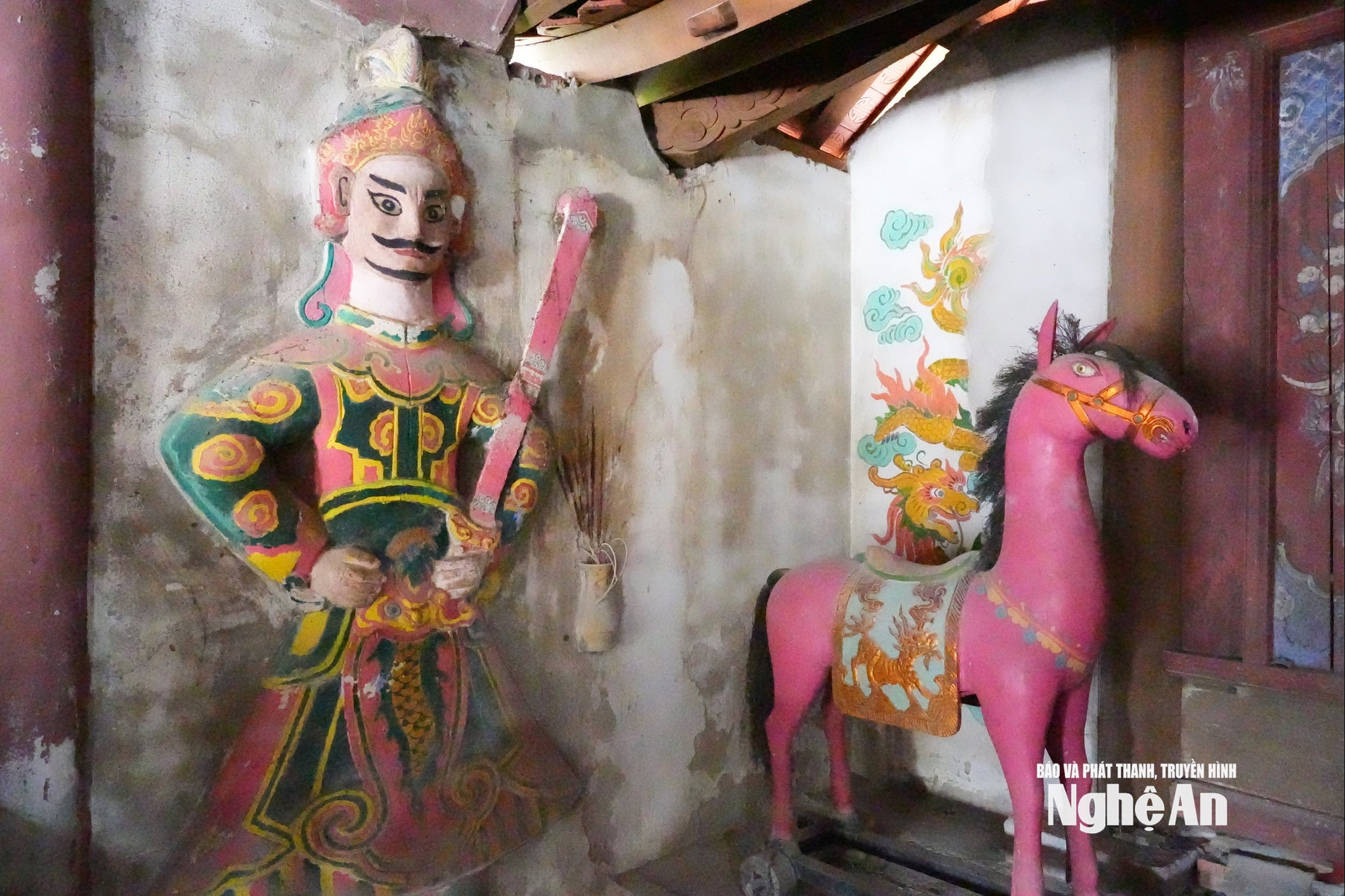
To ensure these artifacts endure through time, the Yen Trung commune government, along with the elders, has always been involved in the management, preservation, and promotion of the historical site's value. From inventorying and preserving the system of artifacts, stone steles, bronze bells, and royal decrees to beautifying the landscape and developing plans for protecting the site, there has been close coordination between the local authorities and the clan's management board. This joint effort has helped the temple not only retain its ancient appearance but also become an important cultural and spiritual destination for the people in the region. What is particularly valuable is that the preservation of the Bui Ngoa historical site goes beyond simply preserving the artifacts.
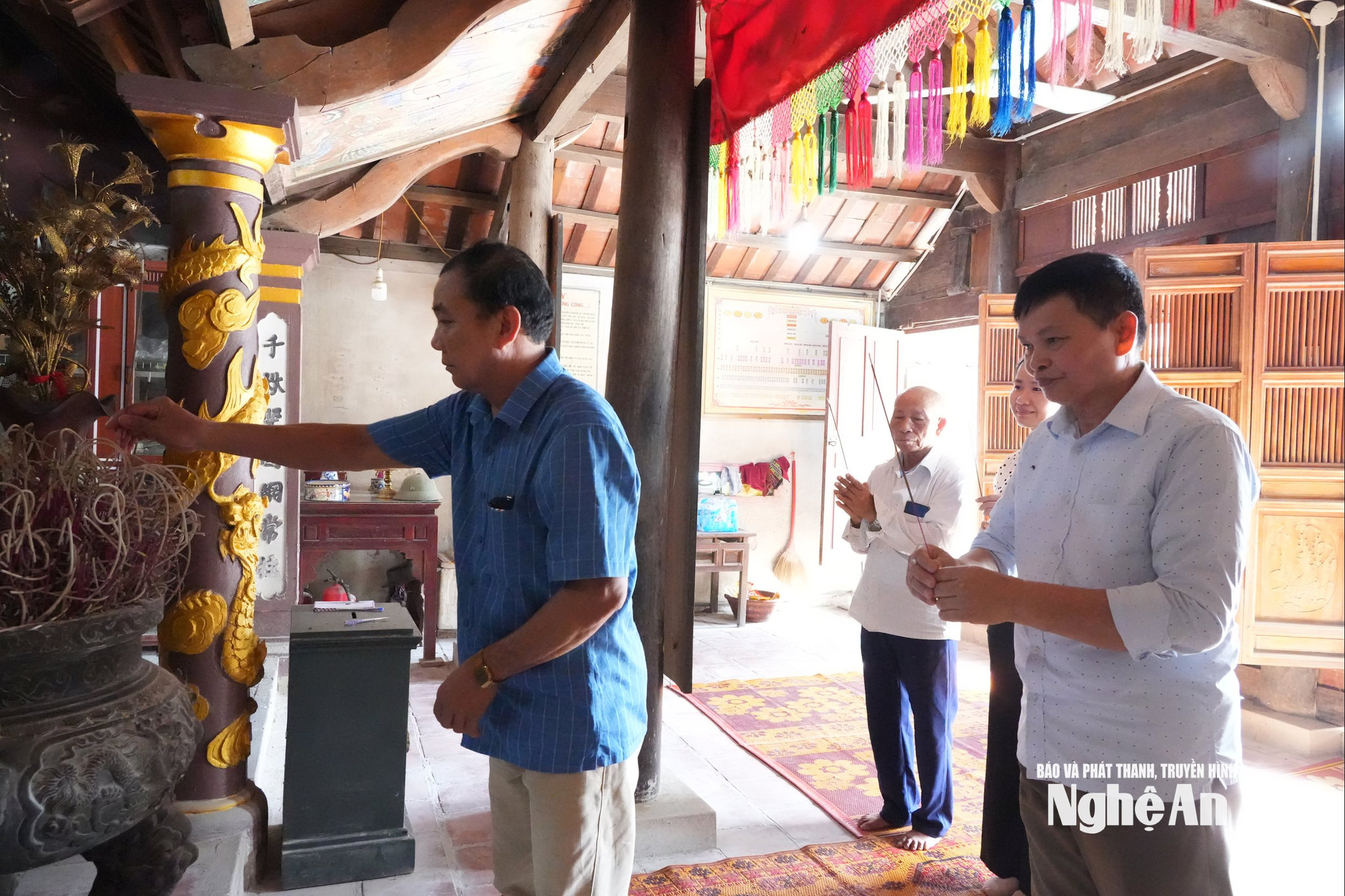
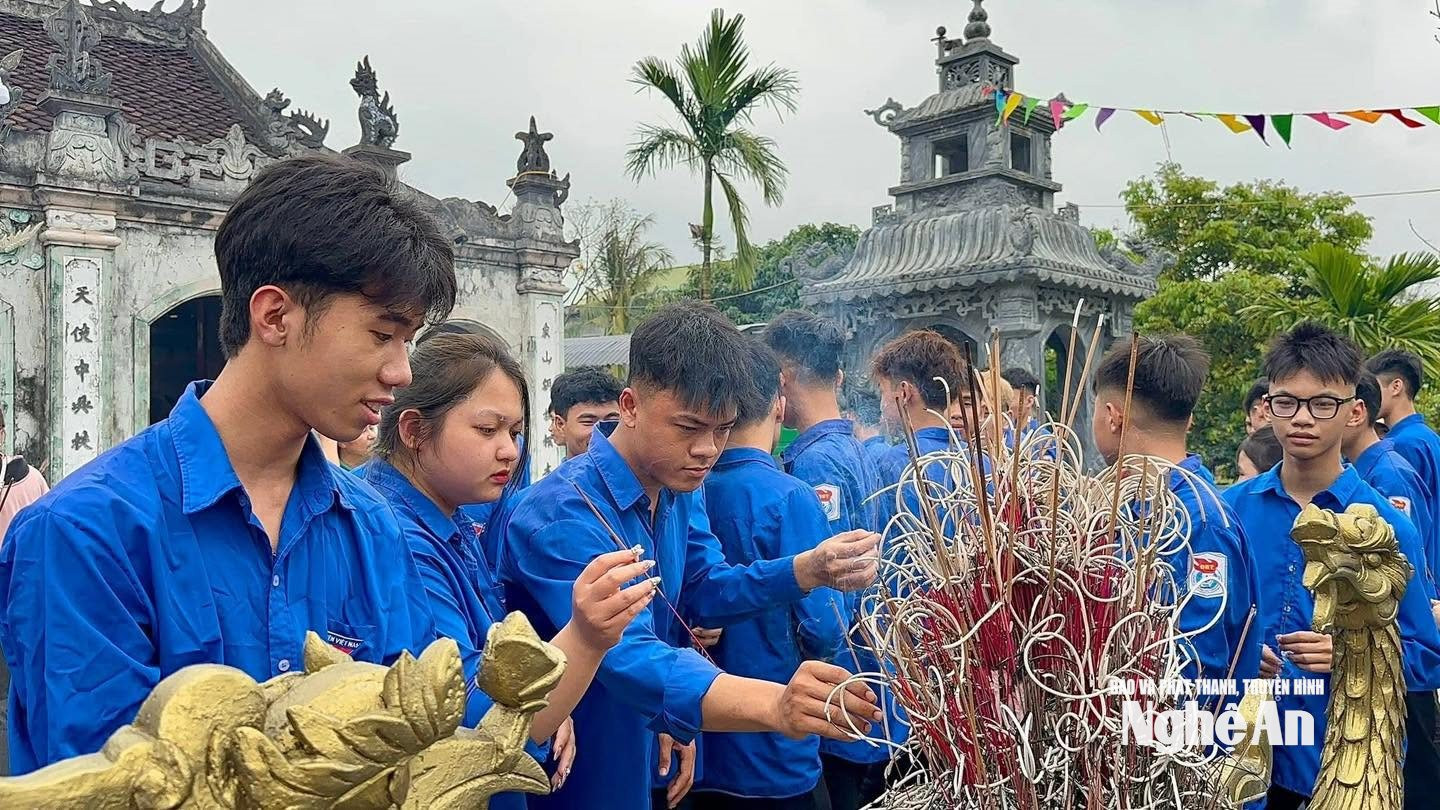
For the villagers, the temple has long been an integral part of their daily lives. Whenever there's an important family event, a major holiday, or the New Year, many families bring their children and grandchildren to offer incense, telling them about the contributions of their ancestors and the lessons passed down through generations. It is through these simple stories that history doesn't remain dormant on stone tablets or in royal decrees, but continues to live on in the memories and thoughts of each generation.
The connection between the historical site and the community is further strengthened through traditional festivals. Every year, during the Dinh Spring Festival, the anniversary of the Duke's death, or the celebration of receiving the National Historical Monument ranking, descendants of the Dinh Bat family from many regions, along with a large number of local people, return to the sacred temple to offer incense and remember their ancestors. The solemn ceremony of opening the royal decrees is held, and rare royal decrees are opened for descendants to venerate with reverence, while outside the temple grounds, there is a vibrant atmosphere of cultural, artistic, and sporting activities. Perhaps that is why, after more than four centuries, the temple still retains its vitality in community life. What is preserved under the temple's roof are not only the relics of the ancestors, but also the cultural heritage that generations of descendants have persistently continued…
.jpg)
Đinh Bạt Tụy (1516-1589), from Bùi Ngõa village, Hưng Trung commune, Hưng Nguyên district, Nghệ An province (now Yên Trung commune, Nghệ An province), came from a family with a Confucian scholarly tradition. Orphaned at the age of 13, he had to work as a laborer to make a living but never gave up his pursuit of knowledge. Supported by a village teacher, he continued his studies, passed the Bachelor's examination, studied at the National Academy, and became a master of both literature and martial arts during the Lê Trung Hưng dynasty.
During his nearly 40 years as an official, Dinh Bat Tuy served three Le Dynasty kings, holding the position of Minister of War. He made many contributions to suppressing rebellions and pacifying the people, and is recognized in history as one of the "foremost meritorious officials" of the Le Dynasty. After his death in 1589, King Le The Tong organized a national funeral, brought his remains back to his hometown for burial, and ordered the construction of a temple in his honor.
The Dinh Bat Tuy Temple, with its grounds covering over 10,000 square meters, was classified as a National Historical Monument in 1991. To this day, it is not only a place to commemorate the renowned general but also a focal point of the tradition of studiousness and the principle of remembering one's roots, passed down through generations of the Dinh Bat family and local people.

When discussing what has been preserved and passed down through generations, the elders of the family always recount stories about the life of the renowned general Dinh Bat Tuy. "The greatest legacy of our ancestor lies not in the temple or the remaining treasures, but in his pursuit of learning and his moral character, which his descendants have preserved to this day," Mr. Trang said slowly. Through the old temple caretaker's account, what first emerges about the famous general is not his glorious military achievements or prestigious titles, but the image of a boy orphaned at the age of thirteen, growing up in poverty but never losing his thirst for knowledge.
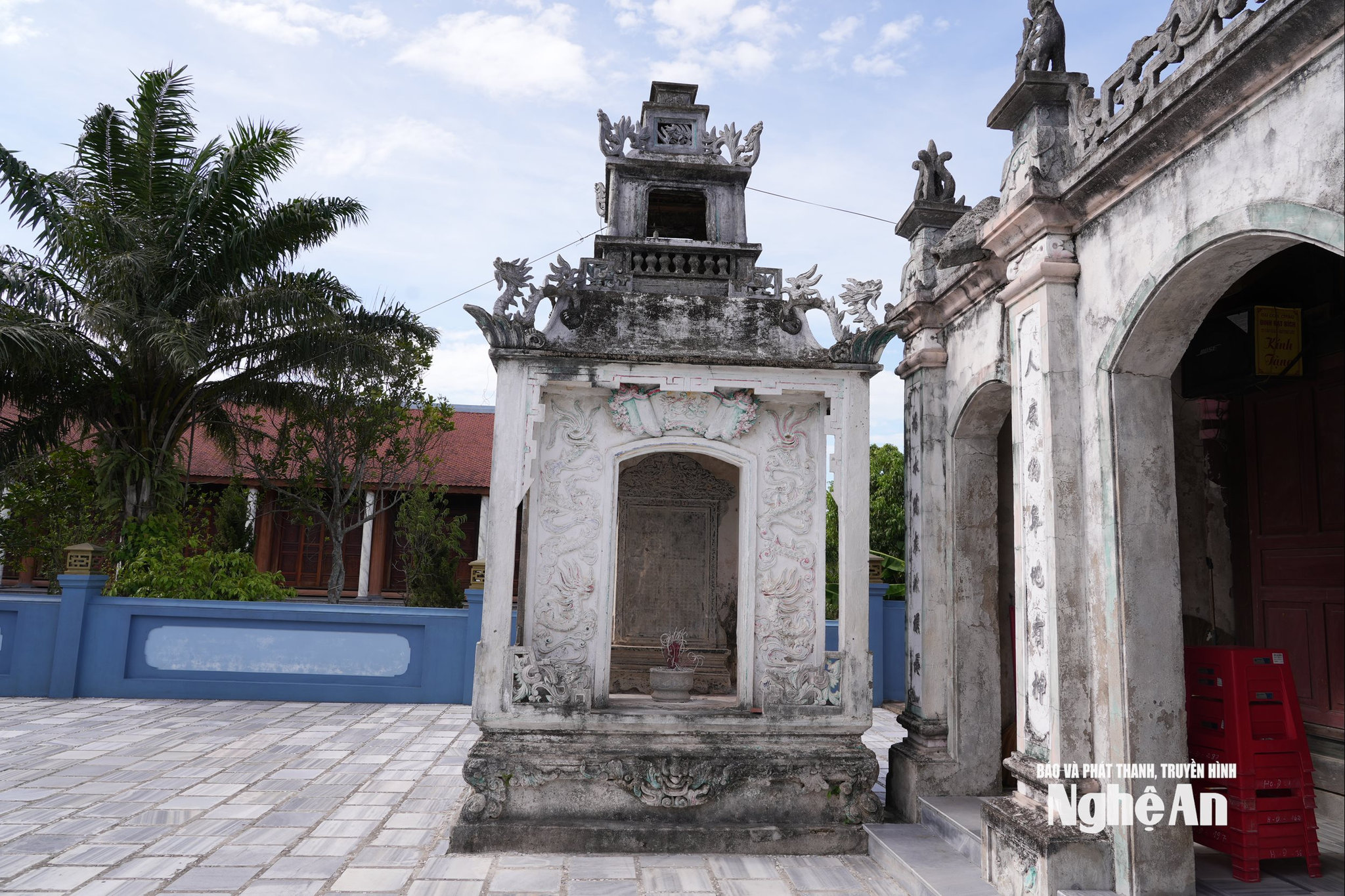
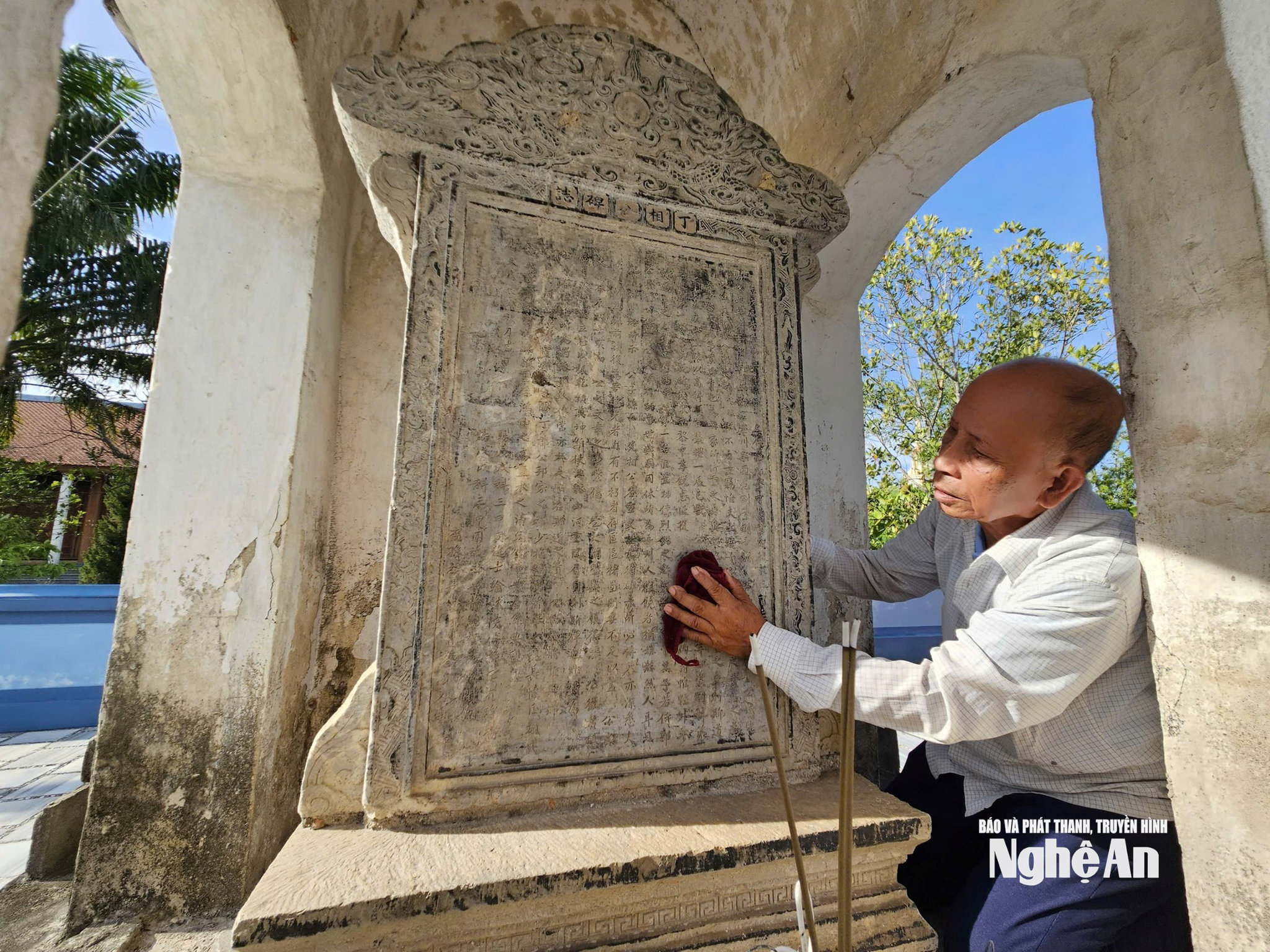
During those difficult years, the village student Bui Ngoa borrowed books to copy by hand, stood outside the classroom listening to the teacher's lectures, read under the moonlight at night, and even used the light reflected from the pond to study classical texts. It was this perseverance that led this son of a poor village to the pinnacle of academic achievement, passing the First Class Imperial Examination in 1554, and then becoming a man of both literary and martial prowess, holding the position of Minister of War under the Le Trung Hung dynasty, making significant contributions to the king's service and the nation.
What impressed us most was that nearly five centuries have passed, yet the story of our ancestor's dedication to learning remains deeply ingrained in the minds of his descendants today. From their ancestral land in Yen Trung, the Dinh Bat family has expanded into 18 branches, with descendants living in many provinces and cities across the country. Each person has their own job and place of work, but they all maintain the tradition of returning home on the anniversary of their ancestors' death or other major family celebrations. These gatherings are not only to light incense before the spirits of their forefathers, but also to recall family traditions, celebrate exemplary students, and encourage the younger generation to continue upholding the tradition of studiousness. To this day, most branches maintain scholarship funds, awarding prizes to children who achieve high academic results, gain admission to universities, or have outstanding research projects or initiatives. These awards, though not large in material value, represent the family's trust in the next generation.
-e5d485d4444f6a4be99f6d04c551be3e.jpg)
According to the elders, the Dinh Bat family today has many descendants working in Party and State agencies, the armed forces, schools, hospitals, and businesses; many have become professors, associate professors, doctors, masters, engineers, or successful entrepreneurs. However, what makes them proud is not just the academic titles, degrees, or social positions of their descendants, but the spirit of unity and the awareness of their roots that has been steadfastly preserved through many generations. Every time they return to Bui Ngoa, standing under the sacred temple or before the ancestral altar, everyone feels reminded of their responsibility to live decently, study, and contribute to be worthy of the achievements of their ancestors.
Perhaps that is why the temple not only preserves the memory of a renowned general, and the Dinh Bat family not only holds pride in a meritorious figure. What is preserved most enduringly is a cultural heritage – where the principle of "drinking water, remembering the source," the spirit of learning, and the aspiration for self-improvement continue to be passed down from generation to generation.
Leaving Bui Ngoa village as the sun set over the ancient temple, we carried with us the feeling that what remained after the trip was not only the traces of history, but also the belief in the vitality of good values preserved by the people of today.
Thanh Phuc - Hoai Thu | Design: Huu Quan