

When seeds "pave the way" for rice grains.
Reducing production costs, enhancing the value of rice grains, establishing concentrated raw material areas, and strengthening consumption linkages are key requirements for rice production in the current period. The cooperation program between the Nghe An Provincial Farmers' Association and ThaiBinh Seed Group Joint Stock Company is expected to contribute to completing the supply chain from production to consumption, improving the efficiency and value of the rice industry.
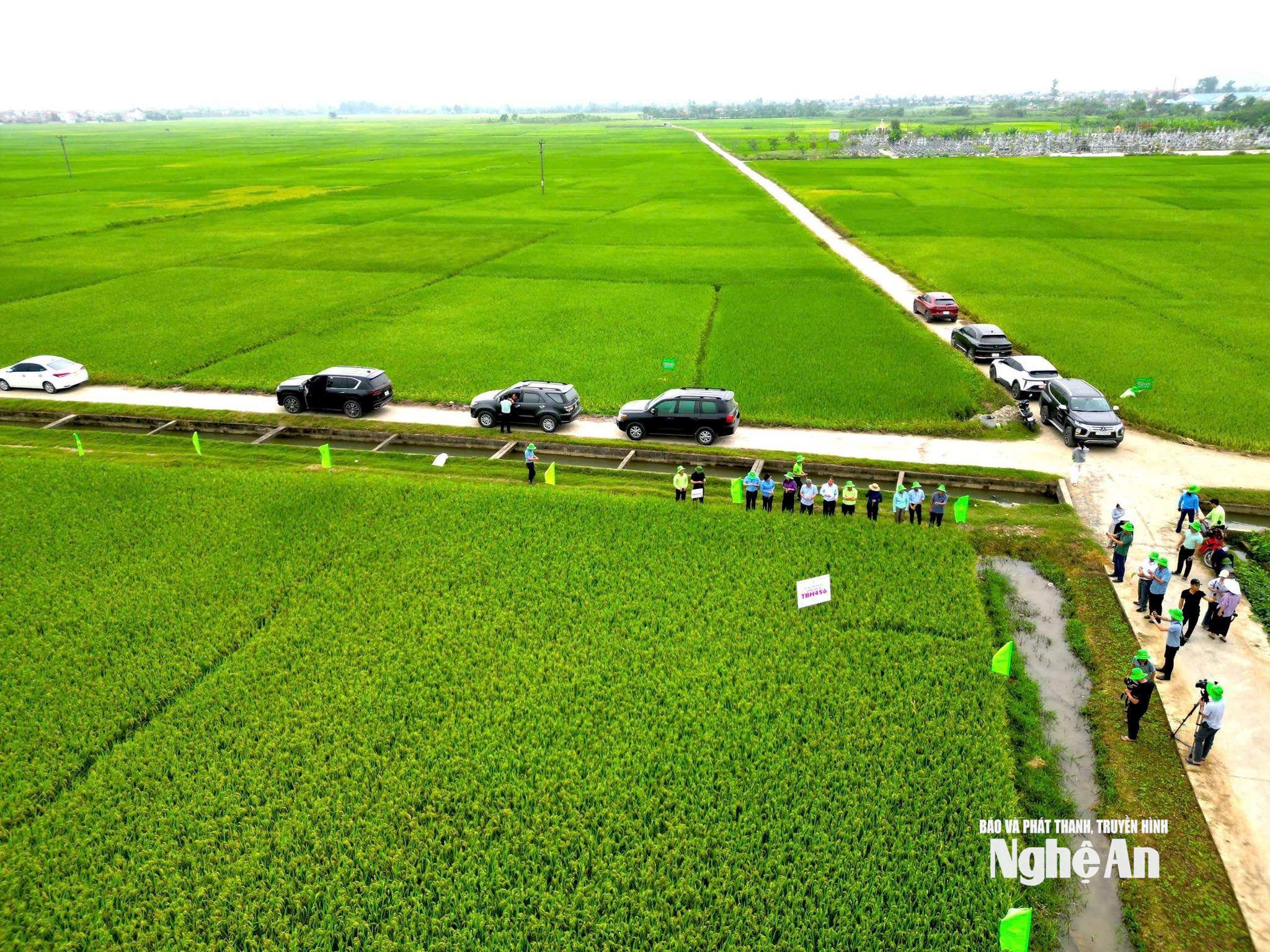
In recent years, the story of rice farmers is no longer just about good or bad harvests. Yields in many areas have been quite good, but profits from farming are still not commensurate. Rising prices of agricultural inputs, extreme weather patterns, and increasingly stringent market demands have forced farmers to change their production methods if they want to increase their income.
In that picture, seeds are seen as the starting point of all change. A good rice variety not only determines yield but also affects pest and disease resistance, adaptation to weather conditions, grain quality, and the economic efficiency of the entire crop. But good seeds alone are not enough. What the rice farming industry needs more is a synchronized supply chain, in which farmers are supported from seeds and techniques to production organization and product consumption. That is also the greatest significance of the cooperation program between the Nghe An Provincial Farmers' Association and ThaiBinh Seed Group Joint Stock Company for the period 2026-2030.
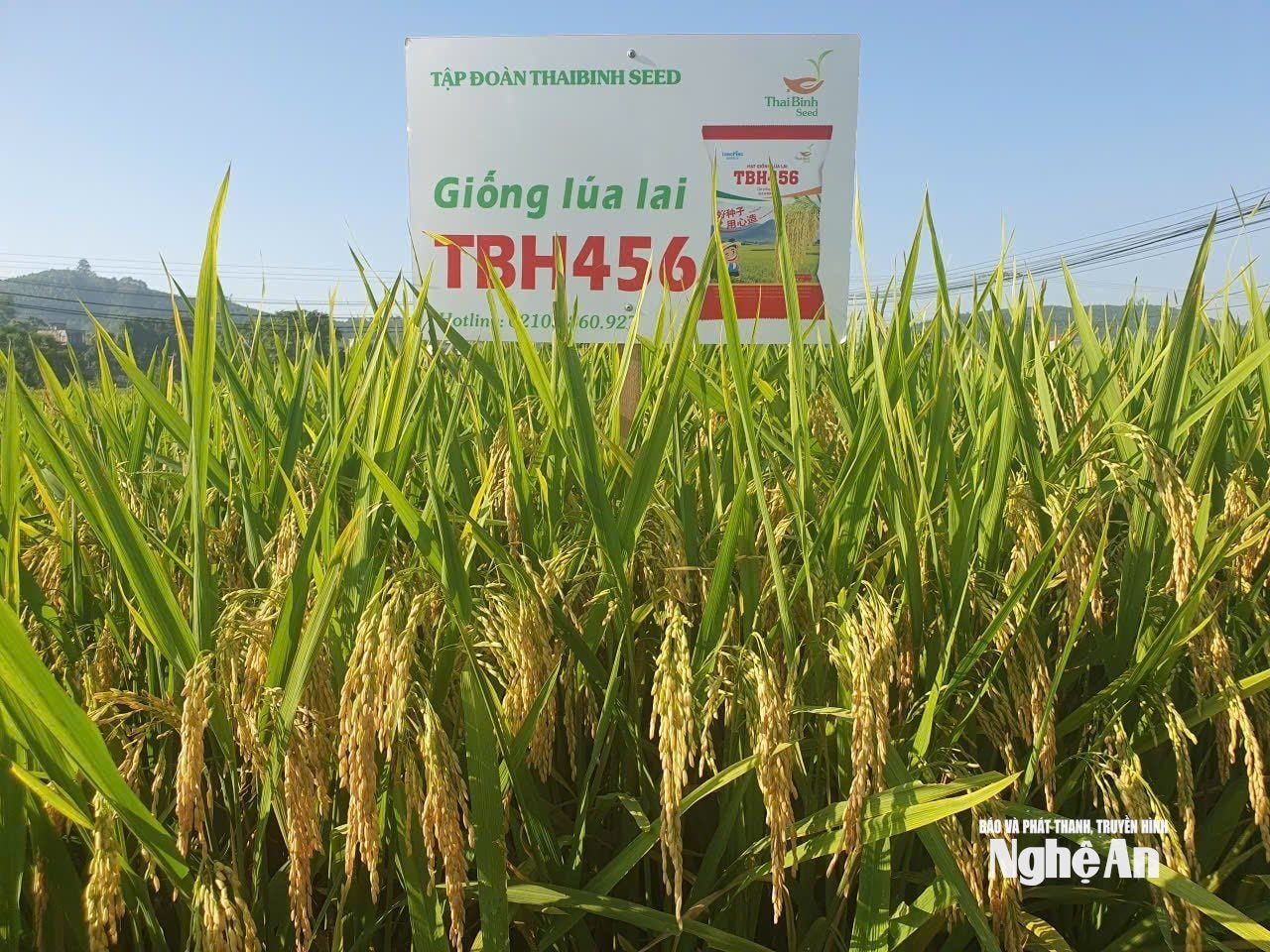
It is noteworthy that this collaboration is not simply aimed at introducing new rice varieties into production. The goal is to build a long-term linkage between associations, businesses, cooperatives, and farmers; gradually forming high-quality rice seed and commercial rice production chains linked to product consumption. This is also the direction identified by both sides in the memorandum of cooperation for the period 2026-2030.
In fact, ThaiBinh Seed is not an unfamiliar business to farmers in Nghe An. Each year, the company supplies approximately 1,000-1,500 tons of plant seeds, serving production on an area of 20,000-30,000 hectares. Many rice varieties such as TBR225, BC15, Thai Xuyen 111, TBR97, TBR89, and A Sao glutinous rice have been widely chosen by farmers due to their stable yield, good quality, and suitability for cultivation conditions in various ecological zones of the province. These figures demonstrate the long-standing link between the company and rice production in Nghe An. Therefore, this cooperation program is expected to elevate the relationship from seed supply to a higher level, along with organizing production along the value chain.
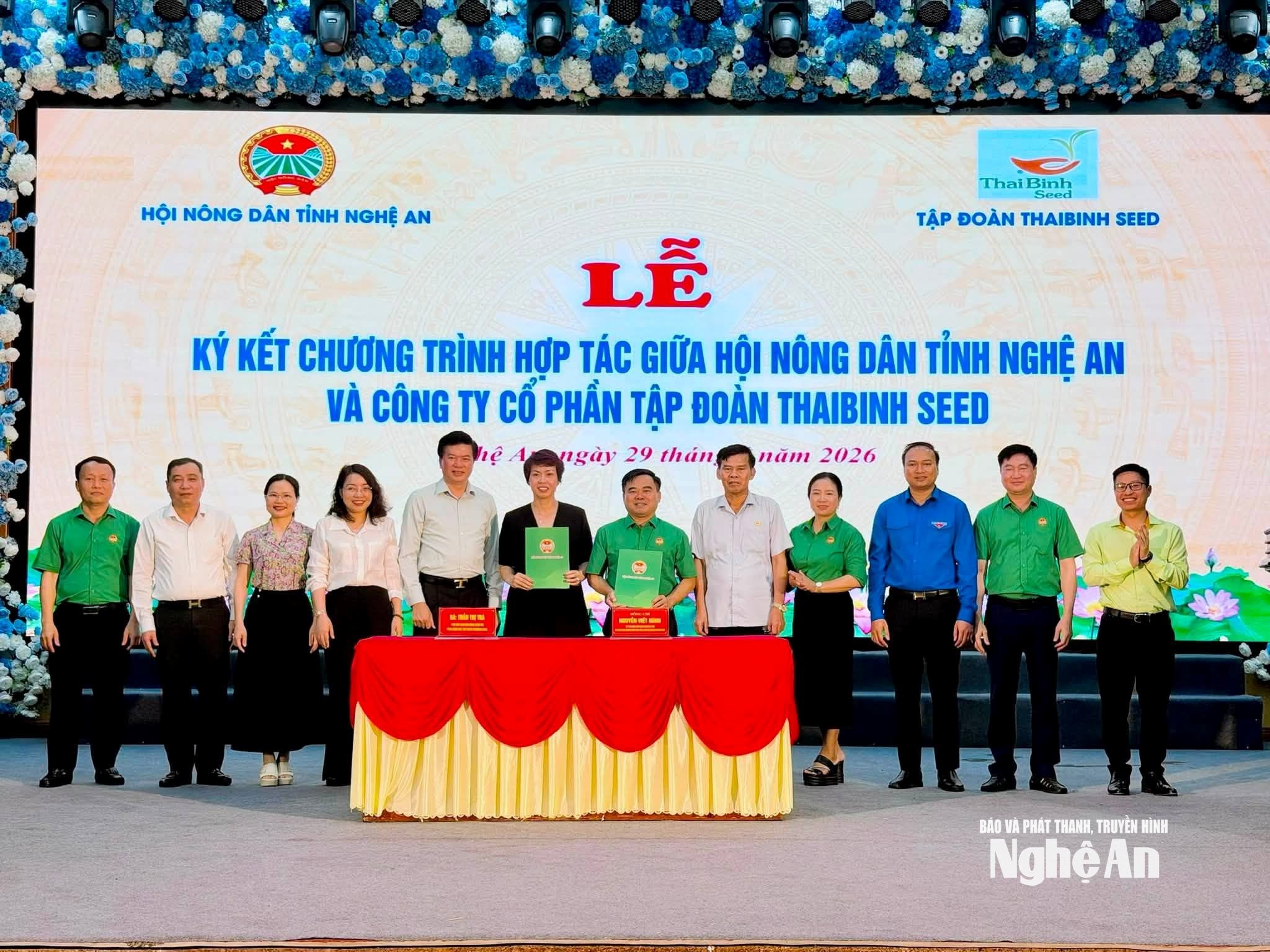
This is also a key difference of the cooperation program. Previously, businesses primarily supplied seeds through a network of agents or cooperatives; now, the partnership will be more comprehensive. After surveying each production area, businesses will collaborate in building demonstration models, organizing training, transferring technical processes, and gradually linking production and consumption with eligible cooperatives, production groups, and individual farmers.
At that point, seeds will no longer be just a commodity sold at the beginning of the season, after which the business's responsibility ends. The value of seeds will be enhanced through standardized cultivation processes, regular technical guidance, and collaboration among all stakeholders involved in production. This is also a way to gradually reduce the current situation where each household produces a different variety and uses a different process, leading to inconsistent agricultural product quality.
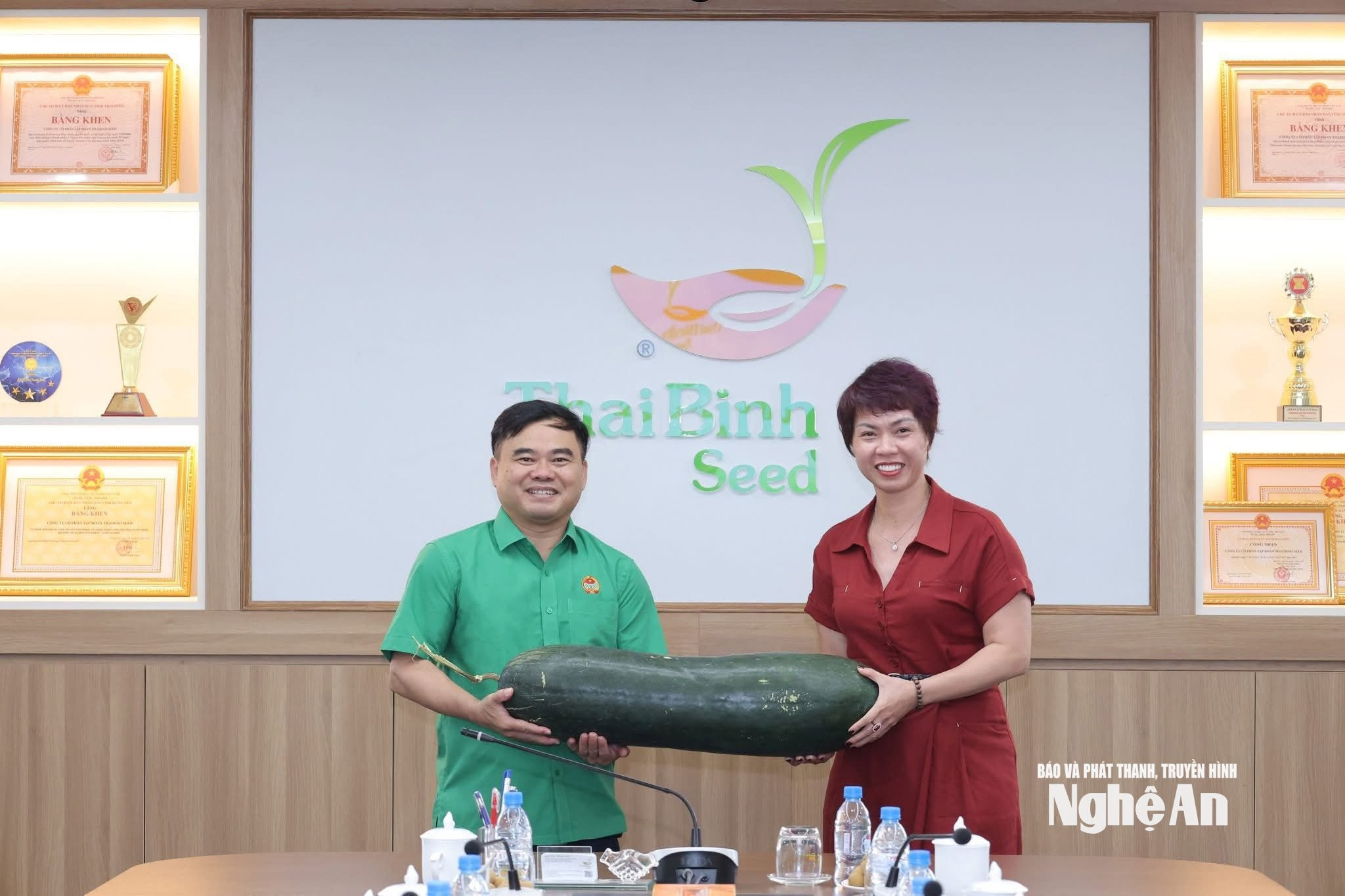
Within this supply chain, the role of farmers' associations has also changed significantly. Instead of merely disseminating information or encouraging members to adopt technological advancements, the associations will become the central hub connecting businesses with cooperatives, production groups, and members; understanding seed needs, supporting model implementation, organizing training, and accompanying them throughout the process.
"The goal of the cooperation program is not only to bring high-quality crop varieties to farmers but also to create conditions for members to access modern production methods and gradually participate in sustainable supply chains. When the association plays its connecting role well, businesses leverage their strengths in science and technology, and farmers change their production mindset, economic efficiency will come not only from productivity but also from the added value of the product. The greatest expectation is that from the first models, concentrated production areas will be formed, creating a foundation for building the Nghe An rice brand, contributing to increasing farmers' income and achieving the goal of developing green and modern agriculture."
Mr. Nguyen Viet Hung - Chairman of the Nghe An Provincial Farmers' Association