

Missile city technology and survival tactics of Iran's missile forces.
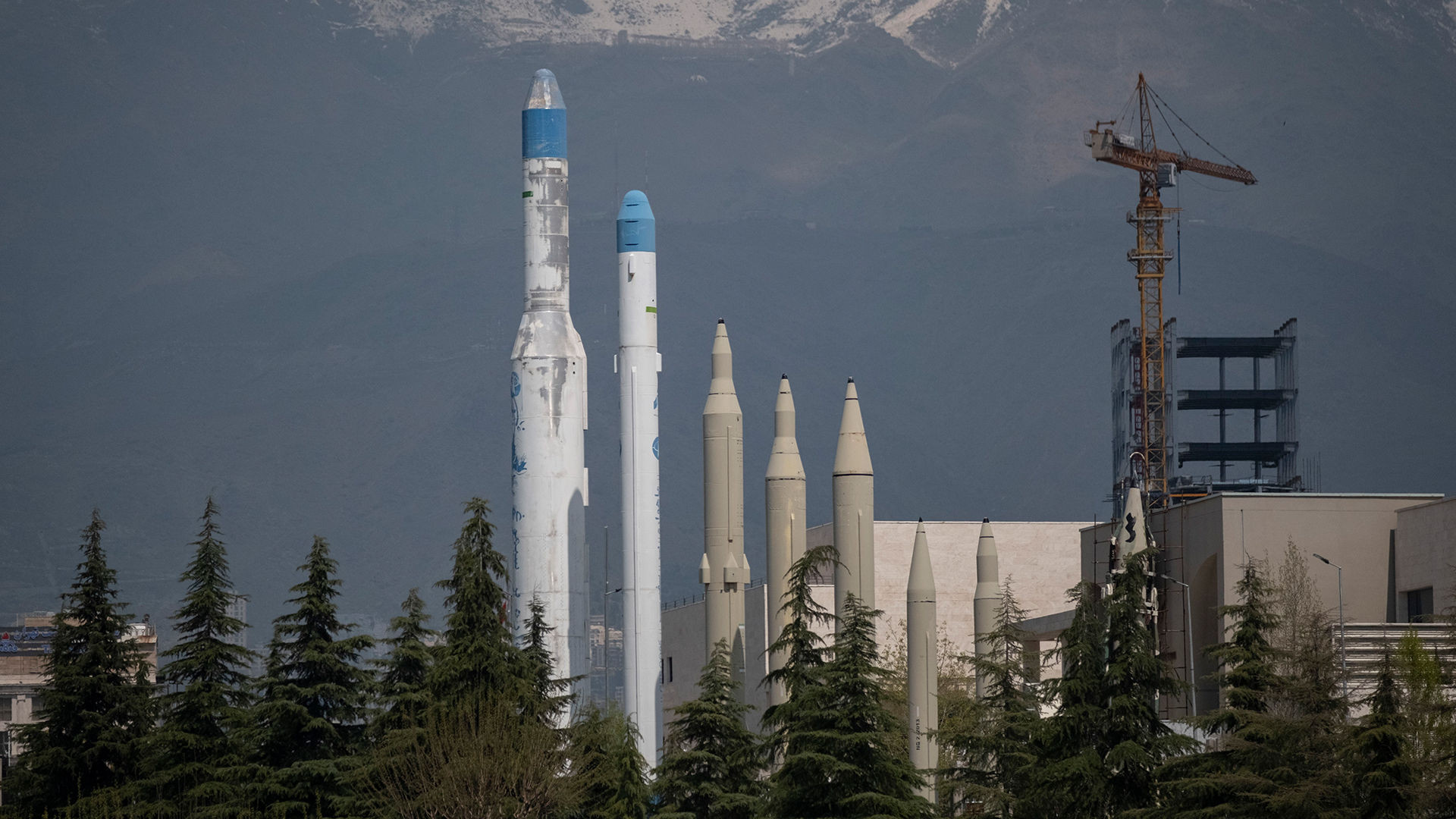
Iran protects its ballistic missile stockpiles with a network of underground bases up to 500 meters deep, mobile launch platforms, and deception systems, creating a difficult challenge for precision weapons.
In Iran's defense strategy, ballistic missiles serve as the backbone to compensate for its air force, which is currently operating many outdated aircraft due to sanctions. However, the deterrent value of this arsenal only exists if it can survive a preemptive strike. To achieve this, Tehran has developed a multi-layered survival system, combining robust infrastructure with sophisticated mobile tactics.
Underground base network and topographical advantages
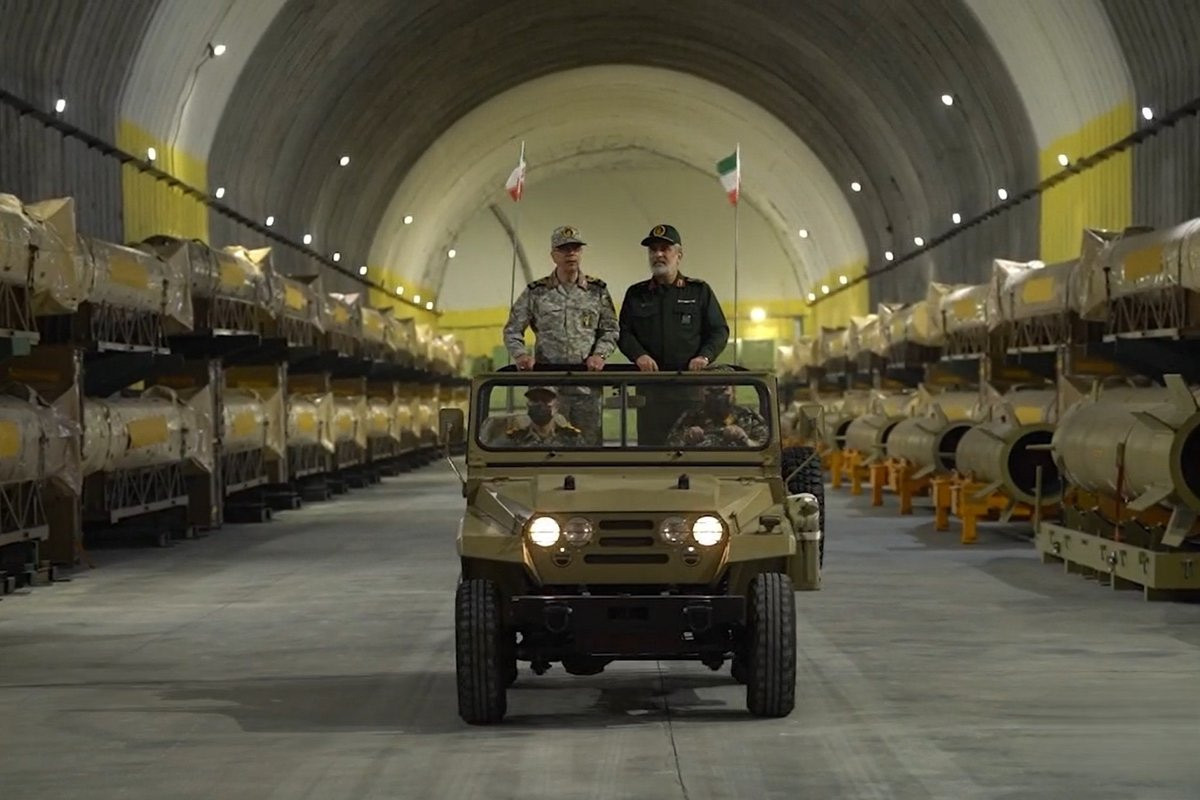
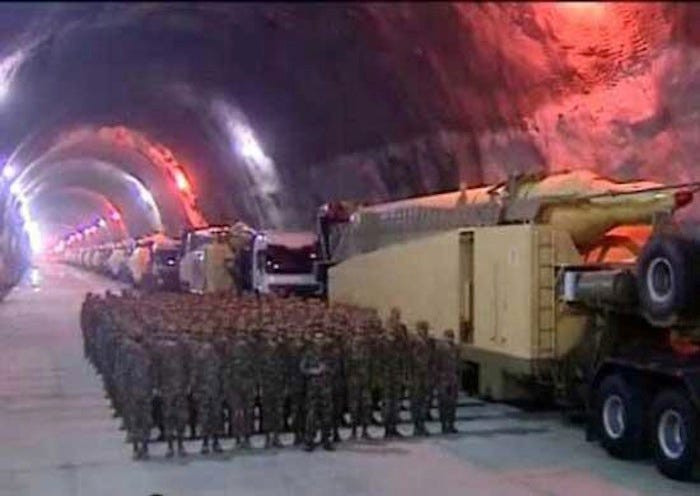
The most significant feature of Iran's weapons defense strategy is its underground bases, often referred to by the country's media as "missile cities." These are tunnel systems running through mountains, wide enough for self-propelled missile launchers (TELs) and support vehicles to move in long lines.
This arrangement offers a double advantage: the natural rock layer helps to absorb shock waves from surface explosions, while completely concealing the preparations for the optical satellites. The US Defense Intelligence Agency assesses that Iran possesses the largest underground construction program in the Middle East. The tunnels are typically located at depths of 30 to 80 meters, and can even reach 500 meters, in large mountain ranges such as the Zagros and Alborz.
To overcome the weaknesses at the tunnel entrances, Iran reinforced the access points with thick reinforced concrete, designed winding access routes, and placed multiple exits far apart. This structure forced the enemy to use specialized armor-piercing bombs and have a thorough understanding of the detailed internal design to inflict significant damage.
Mobility tactics and the advantages of solid fuels
Besides underground bunkers, the mobility of surface-based launchers is a key factor. Iran operates a large number of TELs capable of leaving their bases, moving to pre-prepared firing points, launching missiles, and quickly withdrawing. The ability to independently manufacture heavy military truck chassis allows Iran to maintain a large force of TELs with similar appearances, making remote identification difficult.
The shift to solid-fuel missiles, typified by the Fateh series, has significantly shortened launch preparation time. Unlike liquid-fuel missiles, which require complex refueling, solid-fuel missiles are always in a high state of readiness, narrowing the "time window" by which the enemy can detect and intercept the missile crew.
Deception and dispersal of forces
Iran employs extensive camouflage tactics to deceive reconnaissance systems. A prime example is the Kheibar Shekan missile, mounted on a 10-wheel commercial truck chassis, allowing it to easily blend into civilian transport convoys in satellite imagery.
In addition, decoy models capable of emitting heat or reflecting radar are widely deployed as lures. In production areas such as Modarres or Khojir, Iran has built large earthen barriers separating individual buildings to limit chain reactions and fragment targets. Instead of concentrating in large bases, missiles and command centers are dispersed across multiple backup locations, forcing the enemy to simultaneously attack a large number of targets to completely neutralize the counter-attack capability.
Practical challenges and economic problems
The 2025-2026 conflict phase revealed the limitations of this system. When the air defense network was suppressed, the underground bunker entrances became a fatal weakness. The ability of enemy aircraft to maintain continuous reconnaissance around the entrances and exits made mobile launch platforms vulnerable to interception as soon as they appeared.
However, the reality also reveals an asymmetrical cost situation. While the enemy had to use expensive, high-explosive bombs like the 14-ton GBU-57 to destroy the bunkers, Iran only needed conventional machinery to clear the tunnel entrances and repair the roads. Some reports indicate that the bases at Isfahan were able to reactivate and launch missiles again after only 12 hours of attack, demonstrating the remarkable resilience of this defensive structure.