

Malaysia aims for missile self-sufficiency after setback in deal with Norway.
Norway's unexpected cancellation of the NSM missile supply contract has prompted Malaysia to reorient its defense strategy, focusing on domestic weapons production capabilities following the successful model of Vietnam.
In December 2026, the Royal Malaysian Navy is expected to receive the KD Maharaja Lela, the first of its most modern class of frigates. However, a worrying reality is that the ship will enter service with a shortage of its primary anti-ship missile system, a consequence of management scandals and policy changes from its foreign partner.
Financial scandal and contract cancellation incident from Norway.
Malaysia's Maharaja Lela-class shipbuilding program has consumed enormous budgets but has been consistently behind schedule. As of 2022, despite the government having disbursed 6.08 billion ringgit (equivalent to US$2.9 billion in net expenditure for shipbuilding), none of the ships had been completed. Investigations have revealed that approximately 1.4 billion ringgit has been lost or cannot be accounted for due to inflated claims and price gouging of equipment.
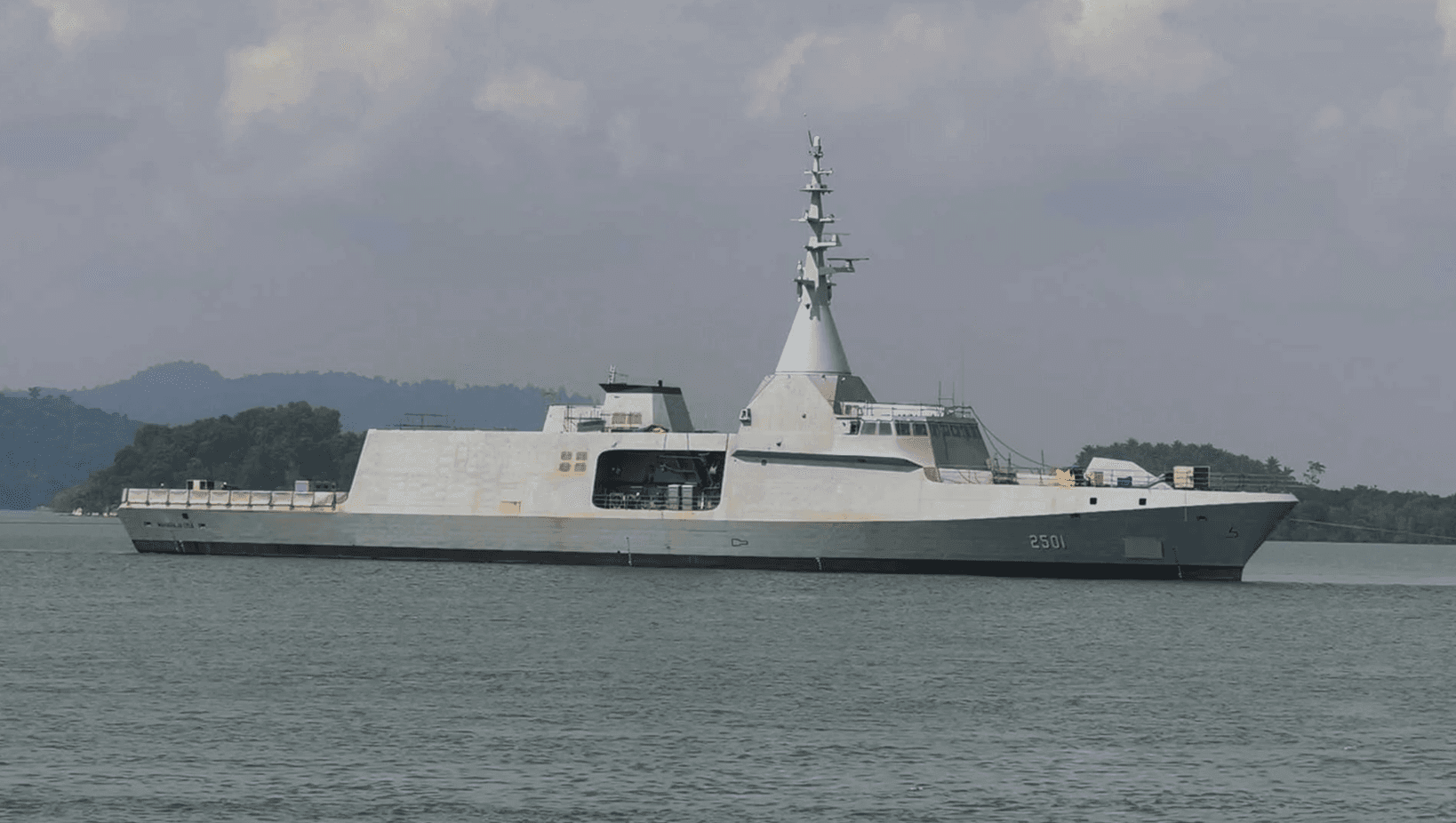
Difficulties piled up when the Norwegian partner unexpectedly reneged on the deal to supply Naval Strike Missile (NSM). Despite Malaysia having paid 95% of the contract value (approximately $150.5 million), Norway revoked the export license in May 2026. The reason given was stricter arms control policies, but analysts believe the US ITAR regulations were also a factor, as the missiles use sensitive components from that country.
Efforts to find alternative solutions and a roadmap to self-reliance.
To fill the firepower gap, the Malaysian Ministry of Defence is urgently evaluating alternative candidates including ATMACA missiles (Türkiye), Haeseong (South Korea), Exocet MM40 (France), and RBS-15 (Sweden). However, the lesson from Norway has made Malaysia realize the dangers of relying entirely on foreign suppliers.
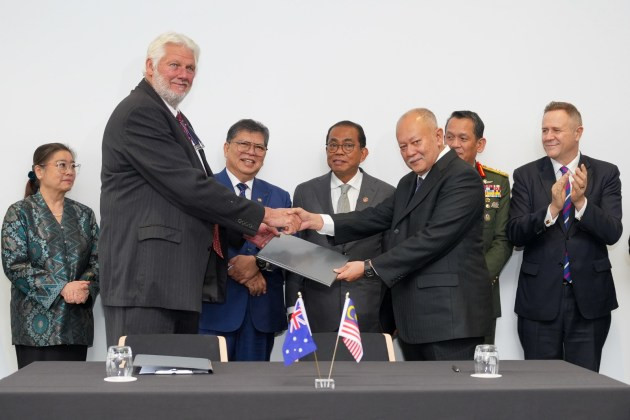
Just six weeks after the incident, Malaysia announced plans to domestically produce rocket ammunition and move toward manufacturing missiles within the next two years. The centerpiece of this strategy is a joint venture between Weststar Defence Industries (WDI) and Rocket Technologies International (RTI) from Australia. The project, expected to launch in 2028, focuses on transferring core technology and building a defense supply chain in Malaysia.
Vietnam's VCM missile model is a source of inspiration.
In its pursuit of self-reliance, Malaysia views Vietnam as a successful model in Southeast Asia. Vietnam has demonstrated its ability to independently develop the VCM anti-ship missile system through the capabilities of the Military Telecommunications and Industry Corporation (Viettel).
At the Vietnam Defence Exhibition 2024, Vietnam officially launched the VCS-01 "Truong Son" coastal defense system along with the VSM-01A "Song Hong" missile. This demonstrates Vietnam's mastery of technology from design to mass production.
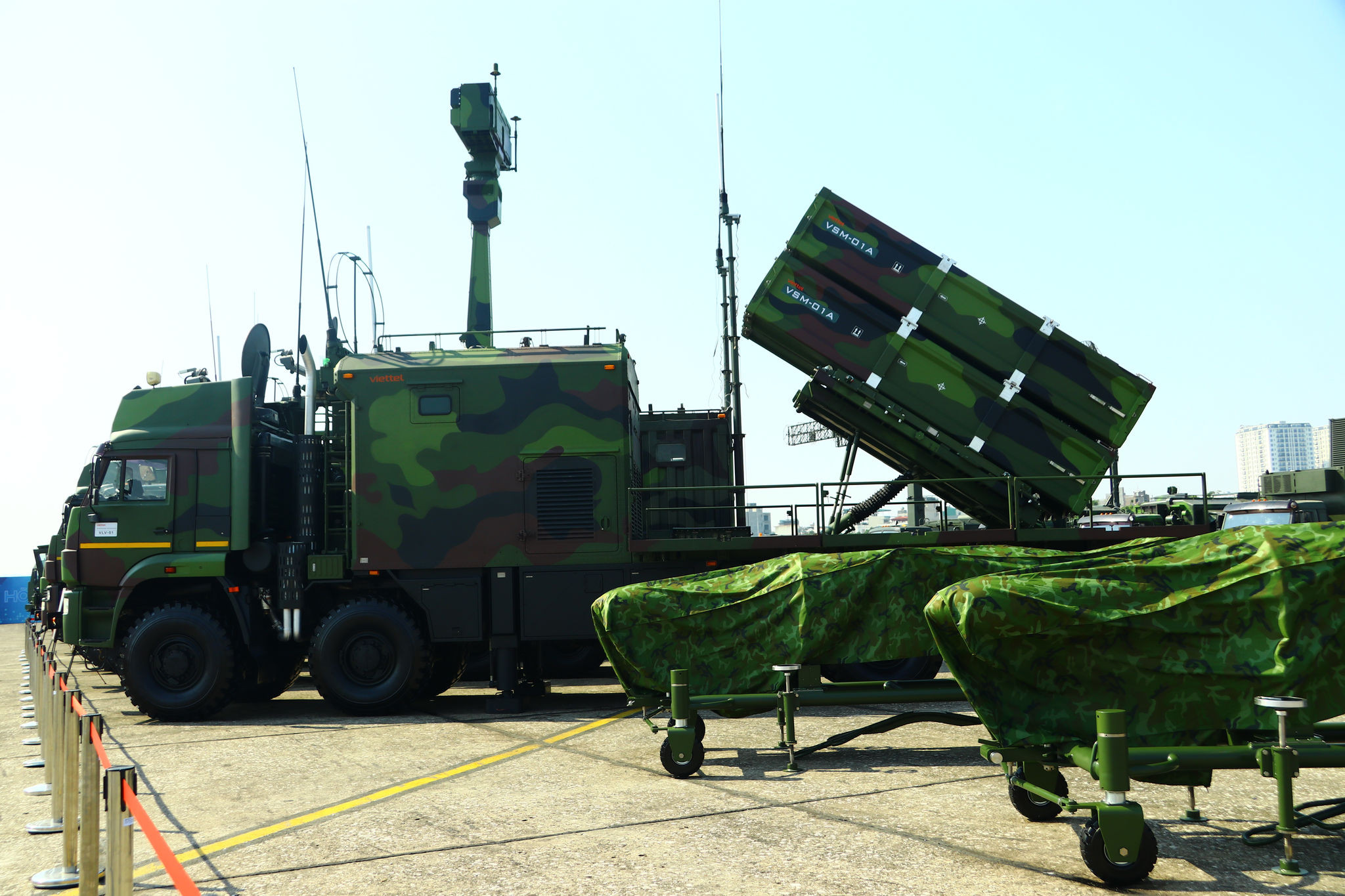
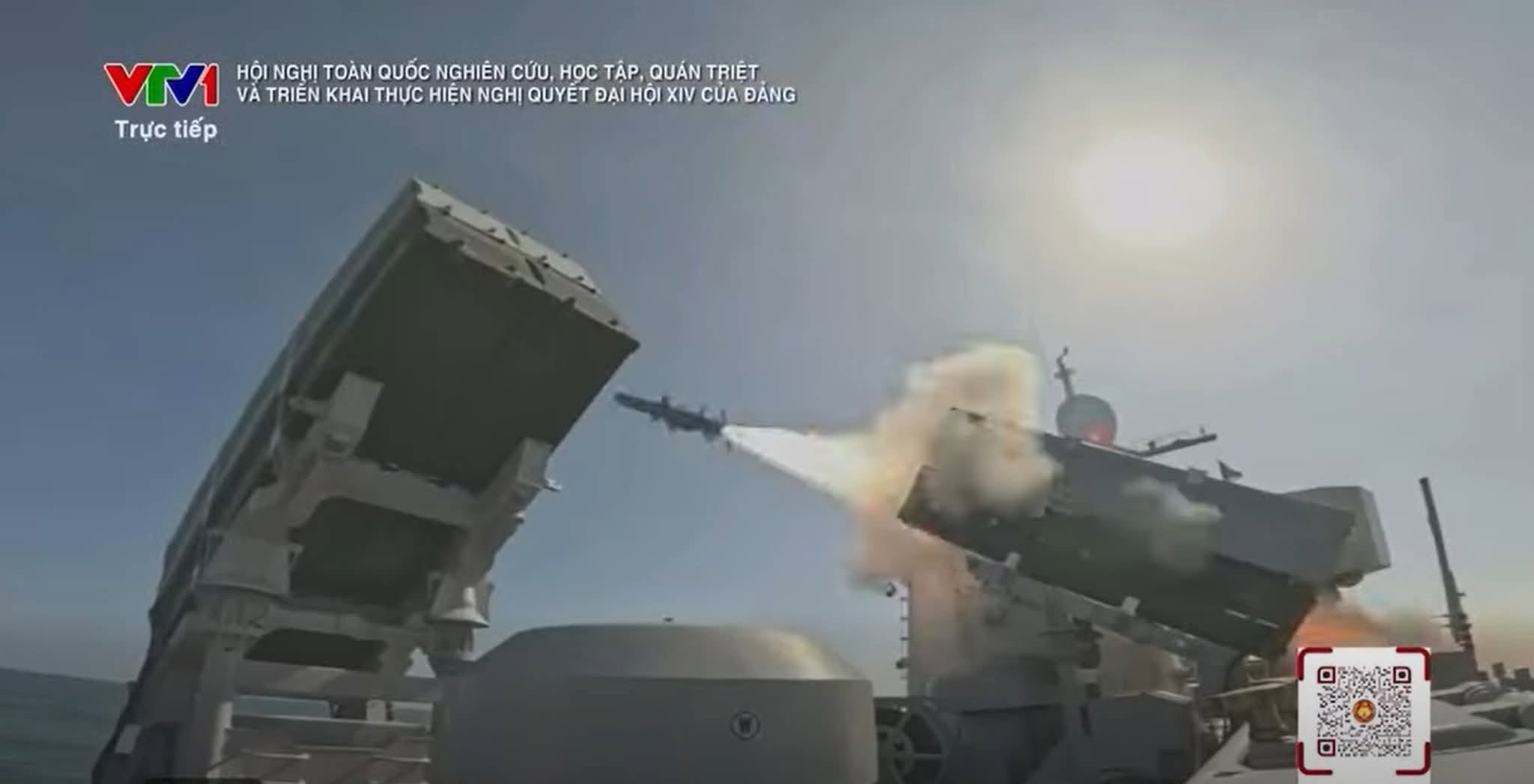
Notably, Viettel has mastered key components such as the VTJ-320 jet engine and the VASK-03 radar seeker. Controlling these "core technologies" allows Vietnam to proactively upgrade and customize the range and launch vehicles according to actual operational needs without being bound by foreign export terms.
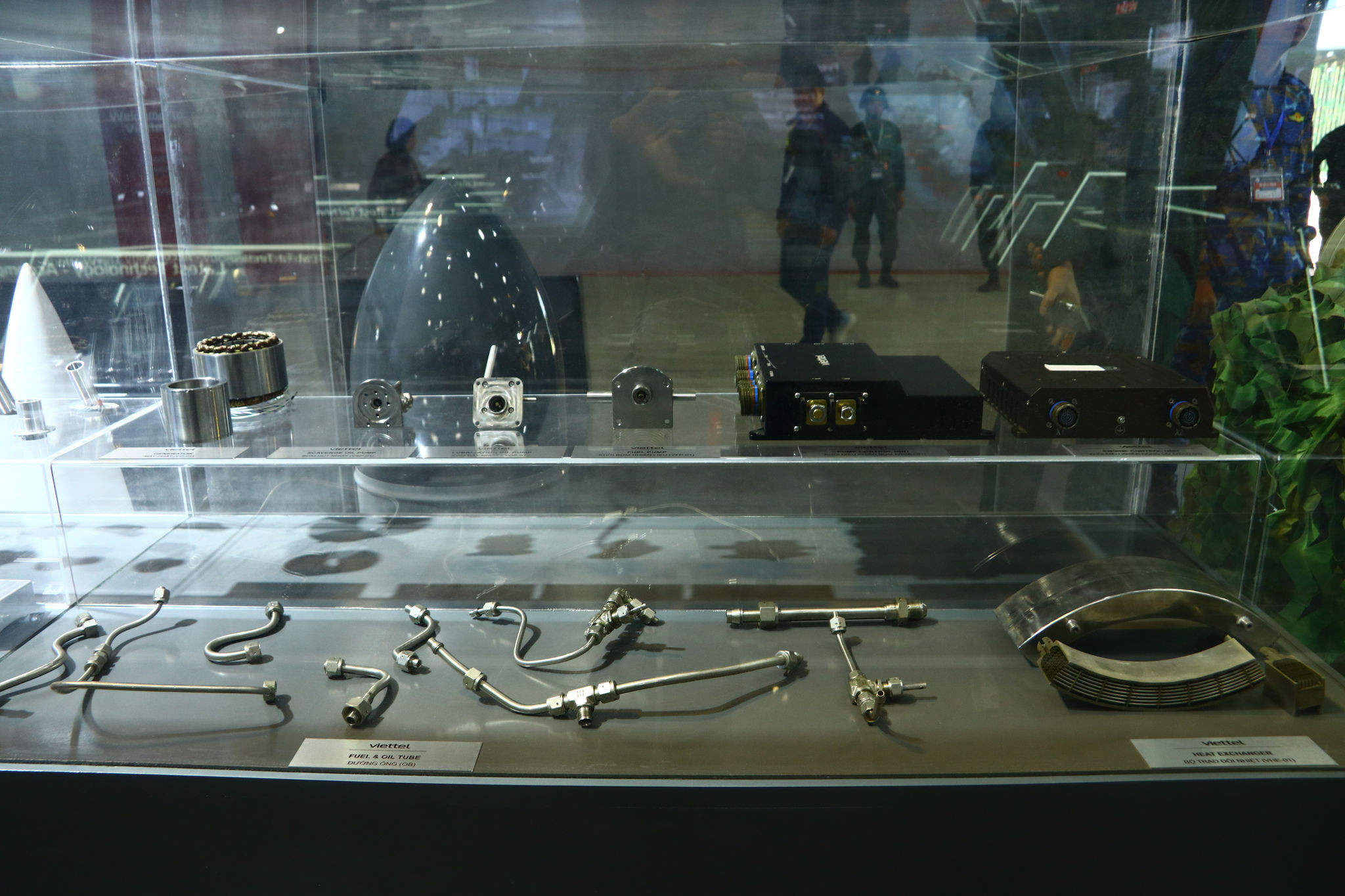
To date, the VCM missile has been successfully tested on both coastal and surface vessels. This achievement helps Vietnam complete its defense industry ecosystem, from maintaining imported weapons to domestically producing modern cruise missiles.
Malaysia's incident with Norway serves as a reminder of the vulnerabilities in the global arms supply chain. The path from rocket production to cruise missiles remains challenging, but Vietnam's experience demonstrates that persistent investment in domestic technology is essential for ensuring sustainable national security.