

Saving the life of a pregnant woman suffering from dangerous obstetric complications.
At 21 weeks pregnant, a 36-year-old woman unexpectedly went into hemorrhagic shock due to rupture of the uterine horn – a rare but particularly dangerous obstetric complication. Thanks to timely emergency surgery at Nghe An Friendship General Hospital, the patient has overcome the critical condition.
On July 20th, Nghe An Friendship General Hospital reported that doctors had successfully saved the life of a 36-year-old pregnant woman who suffered a ruptured uterine horn at 21 weeks of gestation. Upon admission, the patient was in a critical condition due to severe hemorrhagic shock.
According to Nghe An Friendship General Hospital, the woman has given birth naturally three times and is pregnant with her fourth child, currently in her 21st week of pregnancy. Throughout her pregnancy, she has received regular check-ups and prenatal care at a local medical facility, and no abnormalities have been detected.
Before being admitted to the hospital, the pregnant woman suddenly felt dizzy, fell at home, and then experienced progressively worsening abdominal pain, rapid abdominal distension, and extreme fatigue. Upon transfer to Nghe An Friendship General Hospital, the patient was in severe hemorrhagic shock, with pale skin and mucous membranes, and blood pressure dropping to only 90/50 mmHg despite the use of vasopressors to maintain it.
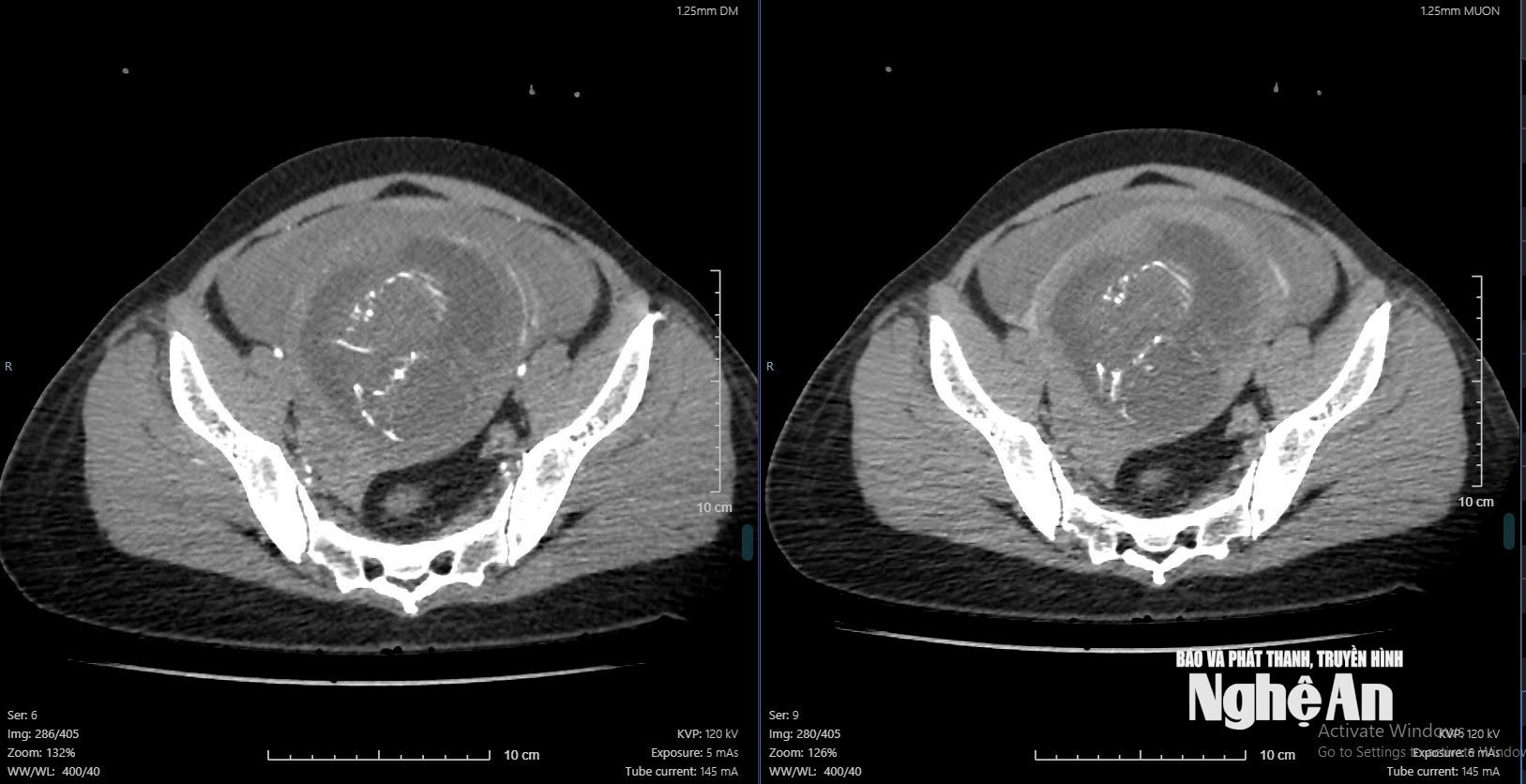
Ultrasound results showed a 21-week-old fetus had died, along with a large amount of bloody fluid in the abdominal cavity. Computed tomography (CT) scan revealed a large hematoma around the uterus, but no damage to other organs was detected, suggesting a uterine rupture.
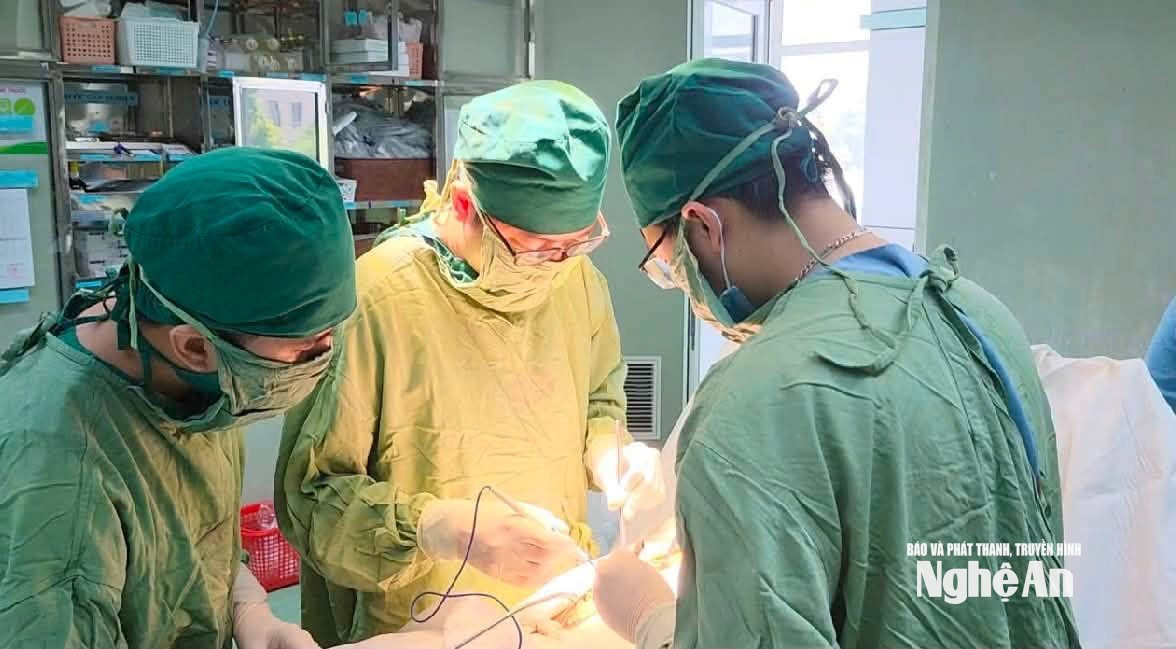
Recognizing the patient's life-threatening condition, doctors from the Emergency Department, Obstetrics and Gynecology Department, and Anesthesia and Resuscitation Department urgently coordinated an emergency surgery. During the operation, the team discovered approximately 2,000 ml of blood in the abdominal cavity; the bleeding point was located at the ruptured left uterine horn – where the pregnancy had implanted and developed for nearly 5 months.
Doctors quickly controlled the bleeding and performed a partial hysterectomy to save the patient's life. Simultaneously, the team collaborated with the Gastrointestinal Surgery department to examine the entire abdominal cavity, confirming there were no other bleeding points. After the surgery, the patient received intensive care, her condition stabilized, and she was discharged after 9 days of treatment.
According to doctors, a pregnancy in the uterine horn is a type of abnormal implantation that carries a high risk of uterine rupture and massive internal bleeding as the pregnancy progresses, threatening the mother's life if not detected and treated promptly.
Doctors recommend that women should have prenatal checkups from the early weeks and ultrasounds to accurately determine the location of the gestational sac. Early detection of abnormal implantation, including uterine horn pregnancy, helps in choosing appropriate treatment methods and reduces the risk of dangerous complications for both mother and fetus.