

President Donald Trump imposed double-digit tariffs on 60 countries.
President Donald Trump decided to impose U.S. tariffs of up to 12.5% on imported goods from 60 countries starting July 23. This move aims to replace temporary tariffs that were set to expire on June 24, shortly after the Supreme Court struck down his previous trade measures.
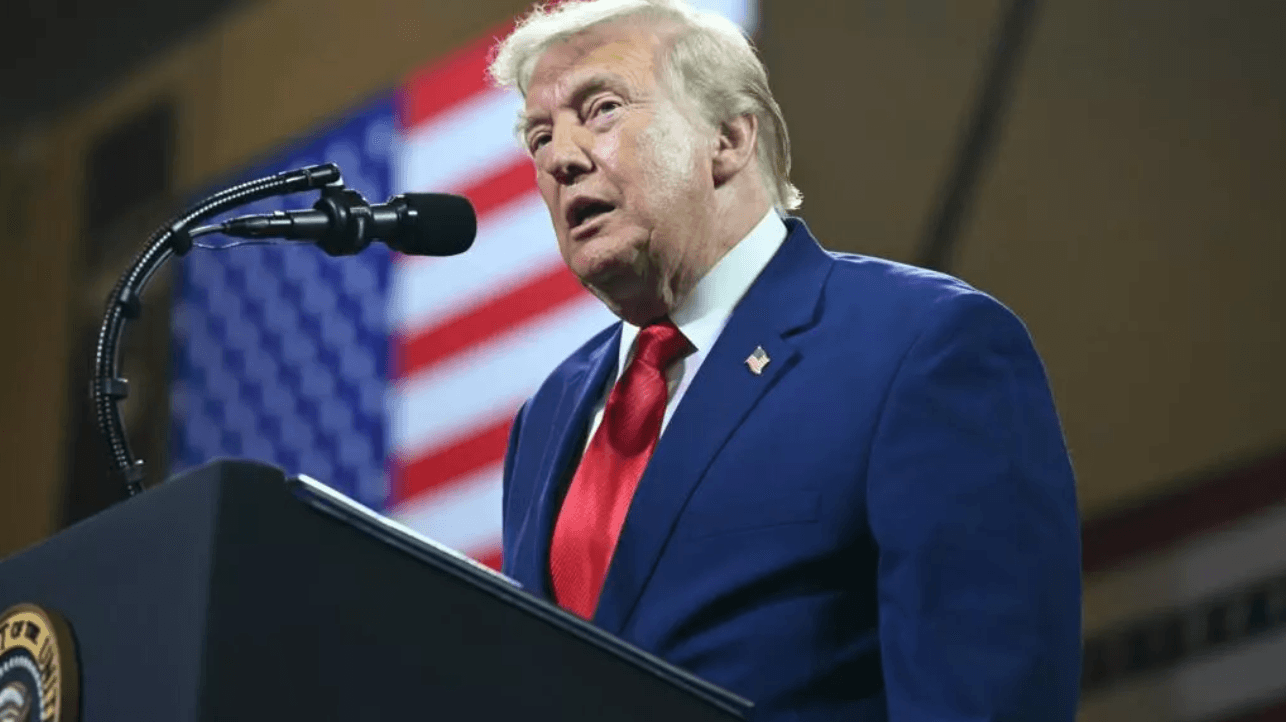
According to AFP, President Donald Trump is continuing to push for double-digit tariff rates on a range of US trading partners. This decision comes just as the temporary tariffs, imposed after a major legal defeat in the Supreme Court, are set to expire on June 24.
Accordingly, the US will impose tariffs ranging from 10% to 12.5% on imports from 60 countries. Notably, this group accounts for 99% of total imports into the US. The Washington administration accuses these countries of failing to fully enforce the ban on goods produced by forced labor.
Previously, Trump had to resort to these temporary tariffs after the Supreme Court rejected his largest and most audacious tariff policy in February. Now, he is exploring more sustainable tariff measures based on Section 301 of the Trade Act of 1974. This act allows the president to impose import tariffs and other sanctions on countries that engage in unfair, unreasonable, or discriminatory trade practices. During his first term, Trump used Section 301 to impose high tariffs on China and successfully overcame legal challenges.
Further tariffs under Section 301 are likely in the future. The U.S. Trade Representative's office is currently investigating whether 16 countries, which account for 70% of U.S. imports, are overproducing goods. This could drive prices down and put U.S. companies at a disadvantage in the global market. This investigation is not yet complete.
Last year, Trump reversed decades-long U.S. policy prioritizing low tariffs and free trade, arguing that higher tariffs would revitalize domestic manufacturing. By invoking the International Emergency Economic Powers Act (IEEPA) of 1977, he imposed double-digit tariffs on imports from most countries around the world.
President Trump asserted that the U.S. trade deficit had reached a national emergency level. However, the Supreme Court ruled that the IEEPA did not authorize the imposition of tariffs. This decision forced the administration to refund importers who had paid the tariffs.