

Trump is optimistic about negotiations with Iran.
On July 28, US President Donald Trump expressed confidence that there was still a "good chance" of reaching an agreement with Iran, as Washington and Tehran maintained a third consecutive day without any attacks on each other. However, tensions in the Middle East remain high, with Saudi Arabia suffering drone attacks and the Strait of Hormuz continuing to be a major obstacle to the peace process.
Mr. Trump expects to reach an agreement with Iran.
Speaking aboard Air Force One, President Donald Trump said he remains patient and believes there are still opportunities to make progress in negotiations with Iran.
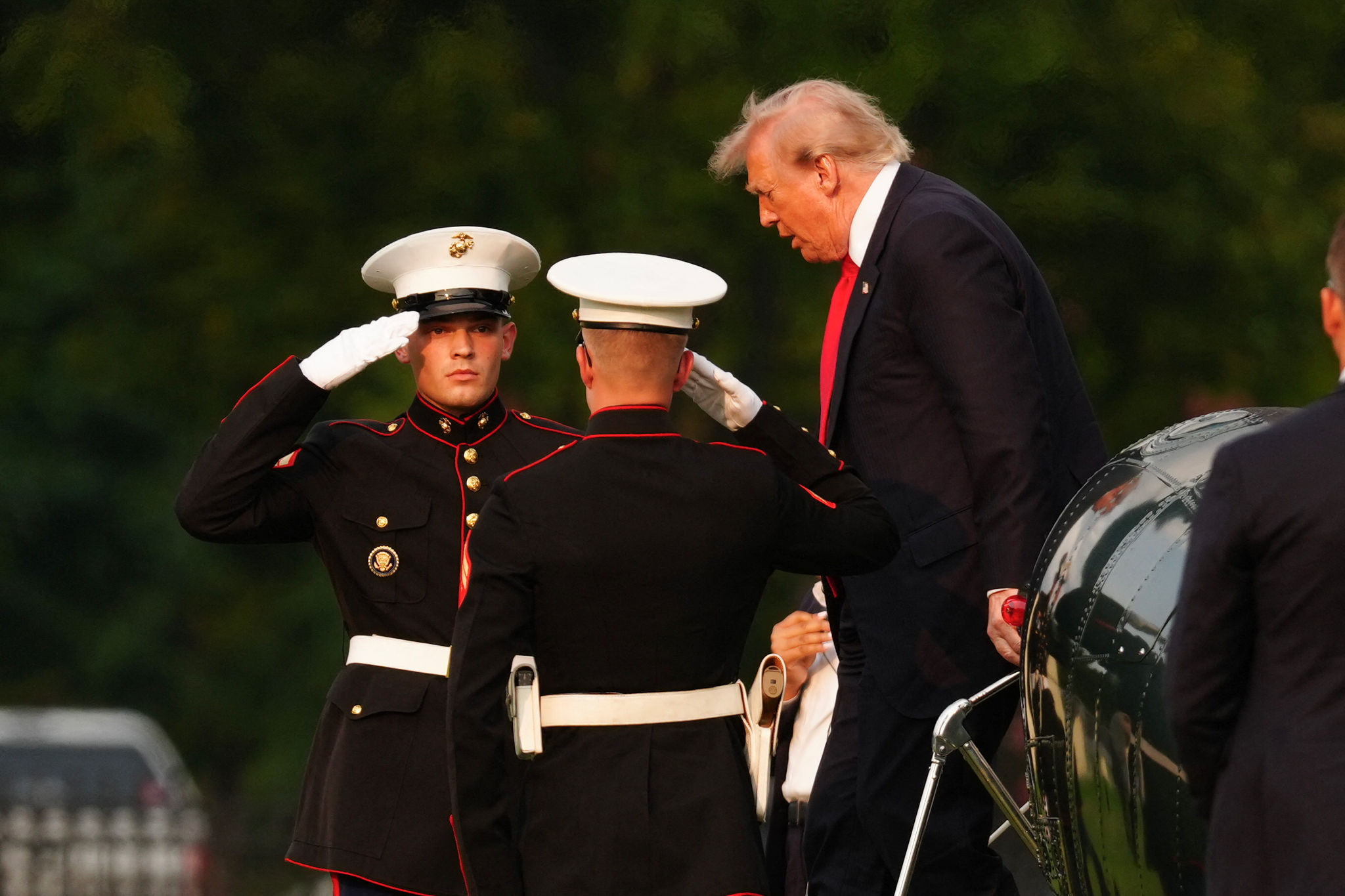
"I have a lot of patience... We'll see what happens. I think there's a very good chance we'll achieve something," Trump said.
Fighting between the US and Iran has temporarily subsided since July 25th, following 13 consecutive nights of airstrikes by Washington against Iran, stemming from a diplomatic impasse related to Tehran's blockade of the Strait of Hormuz.
President Trump said that if diplomatic efforts fail, the U.S. could revert to military measures as they were before the ceasefire. He also dismissed concerns about dwindling U.S. ammunition stocks after nearly five months of conflict, asserting that Washington still has ample reserves.
Meanwhile, Iranian Foreign Ministry spokesman Esmaeil Baqaei denied that Tehran was holding direct talks with the US to end the conflict. According to him, mediating countries could convey messages from Washington, but the two sides are not currently engaged in any negotiations.
Saudi Arabia was attacked by drones.
Despite a temporary lull in US-Iran fighting, Saudi Arabia announced on July 28 that it had intercepted several drones launched by Iranian-linked groups in Iraq targeting oil facilities.
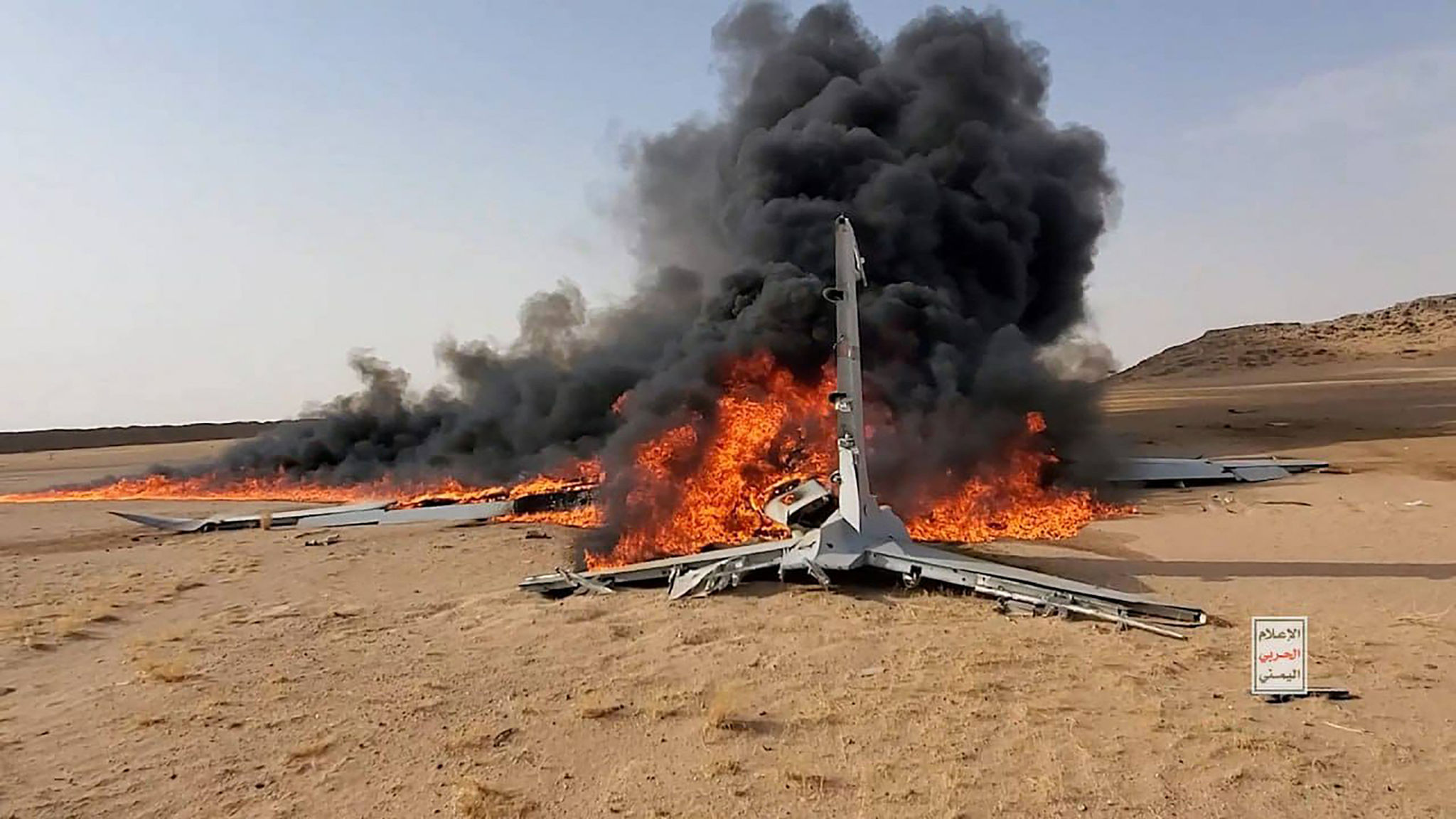
No organization has yet claimed responsibility for the attack. Riyadh has called on Iraq to prevent attacks originating from its territory, while Iraqi Prime Minister Ali al-Zaidi has ordered an investigation.
Pakistan, a country involved in Middle East mediation efforts, condemned the drone attacks, saying they pose a serious threat to regional peace and stability.
Meanwhile, Houthi forces in Yemen claimed to have carried out drone attacks on Saudi Arabia's oil infrastructure in retaliation for Riyadh's military operations. Saudi Arabia has not yet commented on this claim.
In the border area with Jordan, the Israeli military said it intercepted two UAVs and is investigating the origin of the devices.
The Strait of Hormuz remains a bottleneck.
One of the biggest obstacles to the peace process remains control of the Strait of Hormuz – a strategic shipping lane that carries much of the world's oil and gas.
Iran insists it will continue to manage this vital sea lane. In recent days, Iran's Islamic Revolutionary Guard Corps has intercepted several ships allegedly deviating from the maritime corridor designated by Tehran.
Iran also stated that it has held discussions with Oman aimed at establishing principles and mechanisms to ensure maritime safety in the Strait of Hormuz. According to Tehran, the United States is not involved in these discussions.
Iranian Foreign Ministry spokesman Esmaeil Baqaei also criticized Washington, saying that the US's behavior in recent years "resembles that of a mafia gang, disregarding any rules or laws."
Amidst temporarily easing tensions, global financial markets reacted positively, with Brent crude oil prices falling by approximately 6% to around $86 per barrel, while international stocks rose across the board on expectations that the risk of energy supply disruptions would lessen.