

FIFA plans to sell 20% of World Cup commercial rights; UEFA opposes this and threatens a boycott.
The Financial Times reports that FIFA is working with JPMorgan on a plan to sell 20% of the World Cup's commercial rights. UEFA opposes this, fearing the commercialization of the tournament.
FIFA is reportedly pushing ahead with plans to sell 20% of its World Cup-related commercial rights, a deal that could bring in billions of dollars for the organization. According to the Financial Times, the plan, initiated by FIFA President Gianni Infantino, is facing opposition from UEFA amid debate over the extent of commercialization of the world's biggest football tournament.
The information was released as the 2026 World Cup is the centerpiece of FIFA's four-year financial cycle. FIFA expects to generate no less than $13 billion during this period, higher than the $7.6 billion generated during the cycle associated with the 2022 World Cup.
The 20% deal and the role of Joshua Kushner
The Financial Times reports that FIFA leaders are working with banking giant JPMorgan on the possibility of selling a 20% stake in the World Cup. The tournament is listed as a commercial entity valued at $20 billion, according to sources cited in the article.
The group interested in the deal is reportedly led by Joshua Kushner, a tech investor. Joshua Kushner is the younger brother of Jared Kushner, Ivanka Trump's husband.

The way commercial rights for the World Cup are organized is a key point of contention. FIFA, according to the Financial Times, views expanding commercial funding as a way to help member federations receive more annual support. Currently, each federation receives $2 million per year from FIFA, regardless of size.
However, critics argue that this financing mechanism could strengthen FIFA's influence in smaller footballing nations, where subsidies often play a significant role in operating budgets.
The 2026 World Cup is in a period of strong revenue growth.
The 2026 World Cup is the main driver behind FIFA's projected revenue of at least $13 billion over the current four-year cycle. This represents a significant increase from the $7.6 billion projected for the 2022 World Cup.
Financial analysts, citing sources, suggest that FIFA's revenue could exceed $18 billion in the next four-year cycle, with the 2030 World Cup as the central event. In this context, the sale of minority stakes, if implemented, would create a major shift in how FIFA leverages the commercial value of the tournament.
The current debates are not limited to ownership structure. FIFA has also faced criticism during the 2026 World Cup due to rising ticket prices. The source article also mentions reactions from several European federations regarding the decision to postpone the execution of Folarin Balogun's suspension in the knockout round.
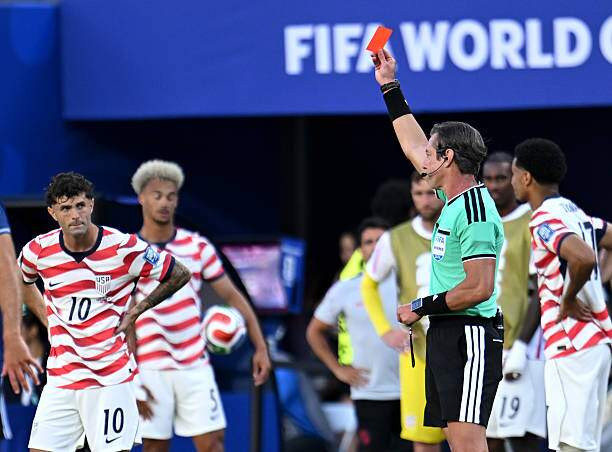
UEFA opposes the commercialization model.
UEFA has issued a statement opposing the plan, arguing that FIFA is going against the very principles the organization itself has established. According to the source, UEFA is concerned that excessive commercialization of the World Cup could make the tournament less accessible to fans.
The statement was quoted as saying: "None of us own football, the World Cup doesn't belong to FIFA to be sold." This reaction shows that the disagreement lies not only in the value of a deal, but also in the question of who has the right to control the globally significant asset of football.
The source reports that comments have been made by several politicians in England, France, and Germany regarding the possibility of warning FIFA. UEFA federations have been urged to consider boycotting the World Cup, and European national leagues have been asked not to send teams to the Club World Cup. These calls, according to available information, have not yet been stated as an official decision by UEFA.
The clash between the need to increase revenue and the requirement to protect audience accessibility is therefore becoming a new test for FIFA. With the World Cup being the most attractive asset in football, any changes to commercial rights could directly impact federations, clubs, and fans worldwide.