

New challenges in passing on skills to young people.
Currently, traditional craft villages in Nghe An are facing a major challenge: the transmission of skills is at risk of being interrupted. As the artisans age, and younger generations are less inclined to pursue the craft due to unstable income and shrinking markets, the story of preserving the craft is no longer simply about preserving the techniques of product making, but rather about creating livelihoods and finding new directions...
Thanh Nga - Diep Thanh/Present:Hong ToaiJuly 29, 2026
*****
Currently, traditional craft villages in Nghe An are facing a major challenge: the transmission of skills is at risk of being interrupted. As the artisans age, and younger generations are less inclined to pursue the craft due to unstable income and shrinking markets, the story of preserving the craft is no longer simply about preserving the techniques of product making, but rather about creating livelihoods and finding new directions...

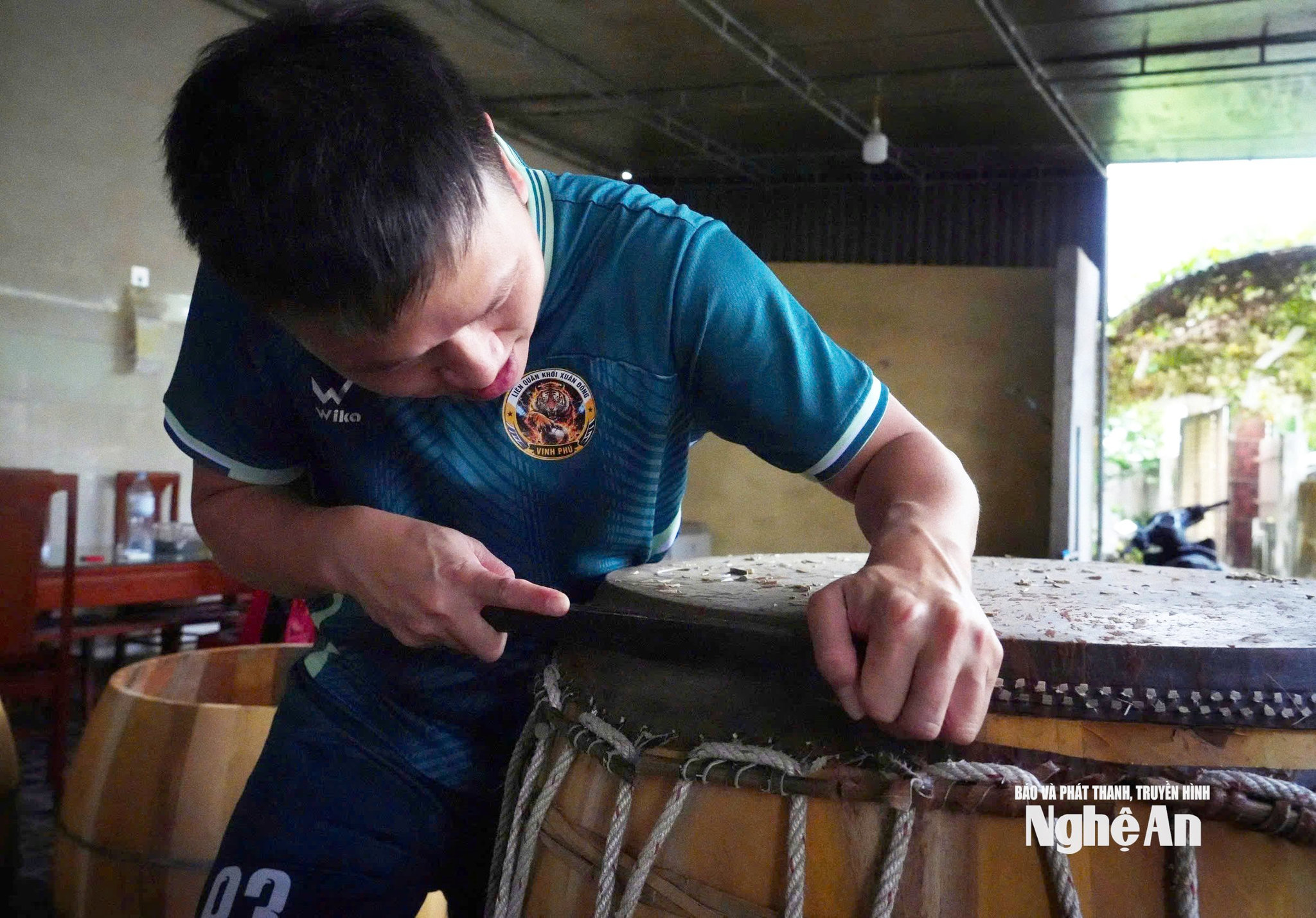
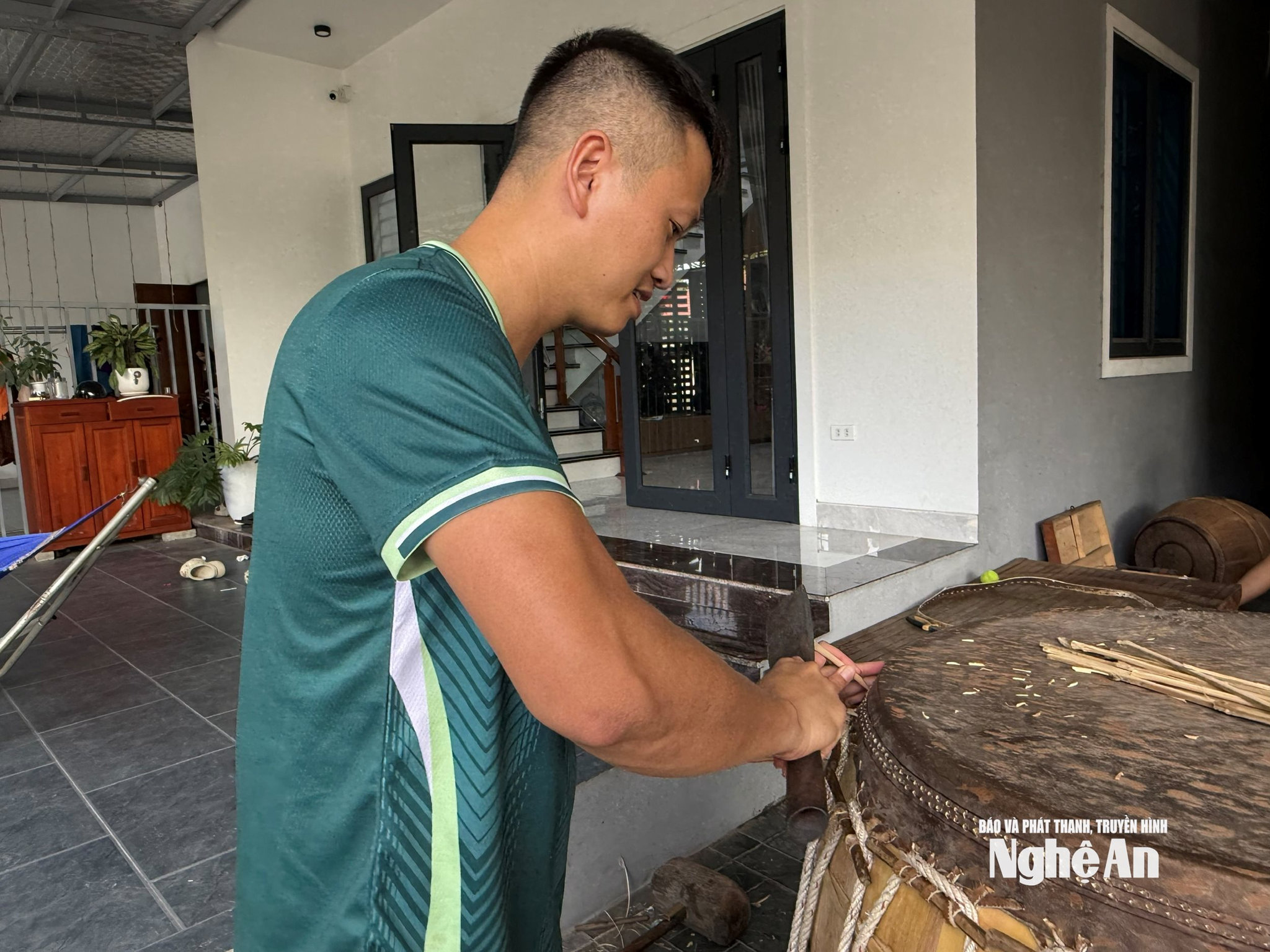
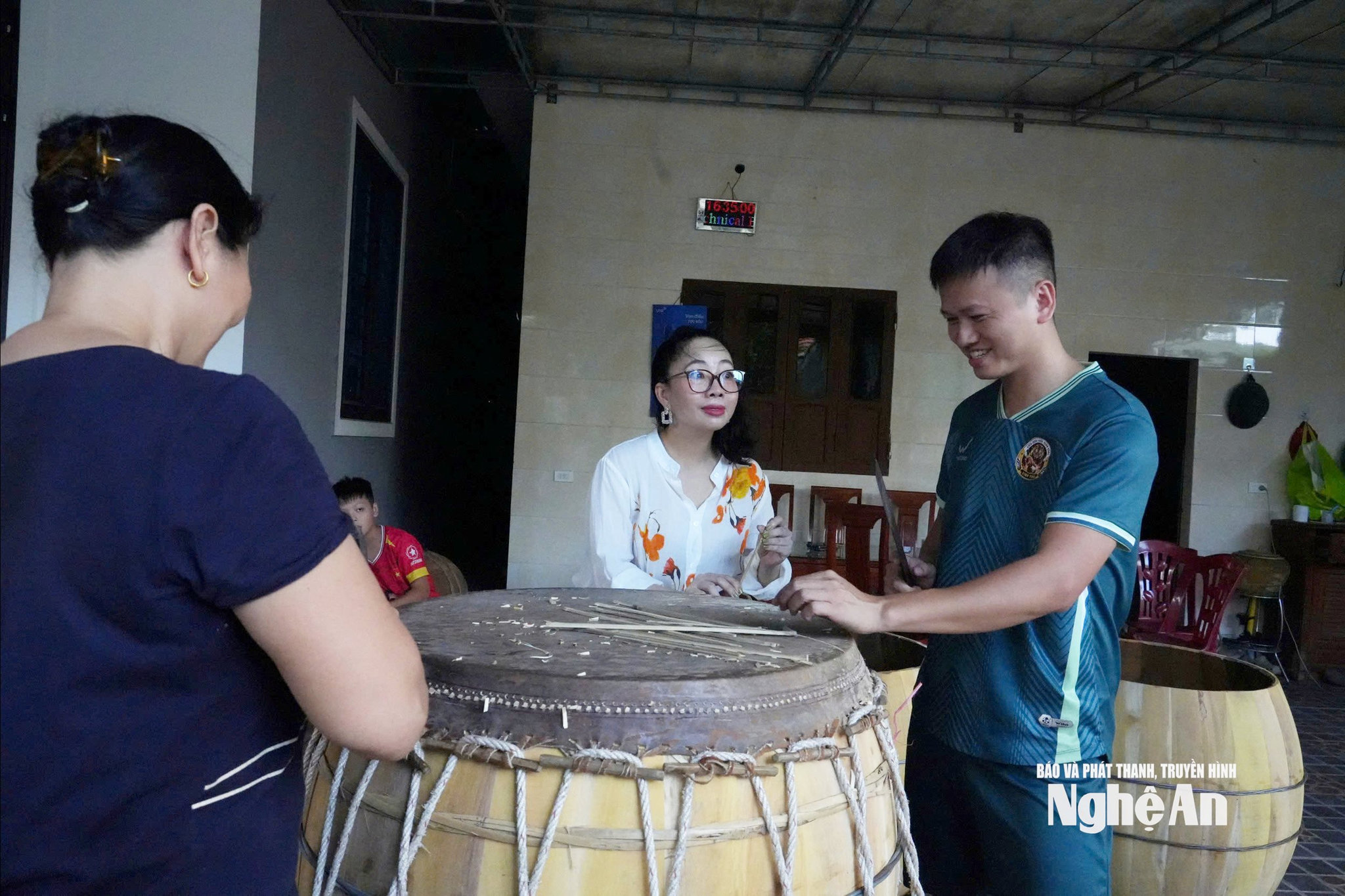
The sound of hammers striking the drum rims echoed through the small house of Mr. Pham Van Binh (61 years old) in Xuan Dong Hamlet, Vinh Phu Ward, sounding both strange and familiar. This sound, once the rhythm of life in an entire craft village, now only emanates from Mr. Binh's workshop. He only makes one batch of drums a year, so he pours all his energy into each step, from the rim and drumhead to every tiny nail.
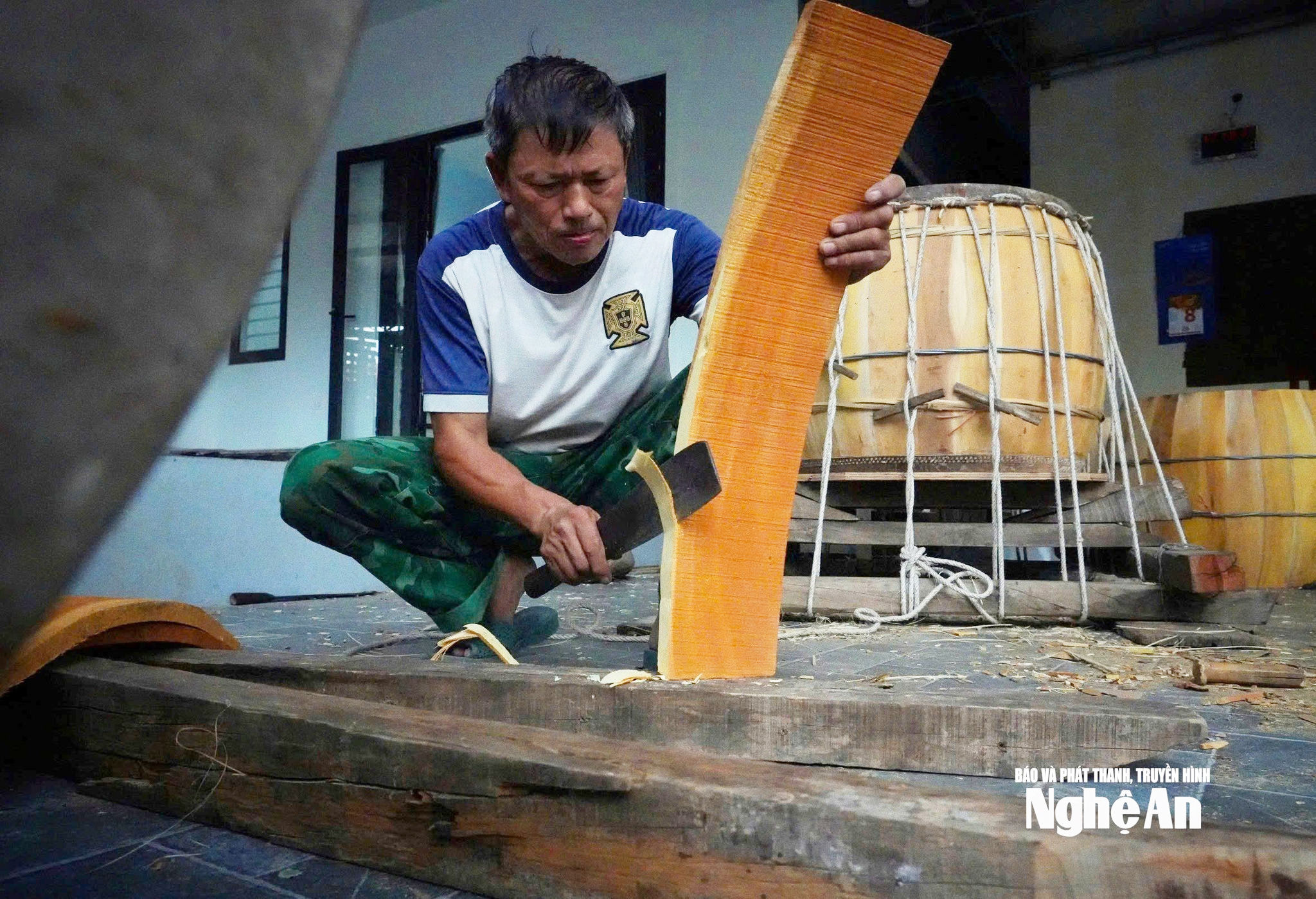
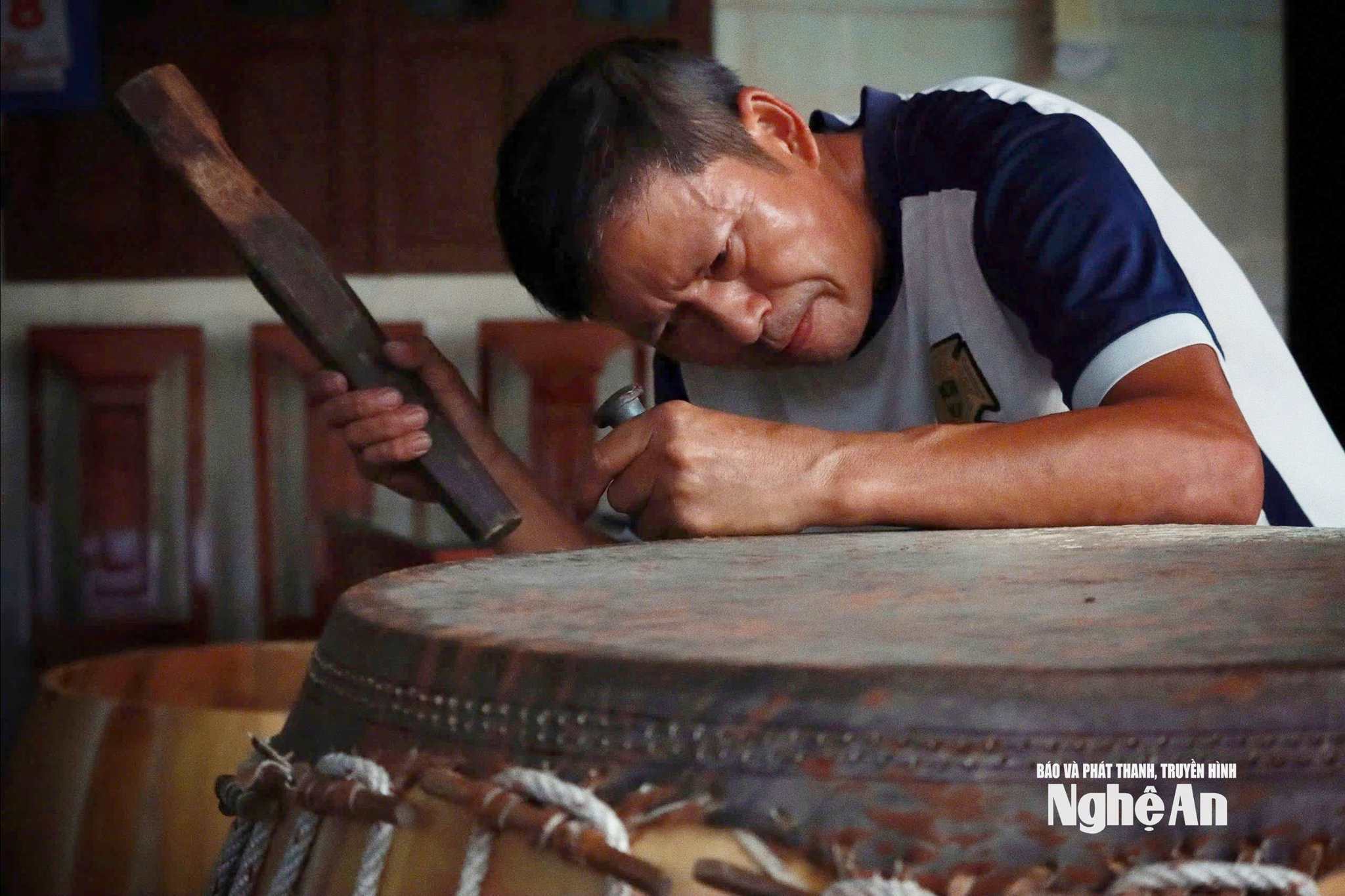
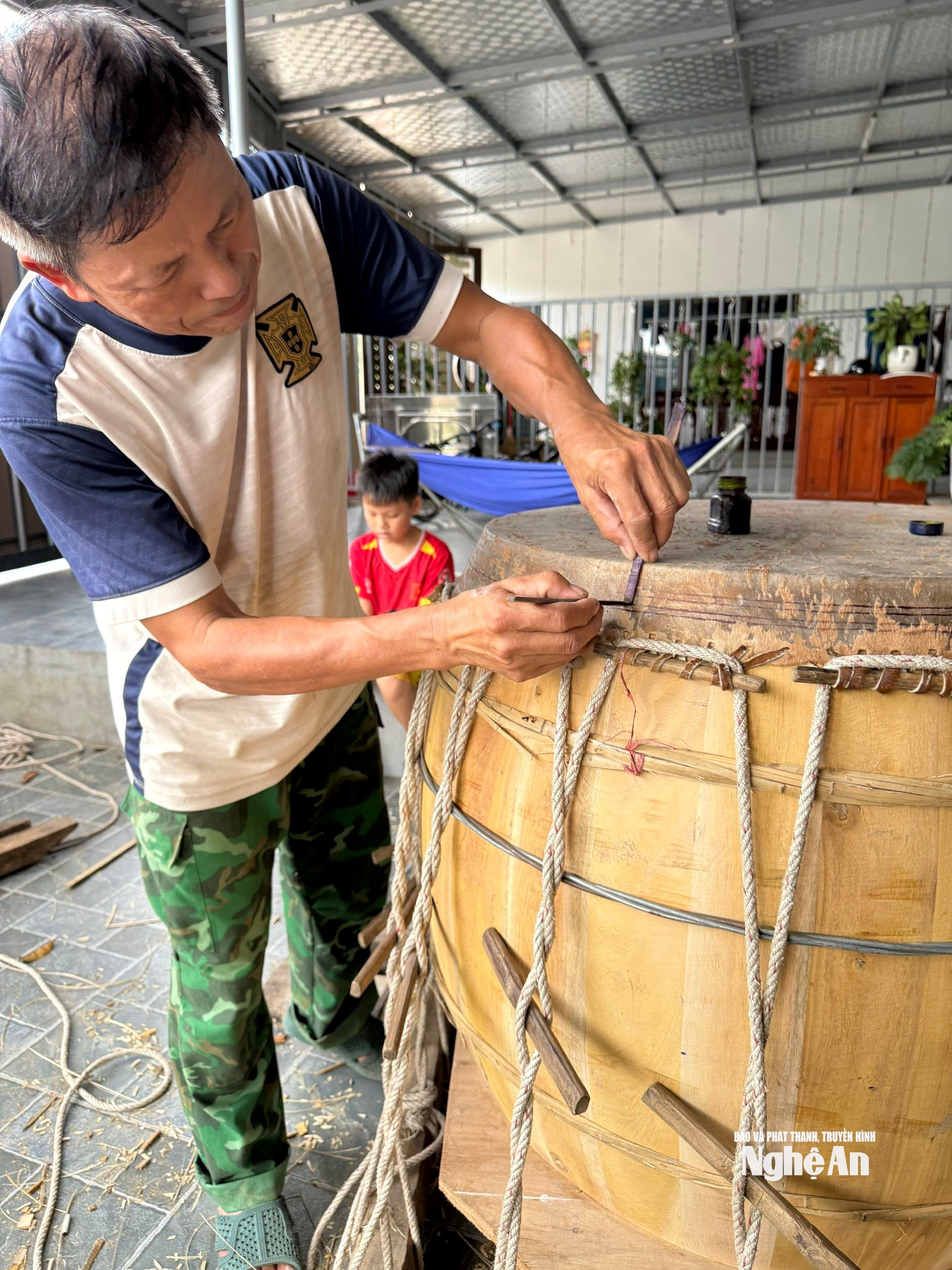
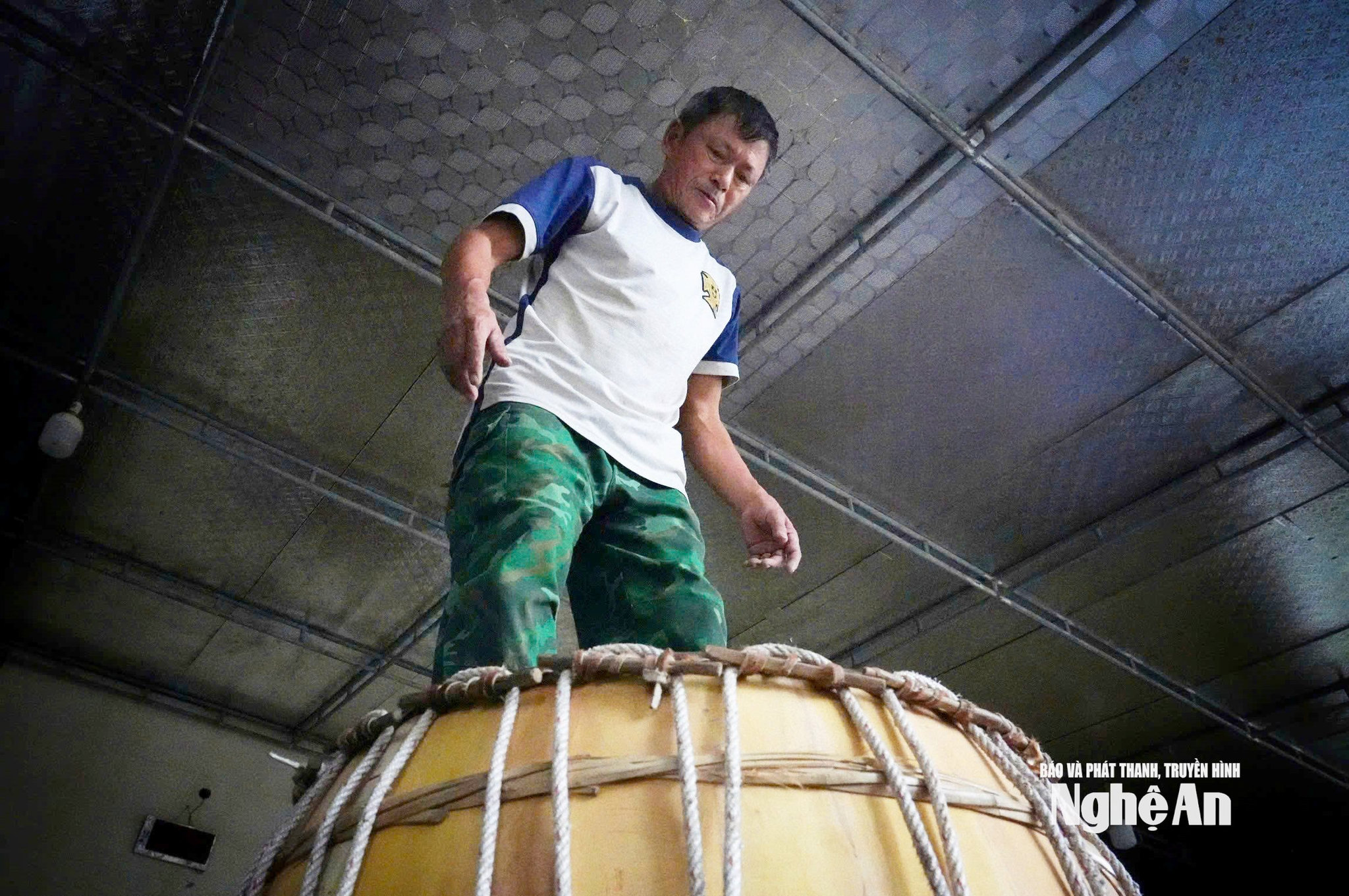
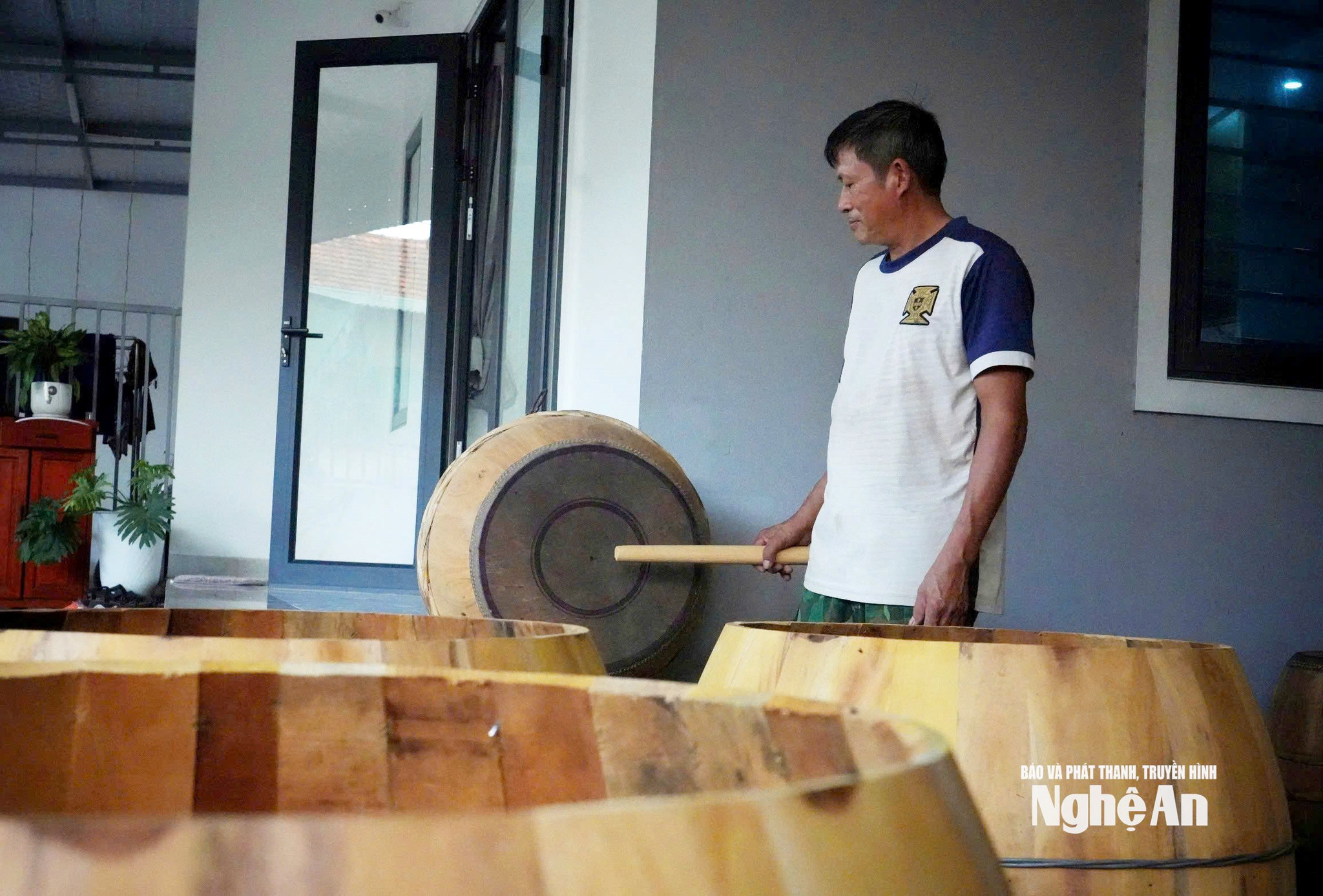
Mr. Binh recounted that his family has been involved in drum-making for three generations. From his grandfather and father to himself, the craft has been passed down through many generations. According to him, Nghi Duc drums are famous for their far-reaching resonance, round, crisp sound, and high durability. To create a standard drum, the craftsman needs not only good materials but also experience and skilled hands. From sanding each piece of wood evenly, to stretching the cowhide and tensioning the drumhead, every step requires precision to create the correct sound.
There was a time when the old Nghi Duc drums, now part of Xuan Duc and Xuan Dong wards in Vinh Phu commune, were transported by traders to provinces and cities throughout the country. But the memory of that prosperous era now remains only in nostalgia.
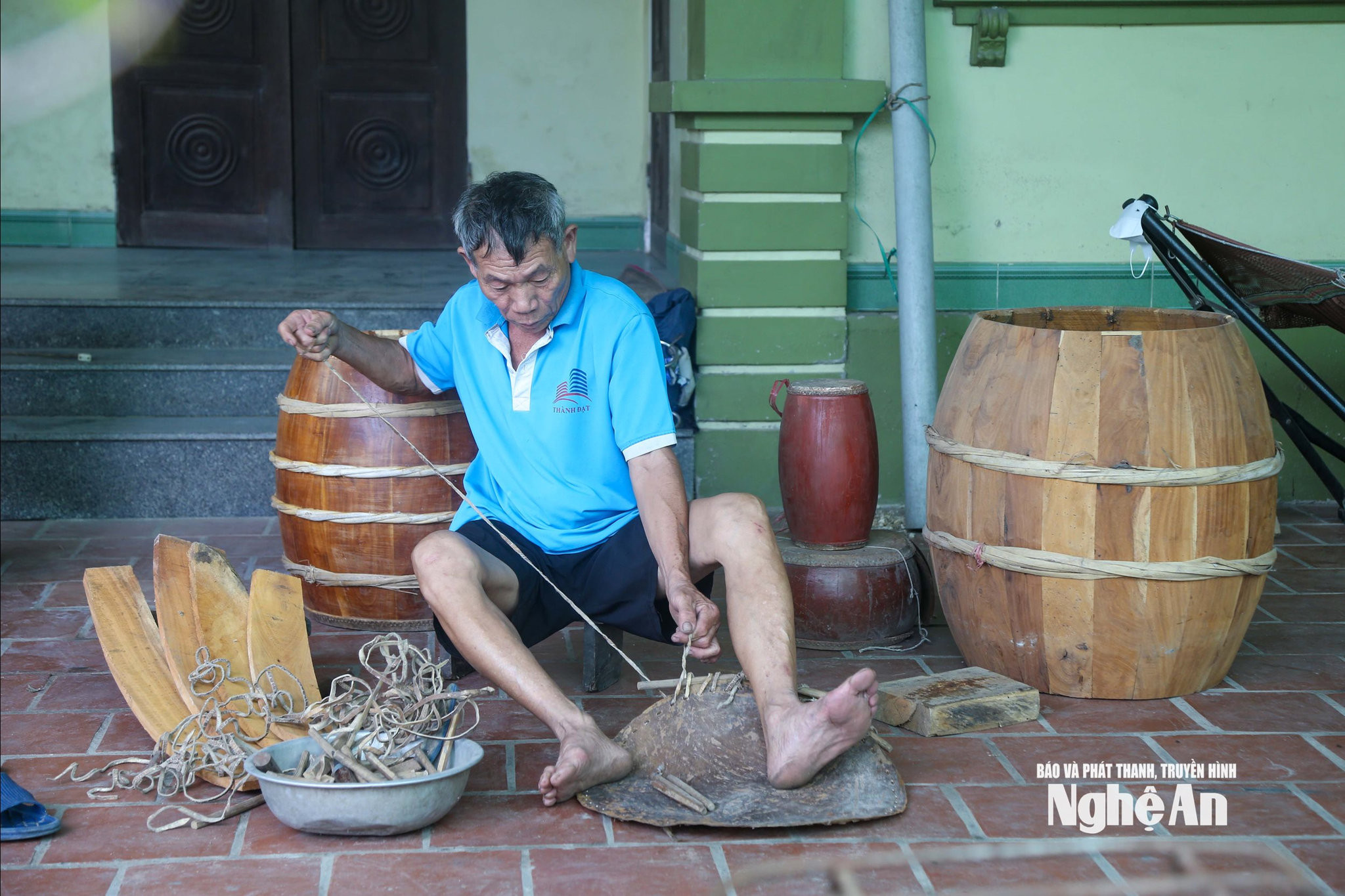
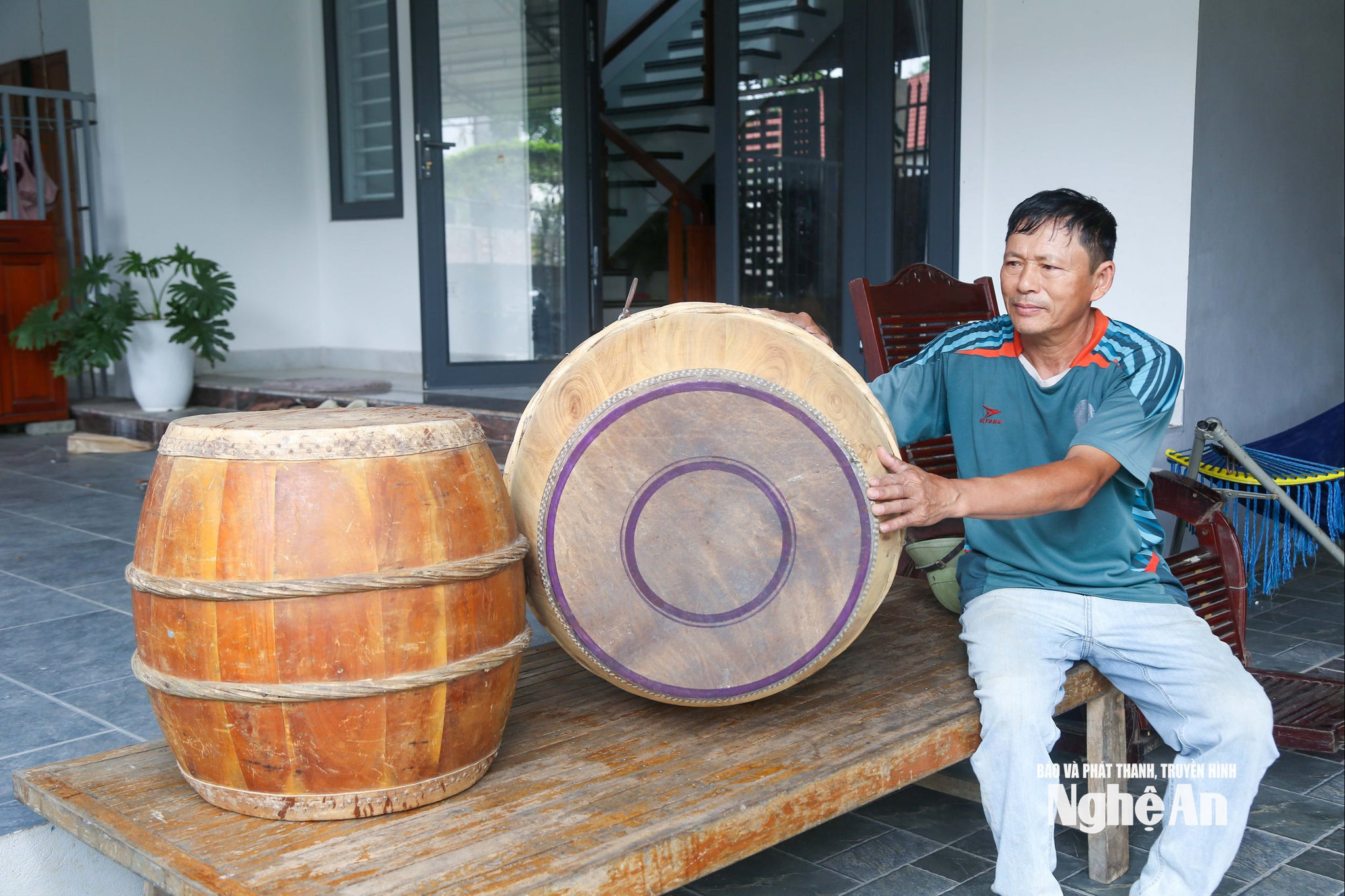
What worries the craftsman most is not the days when the workshop has few orders, but the fear that the traditional craft will fade away when there are no successors. According to Mr. Binh, drum making is not simply manual labor but a process of accumulating experience over many years. "To make a good drum, the apprentice must be very patient and dedicated to the craft for many years. But few young people nowadays have the patience to sit for hours in the workshop, while income is unstable, so it is even harder to find someone to carry on the tradition," Mr. Binh mused.
The difficulty with traditional crafts lies in the fact that while the products may survive, the number of people practicing the craft is decreasing. Mr. Binh said: "For example, my son learned the craft from his father in his youth, but now he's not interested in it anymore. He only helps me complete the simple steps of making the drum, while I'm still the main worker."
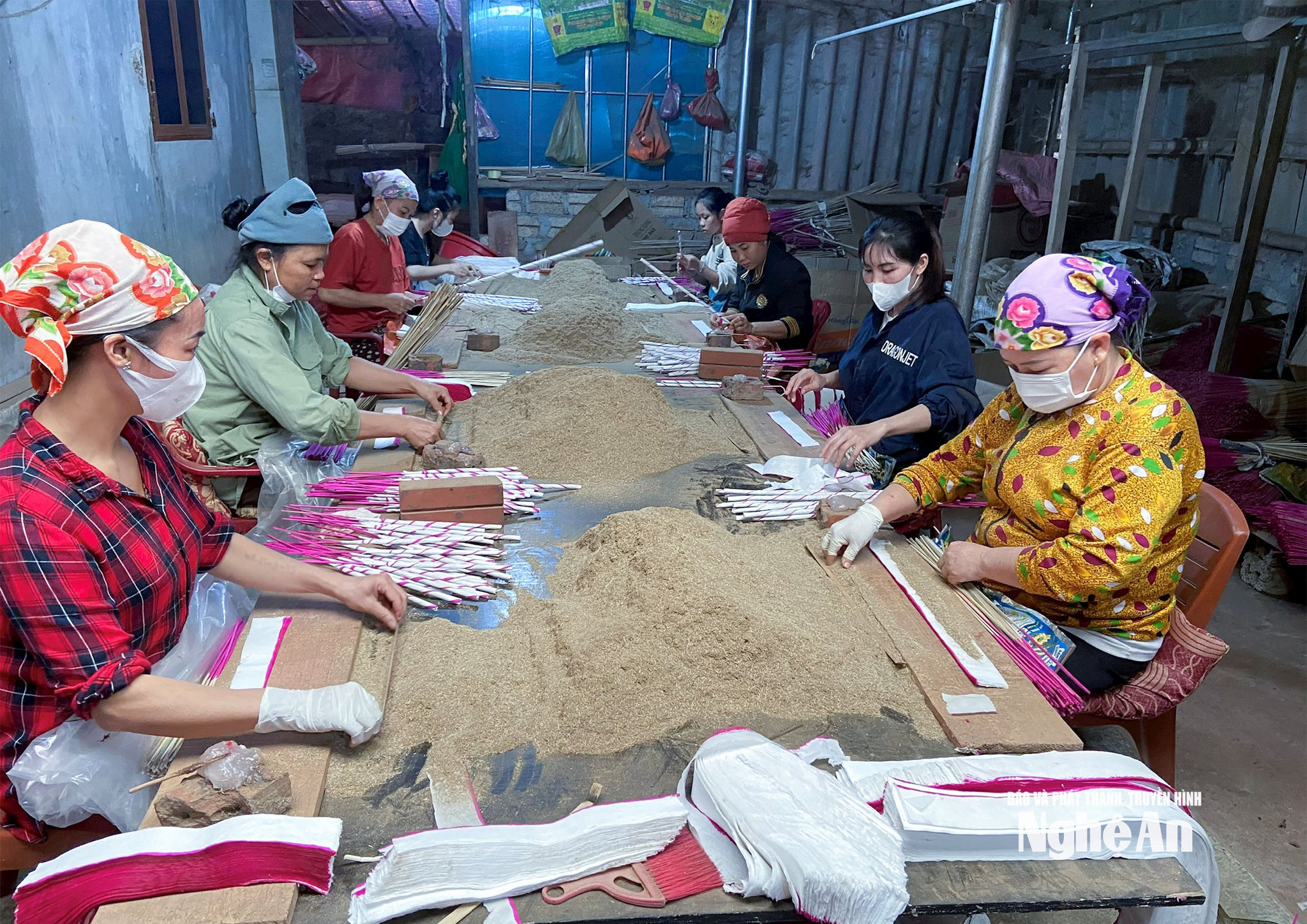
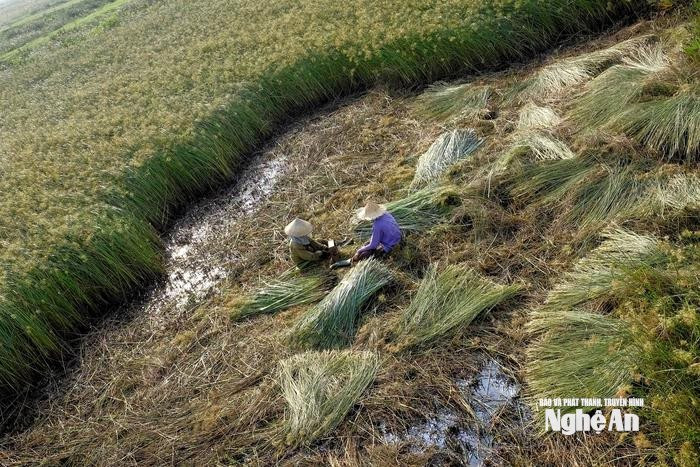
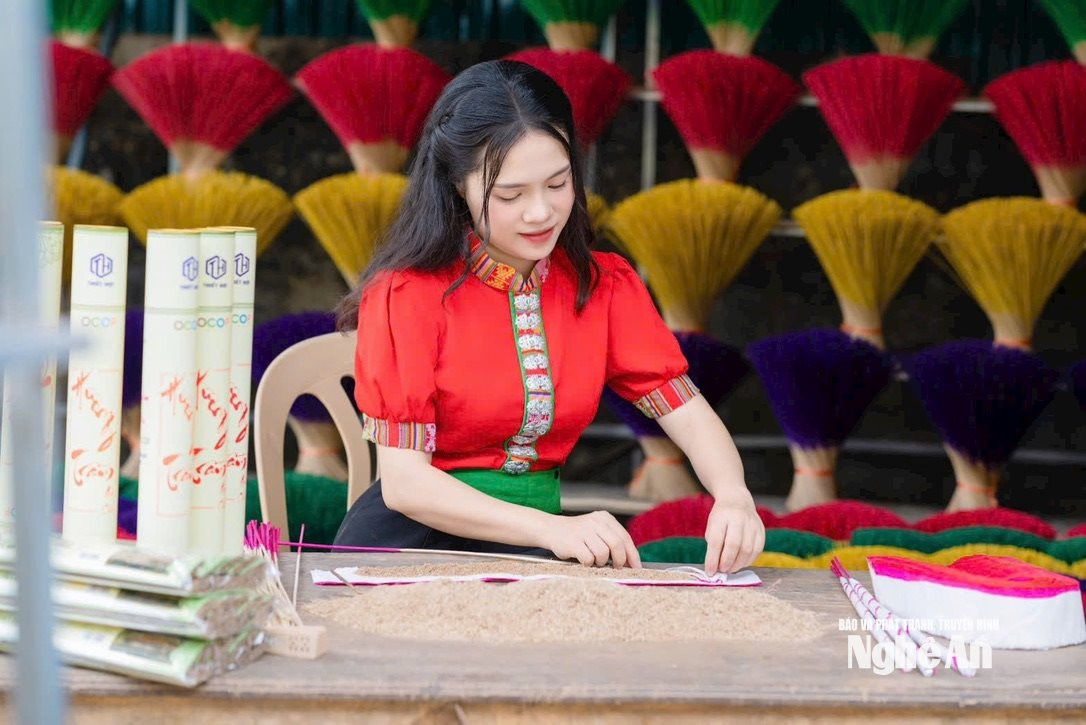
It's not just drum-making; many other traditional craft villages are facing similar situations. When long-time artisans and craftsmen become "living archives" but lack successors, the gap between the past and the present widens. This is the story of the once bustling Trung Kien shipbuilding village; the worry of the Quy Chau incense-making village due to unstable demand; and the Hung Hoa sedge mat weaving village, now with only one household left, clinging to their passion and fearing its extinction.
.jpeg)

Mr. Nguyen Dinh Hung, Deputy Head of the Cooperative Economic and Rural Development Sub-Department (Department of Agriculture and Environment), said: "For many years, the province has always paid attention to preserving, restoring, and developing traditional craft villages through various policies supporting resources, infrastructure, and funding. For a newly established craft village, the province provides initial support of 50 million VND to facilitate development. However, maintaining and restoring a craft village in the current market economy is not easy. The biggest difficulty remains finding successors. As the artisans get older, while young people are no longer interested in the craft, training and passing on the skills becomes a challenging problem for many craft villages."

According to Mr. Hung, Resolution No. 06/2019/NQ-HĐND of the Nghe An Provincial People's Council stipulates many preferential policies to support the development of rural industries. For restored traditional craft villages, the province provides 2 billion VND for villages in the plains and 3 billion VND for villages in mountainous areas to invest in and upgrade infrastructure such as transportation, electricity, clean water, drainage systems, and to build centers and exhibition points for product display and introduction. However, to date, very few craft villages have fully met the criteria to benefit from this policy.
According to seasoned professionals, the transmission of skills used to be quite natural. Children born into families involved in the trade grew up surrounded by the sounds of machinery and hammers, becoming familiar with each stage of production and gradually becoming skilled craftsmen. However, society has changed, and the career choices of the younger generation are also different. Young people's decision to pursue a trade now depends on market demand.
According to Mr. Nguyen Dinh Hung, Deputy Head of the Cooperative Economic and Rural Development Sub-Department (Department of Agriculture and Environment of the province): It is very difficult to get young people to learn a trade because they don't see a future in it, nor can they create material value from the laborious and meticulous processes that their ancestors have painstakingly preserved. Therefore, passing on a trade in the current period cannot simply stop at teaching product-making techniques. To attract people to learn a trade, we must first create a future for it.
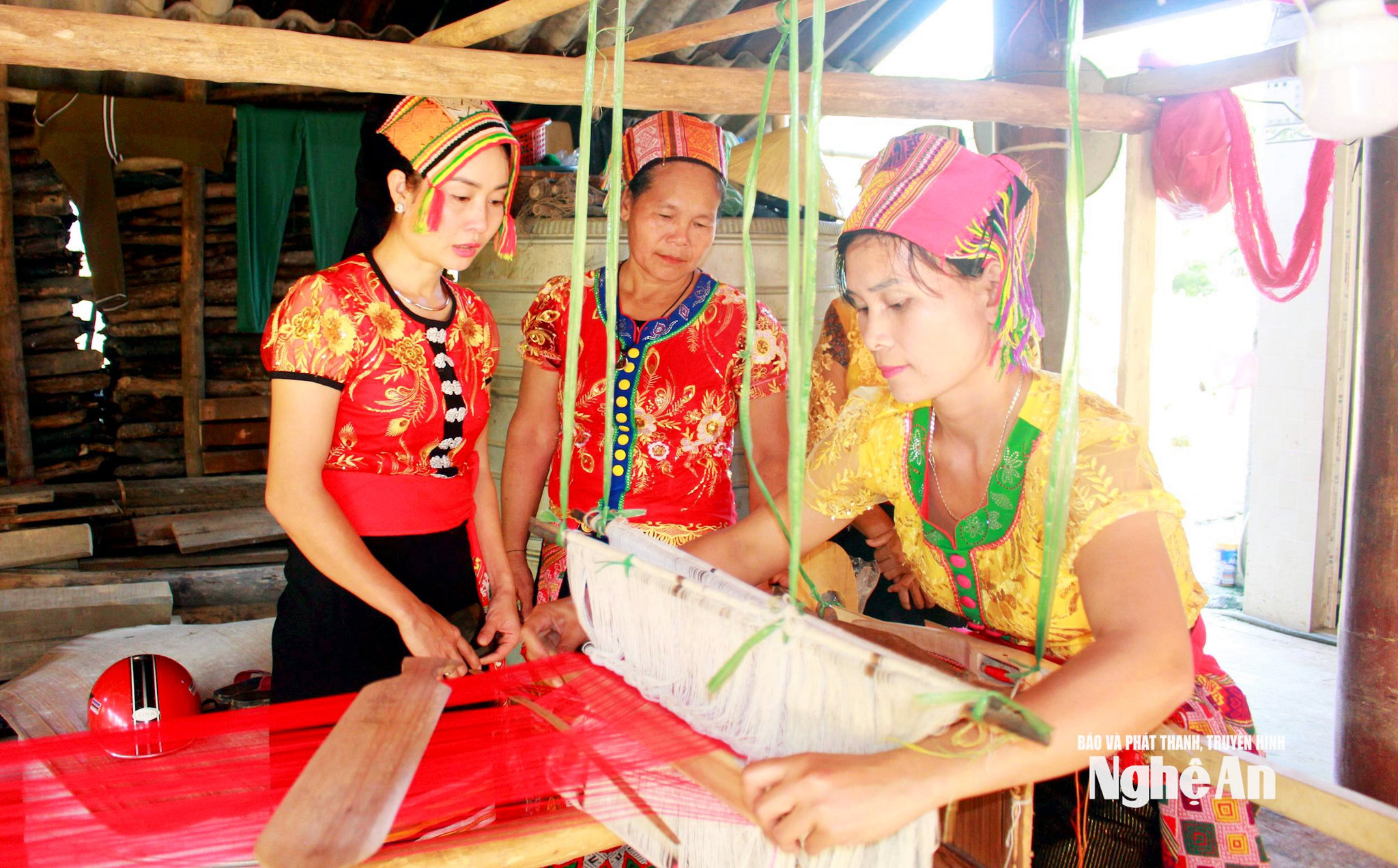
Mr. Vo Khac Hung, Vice Chairman of the Vinh Phu Ward People's Committee, stated that the biggest current challenges facing the drum-making craft are the small scale of production, the shortage of young workers, and limited competitiveness. The local authorities are also deeply concerned about finding solutions to revive the craft, but this is a difficult task given the unstable market.
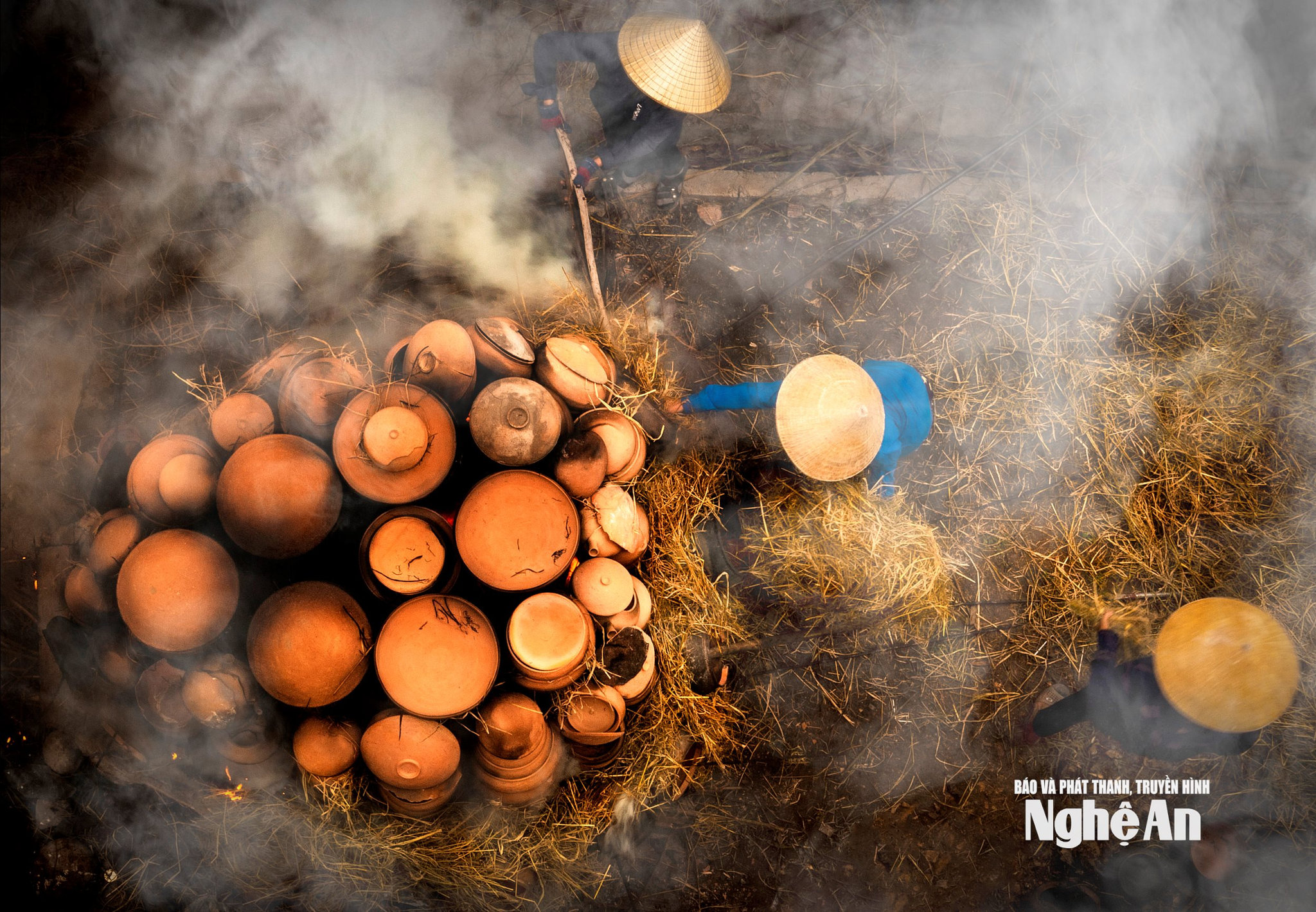
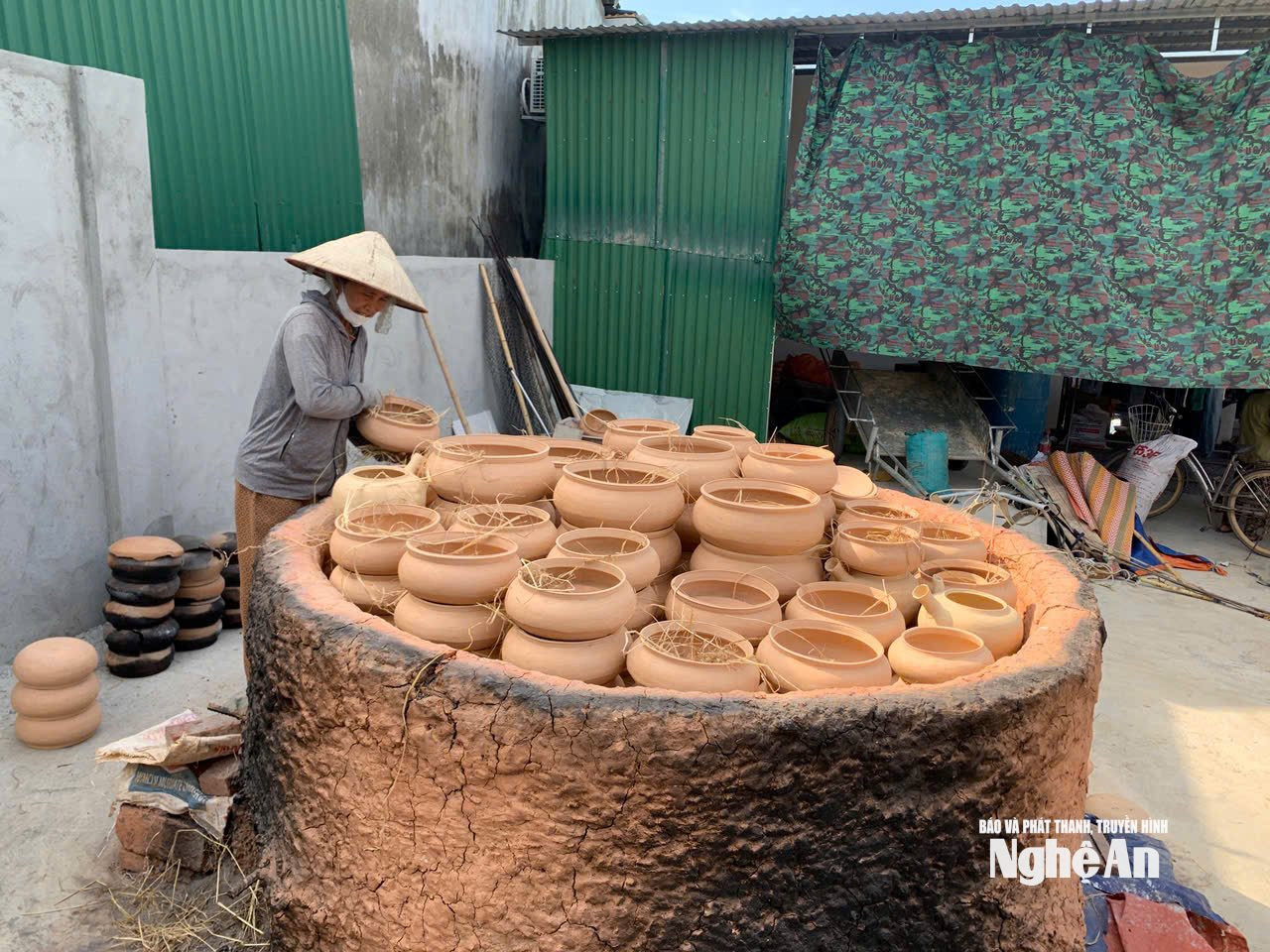
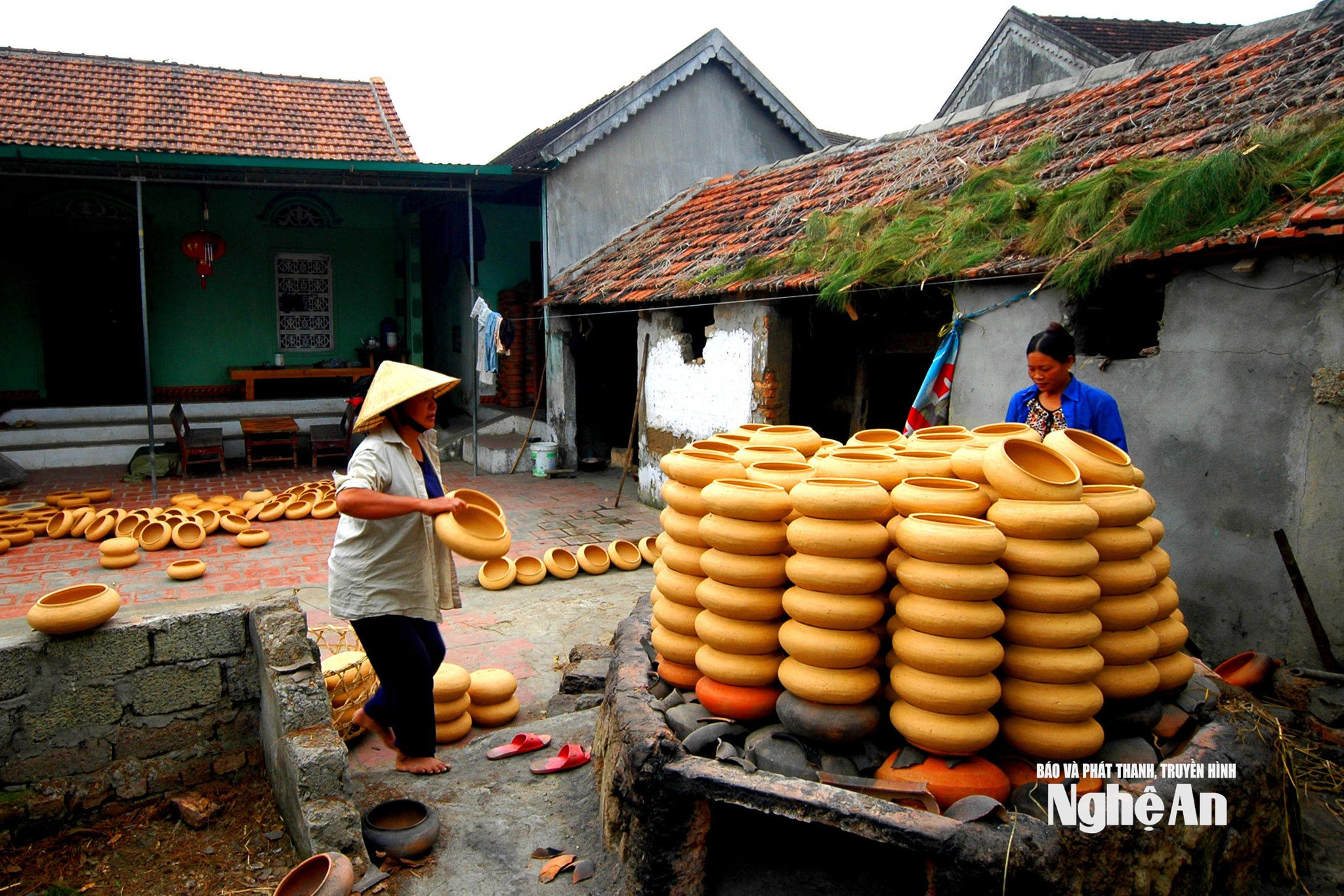
While the drum-making craft in Vinh Phu is struggling to find a solution to the problem of passing on the craft, the story of the earthenware pottery craft in Tru Son shows a different direction. At one point, the earthenware pottery craft in Tru Son faced the risk of disappearing.
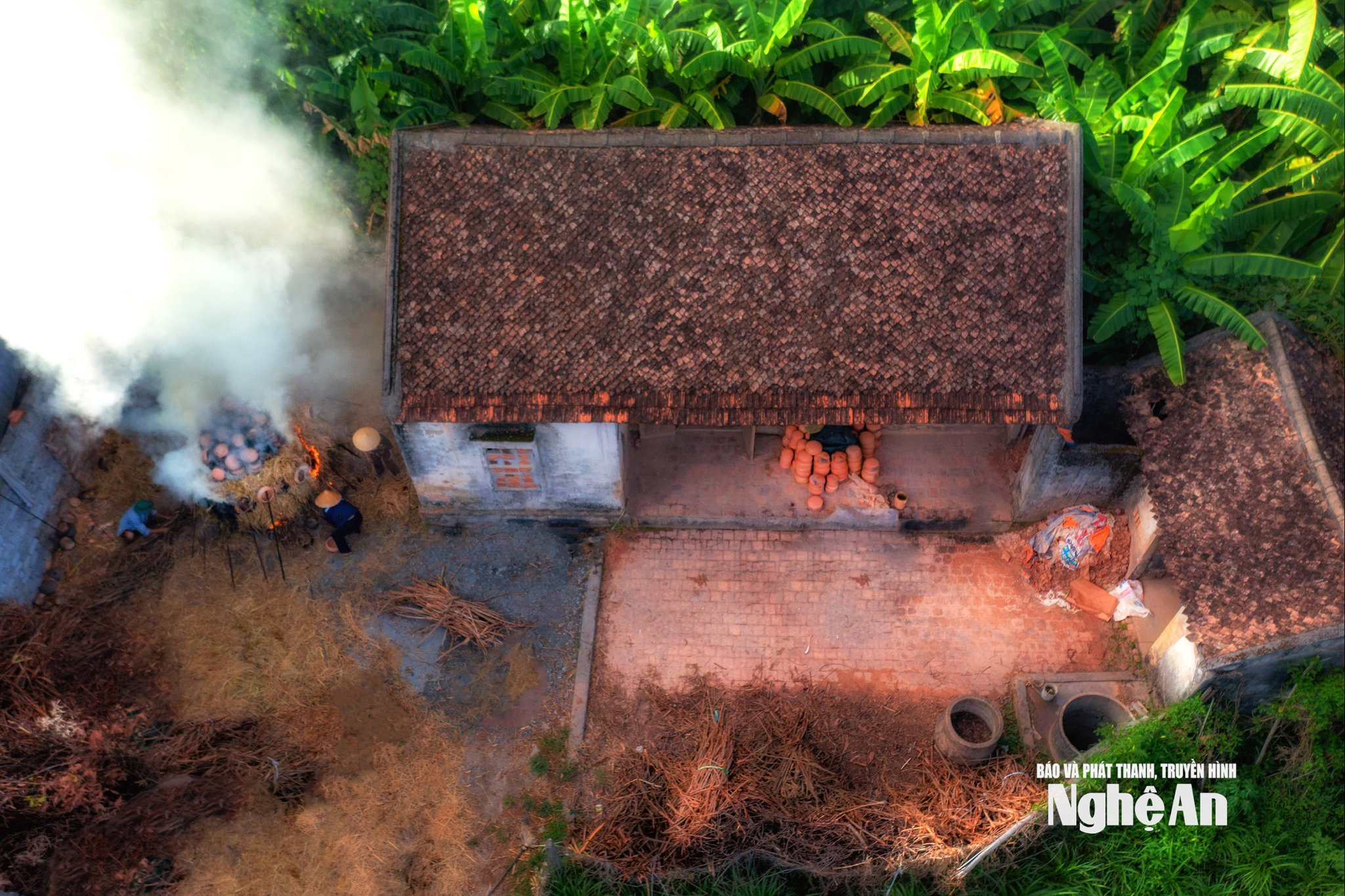
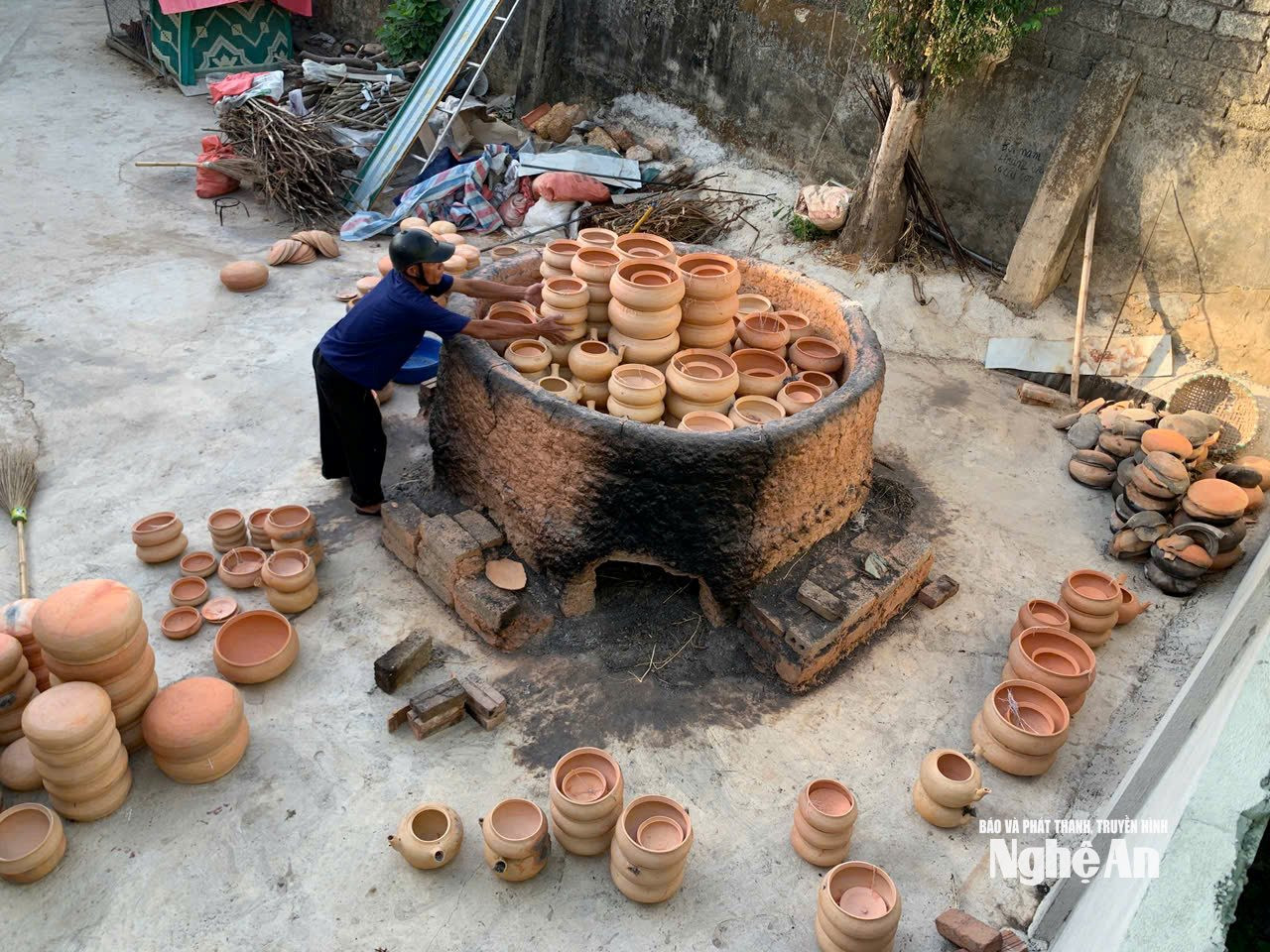
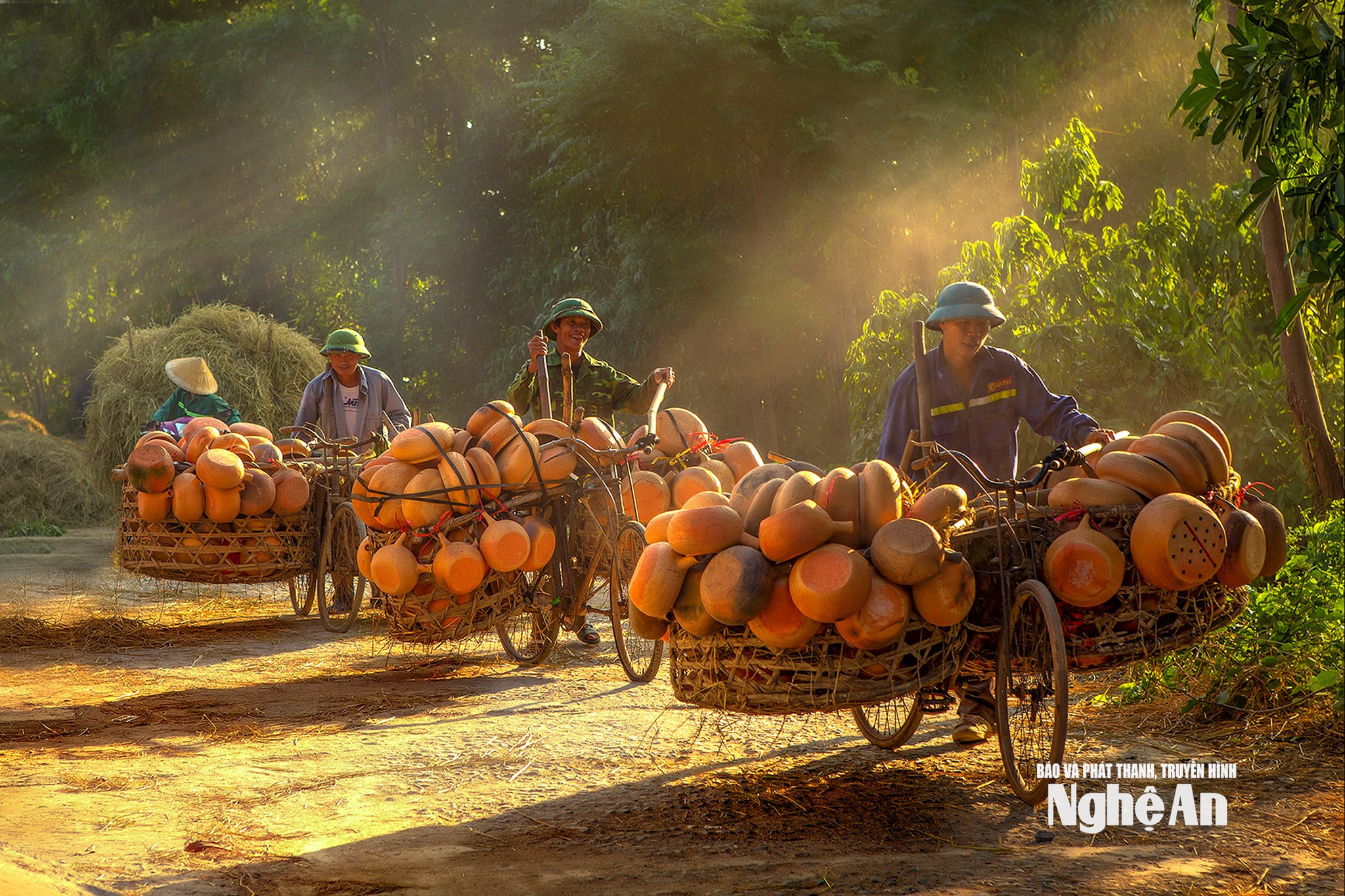
However, as the demand for traditional culinary products increased, especially dishes cooked in clay pots such as braised fish, rice cooked in clay pots, sticky rice, etc., Tru Son clay pots began to find a new market. Along with the development of social media, images of people making pots became more widely known. Mr. Le Xuan Hai, the owner of a Tru Son clay pot workshop, said: "Currently, although the clay pot making profession doesn't bring in a large material value, we still have a fairly stable income. For example, my family has secured many stable orders, earning over 150 million VND per year."
.png)
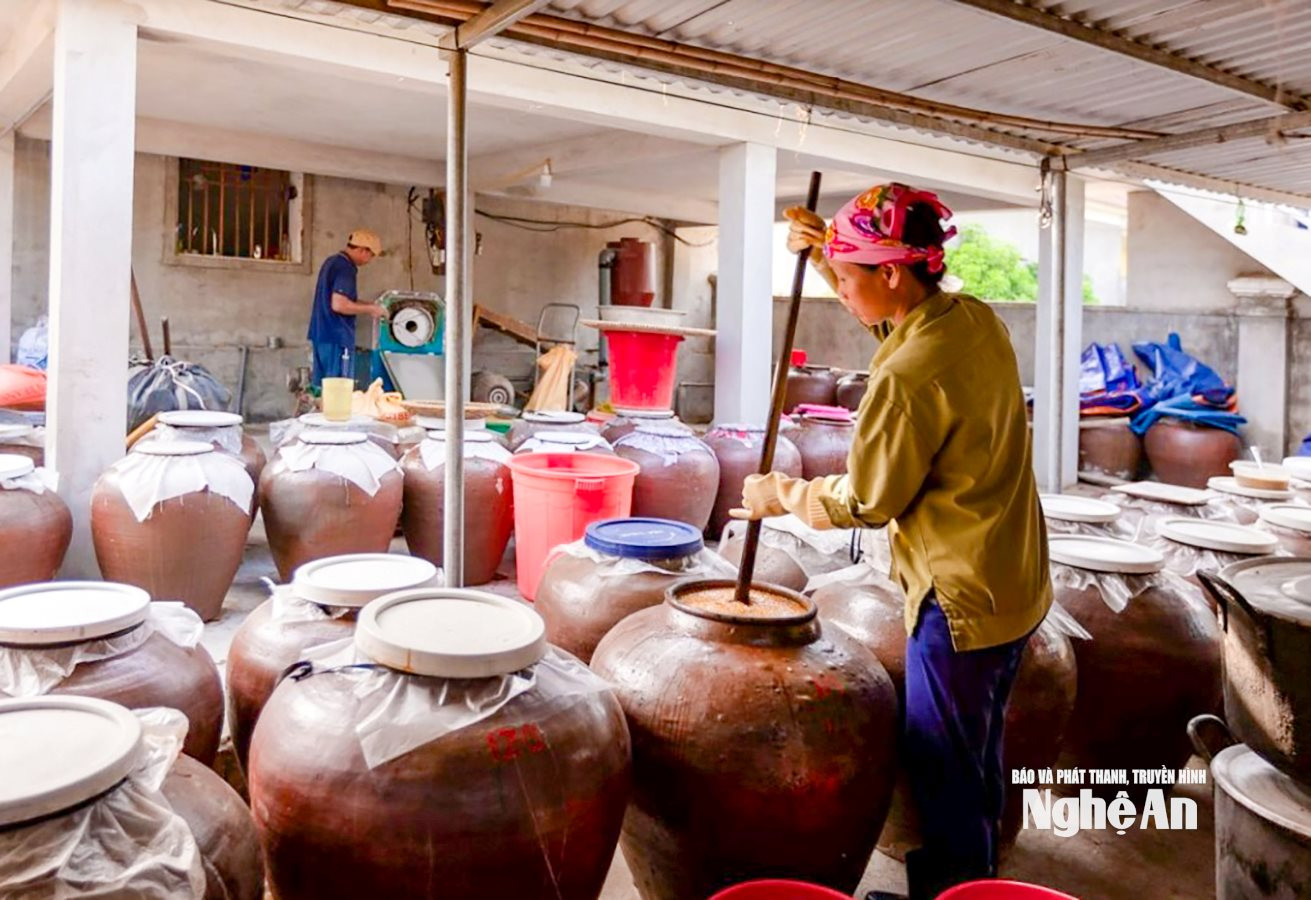
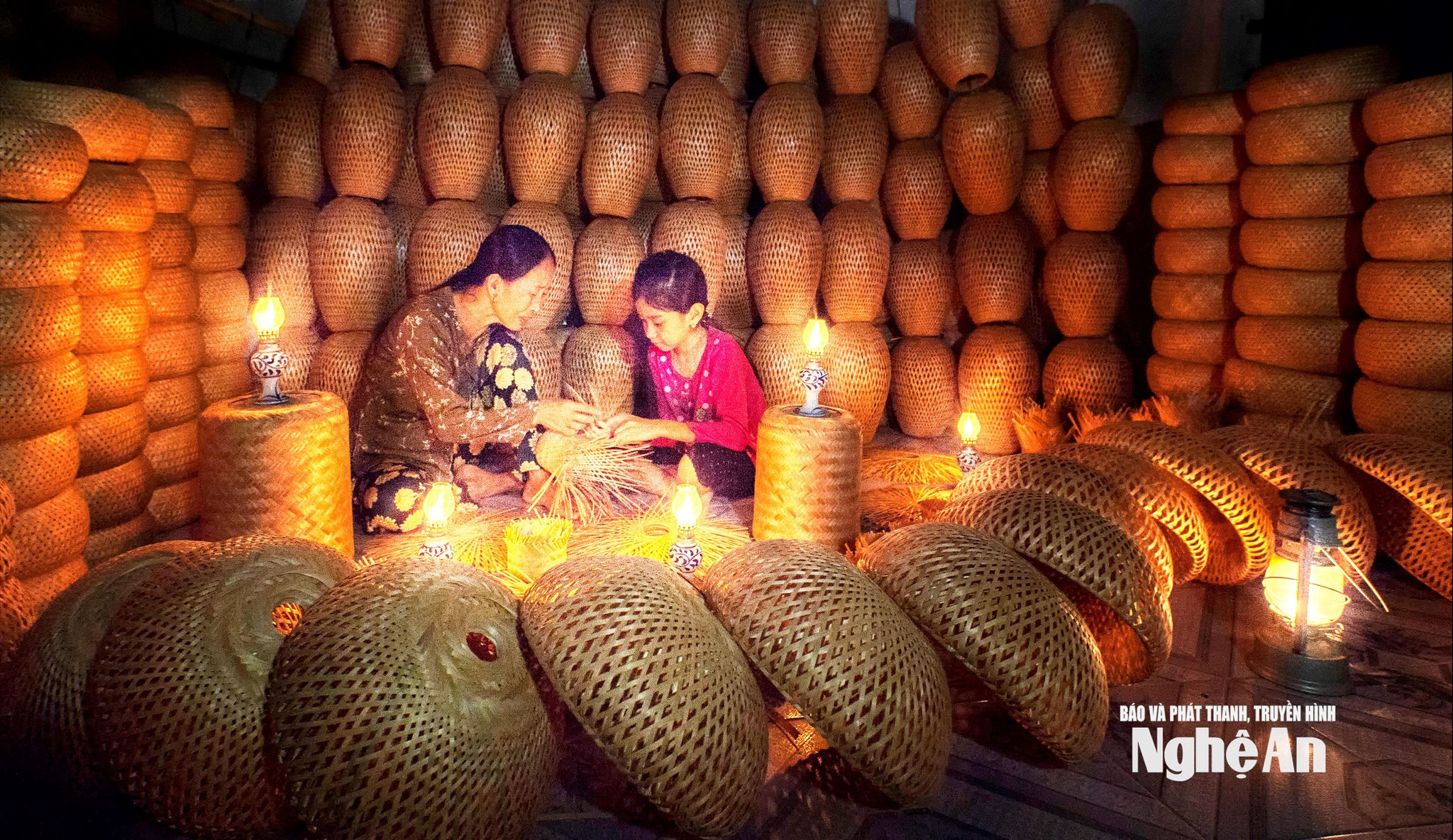
Nghe An currently has approximately 189 active craft villages and traditional craft villages, widely distributed across 130 communes and wards in the province. These craft villages specialize in producing a diverse range of goods, famous for their main product groups: food processing: Nam Dan soy sauce village, fish sauce making village, Khanh Quang molasses village, Dien Ngoc spring roll wrapper village, Do Luong rice paper village. In the field of handicrafts, there are: rattan and bamboo weaving villages, sedge mat weaving villages, earthenware pot making villages, and brocade weaving villages in mountainous communes such as Chau Tien and Na Loi; or other folk crafts such as: villages producing herbal rice wine, incense, toothpicks, and handcrafted salt processing.
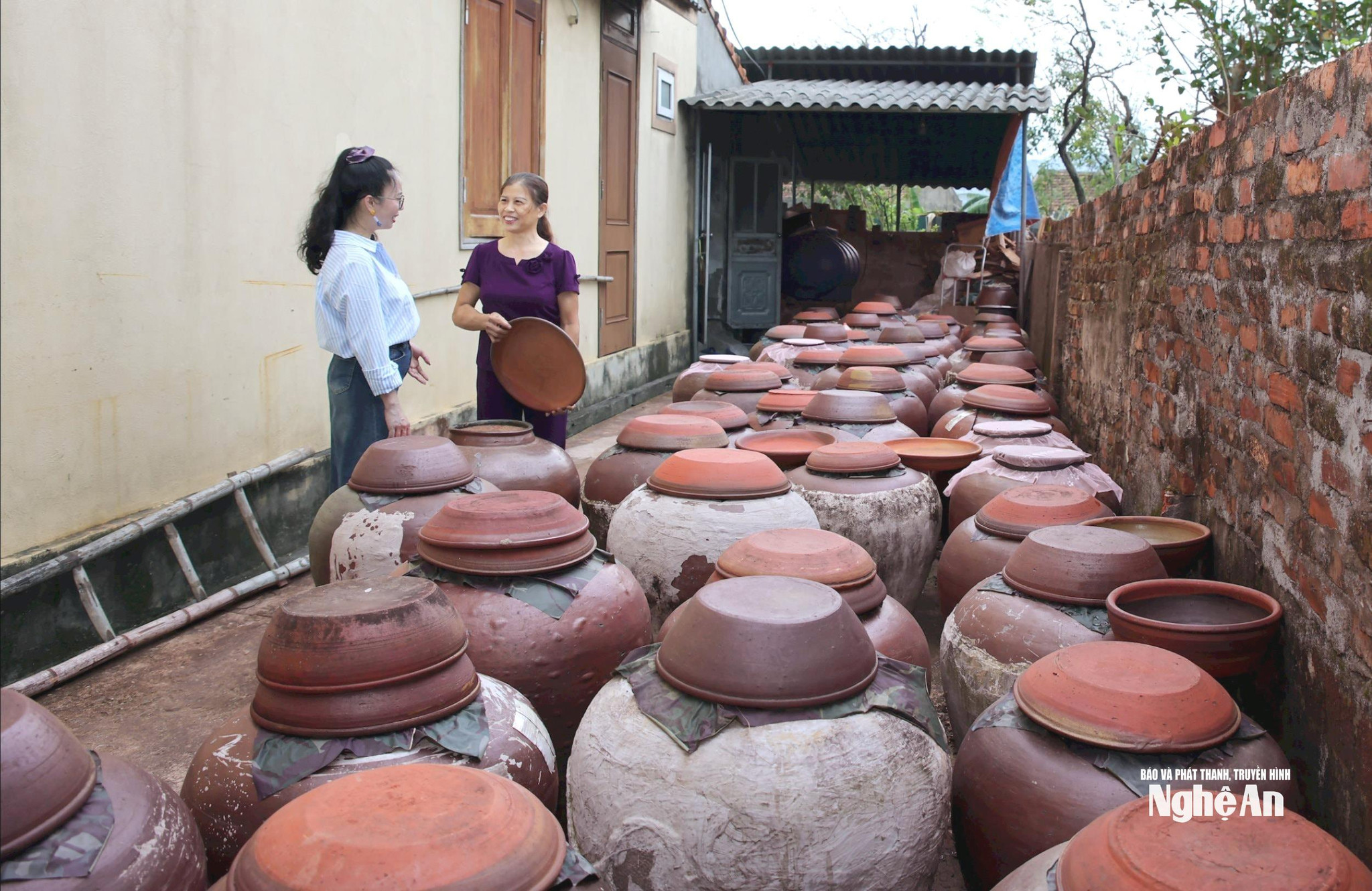
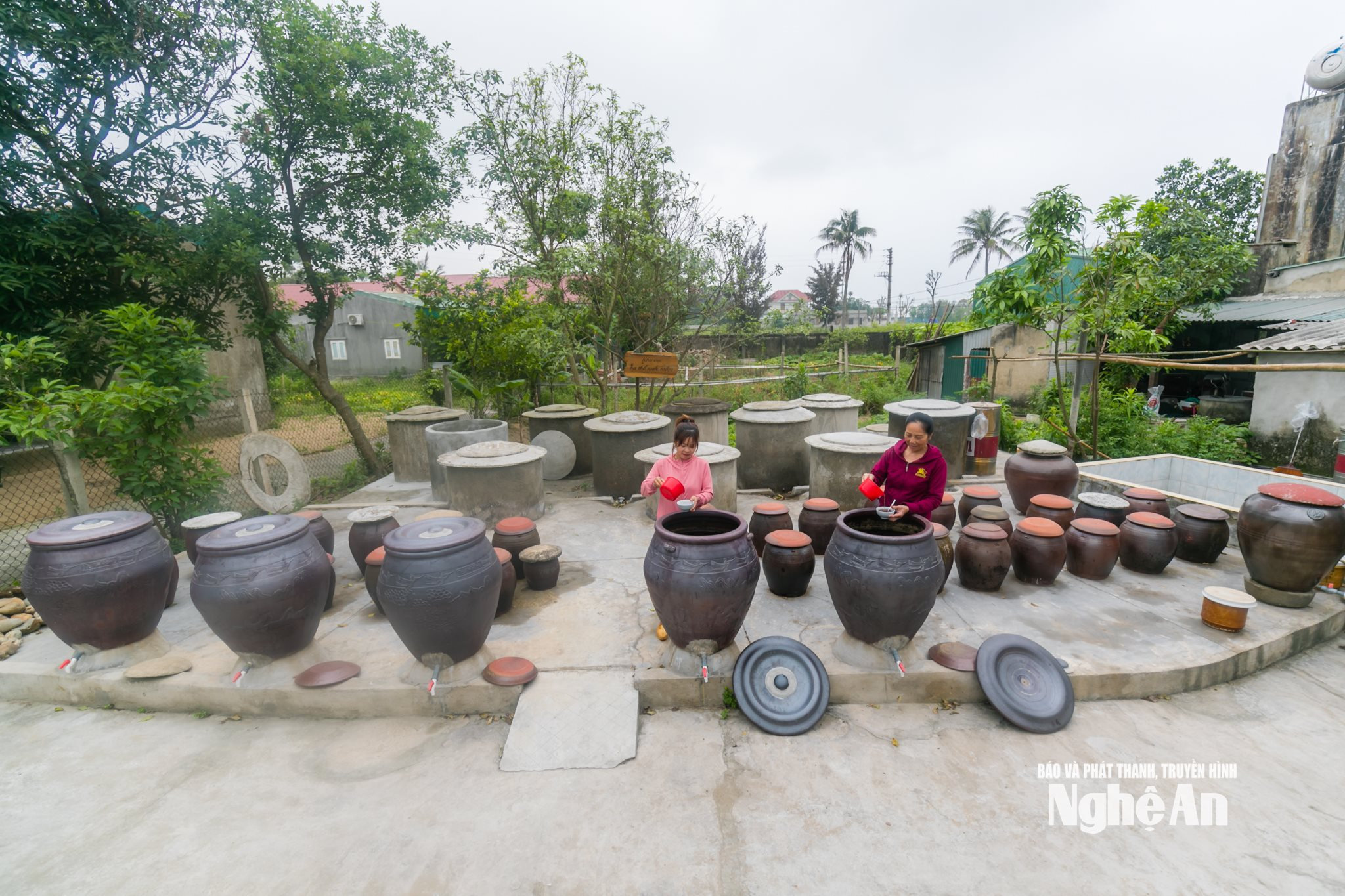

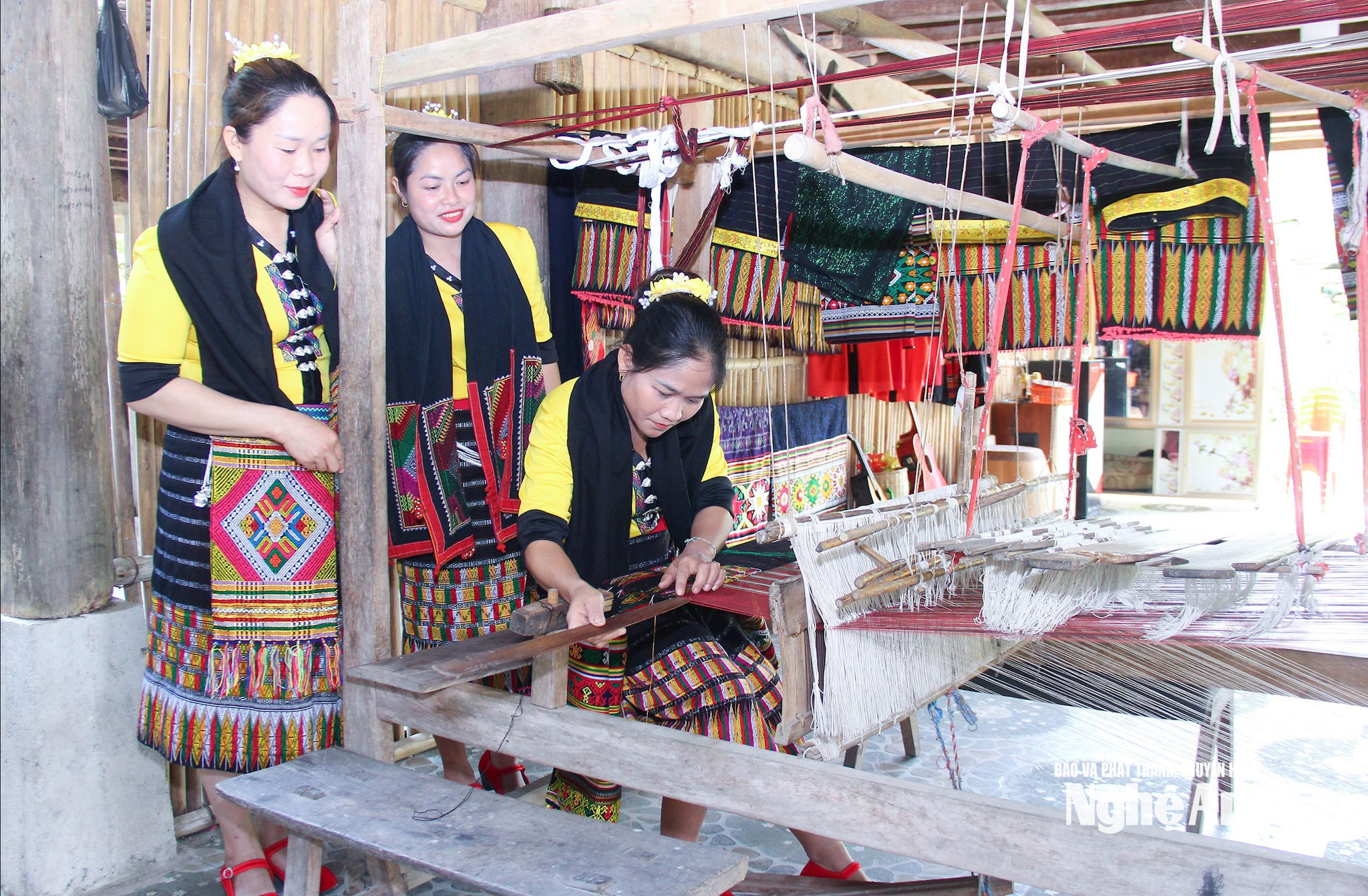
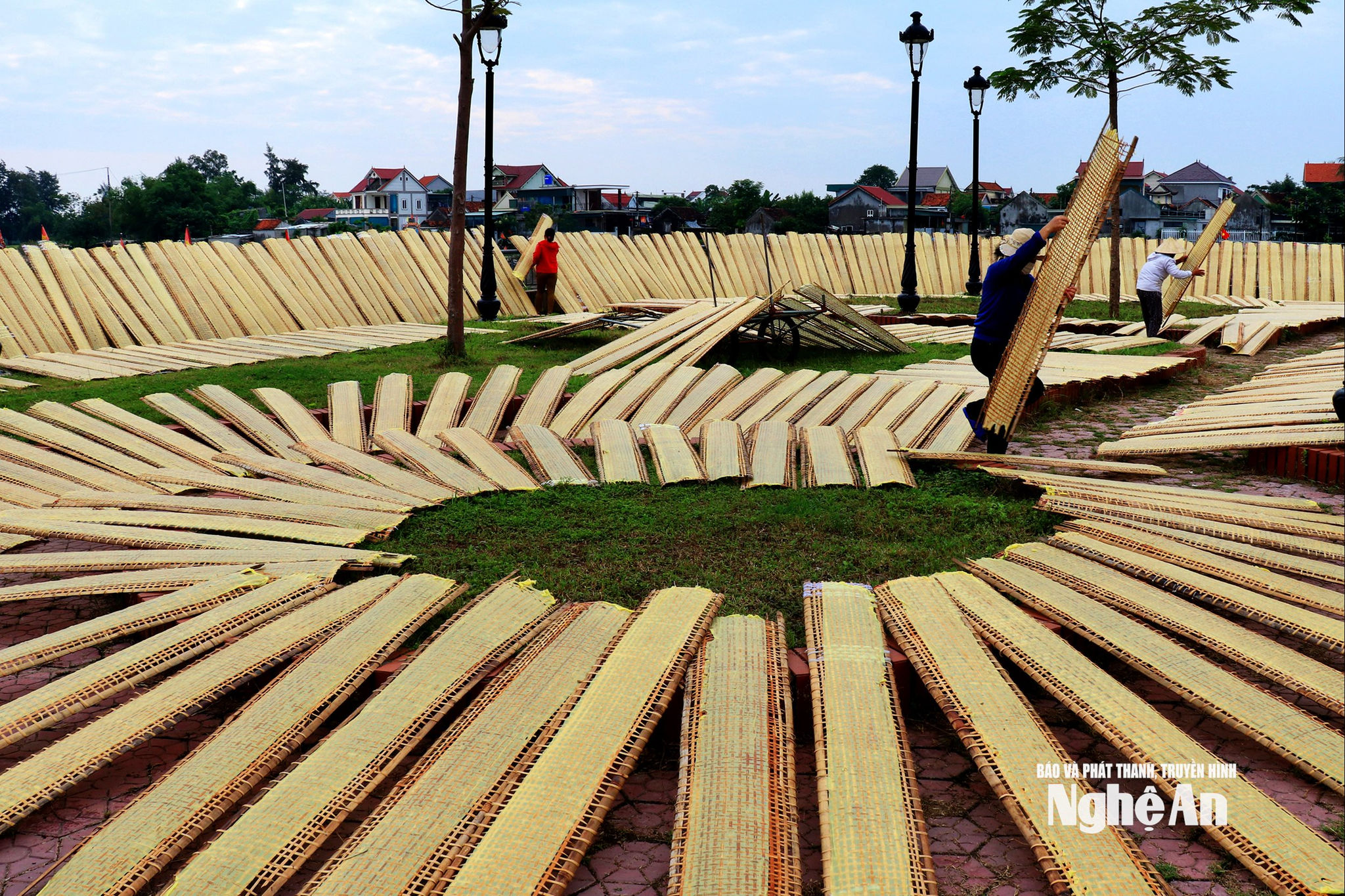
In reality, traditional craft villages are currently facing a major transformation. Traditional values remain, but the methods of production, consumption, and skill transmission cannot be maintained as before.
Mr. Vuong Hong Thai, Chairman of the People's Committee of Van An commune, said: "We have three craft villages, but currently only one is developing, which is the village producing products from lotus. The other villages are only maintaining relatively consistent product output..."
The current situation of traditional craft villages highlights the need for localities to pay more attention to training the next generation of artisans, connecting artisans with young people, and integrating traditional crafts into cultural experiences and community tourism programs. Along with this, support is needed for craft villages in product promotion, digital transformation, and market expansion.