

The culprit behind the decline in efficiency of solar power systems.
Dirt and dust may seem harmless, but they can significantly reduce the efficiency of solar power systems. Numerous studies show that a lack of regular cleaning can reduce electricity production by 10% to 40%, or even more.
Many households choose to install solar power systems to take advantage of renewable energy and reduce their monthly living expenses.
However, many people almost "forget" about their system after installation is complete. Only when electricity production drops sharply compared to when it was first put into operation or falls below initial expectations do they begin to look for the cause.
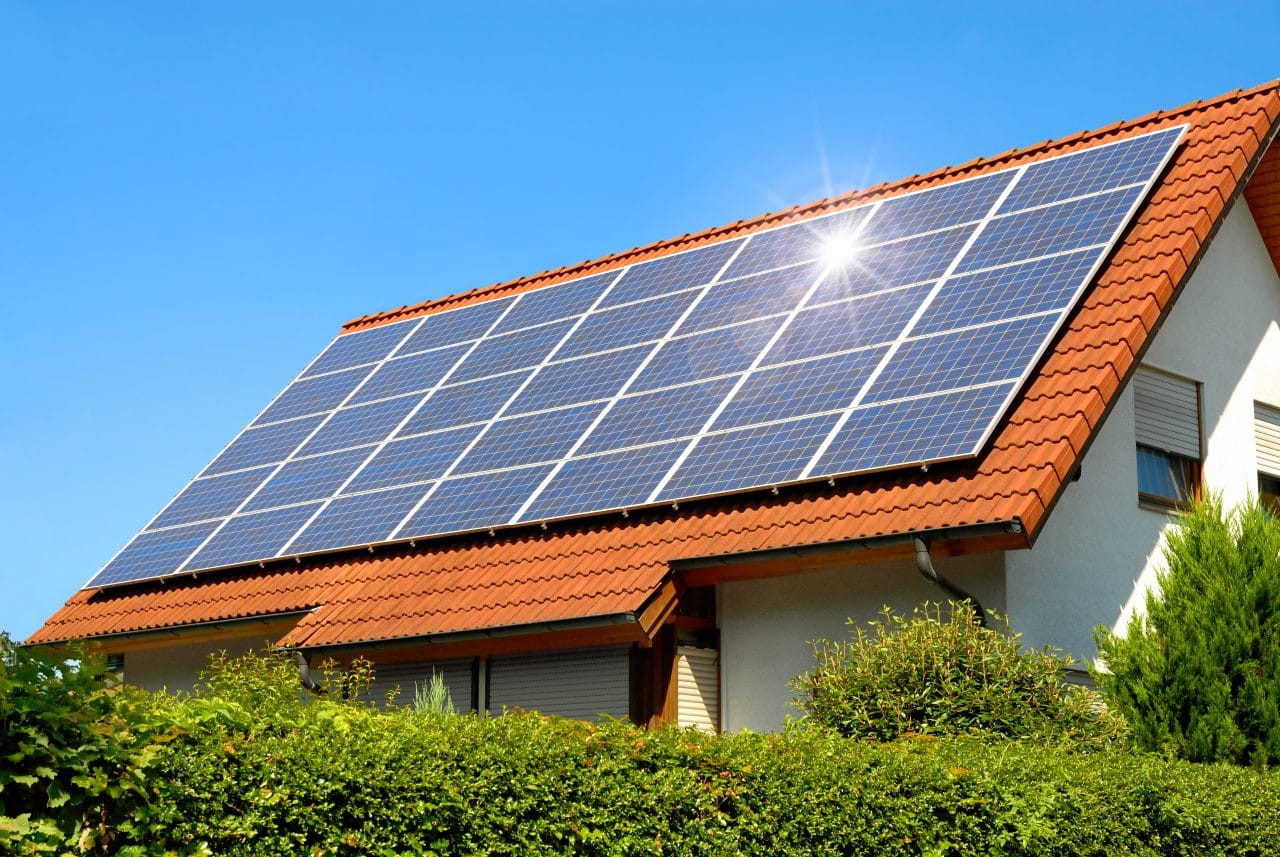
According to experts, one of the most common reasons for the decline in solar panel efficiency is surprisingly simple: dirt and dust accumulate on the panel's surface.
Because they are often installed on rooftops or outdoors, solar panels are constantly exposed to dust, soil, pollen, leaves, bird droppings, and many other environmental factors.
This layer of dust blocks sunlight, reducing the amount of radiation reaching the photovoltaic cells, thereby causing a decrease in electricity production and potentially affecting the system's lifespan in the long run.
Dirt can reduce performance by up to 40%.
The impact of dust depends on environmental conditions, such as the density of dust in the air, rainfall, the frequency of bird droppings, and the installation location.
A study presented at the 2025 International Conference on Advanced Technologies for Humanity synthesized results from 30 recent studies and showed that dirt can reduce solar panel efficiency by 10% to 40%.
Meanwhile, researchers at the Massachusetts Institute of Technology (MIT) in the US noted that after just one month without cleaning, the system's electricity output decreased by approximately 30%.
Another study by Indian scientists also showed that polycrystalline solar panels were more severely affected than monocrystalline panels. Specifically, the power output of polycrystalline panels decreased by up to 30.48%, while monocrystalline panels only decreased by about 14% under the same conditions.
Numerous other studies have yielded similar results: As dirt continues to accumulate over months, the system's performance progressively deteriorates. In some cases, if left uncleaned for six months, performance can decrease by as much as 65%.
These figures show that neglecting solar power systems for extended periods results in a significant waste of electricity that the system could otherwise generate.
How can we minimize power degradation?
Experimental evidence consistently shows that regular cleaning is a simple yet highly effective solution for maintaining the performance of solar power systems.
If the installation location is easily accessible, users can easily clean it themselves using a soft-bristle brush or specialized non-abrasive tool and clean water or diluted soapy water.
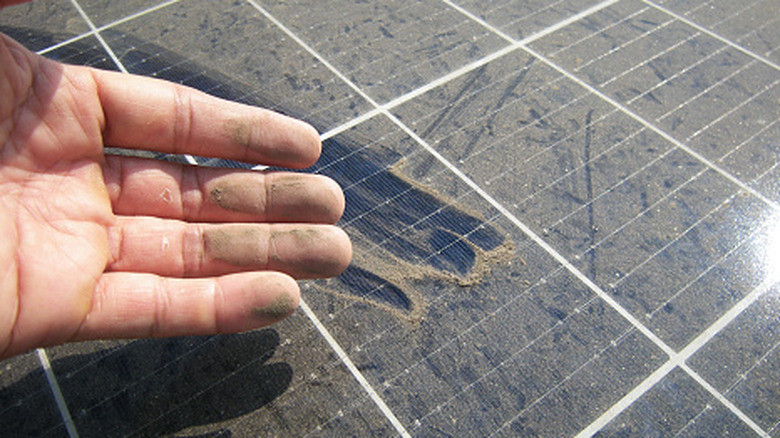
Photo: Internet.
Typically, simply removing dust and dirt from the surface can significantly restore the solar panel's light-absorbing capacity.
The frequency of cleaning depends on the area you live in. Areas with a lot of dust, near construction sites, industrial zones, or with many birds usually need to be cleaned more often than areas with less pollution.
For large-scale solar power systems or those installed in hard-to-reach locations, users may consider investing in an automated cleaning system.
These devices are programmed to clean the solar panels at predetermined intervals, reducing maintenance effort and maintaining consistent performance. However, this solution requires a relatively high initial investment, so it is usually suitable for commercial systems or projects with large installation areas.
Things to keep in mind when cleaning solar panels.
To avoid damaging the solar panels or reducing cleaning efficiency, experts recommend:
- It's best to clean in the early morning or on cloudy days to prevent the water from evaporating too quickly and leaving stains.
- Turn off the solar power system before cleaning to ensure safety.
- Do not use hard brushes, abrasive materials, or strong chemicals as these can scratch the protective glass and affect the performance of the solar panel.
Solar panels can operate reliably for over 20 years, but only with proper maintenance. Even a seemingly insignificant layer of dust can significantly reduce the amount of electricity generated, causing users to lose tens of percent of their power without realizing it.
Regular maintenance, combined with system performance checks, is a simple yet highly effective solution to optimize electricity production, extend equipment lifespan, and ensure that your investment in solar power yields maximum value.