

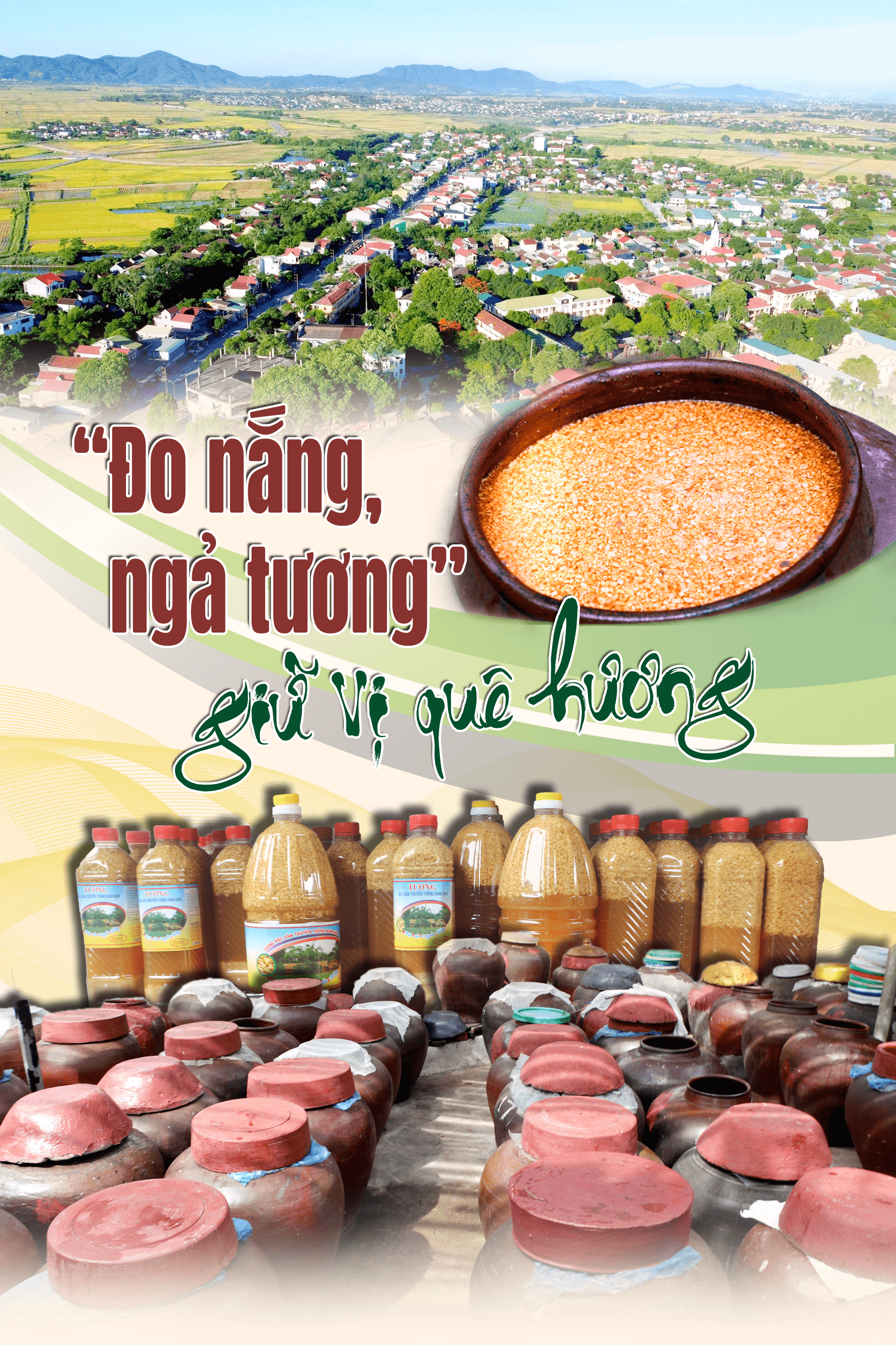
"Measuring the sunlight, adjusting the seasoning" preserves the taste of home.
From the golden soybeans grown on the alluvial plains along the Lam River, fragrant glutinous rice, and pristine white salt, the people of Nam Dan in the past carefully crafted a rich, rustic, yet unforgettable dipping sauce. Through countless ups and downs, the earthenware jars of sauce still quietly bask in the sun, preserving the flavors of their homeland and captivating the hearts of those who have left their hometowns…
Khanh Ly/Present:Hong Toai• August 1, 2026
*****
From the golden soybeans grown on the alluvial plains along the Lam River, fragrant glutinous rice, and pristine white salt, the people of Nam Dan in the past carefully crafted a rich, rustic, yet unforgettable dipping sauce. Through countless ups and downs, the earthenware jars of sauce still quietly bask in the sun, preserving the flavors of their homeland and captivating the hearts of those who have left their hometowns…
.png)
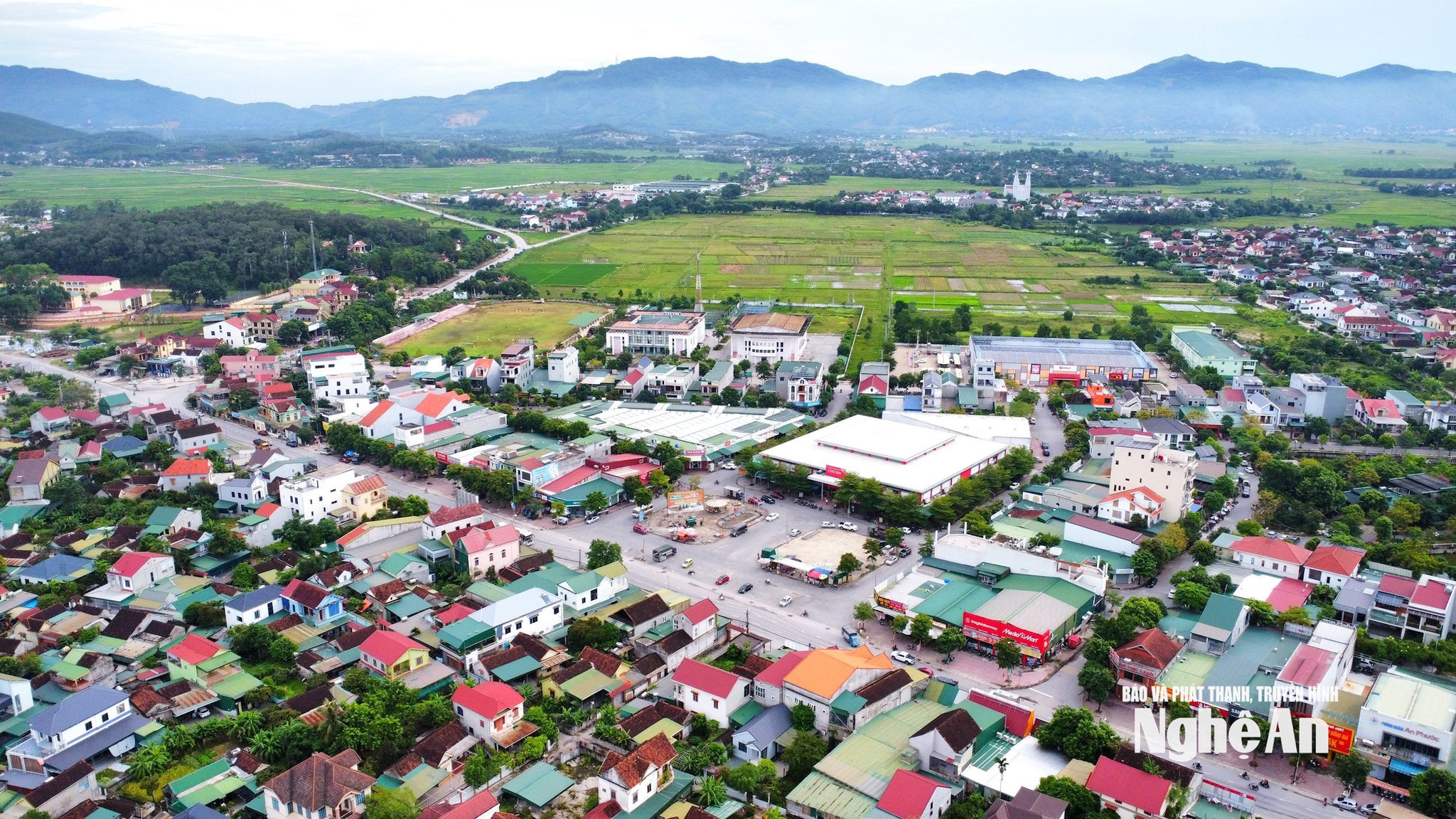
In early August, we visited Mai Hac De hamlet, Van An commune, where the sun still cast a golden glow on the rows of earthenware jars neatly arranged in the corners of the gardens of households that make soy sauce.
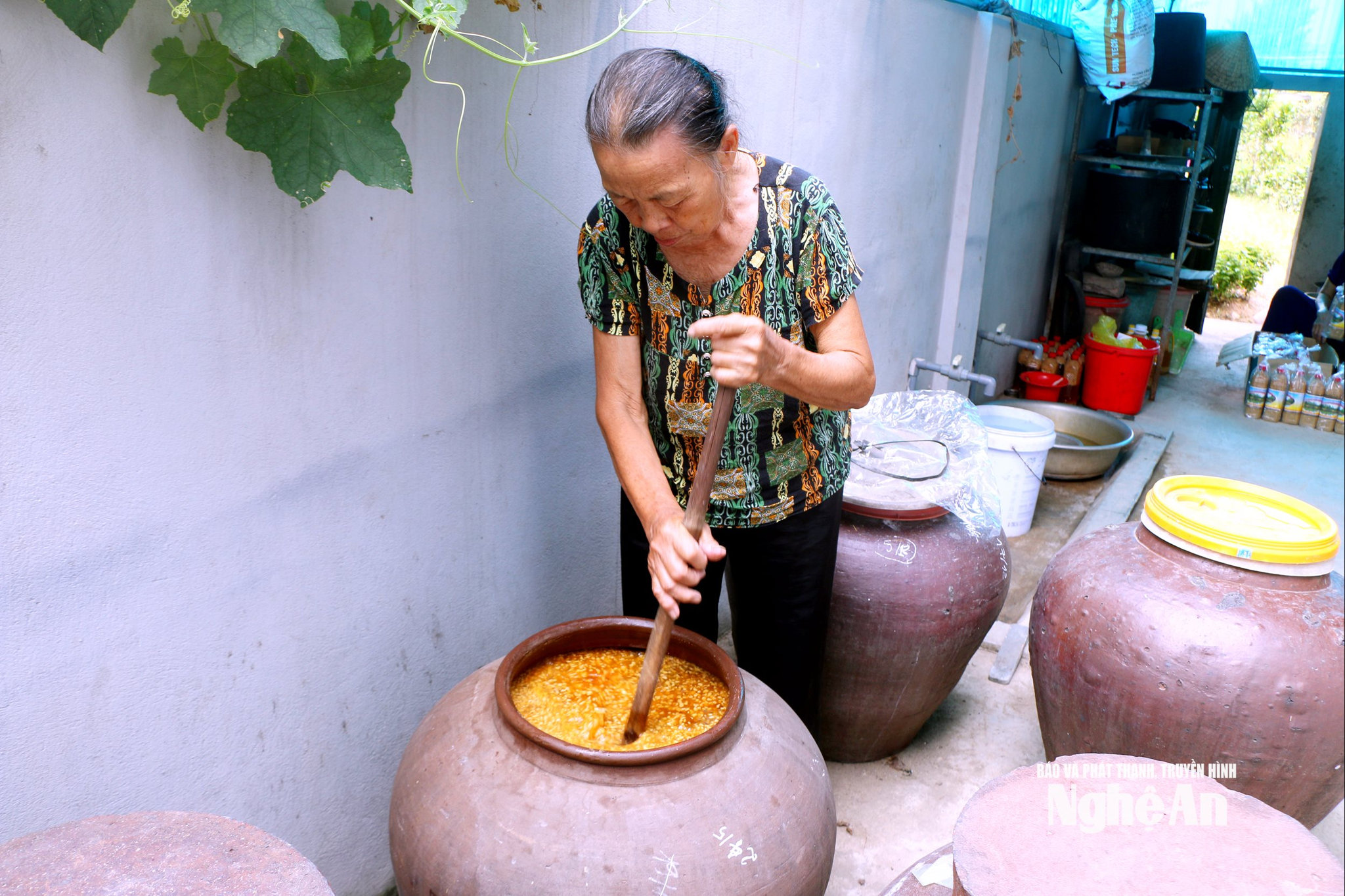
Upon reaching the entrance to the house of Mrs. Nguyen Thi Thuy (85 years old) - a former Standing Committee member of the Nam Dan District Party Committee (old), one can already smell the aroma of cooked beans mixed with sticky rice mold emanating from the time-worn jars of soy sauce.
Stopping her work of bottling the glistening, amber-colored soy sauce, Mrs. Thuy smiled gently and recounted the profession that had been hers for over seven decades.
In the past, when life was still full of hardships, soy sauce was a familiar dish in every family. Just a bowl of soy sauce with a plate of boiled vegetables, a few pickled eggplants, or a pot of braised fish was enough to make a flavorful meal.
Ms. Thuy learned the craft from her maternal grandmother and mother when she was only 13 years old. Back then, the family only made soy sauce for home use, to entertain guests, or as gifts for relatives.
It wasn't until her retirement that Ms. Thuy fully dedicated herself to the craft, both to supplement her income and to preserve the traditional craft of her hometown. At one point, she was even trusted enough to be elected as the President of the Soy Sauce Making Association in the former Nam Dan district.
According to her, the secret to making fermented soybean paste today remains essentially the same as it was passed down from her ancestors. From selecting each bean, each measure of glutinous rice, each grain of salt, to the source of clean, impurity-free water, everything must be carefully chosen.

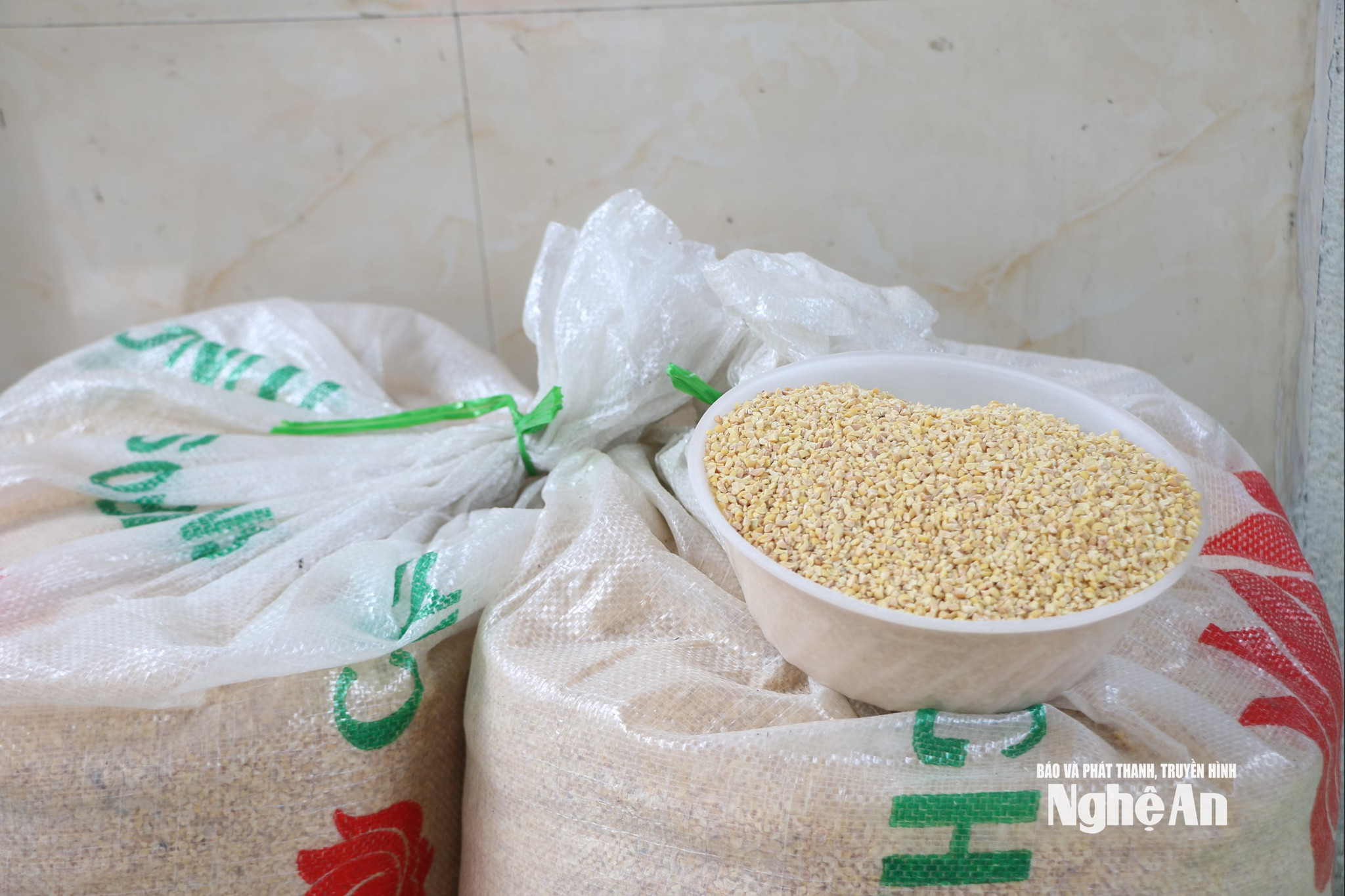
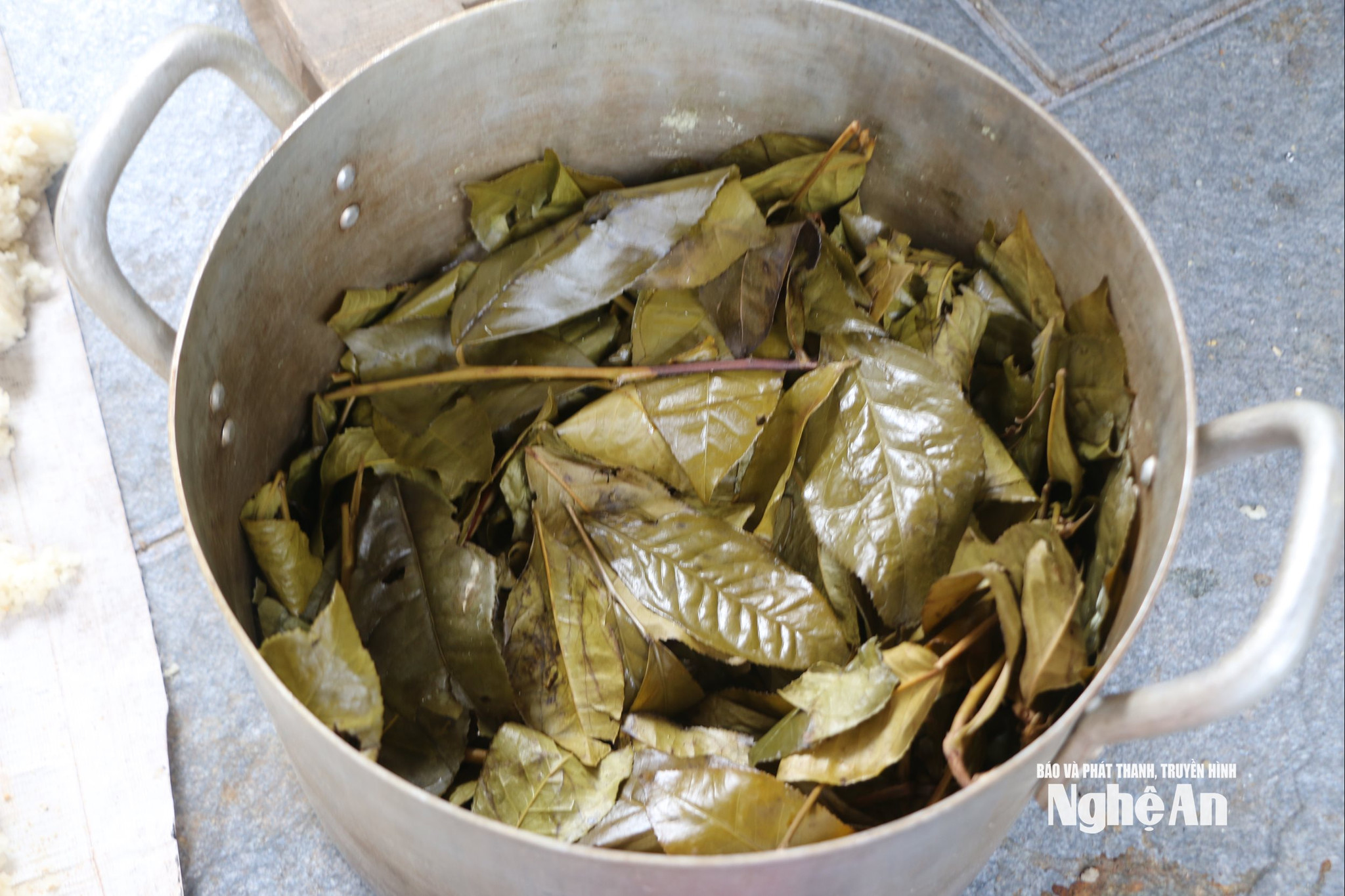
The soybeans must be round, firm, and uniformly yellow, grown on the alluvial plains along the Lam River. The glutinous rice used for making the mold must be fresh, fragrant, and sticky. The salt must be large, white, and thoroughly dried to reduce bitterness. Even the water used to make the soy sauce must be rainwater or clear well water, and the longan leaves used for fermentation must be harvested at the right stage, clean, and naturally fragrant.
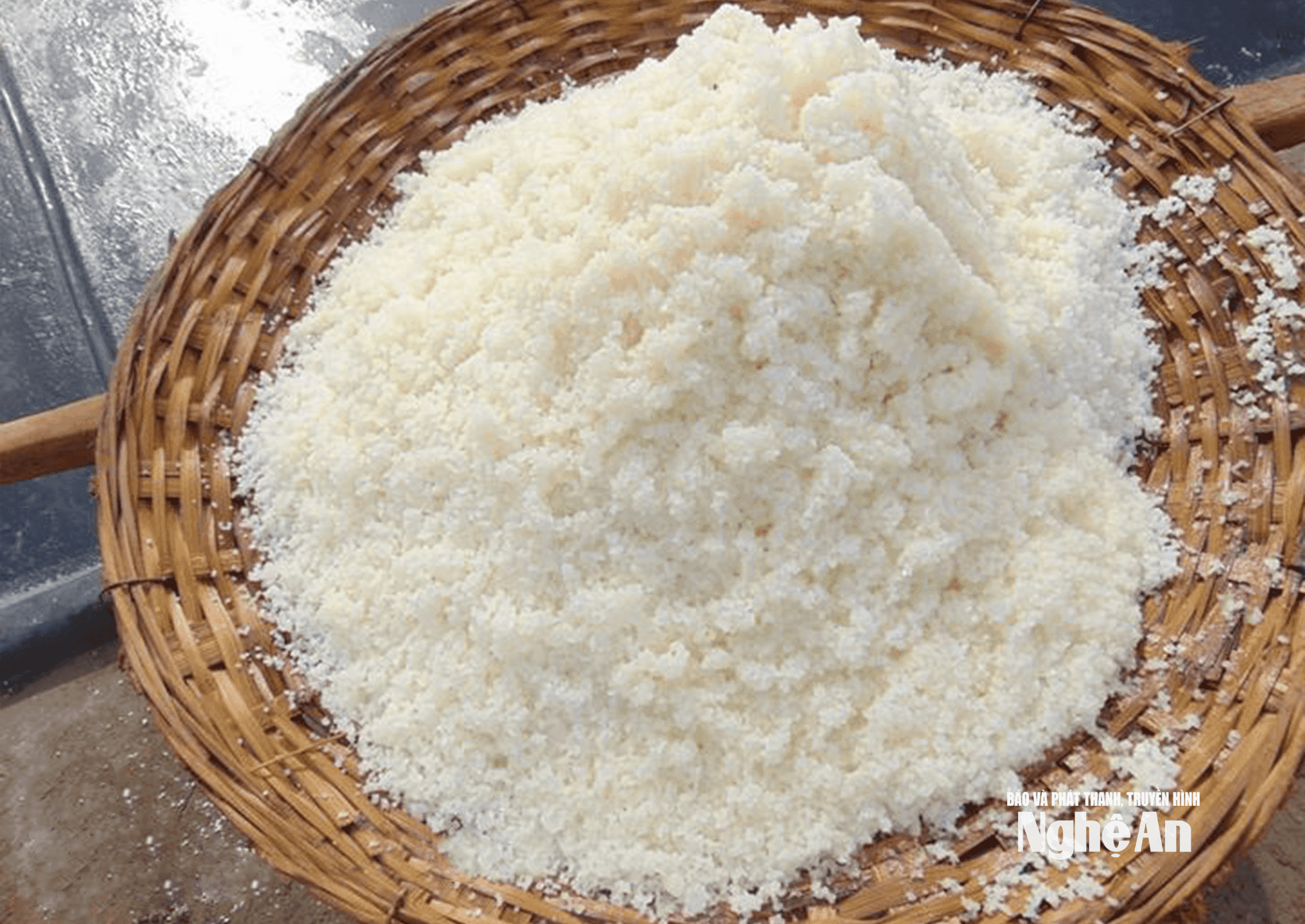
Each ingredient, though simple, contributes to the unique flavor of this soy sauce that cannot be found anywhere else.
"Now that I'm old, I don't make soy sauce for a living anymore, but mainly to preserve the craft of my ancestors. I make as much as my regular customers order," Mrs. Thuy said gently.
In Van An commune, people often say that making soy sauce seems easy, but it's a job that requires "measuring the sun and counting the wind." Just one mistake in the process can ruin an entire jar of soy sauce.
Therefore, those working in this profession need not only experience but also great perseverance and finesse.
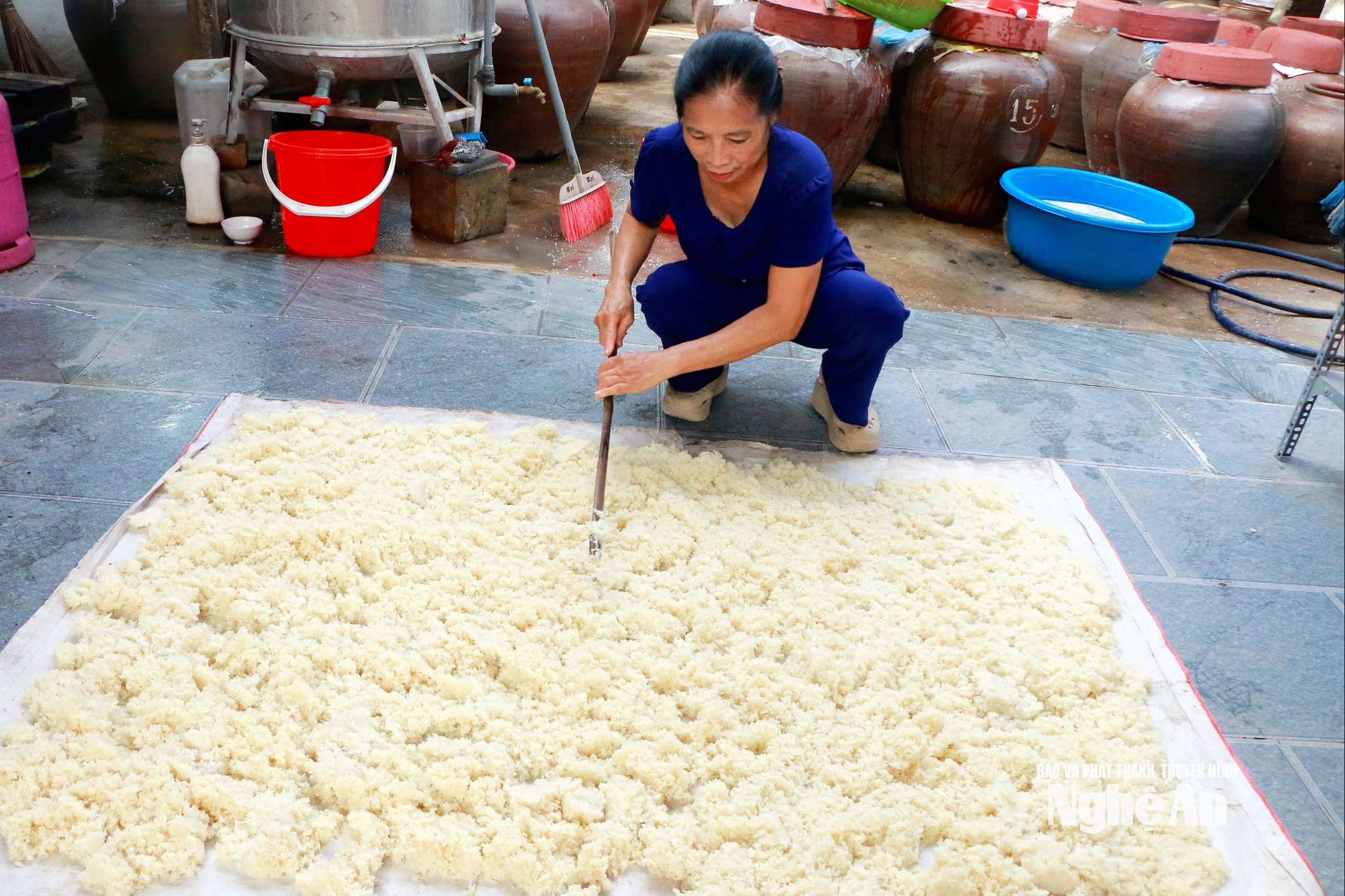
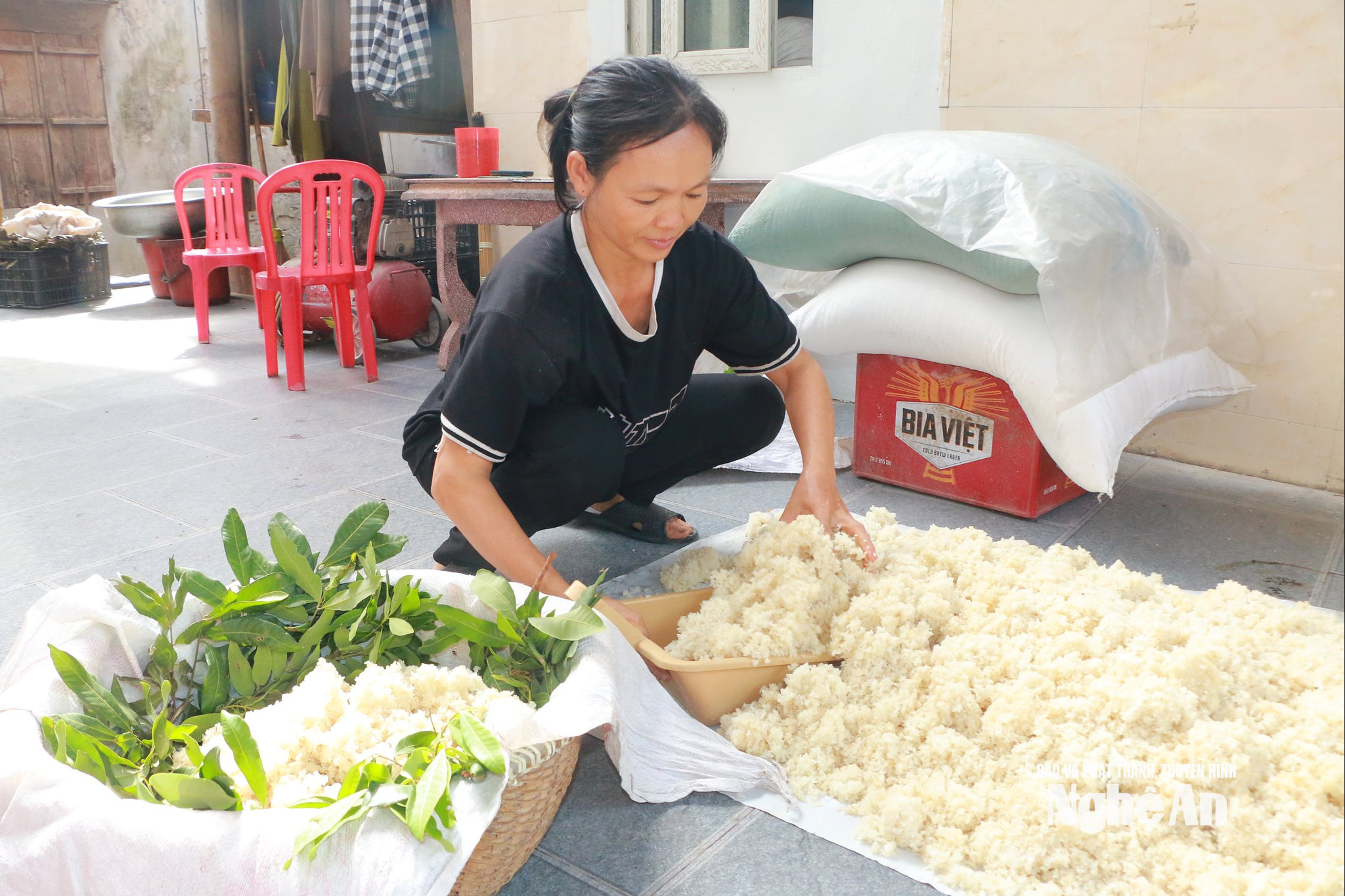
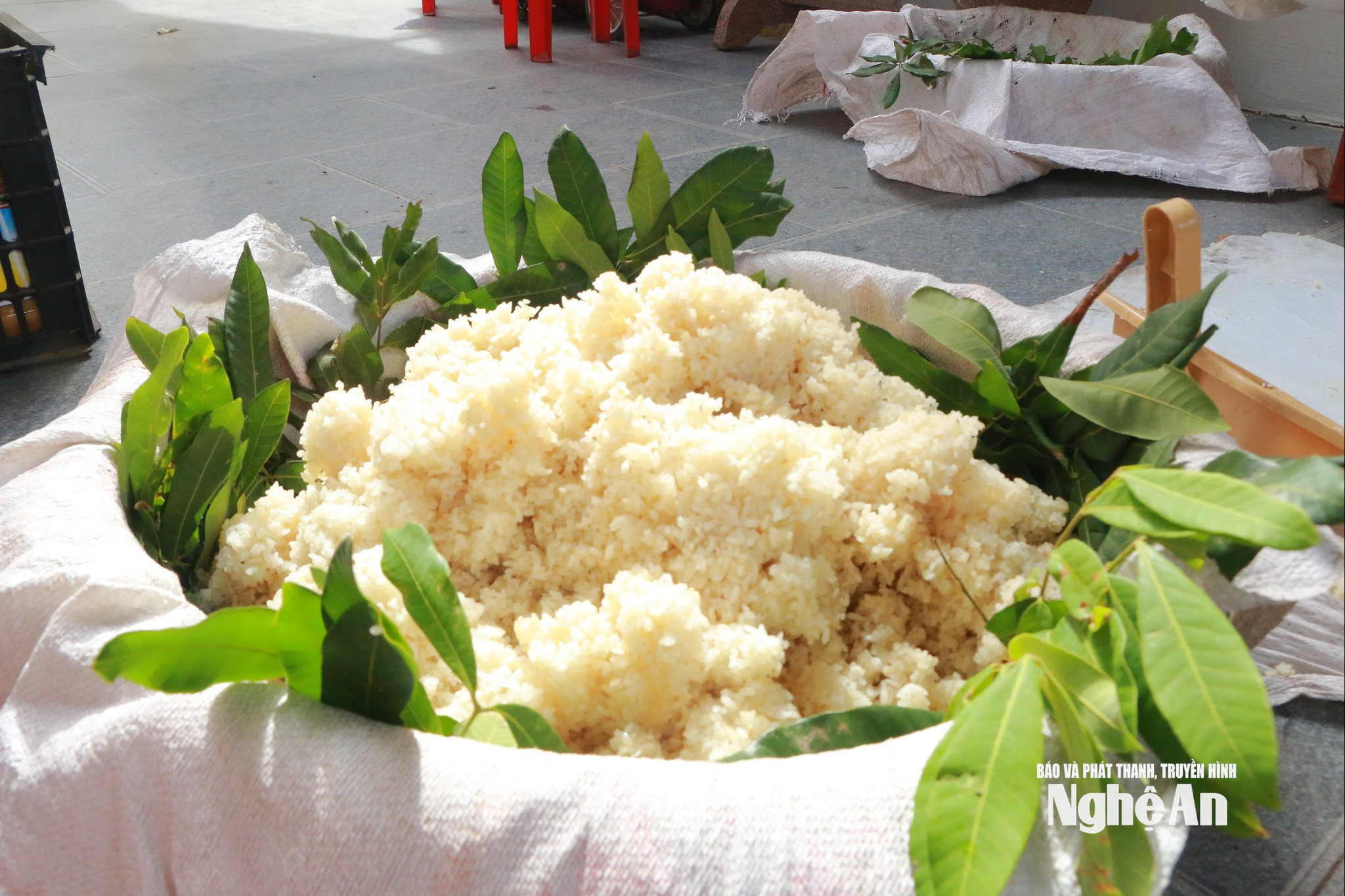
What gives soy sauce its soul is the mold. In the old days, when glutinous rice was scarce, people used corn to make the mold. Later, with better conditions, the mold was made from steamed glutinous rice. The rice was steamed until just cooked, cooled, then drizzled with strong green tea before being covered with longan leaves.
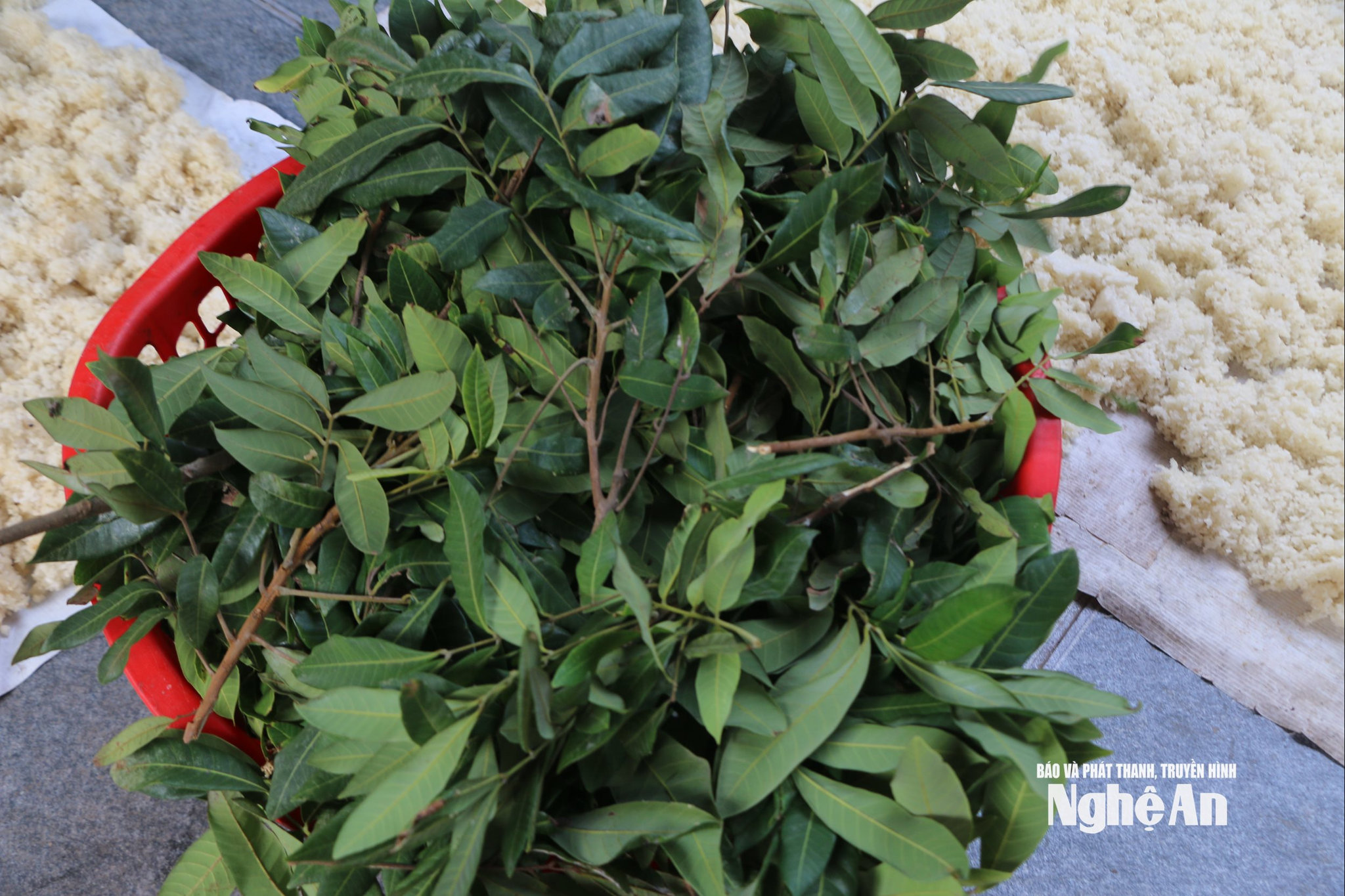
Having been involved in the profession for over 30 years, Ms. Nguyen Thi Hong - one of the large-scale soy sauce producers in Mai Hac De hamlet, Van An commune - shared: "Normally, the mold is fermented for about a week, but from the third or fourth day, the producers have to open it up to check."
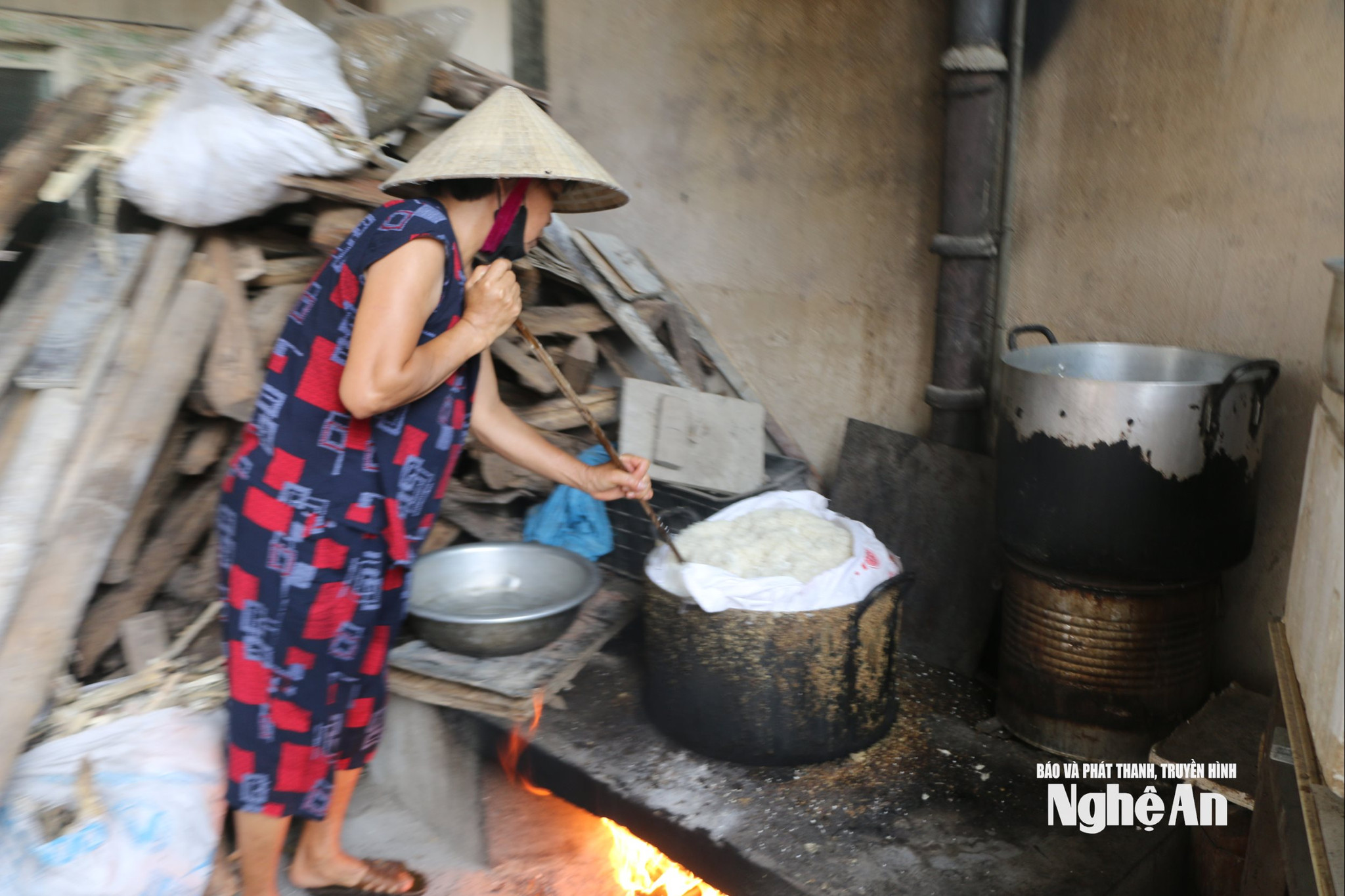
If the mold grows evenly, has a golden yellow color, and emits a mild aroma, it's considered successful. Afterward, the mold is dried in the sun and then ground into a fine powder in preparation for the soy sauce fermentation process.
"The more sun the mold gets, the more fragrant it becomes. Therefore, the soy sauce making business is almost only really bustling in the summer," Mrs. Hong said.
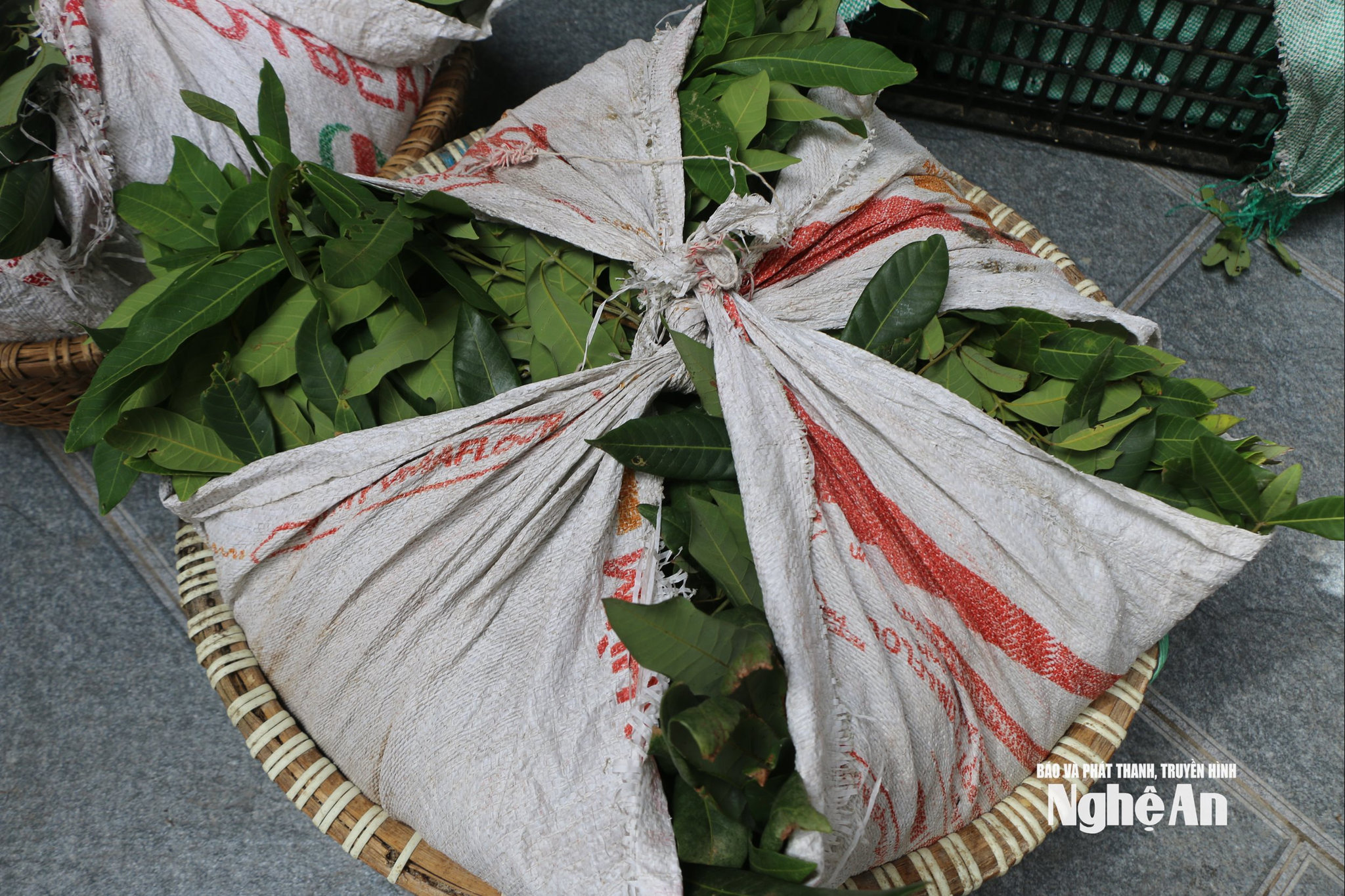
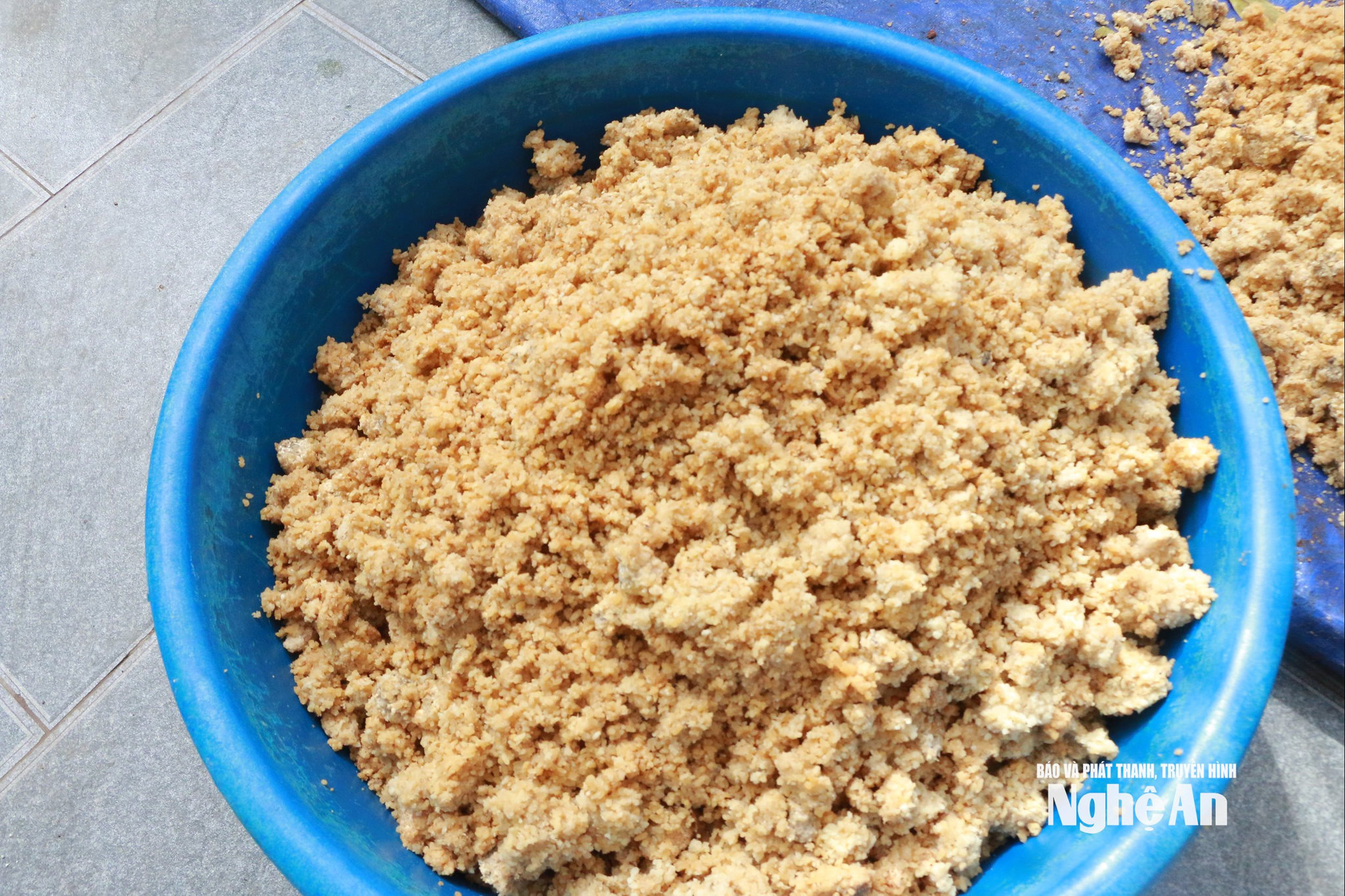
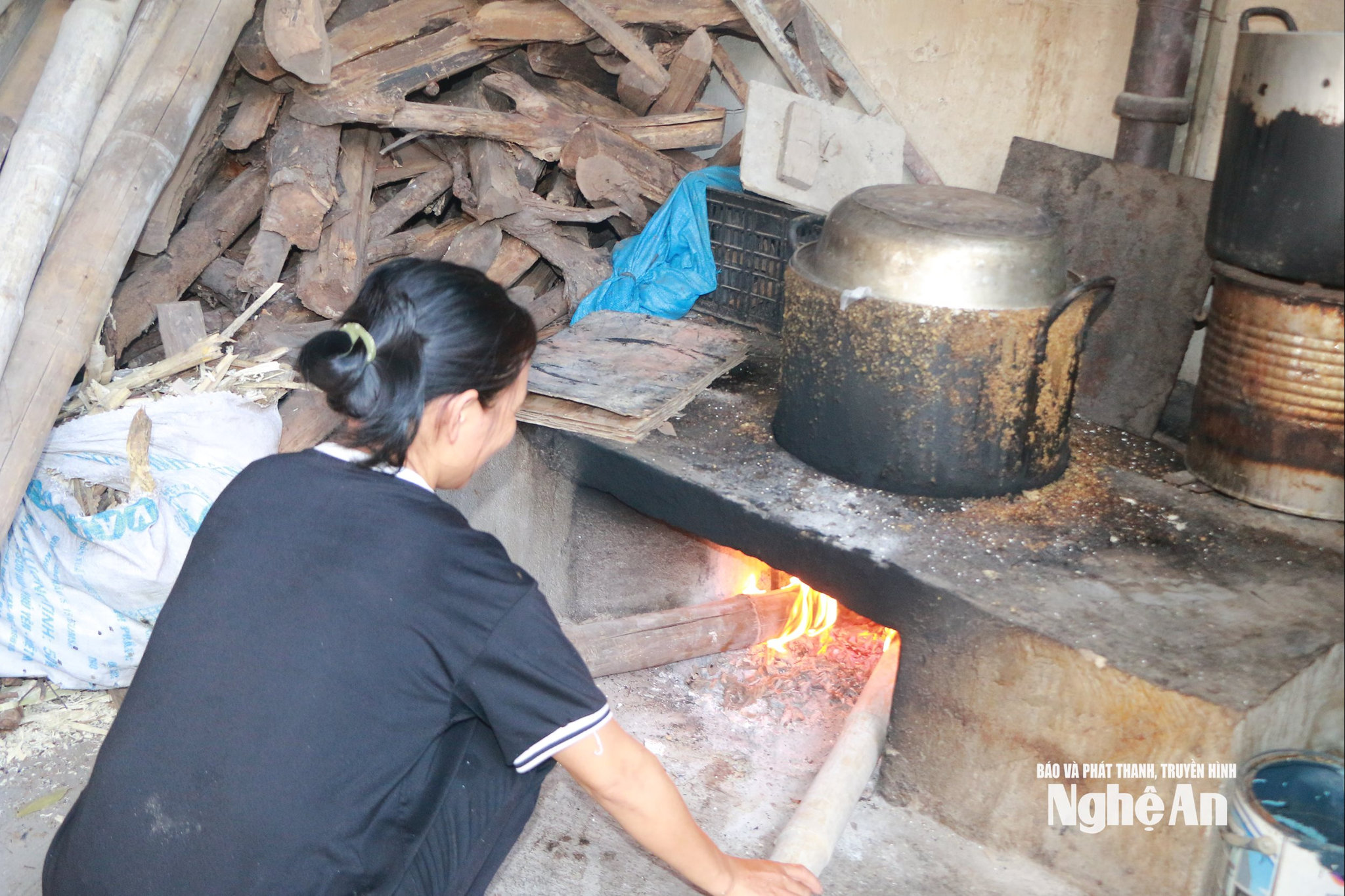
If making the mold is considered the "soul" of soy sauce, then processing the soybeans and fermenting them is the step that determines the final flavor. Carefully selected soybeans are roasted or dried until evenly cooked, then crushed and cooked continuously for many hours.
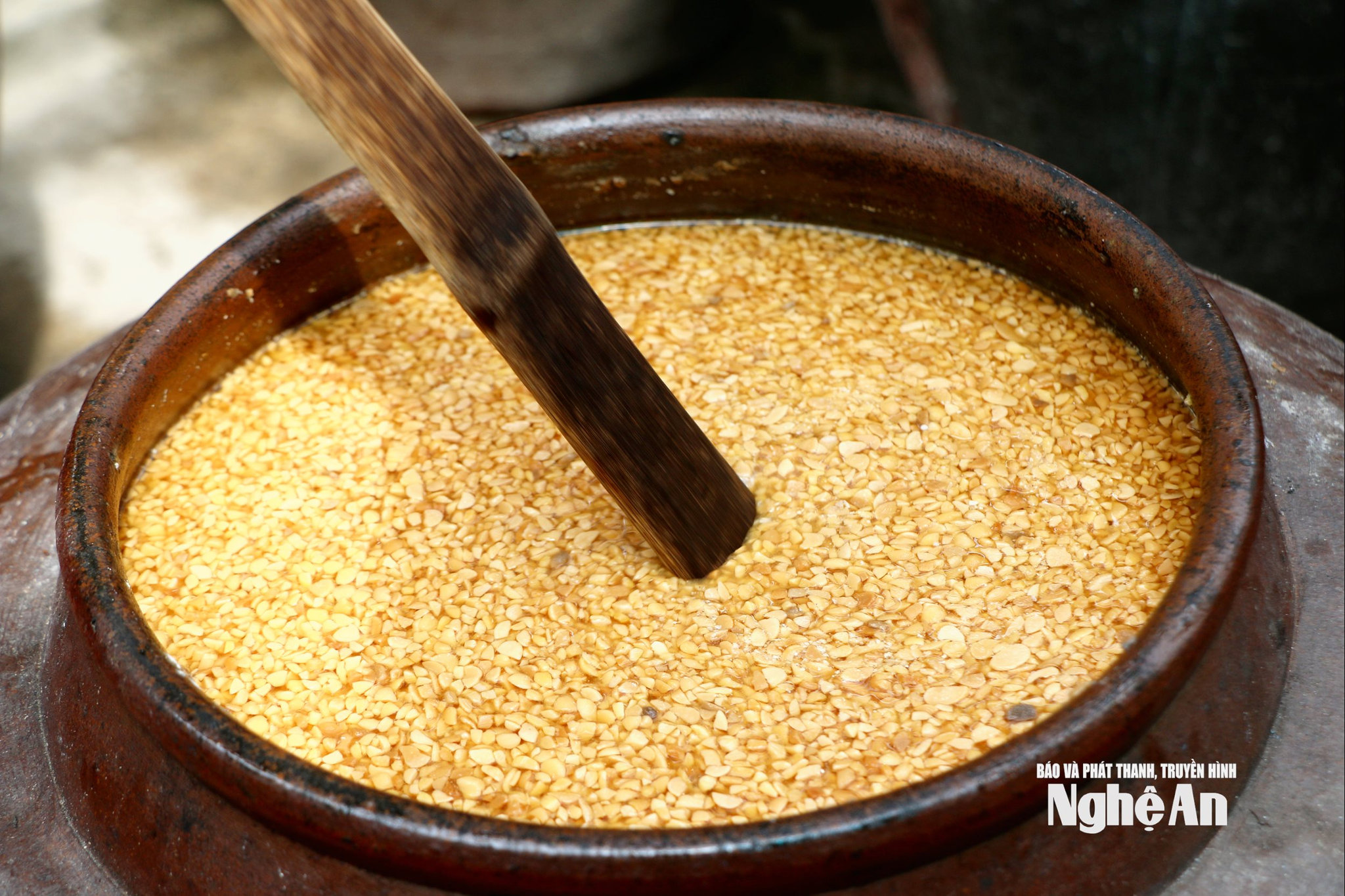
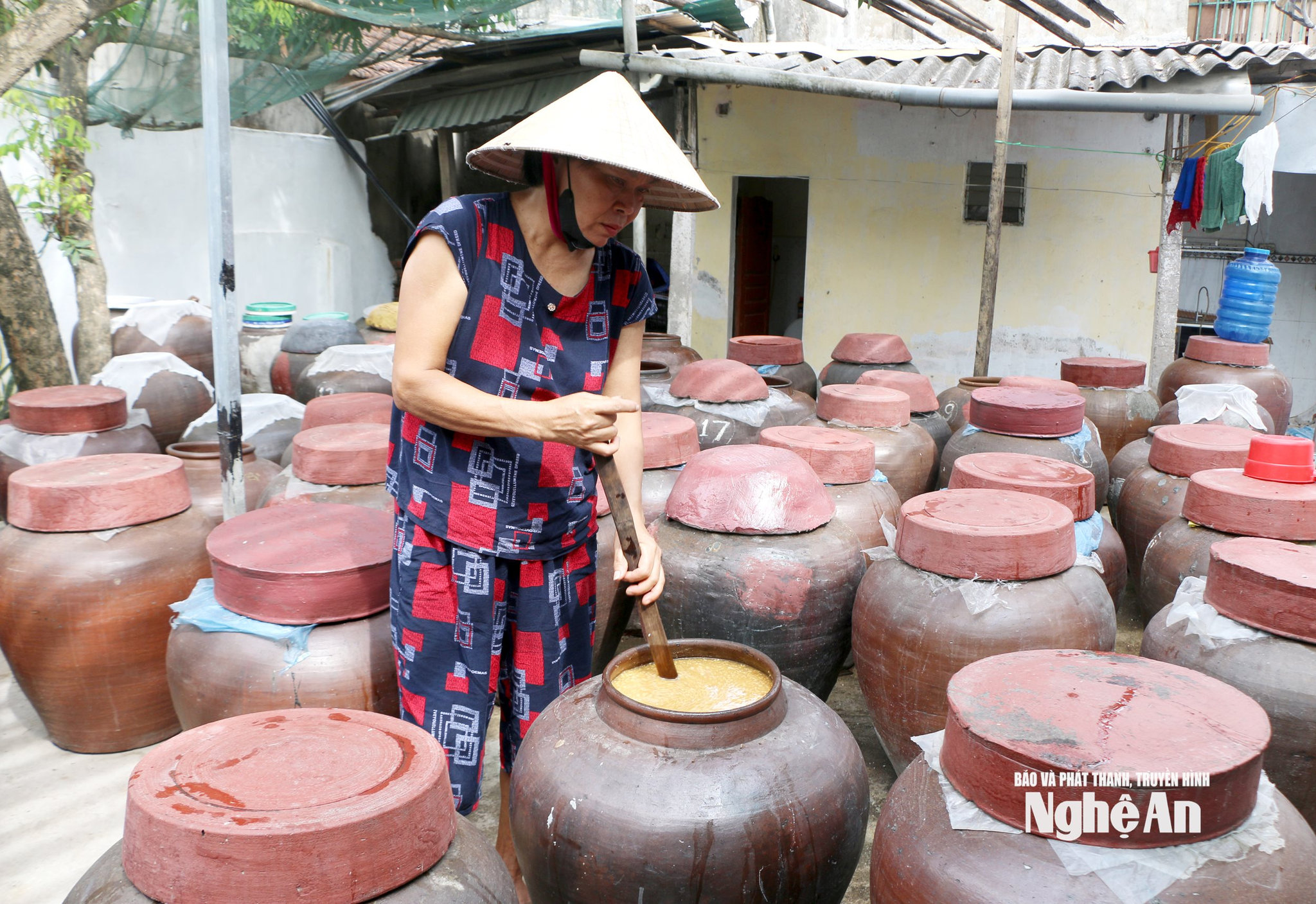
The process of fermenting the soybeans isn't over yet. For over a month afterward, the producers regularly wake up early in the morning to open the jars, using bamboo sticks to stir the mixture so that the water, mold, and soybeans blend together.
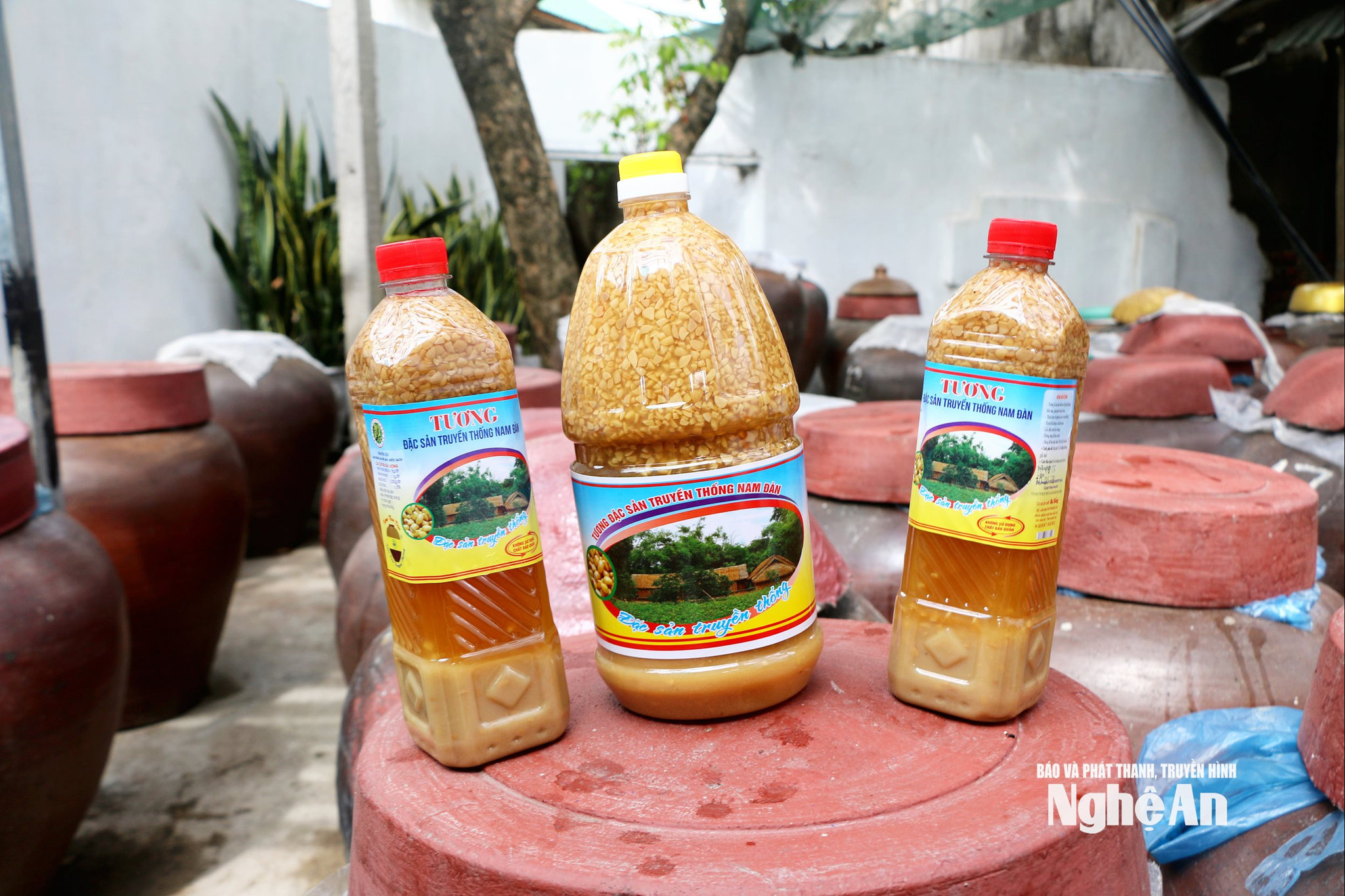
According to experienced condiments, good quality soy sauce should not be used too soon after preparation.
After about a month, the soy sauce still has a strong salty taste. It takes from one and a half to two months for the ingredients to fully blend together, creating its characteristic aroma.
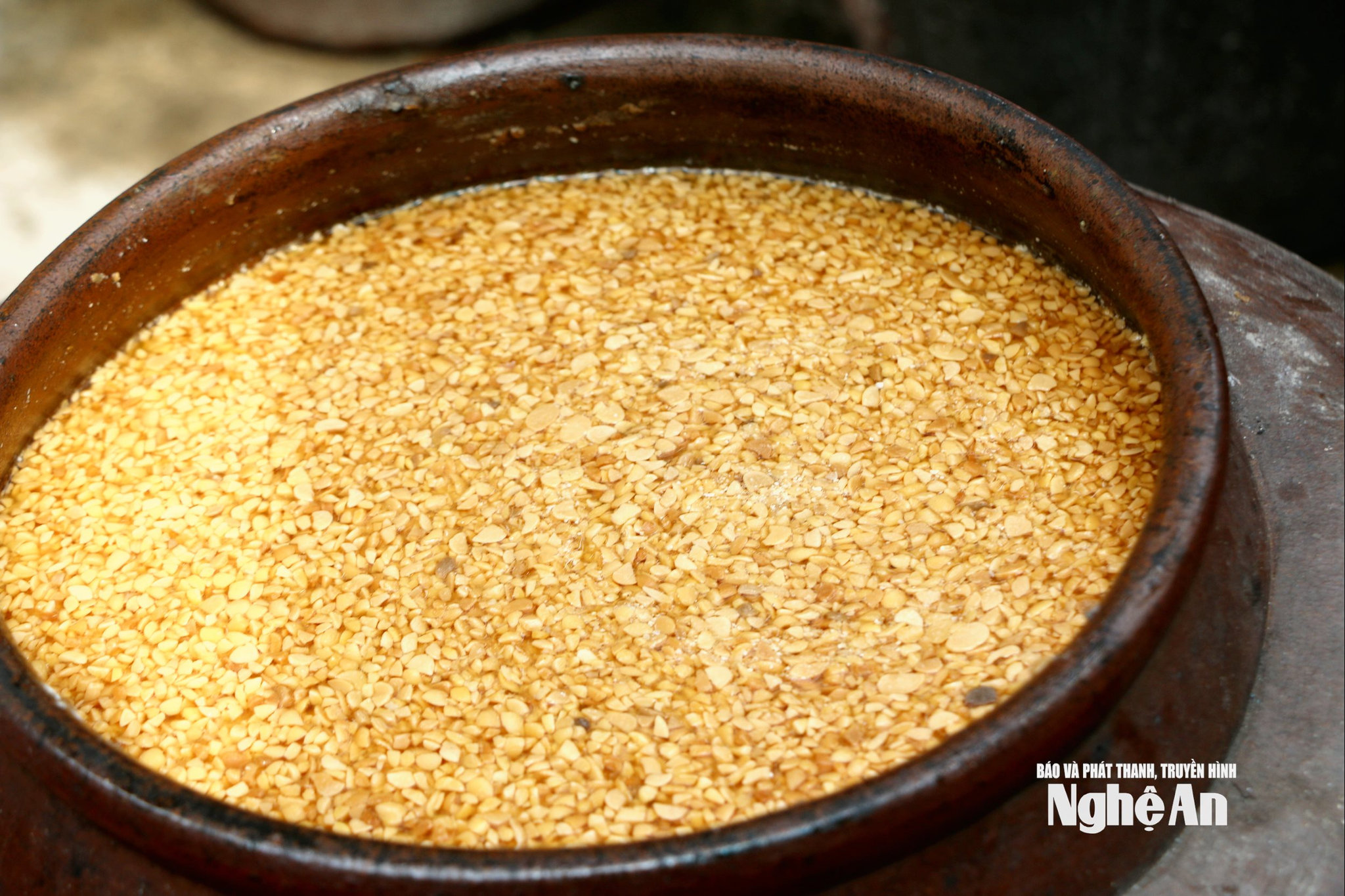
When the jar is opened, a delicate aroma wafts up, and upon closer inspection, the soy sauce is clearly separated into three layers: a layer of soybeans floating on top, a layer of clear liquid in the middle, and a layer of mold settled at the bottom—this is a sign of a jar of high-quality soy sauce.
Before serving, simply stir well, and all the flavors will blend together, creating a delicious taste unlike any other dipping sauce.
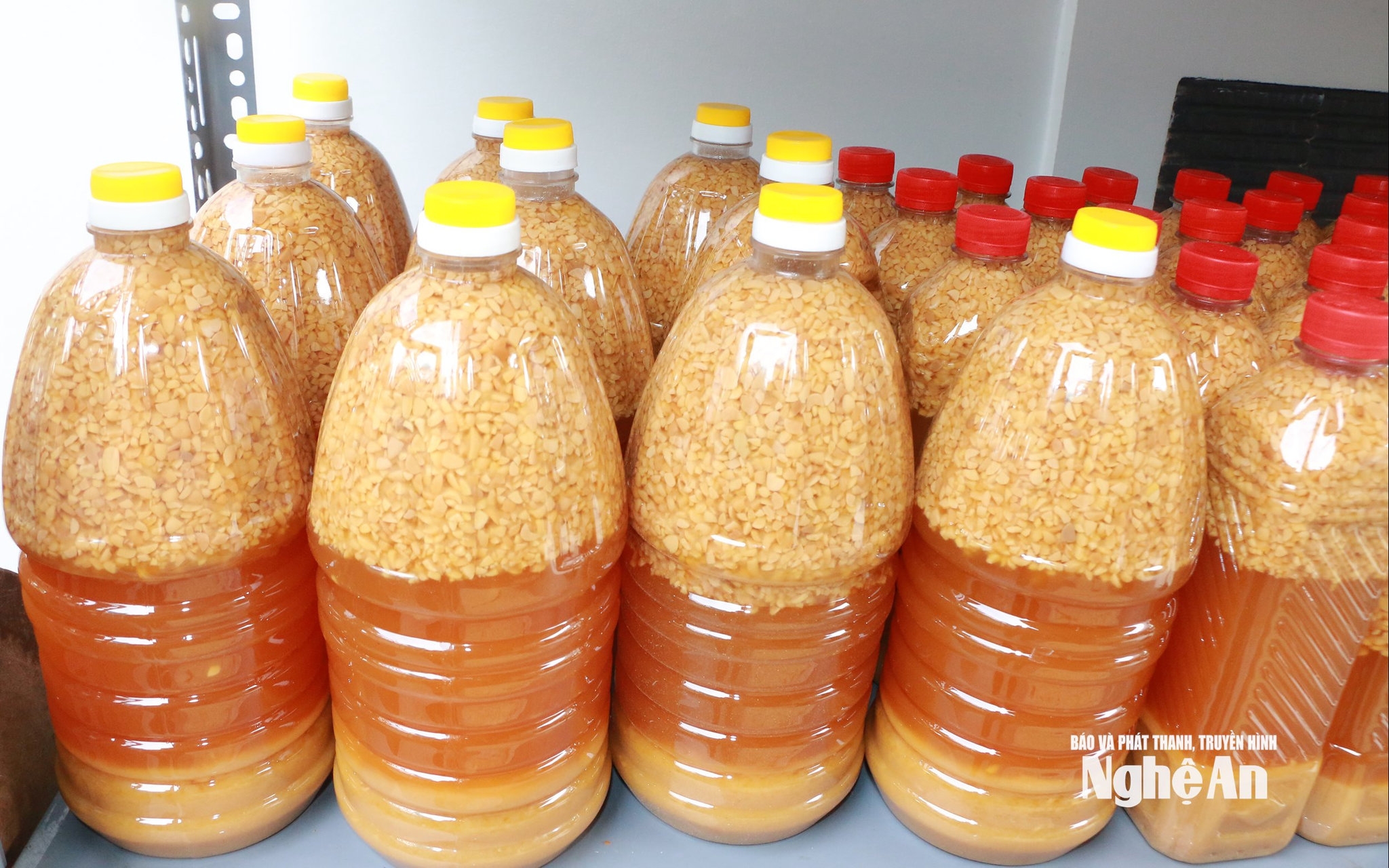
Thanks to preserving traditional processing methods, soy sauce brands produced in the former Nam Dan area are becoming increasingly well-known to consumers.
For large-scale producers like Mrs. Nguyen Thi Hong's family, they can supply 3,000-5,000 liters of soy sauce per month, creating regular jobs for a number of local workers and providing a stable source of income.
.png)
Like many other traditional craft villages, the soy sauce making craft in the old Nam Dan region is facing numerous challenges. Although the market is expanding and the product is becoming more widely known, the number of people dedicated to the craft is dwindling over the years.
In Mai Hac De hamlet, Van An commune, only a few households still practice the traditional craft. According to Ms. Dau Thi Quang, Head of the Front Committee of Mai Hac De hamlet, most of the soy sauce production process is still done manually, requiring perseverance.
Those who have been in the profession for a long time are getting older, while the younger generation is less interested in a job that requires a lot of effort but doesn't yield high profits.
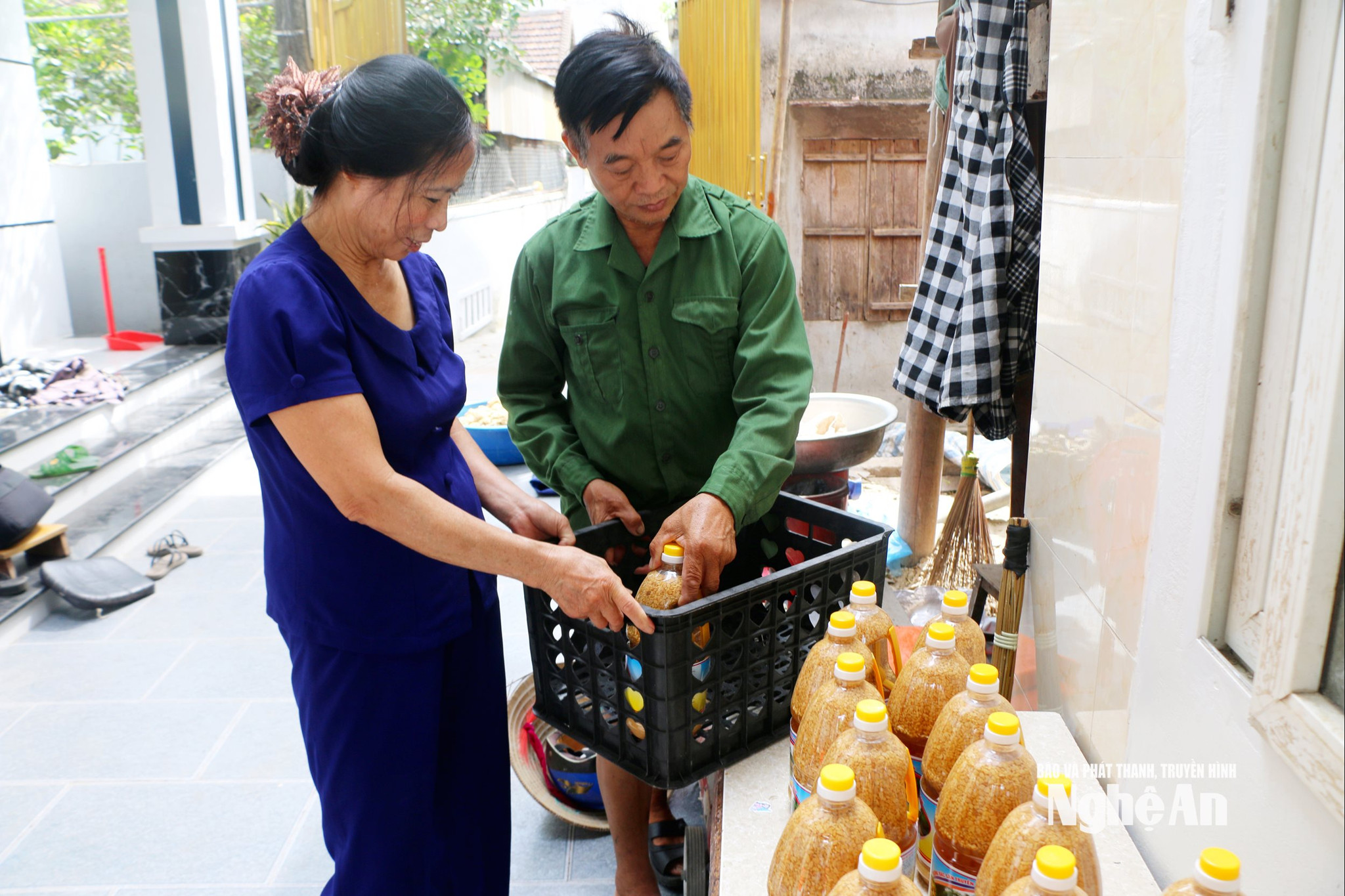
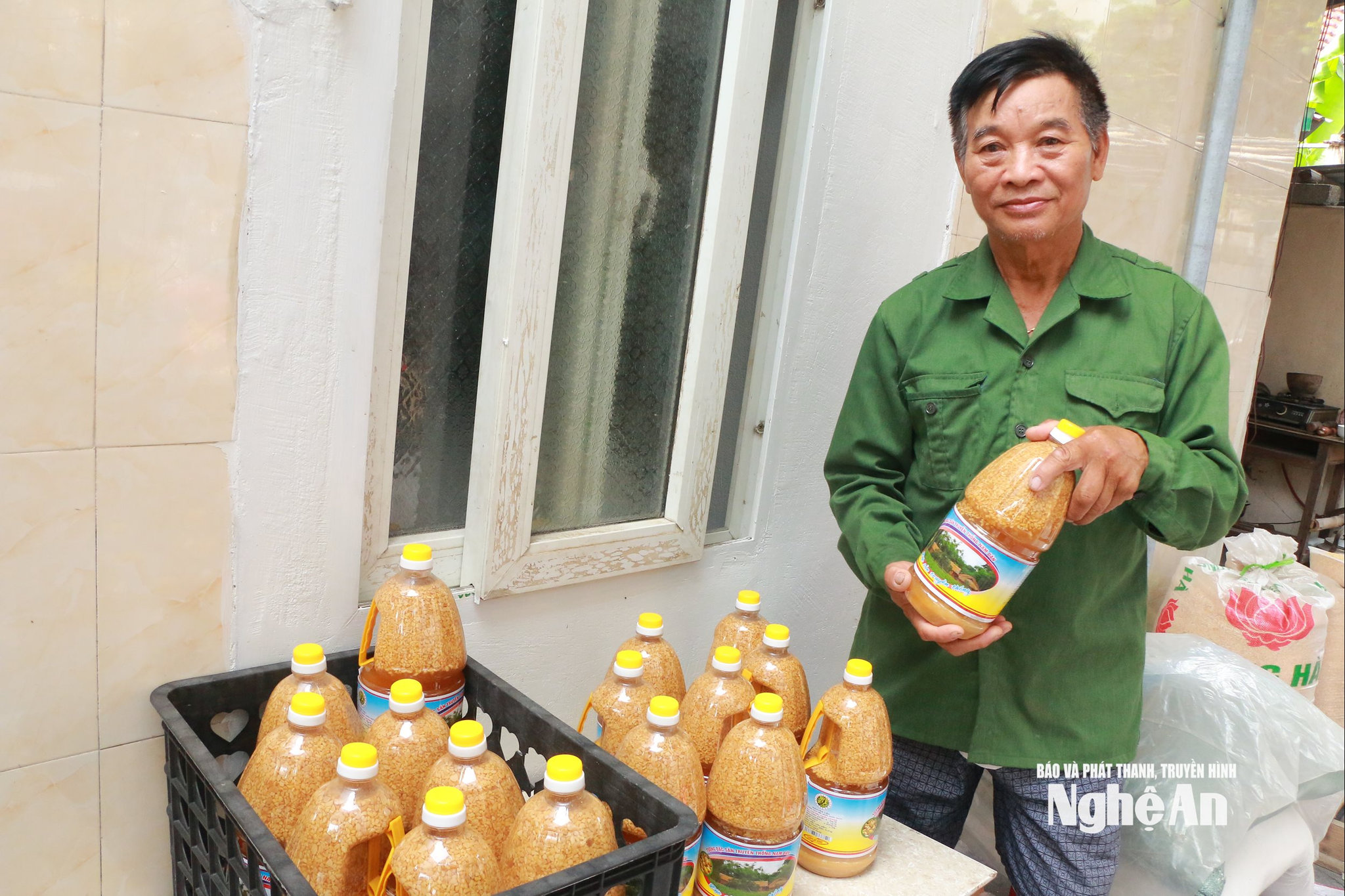
Therefore, out of approximately 450 households in the block, only a few families still maintain the soy sauce making craft. This concern is also clearly reflected in the eyes of Mr. Pham Hai Duong - former head of the soy sauce making village in Phan Boi Chau block, Van An commune.
At over 80 years old, his memories of the village's golden age remain vivid. "There was a time when the whole village made red chili paste year-round."
"Dozens of households worked together to produce soy sauce, yielding hundreds of thousands of liters each month. My family alone produced 18,000 to 20,000 liters a month. Now, many have quit the trade, and only a few are trying to keep it going," Mr. Duong recalled nostalgically.
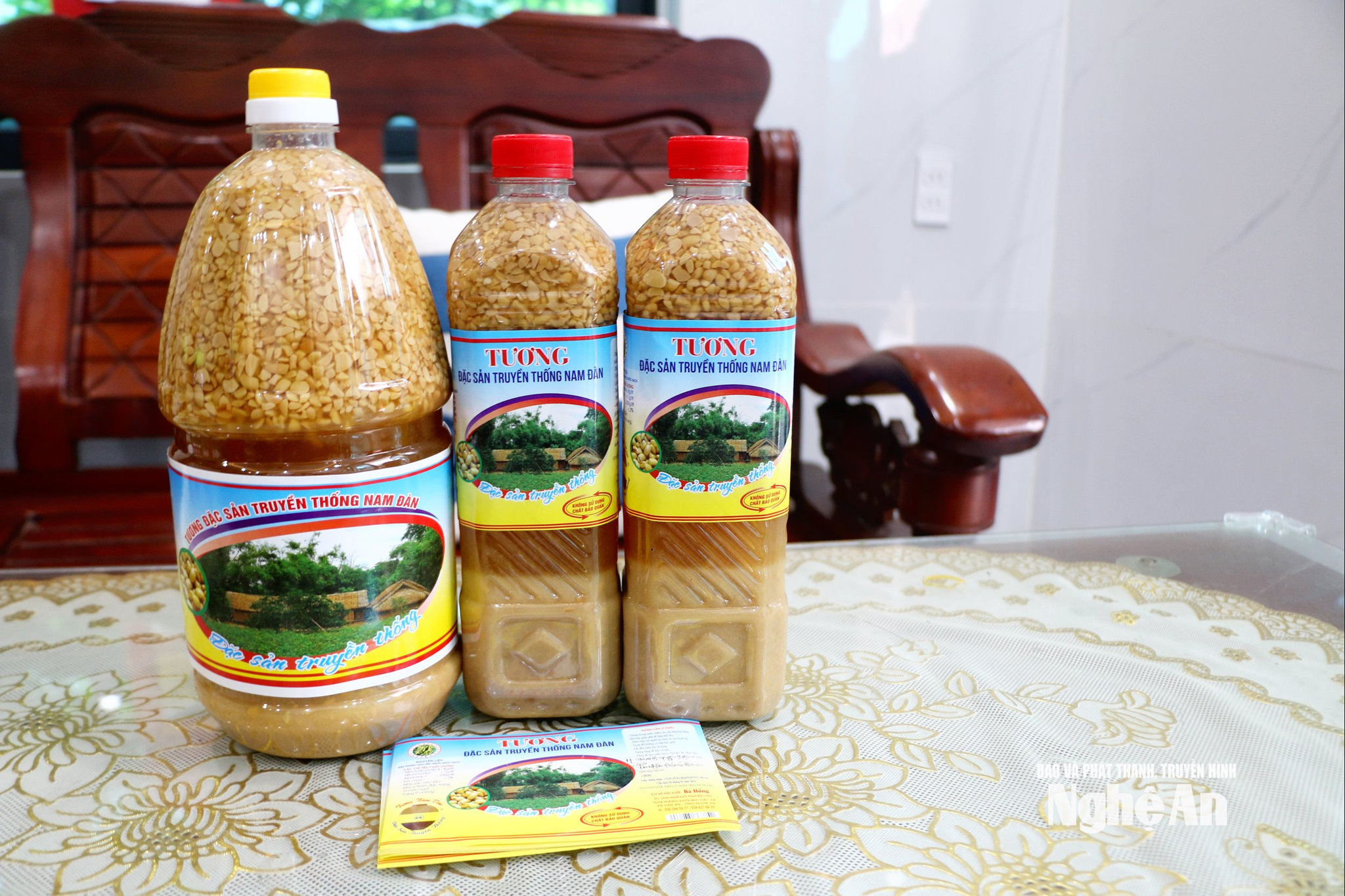
Amidst these challenges, building a brand, standardizing production processes, and developing OCOP products are considered crucial directions for the continued survival of the soy sauce-making craft.
Instead of just selling in the traditional way, many businesses have focused on investing in packaging and labeling, improving quality, expanding distribution channels, and promoting their products at trade fairs inside and outside the province.
A typical example is the Sa Nam Huong Duong Soy Sauce Production and Processing Agricultural Cooperative in Dai Hue commune.
Achieving OCOP 3-star certification means standardizing the entire production process, from raw materials and food safety to traceability. This not only helps products affirm their quality but also opens up opportunities to access many new markets, builds consumer trust, and helps the cooperative's revenue grow steadily year after year.
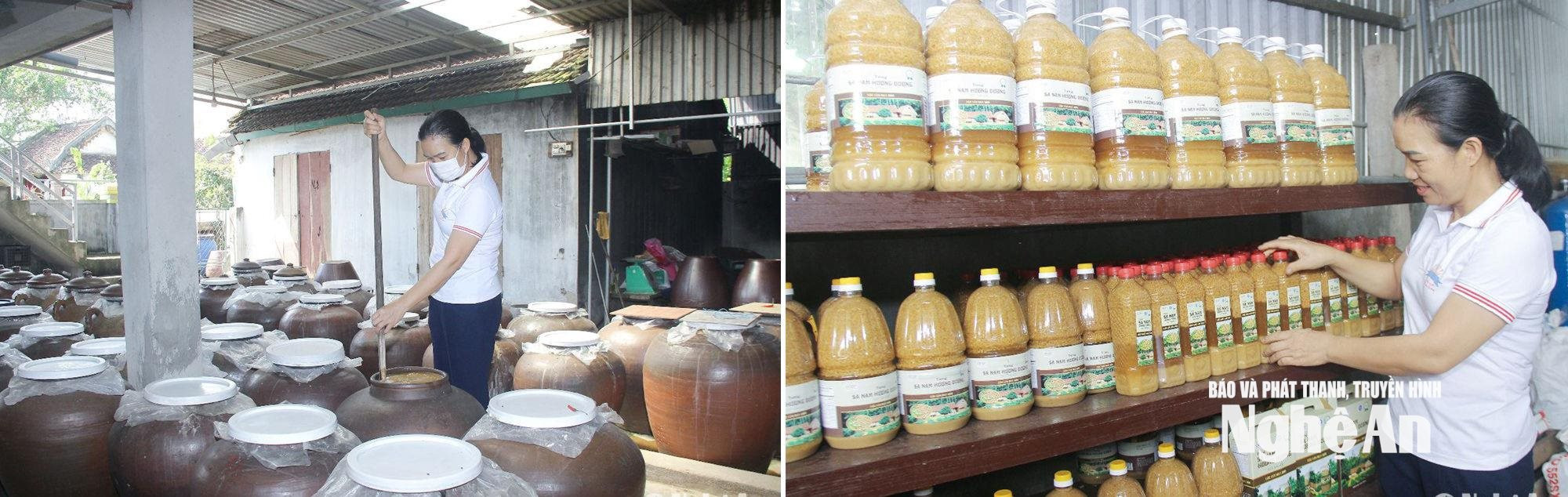
Many households have also proactively upgraded their products to keep up with market demands. The bottles containing soy sauce are now more attractively designed, with labels and traceability codes, helping to bring this local specialty beyond the village boundaries, making it available on e-commerce platforms, in organic produce stores, and in the luggage of countless tourists.
At 80 years old, Mr. Pham Hai Duong and his wife, who is over 70, still diligently work with their familiar jars of soy sauce. Each month, his family only produces about 2,000 liters, with a modest profit (around 10 million VND per month after deducting expenses), but what prevents him from stopping is "the love for the craft that his ancestors have preserved for generations."
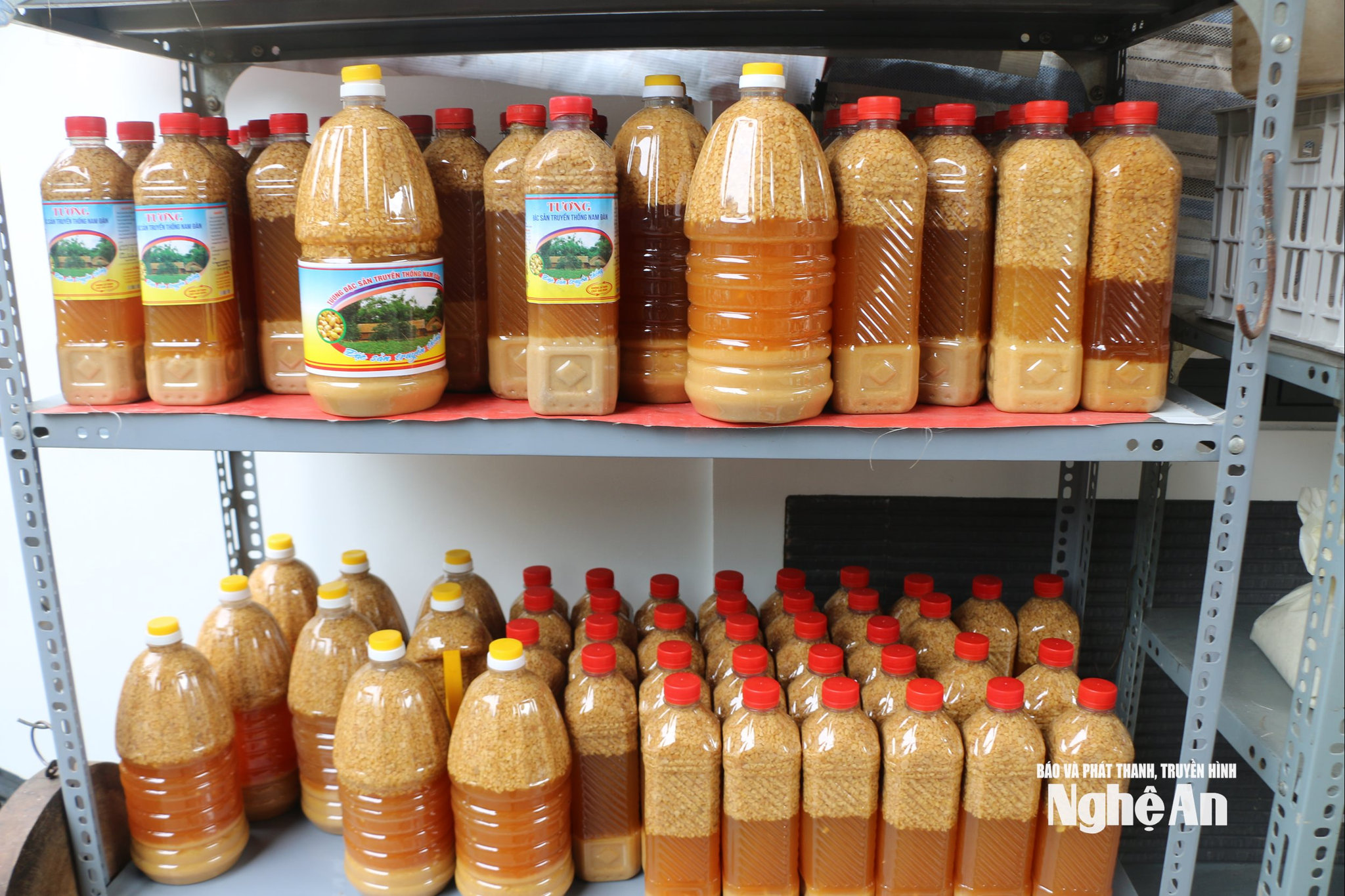
For those from Nghe An living far from home, simply opening a bottle of soy sauce is enough to awaken a whole realm of childhood memories with its familiar aroma.
Ms. Nguyen Thi Minh, originally from Nhien Nhan commune and currently living in Hanoi, shared that whenever relatives from her hometown visit, the first thing she always asks them to buy is a few bottles of soy sauce. Just a bowl of boiled water spinach, a plate of pickled eggplant, or a pot of braised fish with a little of her hometown soy sauce is enough to bring the whole family back to the home-cooked meals of their mother's hometown.
That flavor cannot be replaced by any industrial seasoning.
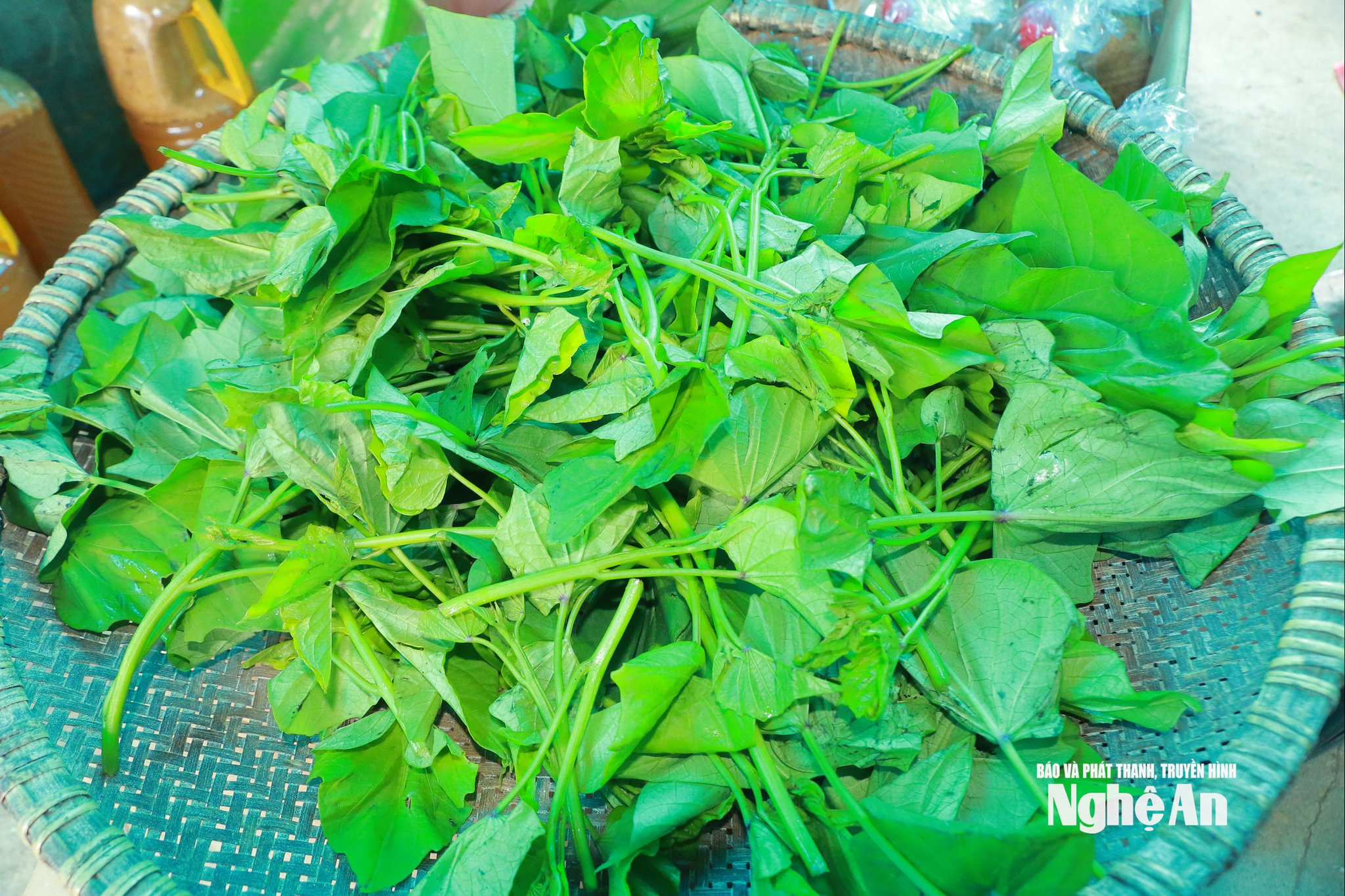
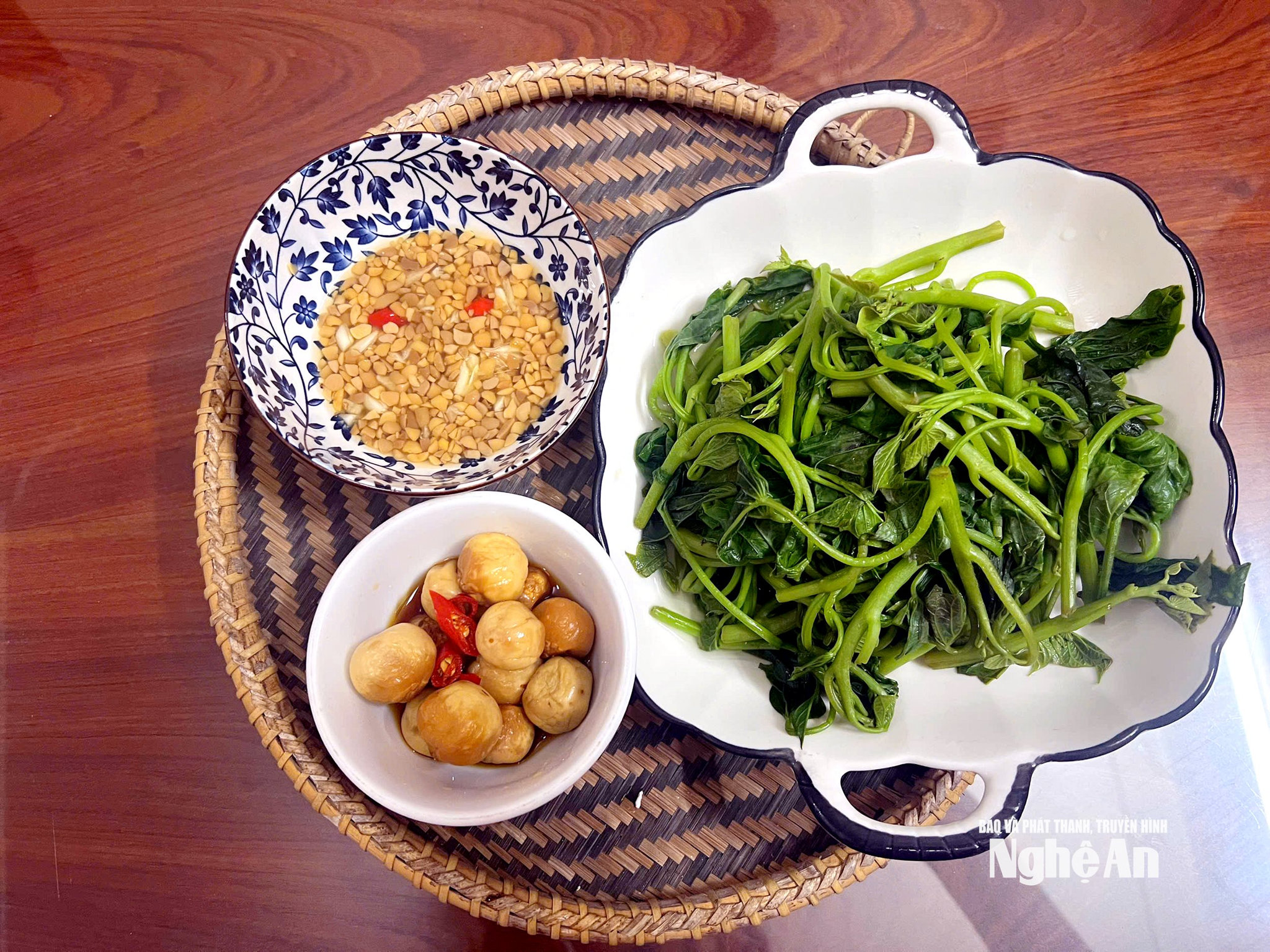
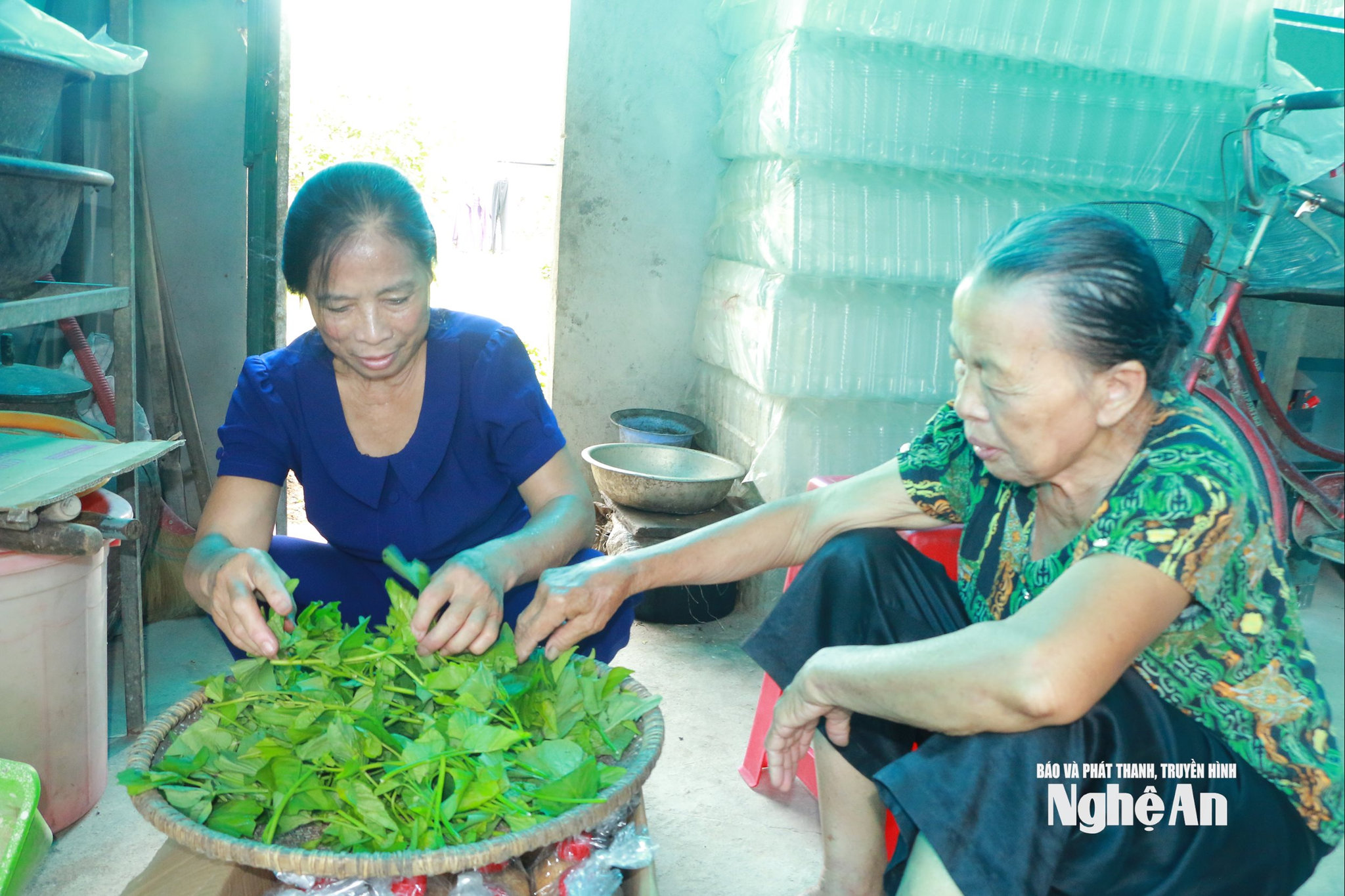
Today, Nam Dan soy sauce is no longer found only on the dinner tables of rural families.
This humble dipping sauce has followed diners to restaurants and eateries, becoming a signature condiment when served with boiled vegetables, veal, goat meat, pork, or fragrant sticky rice dishes.
Many people skillfully add a little sugar, garlic, ginger, and chili to create a harmonious, flavorful dipping sauce that still retains the essence of traditional soy sauce.
.jpg)
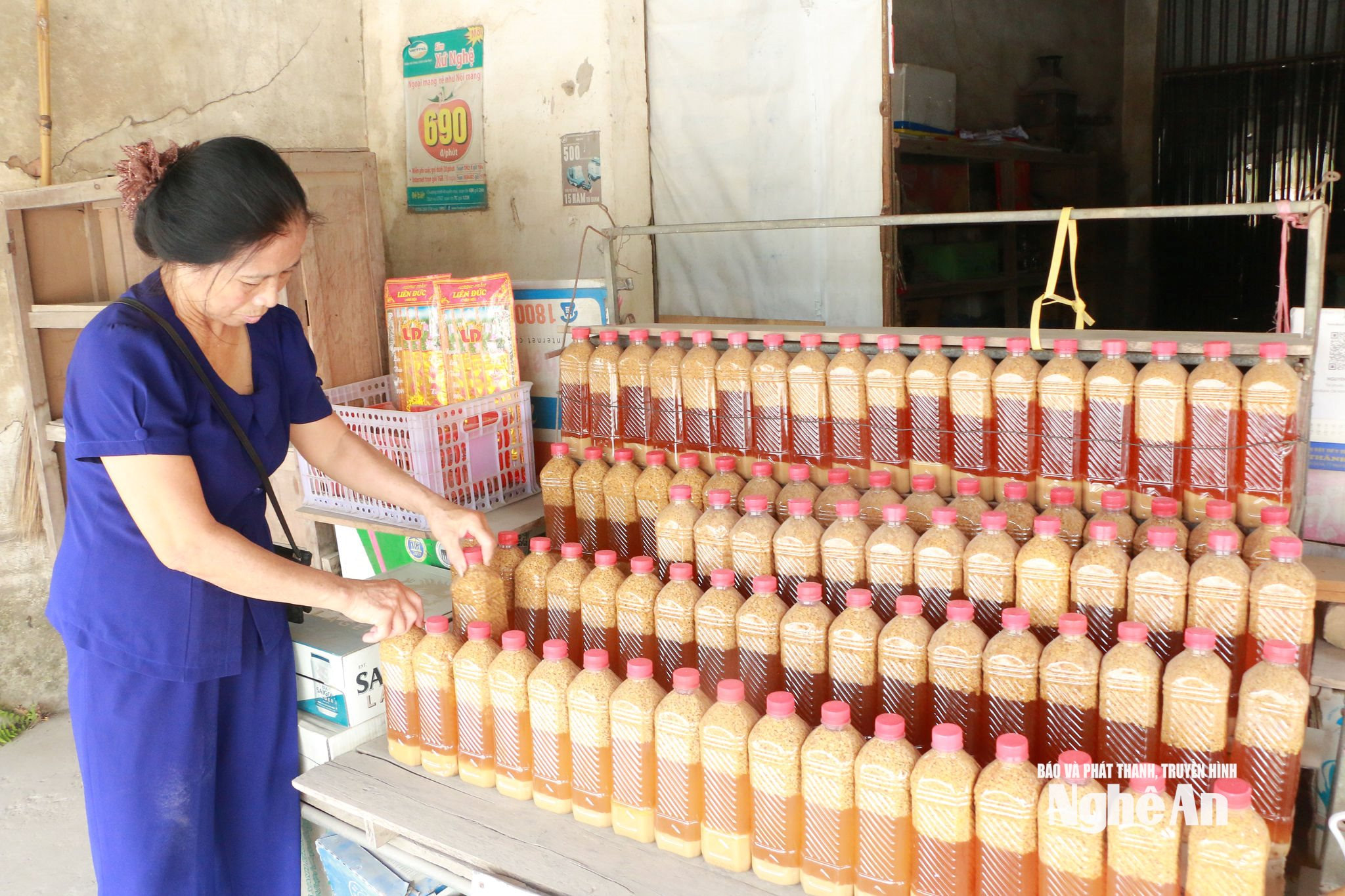
Amidst the hustle and bustle of modern life, where many traditional flavors are gradually being forgotten, earthenware jars of soy sauce still quietly bask in the sun, carefully extracting the essence of soybeans, salt, and fragrant glutinous rice to preserve a part of the memories of Nghe An's countryside.
Perhaps that's why, whenever soy sauce is mentioned, people remember not only a dipping sauce, but also the people who have dedicated their lives to pouring their love for their homeland into every single, shimmering drop of soy sauce:"As I leave, I miss my homeland / I miss the water spinach soup, I miss the pickled eggplant with soy sauce..."
.png)