

Repeated attacks on Russian territory: What is Ukraine gambling on?
As towering flames erupted from oil refineries in Russia's Volga region, from strategic fuel depots and warehouses thousands of kilometers from the border, and as a series of explosions rocked logistical infrastructure in Crimea, the Russia-Ukraine conflict officially entered a new, more intense and complex chapter than ever before.
.png)
Perform: Thu Trang|Design:Huu Quan •6/8/2026
As towering flames erupted from oil refineries in Russia's Volga region, from strategic fuel depots and warehouses thousands of kilometers from the border, and as a series of explosions rocked the logistical infrastructure of the Crimean Peninsula, the Russia-Ukraine conflict officially entered a new, more intense and complex chapter than ever before. No longer confined to trenches or fierce attrition battles in Donbass, the conflict has now expanded into the strategic space within Russian territory. These are not simply spontaneous acts of military retaliation, but a carefully calculated geostrategic maneuver by Kyiv. However, behind this ambition to change the course of events lies a risky gamble: Will striking at Russia's rear be enough to force the Kremlin to the negotiating table, or will it trigger a new, uncontrollable spiral of escalation?

With an area of over 17 million square kilometers, Russia possesses a vast rear space, allowing many industrial, energy, and logistical centers to remain out of reach of conventional attacks. However, since the beginning of the year, Ukraine's airstrike map has recorded an unprecedented expansion in both geographical scope and target level, significantly complicating matters for Russia. While in 2025, Kyiv's long-range strikes were experimental and mainly limited to border areas like Belgorod or Kursk, the current wave of attacks has penetrated deep into Russia's industrial, energy, and military centers.
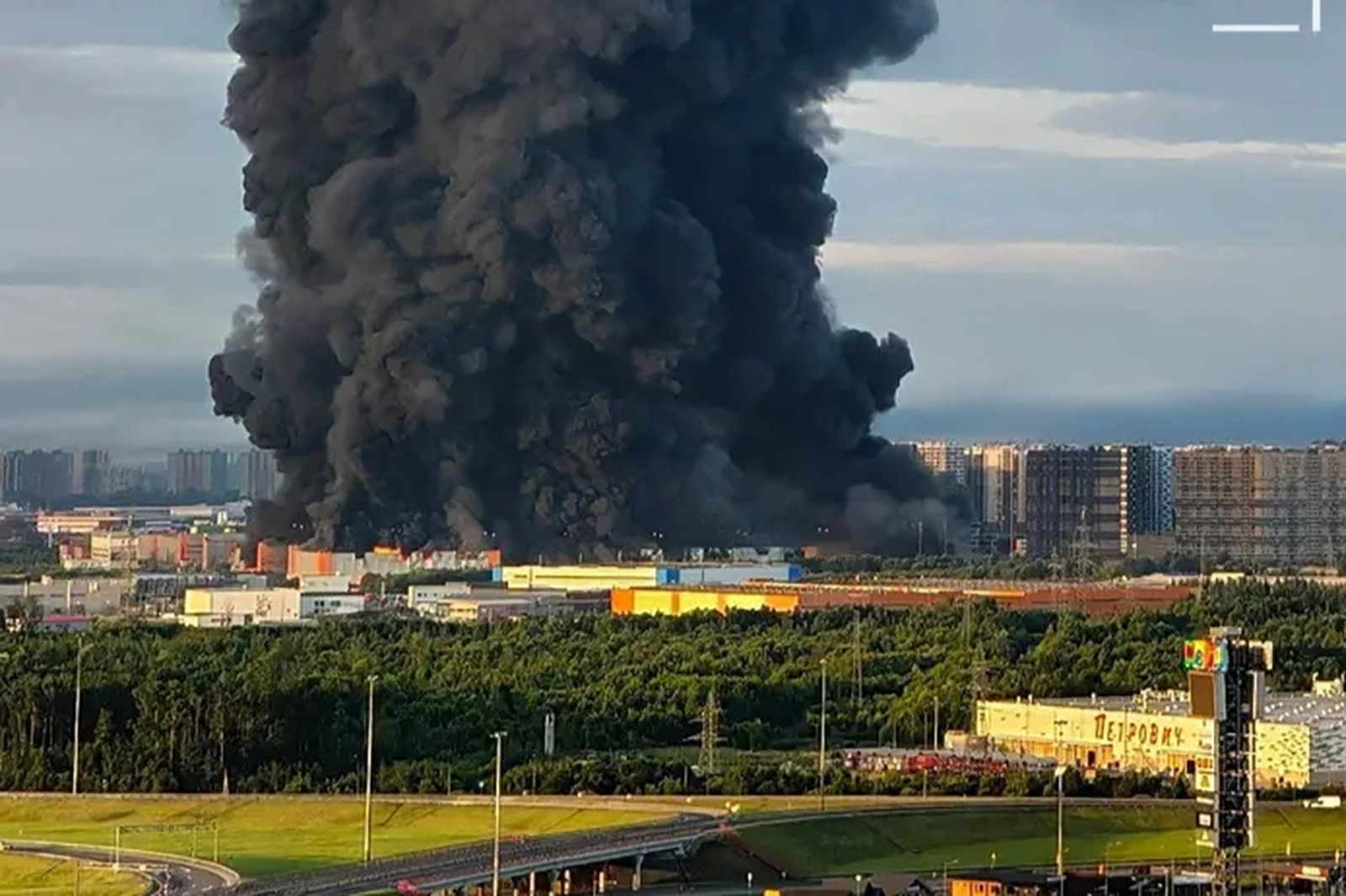
Most recently, in the early hours of August 2nd, the Ukrainian Armed Forces launched their largest attack of the year so far, targeting civilian and transportation infrastructure in several regions of Russia, resulting in numerous casualties. With a total of over 600 drones involved, this attack was part of a series of continuous airstrikes directly targeting Moscow's vital economic and logistical arteries. First, the energy infrastructure was targeted. A number of large-scale oil refineries, oil export ports, and Russia's national fuel storage facilities were subjected to intense attacks. This disruption not only caused immediate material losses but also severely impacted Russia's oil supply capacity. The International Energy Agency (IEA) and the Pentagon estimate that Russia's oil refining capacity has decreased by 10-14%.
Next came defense industrial facilities and research centers. Large logistics stations, military equipment manufacturing plants, and even research institutes developing UAV control technology in Russia became targets for sabotage aimed at disrupting Moscow's military's technical supply chain. Simultaneously, air bases and strategic assets were also targeted. Attacks on military airfields – home to strategic bomber squadrons or long-range ammunition depots – forced Russia to evacuate many valuable air force assets to distant bases in the East. Along with this were airstrikes on warehouses, supply centers, and strategic logistics depots deep within Russia's rear, aimed at cutting off and severely disrupting the supply chain to the front lines. Russia's rear was no longer a safe zone.
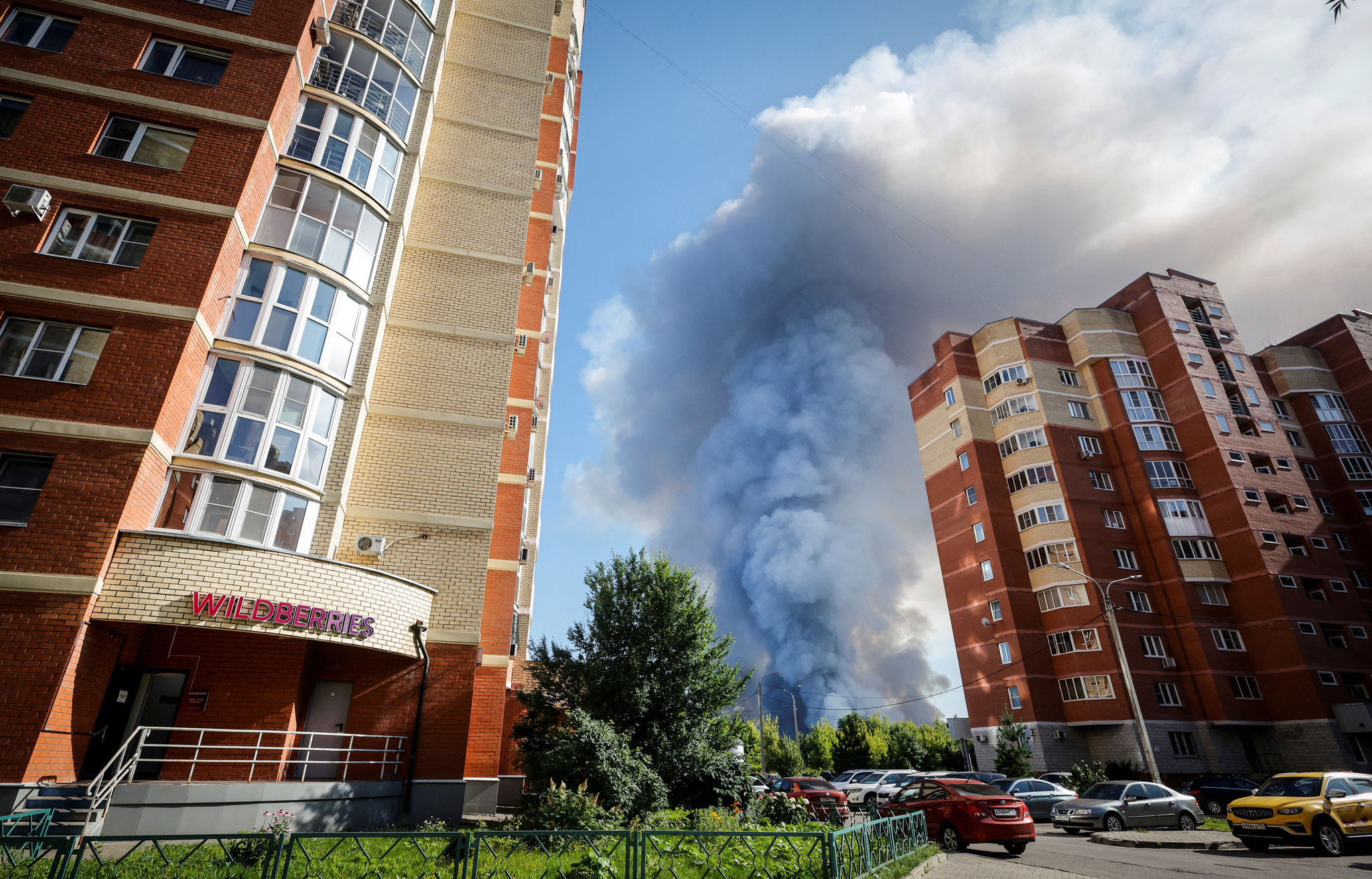
In particular, the logistics corridors in Crimea and the Black Sea have been continuously subjected to attacks. The series of attacks targeting ferry systems, oil tankers, and energy infrastructure in the Crimean Peninsula has transformed what was once a solid military springboard for Russia into a risky logistical burden.
Notably, Kyiv is no longer entirely dependent on Western-supplied weapons – which always come with stringent legal hurdles. Instead, Ukraine has built a booming wartime drone industry, producing thousands of long-range UAVs capable of penetrating multi-layered air defense systems to strike targets over a thousand kilometers away.
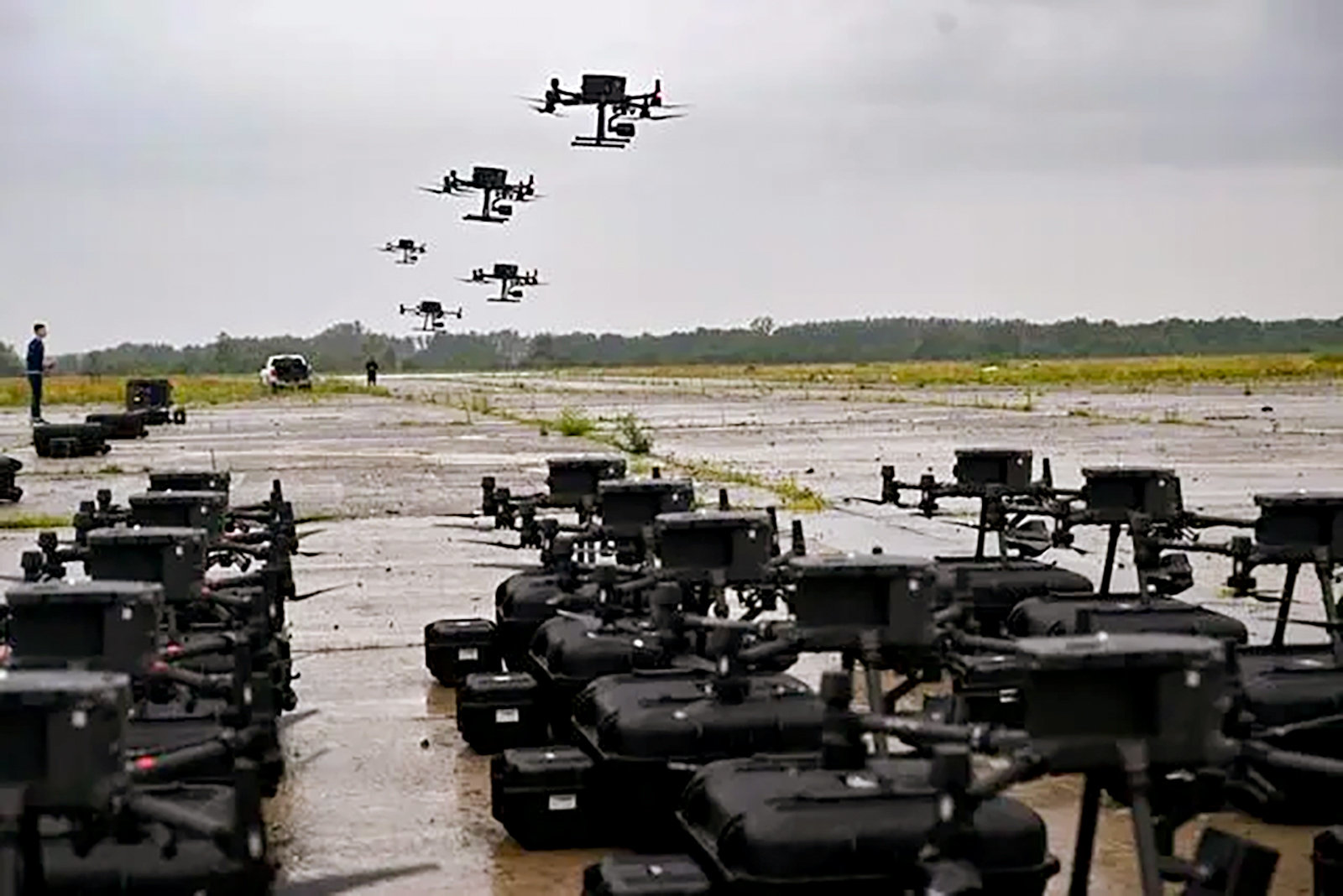

The campaign of deep penetration into Russian territory was not a random military action; it was essentially a comprehensive asymmetrical warfare targeting three pillars: Russian finance and economy, battlefield logistics, and socio-psychology.
First and foremost, it's a devastating blow to the financial lifeline of the war. Russia sustains its massive military machine thanks to revenue from energy exports and the stability of its domestic economy. By striking directly at the distillation towers – the most sophisticated, expensive, and difficult-to-replace components of oil refineries – Ukraine is creating a double-edged sword. On the one hand, it forces Moscow to ban oil exports to prioritize the domestic market. On the other hand, it disrupts the battlefield supply chain. Russian troops on the front lines consume enormous amounts of fuel daily. Destroying strategic reserves forces Russian logistics to struggle to find alternative supplies from afar, slowing the pace of operations and reducing the mobility of armored units.
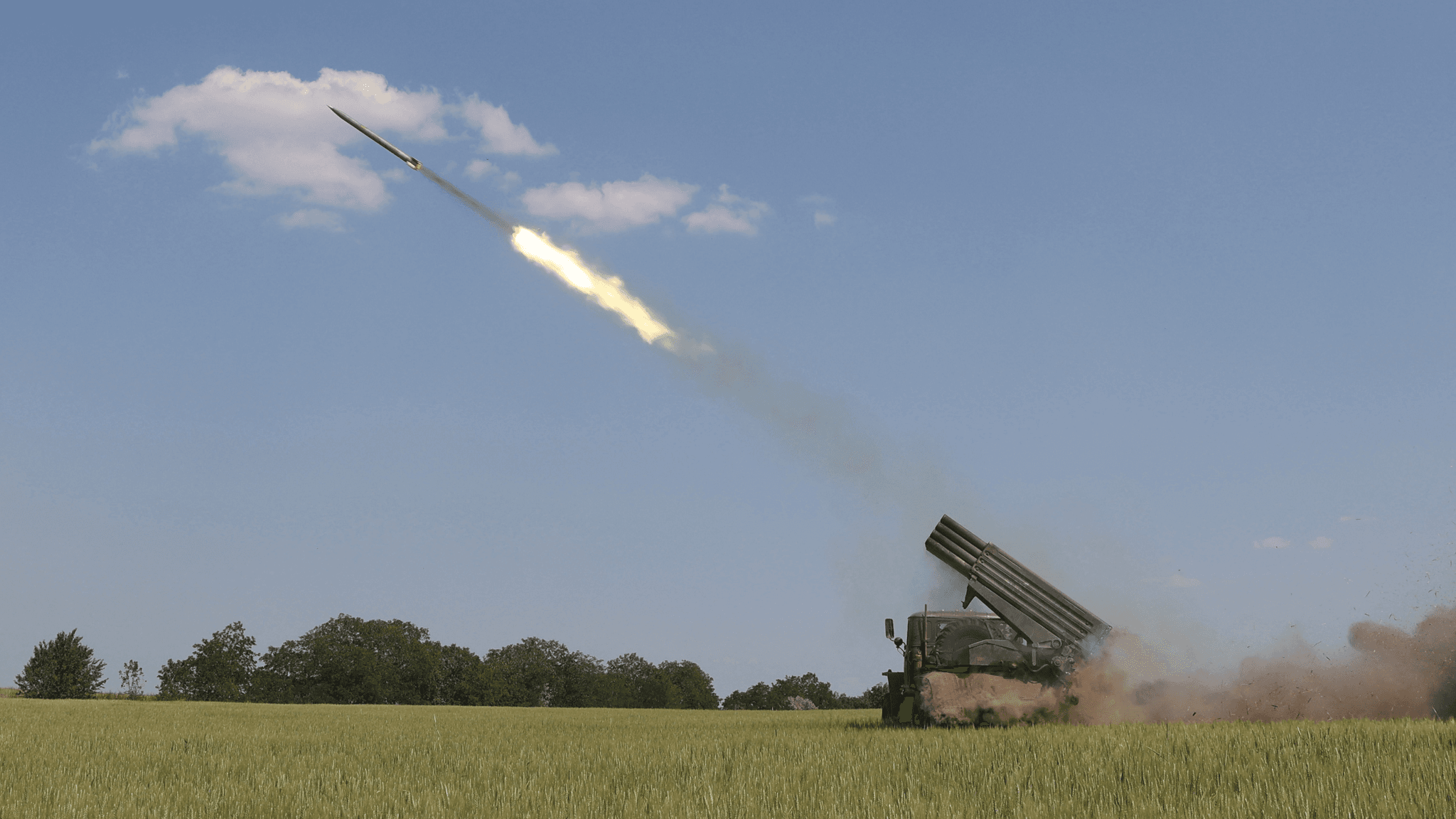
The second objective is to turn Russia's strategic depth into a fatal weakness. In terms of traditional military doctrine, its vast territory allows the Russian military to preserve its forces and consolidate its rear. But when inexpensive Ukrainian UAVs can fly thousands of kilometers deep, this spatial advantage immediately faces a defensive challenge. Russia cannot cover its entire vast territory with expensive air defense systems like the S-400 or Pantsir.
And the third objective, which cannot be overlooked, is the psychological warfare targeting Russian society. After years of conflict, the majority of people in major cities like Moscow and Saint Petersburg lived in a relatively peaceful atmosphere, quite detached from the harsh reality of the front lines. However, the constant air raid sirens at major airports, localized fuel shortages at gas stations, and black smoke rising from logistics centers within Russia were creating invisible psychological pressure on the population.
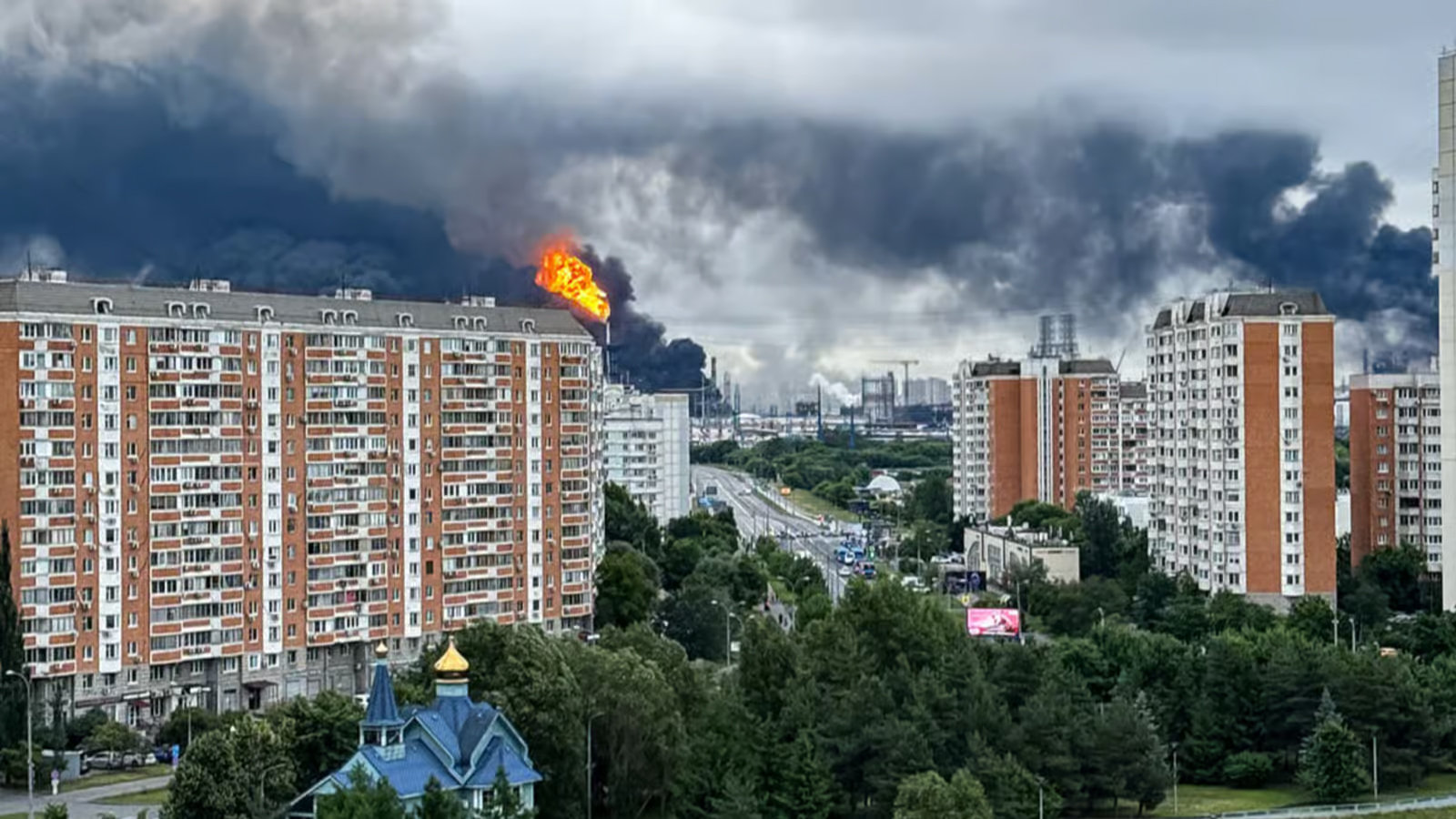

Ukraine's air campaign not only complicates matters for Russia but also impacts relations between Kyiv and its Western allies, as well as the positions of all parties at future negotiating tables.
First, these attacks are pushing back the West's red line. For a long time, the US and its NATO allies have been concerned that attacking Russian territory would cross Moscow's red line, leading to a direct confrontation between Russia and NATO. However, by independently developing a series of long-range UAVs and achieving clear tactical results, Ukraine has sent a strong message to Washington and Brussels, demonstrating that Kyiv is not merely passively defensive but capable of achieving strategic breakthroughs if given adequate support.
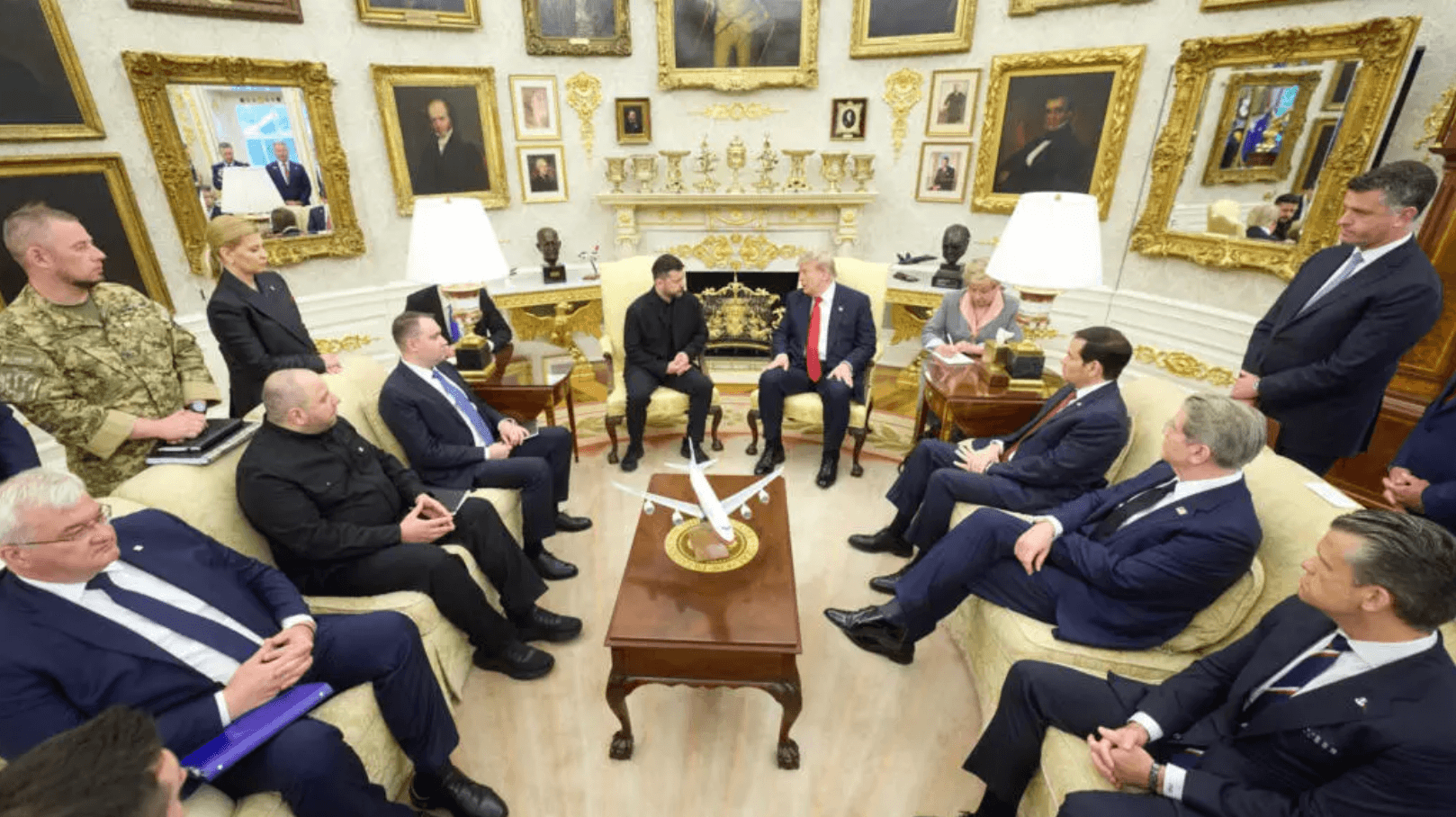
The second impact is the drawing of both sides into a double attrition trap. The current battle has turned into an incredibly brutal war of attrition. On one side, Russia is using massive artillery fire, overwhelming numbers, and intense bombing raids to wear down Ukrainian forces in the east. Conversely, Ukraine is using inexpensive UAV technology – costing only tens of thousands of dollars – to destroy strategic Russian assets worth tens or hundreds of millions of dollars, from aircraft and radar stations to massive oil refineries and large-scale logistics centers.
In terms of objectives, Russia focuses on seizing territory and wearing down the front lines, while Ukraine aims to destroy strategic logistical and economic infrastructure. In terms of tools, Russia relies on artillery, bombs, and large-scale infantry; Ukraine optimizes long-range UAVs and precision fire. Economically, Russia incurs enormous budget expenditures and suffers significant human losses, while Ukraine accepts lower production costs but achieves highly effective destruction of strategic assets. This disparity is making the war of attrition extremely unpredictable.
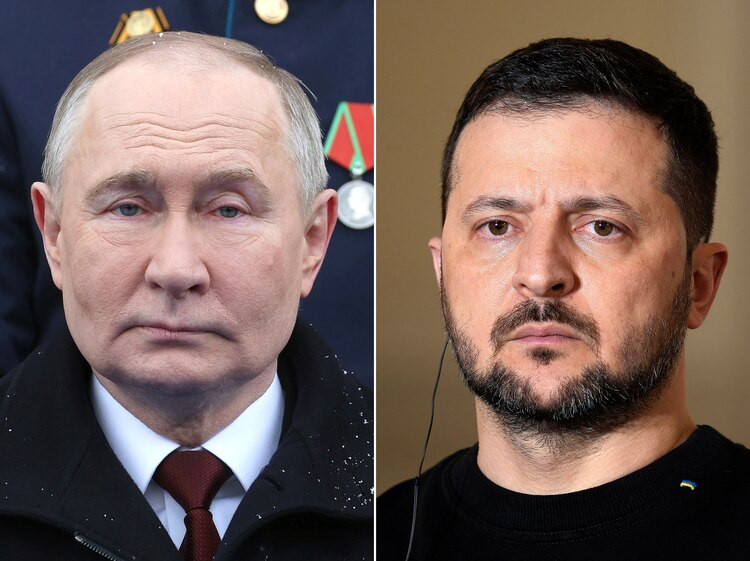

In the face of Ukraine's intense air campaign, global geopolitical observers are asking a crucial question: Is this a move significant enough to change the Kremlin's strategic thinking?
In the first scenario, this could be leverage to force Russia to accept the negotiating table. According to calculations by Kyiv and some Western strategists, when the cost of maintaining the war outweighs the benefits – with the Russian economy reeling from the loss of energy revenue, Crimean transport infrastructure disrupted, and widespread insecurity – Moscow will have to reconsider the situation. In that context, deep strikes serve as bargaining chips in negotiations. Ukraine doesn't expect to defeat a superpower like Russia solely with UAVs, but they want to demonstrate that Moscow cannot achieve a complete victory without paying a heavy price within its own territory. A ceasefire or a peaceful solution could then be achieved based on a balance of economic and security losses between the two sides.
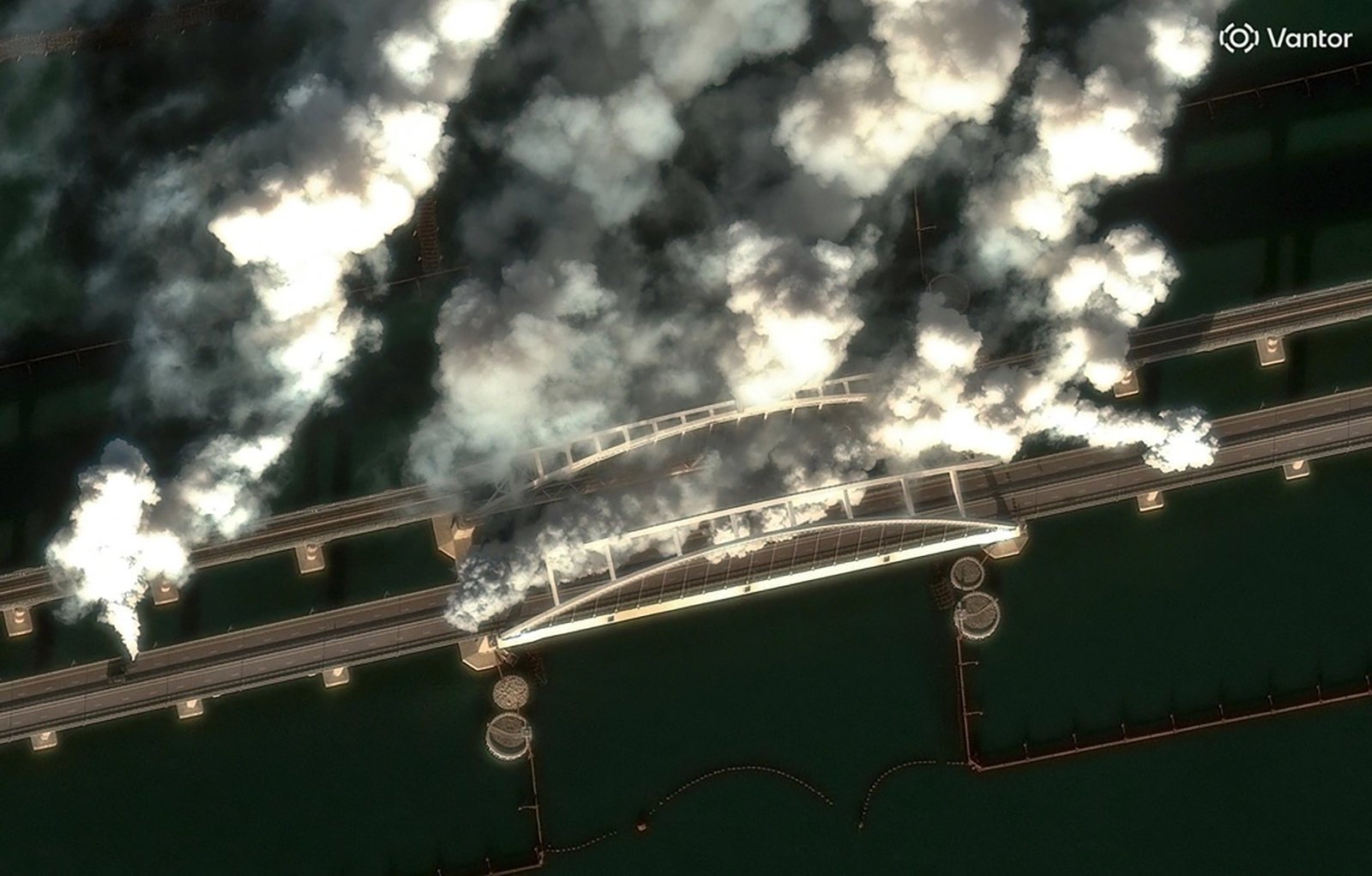
However, the second scenario paints a much darker picture: a vicious cycle of retaliation and a prolonged stalemate. Hopes that economic pressure will easily force the Kremlin to back down may be a strategic misjudgment. Russia is a nuclear power with immense resource potential and social resilience. History has shown that attacks on Russian territory often backfire, increasing nationalist sentiment and strengthening public support for the government. Instead of engaging in negotiations, Moscow tends to retaliate with far more devastating firepower. In fact, every time Ukraine escalates its attacks, Russia launches intense airstrikes with cruise missiles and suicide drones targeting Ukraine's energy infrastructure, power grids, and urban centers. According to data released by the Ukrainian Air Force, in July, Russia launched a total of 381 missiles of various types into Ukraine, or more than 12 per day, setting new wartime records for the total number of missiles launched into Ukraine.
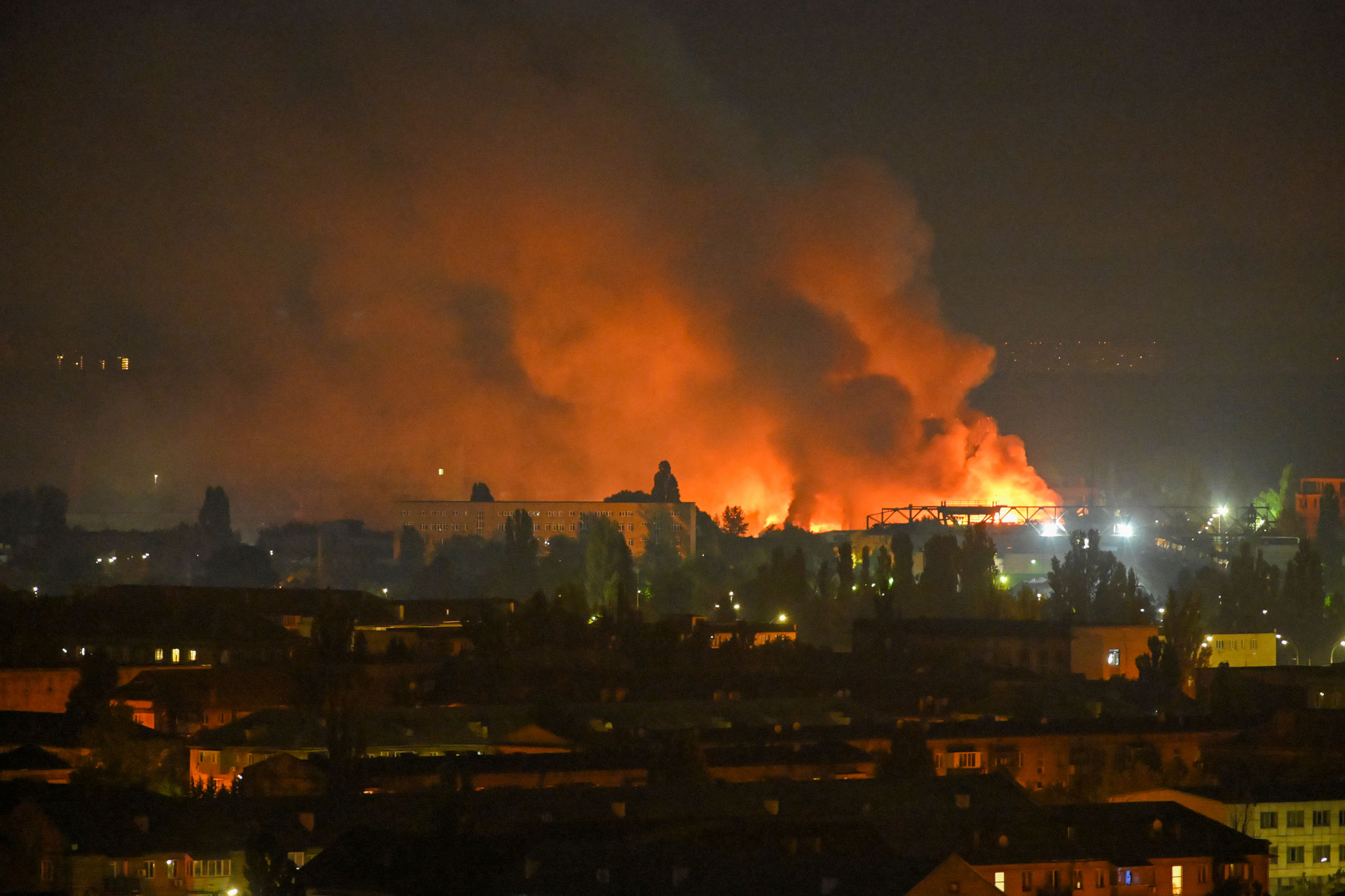
The series of deep strikes into Russian territory is clearly a bold strategic gamble by Ukraine, given its shortage of troops and firepower on the front lines. However, this strategy may contain extremely dangerous variables. Long-range weapons and UAVs can destroy high-value targets, disrupt logistics, and exert political pressure, but they cannot replace ground control. A victory at the negotiating table or a favorable ceasefire can only materialize when rear-area attacks are combined with a strong frontline position. Without careful adjustment, this strategic gamble risks turning the conflict into a devastating war of attrition where the infrastructure of both countries is severely damaged. The outcome of this gamble will not only determine the fate of Kyiv or Moscow, but will also reshape the entire security structure of Europe for decades to come.