
Don't let the "illusion of power" poison cyberspace.
When fame becomes an excuse to cross ethical and legal boundaries, what needs to be condemned is not only the deviant behavior of the content creator but also the complicity and encouragement of a segment of users. This is the "illusion of power" in cyberspace and a warning sign about the culture of behavior in the digital age.
Duc Dung| Design:Huu Quan• August 6, 2026
The acts of online shaming, insults, defamation, and fabricated information used to gain likes and views, which attract millions of followers, reveal a worrying reality: many people have mistakenly equated influence on social media with power. When fame becomes an excuse to cross ethical and legal boundaries, what needs to be condemned is not only the deviant behavior of the content creators but also the leniency and encouragement of a segment of users. This is the "illusion of power" in cyberspace and a warning sign about the culture of behavior in the digital age.
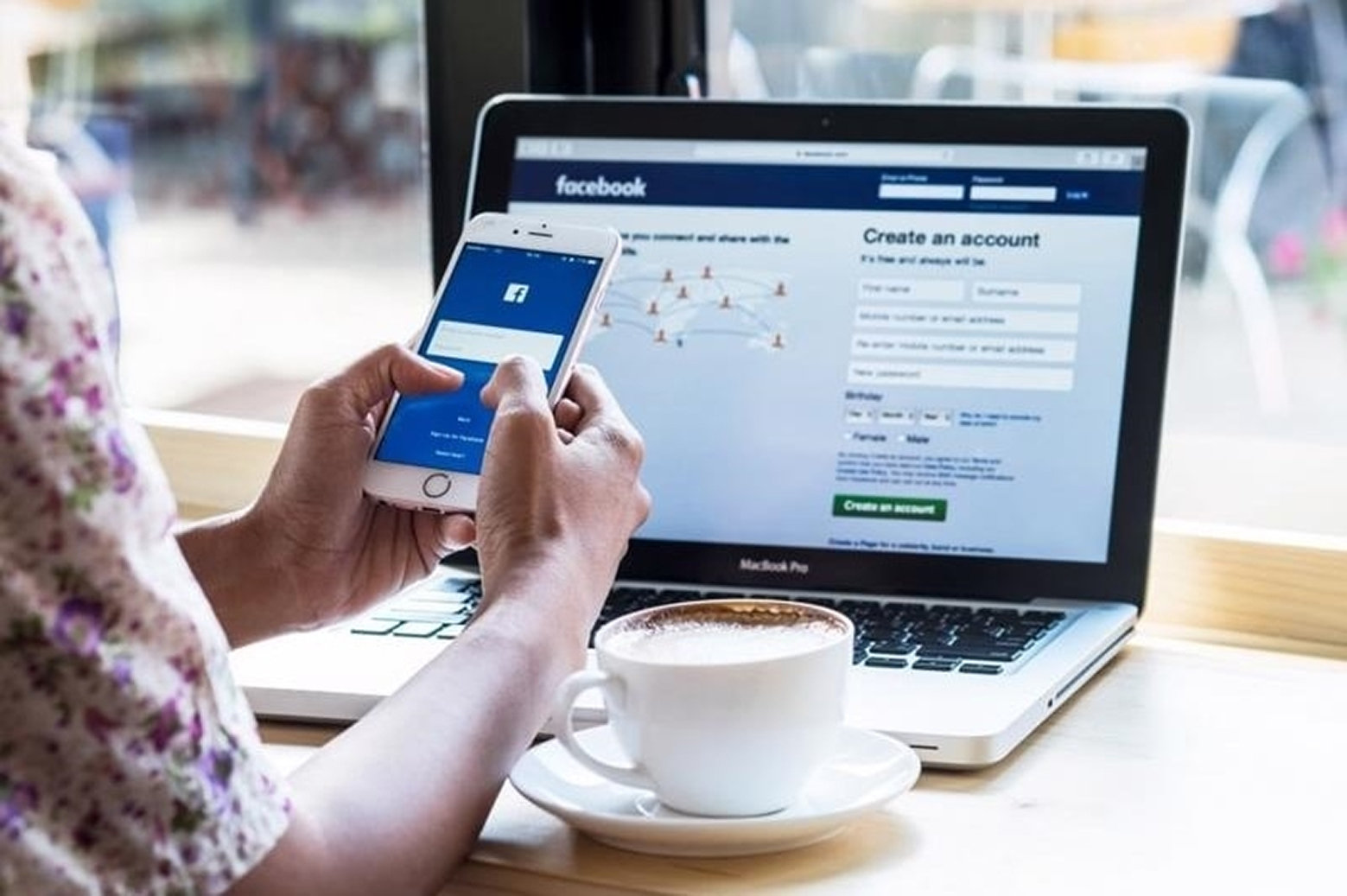
Every technological revolution brings great opportunities, but also new challenges. With social media, never before has an individual had the ability to reach millions of people with just a smartphone. Facebook, TikTok, YouTube, and other cross-border platforms have democratized freedom of speech, giving people the opportunity to express their opinions, share knowledge, and spread positive values. But freedom of speech has never meant the right to say anything at all.
The worrying issue today is that some users are equating popularity with power. When a video reaches millions of views, or an account has hundreds of thousands or millions of followers, they begin to believe they have the right to judge others, make conclusions about cases before investigative agencies, defame individuals, insult organizations, and even disregard the law. This is a manifestation of "the illusion of power" in cyberspace.
In reality, many people have built their image based on talent, knowledge, or creativity. However, when engagement becomes the sole measure of success, some people gradually become dependent on those numbers. The more the platform's algorithm prioritizes controversial content, the more they tend to create extreme statements, sensational headlines, unverified stories, or deliberately exaggerate the truth to maintain attention.
Behind this lies the monetization mechanism of the digital economy. Views can be converted into advertising revenue; followers become commercial contracts; influence is converted into money. When economic benefits are directly linked to interaction, many choose the shortest path: creating a sensation.
Therefore, more and more videos with titles like "unbelievable," "horrifying," "revealing secrets," "shocking," etc., are appearing online, but their content is merely compilation, speculation, or fabrication. Some YouTubers simply gather information from mainstream news sources and then embellish or exaggerate it to gain views. Others livestream for hours just to comment on other people's private lives. Still others exploit events that are attracting public attention to spread false information and incite controversy.
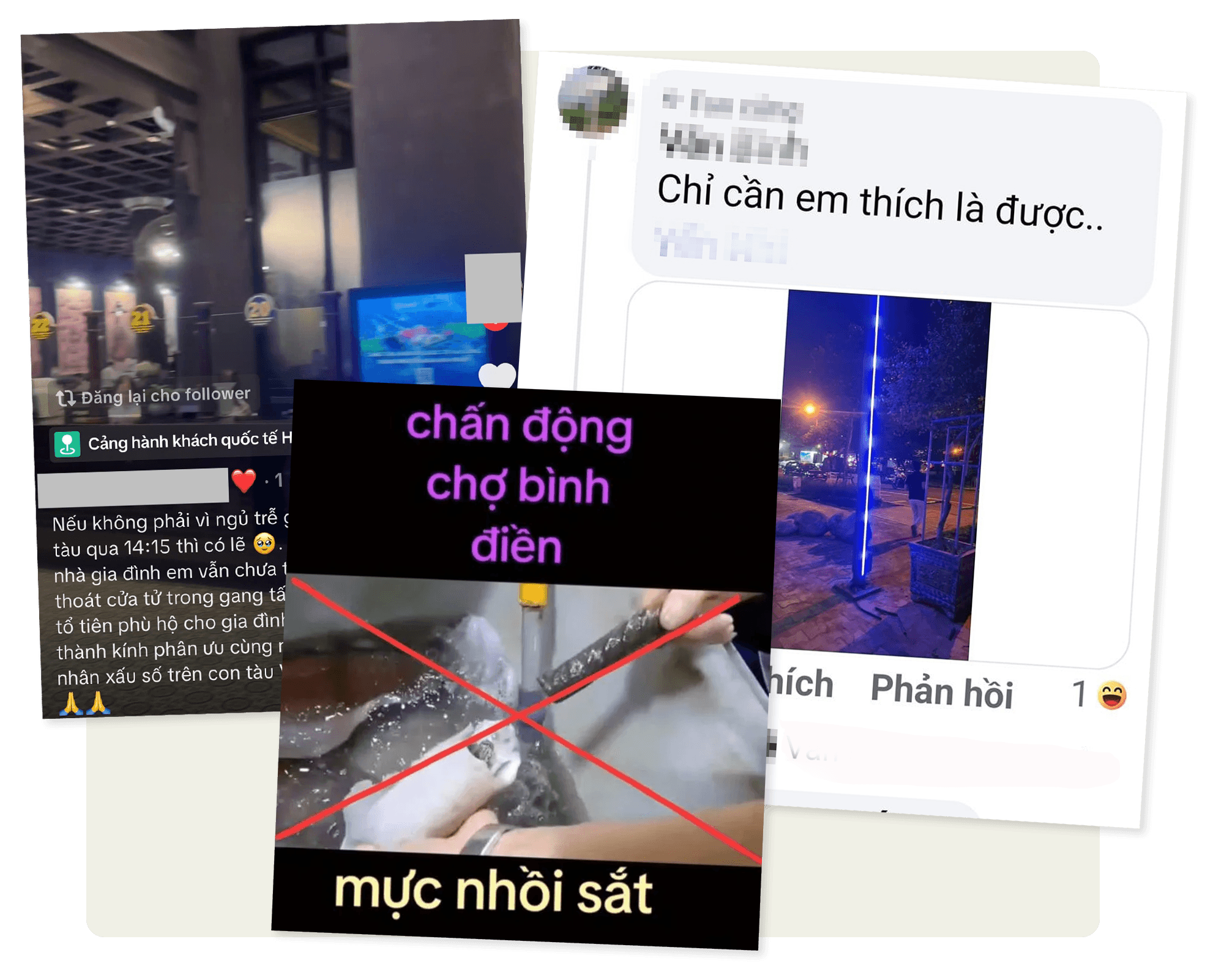
The frightening thing isn't the fact that a video is false, but the speed at which it spreads. A fabricated piece of information can reach hundreds of thousands of people in just a few hours. Meanwhile, verification and correction by authorities always take time and must follow legal procedures. This gap allows fake news to spread, harming individuals, businesses, government agencies, and even social order.
Furthermore, the development of artificial intelligence has made the problem even more complex. Deepfake technology can create fake images and voices with a very high degree of realism. AI-generated videos, if intentionally disseminated, can completely distort public perception, incite public opinion, or cause social instability.
The World Economic Forum's 2024 Global Risks Report ranks "misinformation" and "disinformation" as among the most serious global risks in the short term. With the rapid development of generative AI and deepfake technology, creating fake images, videos, and voices is becoming increasingly easy, making it a major challenge for all countries to distinguish between real and fake information. This is not just a technological issue, but also a matter of information security, culture, and social trust.
In Vietnam, many experts have also warned about the phenomenon of "power delusion" on social media – where some people mistakenly believe that influence on digital platforms can replace the law, morality, and even the truth. This is a dangerous misconception. Because in a state governed by the rule of law, no power stands above the law; and in a civilized society, no fame can absolve one of responsibility.
In a state governed by the rule of law, no power stands above the law; and in a civilized society, no fame can absolve one of responsibility.
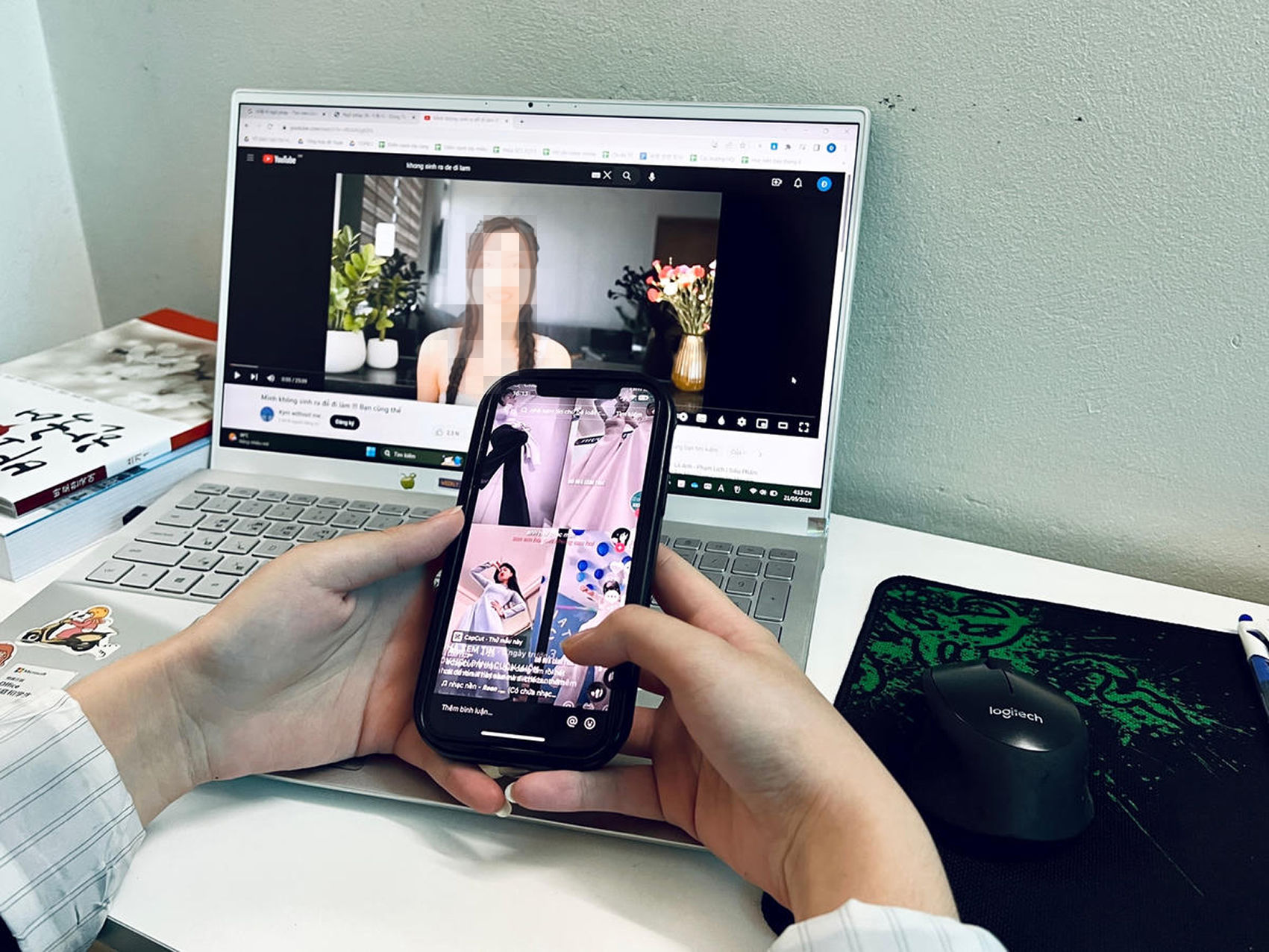
The worrying issue today isn't just the deviation from norms by some content creators. More concerning is the encouragement from a segment of users. Many accounts, even knowing the content is offensive, insulting, or even illegal, still share it with the mentality of "watching for fun" or "spreading it so others know." Each like and share inadvertently becomes a vote of support for those who disregard ethical standards. Social media algorithms don't distinguish between right and wrong; they only record the level of interaction. Therefore, the more people view, comment, and share, the more the content spreads. In other words, many people are unwittingly becoming links in the chain of spreading fake news and harmful content.
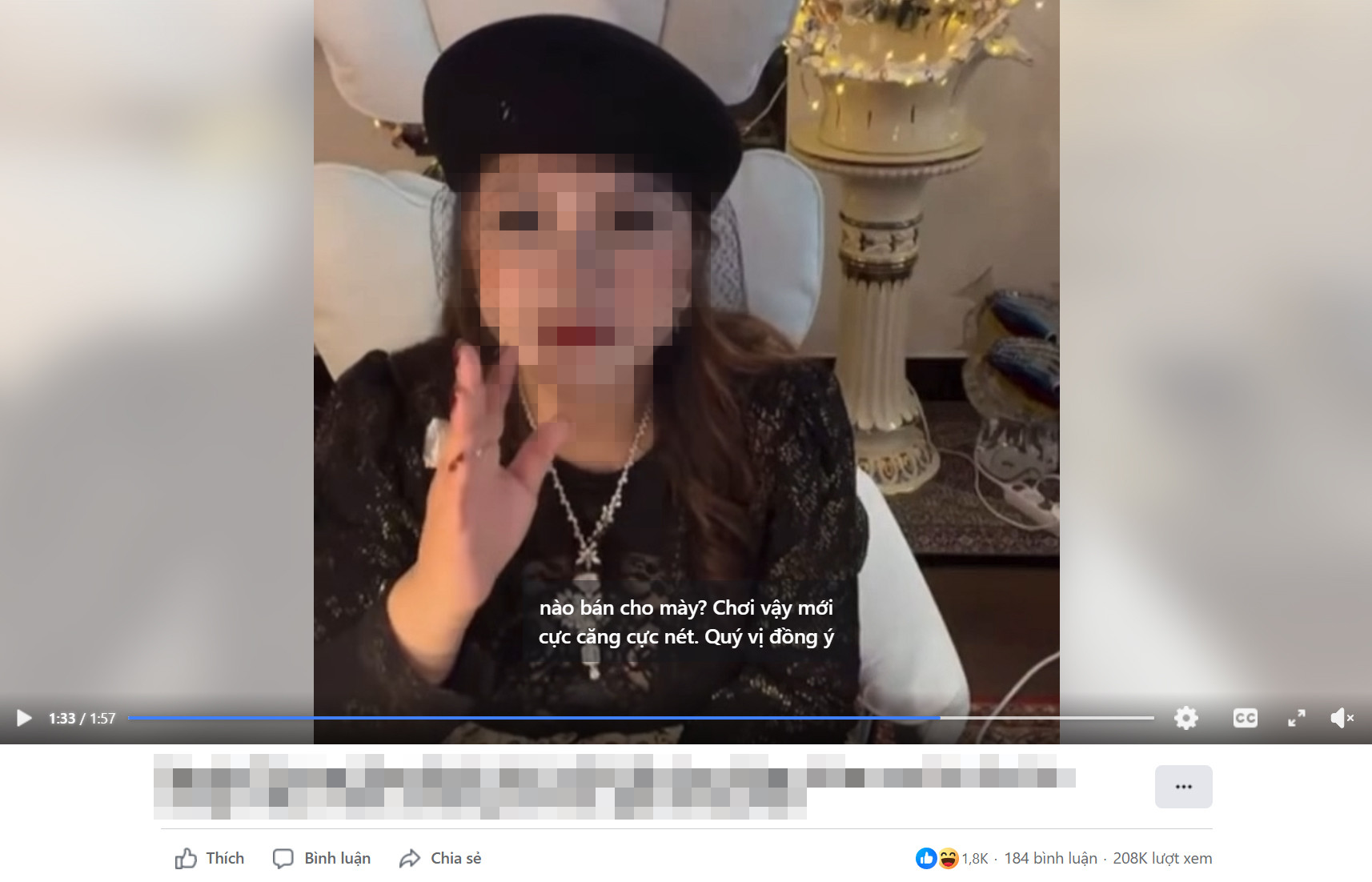
Another thought-provoking reality is the trend of turning social media into a "court" of public opinion. Just a few dozen seconds of video, a cropped photo, or an unverified status update can generate thousands of comments condemning, insulting, and belittling others. Many people consider themselves "judges," ready to determine right and wrong before any investigation takes place. Individuals suffer serious damage to their reputation, work, and lives because of false information spread online. Businesses suffer significant losses due to unfounded rumors. Families face crises because of baseless slander. The internet may be virtual, but the consequences are very real!
Article 25 of the 2013 Constitution affirms: “Citizens have the right to freedom of speech, freedom of the press, access to information, assembly, association, and demonstration. The exercise of these rights shall be regulated by law.” This freedom is one of the important achievements of the socialist rule of law. However, the Constitution also establishes the principle that all citizens' rights must be exercised within the framework of the law and must not infringe upon national interests, the rights and legitimate interests of other organizations and individuals. Therefore, no one can use the name of “freedom of speech” to fabricate information, insult honor, incite hatred, or infringe upon national security.
The 2018 Cybersecurity Law also strictly prohibits the use of cyberspace to post false, distorted, slanderous, or defamatory information that harms the reputation of agencies, organizations, or the honor and dignity of individuals; incites disruption of security and order; or infringes upon the legitimate rights and interests of others. These regulations are not intended to restrict freedom of expression but rather to protect genuine freedom, safeguard a healthy information environment, and protect the interests of society as a whole.
These regulations are not intended to restrict freedom of expression, but rather to protect genuine freedom, safeguard a healthy information environment, and safeguard the interests of society as a whole.
In fact, the years 2025-2026 show that authorities have intensified efforts to handle numerous cases of individuals exploiting Facebook, TikTok, and YouTube to spread fake news, defame individuals, distort the Party's policies and the State's laws, or incite public opinion. Many individuals have been subject to administrative penalties as prescribed; many others have been prosecuted and held criminally responsible when their actions constitute a crime. This affirms a consistent principle: cyberspace is not a "white zone" of the law, and certainly not a place where anyone can arrogate to themselves power above the law. This handling is not aimed at restricting freedom of speech but at protecting genuine freedom, safeguarding a healthy information environment, and ensuring that all citizens are equal before the law.
But laws alone are not enough. To build a civilized online space, the first step must begin with the awareness of each individual. Every user needs to equip themselves with an information "filter." Don't immediately believe everything that appears on the news feed. Verify information through mainstream media and authoritative sources. Don't share just out of curiosity. Don't comment based on momentary emotions. Don't become a tool for amplifying harmful content.
More importantly, we need to put an end to the mentality of glorifying celebrities simply because they say something different, shocking, or offensive. A civilized society cannot use vulgarity as entertainment, fabrication as content, or insult as a sign of integrity. Fame, without responsibility, can quickly become a disaster, not only for the content creator but also for the community.
Fame, if not accompanied by responsibility, can quickly become a disaster, not only for the content creator but also for the community.

In the digital age, building a culture of online responsibility is not just the task of regulatory agencies or technology platforms. It is a shared responsibility of the entire society. When each person respects the truth, respects the law, respects others, and knows when to stop before pressing the "share" button, then those who thrive on fake news, incitement, and "illusions of power" will have no place to exist.
The online space only truly becomes a driving force for development when it is built on a foundation of truth, culture, and law. Every click, every share, and every comment carries civic responsibility. Don't let curiosity turn you into a link in the chain of spreading fake news; don't let a "share" button inadvertently abet acts of defamation or amplify distorted narratives. Nor should you glorify or encourage individuals who use extremism as a characteristic, vulgar language as a style, or fabrication as a tool for making money. When the community no longer supports these actions with views, likes, and followers, the "illusion of power" will have no place to exist. True power is not created by algorithms or millions of views, but is built on knowledge, character, social responsibility, and respect for the law. This is also the foundation for building a civilized, safe, and distinctive Vietnamese online space in the digital age.
Duc Dung | Design: Huu Quan