
Shrimp prices in Nghe An have dropped sharply.
The price of commercial shrimp has dropped by 40,000-50,000 VND/kg compared to the beginning of the year, shrinking the profits of shrimp farmers in Nghe An province. After the main harvest season, many households are considering reducing the scale of their farming operations, waiting for market signals before deciding to invest in the year-end season.
Shrimp prices have fallen, shrinking profit margins.
In early August, in shrimp farming areas across Nghe An province, many households are entering the main harvesting season. After months of investment and care, shrimp yields are quite good, but the price of commercial shrimp is currently low.
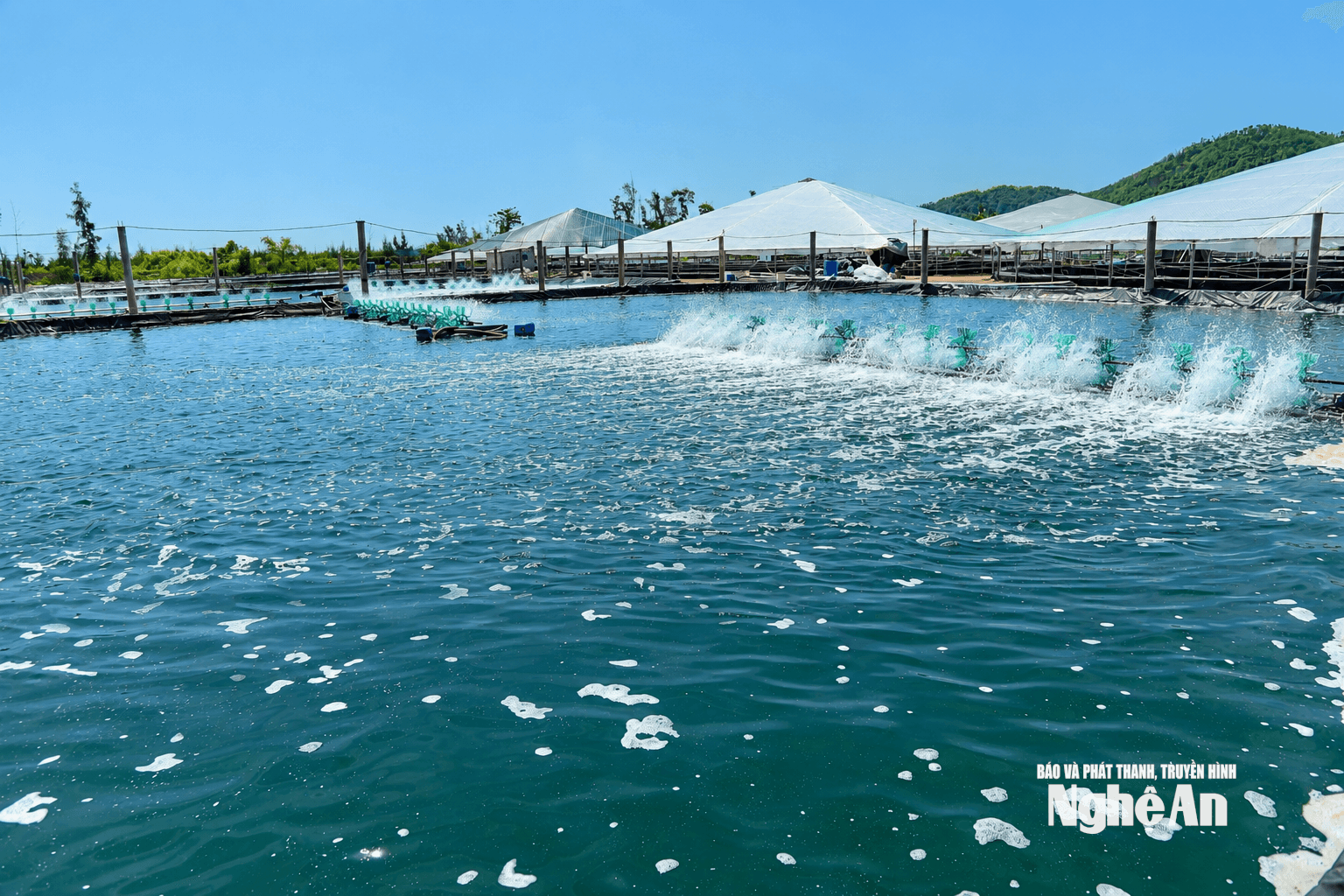
Mr. Nguyen Cuong's family in An Chau commune currently owns nearly 6 hectares of shrimp ponds. By early August 2026, the family had harvested approximately 90% of their marketable shrimp production. However, the economic efficiency did not meet expectations due to a sharp drop in shrimp prices compared to the same period last year.
Currently, shrimp of size 30 pieces/kg are being purchased by traders at 170,000 VND/kg, while shrimp of size 50 pieces/kg are priced at around 130,000 VND/kg. This price is 40,000 - 50,000 VND/kg lower than at the beginning of this year, directly affecting the profits of shrimp farmers.
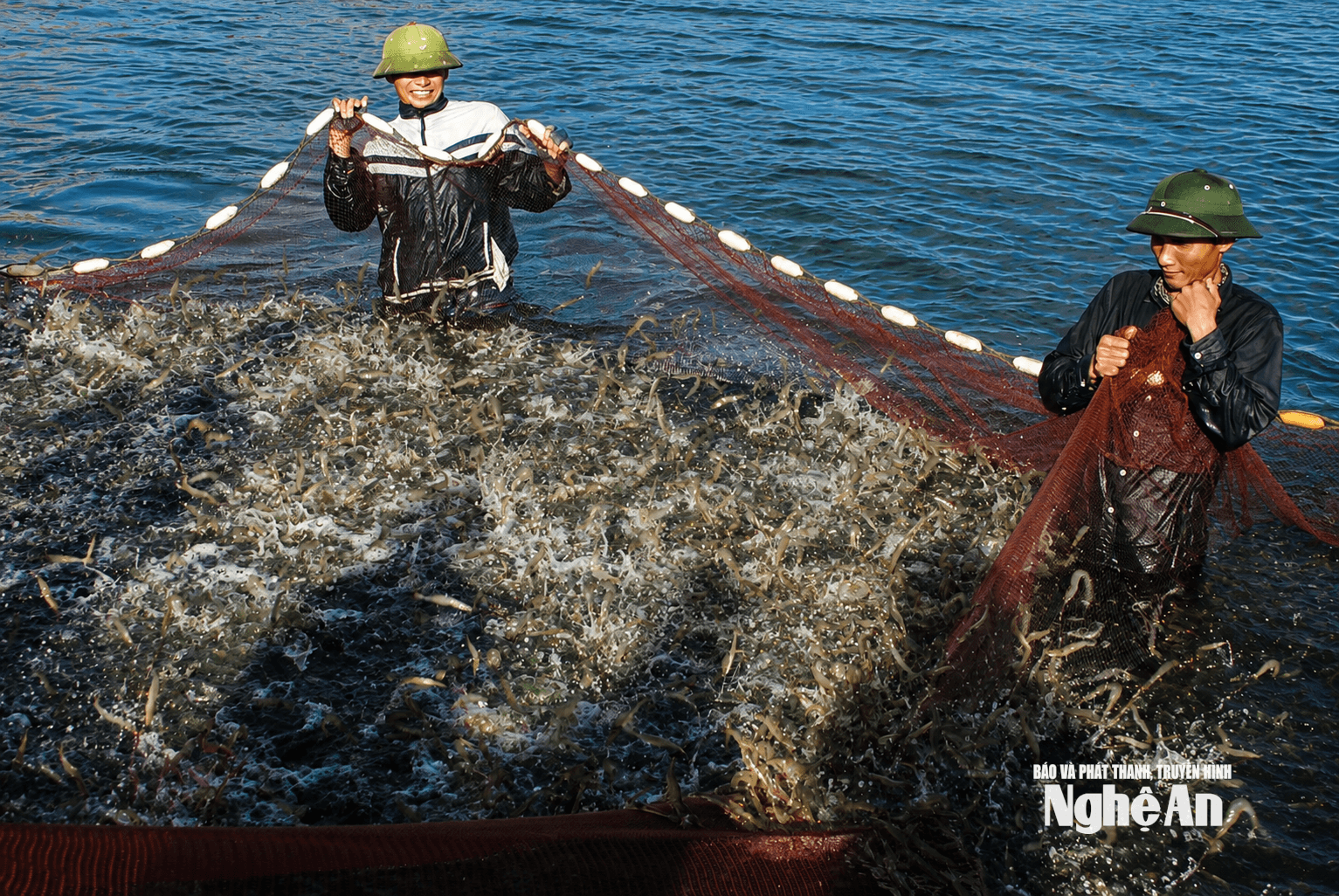
"There are some shrimp ponds where the shrimp haven't reached the desired weight, but the family still decided to harvest early. Partly to proactively cope with the weather, rain, and storms; and partly because the costs of feed, labor, and other inputs are constantly increasing," Mr. Cuong shared.
Given the current situation of falling shrimp prices while input costs are rising, the challenge for shrimp farmers today is not only to achieve high productivity but also to calculate the appropriate harvesting time, control costs, and choose a production scale that suits market developments.
In Quynh Anh commune, one of the concentrated aquaculture areas, people are also entering the shrimp harvesting season. Based on production experience, many households report that the shrimp are developing quite uniformly, with relatively good survival rates and growth rates.
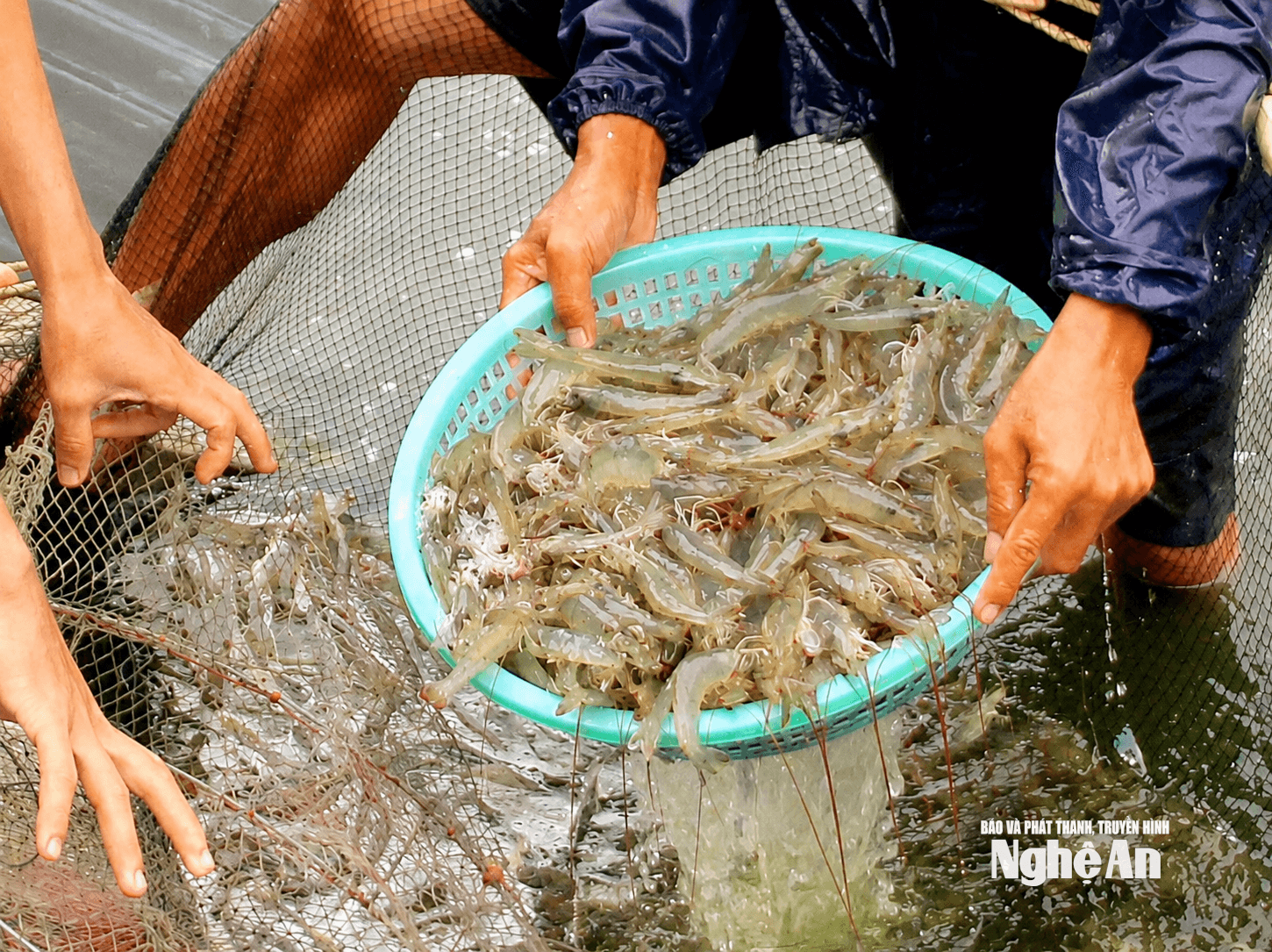
Some ponds, after more than 3 months of farming, have yielded harvests with shrimp of approximately 50-60 shrimp per kilogram. This is a positive sign, indicating that the application of technical procedures, environmental control, and shrimp care is yielding certain results.
However, the selling price remains a major concern. Commercial shrimp are being purchased at around 125,000 VND/kg, significantly lower than at the beginning of the year.
Mr. Ho Dang Tam, Director of Quynh Bang General Agricultural Cooperative, said that in the recent main shrimp farming season, Quynh Anh commune cultivated over 130 hectares, yielding over 1,000 tons of shrimp. After completing the main shrimp harvest, farmers will focus on renovating ponds, cleaning the farming system, treating the pond bottom, checking water sources, and maintaining machinery and equipment.
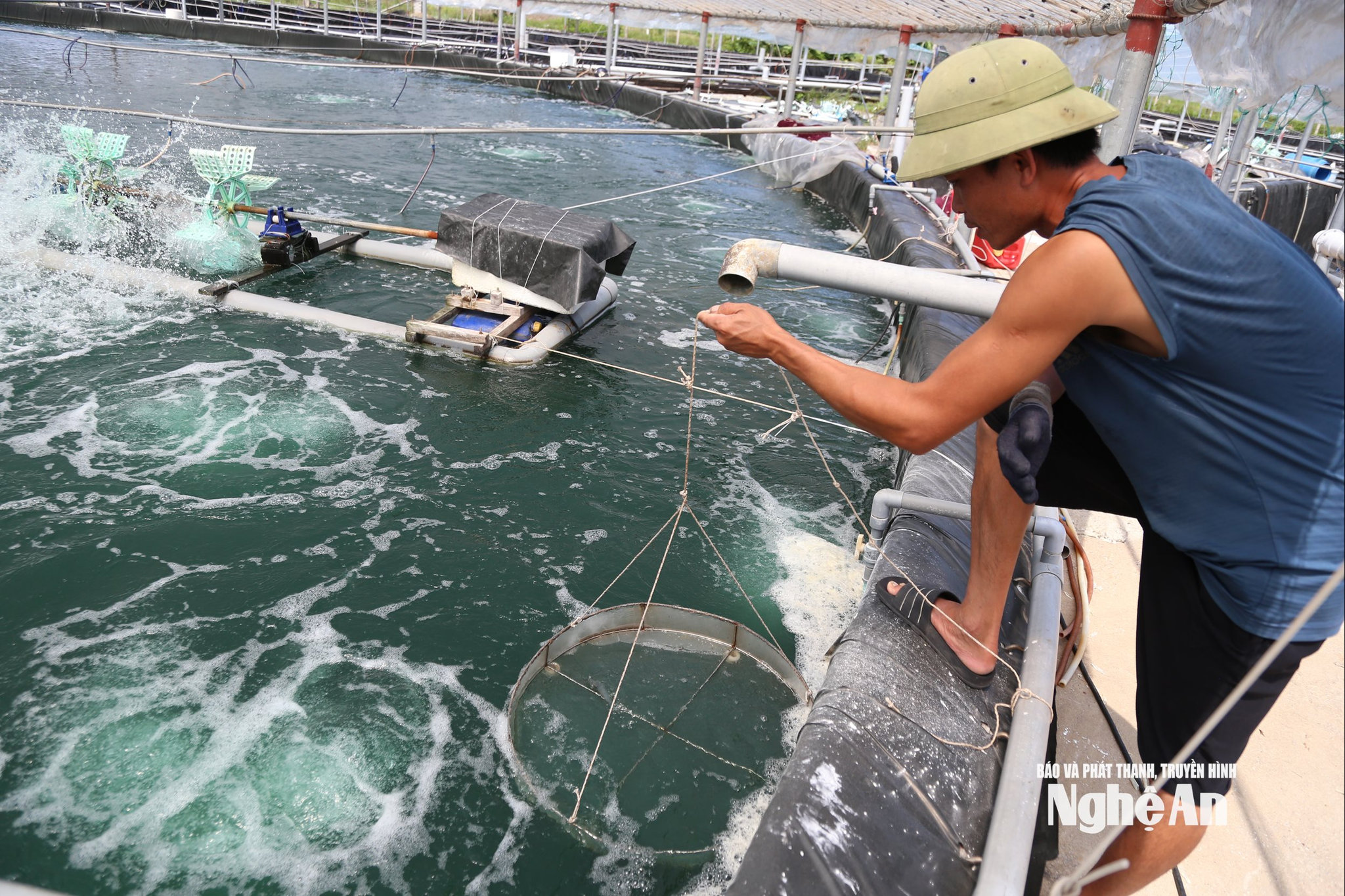
According to Mr. Tam, households are not in a hurry to release the seeds but are waiting for the right time, especially after the weather stabilizes and the risk of rain, storms, and flooding decreases. If conditions are favorable, people will proceed with releasing the seeds to aim for a harvest at the end of the year.
Increased supply impacts shrimp prices.
According to Mr. Le Van Huong, Deputy Head of the Fisheries and Aquaculture Inspection Department of Nghe An province, there are currently more than 1,300 hectares of brackish water shrimp ponds and lakes. By the end of July 2026, the total shrimp production in the province reached nearly 7,000 tons. It is projected that the total shrimp production for the whole year in Nghe An could reach over 12,000 tons.
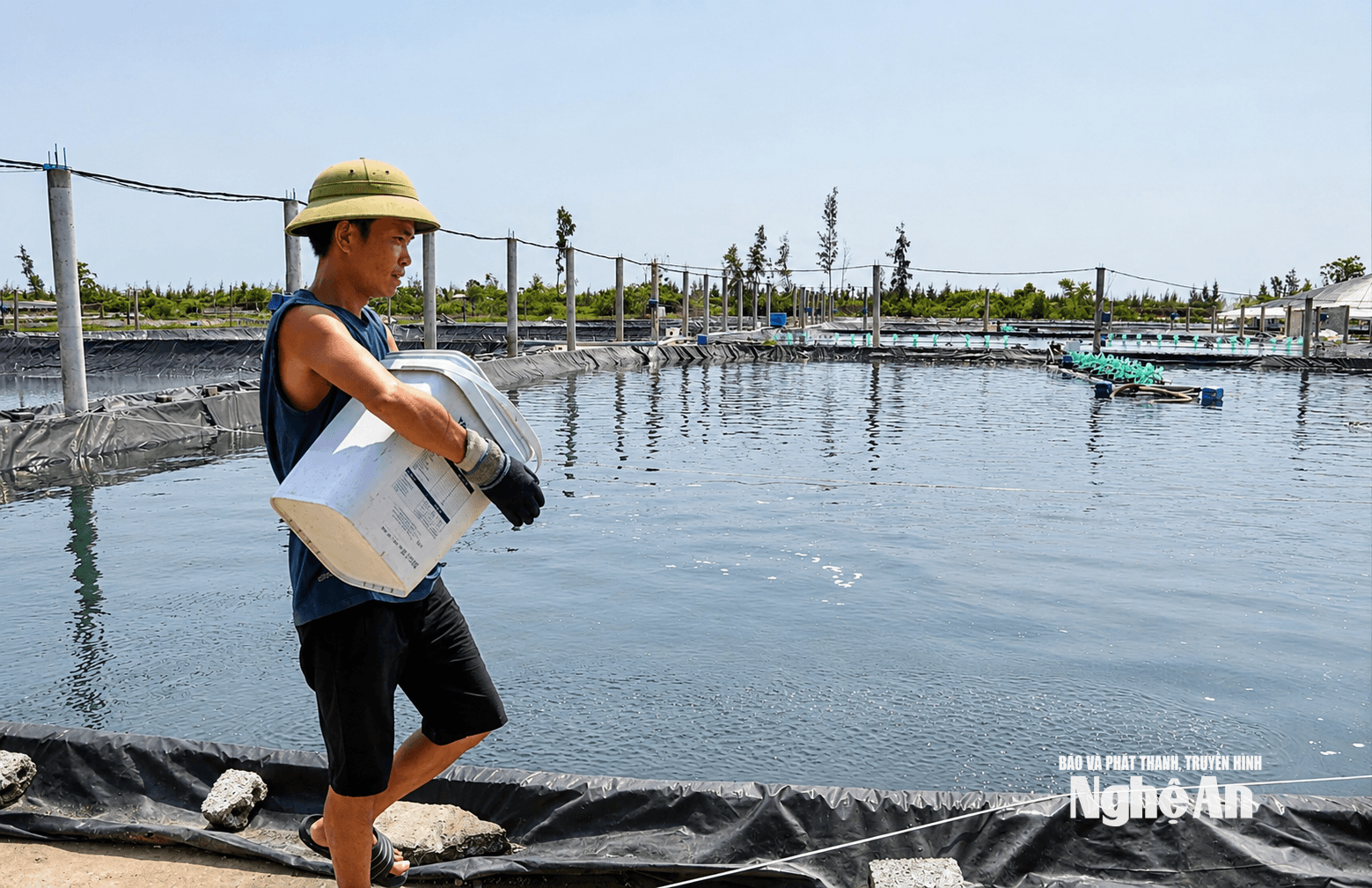
Mr. Huong believes that one of the main reasons for the recent drop in commercial shrimp prices is the increased supply from southern provinces, which in turn impacts the overall shrimp price level nationwide.
When supply increases while demand remains low, a drop in shrimp prices is inevitable. This also impacts shrimp farmers in Nghe An, even though the scale of production in each farming area is not large compared to the major shrimp farming centers nationwide.
In this context, organizing production towards high technology, effectively controlling the environment, and improving shrimp survival rates are considered important solutions to reduce costs and enhance competitiveness. Currently, Nghe An province has 52 high-tech shrimp farming facilities with a total area of approximately 128 hectares. In addition, there are 70 facilities applying multi-stage shrimp farming models with a total area of approximately 121 hectares.
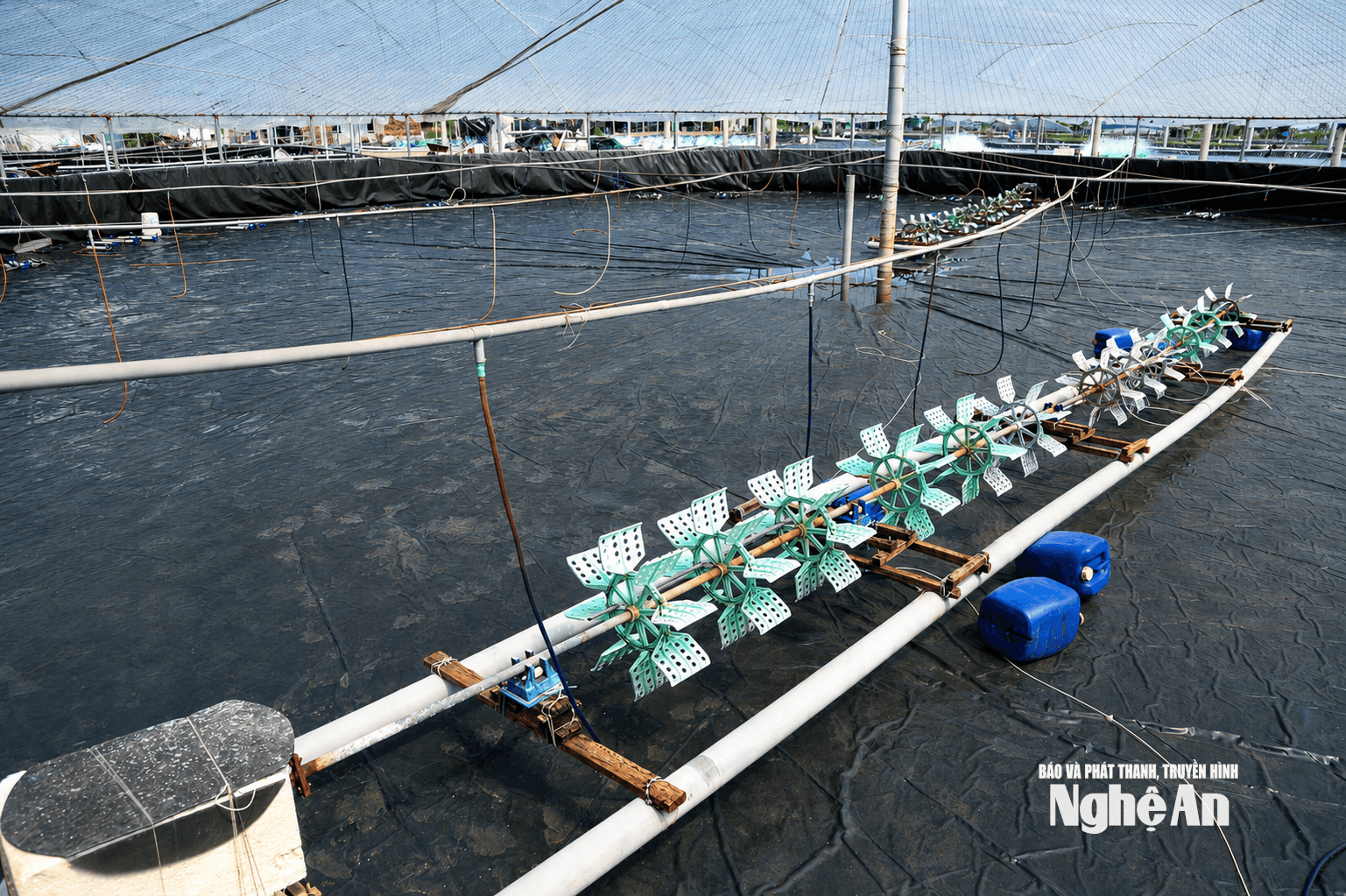
Although shrimp prices are low during the main season, high-tech farming models expect the winter season to yield better results.
Unlike the main farming season, the end of the year usually has higher technical requirements, but high-tech farming models have better control over environmental management and animal care. This is also an advantage for households with the resources to invest and continue production when many others temporarily stop or reduce their scale.
For Mr. Nguyen Cuong and many other shrimp farmers, after harvesting most of the main crop, they are facing the dilemma of choosing the scale for the next season. If the market shows positive signs, the family can release shrimp fry in late August or early September to aim for a harvest at the end of the year. Conversely, if prices remain low, the option of reducing the area and raising shrimp on a limited scale to gauge the market will be prioritized.
Proactive technological adoption, cost control, optimal stocking timing, and aligning production with market signals will be key factors determining the success of the year-end farming season.
Xuan Hoang