
Untangling the bottleneck for capital flow to support high-tech agriculture.
High-tech agriculture is being identified as a strategic direction to increase added value and ensure sustainable development for Nghe An's agricultural sector. However, in reality, accessing preferential credit for this sector remains a challenge for small businesses, cooperatives, and farm models.
The picture of borrowing money
The current differentiation in access to agricultural credit in Nghe An is very clear among different groups of entities: Large-scale enterprises and leading supply chains with a history of fair borrowing and repayment have relatively smooth loan processes. Billion-dollar projects such as the TH Group's large-scale livestock farming project in Nghia Dan (which previously accessed significant international funding and received disbursements from the ADB, and is currently operating efficiently), the export pellet processing plant project in Tri Le Industrial Park (formerly Anh Son) of the Nghe An Agricultural Materials Corporation, the MDF projects in Nghia Dan, the rubber processing projects in Tan Phu, and the tea projects in Nhan Hoa… are still projects that receive medium and long-term loans.
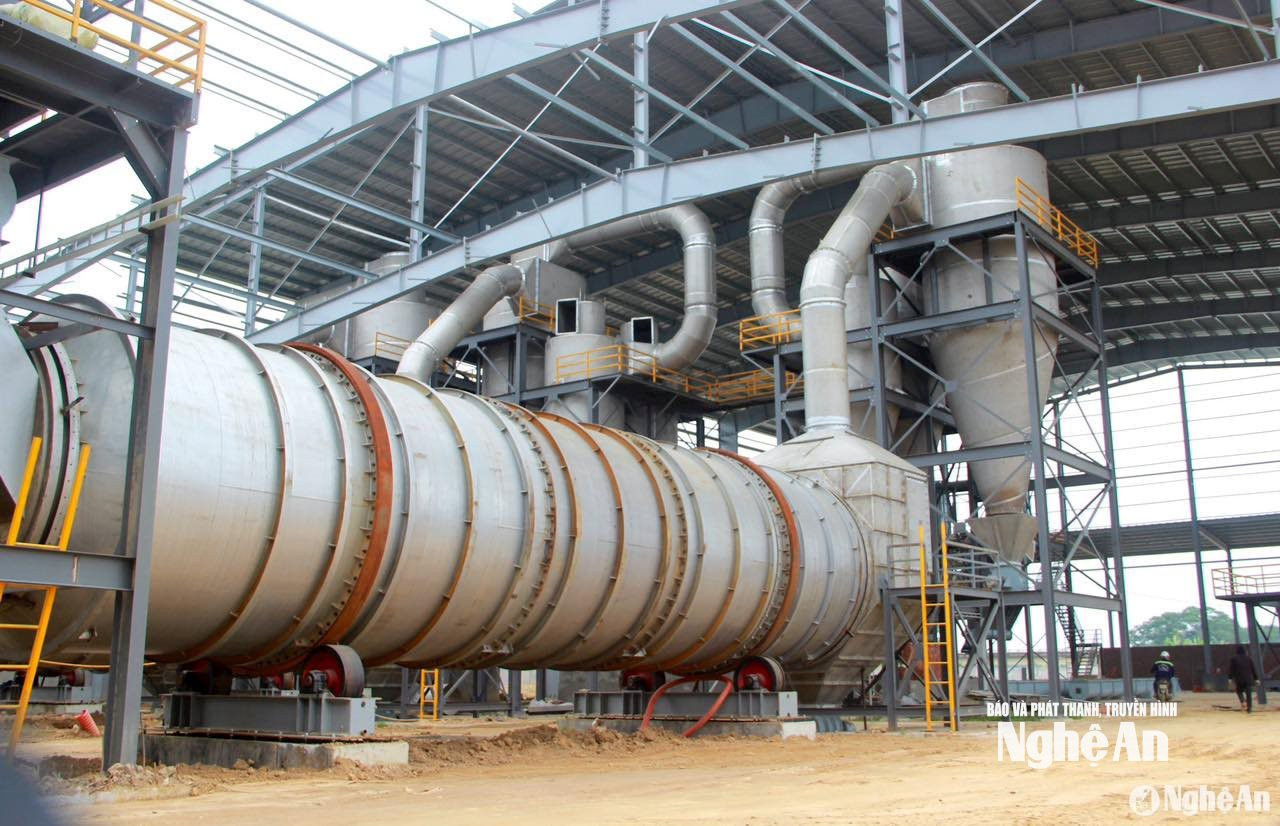
With loans ranging from tens to hundreds of billions of VND, this group possesses strong financial capacity, a sound management system, and diverse collateral assets, making them consistently attractive to major commercial banks. A representative from Nghe An Agricultural Materials Joint Stock Corporation stated: By mortgaging its German-technology-based pellet production line, the project secured a medium-term loan from VietinBank and has now repaid the entire debt. Due to high interest rates, the sooner the repayment is made, the more advantageous it is for the company.
However, for cooperatives, cooperative groups, and small businesses implementing agricultural projects such as high-tech shrimp farming, greenhouses, polytunnels, clean orange production, and OCOP (One Commune One Product) production cooperatives, borrowing capital is usually done through conventional commercial loans with collateral. Accessing preferential capital sources is not easy and they often do not meet the eligibility requirements. The capital flow is mainly focused on investing in greenhouse systems, Israeli drip irrigation systems, or equipping cold dryers and QR code traceability labels for OCOP agricultural products, with common loan amounts ranging from 1 to 3 billion VND per cooperative.
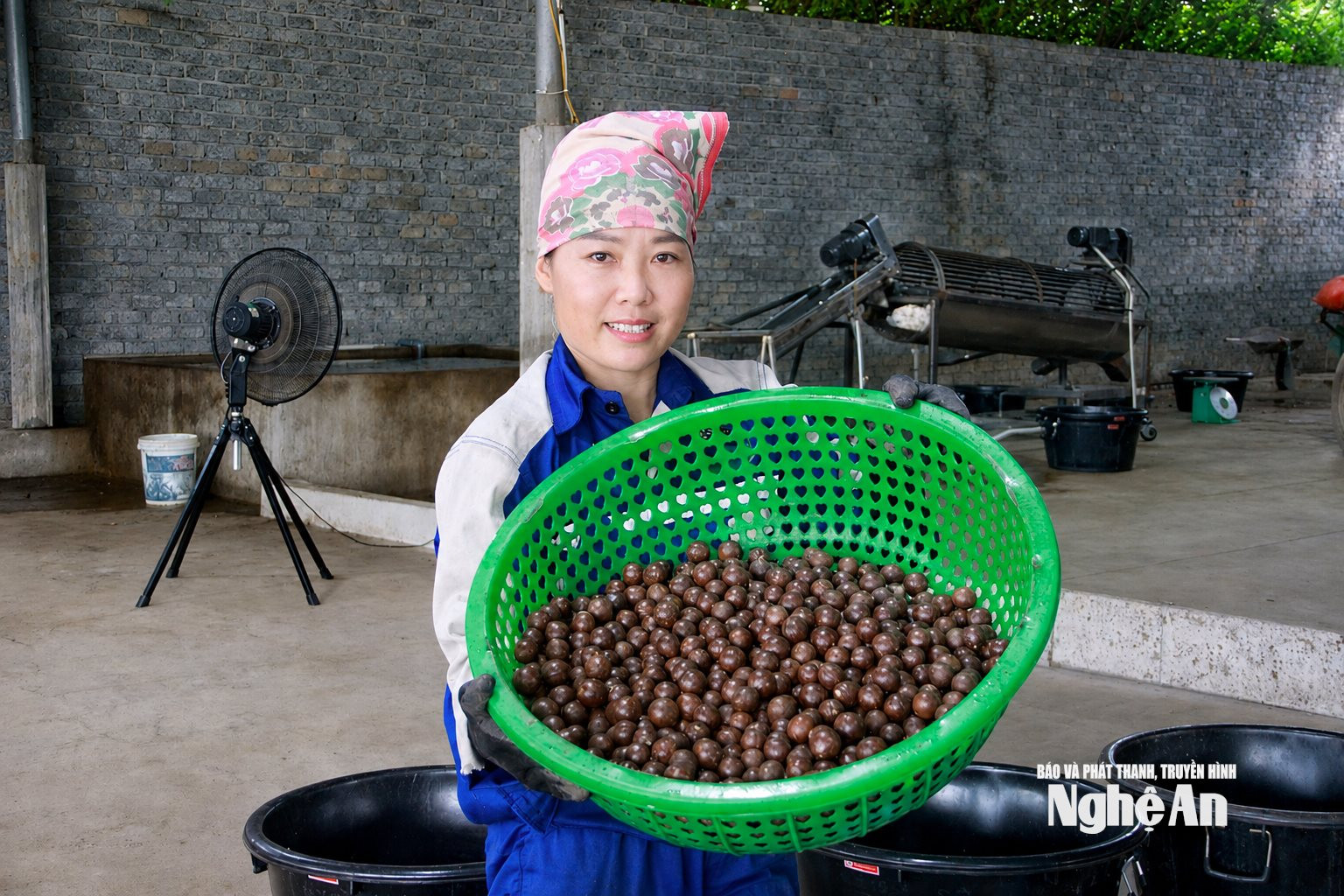
Currently, a trend of value chain-based lending is emerging. Accordingly, banks assess loans based on product purchase contracts with businesses instead of relying solely on collateral. However, the number of cooperatives accessing this form of lending remains very limited. For example, at the Pù Mát Medicinal Herbs Cooperative, Director Phan Văn Diện stated that the unit has yet to access preferential loans for high-tech agriculture due to procedural obstacles related to certification. Similarly, the Thọ Thành Agricultural Cooperative (Vân Du commune) – a typical cooperative operating diverse agricultural mechanization services (land preparation, planting, harvesting) with dozens of high-value machines – also faces difficulties in borrowing capital because it does not meet the collateral requirements stipulated by banks.
In the farm and household sectors, models such as growing cantaloupe in greenhouses with loans ranging from 500 million to 1.5 billion VND, automatic irrigation systems for Quy Hop oranges, or enclosed livestock pens are yielding high economic returns. However, due to the large initial investment required, most households have to mortgage their land ownership certificates ("red books") for residential or agricultural land to secure additional loans for investment and production expansion.
In the Quỳnh Thắng pineapple growing area (Quỳnh Lưu district), the AETA Cooperative is a prime example of applying production processes according to Global GAP standards and has previously had contracts to export pineapples to the South Korean market. To maintain and develop production, the cooperative needs a large investment for its factory, raw material development, and approximately 7-8 billion VND in short-term capital each year to purchase raw materials from local farmers.
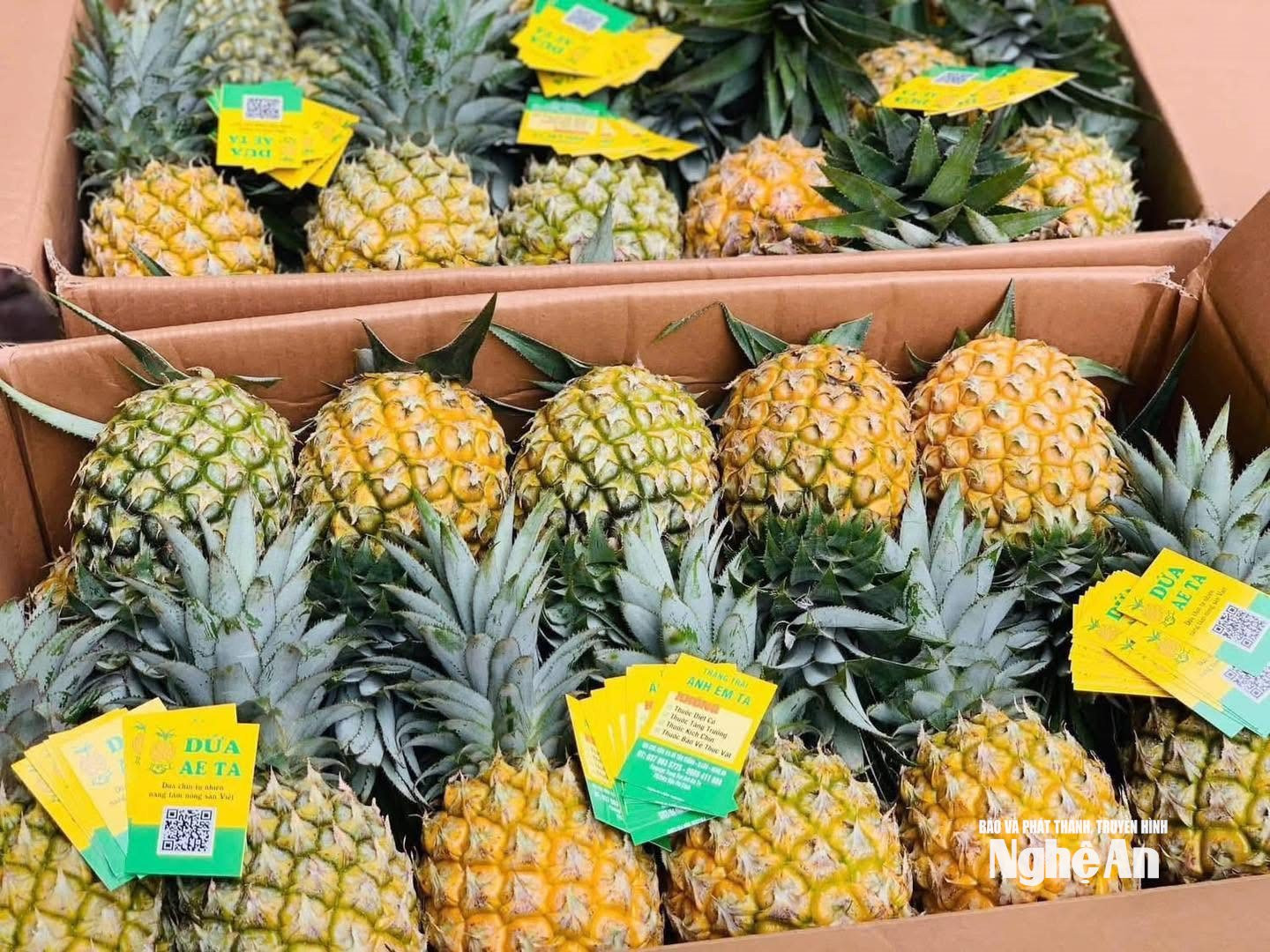
At one point, the cooperative's bank loan interest costs reached 70 million VND per month. Despite operating in the high-tech agricultural sector, the AETA cooperative had never accessed preferential credit specifically for this field. When the market fluctuated, pineapple prices plummeted, coupled with the pressure of rising commercial bank interest rates, pushing the cooperative into a situation of sharply declining profits, even losses. Mr. Dau Ngoc Canh, Director of the AETA cooperative, shared: "Operating capital is vital for the survival of a business, but to date, the cooperative still has to use the personal assets of the management board as collateral to borrow commercial loans. Recently, the cooperative was introduced to access charitable funding from Vingroup, but it is still under review and assessment."
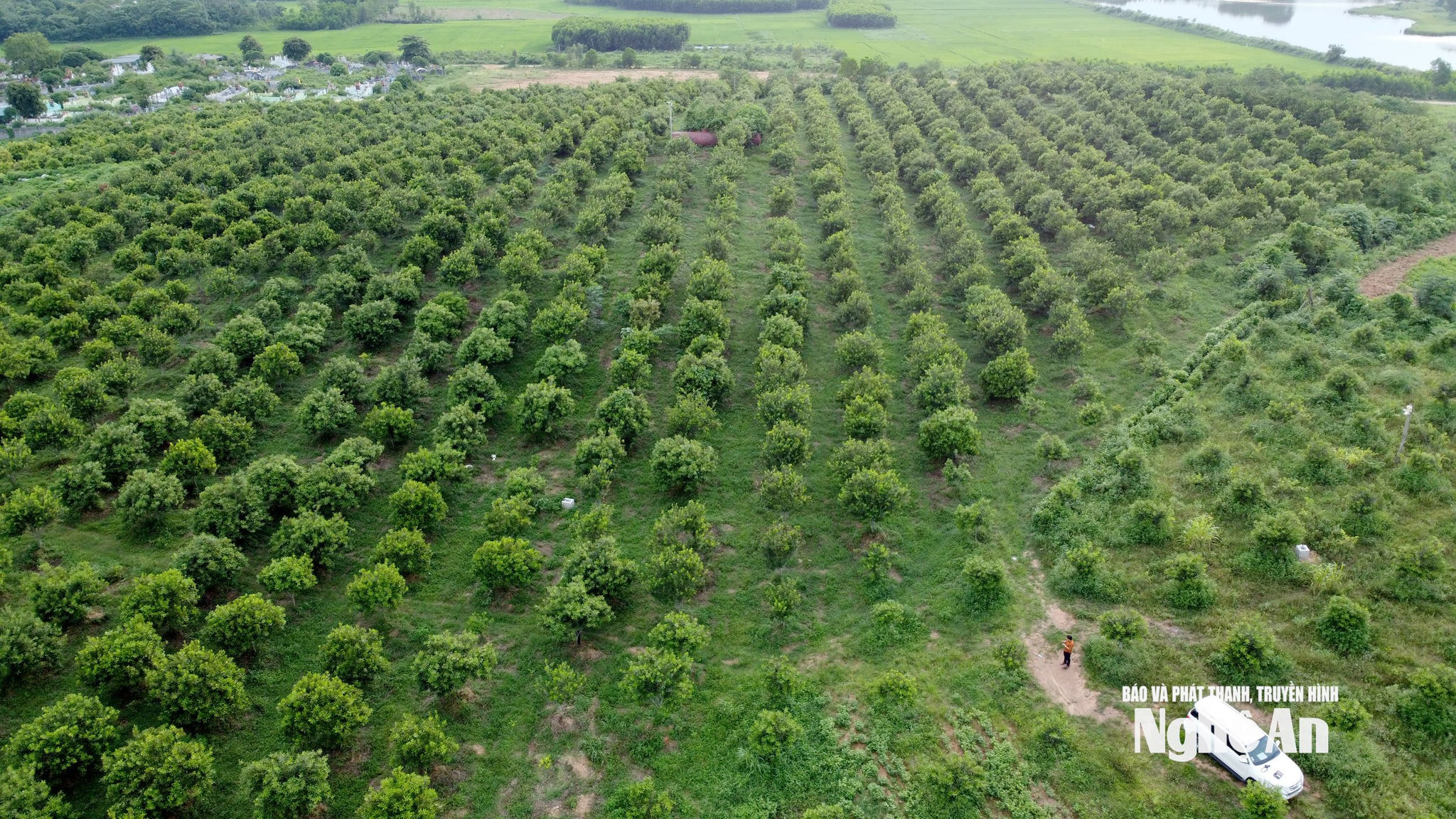
Similarly, Bao Ngoc Enterprise specializes in producing organic fertilizers, supplying seedlings, and developing macadamia nut plantations combined with processing plants. Despite being located within a high-tech agricultural planning zone and having begun its first harvest with promising economic prospects, the company still faces capital difficulties and has not yet accessed any preferential loan sources. To support its production and business operations, the enterprise maintains short- and medium-term debt ranging from 5 to 7 billion VND. Despite these difficulties, the enterprise remains focused on managing its raw material supply and purchasing macadamia nuts from local farmers. Mr. Duong Tien Thanh, the company's director, stated that the enterprise has primarily borrowed capital through conventional commercial credit packages with negotiated interest rates. The collateral for these loans currently relies entirely on personal real estate.
For medicinal herb cooperatives, the need for initial infrastructure investment and raw material procurement is even more urgent. At the Phu Quy Medicinal Herb Cooperative, Ms. Nguyen Dieu Thuy, the director, stated that the cooperative has no common assets registered under its legal name to use as collateral. Therefore, the cooperative is having to borrow land use rights certificates from its members to secure commercial loans. Individuals using family assets as collateral for the cooperative's operations carries significant legal risks and potential civil disputes, but it is currently the only solution. Similarly, Mr. Bui Van Cuong, a cooperative member who invested over 1 billion VND in building trellises, an automatic irrigation system, and improving the soil for cultivating 1 hectare of Danh mountain ginseng in Nghia Dan, cannot access preferential high-tech agricultural loans and has to bear commercial interest rates using his personal assets.
Challenges and solutions
Although the capital needs for green transformation and technological upgrades in agriculture are enormous, the actual disbursement rate from preferential credit packages is extremely modest. From the perspective of credit institutions, Mr. Tran Hoai Nam - Director of Vietinbank Nghe An Branch acknowledged: In recent years, the branch has disbursed very few loans for high-tech and green agriculture programs, even though the bank has ample capital and mechanisms available. The main reason is the lack of projects that meet the legal requirements.
Similarly, the leader of Agribank Tay Nghe An also shared that the outstanding loan balance under this program at the unit accounts for a very small and insignificant proportion. Currently, the bank is making efforts to find customers who meet the standards of green and circular agriculture, but the number of applications that meet the requirements can be counted on the fingers of one hand.
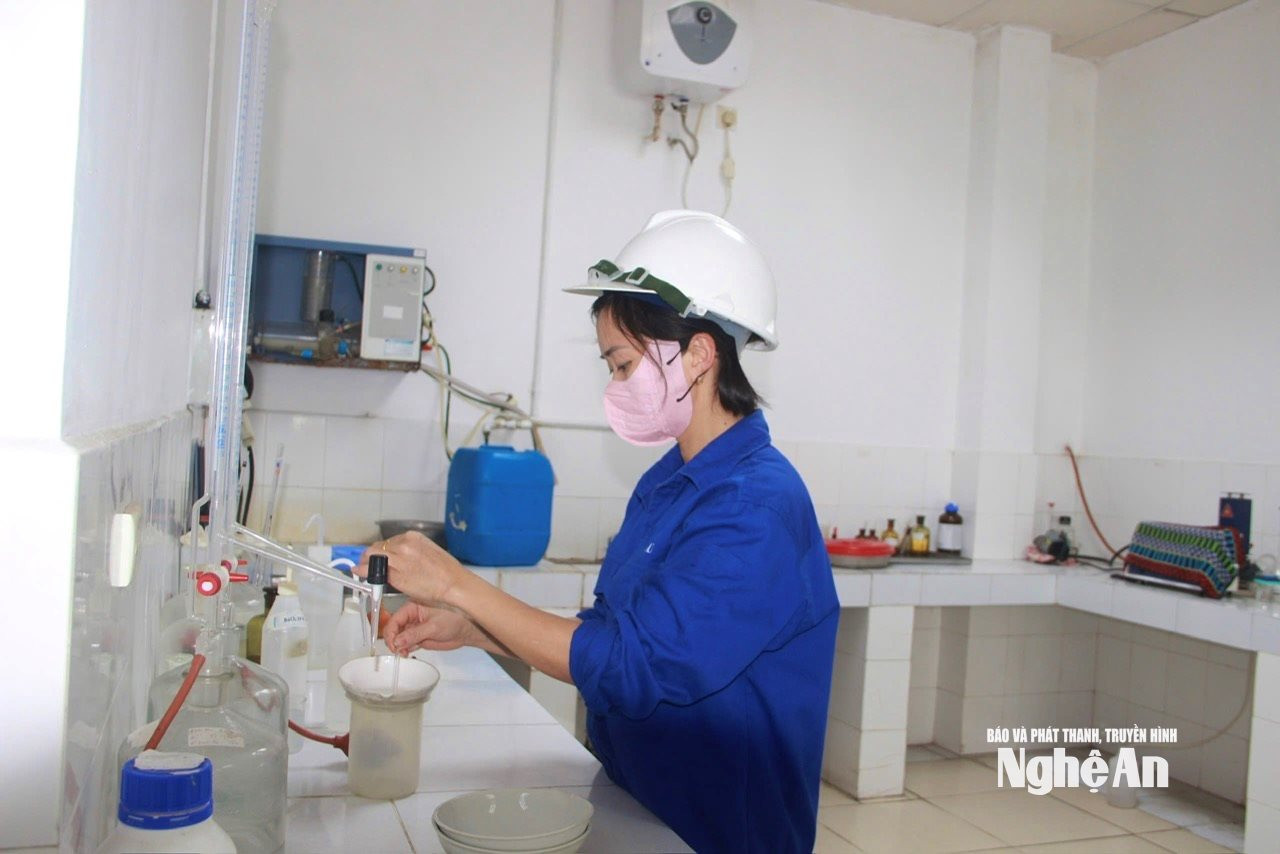
Field surveys and analysis reveal that capital flows for high-tech agriculture in Nghe An are facing three obstacles: Firstly, the first bottleneck: Inadequacies in the valuation and recognition of collateral assets on agricultural land. This is the biggest barrier to high-tech agricultural projects. To implement production, businesses and cooperatives must invest billions to tens of billions of dong in technical infrastructure such as greenhouses, smart irrigation systems, and RAS shrimp farming tanks...
However, according to current legal regulations, it is very difficult for these auxiliary structures serving agricultural production to be granted certificates of ownership of assets attached to agricultural land. When appraising collateral assets, commercial banks only calculate the value of the agricultural land use rights.
The second bottleneck is the barrier of accreditation standards and certification costs. For green and circular agricultural credit, the obstacle lies in the stringent evaluation criteria. Currently, the criteria for accrediting high-tech agricultural projects require that the project be located within a high-tech agricultural zone/region recognized by the Provincial People's Committee, or belong to a high-tech agricultural enterprise certified by the Ministry of Agriculture and Rural Development, or meet a strict list of integrated modern technologies. In reality, very few businesses and cooperatives in Nghe An have the capacity to prepare dossiers that fully meet these criteria.
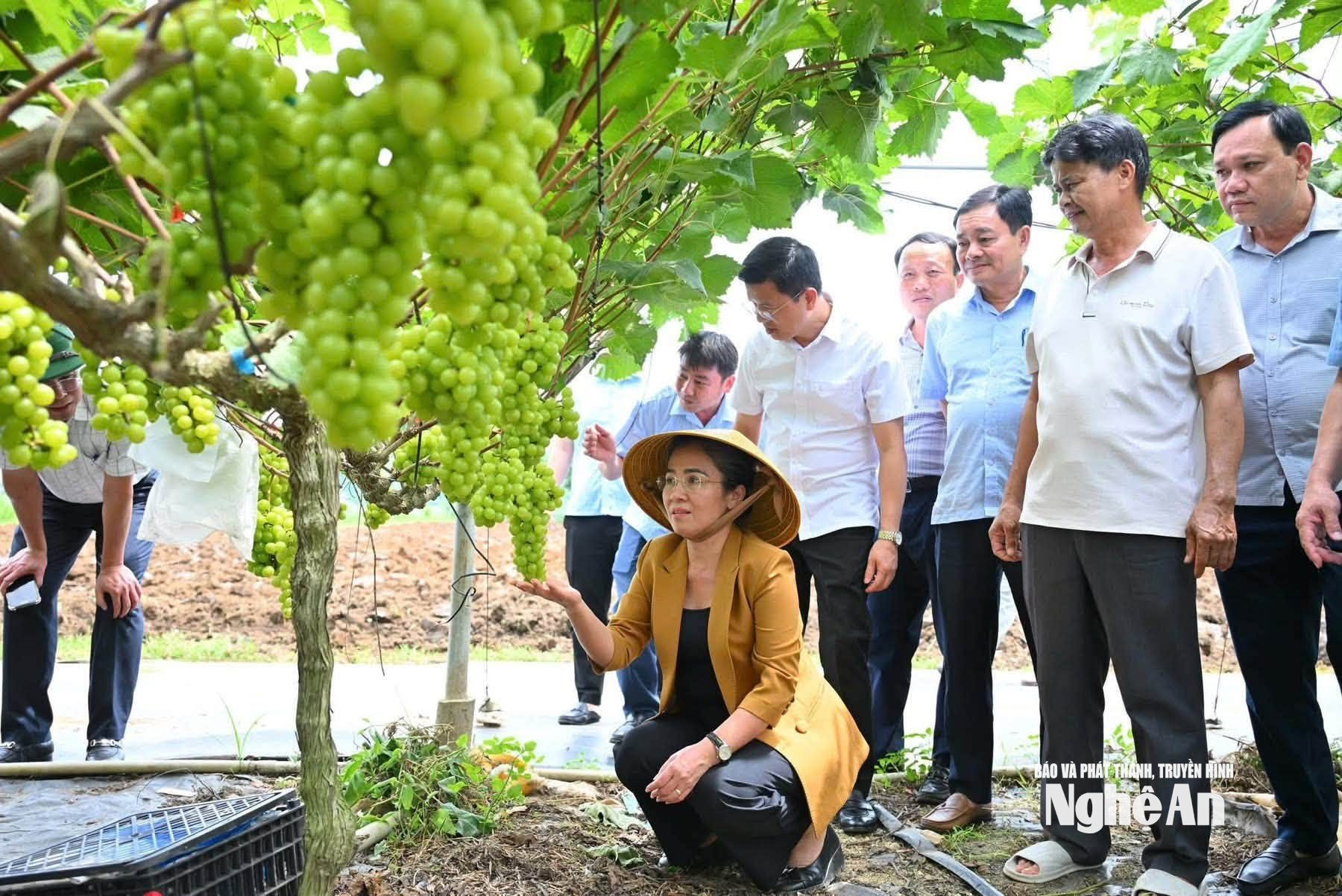
Furthermore, many households and cooperatives engaged in truly ecological and organic farming lack expensive certifications (such as VietGAP, Global GAP, Organic) or environmental impact assessment reports. Without this legal basis, banks cannot apply preferential interest rate packages in accordance with inspection and auditing regulations.
The third bottleneck is the "gap" in agricultural insurance and natural disaster risk. Nghe An is a locality heavily affected by extreme weather, natural disasters, storms, floods, and climate change. The investment costs for high-tech agriculture are very high, but the risk of losses when natural disasters occur is extremely high. Meanwhile, the agricultural insurance market in Vietnam in general and Nghe An in particular is underdeveloped.
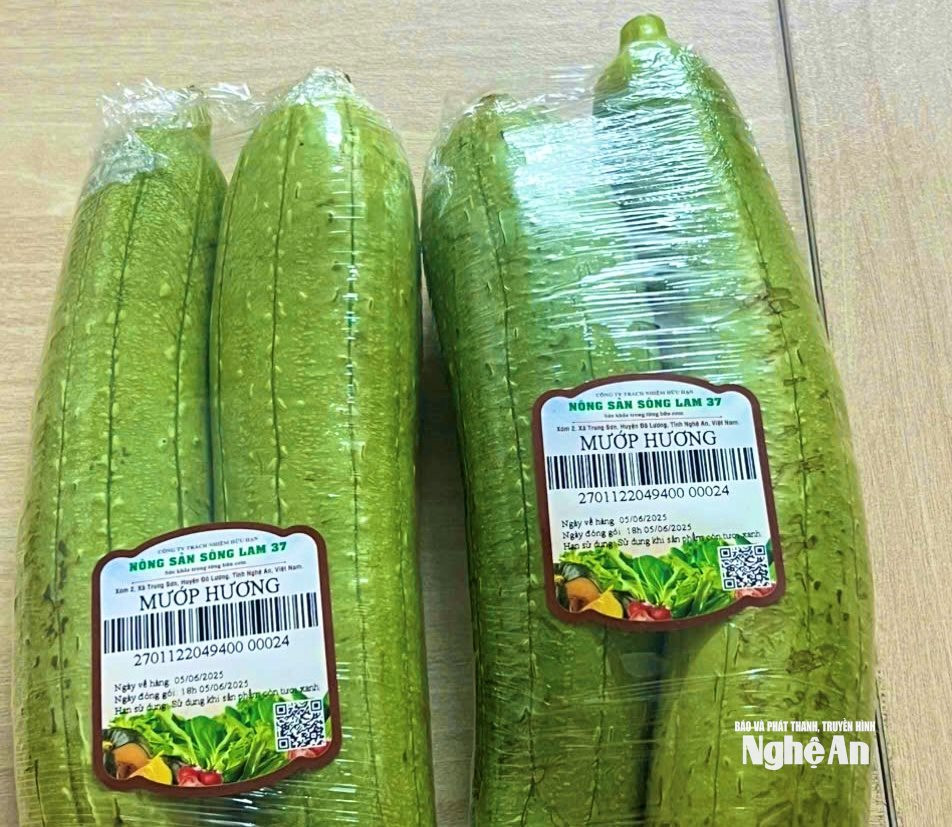
To address the bottleneck in capital flow over the past period, the People's Committee of Nghe An province has proactively shifted from a purely managerial role to a proactive and supportive role for businesses and cooperatives. The focus is on establishing codes for planting areas and agricultural products, integrating key high-tech agricultural production areas (such as Quynh Luu, Hoang Mai, Nghia Dan, and Nam Dan) into the Nghe An Provincial Planning for the period 2021-2030, with a vision to 2050. This clear planning creates a solid legal framework for land use, giving banks confidence in providing medium and long-term credit.
Simultaneously, Nghe An province issued Decision No. 4085/QD-UBND approving the Project for the Development of High-Tech Agricultural Cooperatives Linked to Processing and Product Consumption in the Province for the period 2026-2030. The total budget for the project is 158 billion VND, of which the State budget support is 72.4 billion VND (46 billion VND from the provincial budget; 26.4 billion VND from the central budget); and the matching capital from cooperatives and farmers is 85.8 billion VND.
To shift from a "waiting" approach to proactively accessing commercial and preferential credit, according to a representative from Agribank Tay Nghe An's individual customer department, agricultural businesses and cooperatives need to focus on preparing and perfecting the following core conditions: Standardizing accounting systems and ensuring financial transparency; Absolutely separating personal/cooperative chairman's finances from the legal entity's finances. Cooperatives are required to maintain accounting records, submit periodic financial reports, open separate bank accounts for the organization, and conduct cash inflows and outflows through the bank. For cooperatives and businesses producing green and circular agriculture, they should proactively register and maintain reputable quality certifications (VietGAP, Global GAP Organic, OCOP 3 stars or higher). This is a mandatory "passport" for banks to classify projects into the green/high-tech credit category.
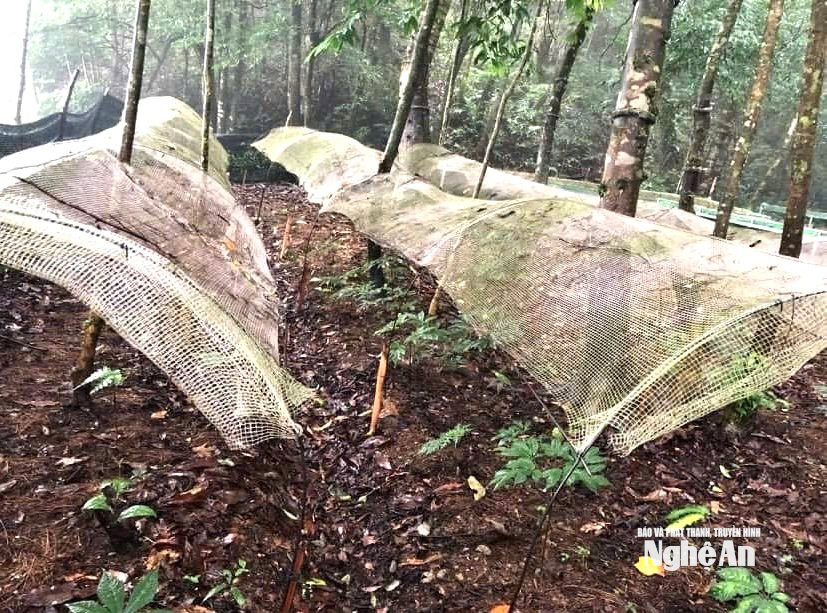
Banks also advise customers to establish complete legal documentation regarding land (long-term land lease contracts, investment approval documents, production area planning approved by competent authorities); and to develop feasible production and business plans and loan plans. The good news is that in early August, the Vietnam Agricultural Bank issued a notice regarding a loan program to boost science and technology with a total capital of 2,000 billion VND. This is a timely solution and provides capital support to households, farm owners, and business owners who are able to apply high technology.
Credit extended to the agriculture, forestry, and fisheries sector in Nghe An province as of July 2026 is estimated to reach VND 54,371 billion, an increase of approximately 5.2% compared to the end of 2025, accounting for 13.8% of the total outstanding loans in Nghe An.
Chau Lan