

Nghe An discusses solutions for sustainable development of medicinal plants.
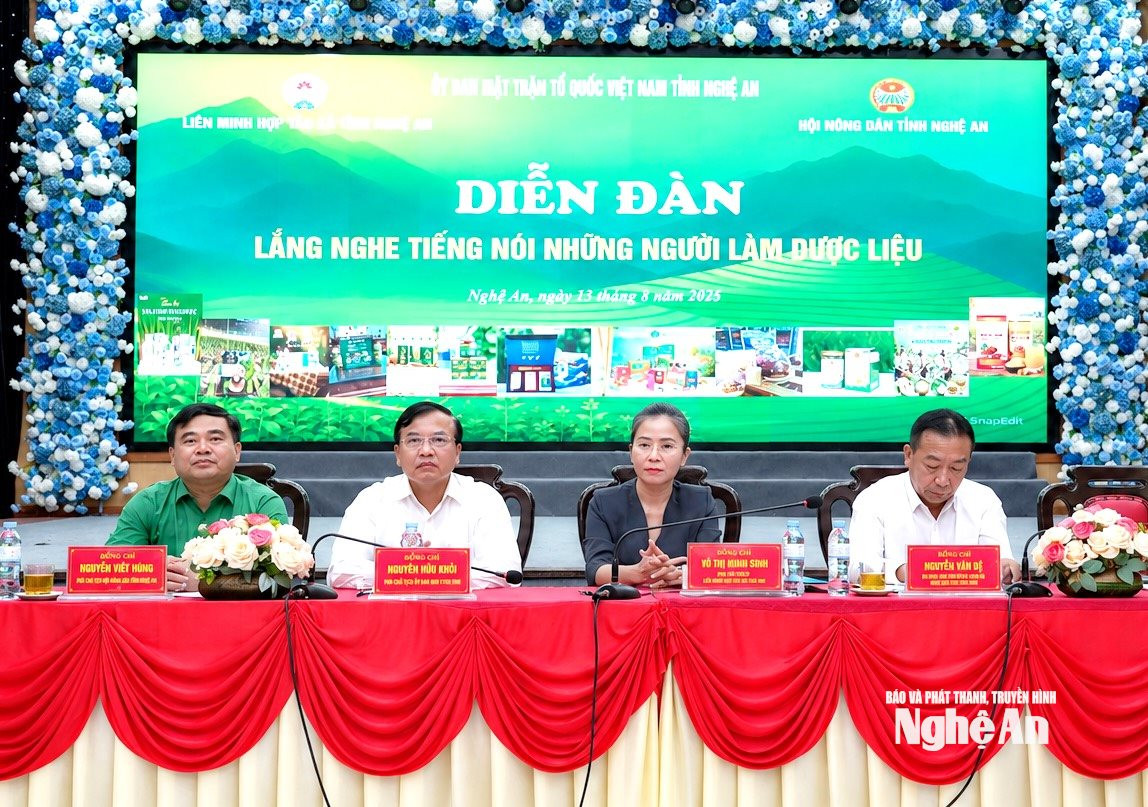
On the morning of August 13th, the Provincial Cooperative Union, in coordination with the Provincial Farmers' Association, organized the forum "Listening to the Voices of Medicinal Herb Producers".
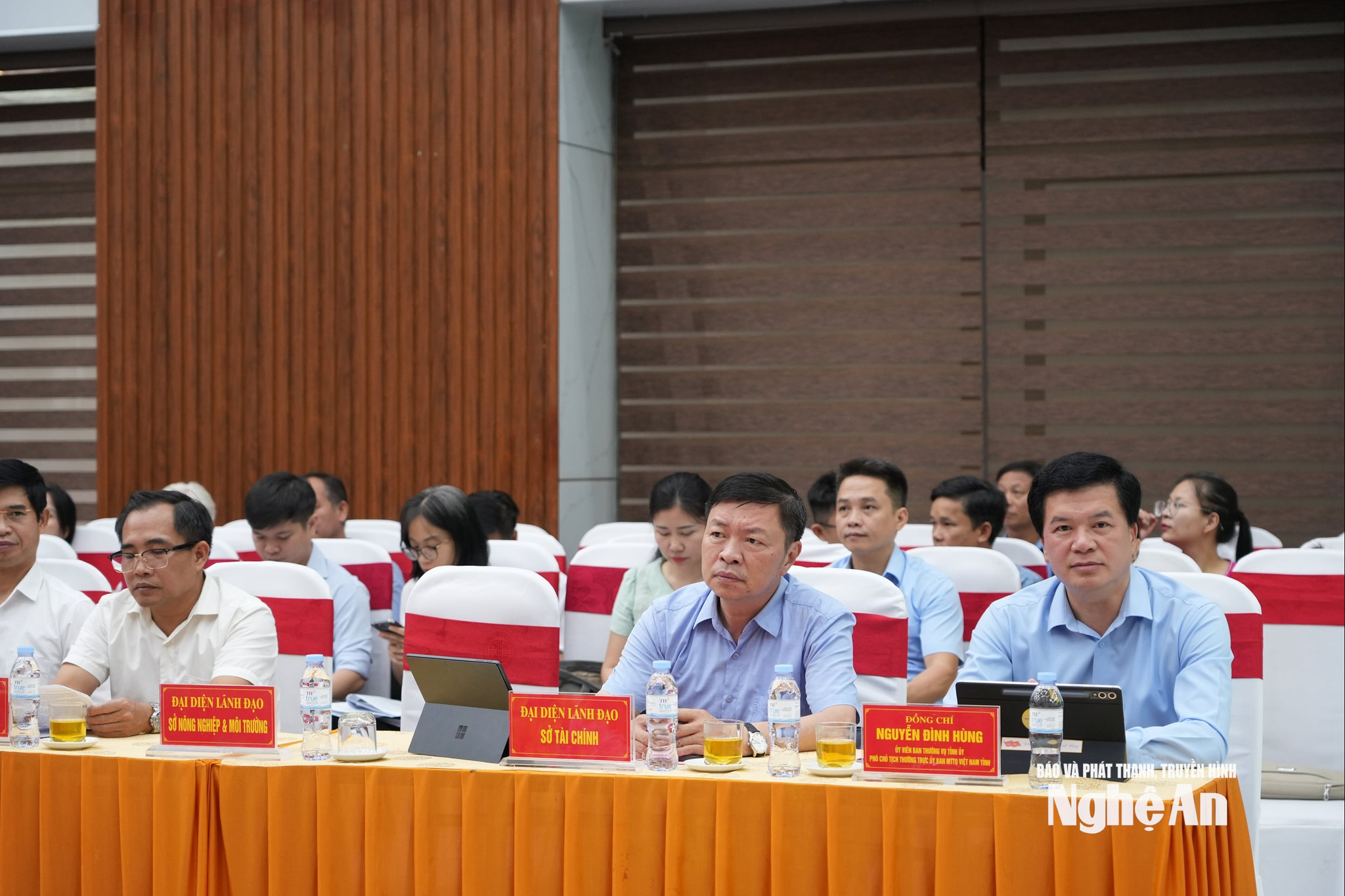
Attending the forum were members of the Provincial Party Standing Committee: Vo Thi Minh Sinh - Deputy Secretary of the Provincial Party Committee, Chairwoman of the Vietnam Fatherland Front Committee of Nghe An province, Head of the Steering Committee for the Development of Medicinal Plants in Nghe An province; Nguyen Van De - Vice Chairman of the Provincial People's Committee; Nguyen Dinh Hung - Standing Vice Chairman of the Vietnam Fatherland Front Committee of Nghe An province; Nguyen Nhu Khoi - Member of the Provincial Party Committee, Vice Chairman of the Provincial People's Council; along with leaders of relevant departments and agencies, representatives of the Provincial Cooperative Alliance, the Provincial Farmers' Association, businesses, cooperatives, cooperative groups, scientists and those involved in the medicinal plant industry.
"Bottlenecks" arising from practice
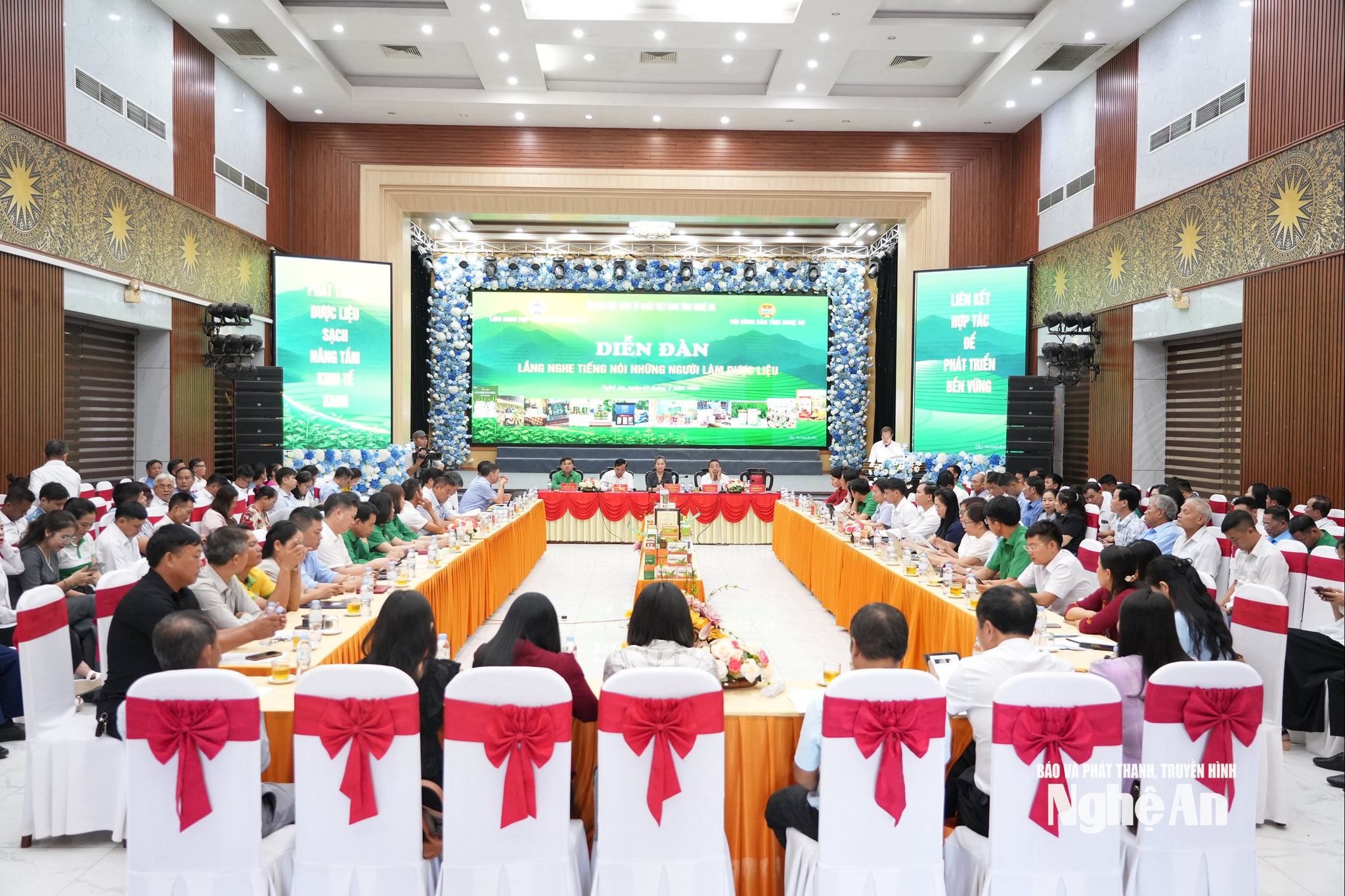
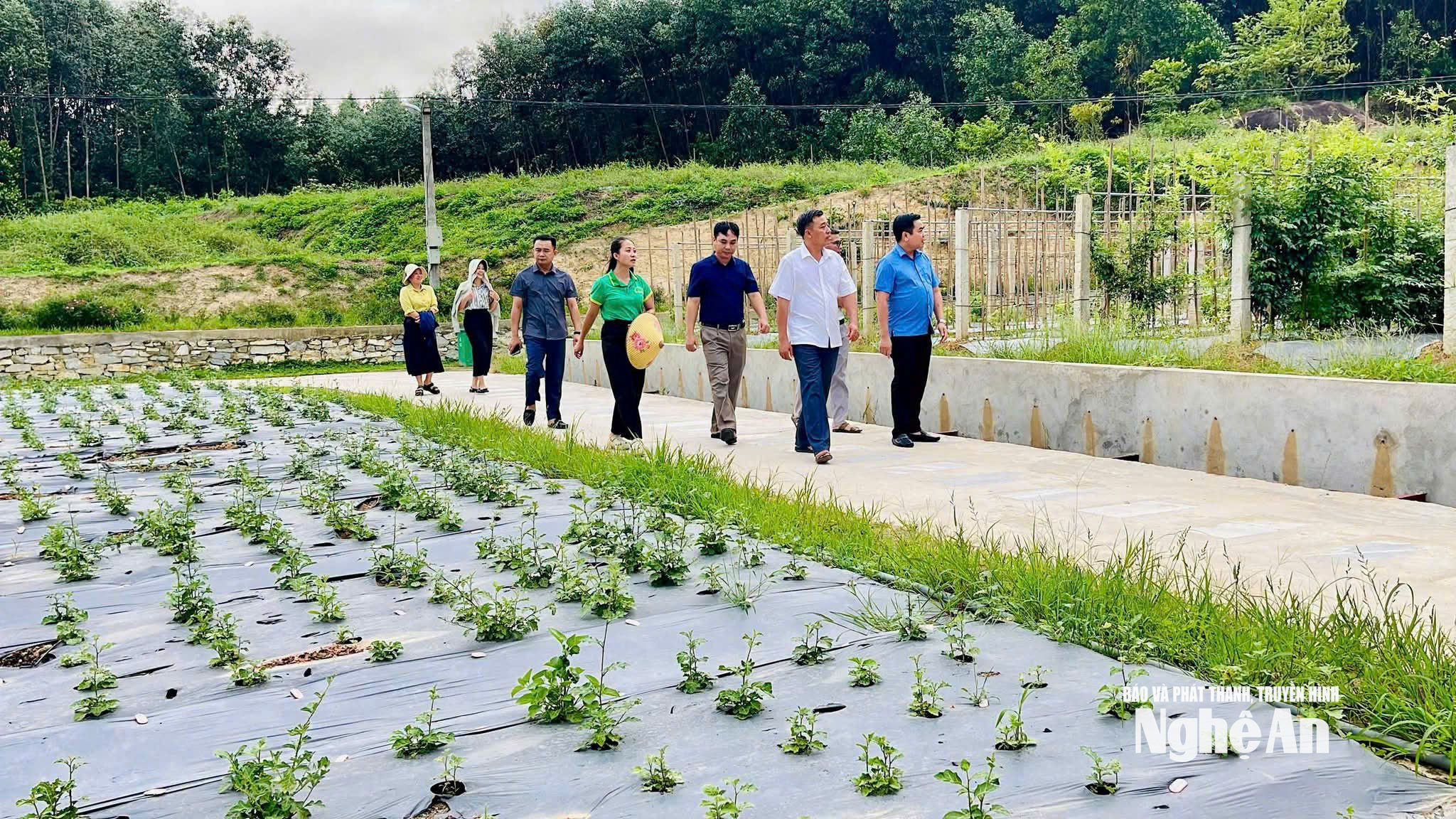
According to reports at the forum, Nghe An has many advantages for developing medicinal plants with its large agricultural and forestry land area, diverse ecosystem, and abundant medicinal plant resources. By 2025, the total area of medicinal plants in the province is expected to reach approximately 3,180 hectares, mainly concentrated in mountainous and midland areas. Key crops include ginger (about 988 hectares), lemongrass (842 hectares), turmeric (503 hectares), cinnamon (over 500 hectares), Solanum torvum (over 103 hectares), Artemisia vulgaris (about 109 hectares), along with several valuable medicinal plant species that are being conserved and tested. Of this, about 1,450 hectares are under organized production and production linkages through cooperatives, production groups, and models of cooperation with businesses.
The province currently has over 40 cooperatives and approximately 75 production groups operating in the field of medicinal herbs, concentrated in 56 key communes, attracting over 600 members and providing employment for hundreds of workers, especially in mountainous areas.
Cooperative societies and associations are gradually participating in organizing production, gathering households, building raw material areas, supplying seeds and materials, providing technical guidance, preliminary processing, processing, and connecting to consumption. Many medicinal products have been processed, commercialized, and branded. To date, nearly 200 lines of medicinal products from cooperative societies have received OCOP certification from 3 stars and above.
However, the production of medicinal herbs still faces many difficulties. Most cooperatives are small in scale, with limited financial resources, making it difficult to invest in expanding cultivation areas, preliminary processing, preservation, and processing facilities. Raw material sources are still scattered; establishing cultivation areas that meet GACP-WHO standards faces many obstacles. Linkages between cooperatives and businesses in production, processing, and consumption are limited; the number of businesses capable of leading the chain, guaranteeing raw material purchases, and investing in deep processing remains small.
The current model for medicinal plant development is still spontaneous, small-scale, and fragmented; value chain linkages from production and processing to consumption between businesses, cooperatives, and households are weak. Raw material areas lack specific planning, investment resources are limited; and some policies regarding land, credit, and science and technology are difficult to access.
Furthermore, information regarding the potential, uses, and market demand for medicinal plants and products is incomplete and untimely, causing many cooperatives to face difficulties in developing production plans, product development, and bringing goods to commercial centers and treatment facilities.
Working alongside local facilities to remove bottlenecks in medicinal herbs.
.jpg)
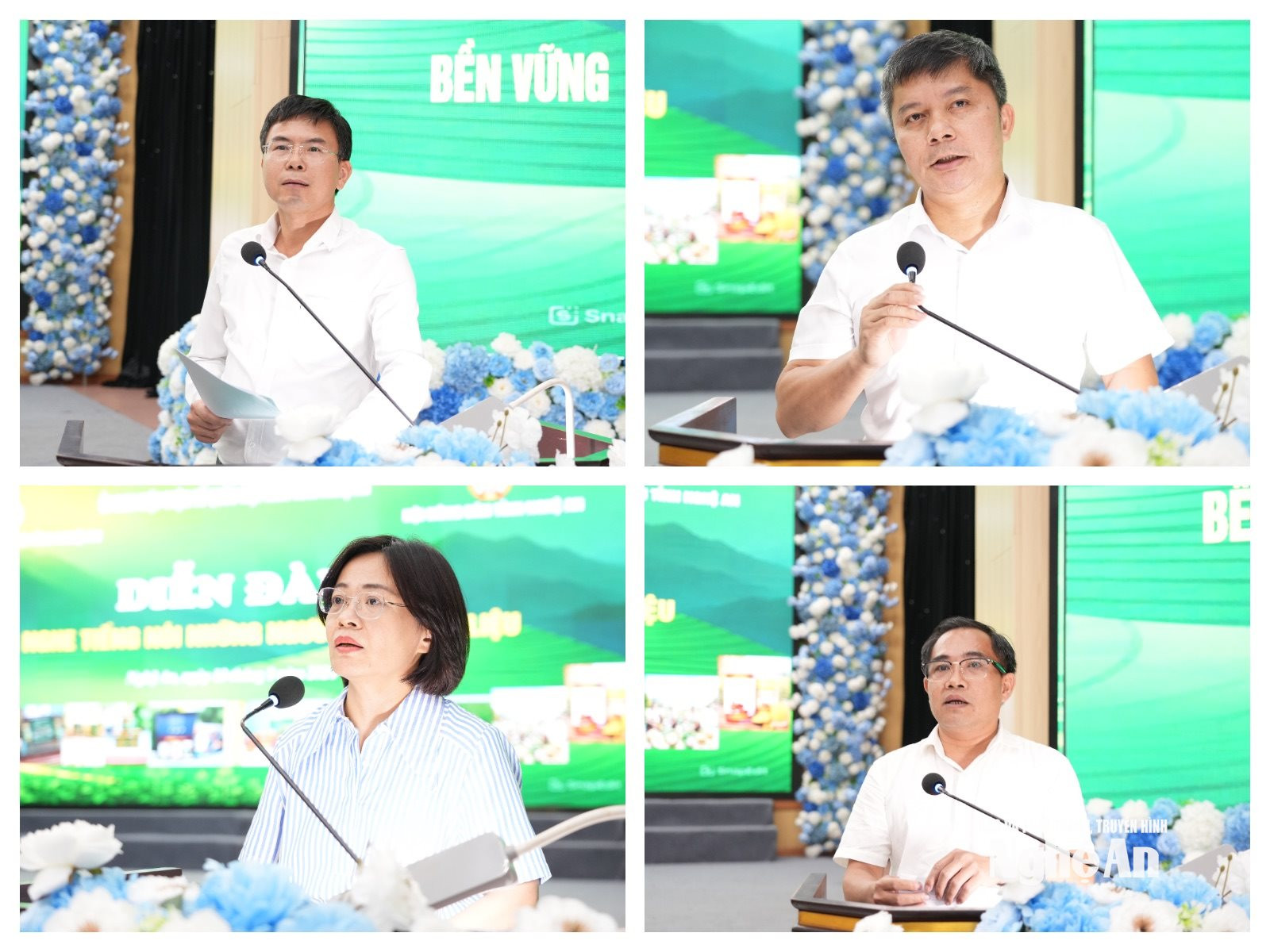
At the forum, 15 representatives from cooperatives, production groups, businesses, and households involved in growing and processing medicinal herbs presented their opinions. The opinions focused on core issues from production to consumption, emphasizing the establishment of stable raw material areas, the selection of medicinal plants with advantages and high economic value for development; support for conservation, propagation, and supply of traceable seeds; and the gradual development of concentrated raw material areas organized by cooperatives, aiming towards GACP-WHO standards.
In addition, delegates proposed removing obstacles related to land, capital, investment in machinery and equipment, and the application of science and technology; improving product quality; strengthening linkages between households, cooperatives, and businesses; promoting deep processing; building brands; and expanding markets. Through these efforts, a linked chain will gradually be formed from raw material areas, production, processing, to consumption, enhancing the value of medicinal herbs in Nghe An.
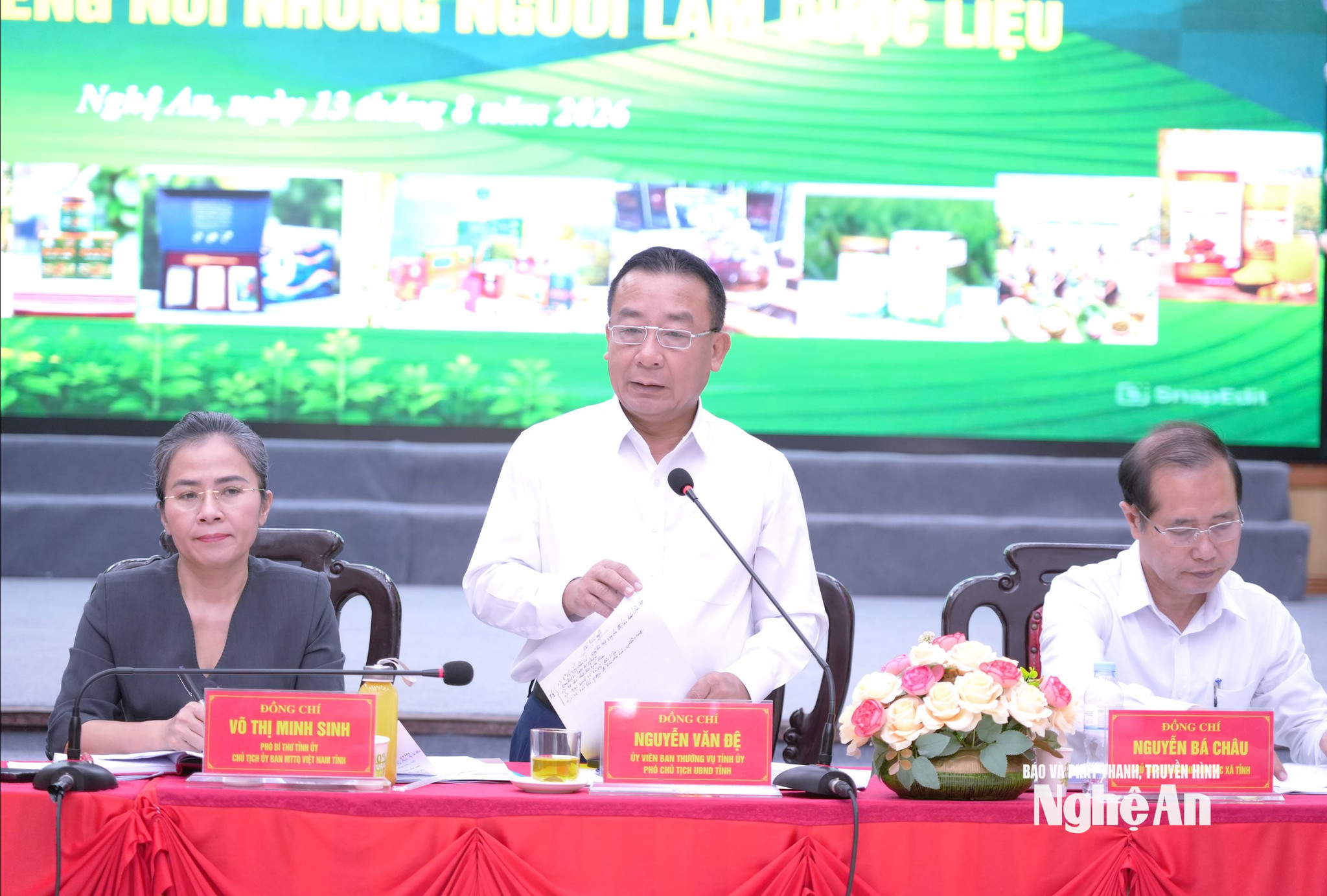
After listening to the opinions of representatives from cooperatives, production groups, businesses, and households involved in growing and processing medicinal herbs, Mr. Nguyen Van De, Vice Chairman of the Provincial People's Committee, requested relevant departments and agencies to discuss and clarify the issues raised in the development of medicinal herbs; and at the same time, propose solutions to support establishments and entities in building raw material areas, investing in production, preliminary processing, processing, applying science and technology, connecting to markets, and consuming products.
In response to this request, representatives from the Department of Agriculture and Environment, the Department of Industry and Trade, and the Department of Health exchanged views and clarified issues within their respective areas of responsibility. They also provided guidance and solutions for developing and managing raw material areas; supporting production and processing; connecting markets and product consumption; and increasing the use of medicinal herbs in healthcare facilities. The feedback contributed to concretizing key tasks and gradually establishing a medicinal herb value chain in the area.
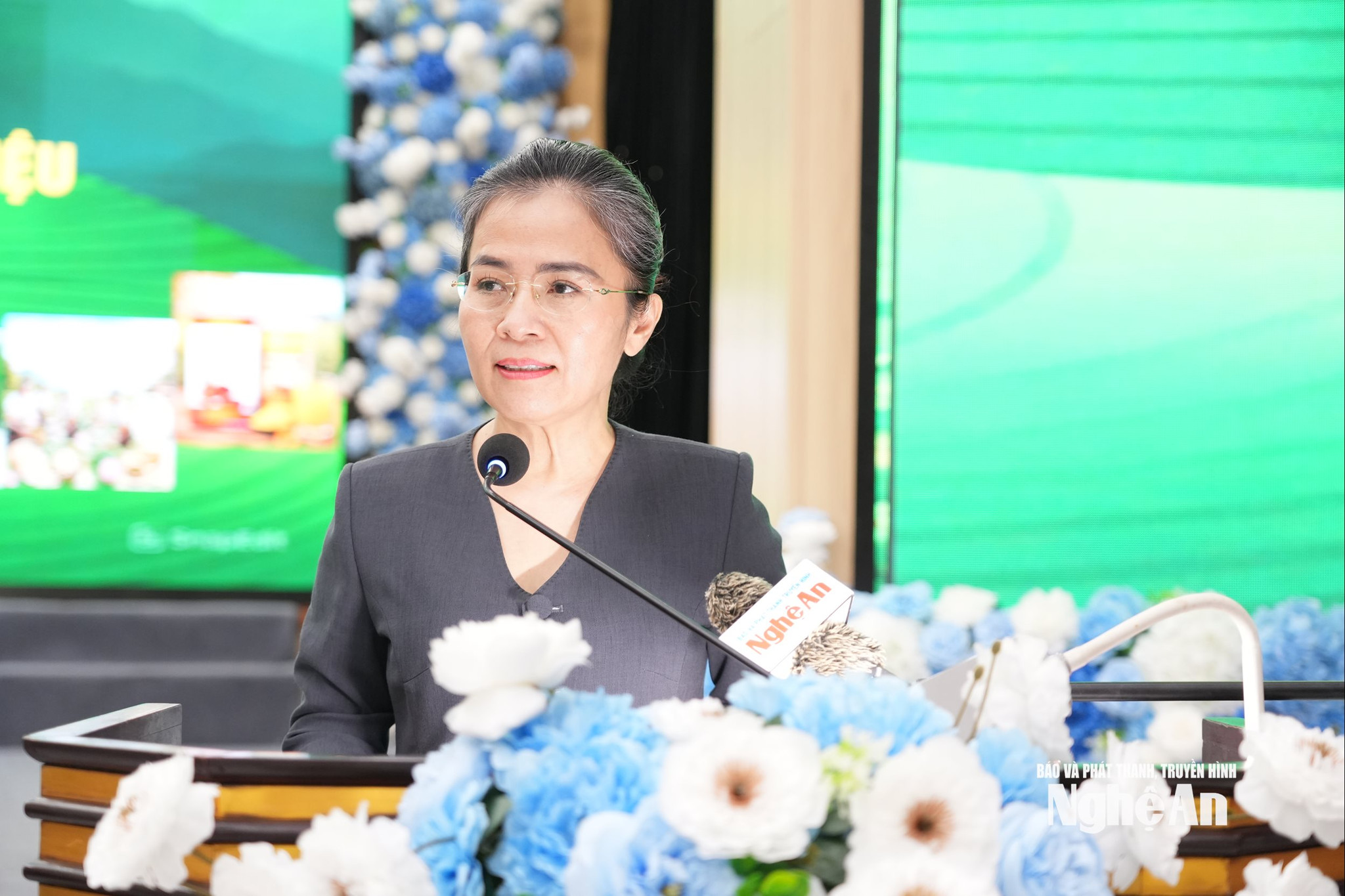
Concluding the forum, Ms. Vo Thi Minh Sinh, Deputy Secretary of the Provincial Party Committee, Chairwoman of the Vietnam Fatherland Front Committee of Nghe An province, and Head of the Steering Committee for Medicinal Plant Development in Nghe An province, affirmed that medicinal plants not only have value in healthcare but also bring economic value and create livelihoods for people, especially those in mountainous areas. She acknowledged and highly appreciated the efforts of localities, cooperatives, businesses, and people in developing medicinal plant cultivation and processing areas, and building medicinal plant products, many of which have achieved OCOP 3-star and 4-star ratings.
Comrade Vo Thi Minh Sinh highly appreciated the significance of the forum in creating an opportunity to listen to the thoughts, aspirations, and suggestions of those directly involved in medicinal plant production; thereby frankly acknowledging existing shortcomings and bottlenecks, discussing solutions to overcome them, and orienting development in the future.
.jpg)
According to him, the development of medicinal plants in Nghe An needs to focus on three core values: caring for community health; enriching the people, linking it to the livelihoods of ethnic minorities in mountainous areas and closely connected to the forest; and creating a green, sustainable economy, gradually forming a medicinal plant industry in the province.
To achieve this goal, it is necessary to strengthen the linkages between the "five stakeholders": farmers, businesses, scientists, banks, and the State. In this linkage, cooperatives play a key role in uniting households, organizing production, and developing raw material areas; businesses participate in processing and consumption; scientists provide support in terms of seeds, technical processes, and technology; banks facilitate access to capital; and the State refines mechanisms and policies, invests in infrastructure, and supports connectivity.
Comrade Vo Thi Minh Sinh stated that the development of medicinal plants has been identified by the Provincial Party Committee as a key content and task in the Action Program implementing the Resolution of the 20th Provincial Party Congress. The Standing Committee of the Provincial Party Committee has established a Steering Committee for the Development of Medicinal Plants to advise on the development of a Project and Resolution on the development of medicinal plants for the period 2026-2030. The opinions expressed at the forum provide an important practical basis for making these contents more realistic.
Nghe An is being oriented to become a key medicinal plant development area in the North Central region; forming concentrated raw material areas for advantageous and high-value species, while preserving and developing rare and specialized species. The comrade suggested encouraging cooperatives to expand production scale, apply GACP, VietGAP, and organic standards; promote traceability, digital transformation, invest in preliminary processing and deep processing, build brands, and develop OCOP medicinal plant products.
Furthermore, it is necessary to develop the medicinal plant value chain from research, seed production, establishing raw material areas, preliminary processing, processing to consumption; strengthen linkages between cooperatives, businesses, scientists and distribution units, gradually increasing the added value of Nghe An's medicinal plant products. The comrade also emphasized the need to promote awareness campaigns about the role, value, and potential of medicinal plants, creating consensus in the sustainable development of the medicinal plant industry.