

The US national debt has surpassed the historic mark of $40 trillion for the first time.
The U.S. Treasury Department confirmed on August 19 that the country's total public debt has officially surpassed $40 trillion, significantly higher than previous forecasts. The rapid increase in debt stems from rising interest payments, expanding defense spending, and increasing fiscal pressure, raising concerns about the sustainability of the world's largest economy.
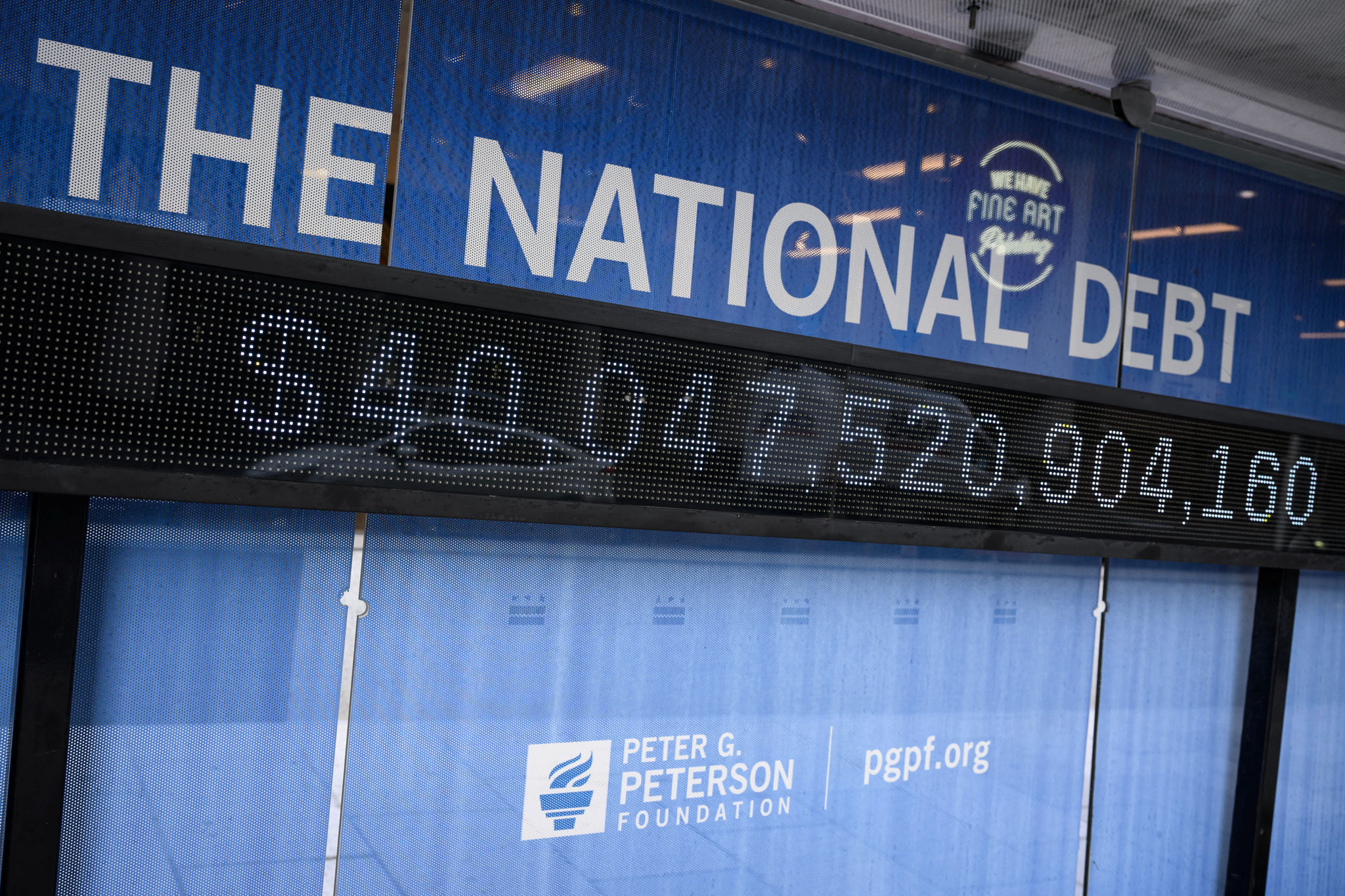
According to data from the U.S. Treasury Department, the total public debt as of August 18, 2026, reached $40.05 trillion. This figure exceeds the $39.4 trillion forecast by the Congressional Budget Office (CBO) for the end of fiscal year 2026.
The dramatic increase in US public debt occurred as the federal government operated under a budget deficit and had to borrow money to cover its financial obligations.This includes the impact of canceled tariff policies and increased defense spending related to conflicts in the Middle East.
Jessica Riedl, a budget and tax research expert at the Brookings Institute, noted that the U.S. maintains a deficit of approximately $2 trillion annually, even during periods when the economy is not in crisis. She noted that while a deficit of 3% to 4% of GDP used to worry financial markets, it has now approached 6% to 7% of GDP.
High interest rates and inflation have pushed the government's debt service costs to record levels. Interest payments now exceed many other mandatory expenditures, forcing Washington to refinance old debt at the highest interest rates since before the 2008 global financial crisis.
Earlier this week, US Treasury bond yields...HaveLong-term yields have risen to their highest level since 2007 due to pressure from fiscal risk concerns and geopolitical situations. Although the US Treasury intervened to stabilize the bond market on the morning of August 19th, helping to cool down yields,ButInvestors' long-term concerns have not been fully allayed.
Besides military spending and trade deficits, the automatic increase in mandatory expenditures such as Social Security and Medicare due to an aging population is also a major driver sustaining the upward trend in public debt.
Although total public debt is a symbolic milestone, many economistsstillwatchThese milestones serve as a warning to financial markets that they need to reconsider the issue of rising public debt..
Caleb Quakenbush, Director of Fiscal Policy at the Bipartisan Policy Center, said that federal government borrowing surged during the Great Recession (2007-2009) and continued to increase following the government's response to the recession caused by the COVID-19 pandemic. However, hegive that Congress andUS governmentThere is still no effective or sustainable solution to address the current spending trajectory.. He also warned of the uncertainties surrounding "unprecedented levels of borrowing thatAmericaare witnessing this now."SimultaneouslyIt should be noted that the bond market could face significant challenges in a crisis scenario.
Although the US government once aimed to bring the budget deficit down to 3% of GDP, current realities suggest that interest rates on consumer loans, mortgages, and business investment costs are likely to continue facing upward pressure in the near future.