

Japan protests against Russia's missile exercises near disputed islands.
Japan announced on August 21 that it had sent a diplomatic protest to Russia's announcement of missile exercises off the disputed islands that Moscow calls the Kuril Islands and Tokyo calls the Northern Territories. The exercises took place shortly after Russian President Vladimir Putin's first visit to the disputed islands since 2010.
According to Kyodo News, the Russian Pacific Fleet announced that a unit equipped with the Bastion anti-ship missile system conducted a missile test.
The exercise also involved the guided missile cruiser Varyag, the flagship of the Pacific Fleet, and the nuclear submarine Omsk. According to the Russian side, the exercise simulated an attack on enemy ships, with designated targets being hit at a distance of at least 300 km. However, the specific timing of the exercise was not disclosed.
A Japanese government spokesperson said the country had "issued a protest in response to Russia's announcement of plans to conduct missile tests" near the islands, which the two countries have disputed sovereignty over for decades. Tokyo maintains that these islands are an inseparable part of Japanese territory.
Japanese Foreign Minister Toshimitsu Motegi had previously criticized Russia's military activities in the region. He stated that Moscow's increased military presence in the Northern Territories, including missile exercises, "goes against Japan's position" and is unacceptable to Tokyo.
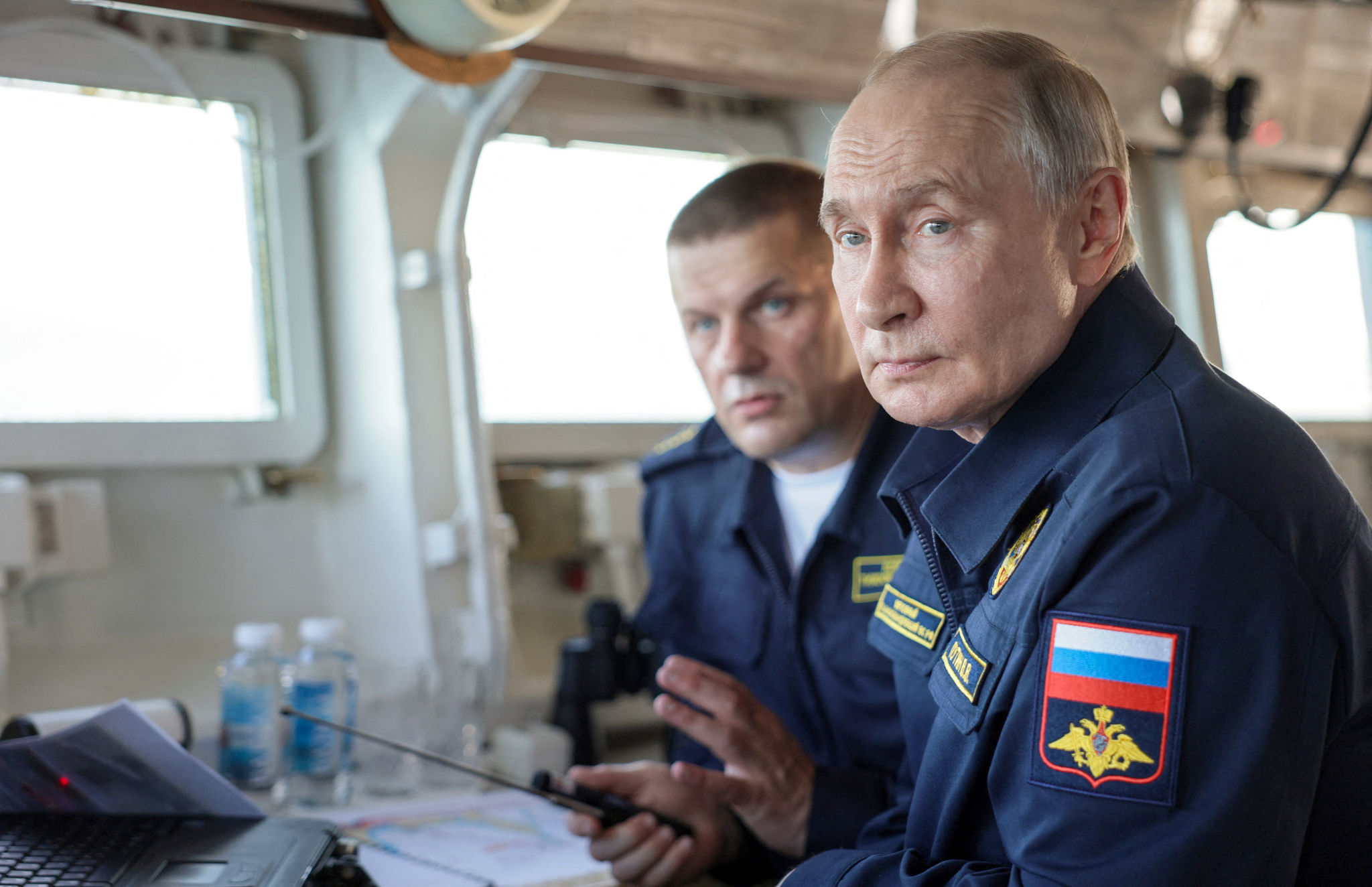
The latest tensions emerged following President Vladimir Putin's visit to the disputed islands on August 13. This was the first official visit by a Russian president to the region since Dmitry Medvedev's visit in 2010. Putin arrived in the archipelago after visiting the neighboring island of Sakhalin, where the Russian Navy is conducting exercises.
Immediately after the visit, Japan met with the Russian ambassador to protest. Moscow subsequently took similar diplomatic action in response.
Japanese Prime Minister Sanae Takaichi subsequently reaffirmed Tokyo's position that these islands are "an inherent part of Japanese territory," based on both history and international law.
The issue of territorial disputes over the islands has become more sensitive amid deteriorating Russia-Japan relations since the conflict in Ukraine erupted in 2022. Japan has joined the G7 group in imposing sanctions on Moscow and providing support to Kyiv.
Some analysts suggest that Putin's visit may carry a broader message than just territorial issues, potentially including a warning to Tokyo against further expanding military support for Ukraine, such as providing Patriot air defense systems, or strengthening cooperation with NATO.