
Independence - The foundation for the aspiration of national strength.
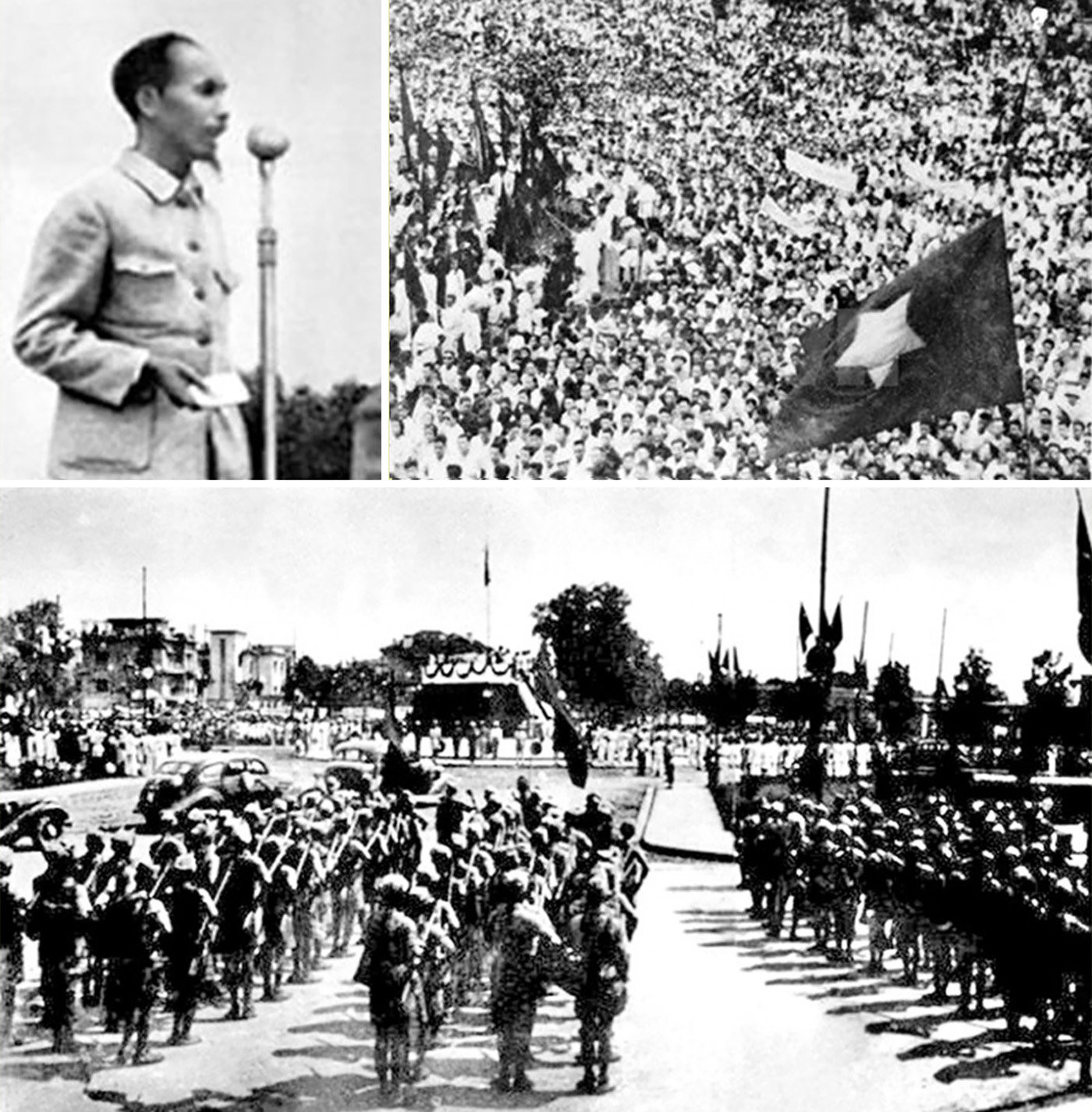
On September 2, 1945, at the historic Ba Dinh Square, President Ho Chi Minh read the Declaration of Independence, solemnly proclaiming to the Vietnamese people and the world the birth of the Democratic Republic of Vietnam. From that moment, the Vietnamese nation entered a new era - an era of independence, freedom, and the people being masters of their own destiny.
Dr. Pham Ngoc Hung• September 1, 2026
On September 2, 1945, at the historic Ba Dinh Square, President Ho Chi Minh read the Declaration of Independence, solemnly proclaiming to the Vietnamese people and the world the birth of the Democratic Republic of Vietnam. From that moment, the Vietnamese nation entered a new era - an era of independence, freedom, and the people being masters of their own destiny.

The success of the August Revolution of 1945 was the result of a long process of preparation in terms of revolutionary strategy, forces, and bases, as well as the ability to correctly identify and seize opportunities and mobilize the strength of the entire nation. From shifting the strategy to prioritize national liberation, establishing the Viet Minh Front, building political and armed forces, to deciding on a general uprising when the opportunity arose, the revolution transformed the aspiration for independence into reality.
That lesson remains relevant, but the meaning of independence in the new context has evolved. In 1945, independence meant primarily regaining political self-determination and ending colonial rule. Today, in a world of deep integration and increasingly fierce competition, independence must also be guaranteed by national strength and self-reliance in many aspects.
A nation can only truly achieve self-determination when it possesses a resilient economy, masters science and technology, especially in key sectors, has a high-quality workforce, effective institutions, strong national defense and security, and the ability to proactively respond to external changes. Self-reliance does not mean closing off or isolating oneself from the world, nor does it equate to self-sufficiency. In the era of integration, it means the ability to integrate deeply without becoming dependent; to leverage external resources without losing internal strength; and to participate in global value chains while gradually improving its position within those chains.
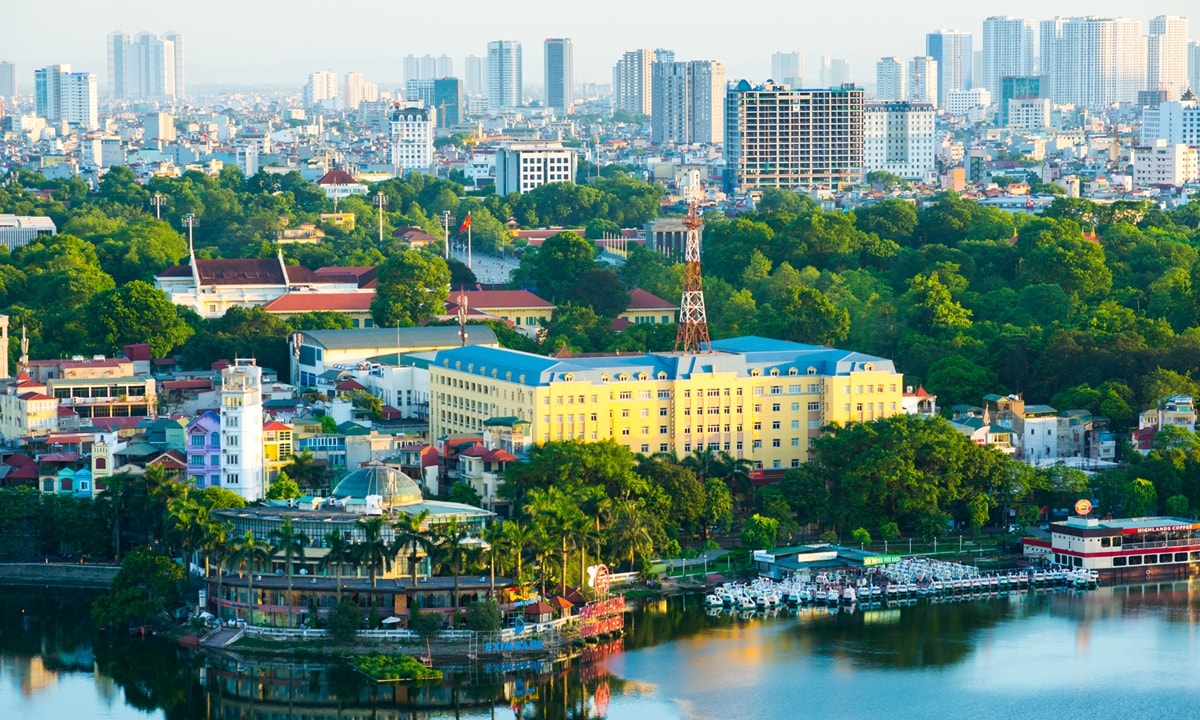
Forty years of reform have shown that Vietnam is gradually building these foundations. From a poor, small-scale economy, the country has risen to become a large-scale economy in the region, with a high degree of openness, and increasingly participating in the global trade and investment network. The infrastructure system has been expanded; production capacity, science and technology, and digital transformation have been gradually improved; and the material and spiritual lives of the people have been enhanced. These achievements are an important aspect that contributes to the strength of our independence.
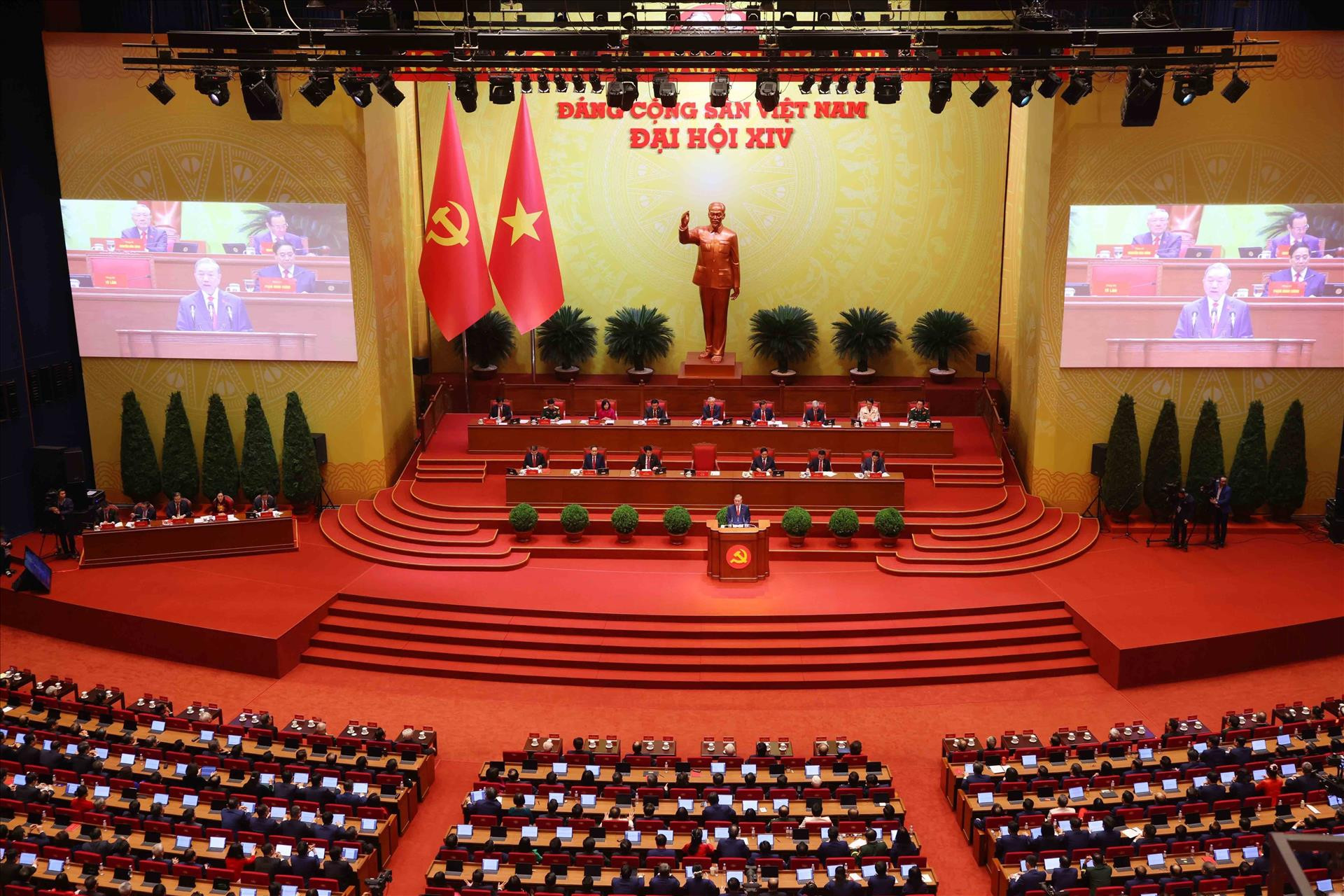
In this new stage of development, the need to enhance self-reliance becomes even more urgent as the world undergoes profound changes: increased strategic competition, restructuring of supply chains, unprecedented technological development, and green and digital transformations are changing production methods and growth models. The documents of the 14th National Congress identify science, technology, innovation, and national digital transformation as the main drivers of the new growth model. This is not only a requirement for economic development but also a requirement to strengthen the foundation of national self-reliance.
Therefore, building an independent and self-reliant economy must be linked to developing strategic industries, enhancing the capacity of Vietnamese businesses, mastering technology, ensuring energy security, food security, data security, and increasing the resilience of the economy. Along with this, it requires building a state with modern governance capabilities, a society with high consensus, and a strong national defense and security system to firmly protect the Fatherland.
Enhanced self-reliance also lays the foundation for raising the nation's standing. From a nation that had to struggle for independence and recognition of its right to self-determination, Vietnam today has become an active and responsible member of the international community. The expansion of foreign relations, increasingly deep participation in multilateral mechanisms, and proactive contributions to common issues demonstrate that a nation's standing is measured not only by economic size or military potential, but also by its ability to contribute, its attractiveness, its prestige, and its capacity to shape the development environment.

If independence is the foundation, then national unity is one of the fundamental sources of strength to build and develop that foundation. The victory of the August Revolution is vivid evidence of the power of gathering, organizing, and mobilizing the entire people. At a decisive moment in history, the call to "use our own strength to liberate ourselves" became a powerful impetus for millions of people to rise up simultaneously to seize power.
This lesson, in the current context, needs to be promoted by transforming patriotism, national pride, and the aspiration for development into endogenous resources for national construction. Great national unity must become a constant foundation of development. This includes consensus between the Party, the State, and the people; cohesion between regions, social strata, businesses and workers; and the connection between domestic resources and the Vietnamese community abroad.
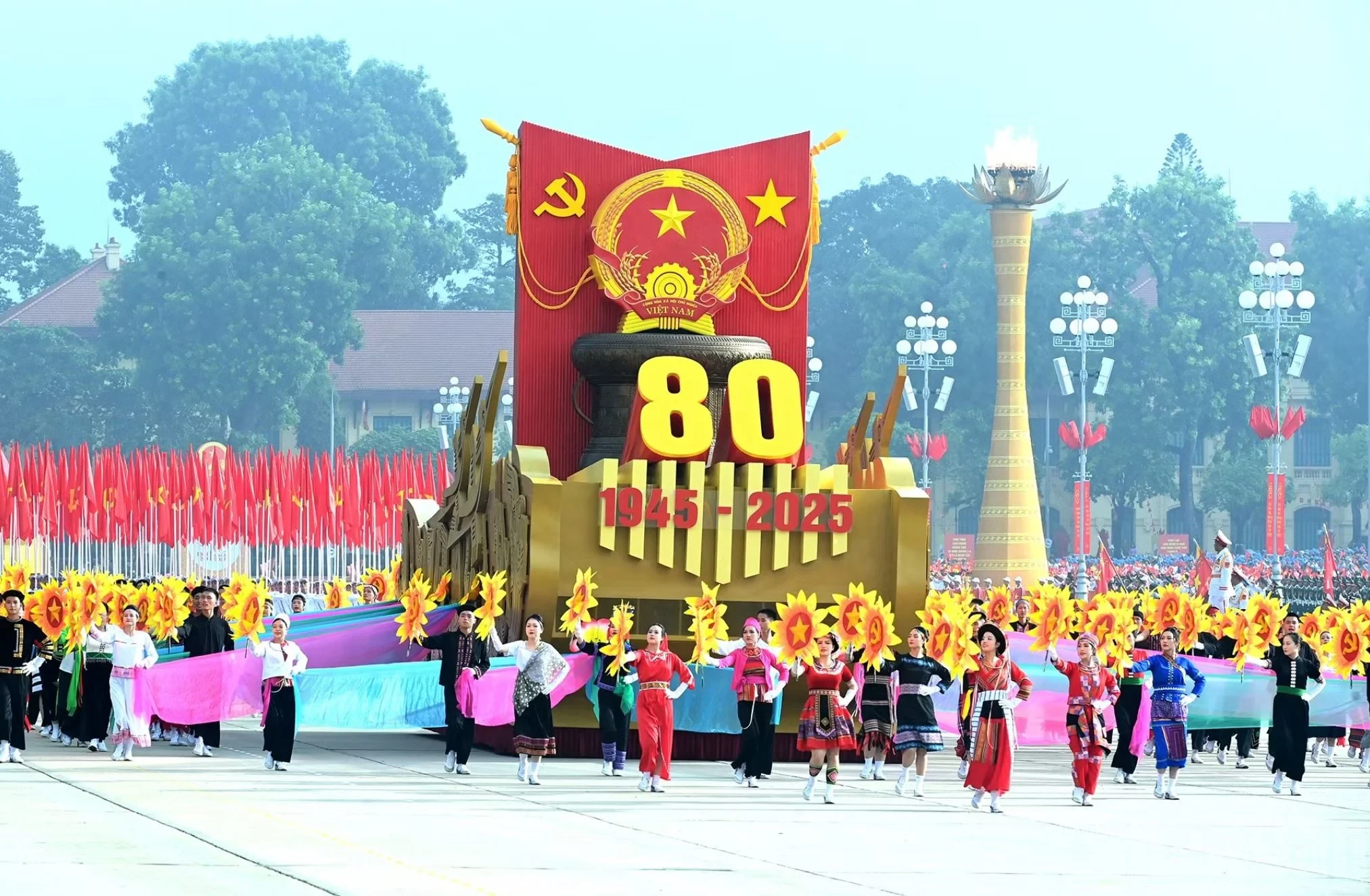
For a nation to achieve rapid and sustainable development, it must unlock its full potential, unleash human creativity, and create an environment where every individual, business, and social organization can contribute to overall development. When the aspirations of each individual are connected to the aspirations of the nation, social strength will be multiplied and become a driving force for development.
National unity must be linked to building trust and ensuring a harmonious balance of interests. Development must be people-oriented, improving the quality of life, expanding access to education, healthcare, employment, and social services; and ensuring that the fruits of growth are widely disseminated. A society where people have faith, opportunities for development, and a clear sense of being the subjects of the development process will create a sustainable social foundation for the aspiration of national strength and prosperity.
.jpg)
The goals for 2030 and the vision for 2045 demand significant progress in productivity, growth quality, competitiveness, and people's living standards. The aspiration to become a developed, high-income country by 2045 is a continuation, under new conditions, of the aspirations for independence and freedom affirmed in the autumn of 1945.
To realize that aspiration, it is necessary to transform the lessons of the August Revolution into development capabilities; proactively seizing opportunities into the ability to create opportunities; the strength of the entire people into resources of human resources, businesses, science and technology, and society; and the will for self-reliance and self-improvement into the self-reliance of the economy and the nation.
From September 2nd, 1945 to the present day, Vietnam has been on a journey of preserving and protecting independence, building, innovating, integrating, and enhancing the country's standing. In the new era, maintaining independence is not only about protecting sovereignty, but also about mastering development capabilities and controlling the future. A self-reliant economy, advanced science and technology, a united society, modern and effective national governance, and an increasingly prominent international position are the foundations of a strong and prosperous Vietnam.
Dr. Pham Ngoc Hung