
Regarding the place where "waves crash and tides rise..."
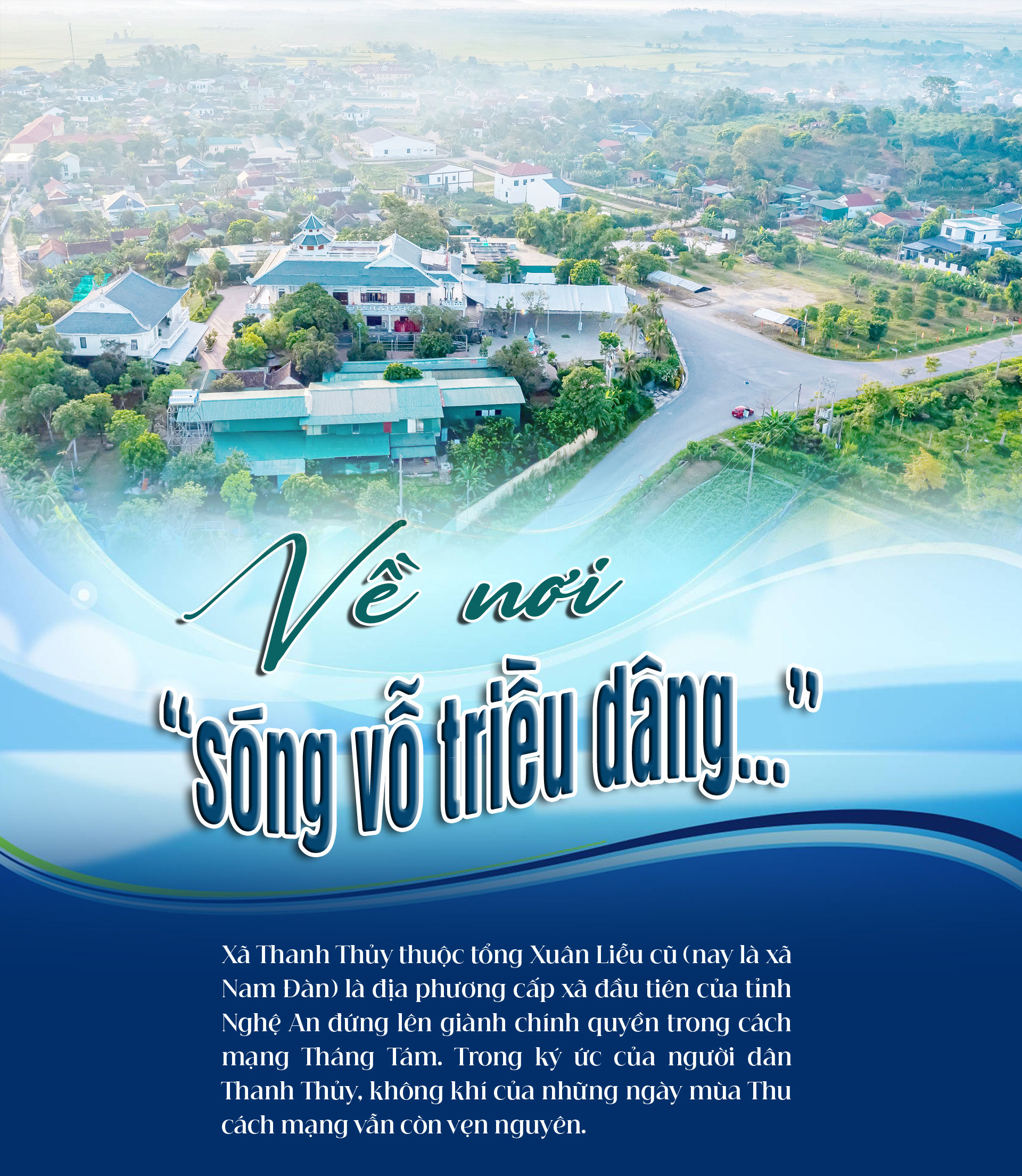
Thanh Thuy commune, formerly part of Xuan Lieu district (now Nam Dan commune), was the first commune-level locality in Nghe An province to rise up and seize power during the August Revolution. In the memories of the people of Thanh Thuy, the atmosphere of those revolutionary autumn days remains vivid.
Cong KienButPresent: Hong Toai •1/9/2026
*****
Thanh Thuy commune, formerly part of Xuan Lieu district (now Nam Dan commune), was the first commune-level locality in Nghe An province to rise up and seize power during the August Revolution. In the memories of the people of Thanh Thuy, the atmosphere of those revolutionary autumn days remains vivid.

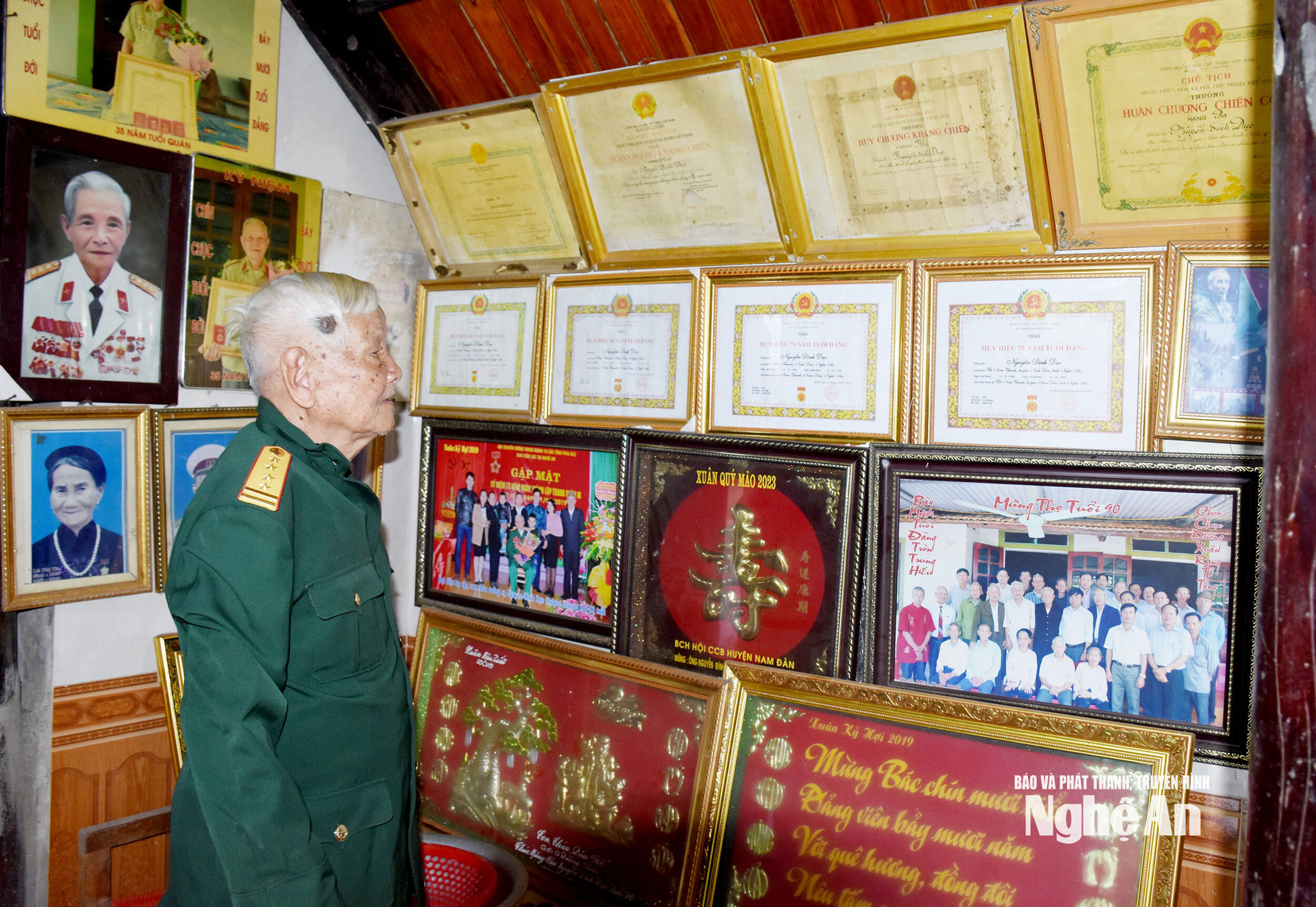
In his small house in Thanh Thuy hamlet, Nam Dan commune, 97-year-old Mr. Nguyen Dinh Duc slowly reminisces about memories overshadowed by time. More than 80 years have passed, but when he recalls the August days of 1945, the story in the memory of this veteran revolutionary seems to remain perfectly intact. Those were the days when his hometown of Thanh Thuy was seething with enthusiasm, as the people rose up in unison, preparing for a momentous event: seizing power for the people.
.png)
As a veteran revolutionary cadre with 78 years of Party membership, having participated in the National Salvation Youth Union, the self-defense force, and being one of the first to organize the Thanh Thuy commune guerrilla team, Mr. Duc cherishes special memories of that historic moment. “That day, the revolutionary spirit was incredibly vibrant; young people in the commune and surrounding areas were all enthusiastic. Some ran everywhere spreading news, others shouted slogans. In just one morning, the government was in the hands of the people. Joy spread throughout every hamlet and every house,” Mr. Duc recalled.
The old man's story transported us back to Thanh Thuy commune 81 years ago – a purely agricultural area in Xuan Lieu district, Nam Dan prefecture, where the revolutionary movement was established early on. On May 16, 1930, the Party branch was founded, becoming the leading nucleus of the revolutionary movement in the locality. Through the Nghe An - Thinh Hoa Soviet Uprising, the democratic movement, and the years of preparation for the General Uprising, the revolutionary base was gradually consolidated.
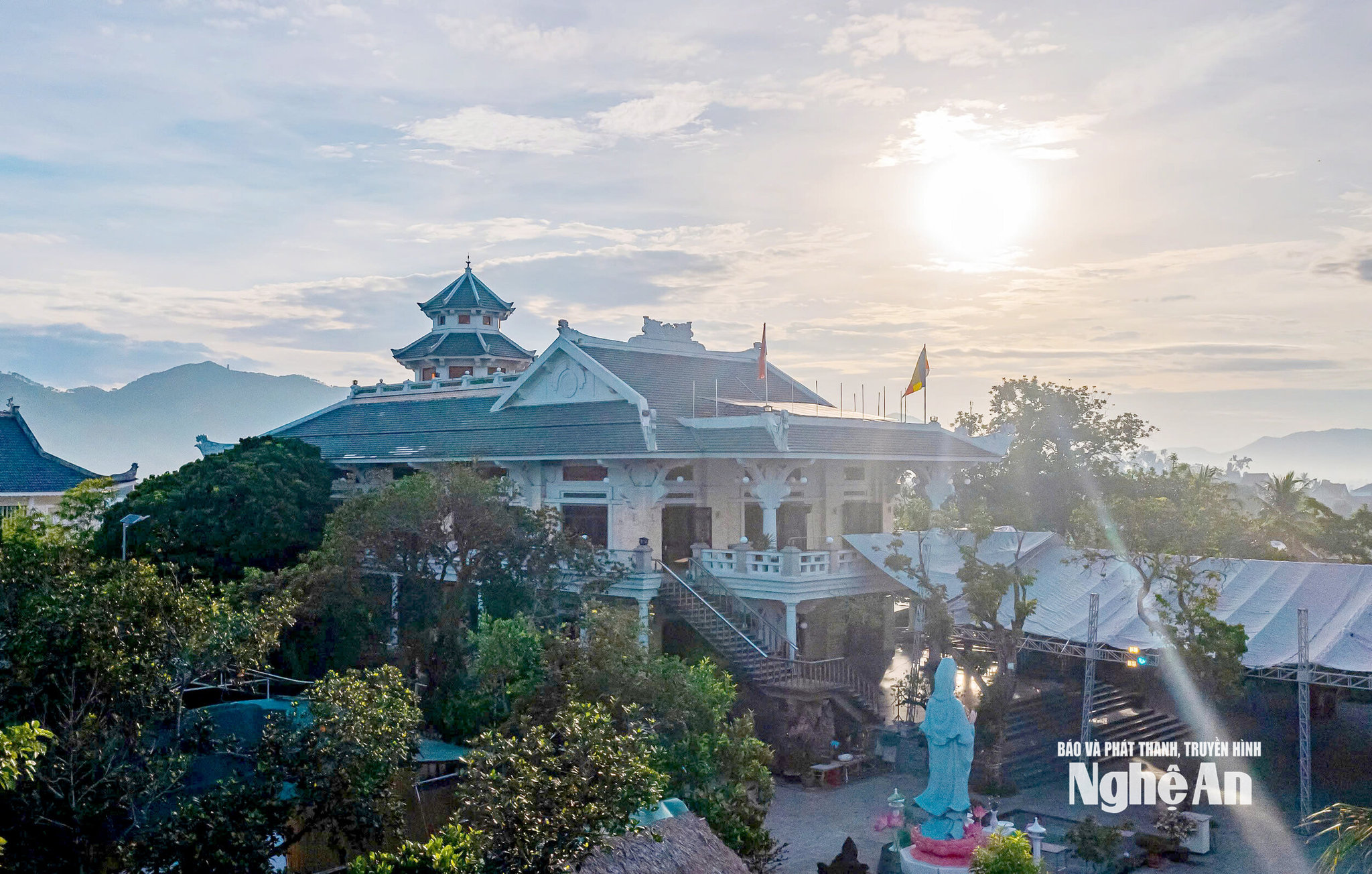
By August 1945, when the revolutionary opportunity arose, that spirit quickly translated into action. On August 15th, after receiving orders from the Inter-Provincial Uprising Committee of Nghe An and Ha Tinh, the Viet Minh Front of Thanh Thuy commune held a secret meeting at Vien Quang pagoda. The meeting unanimously concluded that the time had come and decided to rise up to seize power, without waiting for an uprising at the district level.
On the morning of August 16, 1945, the sound of drums urged people from all hamlets to simultaneously converge on the commune center. Red flags with yellow stars fluttered, and the people's morale surged. Faced with the power of the people, the old government apparatus quickly disintegrated; village heads and hamlet leaders handed over their seals, ledgers, and documents of the old government. A revolutionary government was established, its headquarters located at Duc Nam communal house. Thanh Thuy became the first locality in Nghe An to seize power for the people during the August Revolution of 1945.
From Thanh Thuy, the uprising continued to spread. With fervent enthusiasm:"Rise from the mud and make a revolution / Waves crash, tide rises, water overflows the banks."(*)Many localities in the province successively rose up to seize power. On August 23, 1945, revolutionary power was seized by the people throughout Nam Dan district.
.jpg)
For those who directly witnessed that moment, like Mr. Nguyen Dinh Duc, the memory of August 16th is not simply a closed chapter of history. It is also the memory of the moment when the people first deeply felt the value of their right to be masters of their homeland and country.

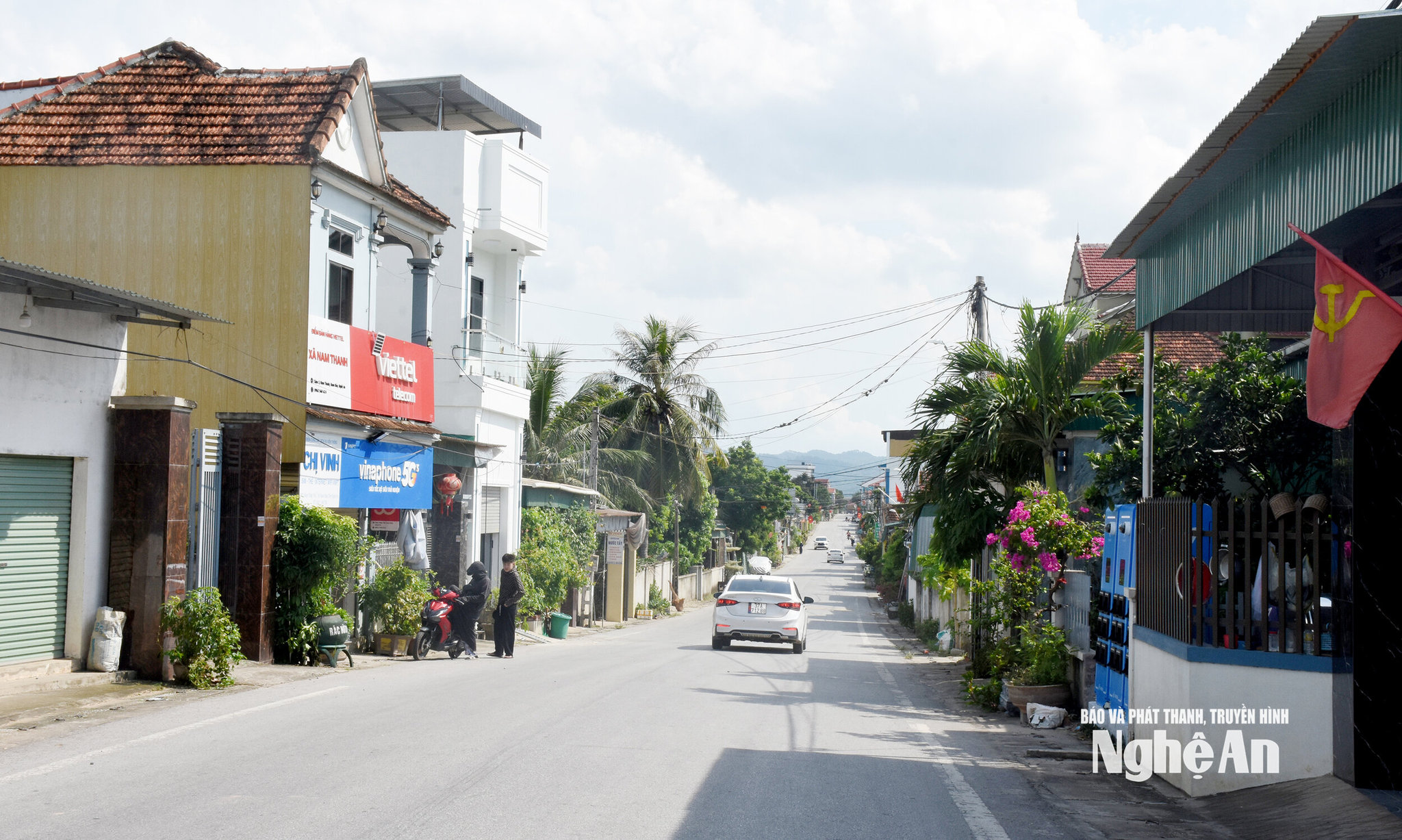
After bidding farewell to Mr. Nguyen Dinh Duc, we continued our stroll through Thanh Thuy hamlet – a place whose name is associated with a special milestone of the August Revolution. Eighty-one years after the people rose up to seize power, life has taken on a different appearance. This is reflected in the presence of factories, farms, service establishments, and families striving to improve their lives and livelihoods.
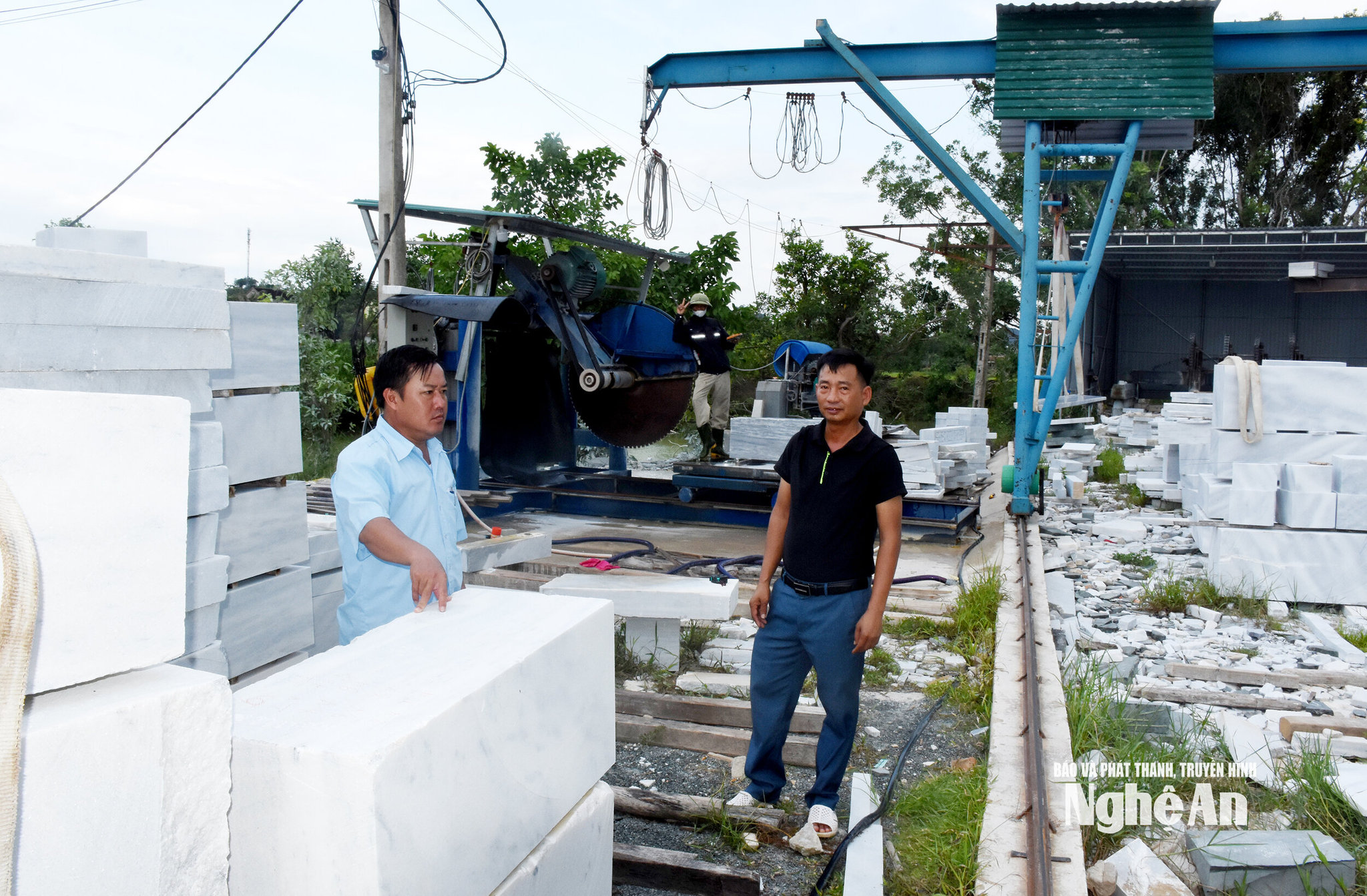
In a corner of the village, the stone carving workshop of Mr. Tran Van Duan's family resonates with the sounds of machinery and workers every day. From a rural area traditionally known for its rice paddies, the stone carving craft has opened up a new avenue for livelihood. The products created by the hands of these artisans not only serve local needs but also bring the craft closer to the market.
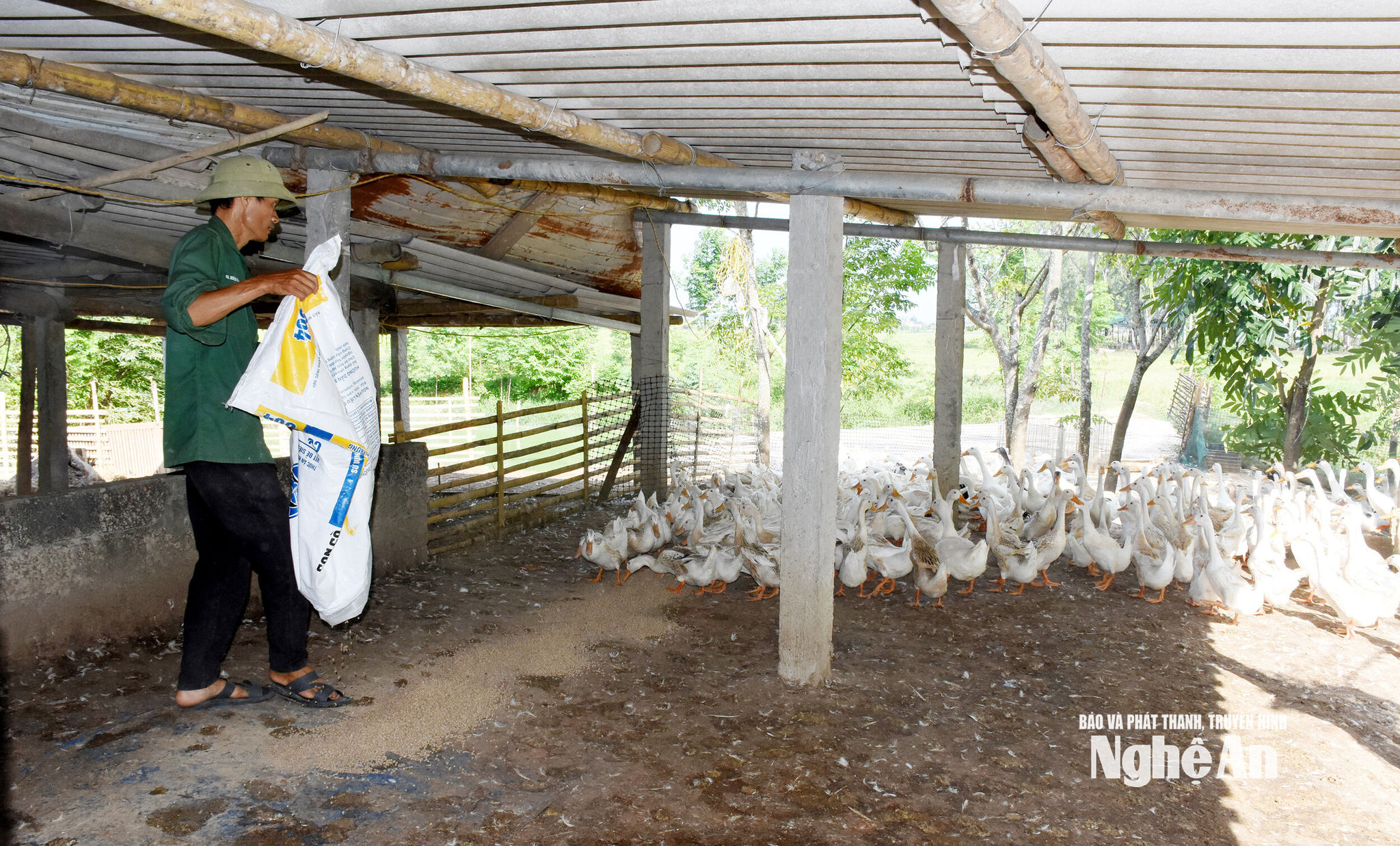
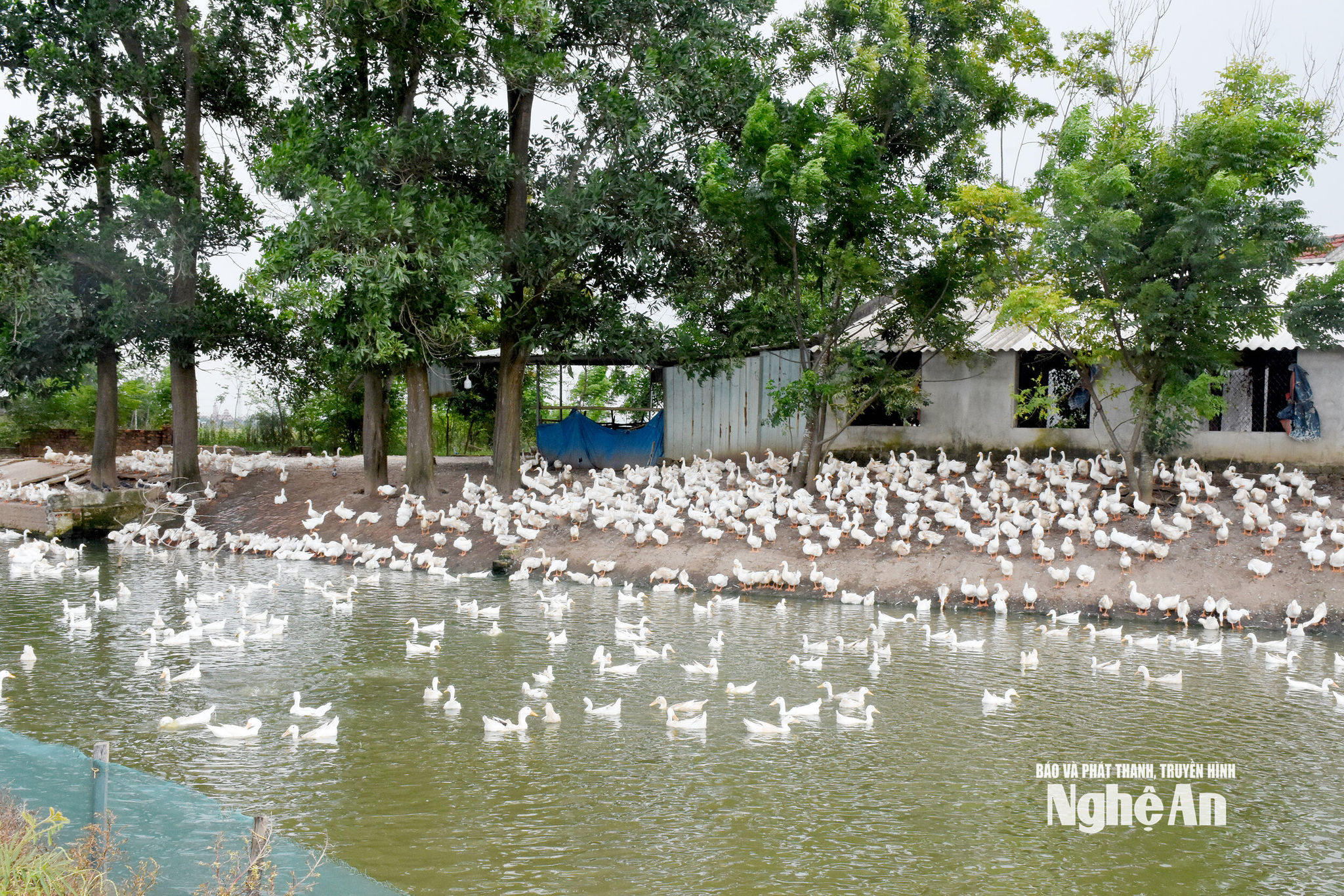
Not far away, the Tran Van Tai family has developed a comprehensive livestock farming model with over 6,000 ducks, earning hundreds of millions of dong annually. From traditional agricultural production, the villagers are gradually shifting to larger-scale models that are economically efficient and suitable to their family's specific conditions. Meanwhile, the Tran Van Huynh family has chosen passenger transport services. With five vehicles of varying sizes operating on routes connecting the village with other localities within and outside the province, they carry the story of a rural area that is increasingly expanding its interaction and connectivity.
According to village head Le Xuan Bac, Thanh Thuy village currently has over 700 households and nearly 3,000 residents. Approximately 70% of households have a relatively high or high standard of living. Besides agricultural production, many laborers work in industrial zones or go abroad for work. Production, business, and service models are becoming increasingly diverse, contributing to job creation and increased income for the people. “Pride in our revolutionary traditions is a valuable spiritual asset of the village. We always remind generations, especially the younger ones, to understand the history of our homeland, thereby fostering a sense of preserving traditions, while also striving to learn, work, develop the economy, and build a more prosperous and beautiful homeland,” shared Le Xuan Bac.
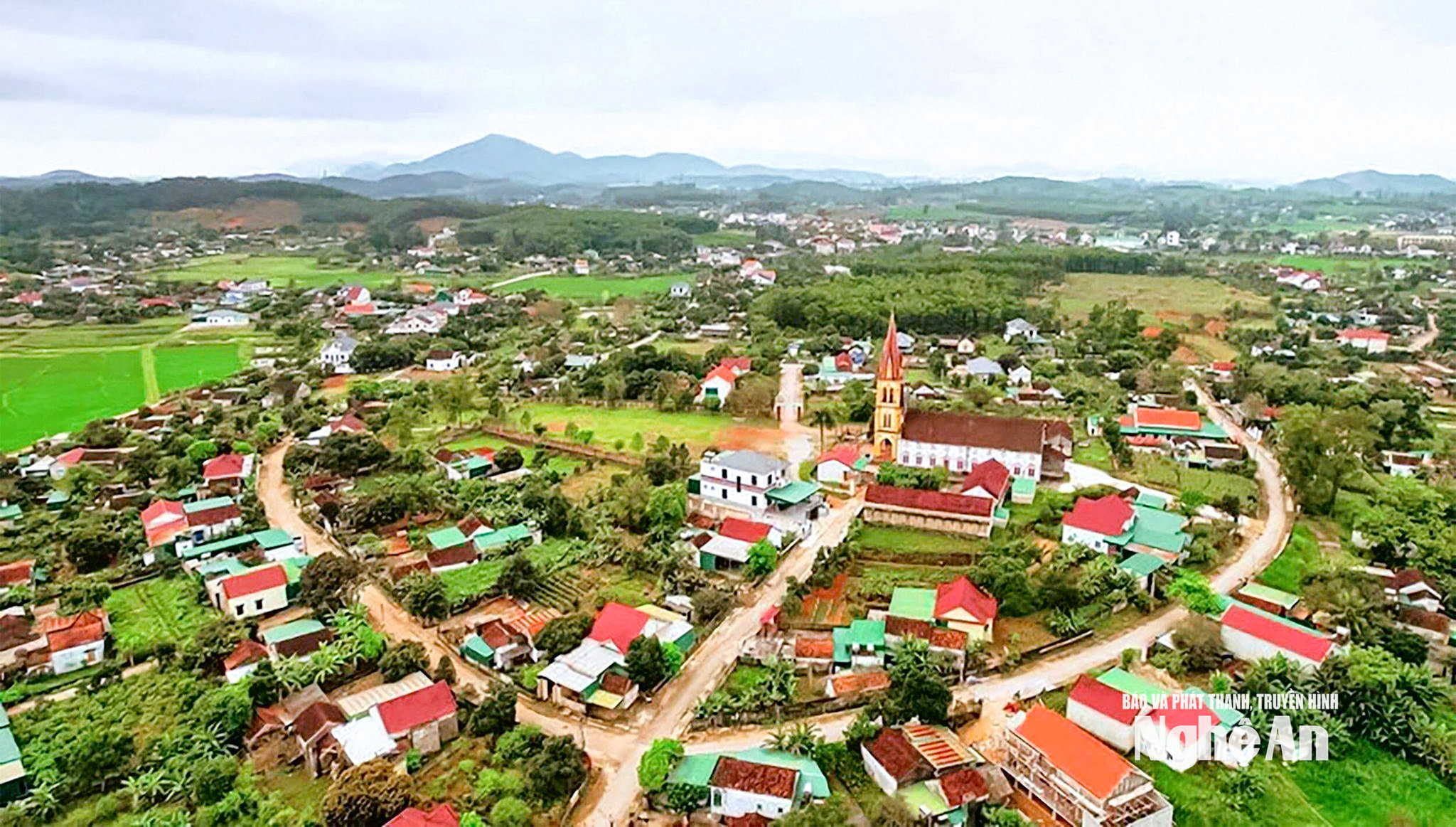
In 2025, in accordance with the policy of reorganizing commune-level administrative units, the entire area and population of Nam Thanh, Nam Hung, and Nghia Thai communes were merged to form Nam Dan commune. The former Nam Thanh commune now comprises four hamlets: Thanh Thuy, Nam Thanh, Thanh Son, and Thanh Do. Before the merger, Nam Thanh commune had been recognized as a model new rural commune, with many farm models and agricultural production developed towards a commodity-based approach. Many workers actively sought employment in industrial zones and participated in overseas labor export. The average income reached over 70 million VND per person per year.
Eighty-one years after that historic autumn morning, the former Thanh Thuy countryside, now Nam Dan commune, has taken on a new appearance with improved production and business models, wider roads, and an increasingly prosperous life. The revolutionary tradition remains a source of pride and motivation for today's generation to continue striving and contributing to the enrichment of their homeland.
(*) - A poem by Mr. Bui Danh Ba, who directly participated in seizing power in Thanh Thuy on August 16, 1945.
Cong Kien