
When young people continue to write the song of independence
Eighty-one years have passed since the historic autumn of 1945. Today's young generation was born in a time of peace, unaware of war and never having experienced the struggles for independence. Yet, the words "Homeland" still find their own way of touching their hearts. From the joyful footsteps of teenagers on National Day, to the stories of Vietnam shared with international friends, to the journey of rediscovering their cultural roots…
Content:Khanh NhuButPresent: Hong Toai •2/9/2026
*****
Eighty-one years have passed since the historic autumn of 1945. Today's young generation was born in a time of peace, unaware of war and never having experienced the struggles for independence. Yet, the words "Homeland" still find their own way of touching their hearts. From the joyful footsteps of teenagers on National Day, to the stories of Vietnam shared with international friends, to the journey of rediscovering their cultural roots, the song of independence continues to be written with the language, emotions, and responsibilities of a new generation.
.png)
These days, traveling through many villages in Nghe An province, one can clearly feel the atmosphere of the approaching National Day. On village roads, in front of cultural centers, and beside simple houses, the red of the national flag stretches endlessly. And amidst this space adorned with flags and flowers, from schoolyards and cultural center grounds, the ceremonial drums of the Young Pioneers resound with excitement.
Dressed in white shirts and red scarves, the teenagers march in step to the rhythm of the drums. Some awkwardly adjust their ranks, others have flushed faces after practice sessions, but when the national flag is raised, they all stand at attention, their eyes fixed forward.
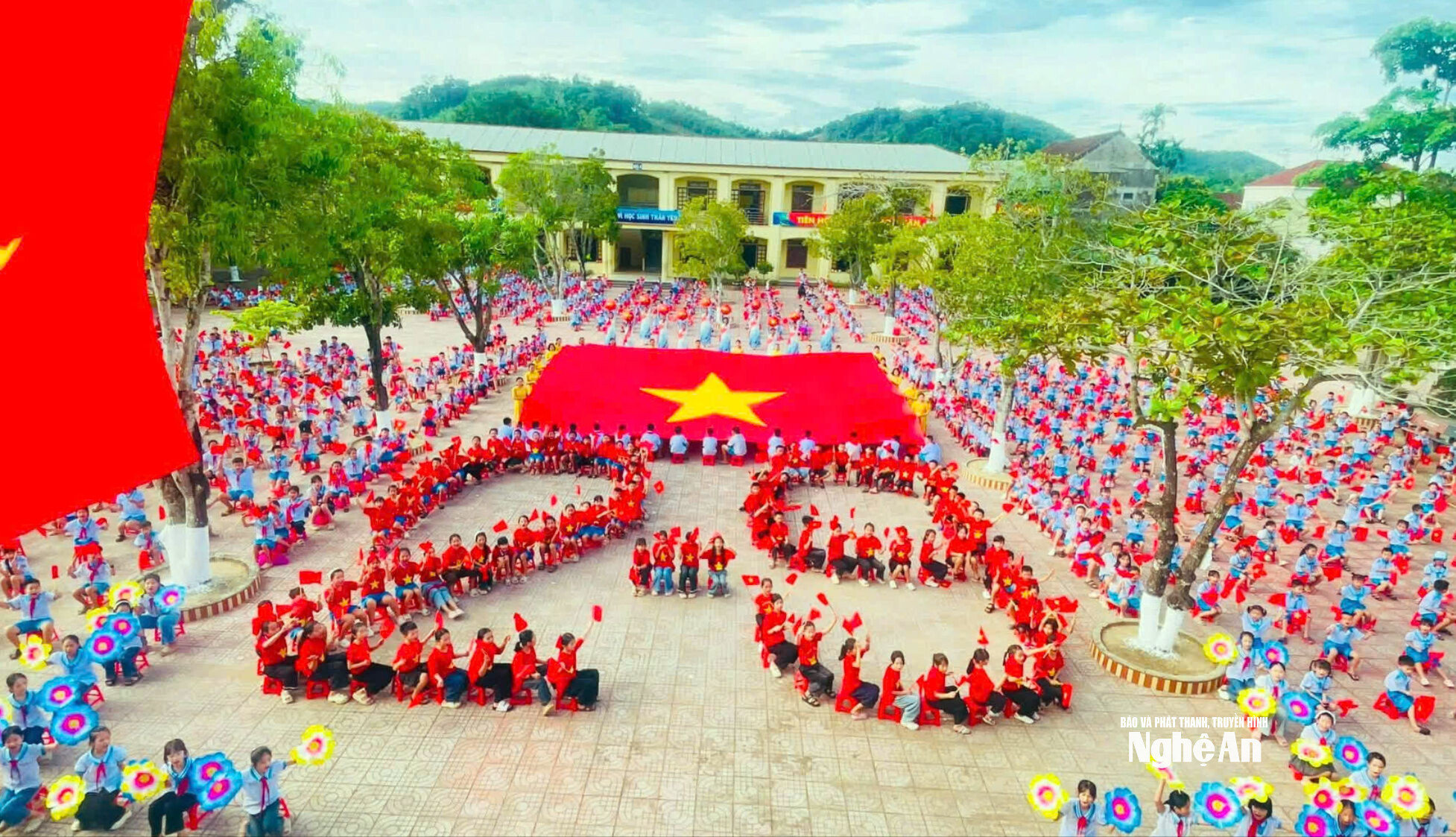
These children were born decades after the war ended. They have never known what bombs and bullets were like, nor have they experienced the loss of their country and homes, and it is even harder for them to fully comprehend the price that previous generations paid to achieve the peaceful life they enjoy today. For them, the red flag with a yellow star, the national anthem, and National Day have been familiar things since they first started school. Perhaps it is from these familiar things that the first seeds of love for their country are sown.
From Ba Dinh Square in the autumn of 1945 to the schoolyards and villages resounding with the drums of the Youth Pioneers today, a vast distance of time has passed. Witnesses to that first day of independence are dwindling, and war has become a memory in books, films, and the stories of grandparents and parents. But the values, earned with the blood and sacrifices of many generations, have never faded from the memory of every Vietnamese person.
.png)
If, for generations who lived through war, love of country was measured by the years spent on the battlefield, by the age of twenty left behind to answer the call of the nation, then for young people born in peacetime, that love takes on a different form.
For Nguyen Thi Truc Khanh, a young woman living and working in Ho Chi Minh City, it's a joy to capture images that reflect Vietnam's daily life. Sometimes it's a street corner adorned with flags, a cafe decorated with familiar images of the country, or simply the moment the national flag stands out amidst a bustling street. What matters isn't how many views a video gets or how many likes a photo receives. What's more noteworthy is how a generation is using their familiar tools, language, and spaces to tell the story of their country.
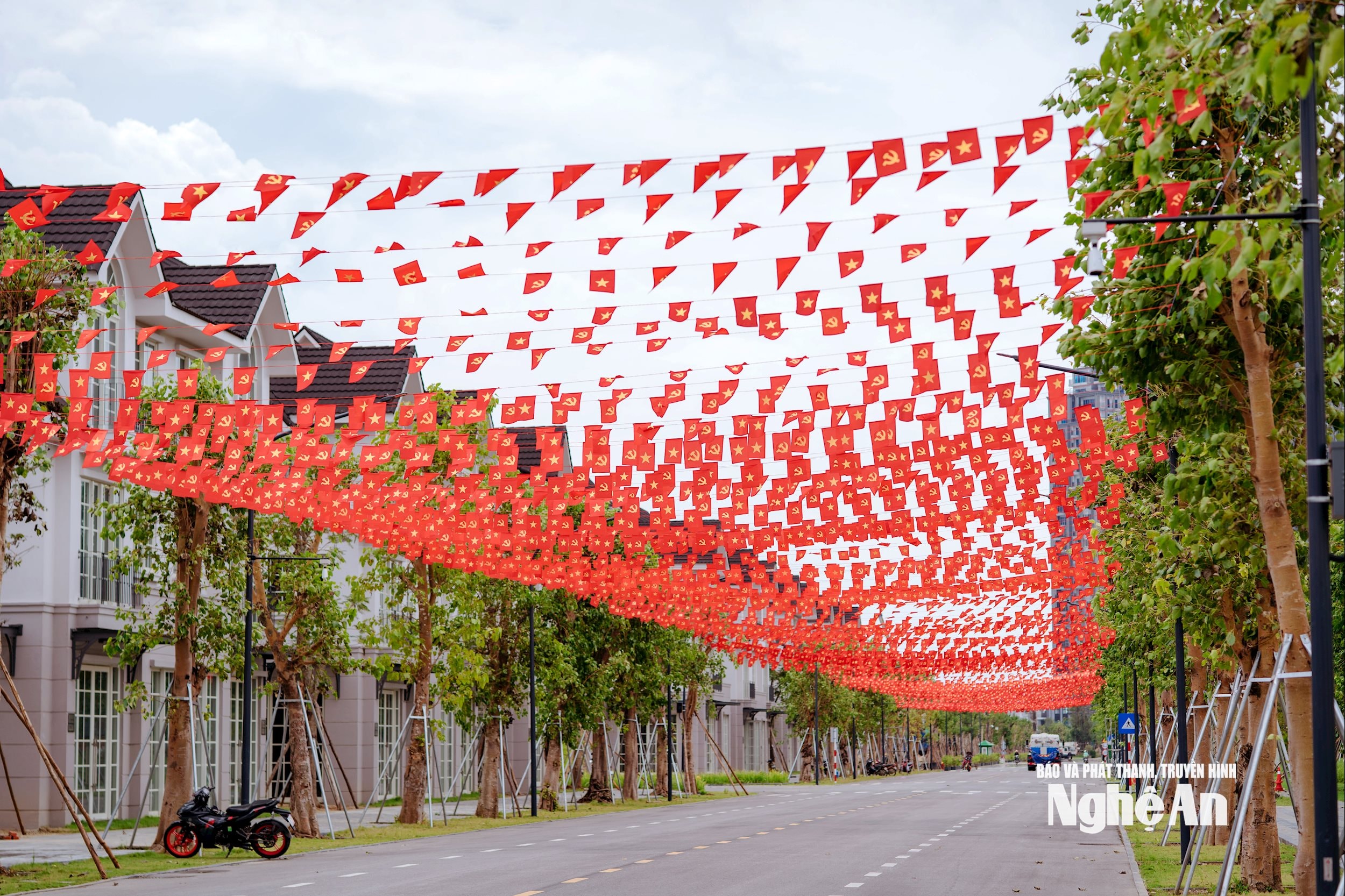
A flag in the street, a familiar melody, a simple moment can sometimes be enough to make people pause amidst the countless pieces of information rushing by each day and suddenly feel a surge of pride.
While Truc Khanh tells the story of his country through images, for Che Hoang Anh Tu, a Nghe An native working as a tour guide in Hanoi, that love follows foreign tourists in the capital city. When Tu takes a group of foreign tourists to Ba Dinh Square, amidst that vast and solemn space, in front of the Ho Chi Minh Mausoleum, the story he tells is no longer simply information about a tourist attraction. He tells the visitors from another country about President Ho Chi Minh, about the autumn of 1945, about the moment when a nation regained the right to decide its own destiny after long years of losing its country.
Facing the attentive gazes of tourists, for Tú, perhaps that's when the job of a tour guide transcends the boundaries of a mere profession. Because each time he introduces the history, culture, and people of Vietnam, he's not just taking visitors to a destination, but also contributing a small story about his country to the world.
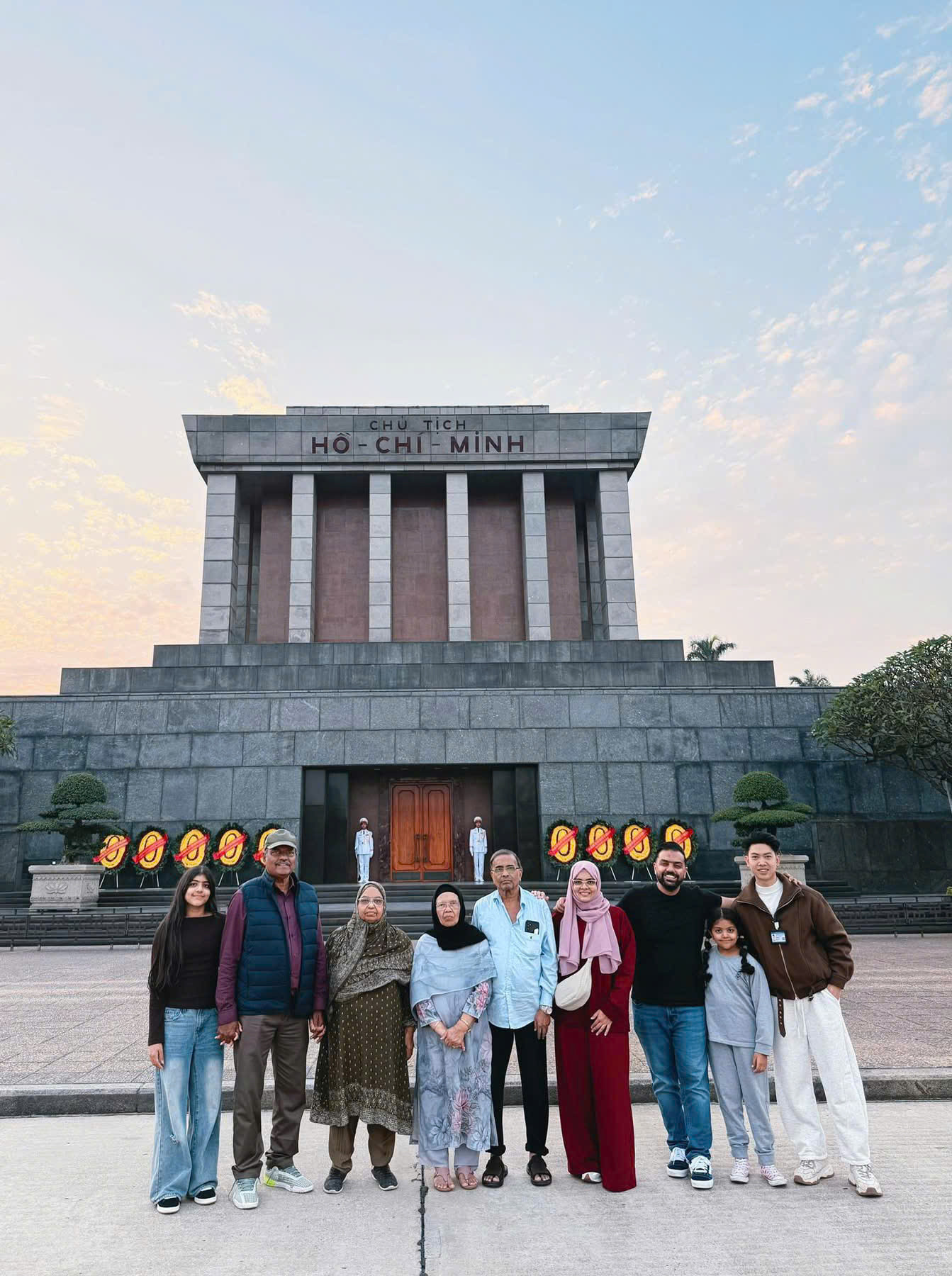
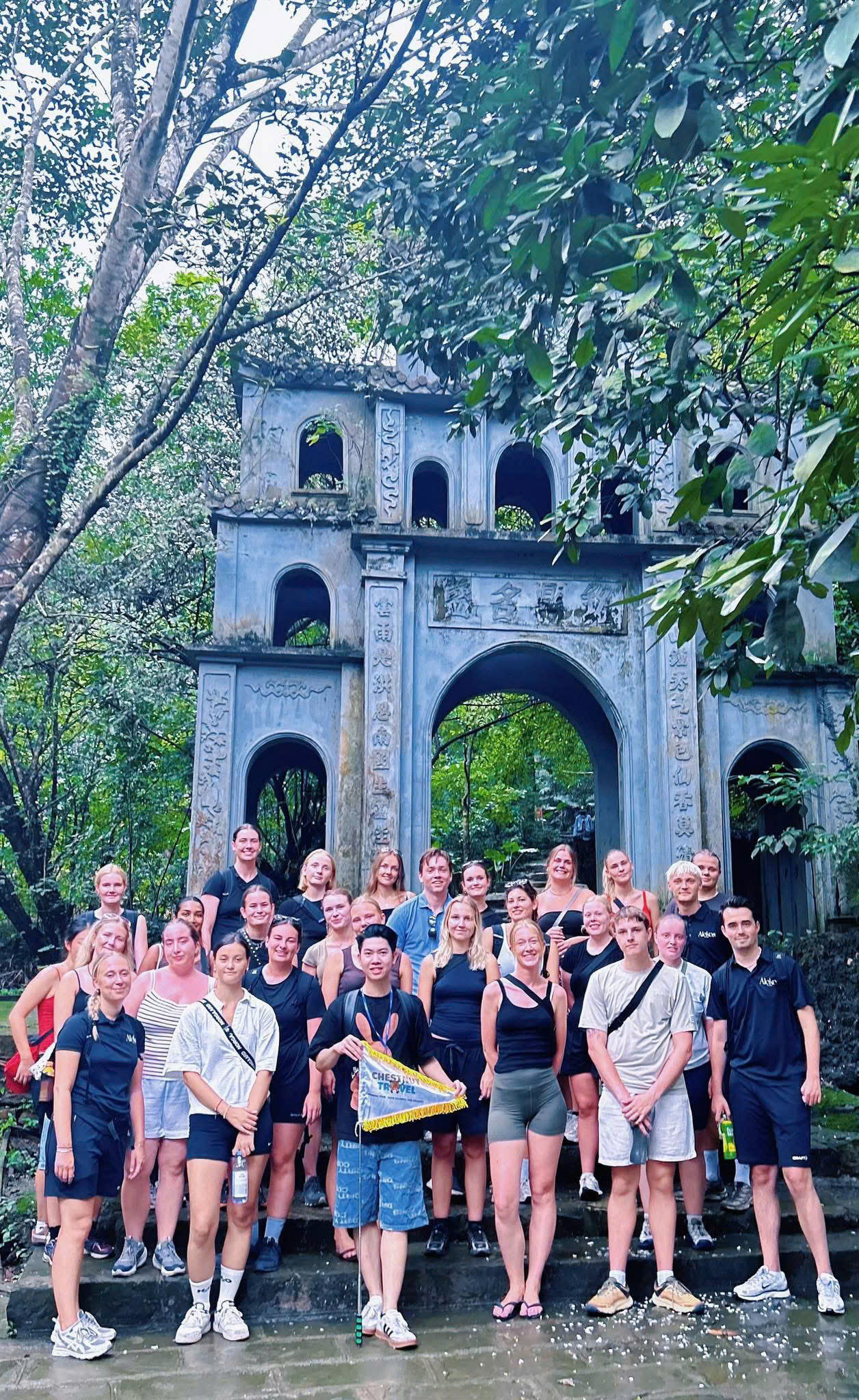
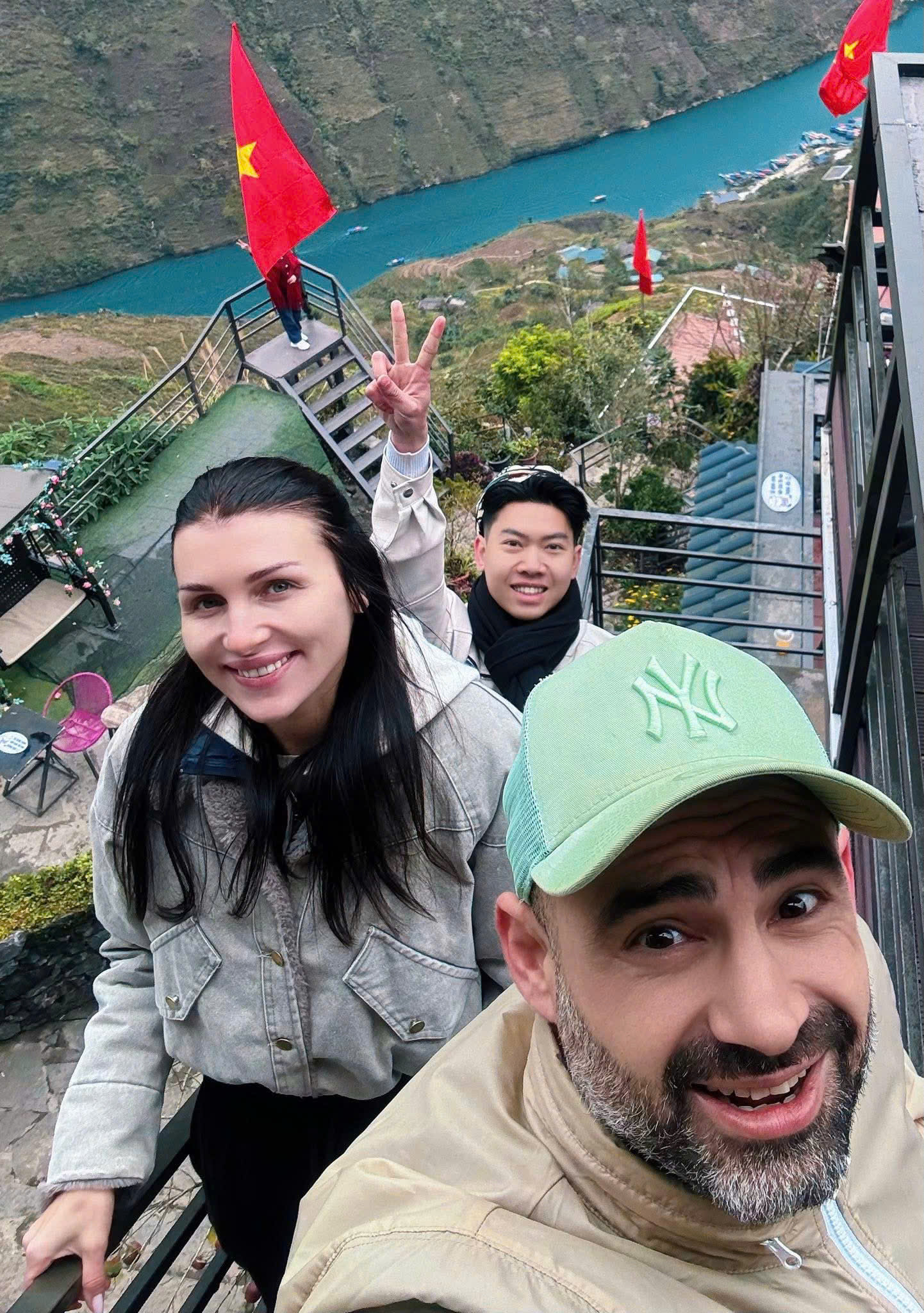
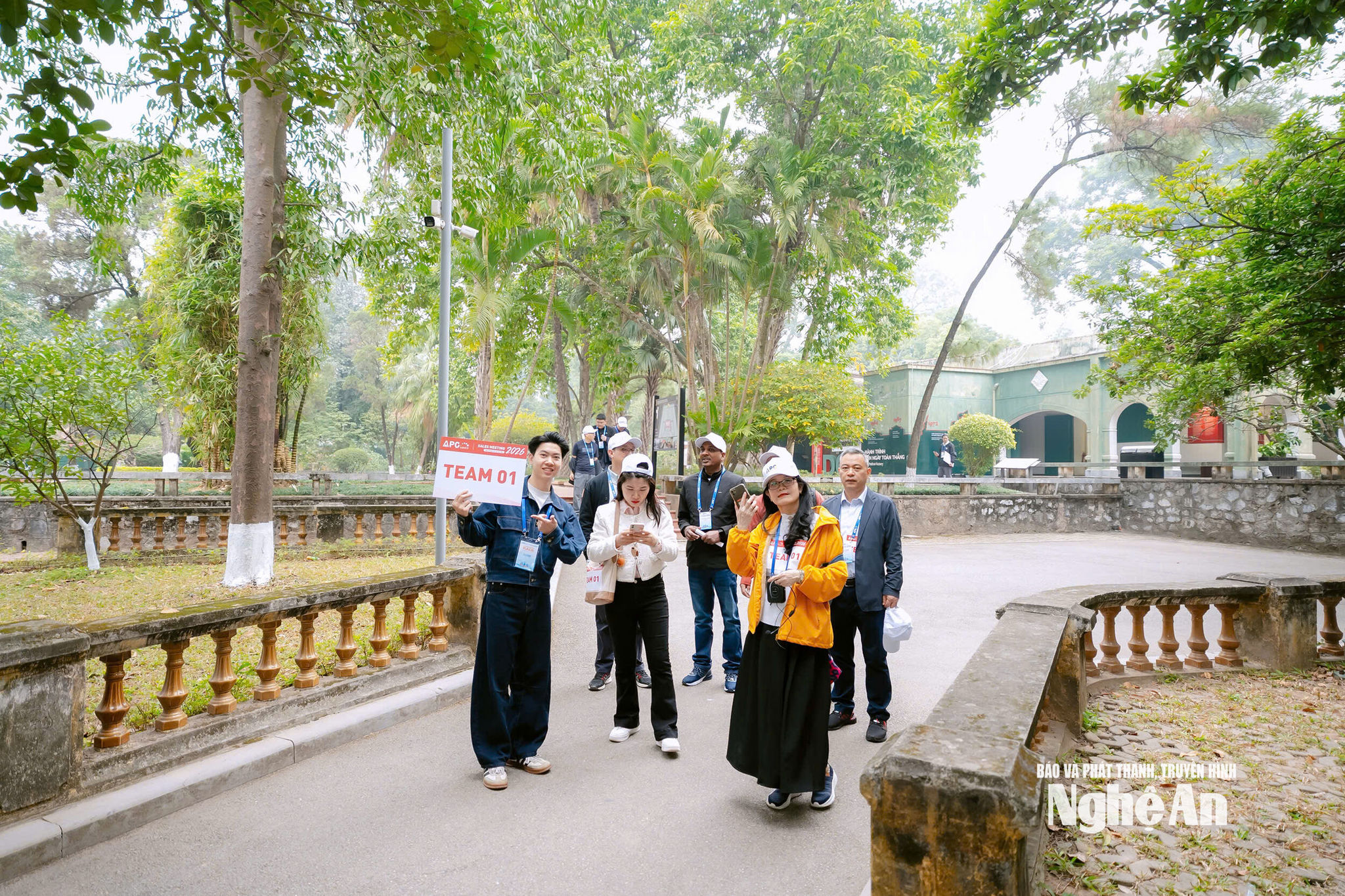
One young person tells the story of Vietnam through images on social media. Another tells the story of Vietnam in Ba Dinh Square to visitors from afar. The ways of expression are different, but they both share one thing: the younger generation is not only embracing the values of history, they are bringing those values back into life using the language of their own time.
And when history can be present in a photograph, in a journey, in a story told between people of different nationalities, then the word "patriotism" becomes much more intimate. But love for one's country, if it remains merely an emotion, no matter how beautiful, is not enough. Because after pride, there must always be another question: What will we do with what the previous generation has left behind?

Perhaps Nguyen Ha Bao Chi never imagined that a field trip to the western part of Nghe An province could leave her with so many emotions.
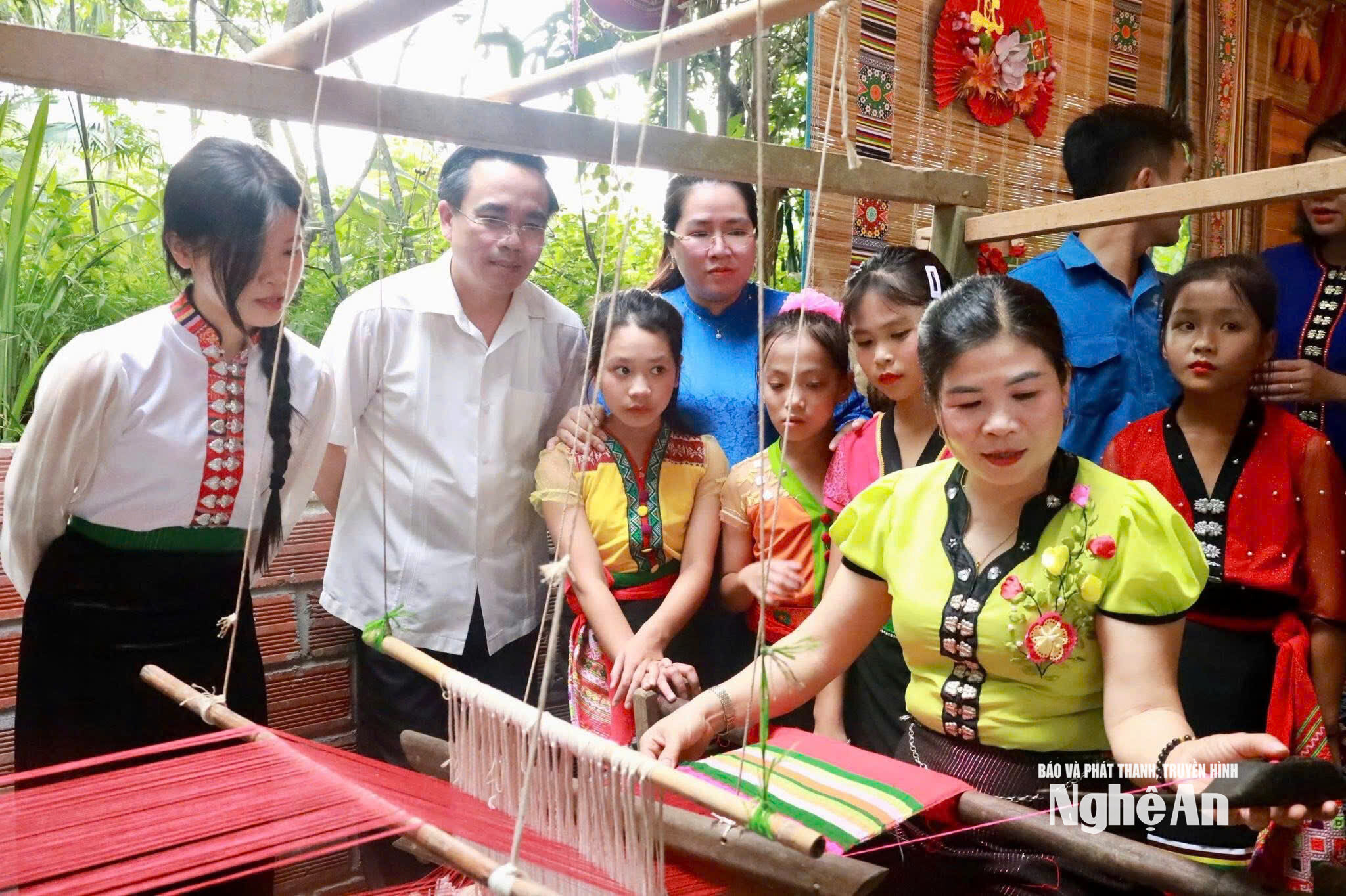
During that journey, the student from Phan Boi Chau Specialized High School had the opportunity to get closer to the cultural life of the Thai people. Chi got to wear the traditional clothing of a Thai girl, observe the skillful women threading each strand through the loom, and watch the brocade patterns gradually appear under their hands, skilled in the craft for many years. Things that she might have only known through books, pictures, or cultural introductions suddenly became so close that she could see, touch, and feel them. A brocade fabric is not just a handcrafted product. In each weave lies memory, customs, aesthetics, and values passed down through generations.
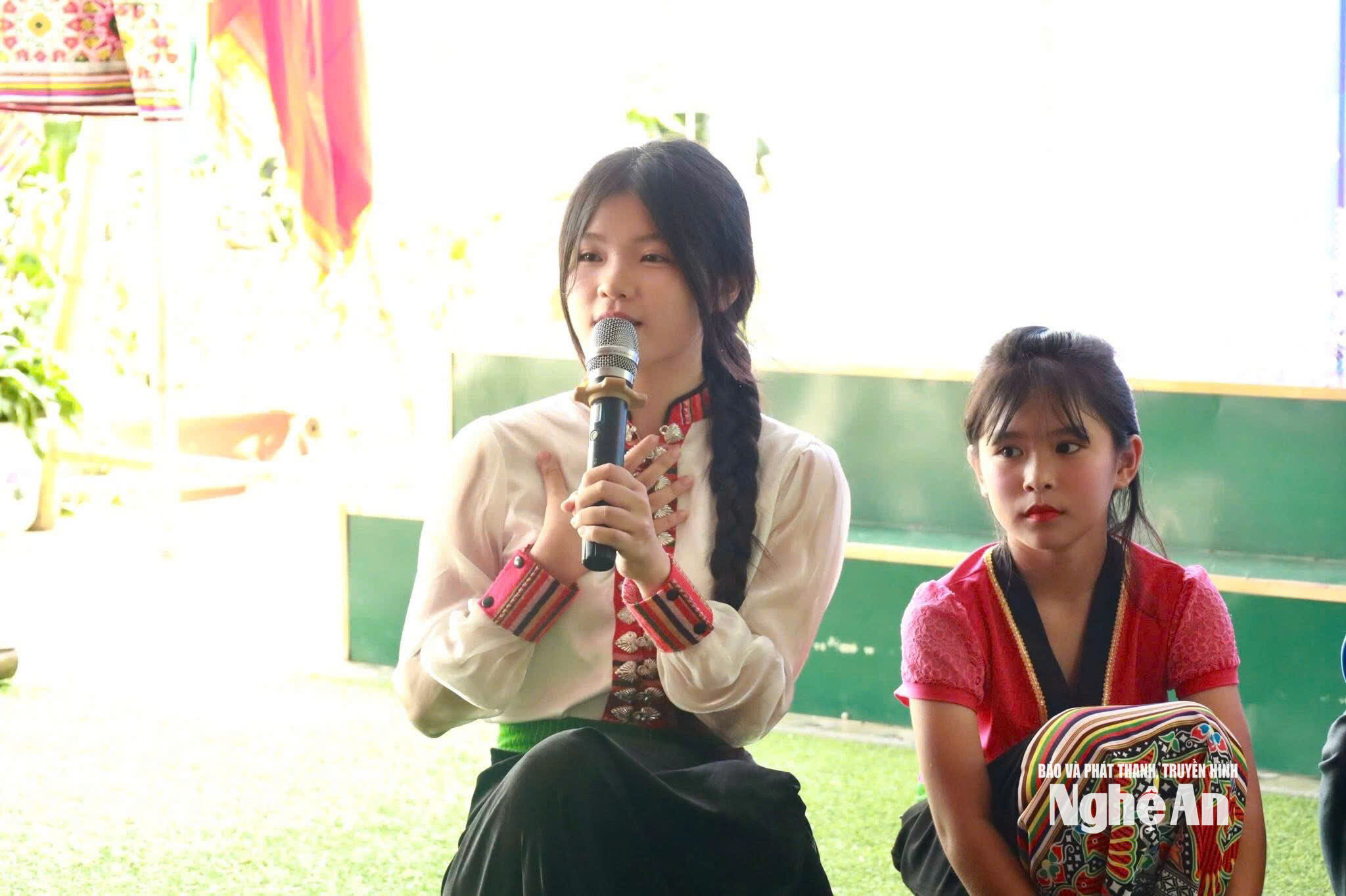
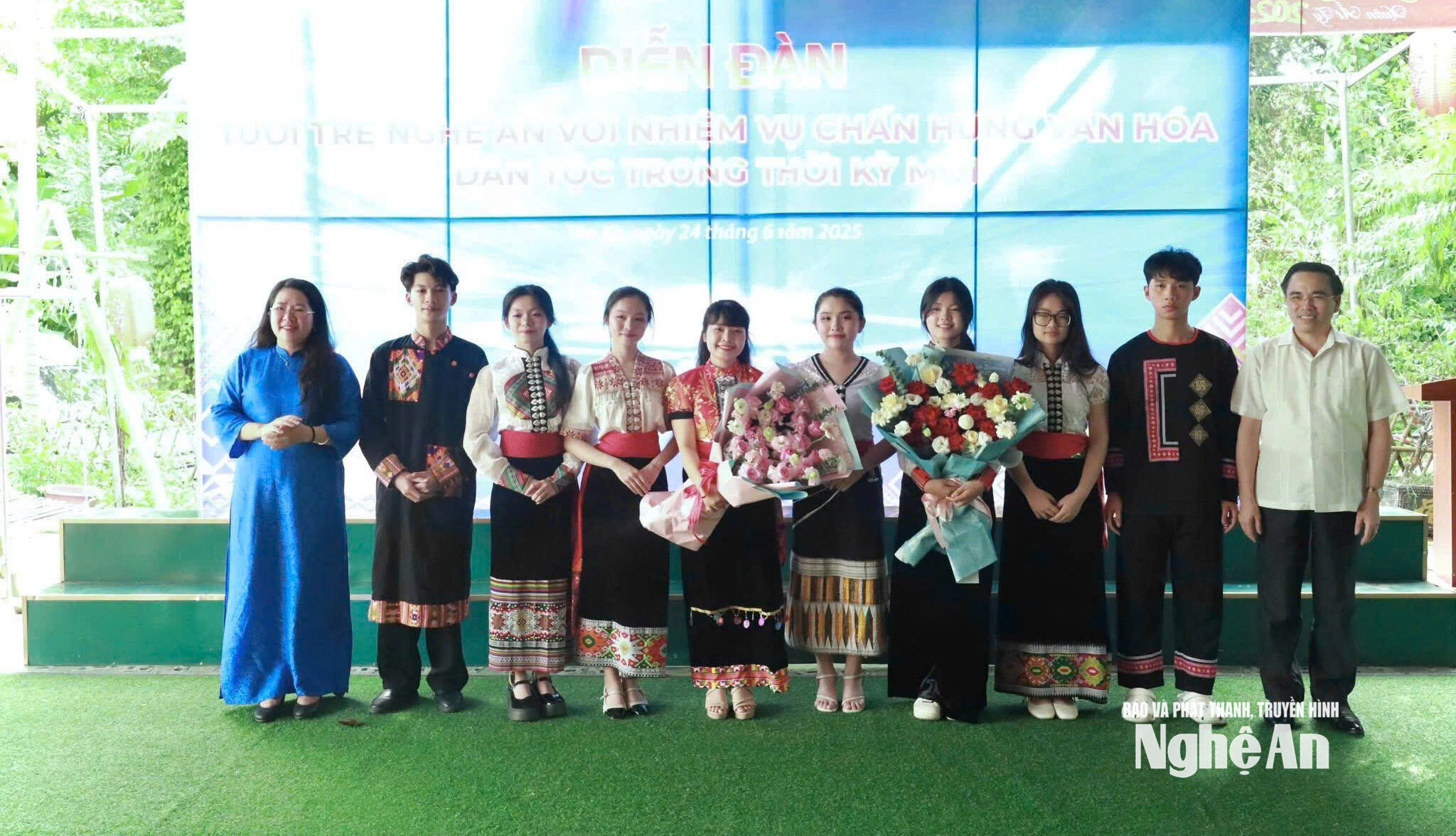
Perhaps from such encounters, the concept of "cultural preservation" is no longer so unfamiliar to a young person. Bao Chi joined the Nghe An Provincial Club for the Preservation of Ethnic Cultural Heritage and also founded a charitable project.The color of sunshineTrips to distribute books and scholarships, support disadvantaged families; activities that bring young people closer to the cultures of different ethnic groups… these may not be grand gestures, but they demonstrate a very concrete way for young people to answer the question: What can I do for my homeland?
Today, patriotism is not just about being moved by the sight of the national flag or feeling proud when recalling the heroic deeds of our ancestors. It's also about cherishing a language, a custom, or a traditional craft that is facing the risk of disappearing; about sharing with those in need; about studying diligently to gain knowledge; about working honestly to create value; and about being responsible for what we say, write, and share in a digital space where information can spread in seconds.
Furthermore, in a world where national strength is increasingly determined by knowledge, science, technology, creativity, and cultural identity, the responsibility of the younger generation is also to dare to venture into new fields, master new knowledge, create values bearing the Vietnamese imprint, and confidently stand alongside the world.
Each era places a responsibility on the shoulders of young people. The generation of the Autumn of 1945 rose up to regain independence. Subsequent generations went through war to protect that independence, unify the country, and rebuild the nation from its losses.
Today's generation is paving new paths to take the country further, faster, and "on par with the world's leading powers."
Eighty-one years ago, the greatest aspiration of millions of Vietnamese people was to live in an independent and free country. Today, building upon that independence, another aspiration is being pursued: to build a developed, prosperous, and civilized Vietnam; a country that can walk alongside the world with the intelligence, courage, and creativity of its own people.
Out there, during National Day celebrations, the sound of the Youth Union drums still resounds throughout the villages. Under the red flag, rows of young people adjust their steps to be more even, their red scarves gently swaying on their shoulders with each beat of the drum. Perhaps they don't fully understand the sacrifices of their ancestors so that they can have the peaceful life they have today. But there will come a time when those steps mature. They will find different ways to continue writing the song of patriotism.
Each person has their own way. Each generation has its own role to play. And from those footsteps, the song of independence continues to be written.ButNot only through pride in what our ancestors have accomplished, but also through the way today's generation lives, chooses, and contributes to moving Vietnam forward.
Khanh Nhu