

Nghe An accelerates the handling of surplus public assets.
After more than a year of administrative unit reorganization, Nghe An province has seen many changes in the management and handling of surplus public assets. However, hundreds of properties and land plots remain unused, unexploited, or unresolved. Facing the requirement to complete the process by October 2026, relevant departments and localities are under pressure to meet deadlines while simultaneously resolving emerging obstacles.
The pressure to meet deadlines is increasing.
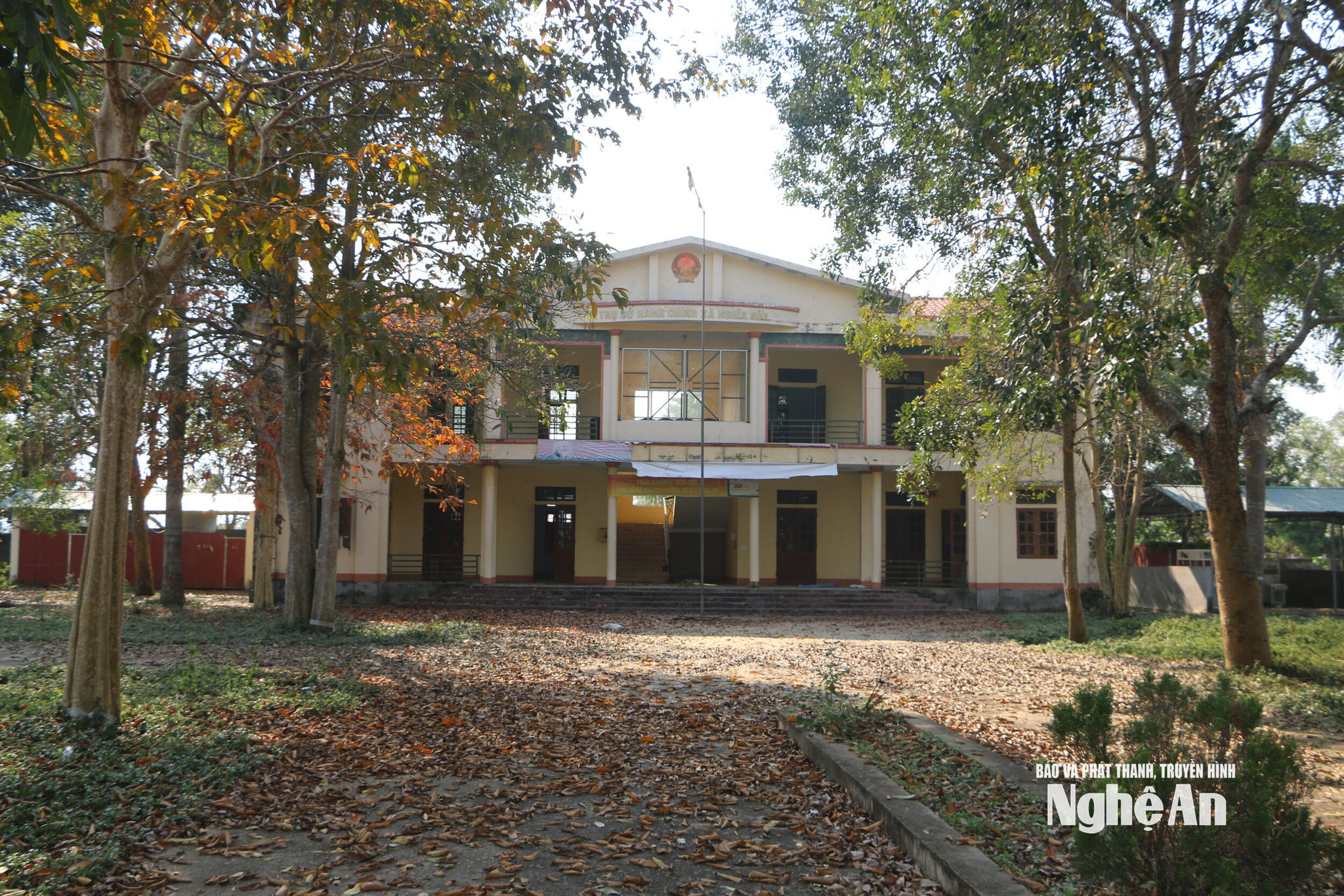
After more than a year of administrative unit restructuring, although the progress in handling public assets in Nghe An province has been assessed as quite good, some commune-level administrative offices in the former districts such as Dien Chau, Hoang Mai, Quynh Luu, Thai Hoa, Quy Hop... have not yet been put into use, and some remain closed and locked. According to residents' feedback, these buildings, including newly invested items and equipment, will quickly deteriorate if not regularly managed and used, especially in stormy weather.
In a discussion with us, a representative from the Price and Public Assets Management Department of the Department of Finance stated that, within a short period, the inventory and management of nearly 5,000 public land and property assets is a major task, creating considerable pressure on the Finance sector and local governments at both levels. According to the Department of Finance, along with management requirements, the complete inventory process for handover and leasing of assets must be carried out quickly and promptly, but without haste, which could lead to the loss of state assets. Furthermore, the Government and the Ministry of Finance require that the management of public assets should not be limited to records and documents; when handed over, the assets must be transferred to the correct entity, used for the intended purpose, and their functionality and efficiency maximized.
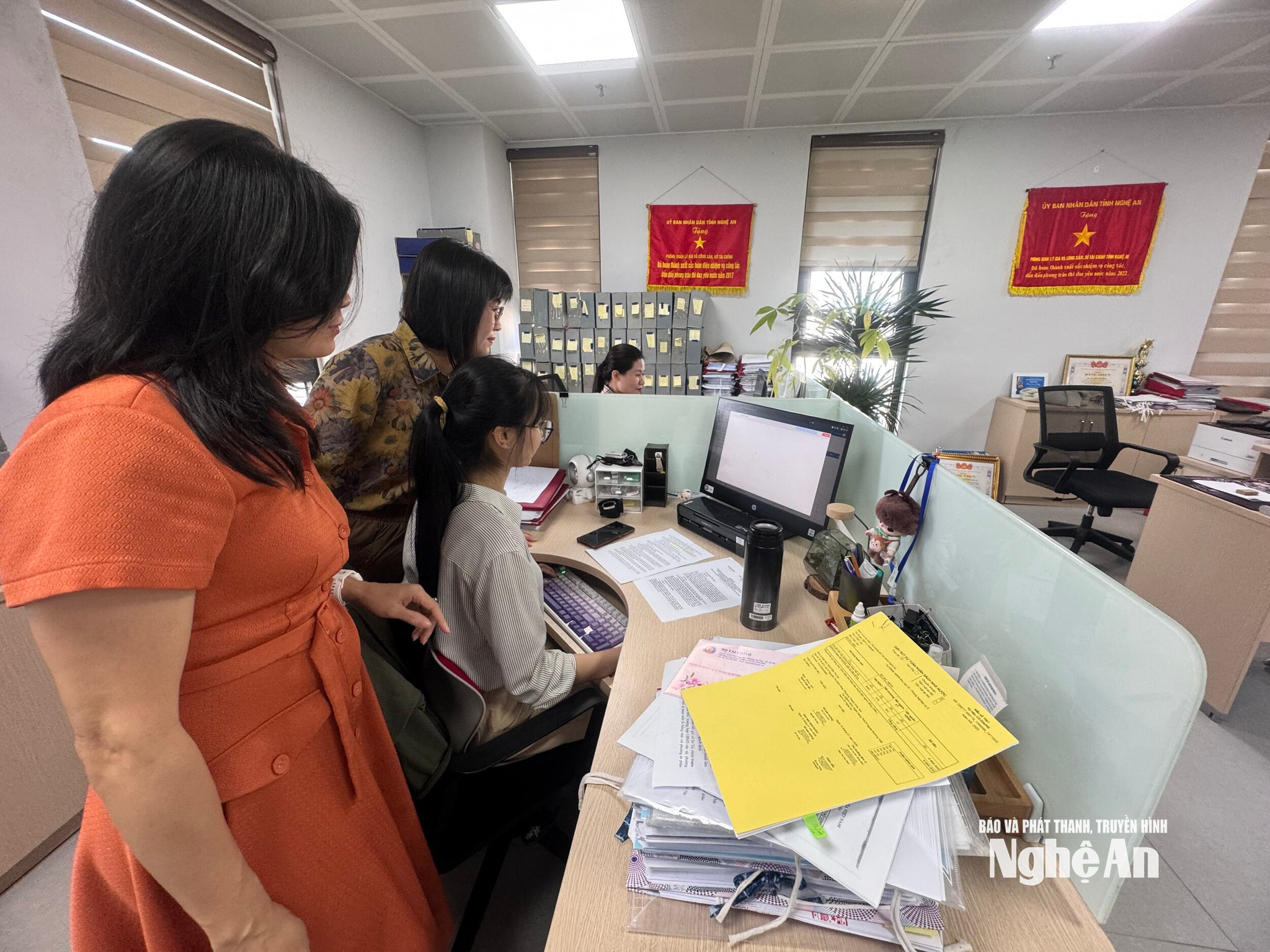
The provincial People's Committee leaders also requested that the handling of public assets be carried out thoroughly, meaning that the unit responsible for taking over, managing, and using them must be identified; and that leasing or selling must comply with regulations and be appropriate to the actual situation.
Alongside the administrative reorganization process and decisive directives on inventorying and handing over public assets, the central and provincial governments continuously issued guiding documents on organizational handling plans and urged progress.
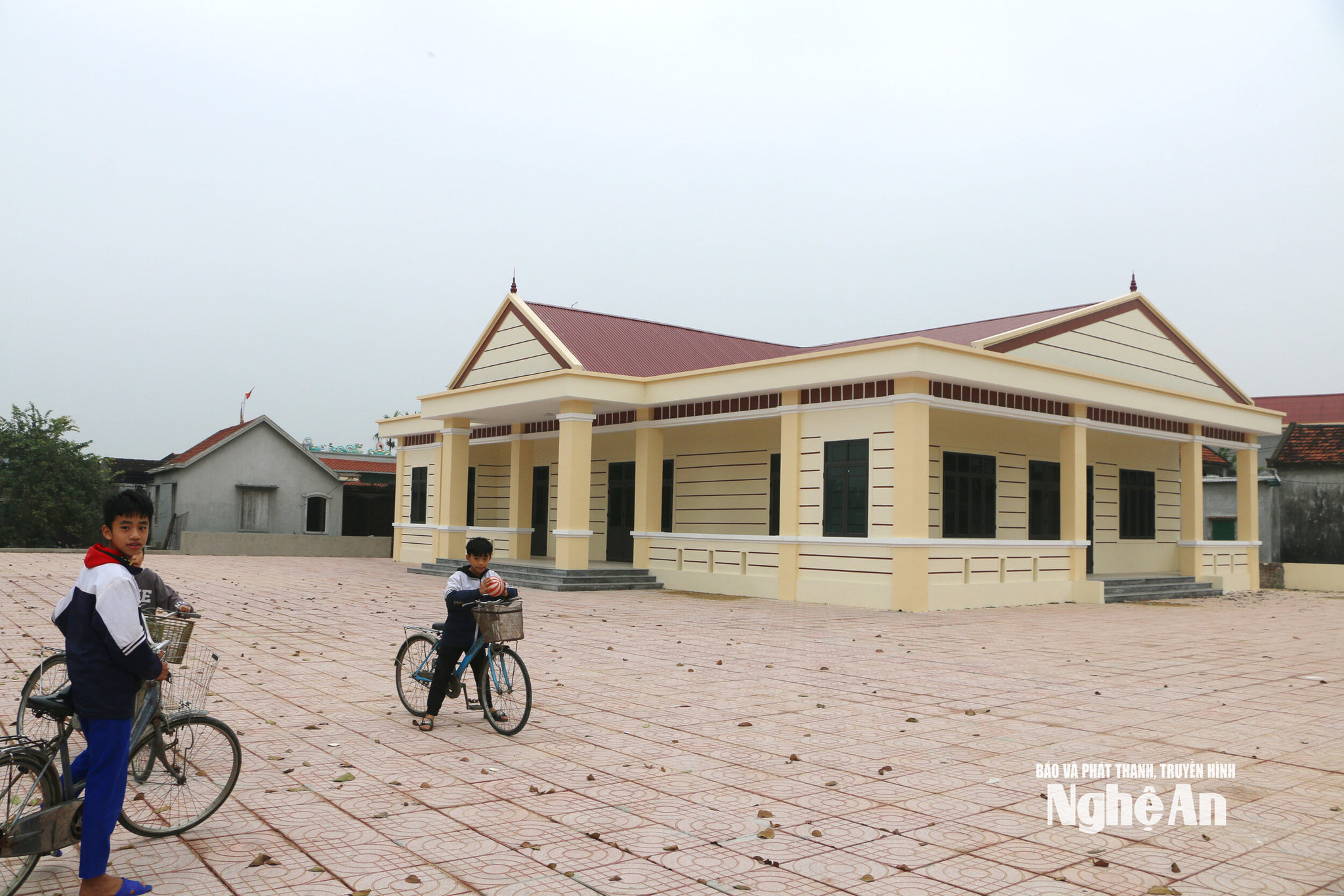
Recently, at a meeting on August 13, 2026, regarding the handling of surplus assets after the reorganization of commune, ward, and hamlet-level administrative units, the Provincial People's Committee requested localities to implement stronger, more proactive, and flexible solutions. Specifically, in Notice No. 5769/TB-UBND dated August 20, 2026, Mr. Bui Thanh An, Standing Vice Chairman of the Provincial People's Committee, assigned relevant departments and agencies to coordinate with localities to definitively resolve the remaining 345 surplus facilities before October 30, 2026. Localities must consider this a key political task and avoid any delays or stagnation.
Proactive and flexible in handling situations.arise
Mr. Nguyen Trung Long, Head of the Price and Public Asset Management Department of the Department of Finance, stated: Based on the reality of public asset management, the pressure regarding the progress and efficiency of handling surplus public assets stems not only from practical requirements and challenges in public asset management during the transition period, but also from the very decisive and resolute directives and assignments from the Government and the Provincial People's Committee.
During the process of handling public assets, especially land, numerous difficulties and obstacles arise due to incomplete and vague legal frameworks. For example, in the case of handling some facilities in the former Nghia Dan district, after the assets were handed over and transferred to several units, the Nghia Dan commune People's Committee wanted to lease them to businesses starting in early 2026, but due to the lack of a rental price and a mechanism for auctioning the lease rights, this could not be implemented.
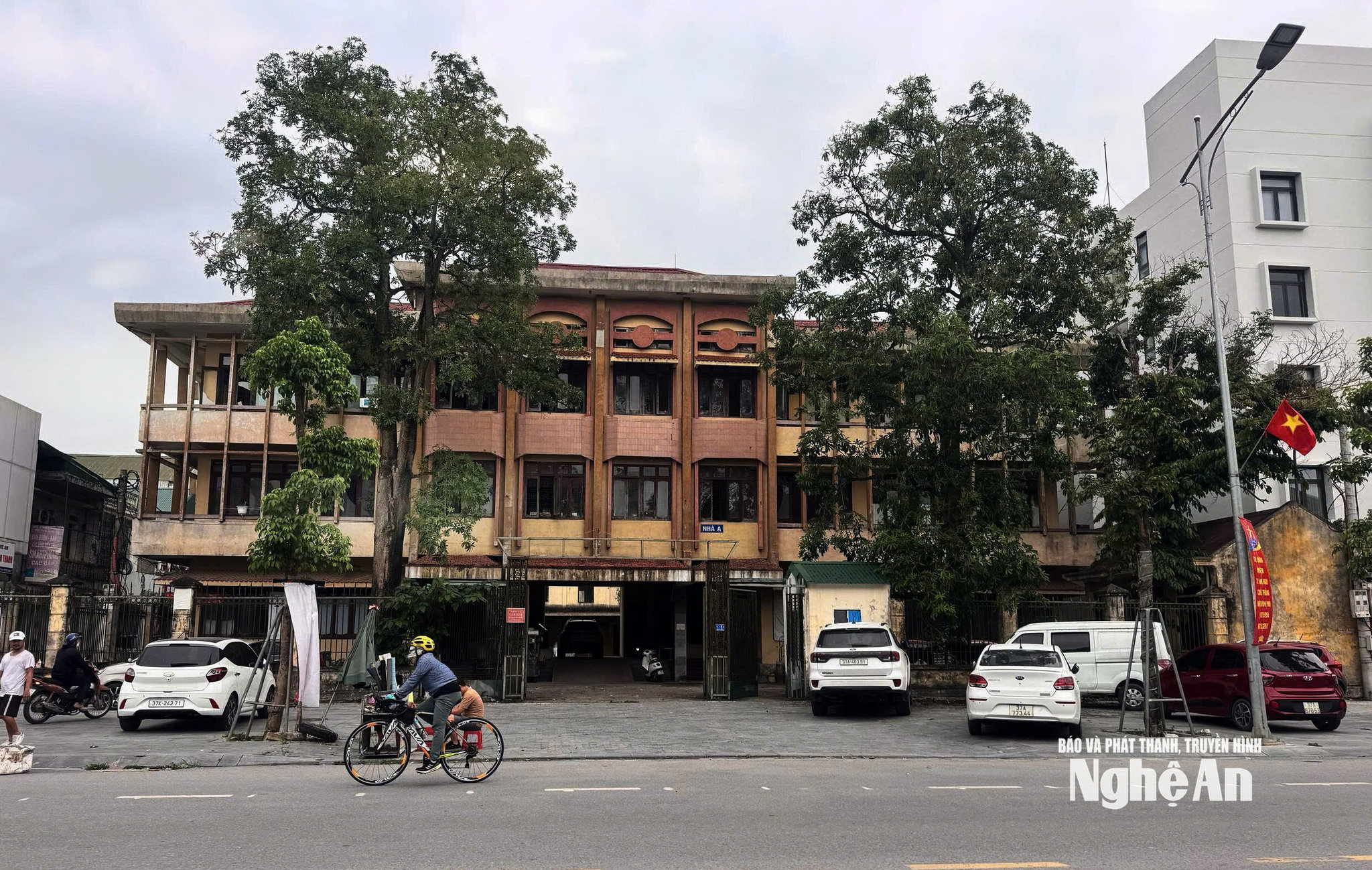
Meanwhile, in Quynh Luu commune, nearly a year after the handover, on August 25th, the People's Committee of Quynh Luu commune auctioned off the right to lease five public properties: the District State Treasury Office, the District People's Procuracy Office, the District Agricultural Extension Station Office, and the District Social Insurance Office Office. Following the auction, three properties have found tenants; the remaining two – the Agricultural Extension Station Office and the District State Treasury Office – are still untened due to procedural issues.
Similarly, in Hung Nguyen commune, Mr. Hoang Anh Tien - Chairman of the People's Committee of the commune - said: After receiving some public assets from the province, the commune has reorganized internally and is developing a plan to lease some of the buildings. However, the current formula for calculating rental prices for public assets is still high compared to local needs, causing many potential tenants to hesitate.
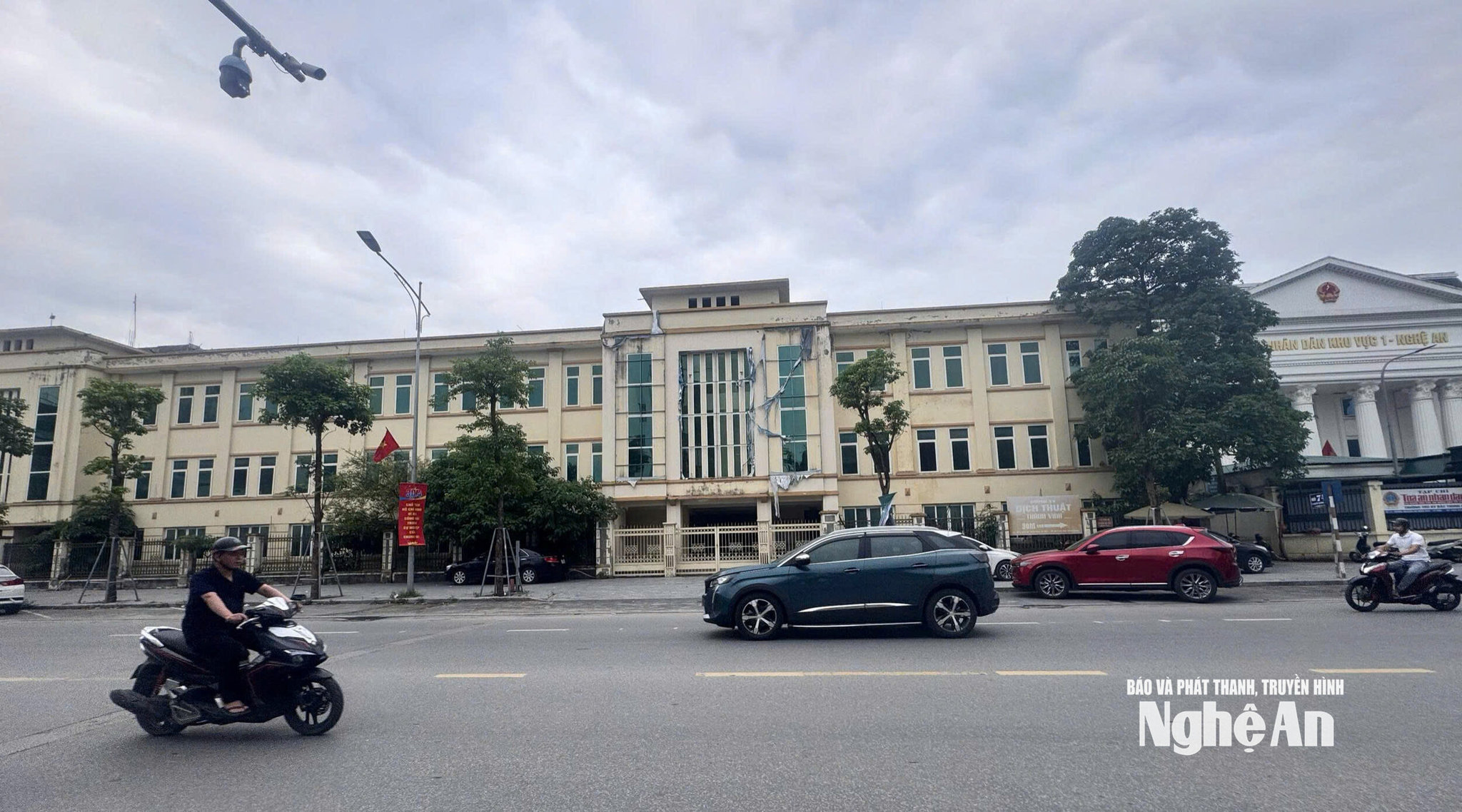
In Thai Hoa ward, thanks to proactive handling, after the handover, the ward relocated the headquarters of Quang Phong, Quang Tien, Long Son, and Hoa Hieu wards to other units, thereby maximizing the efficient use of assets. Recently, the People's Committee of the ward developed a plan for managing and leasing public assets of the Ward Party Committee and invited the Valuation Council to advise on signing a contract for the Viet Duc Vocational College of Economics and Technology to rent the former Nghia Hoa commune headquarters as a vocational training location for a period of 5 years, at a cost of 10 million VND/month.
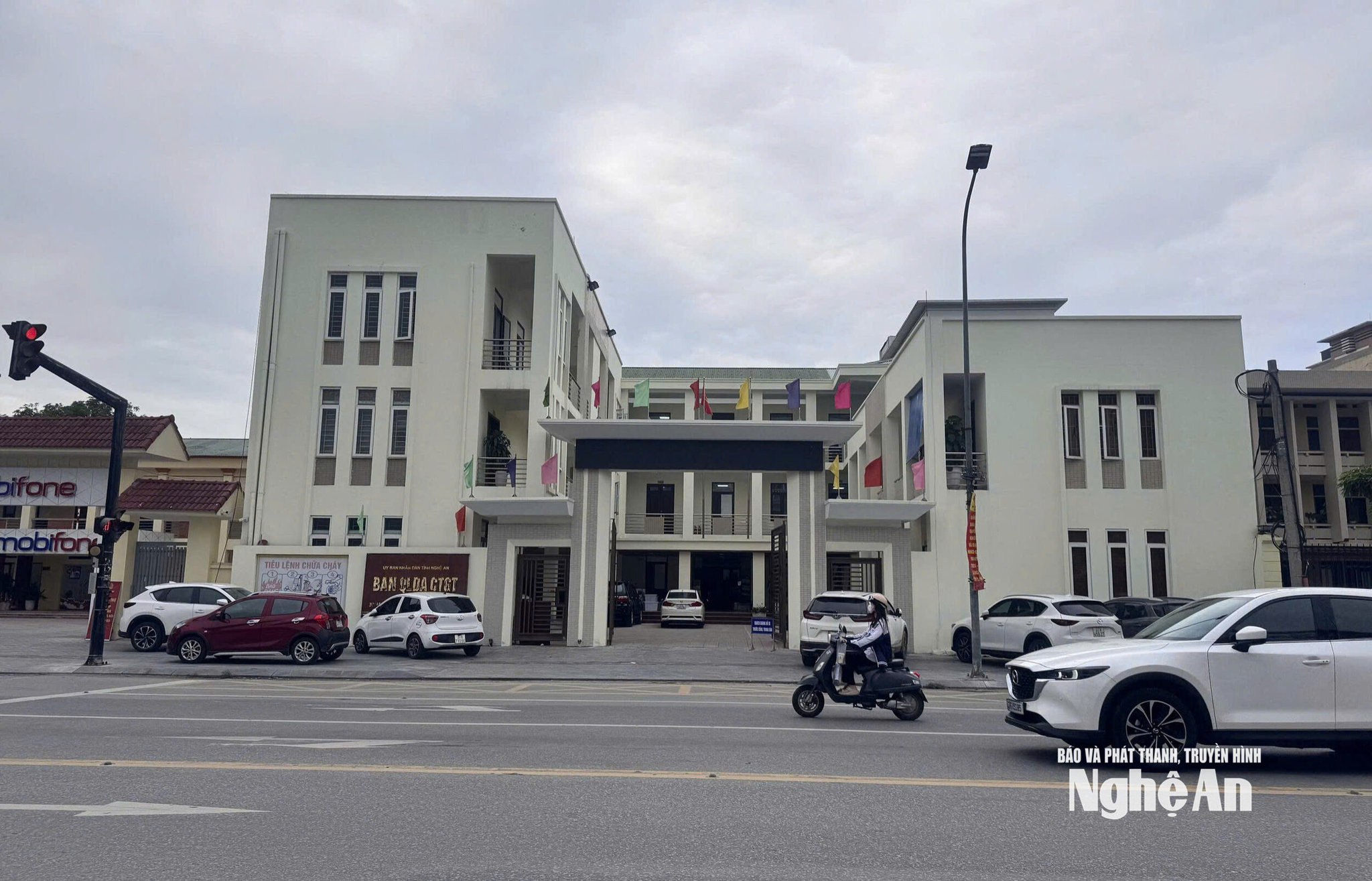
According to our findings, the Provincial People's Committee has handed over 87 properties (houses and land) that are office buildings to the Provincial Land Fund Development Center for management and exploitation. Of these, 70 properties are managed and exploited according to regulations, and 17 are public assets for management and exploitation.
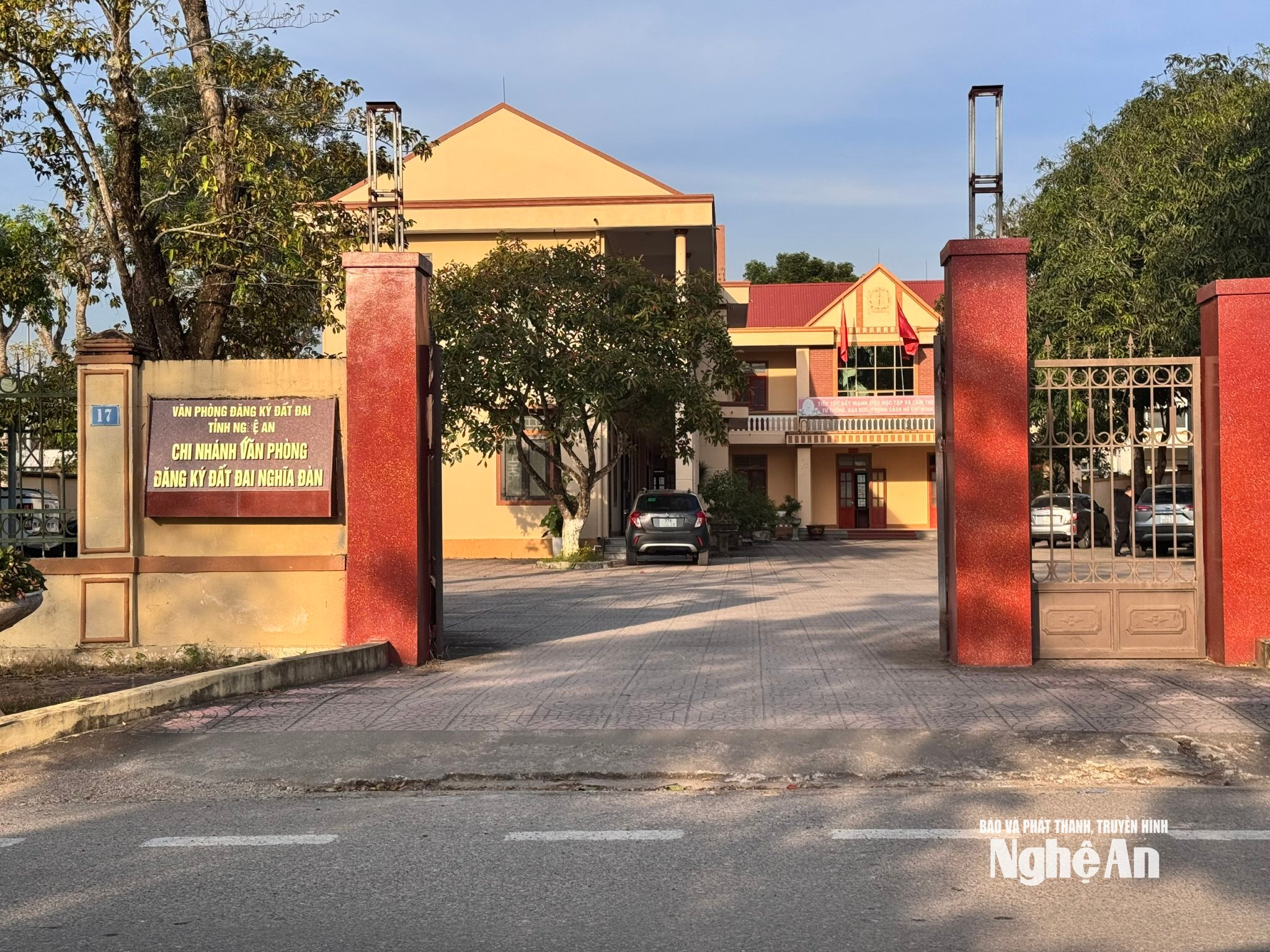
In early 2026, the Center completed the dossiers for 12 suitable land plots to be included in the 2026 auction plan and has now submitted a list of 30 land plots to the Department of Agriculture and Environment to determine the starting price for short-term leases.
In addition, the Center has developed plans for the exploitation of houses and land for 13 out of 17 land plots, submitting them to the Department for appraisal and seeking the opinion of the Chairman of the Provincial People's Committee as stipulated in Decree 108/2024/ND-CP; for the remaining land plot, which was recently acquired, the Center is finalizing the documentation to put it into exploitation.
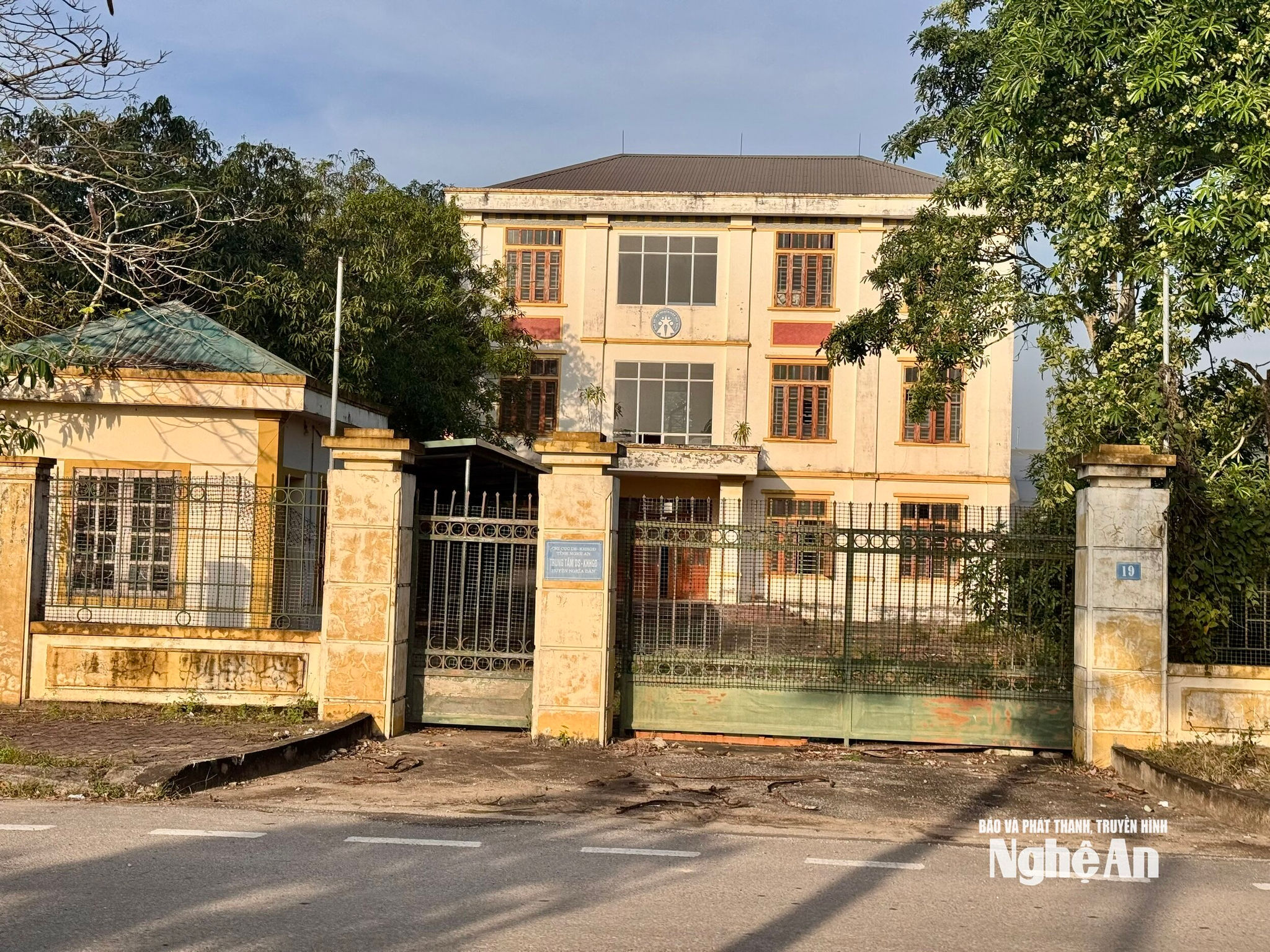
Mr. Cao Quang Trung, Director of the Provincial Land Development Center, stated: After reviewing 87 land and property facilities under the province's management and exploitation, the Center found that some locations, such as village cultural centers or educational and medical facilities in remote areas, lack the potential for socio-economic development or commercial services. This makes management and effective exploitation through auction or leasing difficult. Therefore, the Center has proposed that the Department of Finance advise on transferring these land areas to the commune-level People's Committees for management and exploitation in a manner consistent with local realities.
Furthermore, for land plots designated for use as office buildings according to the planning scheme, the land use purpose must be adjusted to suit the purpose before auctioning. To expedite the process, the Center proposes that, along with the handover of land and property assets, the province should direct relevant departments, agencies, and localities to proactively adjust local planning schemes, as has been done with large projects in the past, to facilitate faster and smoother auction and development procedures.
Representative of the Provincial Land Development Center
A representative from the Price and Public Assets Management Department of the Provincial Department of Finance stated: Immediately after the August meeting, based on recommendations from various departments, the Provincial People's Committee directed that it is not necessary to lease or sell all surplus land and buildings. Depending on the case, localities can convert them for use as public facilities, medical facilities, educational and training facilities; liquidate and dispose of assets on the land and manage the land; lease them; or apply other options as prescribed.
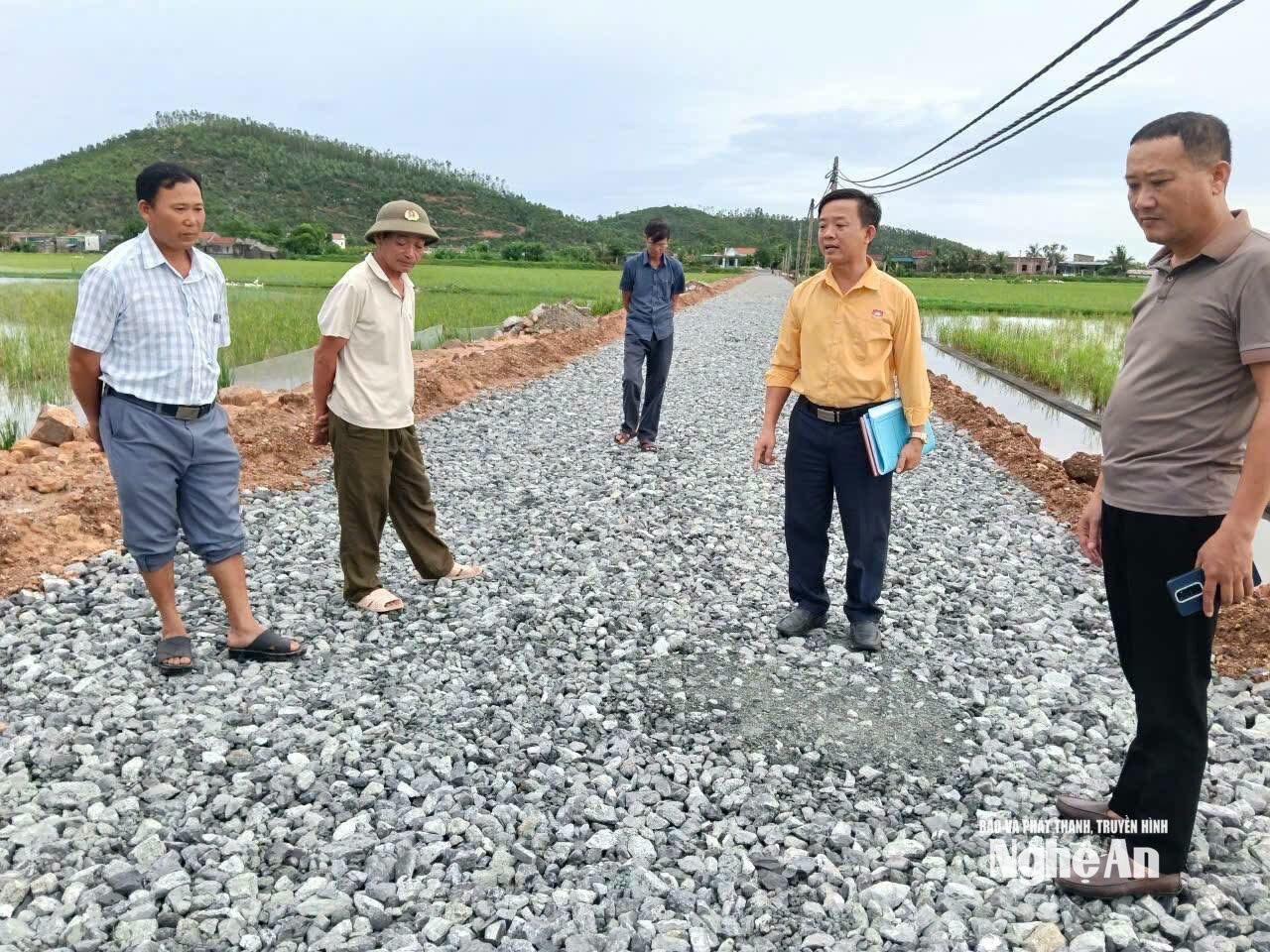
To definitively resolve the remaining surplus assets before October 30, 2026, the Department of Finance is tasked with overseeing progress and supporting localities in overcoming difficulties. The Department has also established working groups to directly supervise and guide activities in the field, while simultaneously developing standardized procedures and documentation for the sale, lease, and exploitation of public assets. In parallel, specialized agencies from various departments will closely coordinate to ensure legal compliance. This inter-agency coordination plays a crucial role in limiting the risk of losses, preventing misuse, and effectively protecting state resources.
By August 2026, Nghe An province had 4,378 public land and property facilities. Of these, the province retained 3,670 facilities for continued use; transferred 86 facilities internally within its sector; handed over 109 facilities to central government agencies; and converted 40 facilities into public cultural institutions. By mid-August, the province had processed 129 facilities, leaving 345 surplus facilities yet to be dealt with.