
Ensuring the safety of tourists during the rainy and stormy season.
Heavy rains, flash floods, landslides, high waves, and strong winds always pose potential safety risks at tourist areas and destinations. Given the complex weather patterns during the rainy season, the Nghe An tourism industry, along with local authorities and businesses, is proactively developing response plans, making timely adjustments, and temporarily suspending operations when necessary, prioritizing the safety of tourists.
Safety comes first.
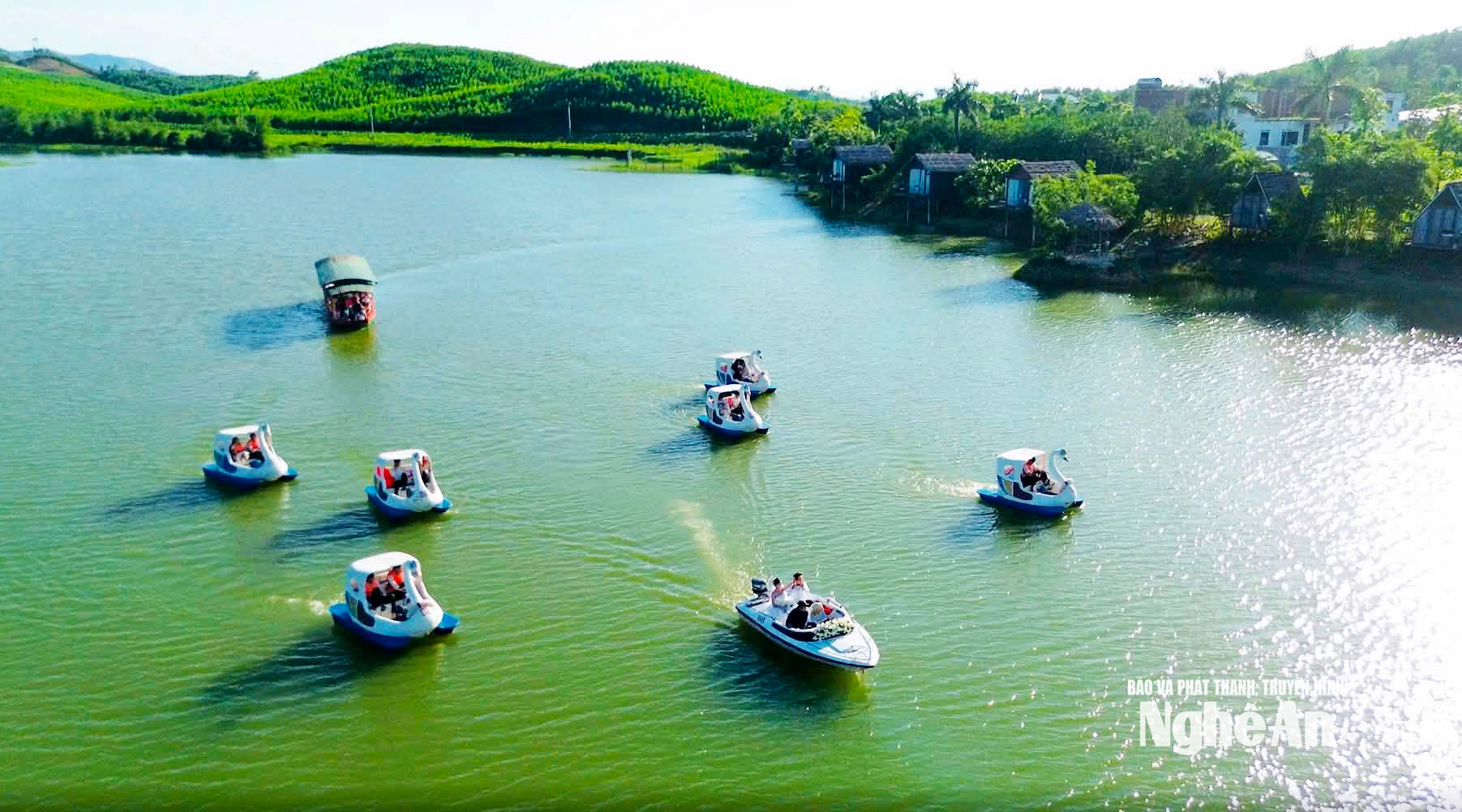
Nestled amidst lush greenery, Hon Mat Eco-tourism Area in Nghia Loc commune is a popular destination for tourists seeking relaxation, recreation, and unique experiences. However, when the weather turns bad, outdoor activities are adjusted or even temporarily suspended to ensure safety.
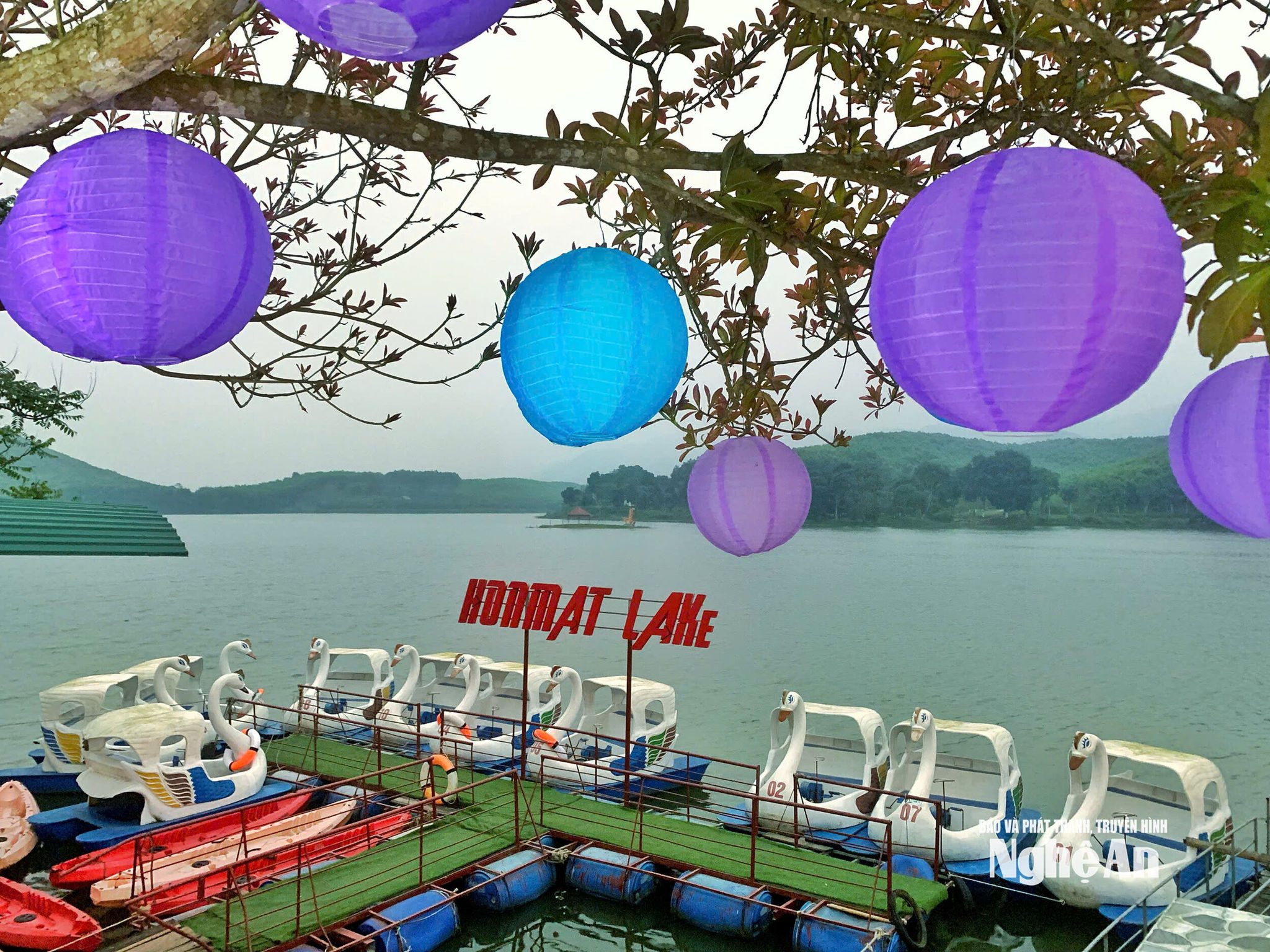
According to the resort's plan, when heavy rain and strong winds occur, boat tours on the lake will be temporarily suspended; tourists staying in bungalows will be instructed to move to a safe area. The resort also proactively stockpiles food, supplies, and other necessary items, ready to respond in case of prolonged rain and storms that disrupt transportation.
In coastal tourist areas such as Cua Lo, Bai Lu, and Bien Quynh, safety is always the top priority. According to Mr. Nguyen The Son, Deputy Head of the Culture and Social Affairs Department of Cua Lo Ward, in the days before, during, and after the storm, tourists are advised not to swim, walk, or play near the water's edge to avoid large waves and rising sea levels. Accommodation establishments and restaurants are also proactively preparing plans to serve guests in case they need to stay for an extended period.
Mr. Nguyen Van Huy, the owner of a hotel in Cua Lo ward, said: "This season, the number of tourists coming to Cua Lo is not high, while the weather is quite unpredictable, so we always proactively take measures to ensure safety. If tourists arrive during rainy or stormy weather, we encourage them not to go to the beach, and at the same time arrange sturdy rooms and prepare food supplies to serve them."
Not only in coastal areas, but all tourist areas and destinations throughout the province are proactively reviewing their response plans to extreme weather. In the plains and coastal areas, activities such as swimming in rivers and seas, and boat trips are required to be temporarily suspended when there is rain or storms.
Accommodation and food service establishments should inspect facilities, reinforce rooms, arrange staff, and prepare necessary food, supplies, and equipment in case guests have to stay overnight due to unusual weather conditions.
Mr. Nguyen Cong Tuan, a tourist from Son La, shared: “Last month, my family had business in Nghe An, combining sightseeing and tourism, but unfortunately, we encountered prolonged rain and wind. During our stay in Cua Lo and Truong Vinh wards, we were still welcomed and served attentively, the food was safe, and most importantly, transportation was quite safe.”
In western Nghe An province, which frequently faces the risk of flash floods, landslides, and disrupted transportation, ensuring the safety of tourists is a top priority. Since the beginning of the rainy and stormy season, localities with tourist areas and attractions such as Na Ngoi with Puxailaileng peak, Muong Long, Yen Hoa, Tien Phong, etc., have regularly updated weather forecasts and monitored the actual situation to promptly warn and adjust tourism activities.
In Tien Phong commune, the Muong Dan community tourism destination, along with the system of waterfalls and rapids on the Nam Viet river, attracts tourists with its natural scenery and unique experiences. However, this area also poses potential dangers during heavy rains and rising floodwaters.
Ms. Cao Thi Ha Le, Vice Chairman of the People's Committee of Tien Phong commune, said: "During the rainy and stormy season, the commune has directed tourism businesses to focus on ensuring the safety of tourists, preventing them from independently visiting waterfalls or swimming in rivers and streams during heavy rain and high floodwaters."
In Yen Hoa commune, the Nam Ngan stream area with more than 50 waterwheels is an attractive destination for tourists. However, sudden floods from upstream can cause the water level to rise rapidly and the current to become strong. Local authorities have placed warning signs and regularly broadcast messages through the public address system, reminding tourists not to swim or visit the waterwheel area when weather conditions are unsafe.
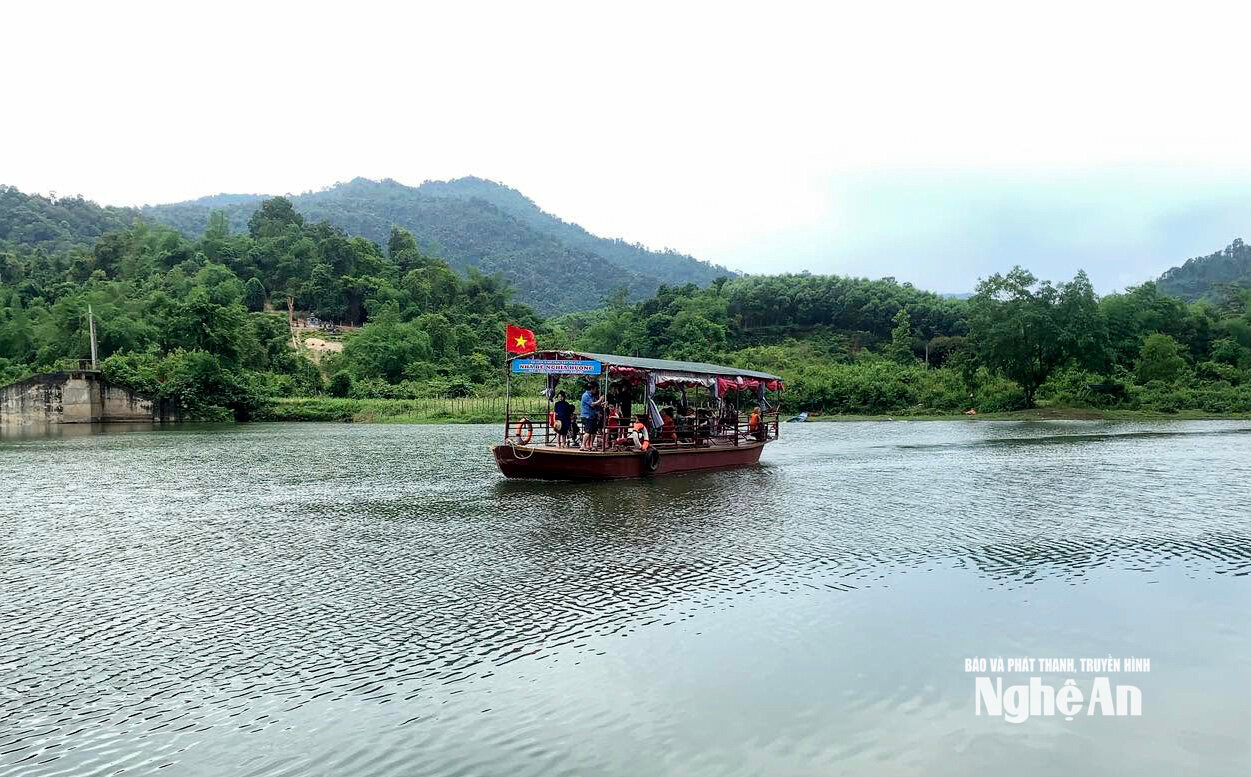
Similarly, at the Pha Lai eco-tourism site in Mon Son commune, where activities such as scenic boat tours and enjoying local specialties are offered, business operations are required to temporarily cease during heavy rains and floods to minimize the risk of incidents.
During the rainy and stormy season, the department regularly monitors weather conditions, especially the development of storms and tropical depressions, to promptly issue directives ensuring the security and safety of tourists. Management boards of tourist areas and sites must strictly implement inspections, reviews, warnings, and develop plans to ensure safety during the service of tourists, especially for tours and routes passing through caves, rivers, and lakes."
Mr. Tran Xuan Cuong - Deputy Director of the Department of Culture, Sports and Tourism
Proactive from the start, responding from afar.
Authorities also require tourist areas and attractions to install complete regulations, signposts, and danger warning signs in necessary areas; and to provide appropriate information so that tourists are aware of and comply with them. Security and rescue personnel and equipment must be deployed in necessary locations; the unit's hotline number must be posted so that tourists can contact them in case of an incident.
In case of bad weather conditions that make sightseeing activities unsafe, tourist areas and attractions must proactively suspend operations and promptly notify tourists, travel agencies, service providers, media outlets, and state tourism management agencies.
-d25c53d6019f63baea31c3de1dc784d7.jpg)
Authorities also require tourist areas and attractions to install complete regulations, signposts, and danger warning signs in necessary areas; and to provide appropriate information so that tourists are aware of and comply with them.
Security and rescue forces and equipment must be deployed at necessary locations; the unit's hotline number must be posted so that tourists can contact them in case of an incident. In case of bad weather conditions that do not ensure safety for sightseeing activities, tourist areas and attractions must proactively cease operations and promptly notify tourists, travel agencies, service providers, media, and state management agencies for tourism.
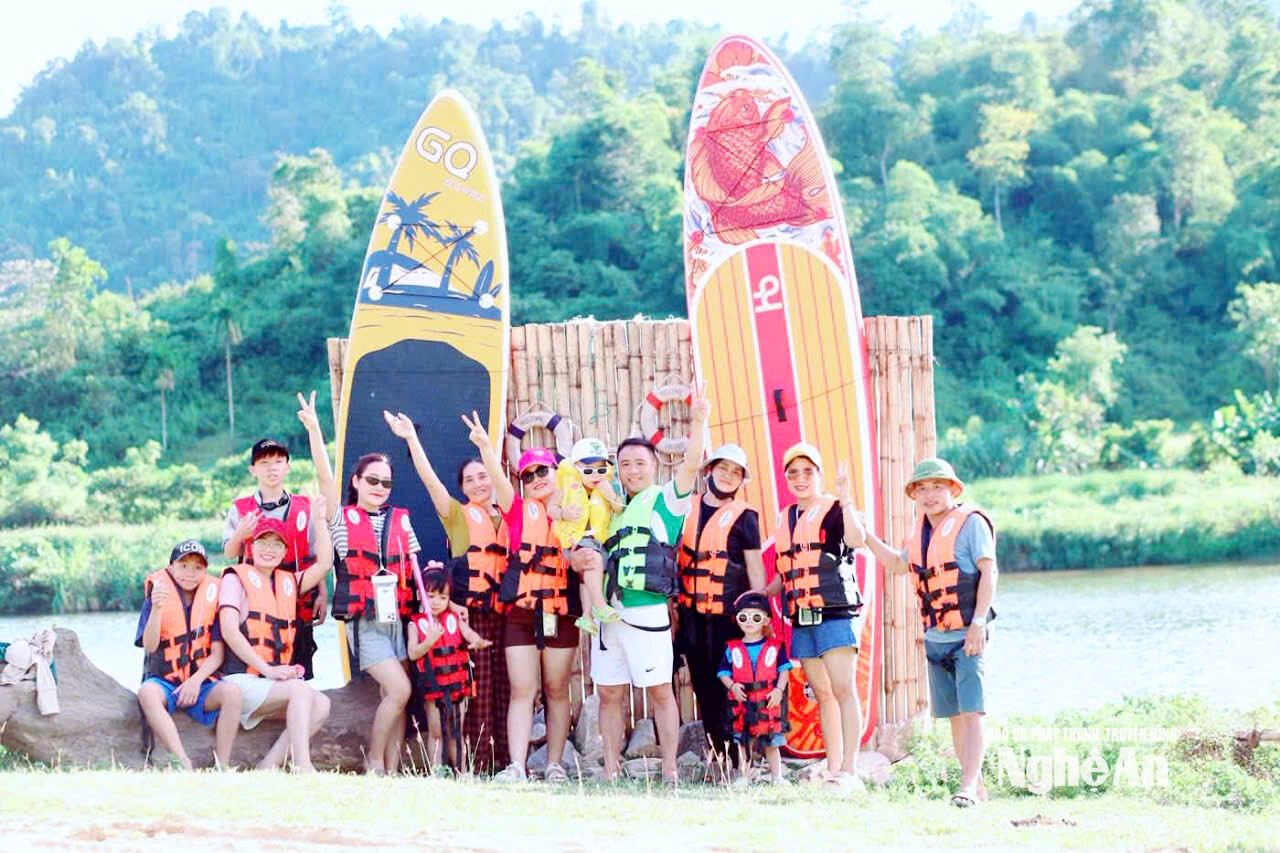
Notably, the Department of Culture, Sports and Tourism has recently issued a document requesting communes and wards to strengthen inspections, rectify shortcomings, and strictly handle organizations and individuals that have not been licensed or do not meet safety requirements but are still organizing spontaneous tourism activities on rivers and waterfalls such as SUP paddling, whitewater rafting, and boat trips on rivers…
These activities carry significant risks, especially during heavy rain and flooding. Therefore, departments and units within the sector are required to coordinate closely with the police, health, transportation, and other relevant agencies to proactively develop plans for responding to natural disasters, storms, and floods; and to create plans for traffic flow management and regulation at key tourist areas and destinations, minimizing the risk of overcrowding and traffic congestion.
-33245c076866474b2aefcc206e607c4d.jpg)
For areas and locations offering water-based recreational activities and passenger transport, ensuring security and traffic safety, especially inland waterway safety, must be strictly enforced.
Tourism businesses in coastal and mountainous areas need to regularly update weather forecasts and proactively suspend programs to areas directly affected by heavy rain, landslides, high waves, strong winds, etc., until the weather stabilizes.
“The weather is forecast to remain complex during the rainy and stormy season. Therefore, in addition to the proactive efforts of management agencies and tourism businesses, the awareness of local people and tourists also plays a crucial role. Complying with warnings, avoiding approaching dangerous areas, and adhering to regulations on waterway safety and tourism activities will contribute to minimizing risks, ensuring that every trip, even during the rainy and stormy season, remains safe and fulfilling,” said Mr. Tran Xuan Cuong.
Cong Kien