
Nghe An: The final sprint to accelerate growth targets.
The province has only four months left to achieve its 2026 economic growth target of 10.5-11.5%. After six months, GRDP increased by 9.65%, setting a target for the last two quarters of the year for a strong acceleration, with a growth scenario of 11.07-12.43% in the third quarter and 11.4-13.81% in the fourth quarter.
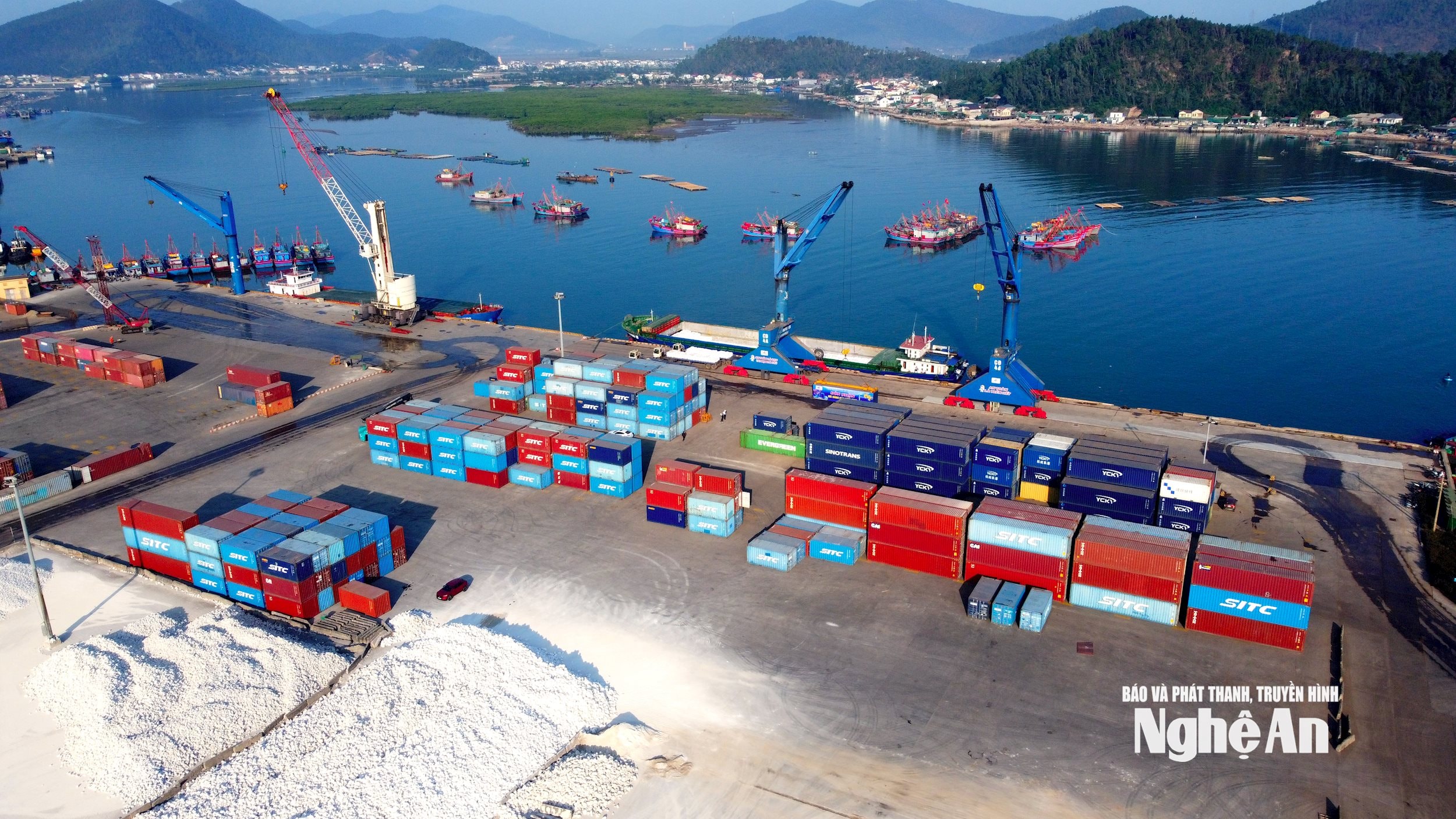
The pulling power from the "three-horse chariot"
If we liken industry, investment, and exports to a "three-horse chariot" driving growth, then in the first eight months of 2026, this chariot is accelerating together. Investment, especially FDI, expands production capacity; industry transforms capital into products; and exports bring products to international markets.
Indeed, looking at Nghe An's economic picture, the most outstanding feature is the Industrial Production Index (IIP), which increased by more than 21% compared to the same period last year. The manufacturing sector alone increased by nearly 26%, significantly higher than the GRDP growth rate that Nghe An is aiming for this year.
Electronic products continued to grow strongly. Microphone production reached approximately 211 million units, up 28%; wireless headphones reached 55 million units, up nearly 10%; BSE speakers reached nearly 52 million units, up over 92%; charging docks reached 17 million units, up nearly 48%... This illustrates a shift in the production structure, with a clearer formation of an industry based on processing, manufacturing, and high-tech products.
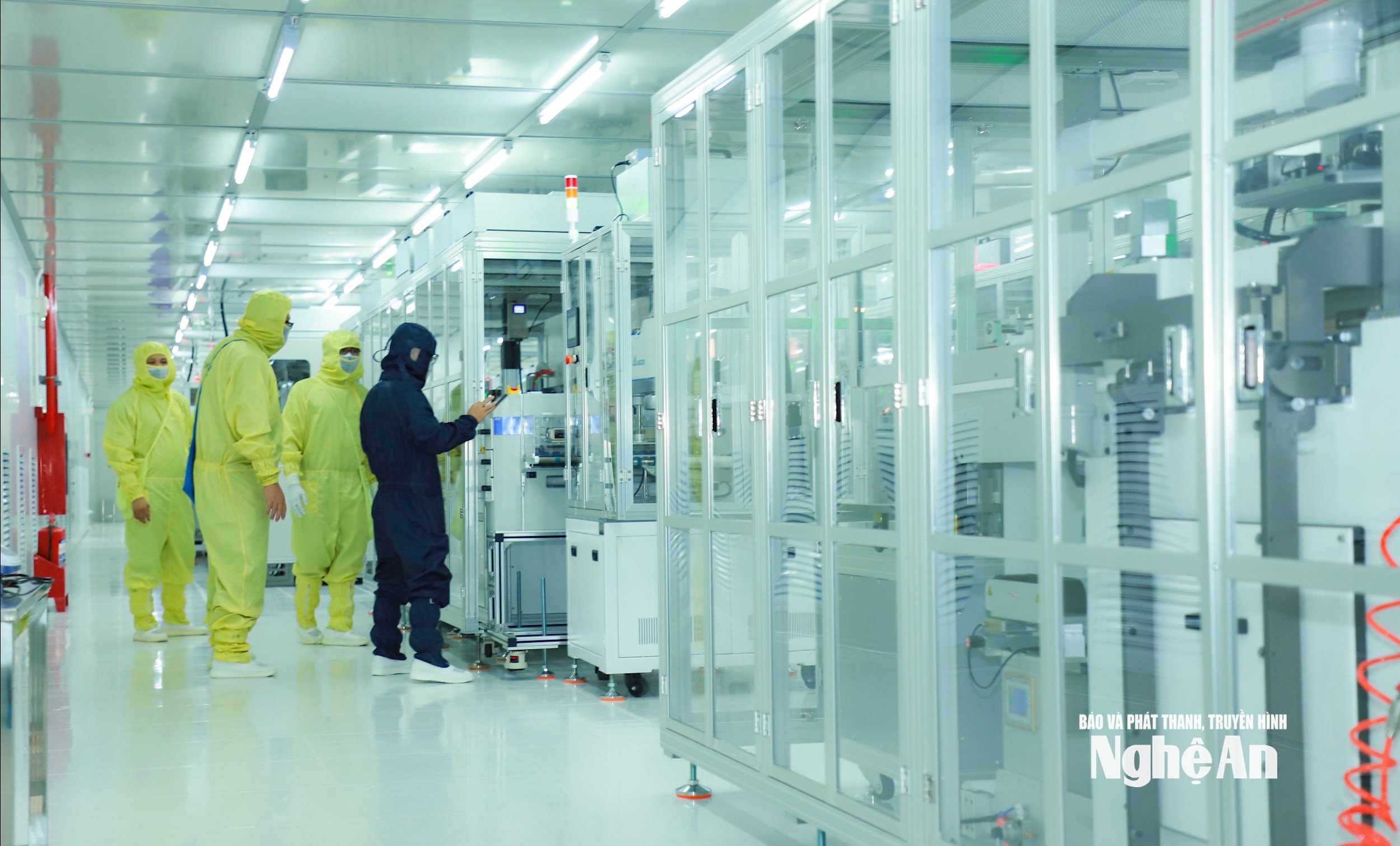
Behind the industrial growth is an accelerating flow of investment capital. In the first eight months of the year, Nghe An province granted licenses for 55 new projects and adjusted the capital of 119 existing projects, with a total newly granted and increased capital of approximately 92,700 billion VND, nearly five times higher than the same period last year. Foreign direct investment (FDI) continues to be a crucial link. In the first eight months of the year, the province granted licenses for 13 new FDI projects and adjusted the capital of 14 existing projects, with a total newly granted and increased capital of over 2.47 billion USD.
Compared to the target of attracting approximately $3.6 billion in FDI in 2026, the current results are quite close to the goal. The remaining gap could be further narrowed in the final months of the year as several new projects are being prepared for implementation.
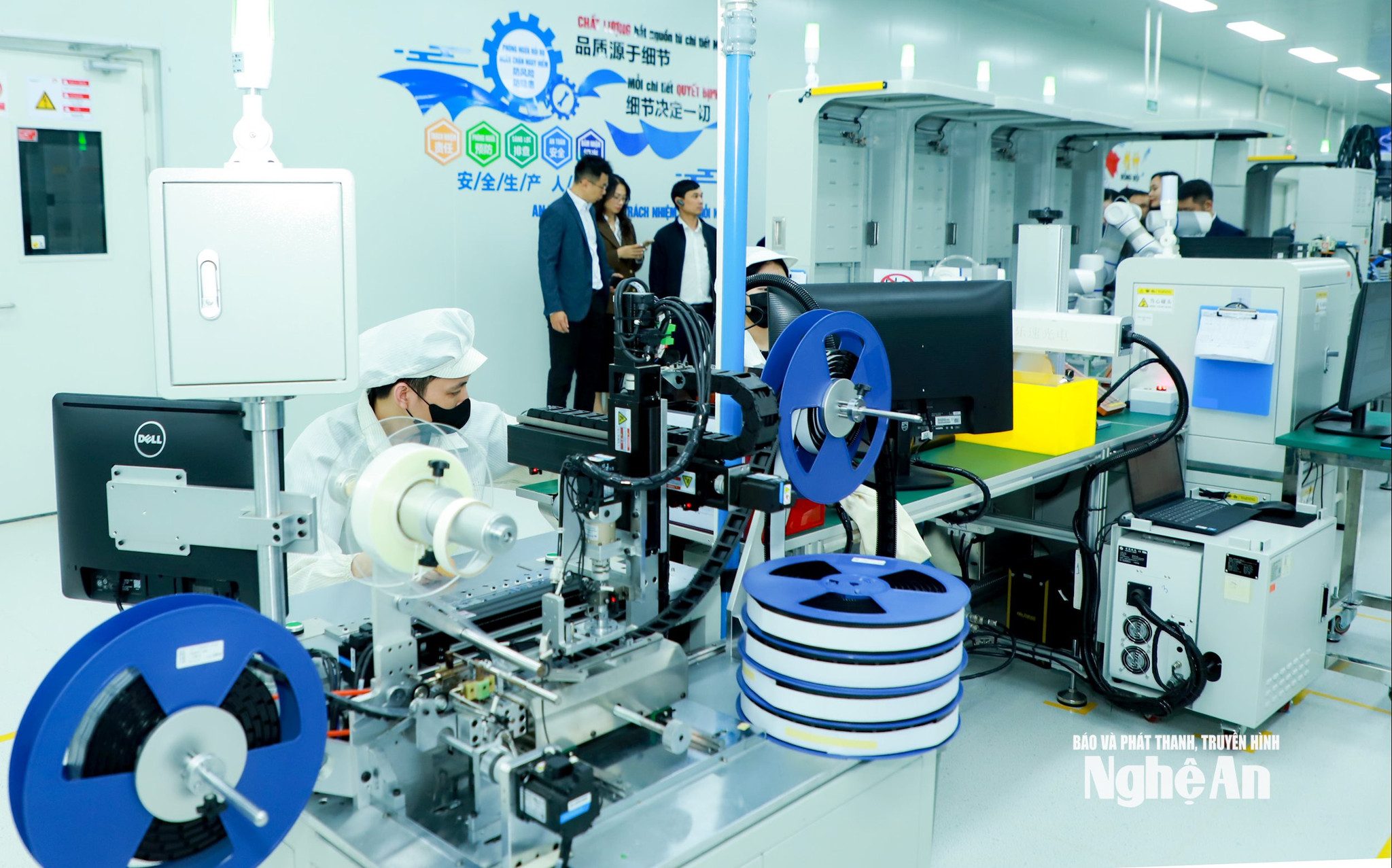
According to Nguyen Xuan Duc, Head of the Southeast Economic Zone Management Board, construction of VSIP 3 Industrial Park is expected to begin in October. Currently, two secondary investors have committed to investing in this industrial park with a total capital of approximately $150 million. Within the next two weeks, a project worth approximately $100 million in Hoang Mai II Industrial Park is expected to receive a license.
The strong increase in investment capital over the past years is gradually creating more production capacity, and the effectiveness of this transformation process is clearly reflected in export results.
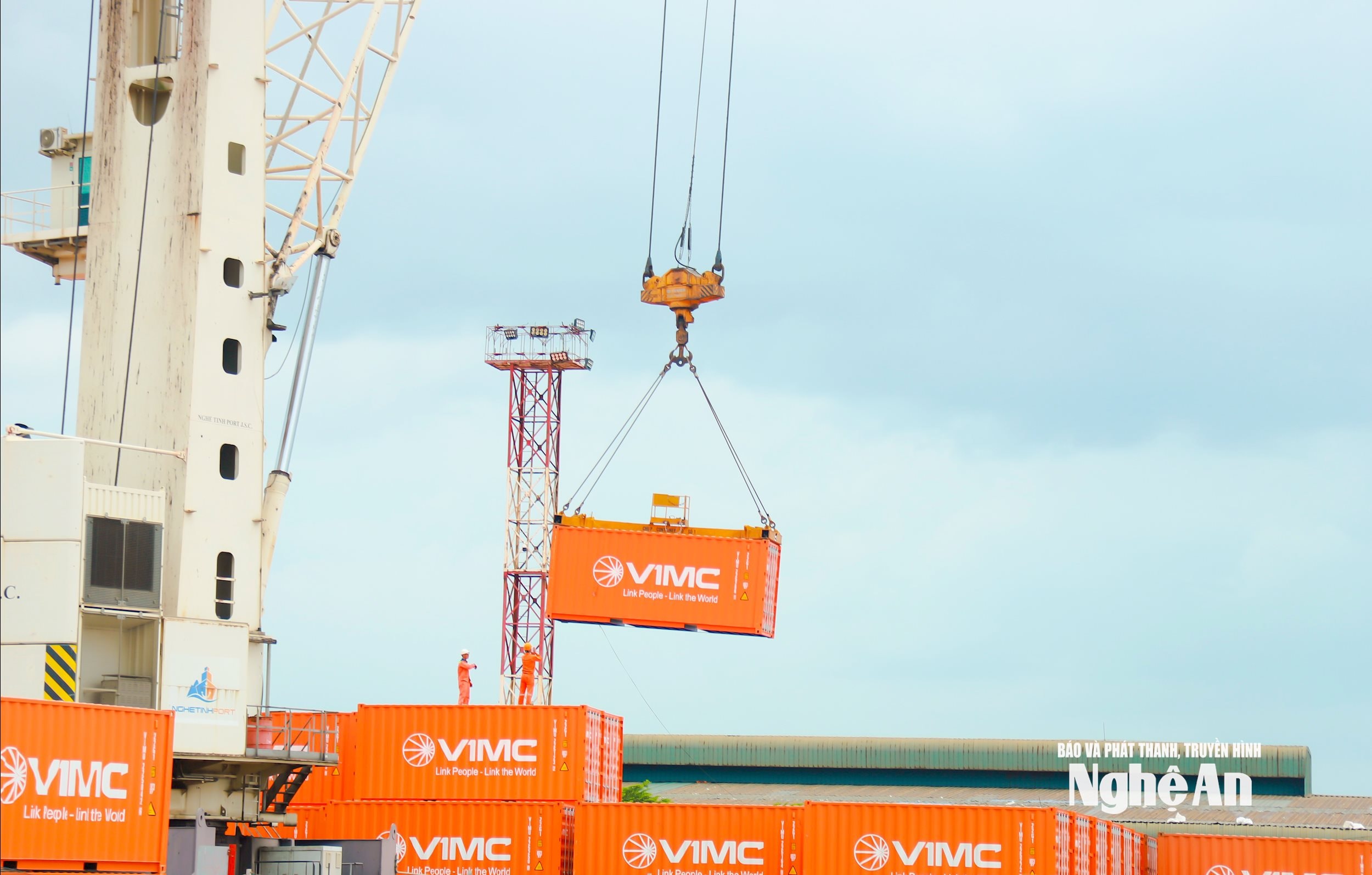
In the first eight months of the year, Nghe An's merchandise export turnover reached approximately 4.48 billion USD, an increase of nearly 55% compared to the same period last year and completing nearly 90% of the annual plan. At the current rate, the 5 billion USD mark in 2026 is quite close.
After eight months, the province recorded a trade surplus of approximately $610 million, with exports reaching $4.48 billion and imports around $3.87 billion. A positive trade balance is a positive indicator of productivity and the ability to generate foreign currency from economic activities in the area.
There is still significant room for growth in public investment.
Industry, FDI, and exports are driving forces, but to achieve a growth rate of 10.5-11.5%, Nghe An still needs to tap into a very large resource: public investment.
In 2026, the total public investment capital plan assigned to Nghe An province by the Prime Minister is approximately 17,842 billion VND. As of August 31st, the province had disbursed about 12,725 billion VND, reaching 61.7%, significantly higher than the 42.5% of the same period in 2025.
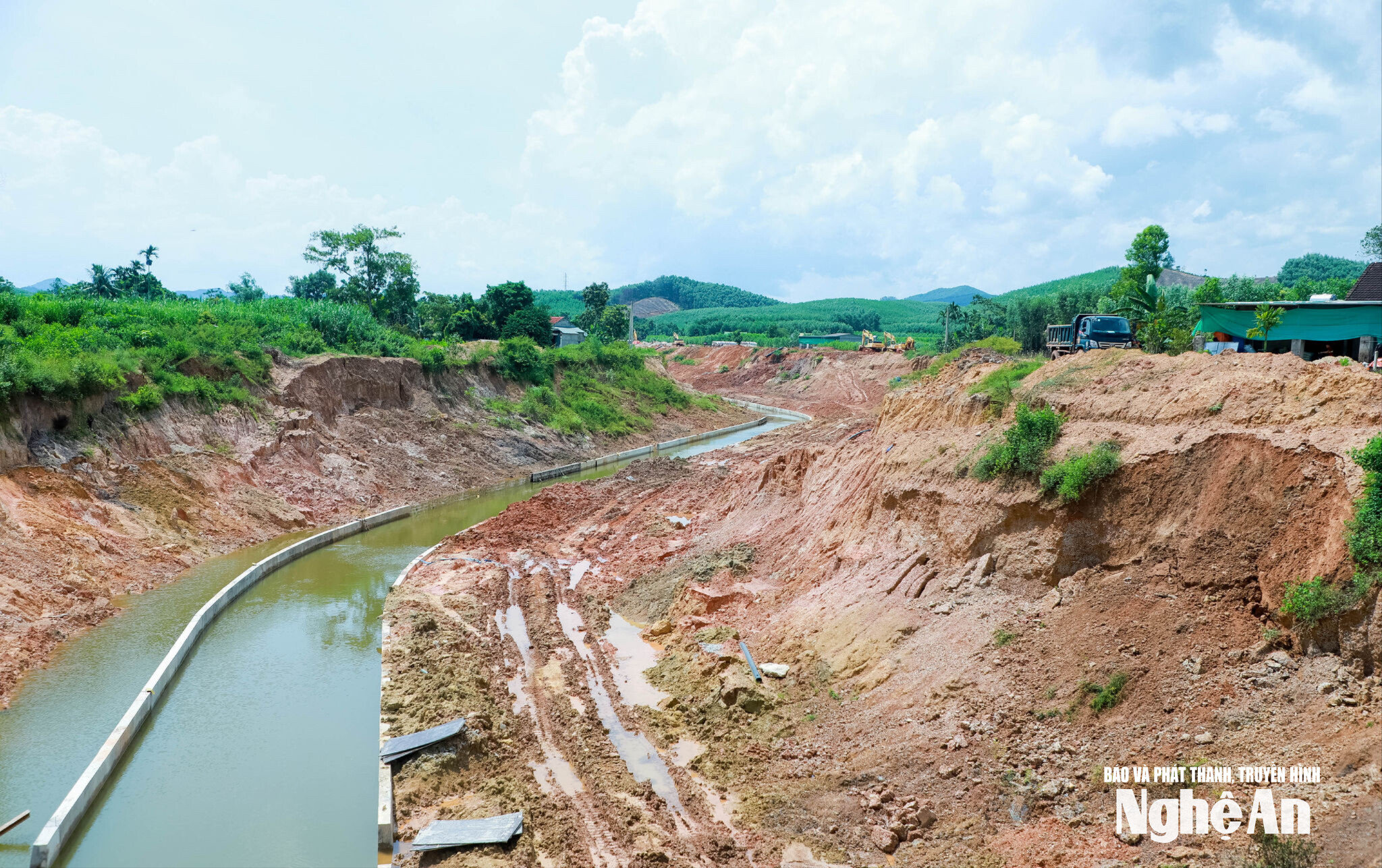
Of this total capital, the three provincial-level project management boards were allocated approximately 9,800 billion VND, equivalent to nearly 55% of the province's public investment plan, but about 4,800 billion VND remains undisbursed, accounting for nearly 27% of the total capital plan.
Specifically, the Project Management Board for Civil and Industrial Construction Projects has approximately 2,700 billion VND remaining; the Project Management Board for Transportation Projects has approximately 1,900 billion VND remaining; and the Project Management Board for Agriculture and Environment has approximately 200 billion VND remaining.
With such a large proportion of capital, the disbursement progress of each department directly and significantly influences the overall disbursement rate of the entire province in the remaining months of the year.
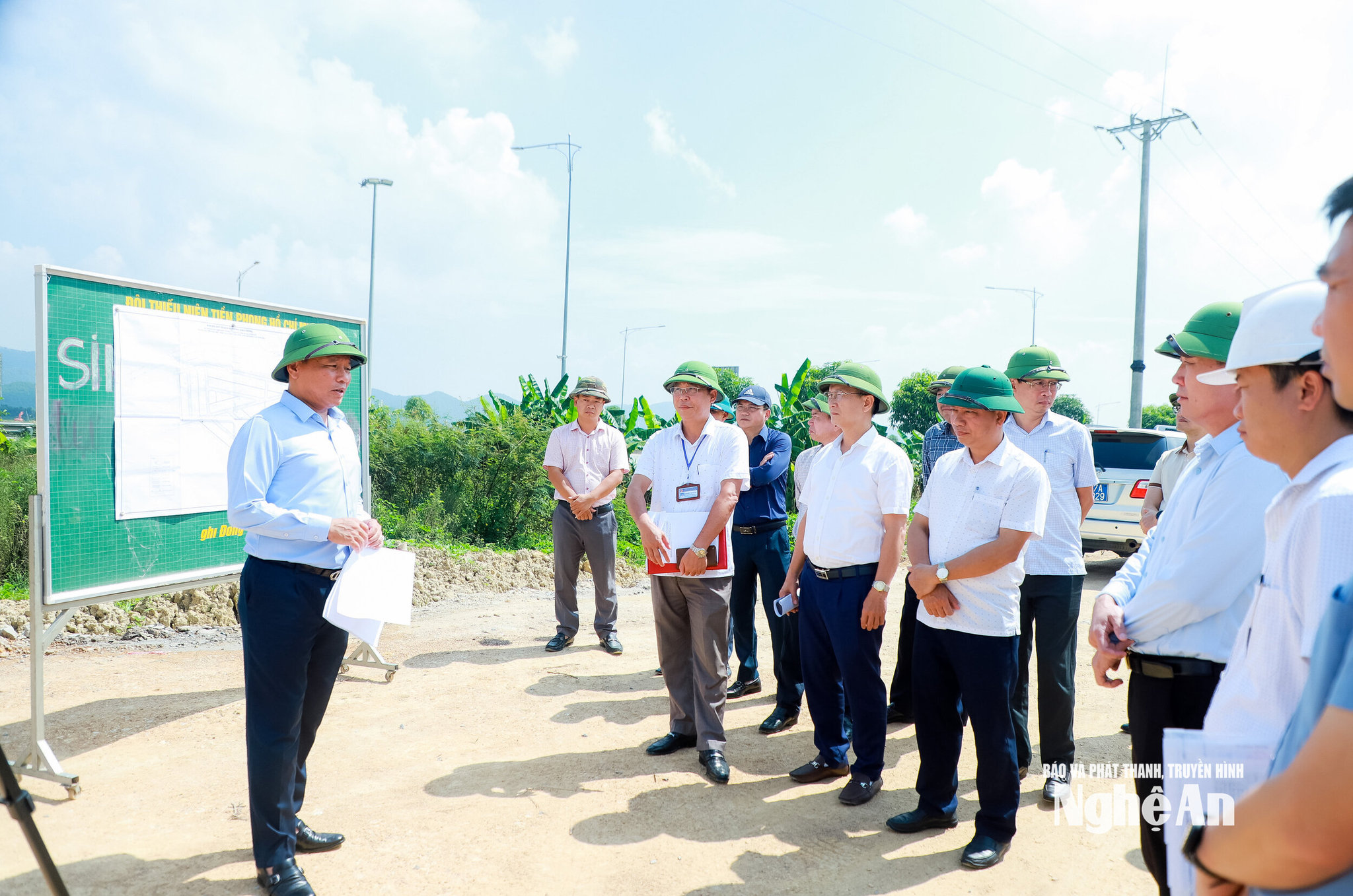
Nghe An province has set specific disbursement targets: 70% by the end of September, 80% by October 31st, 90% by November 30th, and at least 95% by December 31st.
This approach shifts the focus from monitoring year-end disbursement rates to controlling progress on a monthly basis, creating continuous pressure on each project owner, with the requirement for the three provincial-level project management boards being "only talk about doing, not talking about going back."
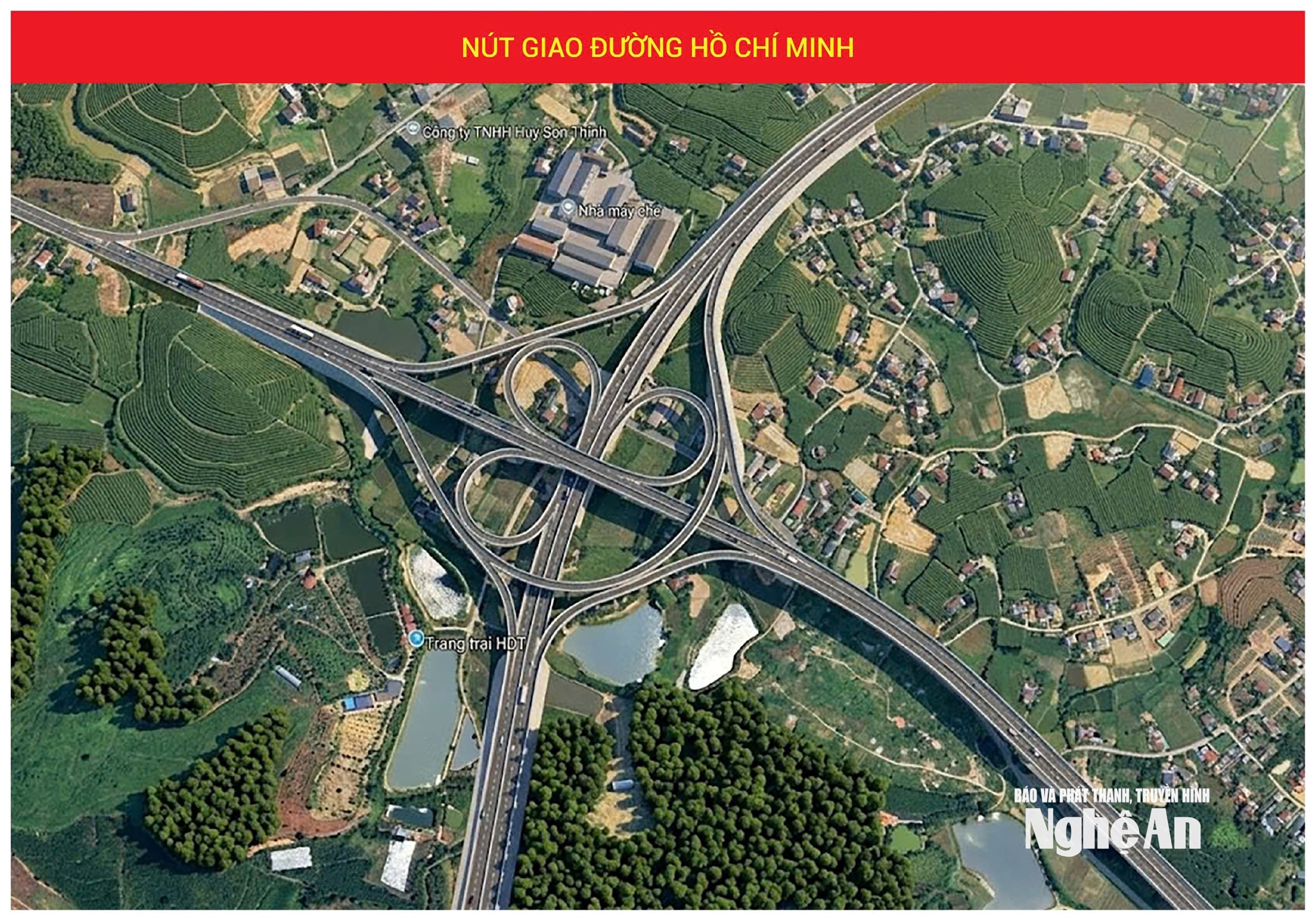
The Vinh - Thanh Thuy expressway project clearly demonstrates this requirement. The project comprises 10 sub-projects, of which sub-project 1, construction, is managed by the Nghe An Provincial Project Management Board for Transportation Works and is divided into 6 construction packages. According to Hoang Sy Kien, Director of the Nghe An Provincial Project Management Board for Transportation Works, all 6 packages will be simultaneously implemented around September 15th.
However, the current bottleneck lies primarily in land clearance. Of the nine land clearance packages managed by the communes, 20 households in Nam Dan commune have yet to complete the land handover. After a period of public awareness campaigns, persuasion efforts, and implementation of compensation policies as stipulated, the province has agreed on a plan to protect the construction site.
Meanwhile, in Kim Bang commune, a locality with a large volume of land clearance but still lagging behind the overall schedule, the province is expected to take measures regarding personnel management in the near future.
In the field of agriculture and environment, Nguyen Hao, Director of the Provincial Agriculture and Environment Project Management Board, said that the unit has disbursed 71% of the funds and is committed to disbursing the remaining amount; the provincial leadership requested that 100% of the remaining funds be disbursed before November 30th.
Meanwhile, over 1.788 billion VND allocated for school construction in border communes is currently undergoing procedures to be handed over to the Provincial Project Management Board for Civil and Industrial Construction Projects for implementation in phase 2, covering 11 schools.
Overall, the public investment disbursement situation remains challenging, with approximately 5,100 billion VND needing to be disbursed in the last four months of the year. However, some funding sources have low disbursement rates, such as foreign capital, funds for school construction in border communes, and funds for infrastructure development in the Western region under Resolution 137. Currently, 11 departments, agencies, and investors, along with 28 communes and wards, have disbursement rates below the provincial average.
To expedite the process, Chairman of the Provincial People's Committee Vo Trong Hai requested a review of the capacity of officials, and in cases where they do not meet the requirements, a report must be submitted for reassignment and placement of more capable personnel; at the same time, selecting investors with sufficient capacity and high-quality design consulting units.
.jpg)
This message accurately reflects the current bottleneck in public investment: Capital is available, project portfolios are in place, but the speed of converting capital into investment volume depends heavily on the capacity of the implementing organization. With only four months left to achieve significantly higher growth than in the first half of the year, improving implementation efficiency is the quickest way to exploit the remaining growth potential in public investment.
It is clear that the last four months of the year are a crucial sprint that will determine the achievement of the growth target. As the "three-horse chariot" continues to accelerate, public investment is unlocked, and bottlenecks are promptly removed, Nghe An has more room to break through. The deciding factor lies in the speed of action, the ability to remove bottlenecks, and the responsibility of each level and sector.
Thanh Duy