
The US Congress passed a large-scale sanctions bill against Russia.
The US House of Representatives on September 16 passed a new sanctions bill aimed at increasing pressure on Russia over the war in Ukraine, allowing President Donald Trump to impose tariffs of up to 100% on countries that buy Russian oil and gas. The bill was sent to the White House for Trump to sign into law after months of delays.
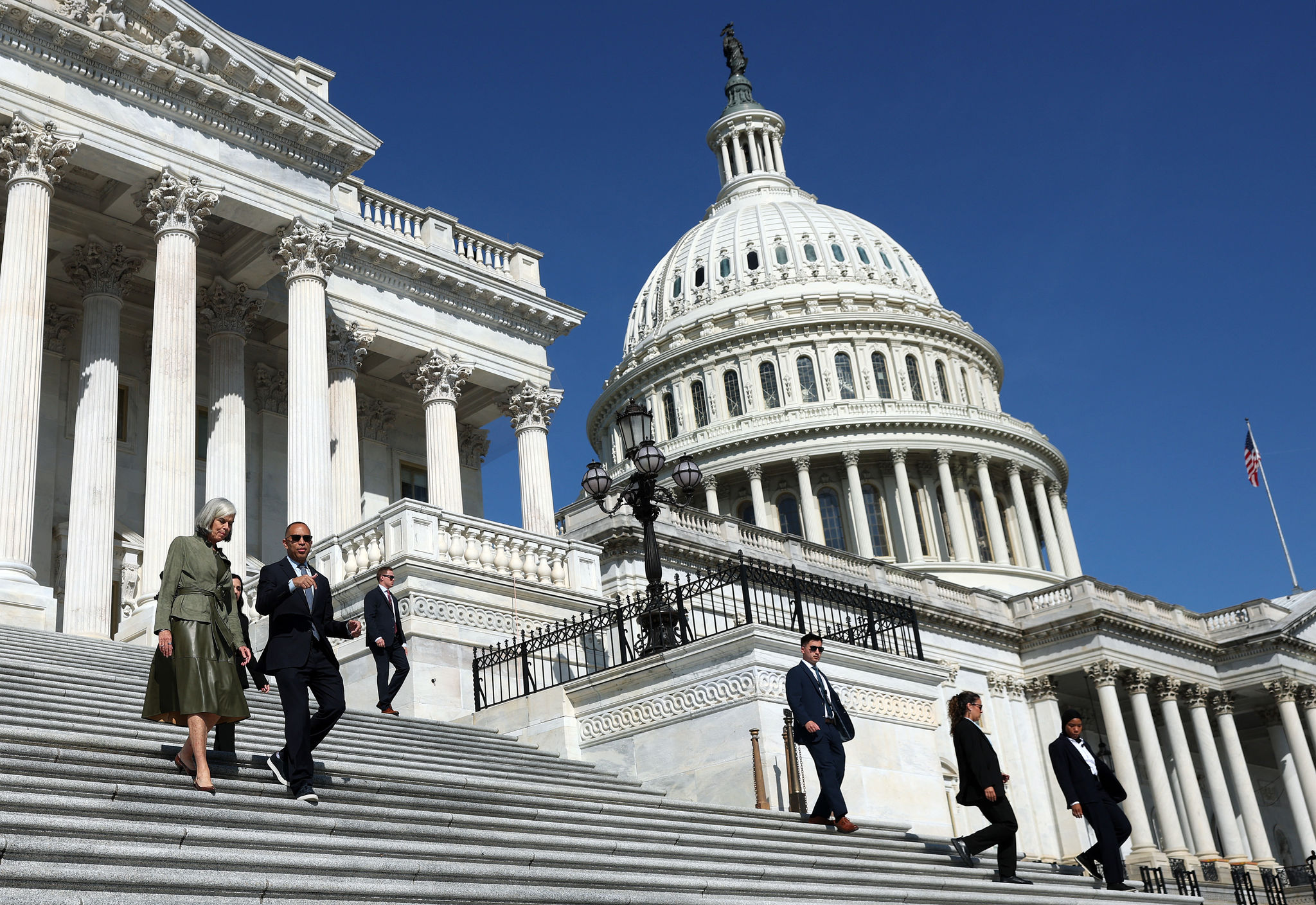
The Republican-controlled House of Representatives passed the bill by a vote of 262-159, paving the way for the largest package of sanctions against Moscow imposed by Congress since President Trump returned to the White House.
Mr. Trump said he would sign the bill. The US Senate had previously passed the bill 86-11 in August.
The bill targets Russia's energy and defense sectors, President Vladimir Putin, and several other high-ranking officials. The package of measures also targets the so-called "shadow fleet," a fleet of oil tankers believed to be used to evade Western sanctions.
Notably, the bill gives President Trump the power to impose tariffs of up to 100% on major countries that buy Russian oil and gas, potentially including China and India, in order to cut off revenue funding Russia's military campaign in Ukraine.
The bill also allows for sanctions against foreign businesses and entities that support the Russian military, and expands some sanctions related to Iran.
Debate over the President's power to impose taxes
The bill passed, but its provisions on imposing broad tariffs caused rare divisions within the Democratic party. While most Democratic lawmakers supported Ukraine, some opposed giving President Trump more power in trade policy.
Representative Gregory Meeks, the top Democrat on the House Foreign Affairs Committee, called the bill a document "seriously flawed."
"White House lawyers drafted the current text to maximize President Trump's authority to impose new import tariffs on American citizens while minimizing the practical obligation to impose new sanctions on Russia or those supporting Russia," Meeks said. He also stated he would support the bill if the additional tariff provisions were removed. However, Republicans have rejected proposed amendments to narrow the scope of these provisions.
Nevertheless, dozens of Democratic lawmakers voted in favor of the bill, while some Republican lawmakers opposed it due to their stance against economic intervention or sanctions.
President Trump has historically preferred to maintain control over decisions regarding sanctions and tariffs, rather than allowing Congress to dictate policy. This stance contributed to the bill being delayed for over a year.
New pressure on Moscow
Supporters of the bill argue that stronger economic pressure is needed, given that the conflict in Ukraine has dragged on into its fifth year with no sign of a peace agreement. Pro-Ukraine activists welcomed the vote in the lower house, while also pointing out that Russian attacks continue, including drone strikes targeting “civilian transport” in southern Ukraine on September 16th that killed five people.
Ukrainian President Volodymyr Zelensky has previously called on the US Congress to pass sanctions, arguing that greater pressure could force Moscow to negotiate.
Speaking during a visit to Washington in July, Zelensky said Russia was suffering heavy losses but President Putin was not yet ready to end the war.
The bill was promoted by Republican Senator Lindsey Graham starting in April 2025, but Graham passed away unexpectedly in July.
The vote in the House of Representatives took place just before lawmakers left Washington to return to their localities to campaign ahead of the midterm elections in November. Svitlana Romanko, executive director of the Ukrainian energy advocacy organization Razom We Stand, urged the US administration to quickly implement measures after the bill is signed into law. She argued that ending the flow of funds into the Kremlin's war budget needs to be done as soon as possible.
Thu Trang