

African swine fever outbreak recurs, leaving pig farmers apprehensive.
African swine fever is recurring in many localities in Nghe An province, causing losses for pig farmers. Worryingly, in some areas, the disease has appeared multiple times, putting small-scale farmers who had just restored their herds at risk of total loss. With the changing seasons, the risk of further outbreaks poses significant challenges to prevention and control efforts.
African swine fever has re-emerged, causing losses for pig farmers.
The family of Ms. Lu Thi Luong in Xang Kieng village, Chau Tien commune, has been raising pigs for many years. Their pig herd has been affected by African swine fever twice. Three sows died one after another, including some that had given birth to 2-3 litters. Recently, the disease reappeared after one sow had just given birth to 15 piglets.
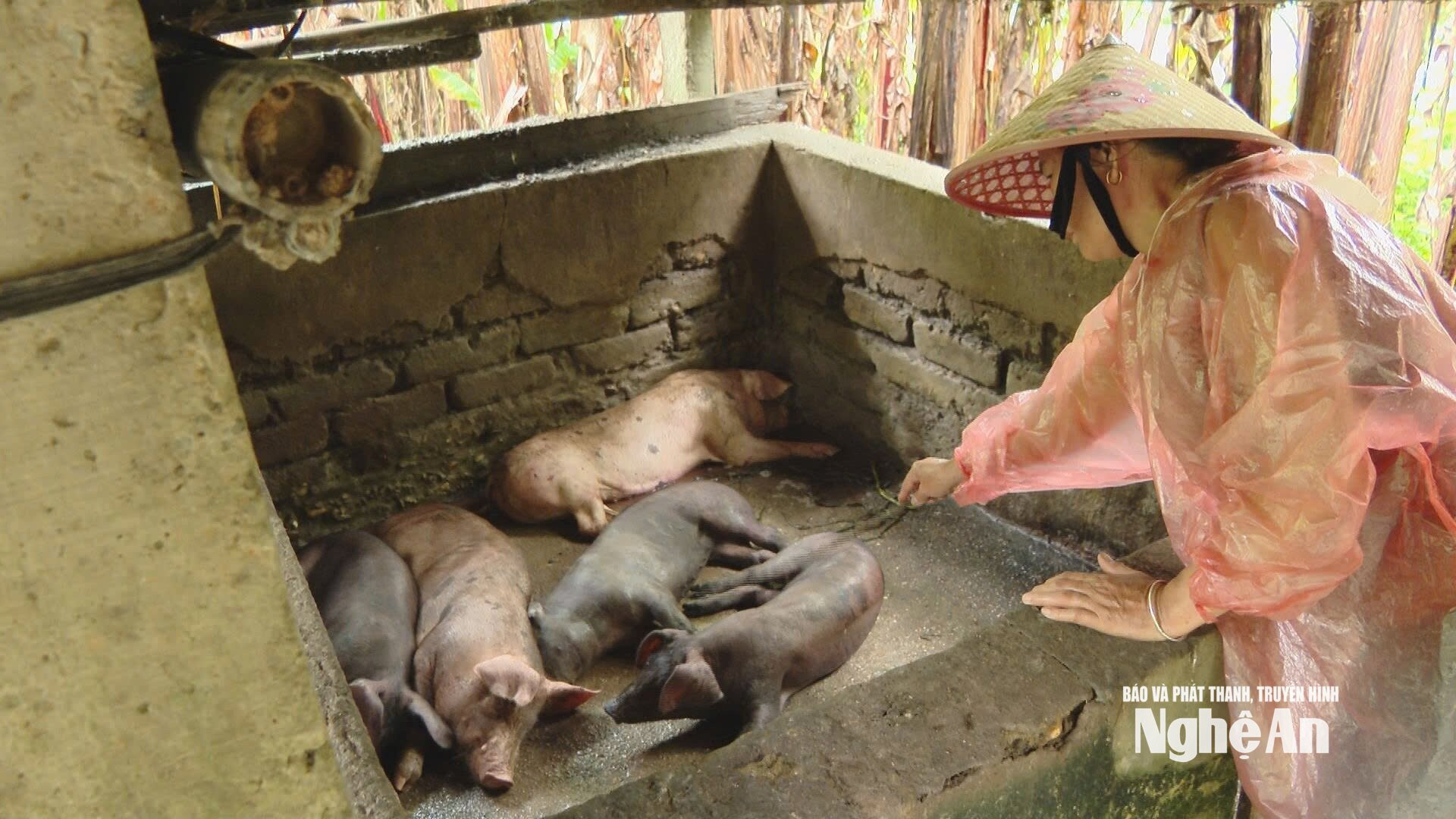
The pigs might have been eating and drinking normally, but just a few hours later, some started dying. Ms. Luong said: "In the morning, the pigs were eating normally, but when we went to feed them at noon, we found one dead. The family doesn't know how to treat it specifically; we tried buying medicine for the pigs to drink, but it didn't work."
Not only did they suffer losses in their livestock, but the constant outbreaks of disease also made it difficult for Mrs. Luong's family to maintain their farming operation.
In Xang Kieng village, the recurring outbreak of African swine fever in recent years has caused difficulties for many livestock farmers.
According to Mr. Mac Van Tung, head of Xang Kieng village, there were times when the disease appeared about twice a year. For three consecutive years, the villagers have faced the situation of restocking their livestock only to be hit by the disease again.
According to Mr. Tung, most livestock farmers operate on a small scale with rudimentary facilities, making it difficult to control diseases. People also find it hard to identify the source of the disease, which further hinders disease prevention efforts.
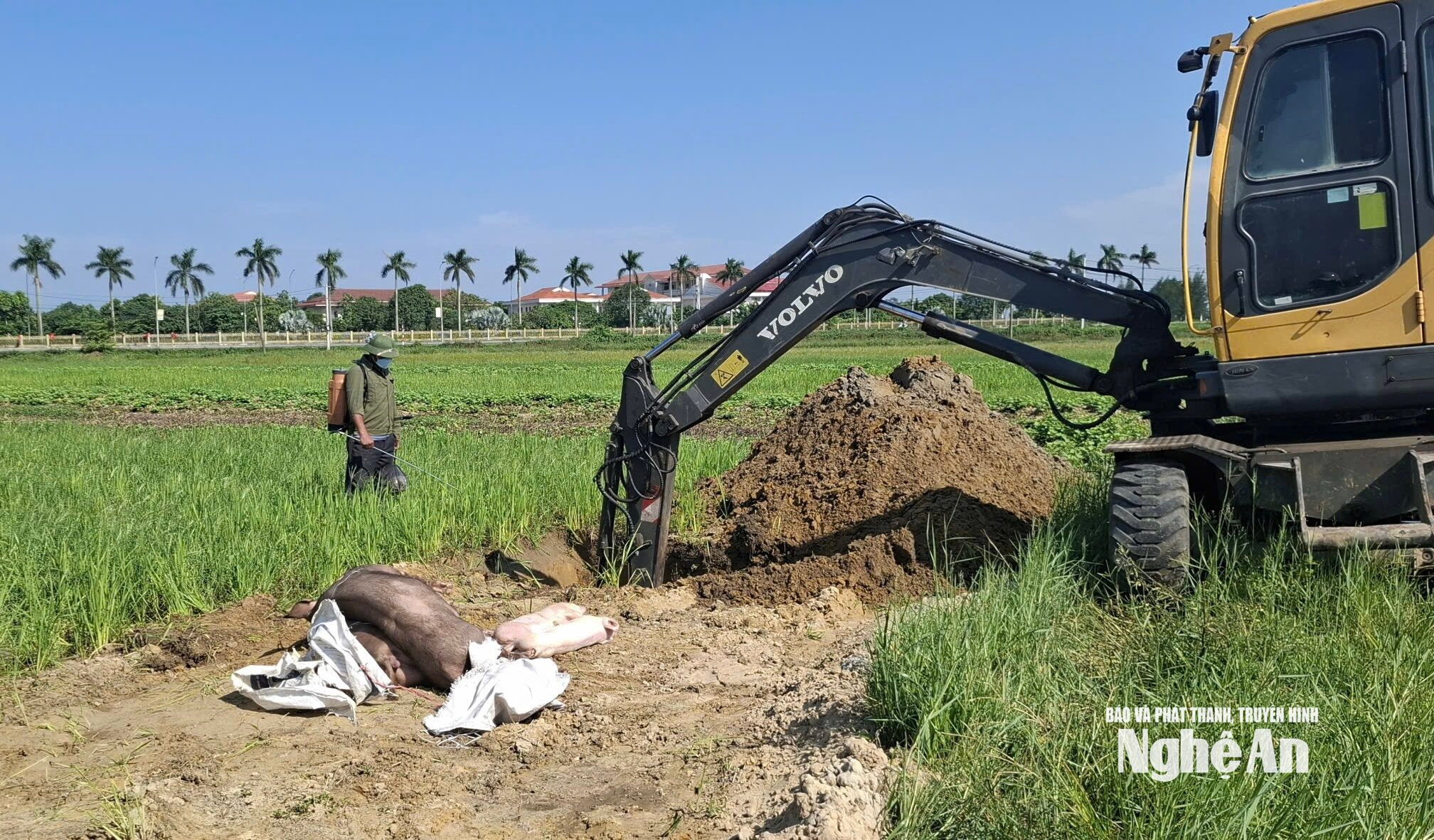
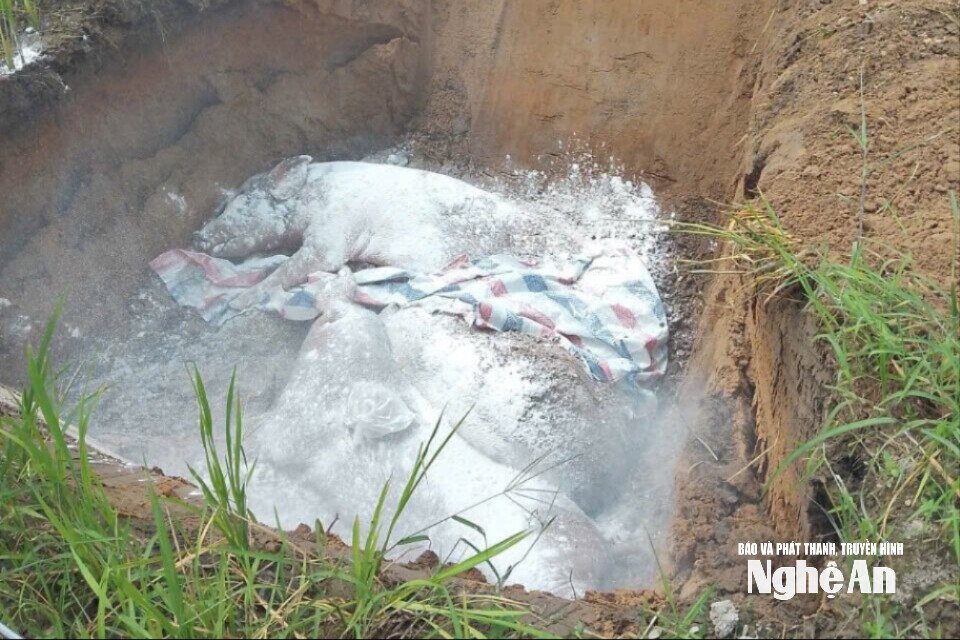
Although village officials have advised people to spread lime, clean barns, cover and seal livestock areas; and have guided them on how to handle dead pigs according to regulations; and the burial area must be at least 30m away from the barn and water source... however, some households do not have land for burial, so the village has to find a suitable location for disposal.
Damage from small-scale farming
In Ke Bon village, Quy Chau commune, African swine fever continues to cause losses for pig farmers. Mrs. Luong Thi Thuy's family, who were raising five pigs, lost one.
Ms. Thuy said: "The pigs were eating and drinking normally, then they stopped eating, gradually weakened, and died. Four pigs are still alive, but I don't know if they will survive this outbreak. Our family relies solely on livestock farming for our livelihood, and if all the pigs die, we don't know what we will do to make a living."
In Tan Hoa Hop hamlet, Vinh Phu ward, since the beginning of September, African swine fever has appeared in 5 households, resulting in the death of 22 pigs.
Mr. Nguyen Van Thang's family is one of the households that suffered the greatest losses. Of the 21 pigs they were raising, 16 died due to disease, leaving only 5 alive.
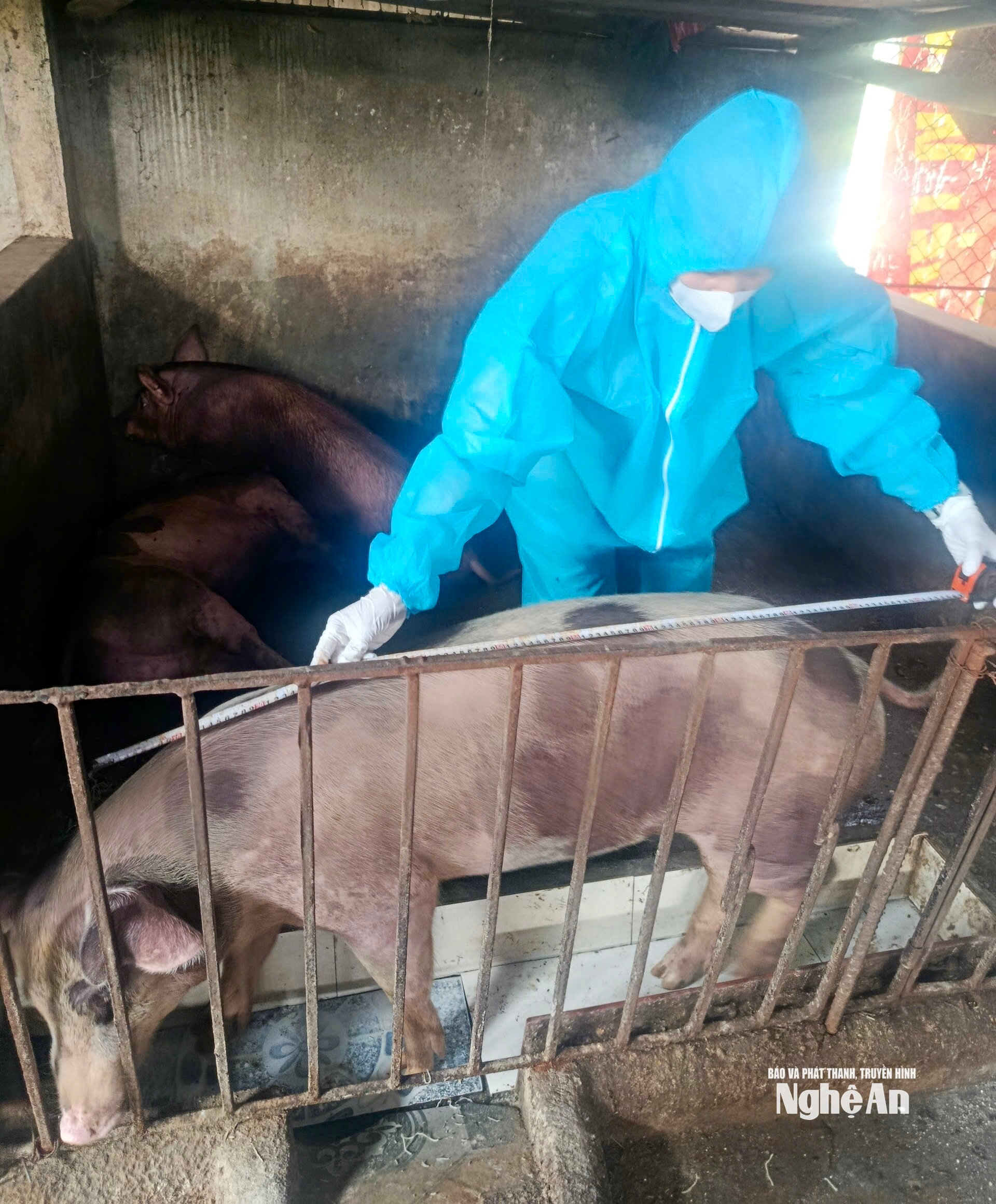
Veterinary officers from the Vinh Phu Ward Public Service Center, along with specialized personnel from the ward, are monitoring households with pigs affected by the disease, guiding residents on how to handle and dispose of dead pigs, and carrying out sanitation and disinfection. Dead pigs are also being documented, weighed, and measured for statistical purposes and processed according to regulations.
The risk of an outbreak still exists.
Cases of pig deaths at small-scale pig farms are occurring amidst the continued outbreak of African swine fever in many localities throughout the province. Since the beginning of the year, the province has recorded 30 outbreaks, resulting in the culling of 7,332 pigs, with a total weight of 442,680 kg.
Currently, the disease is still present in the communes of Quynh Anh, Tuong Duong, Nghia Dong, Nga My, and Luong Minh. In the affected areas, 4,697 pigs have been culled, with a total weight of 262,120 kg.
According to Mr. Tran Vo Ba, Deputy Head of the Department of Animal Husbandry and Veterinary Medicine of Nghe An province, the transitional period between seasons, along with heavy rains and floods, is a time when the risk of disease outbreaks in livestock becomes more complex.
Particularly in mountainous areas, small-scale, scattered livestock farming, sometimes even free-range farming, makes disease prevention and control very difficult. Controlling the source of infection remains a major issue, because if the source of the disease is not controlled, the risk of outbreaks recurring remains.
The relevant authorities recommend that people regularly clean, disinfect, and sterilize livestock pens; when restocking, they should choose breeding stock with clear origins and implement isolation and monitoring measures. Local authorities also need to strengthen communication and guidance to help livestock farmers proactively prevent disease outbreaks.
For farmers who have suffered losses multiple times, restocking remains a necessity to continue farming. However, with disease outbreaks still difficult to control, each time they rebuild their herd, they face a new worry: Can the pigs be kept safe until they are ready for market?