
The labor market and "reversing" choices.
In the evolving labor market, new forms of employment are emerging and becoming more distinct. Instead of being tied to fixed offices, production lines, or a single employer, more and more people are choosing to work on projects or individual tasks with greater flexibility.

Thanh Quynh/Present: Hong Toai •24/9/2026
*****
In the evolving labor market, new forms of employment are emerging and becoming more distinct. Instead of being tied to fixed offices, production lines, or a single employer, more and more people are choosing to work on projects or individual tasks with greater flexibility.

Having graduated from the Academy of Finance and holding a Master's degree, Ms. Phan Thi Thanh Hoa (born in 1990, residing in Vinh Hung ward) once had a stable job in her field at the State Treasury of a (former) district of the province.
In 2015, she officially started that job, admired by many. However, after 7 years of dedication, despite having performed her assigned tasks well, Ms. Hoa decided to quit.
That decision met with opposition from her parents, relatives, and friends. For them, giving up a stable job to start over with a completely different career was a risky choice, meaning she would be leaving behind the position she had spent years building.
But Hoa had a path she wanted to pursue: baking. She still remembers that she spent her entire first month's salary on baking equipment. Initially, it was just a hobby, baking batches for herself and her family. But the more she did it, the more passionate she became, and she started seriously thinking about turning that hobby into a job.
Therefore, upon leaving her government job in 2022, she started a new career based on her long-held passion and the skills she had gradually accumulated.
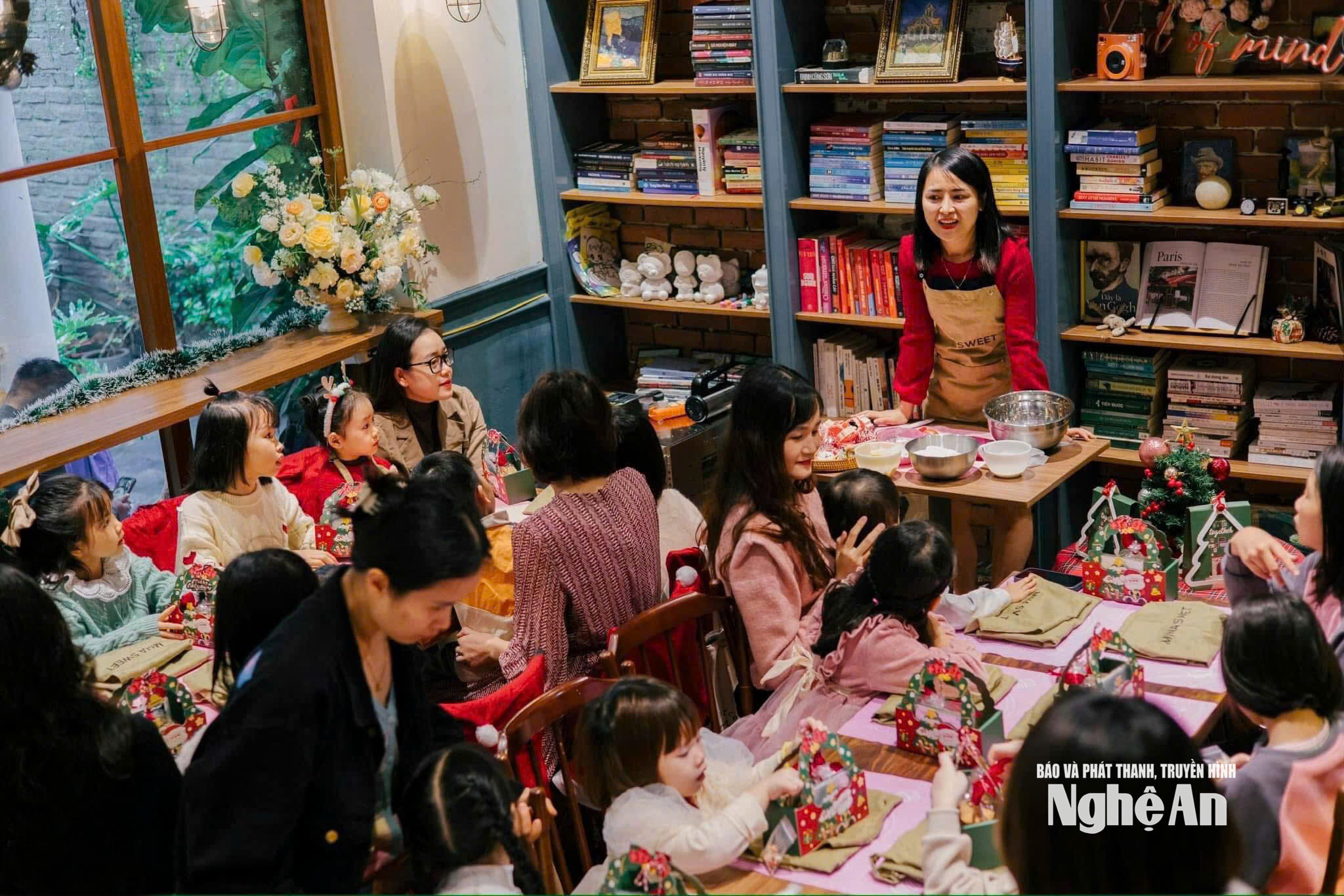
Starting from their family kitchen, Ms. Hoa began baking and then opened baking workshops. Their business gradually expanded. Simultaneously, the couple took on other jobs to maintain their income and build their own path.
Notably, her husband also made a similar choice. He holds a Master's degree, graduated from the University of Transport and Communications, and previously worked at a state-owned joint-stock company in the transportation sector. But instead of continuing down a pre-existing path, he chose to create his own career path with his wife, one that suited their desires and abilities.

Sharing a similar perspective on proactively choosing one's own path, Nguyen Kim Sang (born in 1994, residing in Bich Hao commune) also decided to leave his government job to start his own business. He was formerly the Deputy Secretary of the Youth Union of Thanh Giang commune (formerly), now Bich Hao commune, a job he always cherished and dedicated much effort to.
Therefore, the decision to change direction is not a rejection of the work one has been committed to, but rather a choice of a new path that suits one's circumstances and personal goals after organizational changes.
Starting as a grassroots Youth Union official, Mr. Sang began to familiarize himself with business, independently researching the market, calculating strategies, and gradually building his own business. His house, located near the main road and adjacent to Phuong Market (Bich Hao commune) – a bustling trading area – helped him leverage this advantage for his business.
Although his new job requires him to learn more, make his own decisions, and take responsibility for each step, the experience from his time working with the Youth Union remains a valuable asset as he embarks on this new journey.
.jpg)
The two stories above are not isolated cases. From the reality in Nghe An, it can be seen that more and more young people are proactively seeking new career paths, utilizing their abilities, strengths, and the opportunities that the digital environment offers.
The concept of a "worthwhile" job is changing. For a segment of young people, income and stability are still important, but they are no longer the only criteria. They are more concerned with suitability to their abilities and interests, autonomy, and the opportunity to create their own value. This shift also opens up a more diverse job market, where individuals can start over, take a different path, or create their own jobs, as long as they are prepared and willing to take responsibility for their choices.

Creating videos in the morning, editing images in the afternoon, and possibly attending an event to take photos in the evening – that's a typical workday for Phan Bá Thành (born in 1990, in Đại Đồng commune). Not working in a fixed location, nor being a full-time employee of any agency or company, Thành takes on projects, products, or contracts on a project-by-project basis and proactively manages his time to complete them.
This type of work is becoming increasingly common in the digital environment, with freelancers – a term used to describe independent workers who are not bound by a fixed location or time constraints – taking on work from various clients and partners, arranging their own work schedules, and being responsible for the progress and quality of each project, task, or product they have signed an agreement for.
Given the nature of their work, freelancers are flexible in how they accept and complete projects. Some jobs require on-site presence, while others can be completed at home, in a coffee shop, or anywhere that meets the job requirements.
.jpg)

Not only Mr. Thanh, but more and more people are choosing to work based on their expertise and individual projects instead of being permanently tied to one agency or company. Mr. Hoang Duy Chuong (born in 1995, residing in Cua Lo ward), who graduated from the Journalism Department of the University of Social Sciences and Humanities in 2021, has chosen to take on many part-time freelance jobs related to Facebook management, media, and event organization. These jobs provide him with a significant income.
Similarly, Ms. Nguyen Ky Duyen (born in 1994, residing in Hung Dung 2 block, Truong Vinh ward) has just started teaching aerobic dance to children while also selling clothes in partnership with other businesses.
Ms. Duyen admits that being a freelancer isn't always smooth sailing. In the beginning, there were months when she only earned a few million dong, a relatively low income for someone living in the city. However, that difficulty motivated her to expand her network and seek out new clients. Freelancing requires patience and constant creativity; sometimes she has to work through the night, but she has never regretted this decision. And now, after many years of hard work, she has gradually built her own center, successfully opened many aerobic training classes for children, bringing in a fairly stable income while still pursuing her passion.
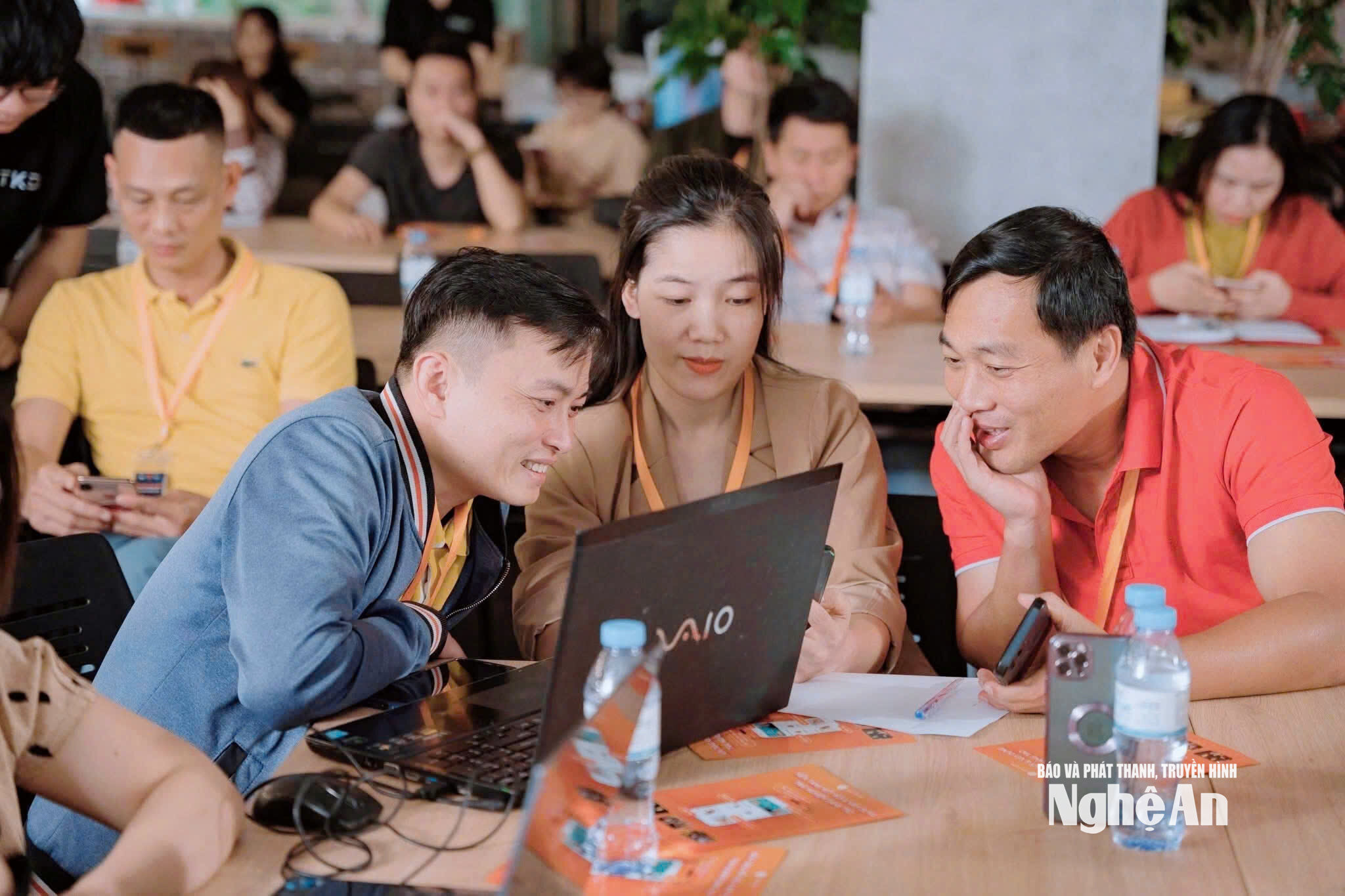
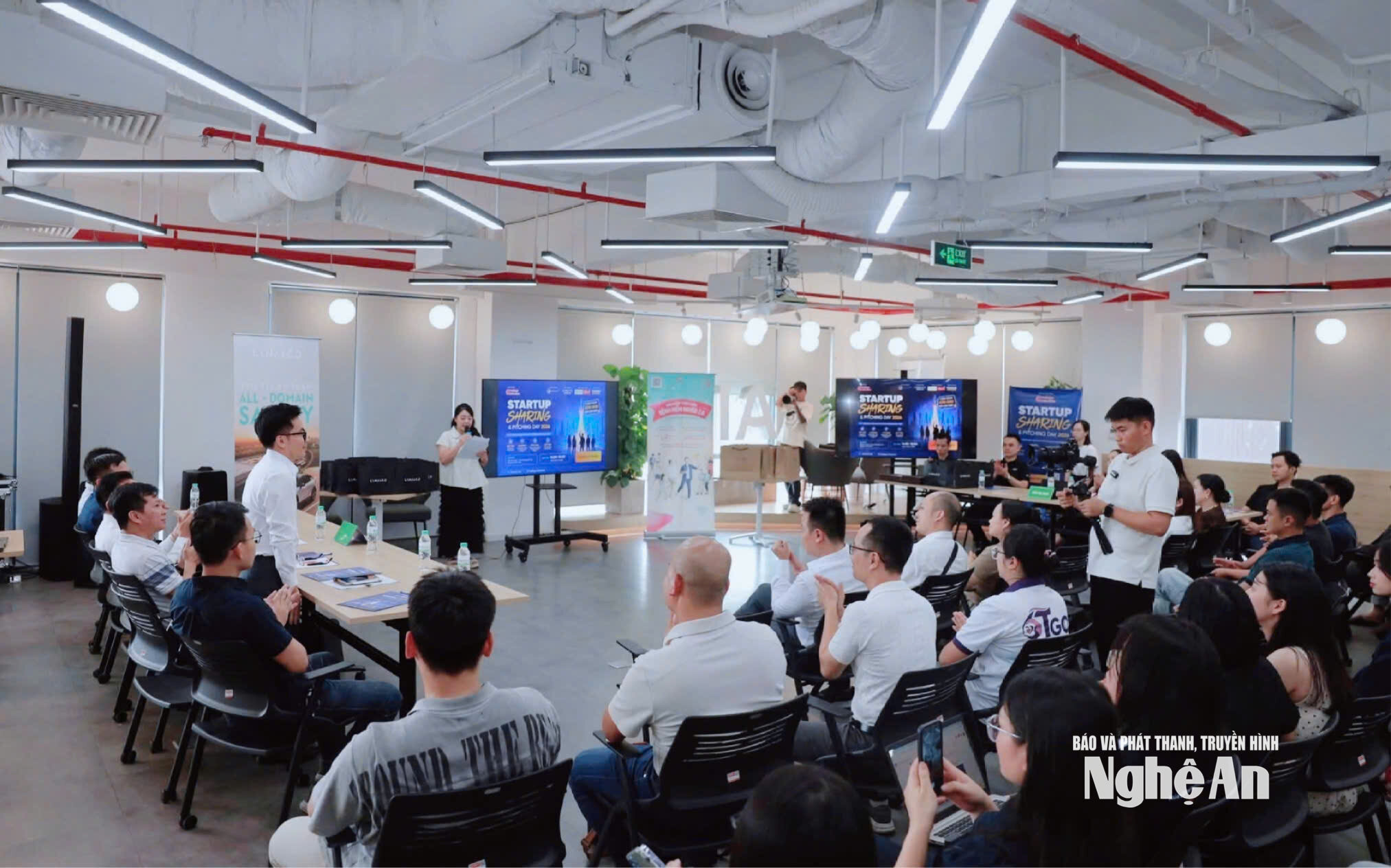
Regarding this issue, Ms. Lo Thi Trung Hieu, Vice President of the Vietnam Youth Union of Nghe An province, noted that among the more than 1,700 youth-led economic models in the province, quite a few model owners have left stable jobs to build their own paths that suit their strengths and circumstances.
Furthermore, in the context of digital technology increasingly supporting connectivity, delivery, and remote work, the freelance work model is expanding across many professional fields, from specialized jobs such as information technology, design, and communications to service sectors, content creation, and digital business. For some workers, this is no longer simply a side job, but is becoming a primary source of employment and income.
The common thread in these jobs is that workers have more autonomy in choosing their work, hours, and location. However, this flexibility comes with the requirement to take full responsibility, from finding clients and negotiating work to ensuring product quality and deadlines.
This shift is also making the concept of "working" more flexible. Instead of seeking a fixed position to commit to, a segment of the workforce is choosing to build their careers based on their expertise, skills, and relationships to develop themselves and create their own value. In an increasingly diverse job market, this approach is becoming a new trend in career choices, especially among young people – who have recognized, chosen, and built their own career paths.
Thanh Quynh