
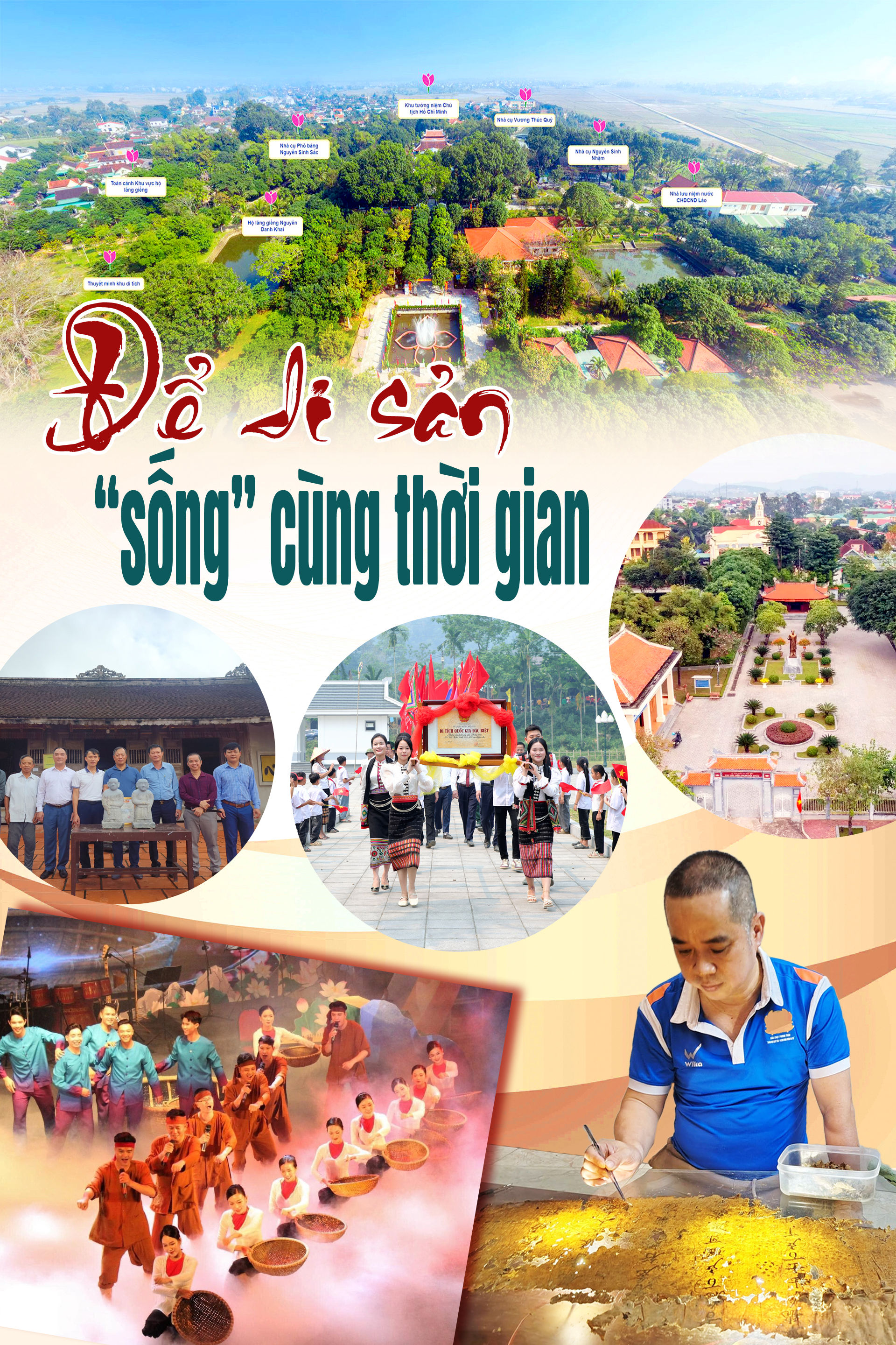
To ensure heritage "lives" through time.
How to ensure that heritage is not only preserved and protected but also its value is enhanced and becomes a resource for development is a question of great concern to many in the current context. In Nghe An – a land rich in historical and cultural traditions, possessing a rich and diverse system of heritage – the need to preserve and exploit the value of heritage is even more closely linked to the goal of sustainable development.
Thanh Quynh(Perform)/Present:Hong Toai •15/11/2026
*****
How to ensure that heritage is not only preserved and protected but also its value is enhanced and becomes a resource for development is a question of great concern to many in the current context. In Nghe An – a land rich in historical and cultural traditions, possessing a rich and diverse system of heritage – the need to preserve and exploit the value of heritage is even more closely linked to the goal of sustainable development.
Leading up to Vietnam Cultural Heritage Day (November 23rd), Nghe An Newspaper, Radio and Television had a conversation with Mr. Ho Manh Ha - Deputy Head of the Cultural Heritage Management Department, Department of Culture, Sports and Tourism, to better understand the concerns, difficulties, and direction in the work of preserving and promoting the value of heritage in the new development phase.
PV:With years of research and direct participation in activities to preserve and promote cultural heritage, how do you perceive the depth and richness of your homeland's cultural treasure, and what are the core values that have shaped the identity and vitality of Nghe An through its many historical ups and downs?
Mr. Ho Manh Ha:In my opinion, Nghe An's culture is an exceptionally rich treasure trove, with a long and profound history, formed and nurtured over many generations in the process of nation-building, national defense, and homeland development. It is not only a land rich in historical and revolutionary traditions, but also a cultural space that brings together and crystallizes the unique values of many communities, from mountainous and hilly areas to plains and coastal regions.
This richness is reflected in the system of historical and cultural relics, scenic spots; in intangible cultural heritage such as the folk songs of Nghe Tinh, traditional festivals, customs, practices, and folk knowledge; the treasure trove of literature, art, and Han Nom documentary heritage; architectural heritage, beliefs, and cultural values passed down within the community.
In particular, Nghe An's culture is rich in unique characteristics, reflected in its customs, traditions, and ethnic composition, forming a distinct brand that people often jokingly refer to as "the Nghe An character."
If we talk about the core values that make up the cultural identity of my homeland, in my opinion, first and foremost it is the tradition of patriotism, self-reliance, a spirit of learning, respect for loyalty and friendship, diligence, creativity, and the ability to overcome difficulties and challenges. People from Nghe An may be simple and unpretentious in their daily lives, but they always demonstrate profound thinking, strong will, and rich emotions in their behavior. Perhaps it is precisely the harsh living environment of this land that has created the very distinctive character of the people and culture of Nghe An.
I believe that the vitality of Nghe An culture lies in its ability to inherit and adapt. Through countless historical ups and downs, many cultural values have been preserved, passed down, and continue to develop. Therefore, preserving Nghe An's cultural heritage is not simply about preserving what belongs to the past, but also about preserving the roots, character, and spiritual strength of the people of Nghe An today and for future generations.
PV:Looking at the current practice of heritage preservation, it's clear that attention has been paid to preserving and honoring heritage through scientific documentation, festivals, and events. However, there remains a significant gap between recognition and recognition and its actual presence in community life. In your opinion, what are the reasons for this situation? What needs to be done to ensure that heritage is not only preserved but also continues to be practiced, transmitted, and its value promoted in contemporary life?
Mr. Ho Manh Ha:This is an issue that, in my opinion, we need to address frankly and openly. Over the past period, the work of inventorying, documenting, ranking historical sites, registering intangible cultural heritage, and organizing activities to honor heritage has achieved many positive results. These activities are very important in identifying, establishing the value of, and raising social awareness about the preservation and promotion of cultural heritage.
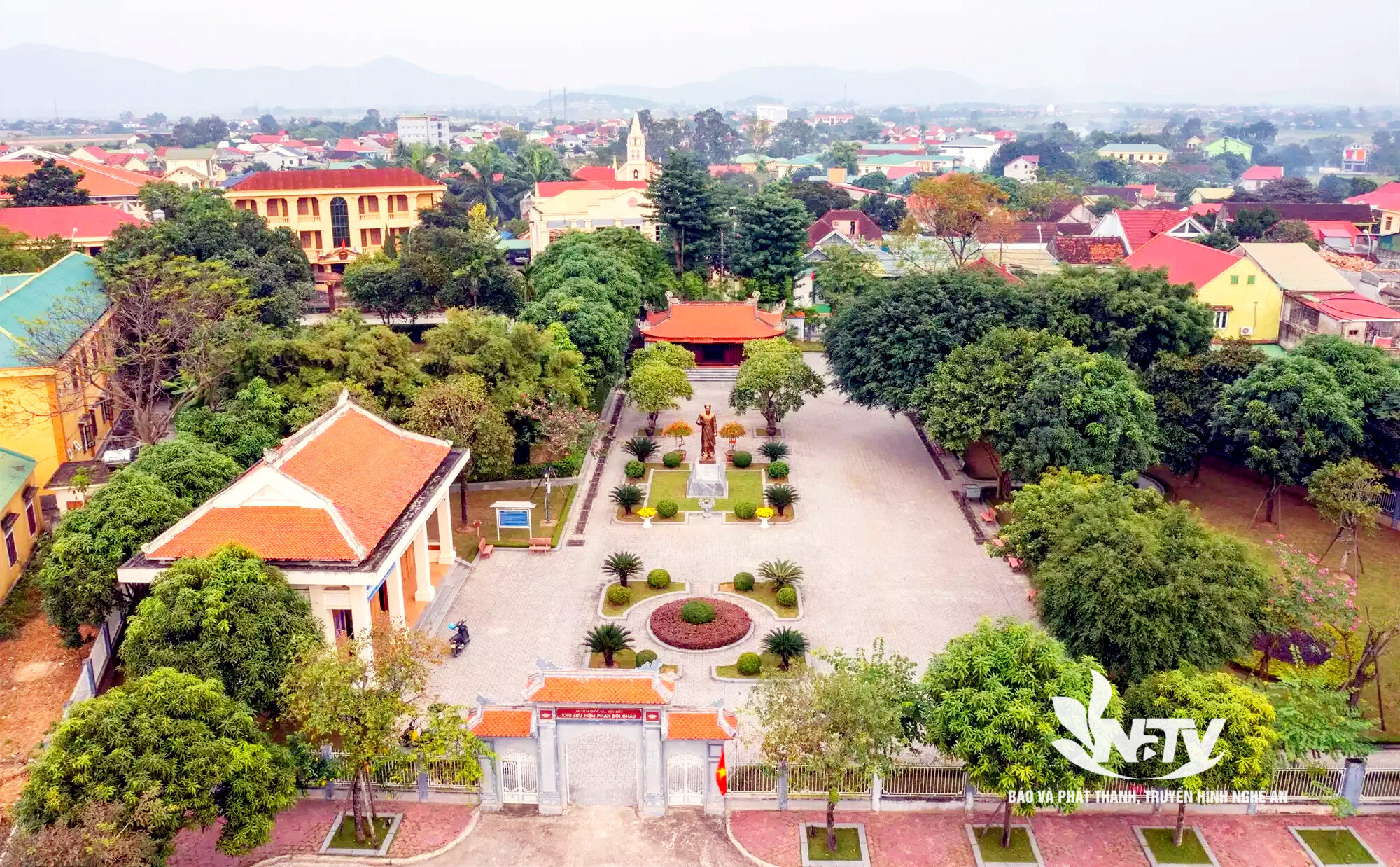
However, the fact that a heritage site is inventoried, ranked, inscribed, or honored does not necessarily mean that it has truly come alive in community life. In my opinion, this gap stems from many causes. In some places, we still tend towards an administrative approach to preservation, focusing on completing dossiers and organizing events, without paying enough attention to creating an environment where the heritage can be regularly practiced. Some heritage sites lack skilled artisans and knowledge holders; lack mechanisms to support the transmission of knowledge; lack spaces for practice; and are not closely linked to the cultural needs of the people. In addition, the impact of urbanization, social change, and changes in lifestyles and tastes of the younger generation also pose many challenges.
I believe that for heritage to truly live within the community, we need a strong shift from a mindset of "heritage preservation" to one of "heritage preservation connected with and for the community." The community should not only be the beneficiary, but also the direct participant in preserving, practicing, creating, and transmitting heritage. The state plays a role in guiding, supporting, creating mechanisms, and ensuring the necessary conditions. However, the vitality of heritage must be nurtured by the community itself.
Specifically, in my opinion, we need to pay more attention to supporting artisans and practitioners of heritage; building models for transmitting knowledge within families, clans, schools, and communities; and maintaining spaces for practicing heritage regularly, not just during festivals or events. For heritage with potential, we need to research ways to integrate it into educational activities, cultural events, community tourism, and appropriate creative products.
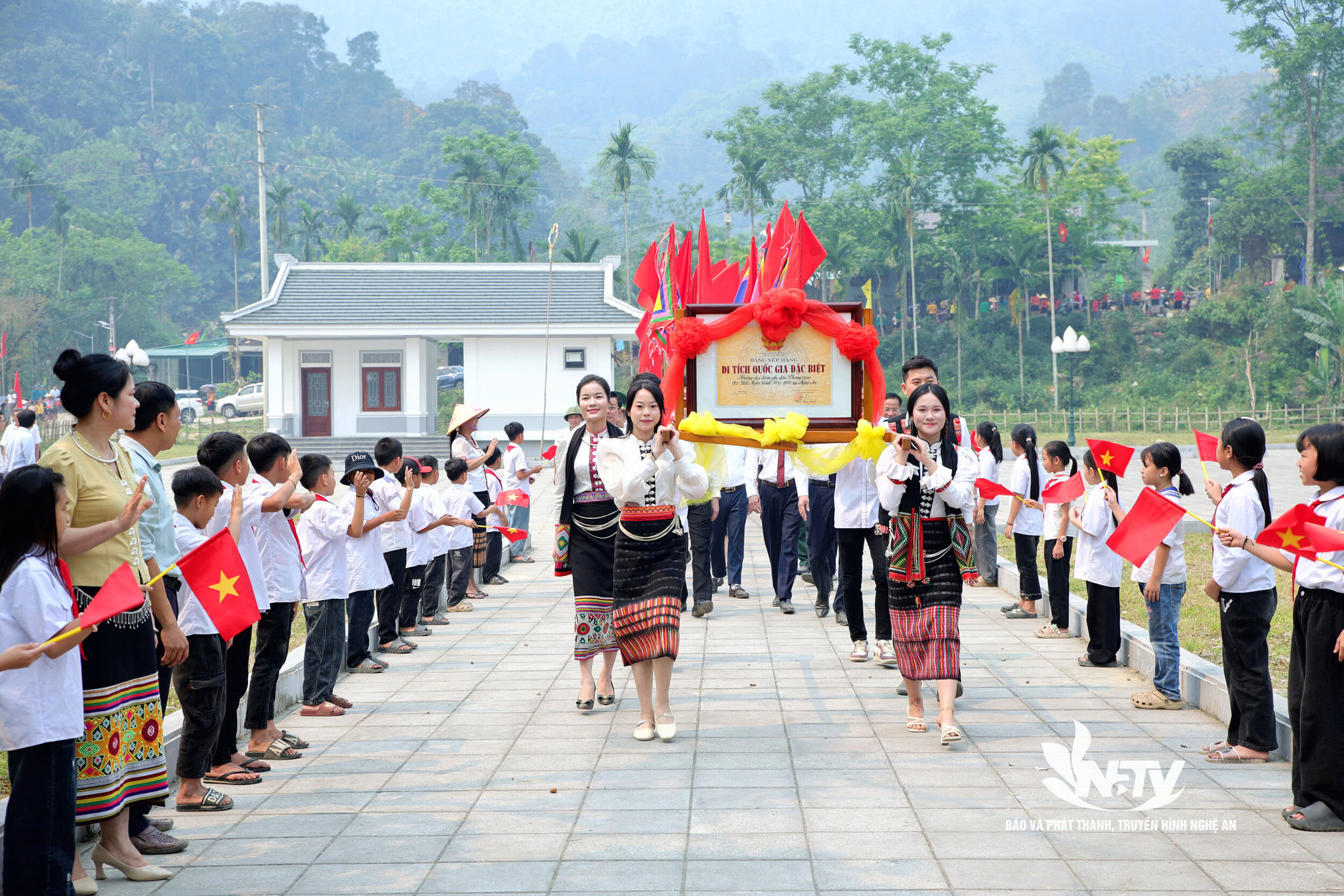
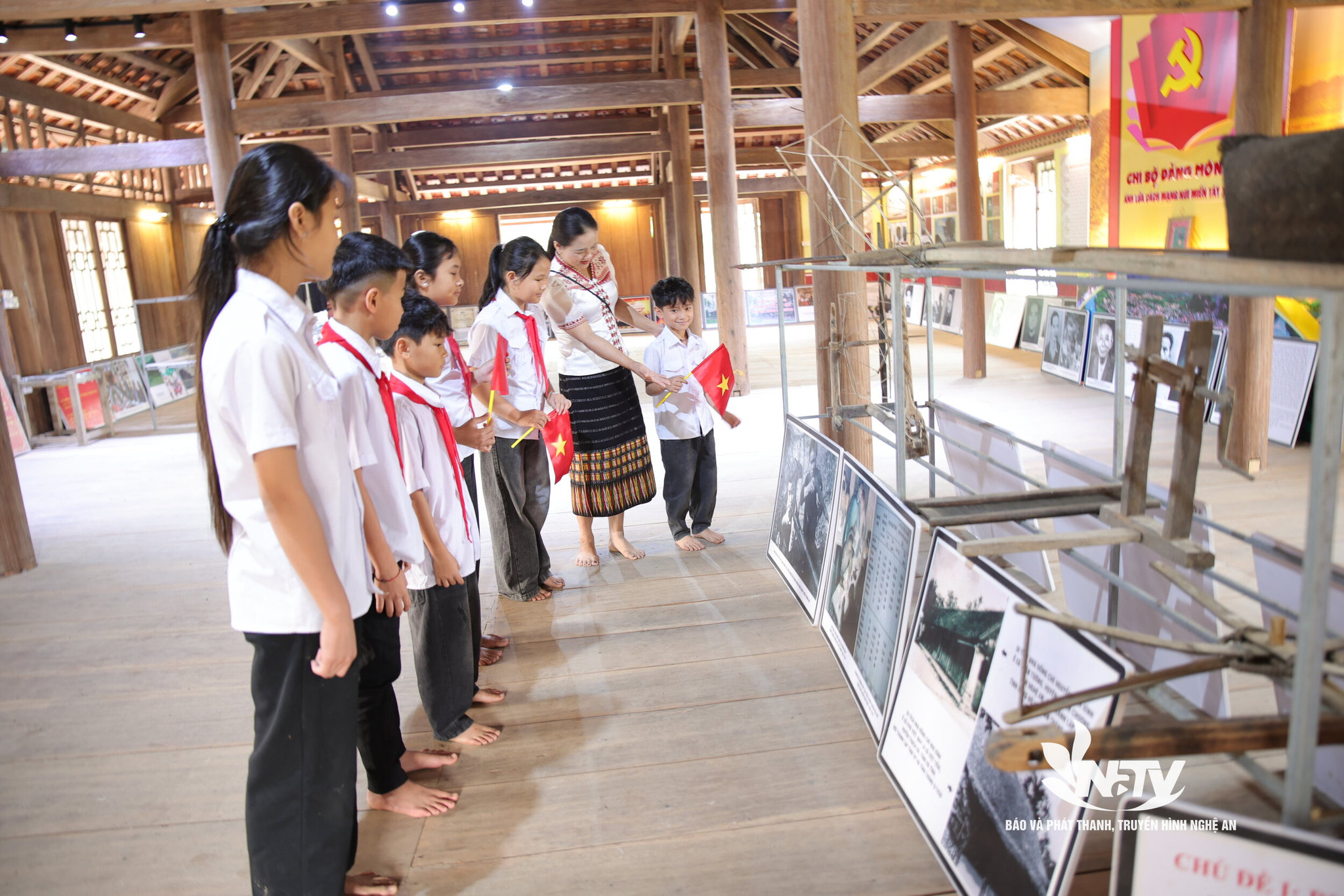
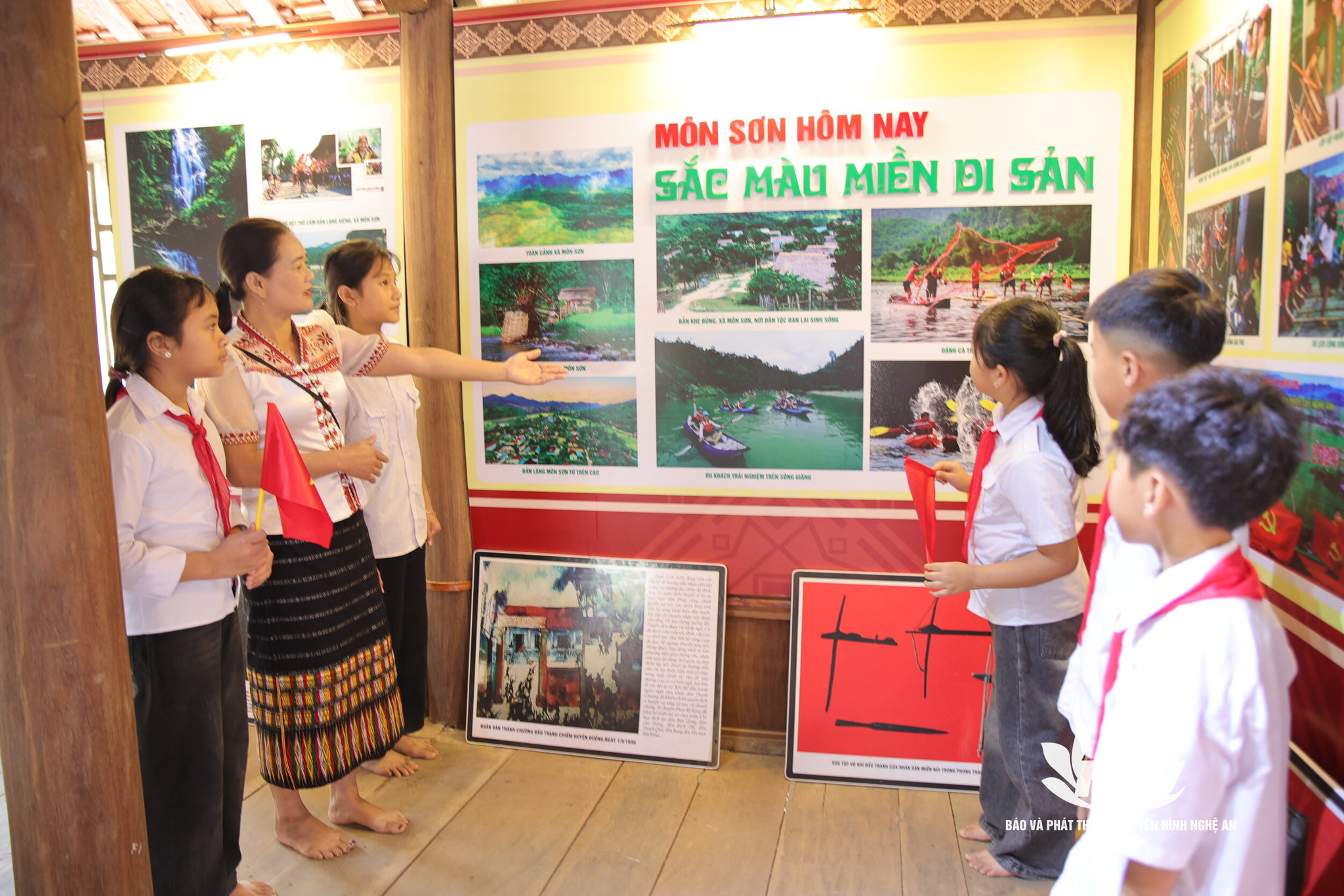
One thing I'm particularly concerned about is how to make the younger generation see heritage not as a distant story, but as an integral part of contemporary life, something valuable, meaningful, and capable of inspiring creativity. Only when people cherish, practice, take pride in, and want to pass on their heritage to their children and grandchildren will it truly have lasting vitality.
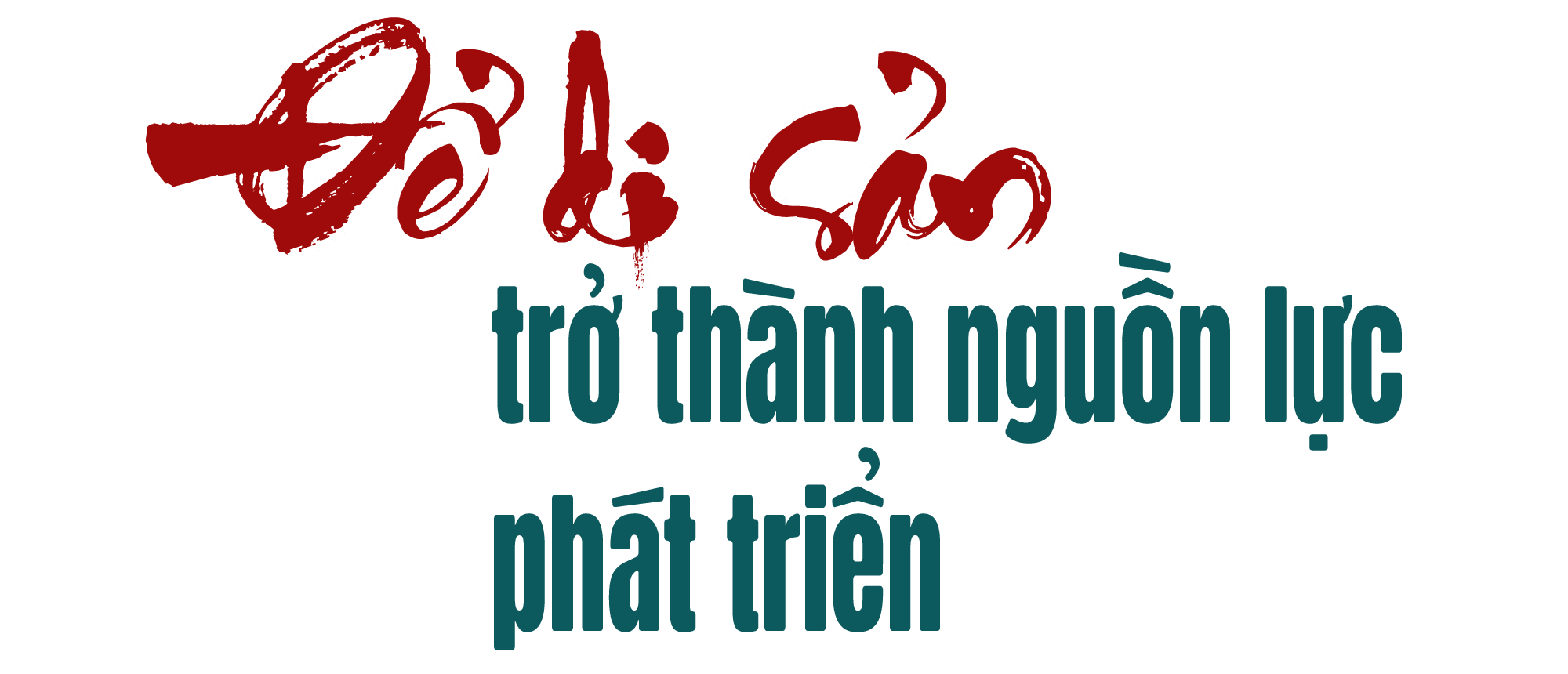
PV:When cultural tourism and heritage tourism are identified as one of the approaches to generating resources for the conservation and promotion of heritage values, what, in your opinion, needs to be done to effectively exploit this approach?
Mr. Ho Manh Ha:Regarding cultural tourism and heritage tourism, I believe this is a promising direction, especially for a locality with a rich history, abundant historical sites, diverse natural landscapes, and many unique cultural heritages like Nghe An. However, it is necessary to clearly define: Heritage is first and foremost the cultural asset of the community, a value that needs long-term protection; tourism is a method to promote its value and create additional resources for conservation efforts, not the sole objective of conservation.
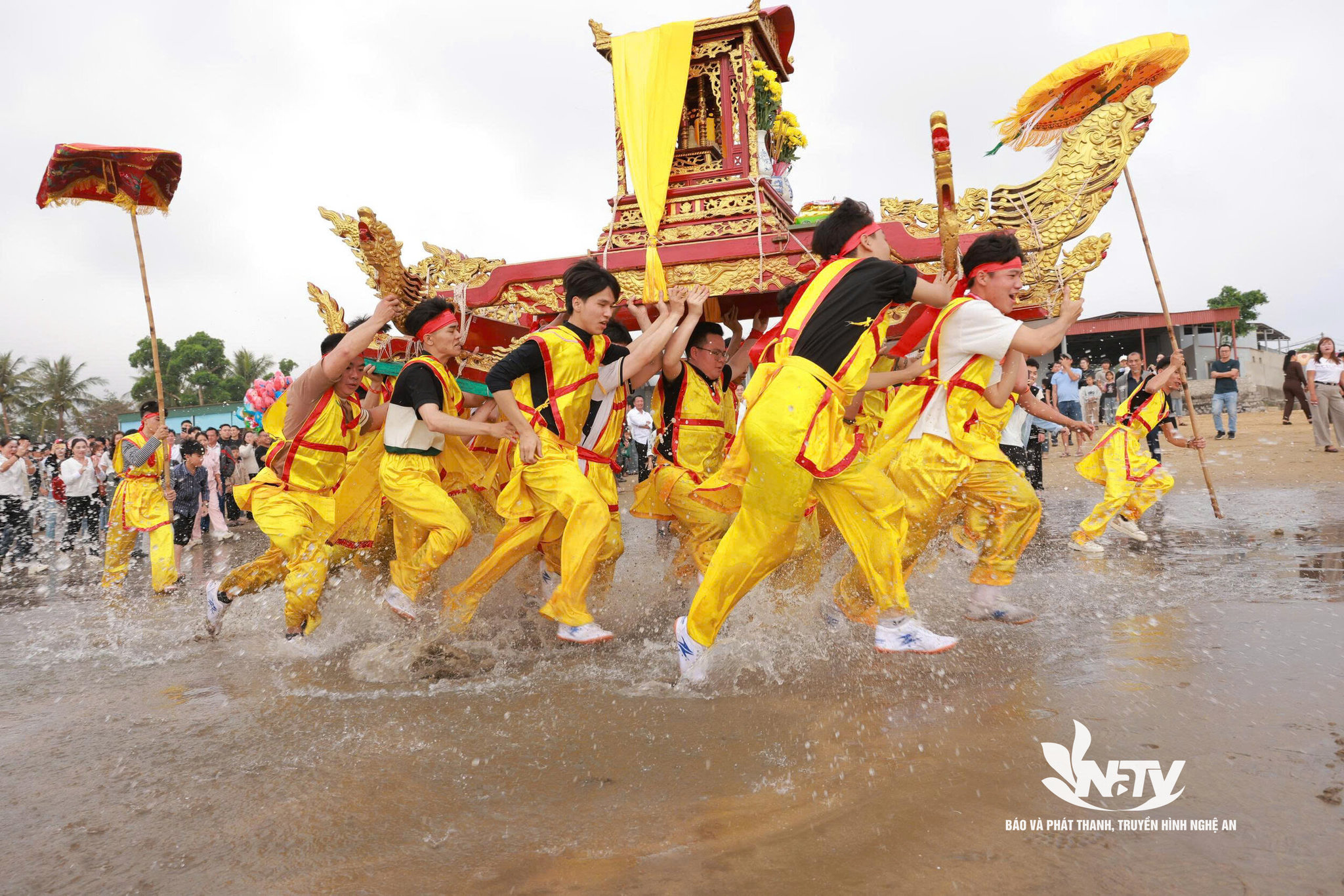
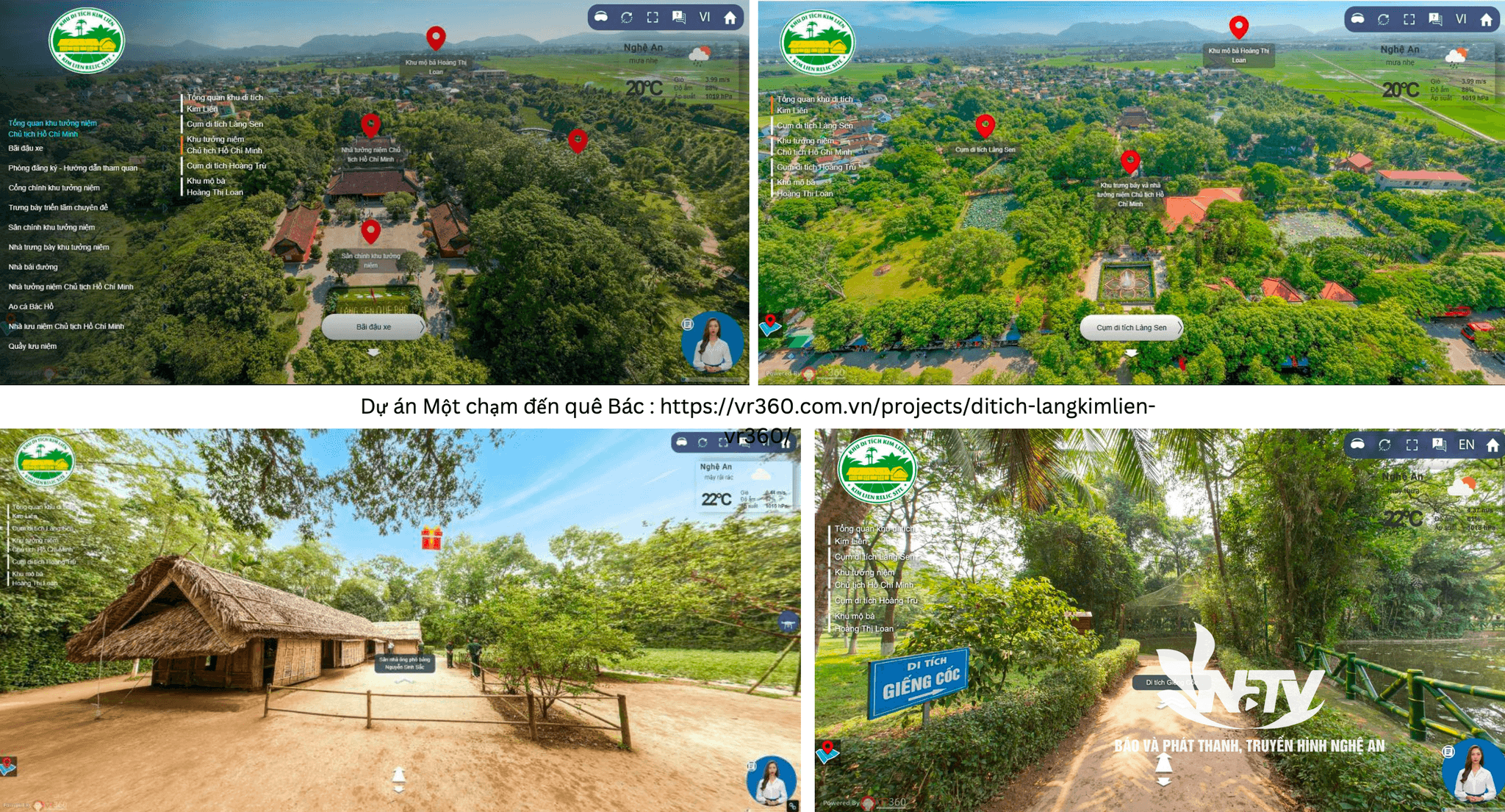
We need to develop heritage tourism products that are in-depth, have cultural stories, and create connections between historical sites, scenic spots, cultural spaces, and community-based experiential activities. For example, we could develop tourism routes linked to history, famous figures, spiritual culture, folk songs, the culture of ethnic groups in western Nghe An, coastal culture, and traditional craft villages. The important thing is not just to bring tourists to visit a site, but to help them understand the historical and cultural value, the people, and the stories that make that heritage site so attractive.
On the other hand, the development of heritage tourism must go hand in hand with the protection of the landscape, environment, originality, and integrity of the heritage; avoiding excessive commercialization that distorts the cultural space or organizes activities that are incompatible with the nature and value of the relics. At the same time, it is necessary to ensure that local people participate in and benefit fairly from tourism activities.
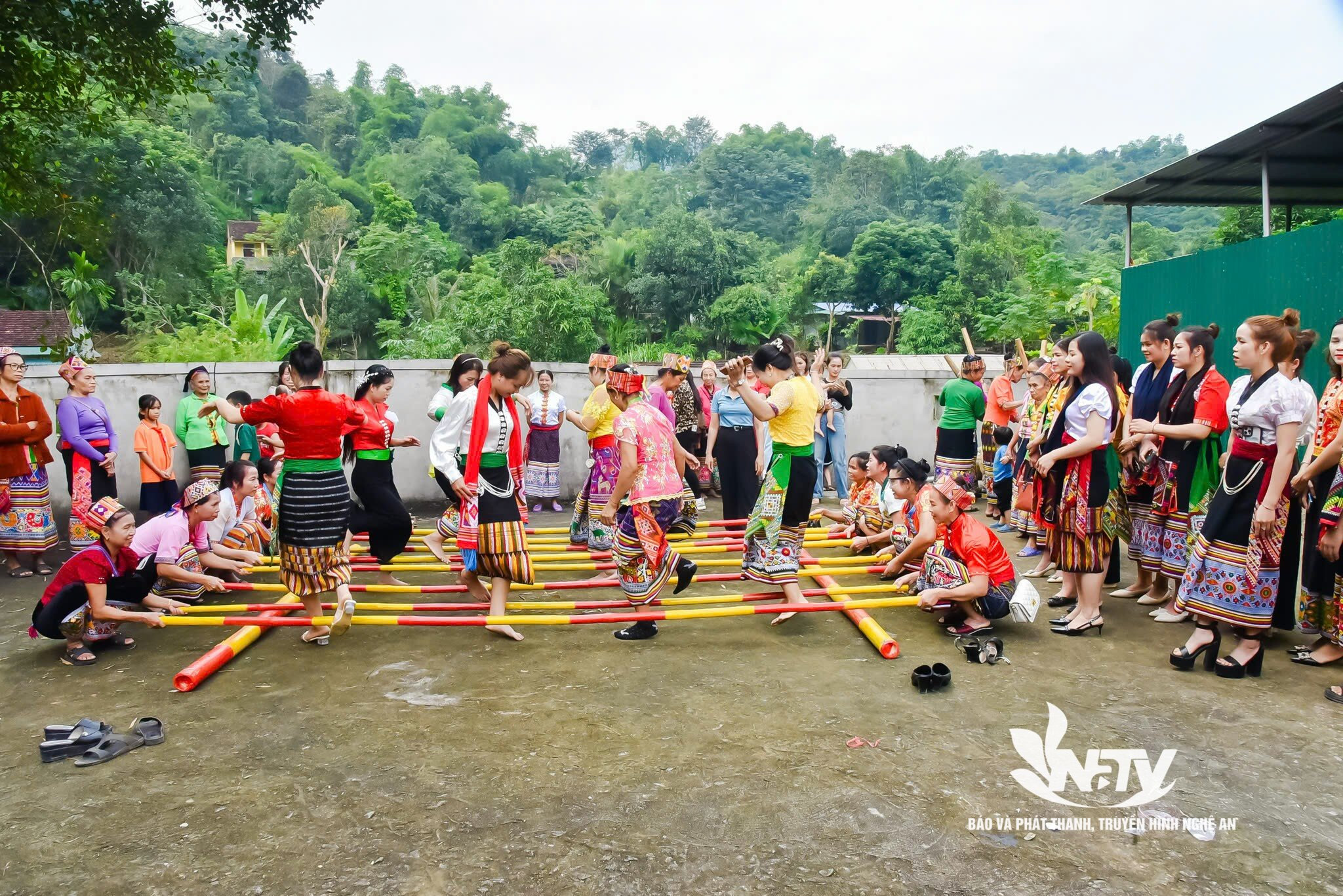
I expect that, with the right approach, cultural heritage will not only be an object requiring investment for preservation, but can also become an endogenous resource, contributing to job creation, local economic development, improving community life, and promoting the image of Nghe An. However, this development must be based on the principle of exploiting the value of heritage for development, not sacrificing heritage for short-term development.
PV:Resolution No. 80-NQ/TW of the Politburo on the development of Vietnamese culture sets forth the requirement for innovation in thinking and approach in cultural development, including the issue of preserving and promoting heritage values in conjunction with sustainable development. From your perspective, what are your expectations from these orientations? To put the spirit of the Resolution into practice, what specific changes does Nghe An need to make in thinking and methods, especially in identifying, preserving, and promoting heritage values?
Mr. Ho Manh Ha:I believe that Resolution No. 80-NQ/TW of the Politburo on the development of Vietnamese culture is a very important guideline, reflecting a shift in the understanding of the position and role of culture in the development of the country.
From the perspective of someone working in heritage preservation, what I most hope and expect is that the Resolution's guidelines will create a substantive transformation in the thinking behind the management, investment, and implementation of cultural tasks. Heritage needs to be viewed not only from the perspective of its historical and cultural value that needs to be preserved, but also as an important resource in socio-economic development, building local identity, and improving the quality of people's spiritual lives.
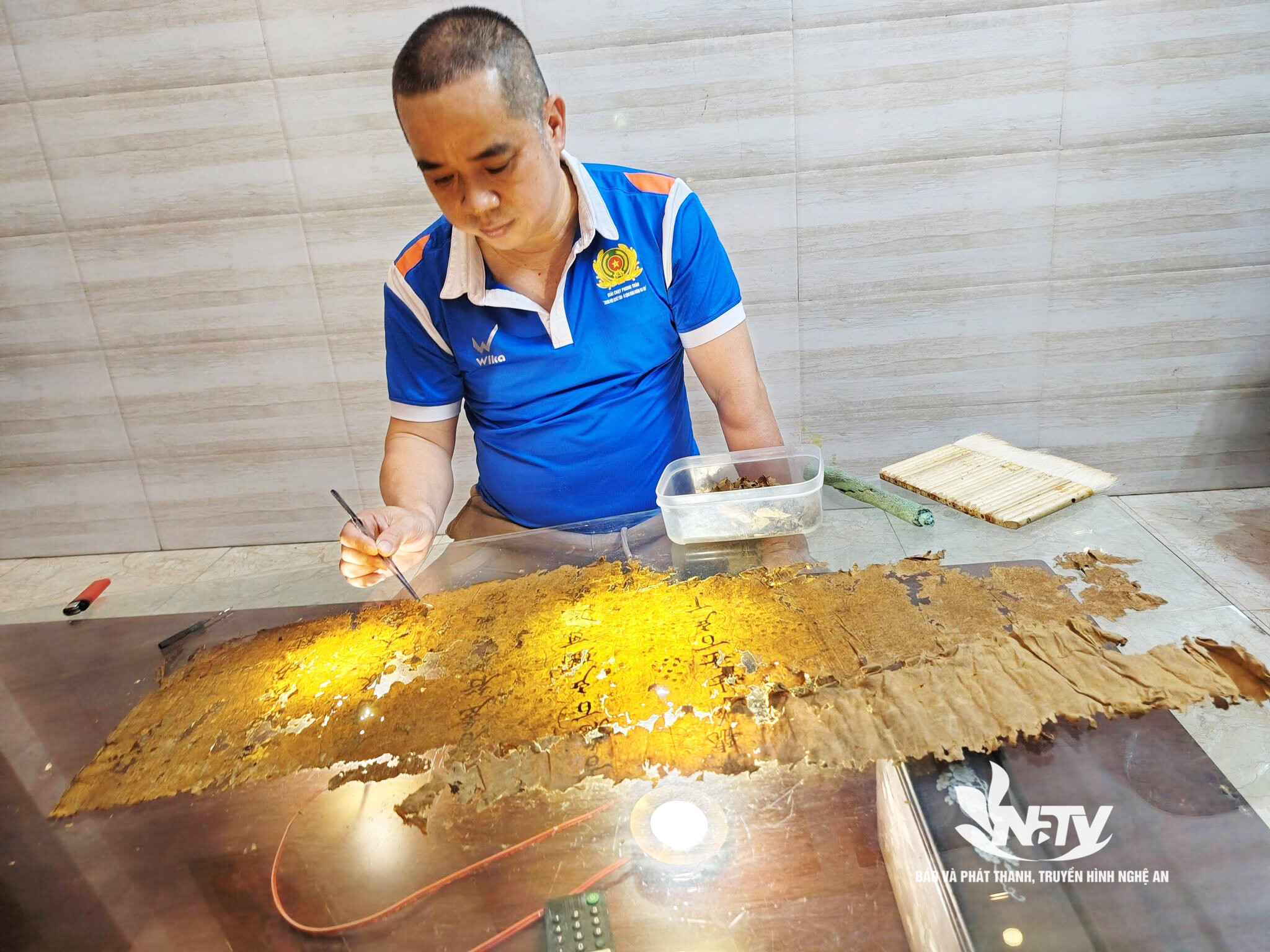
For Nghe An, in my opinion, the first step is to innovate our thinking in heritage identification. We shouldn't just focus on classified relics or officially recognized heritage sites, but also pay more attention to existing cultural values within the community, heritage that has not been fully identified, folk knowledge, customs, cultural spaces, and values at risk of disappearing.
We need to innovate our approach to heritage conservation, moving towards a holistic, interdisciplinary approach that is integrated with socio-economic planning and development. In the implementation of investment projects, urban and rural planning, infrastructure, and tourism development, heritage should be considered a crucial component from the research, planning, and development stages, rather than only after the project has taken shape. This will not only contribute to heritage protection but also limit conflicts, problems, and resource waste during implementation.
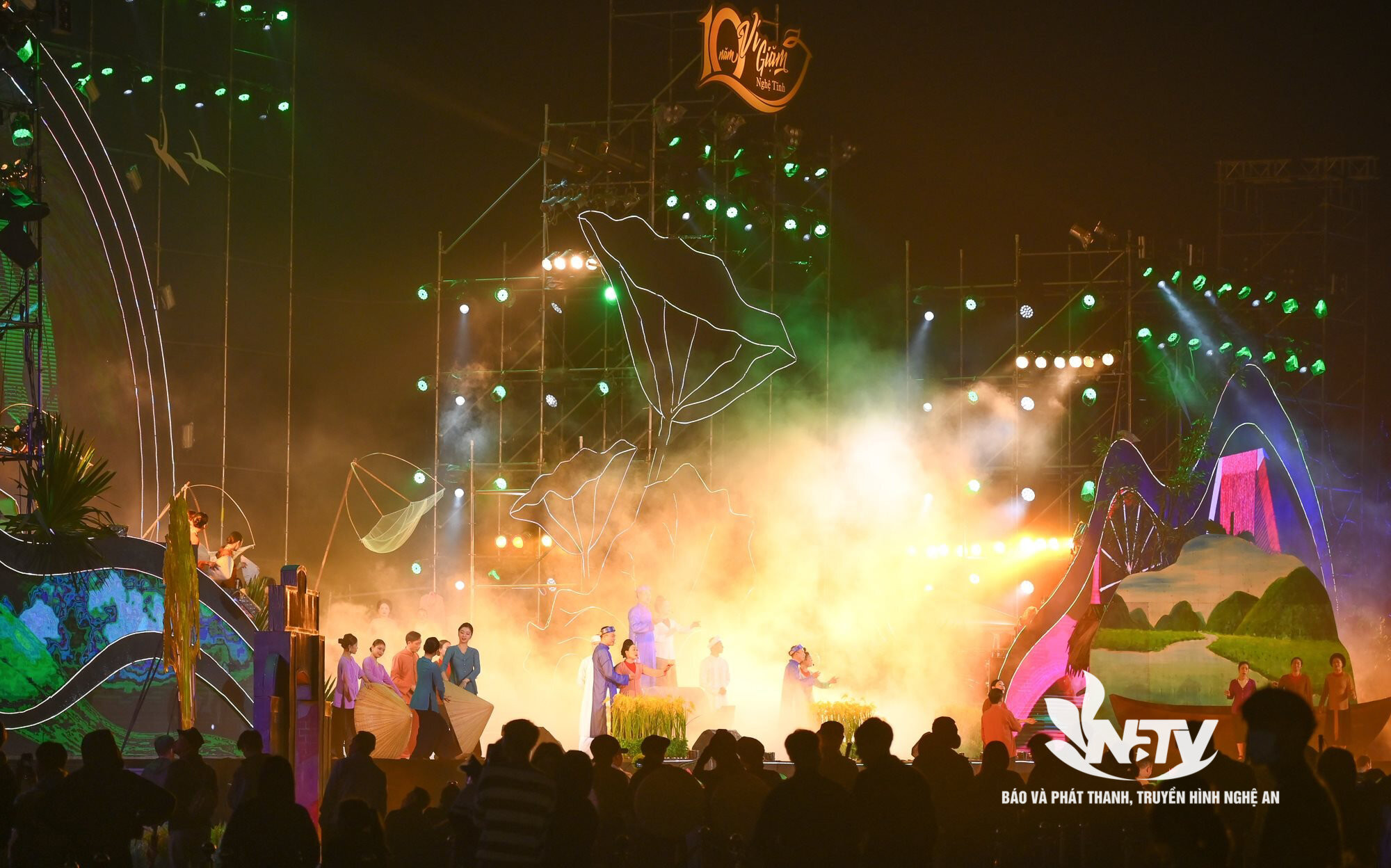
There needs to be an appropriate, focused, and long-term investment mechanism for heritage conservation. State resources should play a leading role, while encouraging the mobilization of social resources in a transparent, regulated, and responsible manner. In particular, attention should be paid to investing in intangible cultural heritage, artisans, heritage keepers, transmission activities, and grassroots culture. Because if investment is only in tangible structures without considering the people, communities, and the environment in which heritage is practiced, the heritage will struggle to maintain its vitality in the long term.
It is necessary to improve the effectiveness of state management of heritage under the current two-tiered local government structure. I believe that it is essential to clearly define the responsibilities of each level and sector; strengthen the professional capacity of grassroots cultural officials; and build an effective coordination mechanism between cultural management agencies, local governments, researchers, social organizations, and heritage-owning communities.
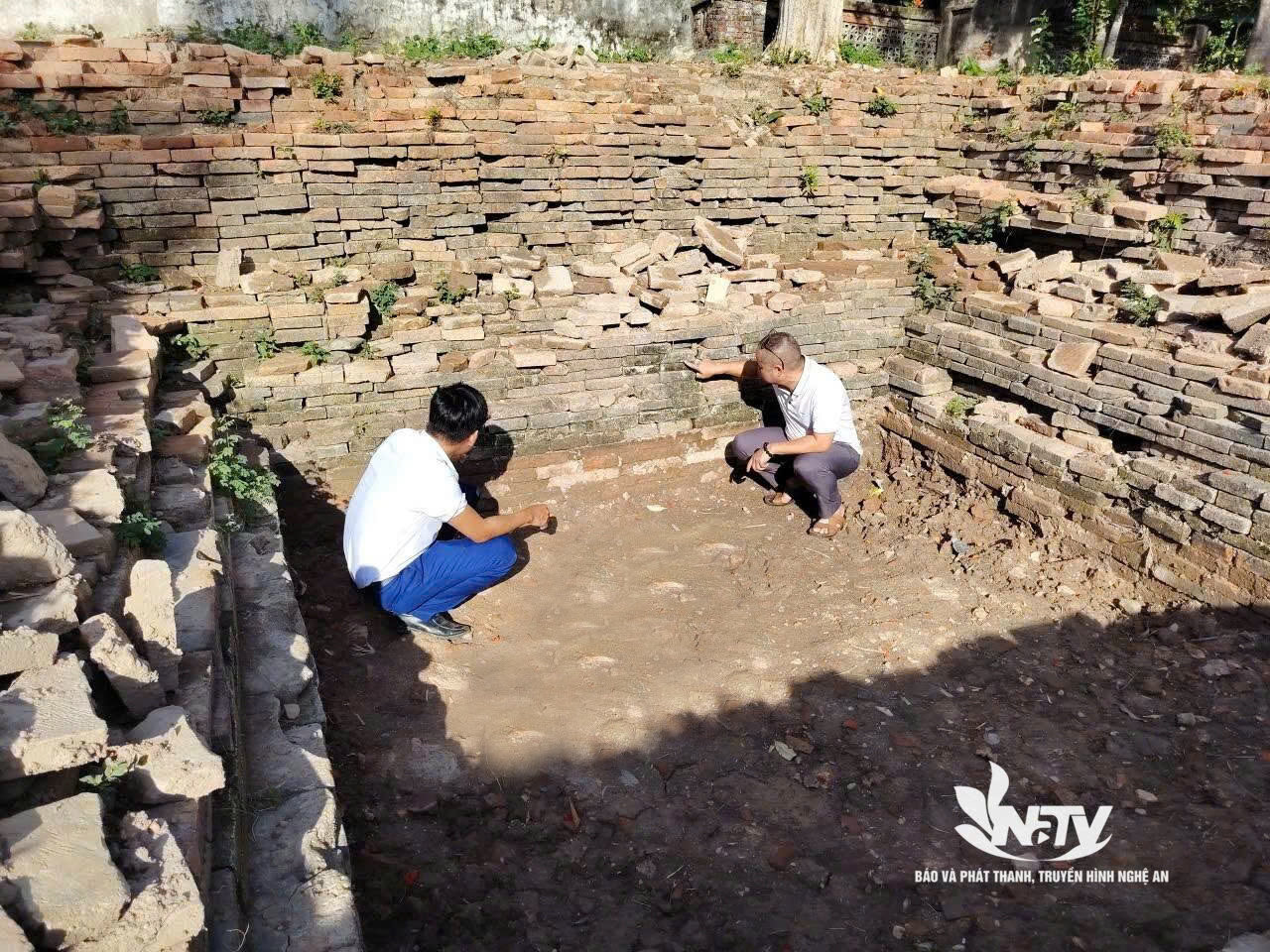
Finally, it is hoped that Nghe An will gradually develop a strategic approach to cultural development, in which heritage preservation is not solely the responsibility of the cultural sector, but a shared responsibility of the entire society; promoting heritage is not just about organizing activities to honor and publicize it, but about creating tangible values for the community and for the province's development.
We believe that, with the cultural traditions, history, and people of Nghe An, along with the new directions of Resolution No. 80-NQ/TW, if we innovate our thinking, act decisively, have appropriate mechanisms, and place the community at the center, cultural heritage will truly become a resource and intrinsic strength contributing to building a sustainably developed Nghe An in the new era.
PV:Thank you for the conversation!
Thanh Quynh (Editor)