
Fragrant mountain sticky rice
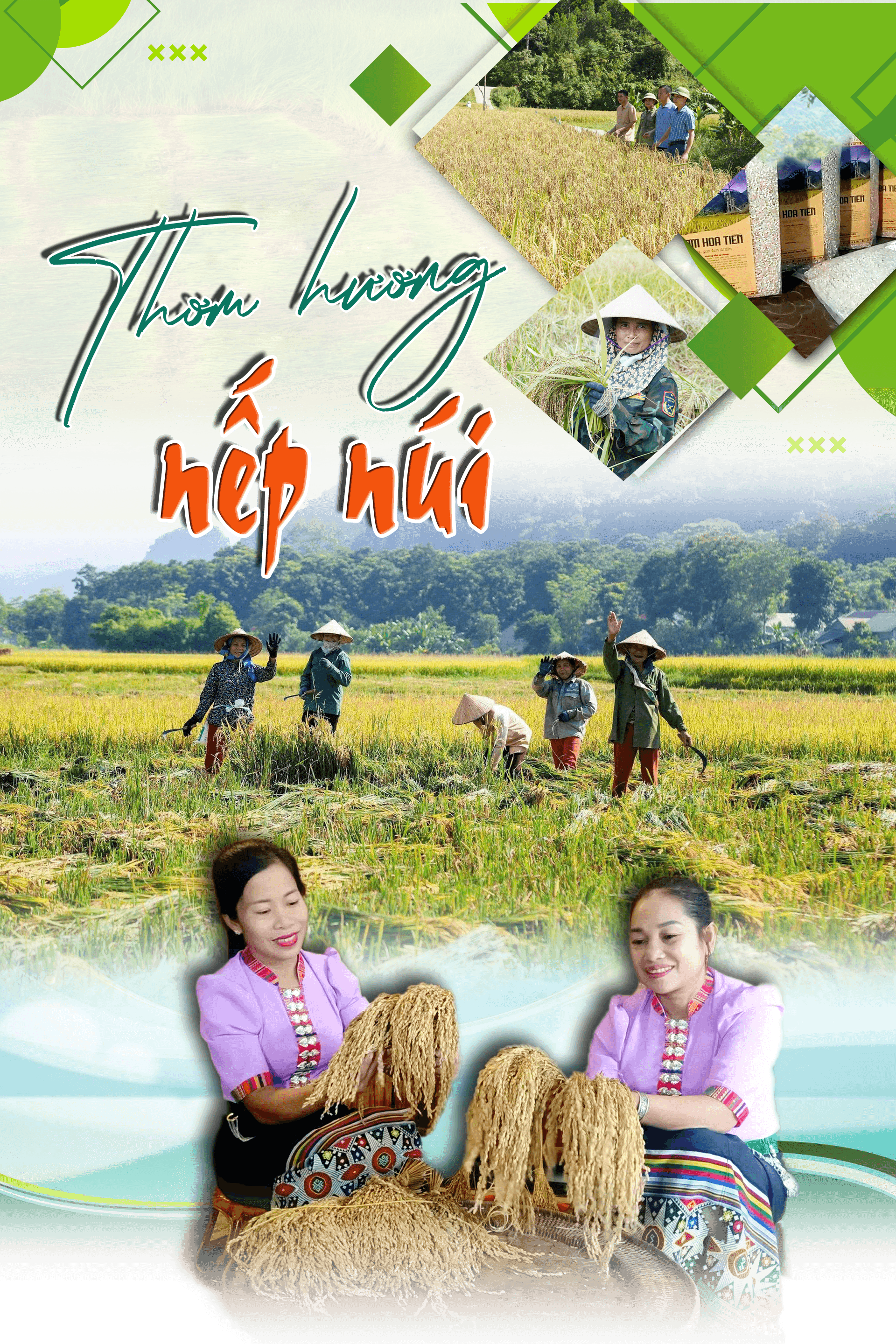
On the mountain slopes, valleys, and terraced fields of western Nghe An, indigenous rice varieties have quietly taken root through countless seasons. The pristine white, fragrant rice grains are not only a precious product of the mountains and forests but also carry the flavor, farming practices, and cultural memories of the ethnic communities. From efforts to preserve these valuable varieties to commercial production models, the aroma of local sticky rice is opening up new economic development opportunities for the highlands.
Khanh Ly - Hoai Thu/Present:Hong Toai •21/11/2026
*****
On the mountain slopes, valleys, and terraced fields of western Nghe An, indigenous rice varieties have quietly taken root through countless seasons. The pristine white, fragrant rice grains are not only a precious product of the mountains and forests but also carry the flavor, farming practices, and cultural memories of the ethnic communities. From efforts to preserve these valuable varieties to commercial production models, the aroma of local sticky rice is opening up new economic development opportunities for the highlands.

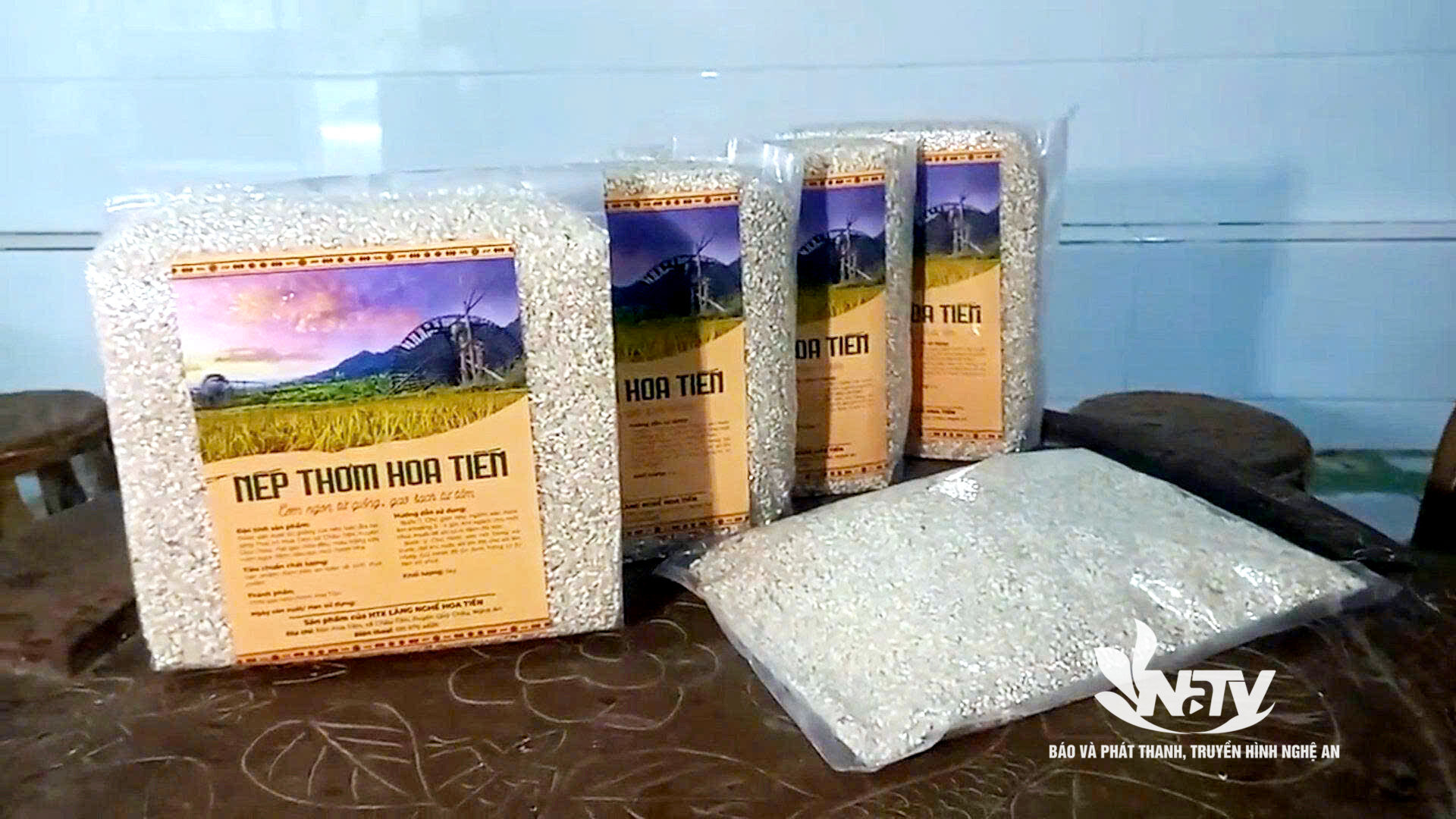
In western Nghe An province, there are rice varieties whose names immediately evoke memories of their birthplace. These include Khau Cay Noi in Que Phong, Cu Phang sticky rice in Hoa Tien (Chau Tien), and fragrant non-glutinous rice in Na Loi. Each variety possesses a unique flavor, linked to the soil conditions, climate, and farming techniques preserved by the local people for generations.
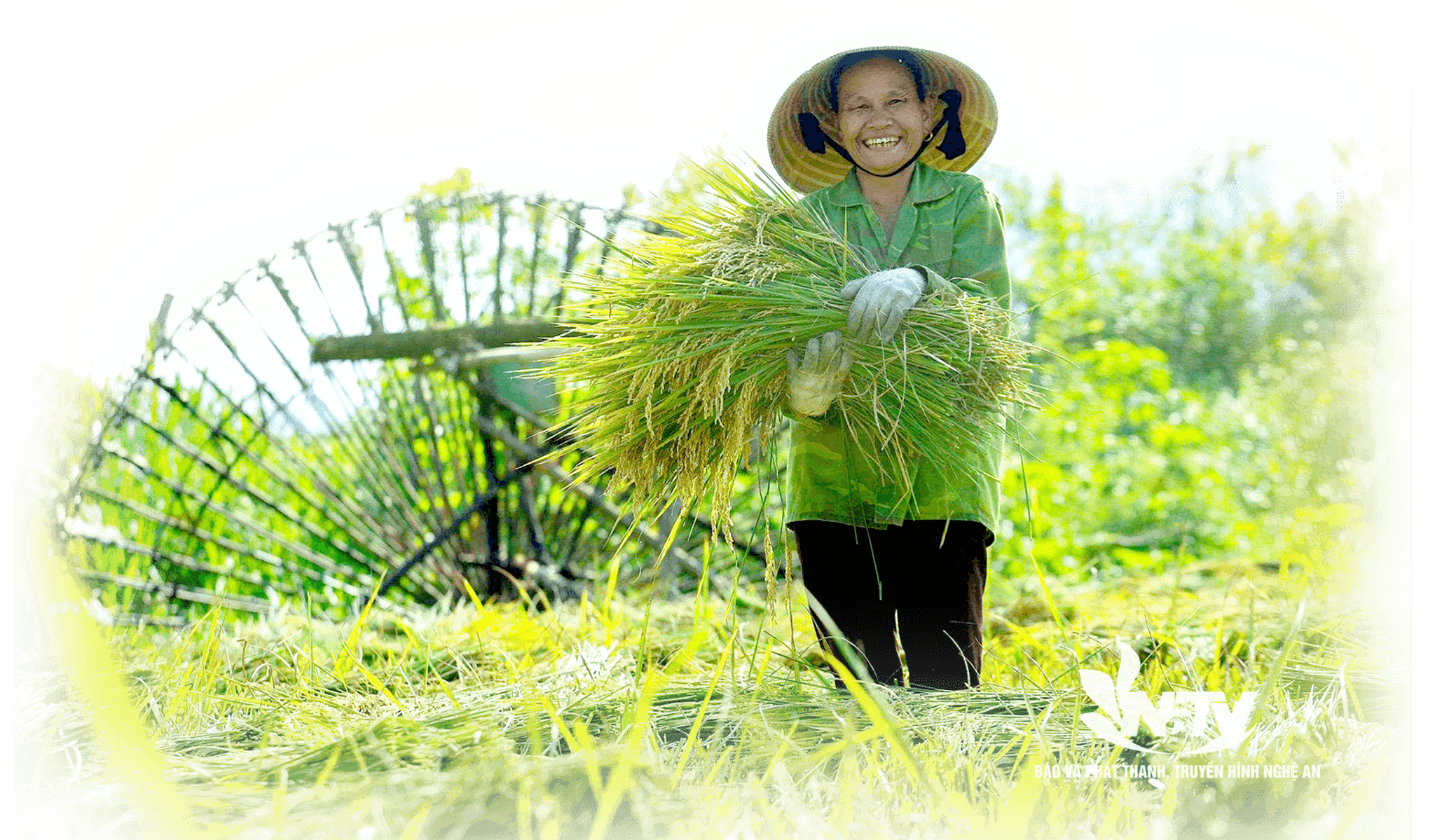
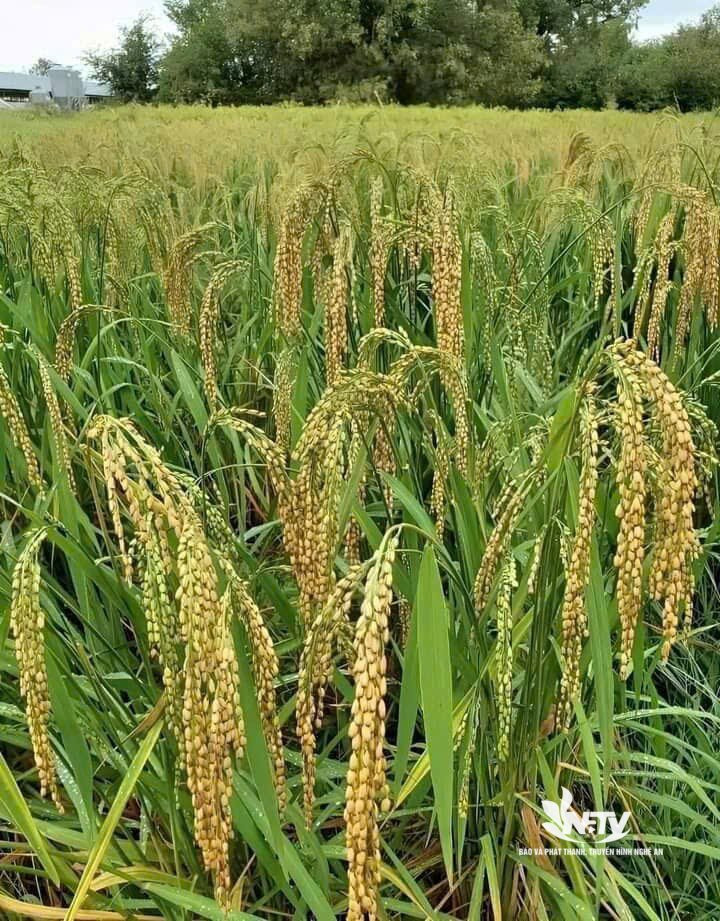
Among them, Khau Cay Noi (locally known as "chicken chick rice") is considered one of the specialty glutinous rice varieties of Que Phong region. When ripe, the rice is a golden yellow like the feathers of a newly hatched chick, with large, round, and translucent white grains. During the rice harvest season, even from a distance in the fields, one can sense the distinctive aroma of this glutinous rice variety.
Well-adapted to local climate and soil conditions, Khau Cay Noi rice is resistant to pests and diseases. Previously, people mainly grew it for family consumption, eating as much as they produced. But as the quality of the rice became widely known, this traditional glutinous rice variety gradually became a valuable commodity.
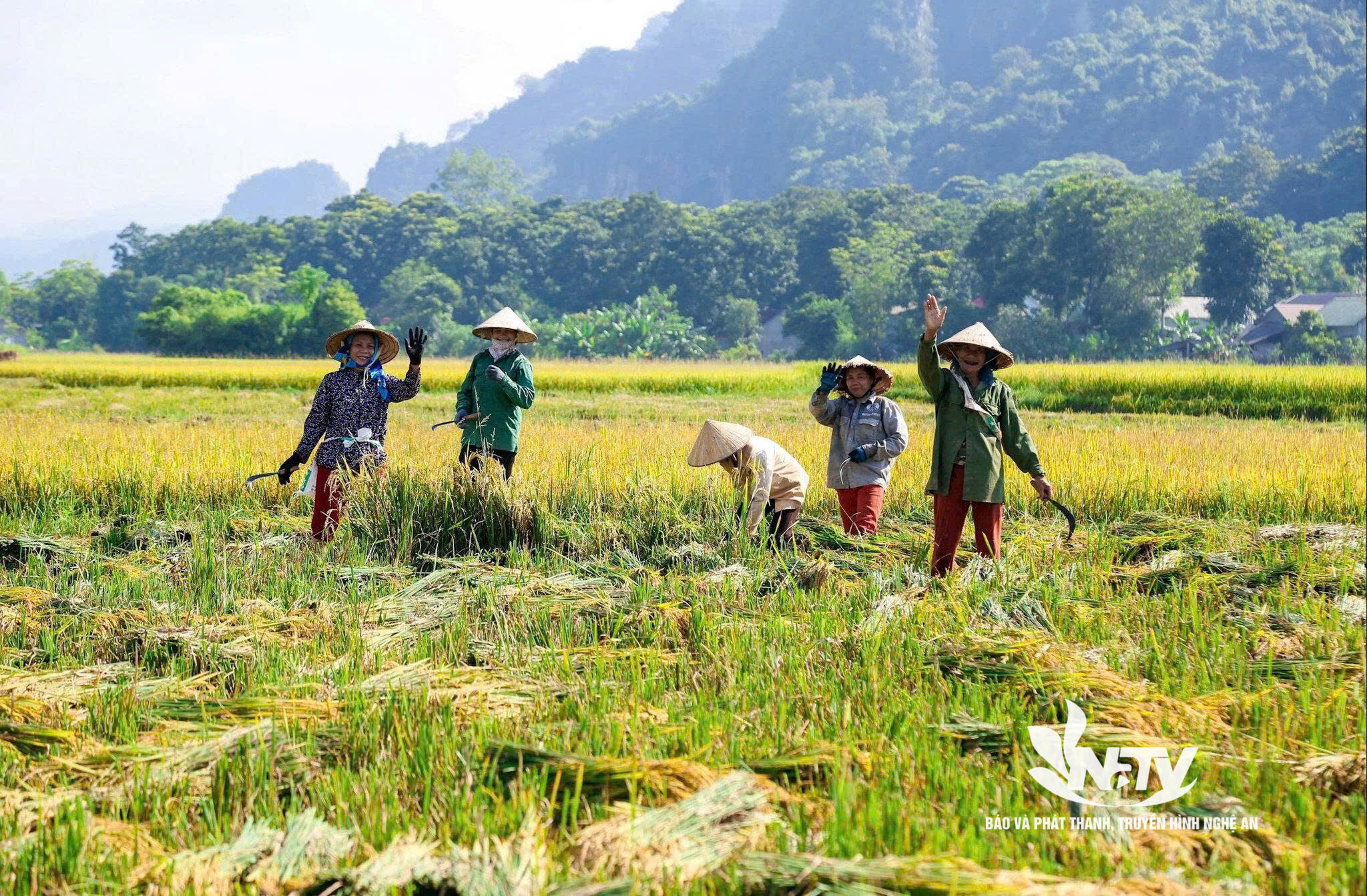
In Que Phong commune, the area planted with Khau Cay Noi rice is concentrated in the Nam Giai - Chau Kim area with 247 hectares, accounting for a significant portion of the commune's total rice area of 711.38 hectares. The price of paddy rice is approximately 15,000 VND/kg, while milled and cleaned rice sells for around 30,000 VND/kg. The local authorities are encouraging people to expand the planted area, both to create a supply for the market and to preserve the indigenous rice variety, gradually building a brand associated with tourism.
In Tri Le commune, Khau Cay Noi sticky rice is also widely cultivated by locals during the harvest season, covering an area of about 50 hectares, mainly in Hong Son and Tan Thai villages. Its delicious aroma and high economic value have made this sticky rice variety increasingly popular with consumers.
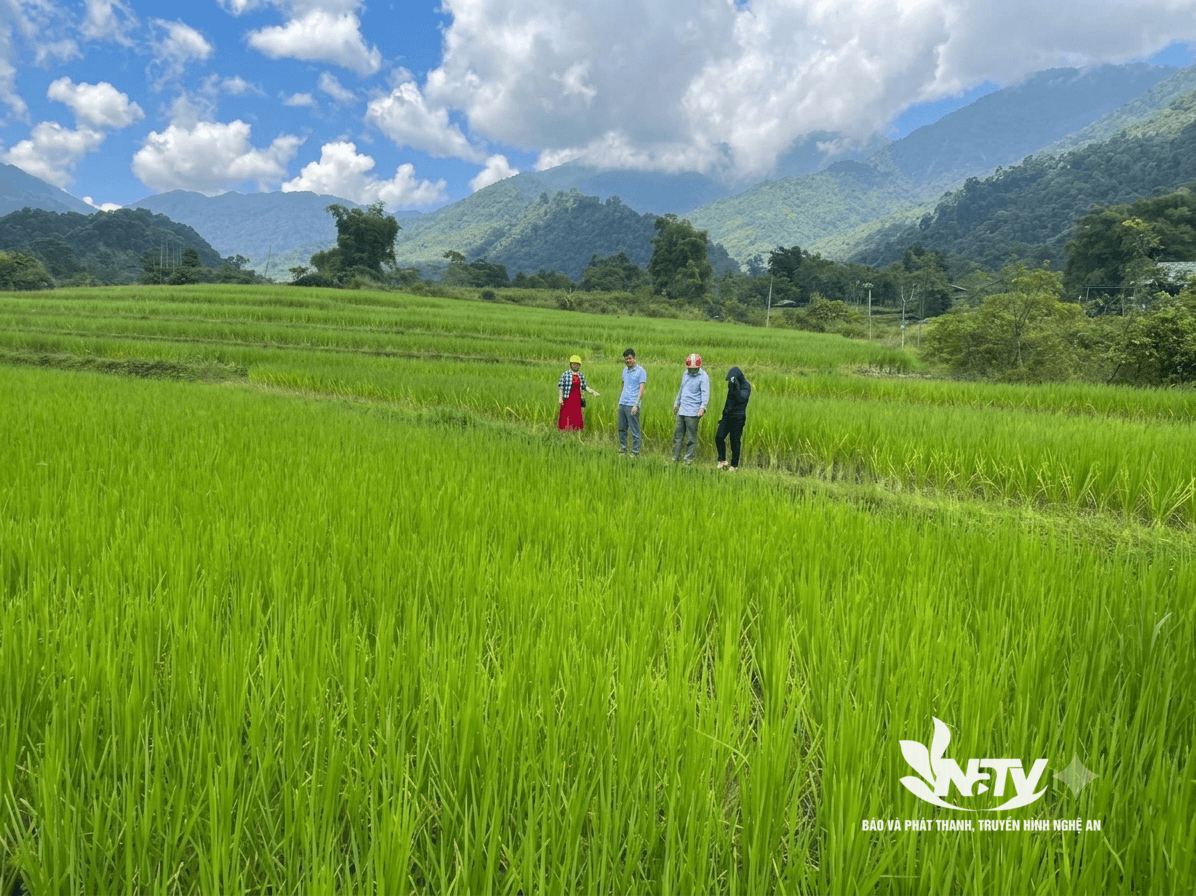
Leaving the Quế Phong region and arriving in Châu Tiến commune, the aroma of Cù Pháng sticky rice evokes a unique aspect of the lives of the Thái ethnic people. The rice grains are small and pure white; when steamed, it becomes sticky rice that is chewy, fragrant, and naturally sweet; even when cooled, it remains soft and doesn't harden quickly. Therefore, from everyday meals to special occasions like festivals, New Year celebrations, weddings, and housewarming parties, Cù Pháng sticky rice is always present on the feast tables of the local people.
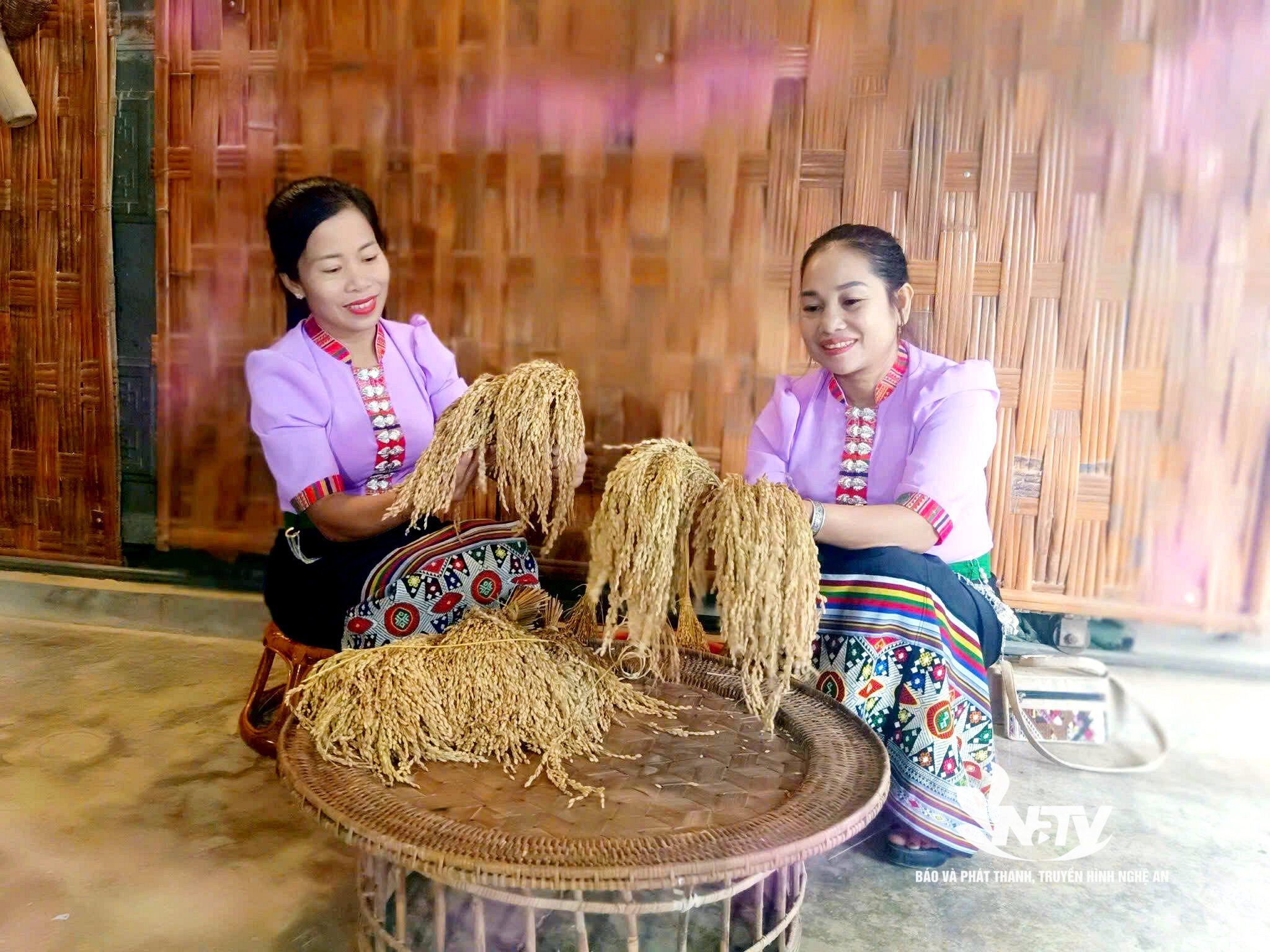
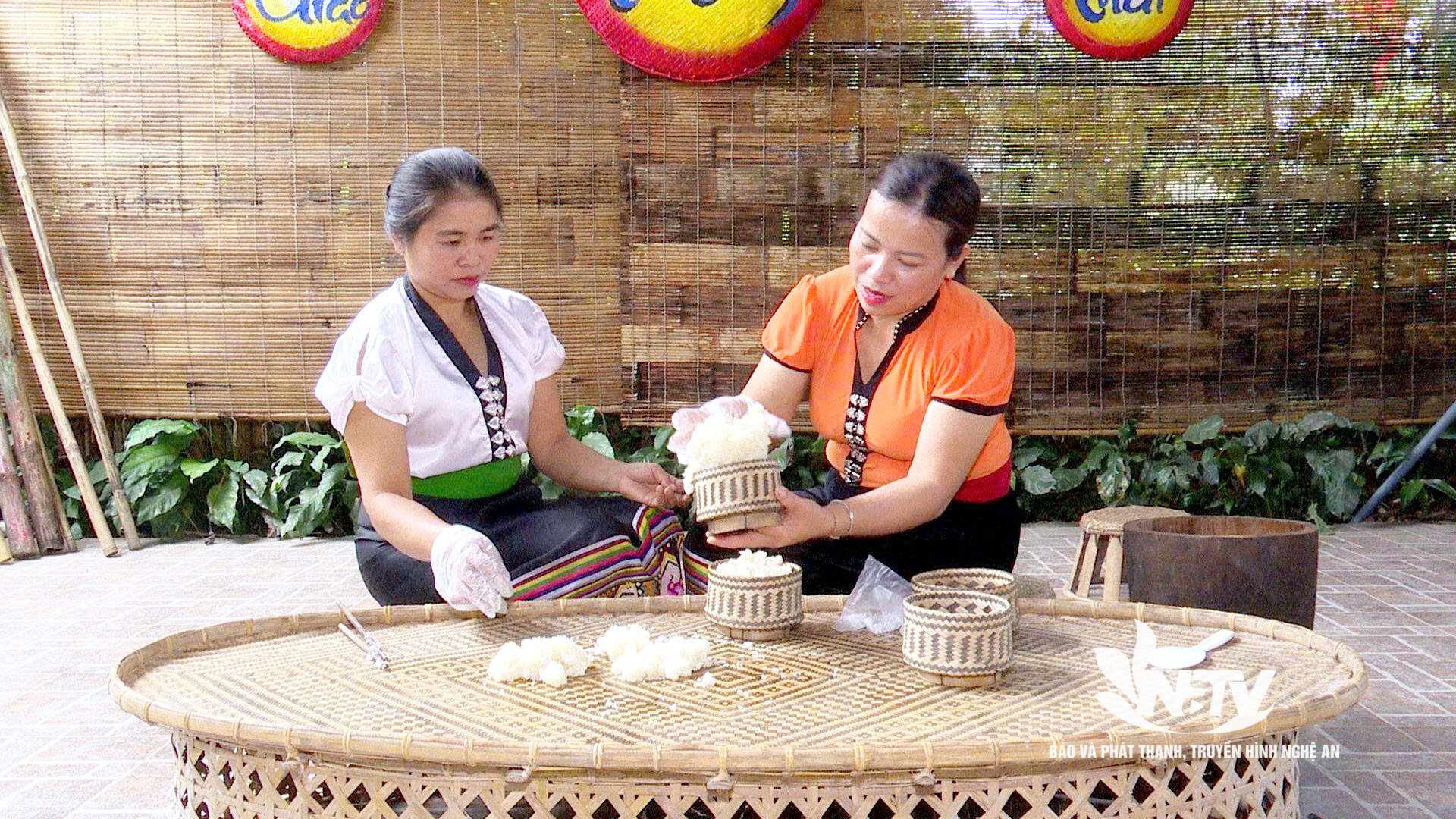
For the Thai people, this type of sticky rice is not simply food, but also a precious gift from the mountains and forests, a product that conveys feelings during gatherings and reunions.
Mr. Lo Van Giap, Chairman of the Farmers' Association of Chau Tien commune, said: "Cu Phang sticky rice has its own advantages thanks to the quality of the rice and the cultural story associated with the Thai community. In recent times, the product has been gradually introduced more widely through display booths at fairs, cultural and tourism events, aiming to build a brand for this highland specialty."
Beyond simply selling rice, Chau Tien commune also aims to exploit the value of Cu Phang sticky rice through the processing of traditional dishes such as sticky rice, various cakes, and sticky rice wine. This is also an advantage for connecting the product with community tourism, giving visitors the opportunity to experience the culinary culture and learn about the farming practices of the local people.
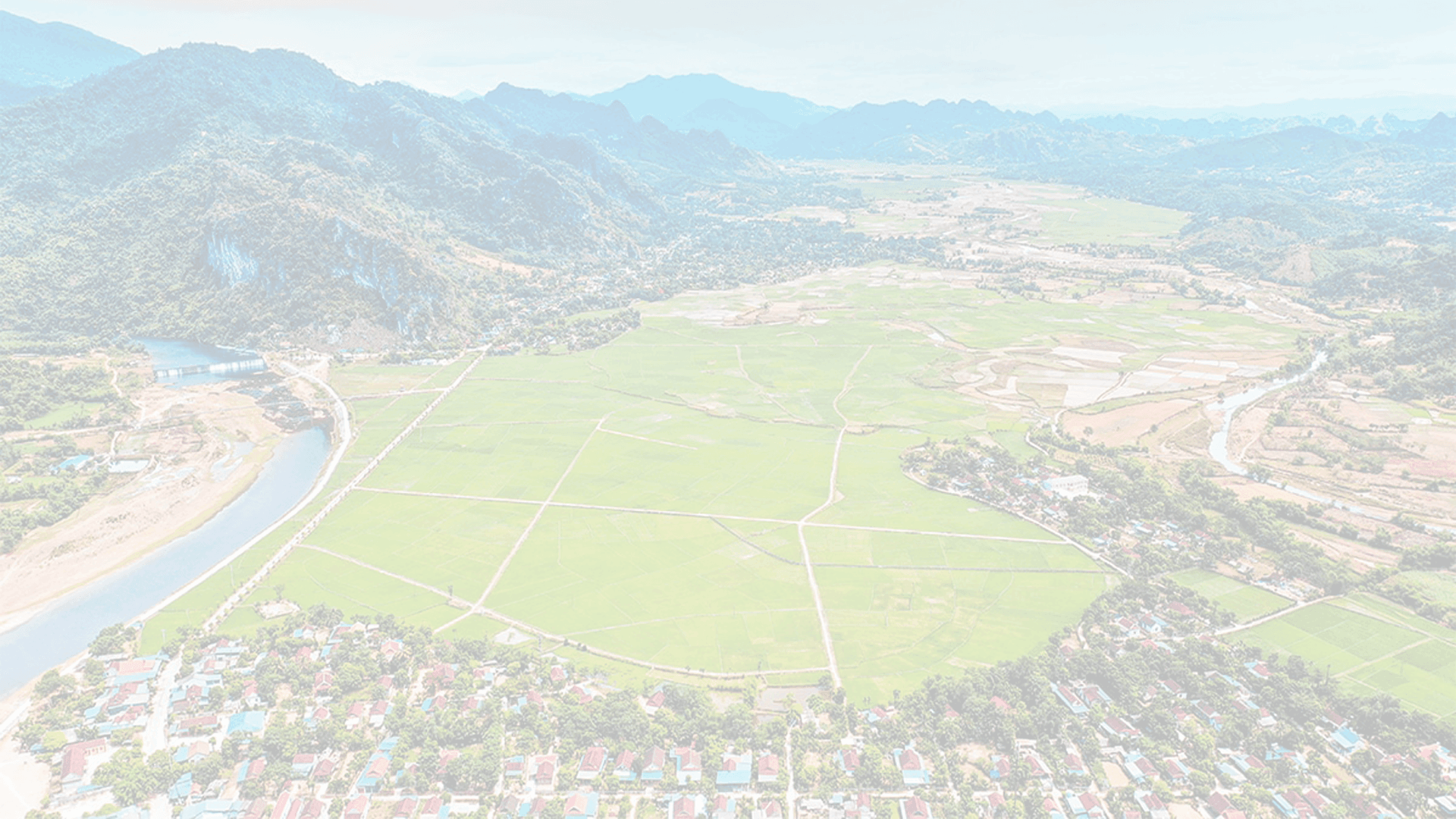
Meanwhile, in Na Loi commune, the fragrant rice variety offers a distinct flavor. The rice is grown in valleys with natural water sources from the Nam Tam stream.
Fragrant white rice grains are long, slender, small, and translucent white. When cooked, the rice releases a natural aroma, is soft and chewy, has a rich sweet taste, and remarkably retains its softness even when cooled.
However, this rice variety has a long growing season, tall, soft stems that are prone to lodging in heavy rain and wind; its yield is also lower than some common rice varieties. Therefore, after each harvest, people usually select healthy, firm rice panicles to use as seeds for the next season. The experience of selecting and preserving seeds has been passed down through many generations, helping these indigenous rice varieties continue to thrive in their homeland.
In 2026, the area of fragrant rice in Na Ngoi commune will be approximately 9-10 hectares, concentrated in Na Muong village, with a selling price of around 17,000 VND/kg.
Each rice variety has its own flavor, each region its own way of preserving it, but they all share one thing in common: indigenous rice grains have transcended the value of a mere staple food. During harvest festivals, prayers for a good harvest, weddings, or village gatherings, sticky rice, sticky rice cakes, and sticky rice wine not only create culinary delights but also serve as offerings to ancestors and deities, expressing people's gratitude to nature.

However, ensuring the continued presence of fragrant glutinous rice in the fields of western Nghe An province is no easy feat. At times, many indigenous rice varieties faced the risk of extinction as cultivated areas shrank, production remained fragmented, and market outlets were unstable. Meanwhile, farmers constantly had to weigh the options between maintaining high-quality traditional rice varieties with long growing seasons and low yields against newer, shorter-duration varieties that were more suitable for production.
In light of this situation, many localities have implemented models for restoring, preserving, and developing indigenous rice varieties through concentrated production, gradually increasing the value of the product.
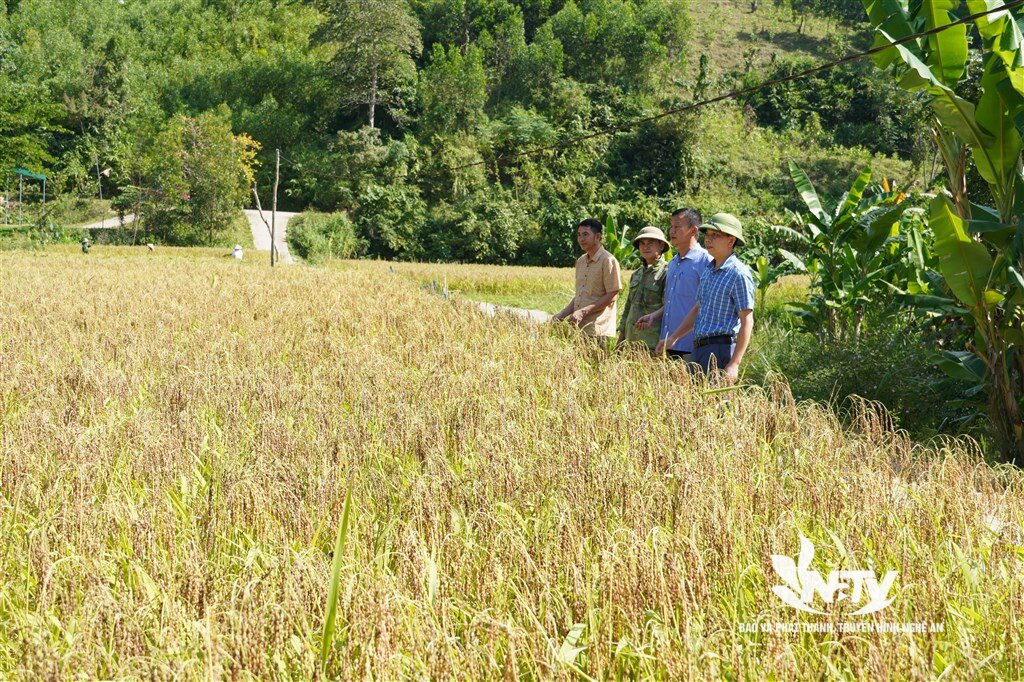
In the 2026 harvest season, joy came to the people of Muong Piet and Muong Cat villages, Thong Thu commune, not only because of the rice fields laden with grain, but also because the model for preserving and developing the Khau Cay Noi rice variety has initially yielded positive results.
According to Mr. Pham Hoang Mai, Director of the Public Service Supply Center of Thong Thu Commune, the model is implemented on a total area of 15 hectares, with the participation of 107 households.
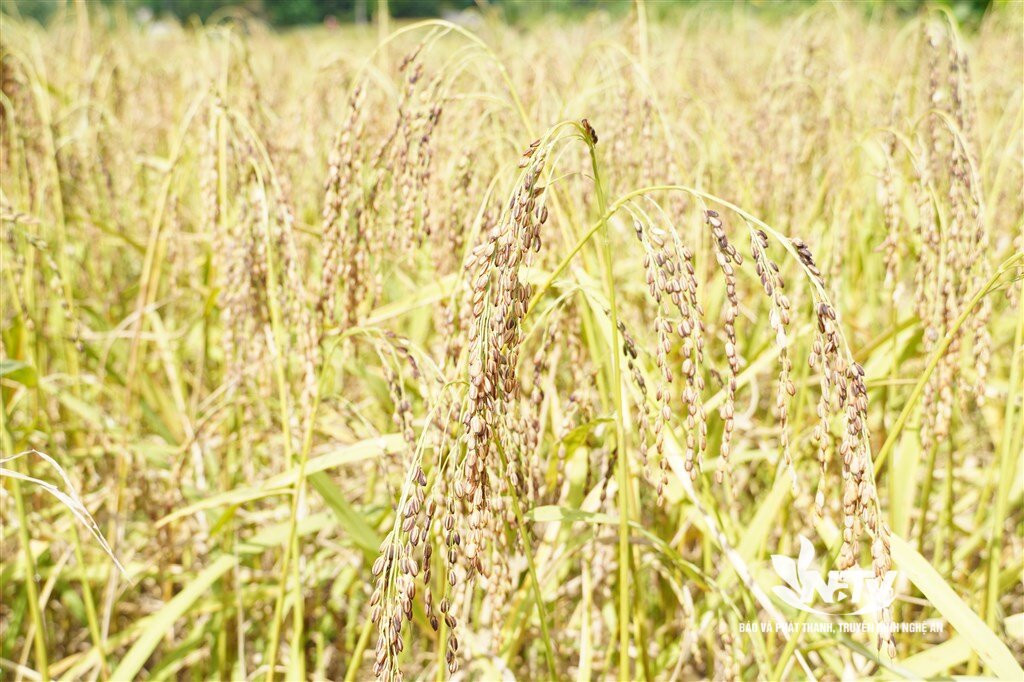
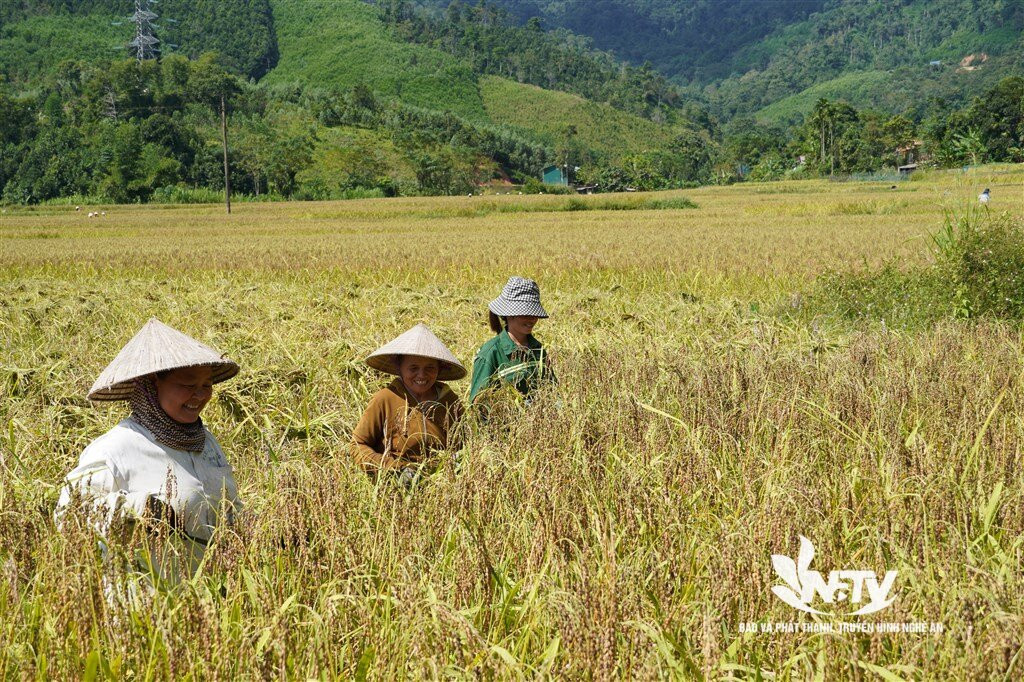
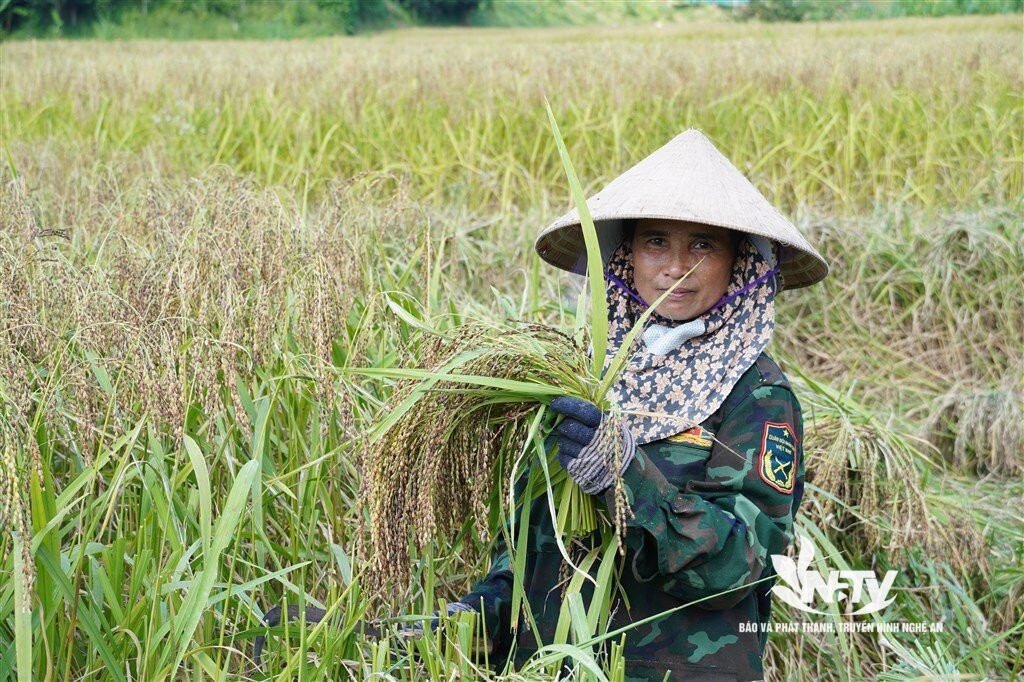
To support local people in restoring the valuable rice variety, the locality mobilized resources from Decree No. 112/ND-CP, providing fertilizers and lime for soil improvement, while also guiding cultivation techniques, monitoring growth, and promptly resolving difficulties in production. As a result, the model was implemented relatively synchronously, the rice plants grew and developed favorably, and the yield reached approximately 48-50 quintals/hectare.
The good news is that the economic value of this rice variety is significantly higher than that of common rice varieties. While other rice varieties in the area sell for around 8,000-10,000 VND/kg, Khau Cay Noi rice fetches approximately 16,000-18,000 VND/kg.
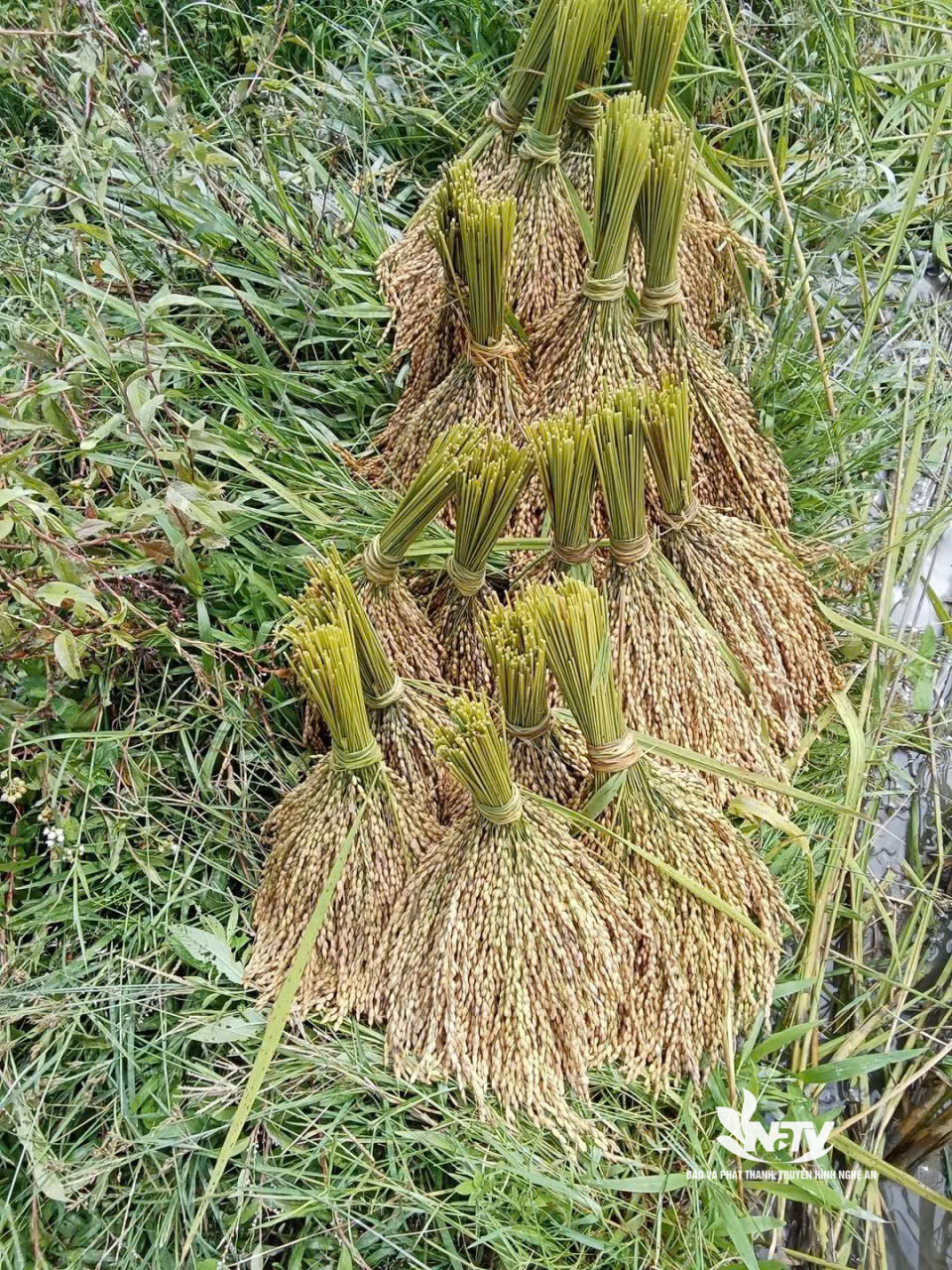
Mr. Pham Hoang Mai, Director of the Public Service Supply Center of Thong Thu Commune, said that this price creates a clear advantage for producers and opens up prospects for the development of the local specialty agricultural products. When production is organized centrally, quality is ensured, and there is a stable market, traditional rice varieties will not only be preserved but also become a valuable source of livelihood for the people.
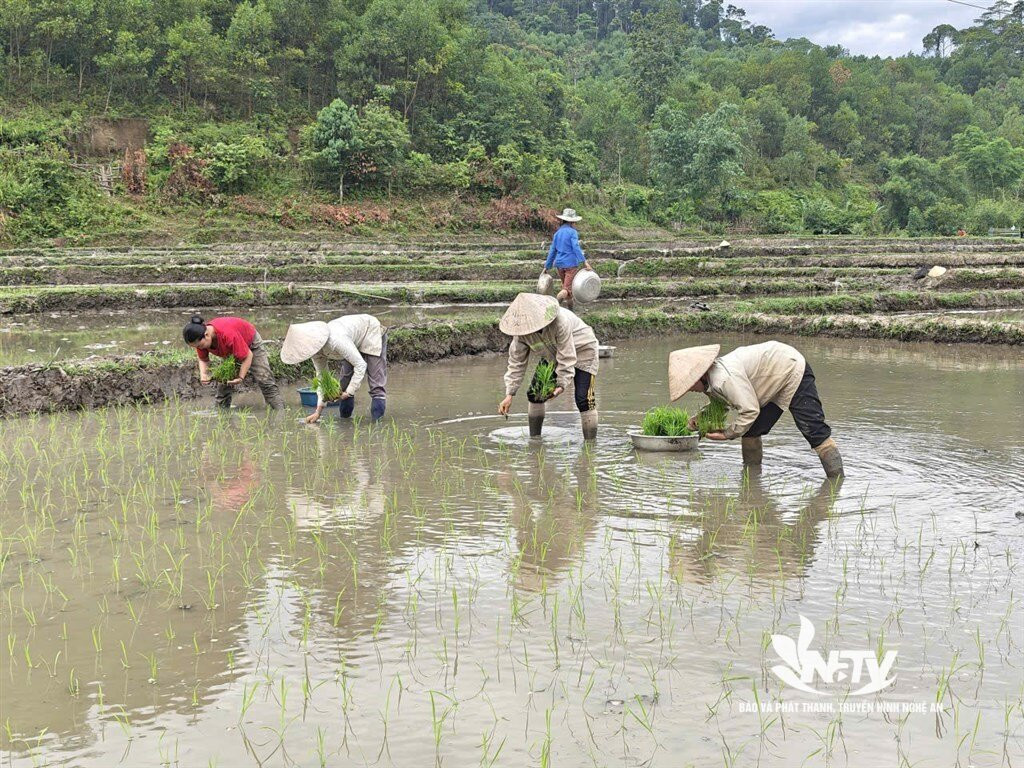
Also during the 2026 crop season, in Chau Hoan village, Hung Chan commune, a pilot model for growing Cu Phang glutinous rice using organic methods was implemented on an area of 2.2 hectares, with 19 households participating.
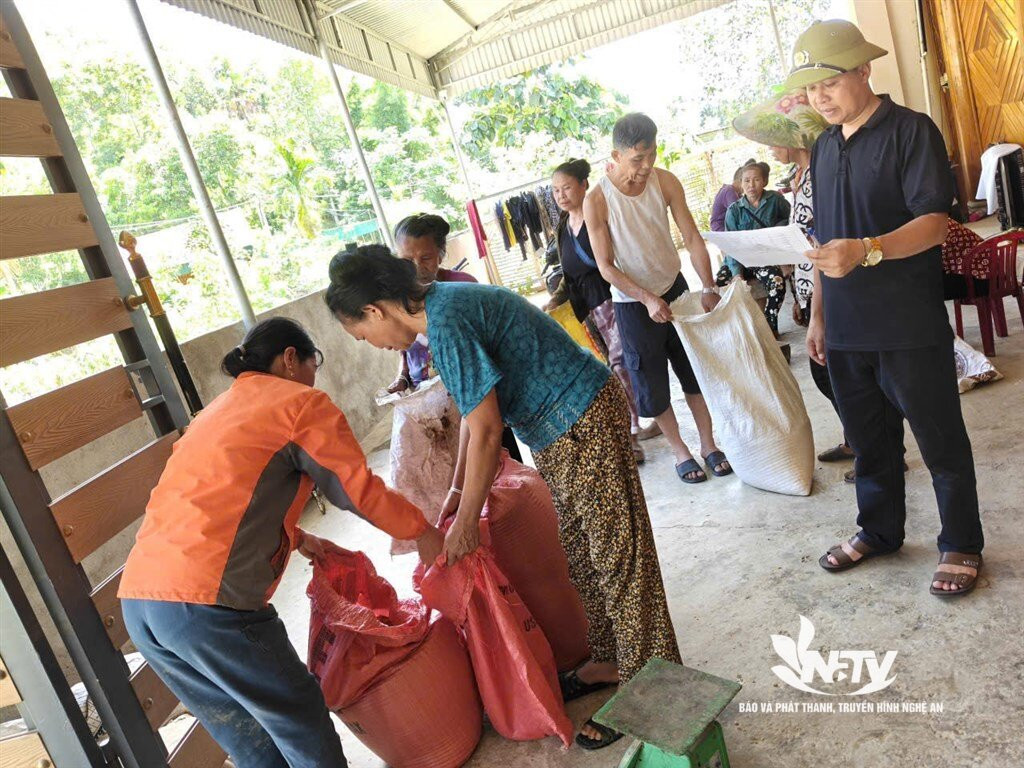
During the implementation process, the Public Service Center and the Economic and Social Affairs Department assigned staff to coordinate with the Farmers' Association to guide people on production processes, cultivation techniques, fertilization, pest and disease control, and the use of pesticides. Participating households also received support in the form of seeds to implement the model.
This production approach aims not only to preserve the native fragrant glutinous rice variety but also to gradually change farming practices, limit the use of unsuitable agricultural inputs, and reduce the impact on the environment and the field ecosystem.
According to Mr. Loc Van Chuong, head of Chau Hoan village, although the Cu Phang glutinous rice variety has the characteristics of tall stems and sparse panicles, under the rainy and humid weather conditions of the cropping season, the rice plants still grow and develop quite stably. After about 110 days from sowing to harvesting, the initial yield reached about 40-47 quintals/hectare.
Besides its promising yield, Cu Phang glutinous rice is also highly valued for its commercial potential. Currently, the market price ranges from 36,000 to 40,000 VND/kg. According to Mr. Chuong, if production is properly organized and a suitable brand is developed, this glutinous rice variety will have more opportunities to increase its value and boost people's income.
From these initial models, it is clear that preserving indigenous rice varieties is not just about retaining a valuable genetic resource or maintaining traditional farming practices. More importantly, it is a way for localities to exploit the unique advantages of each region, creating agricultural products with distinctive characteristics and competitiveness in the market.
To ensure that fragrant glutinous rice truly becomes a sustainable marketable product, in addition to expanding cultivation areas, localities need to continue paying attention to seed quality, production processes, brand building, and consumption linkages. Combining the product with culinary processing, trade fairs, cultural experiences, and community tourism is also a direction that should be emphasized.
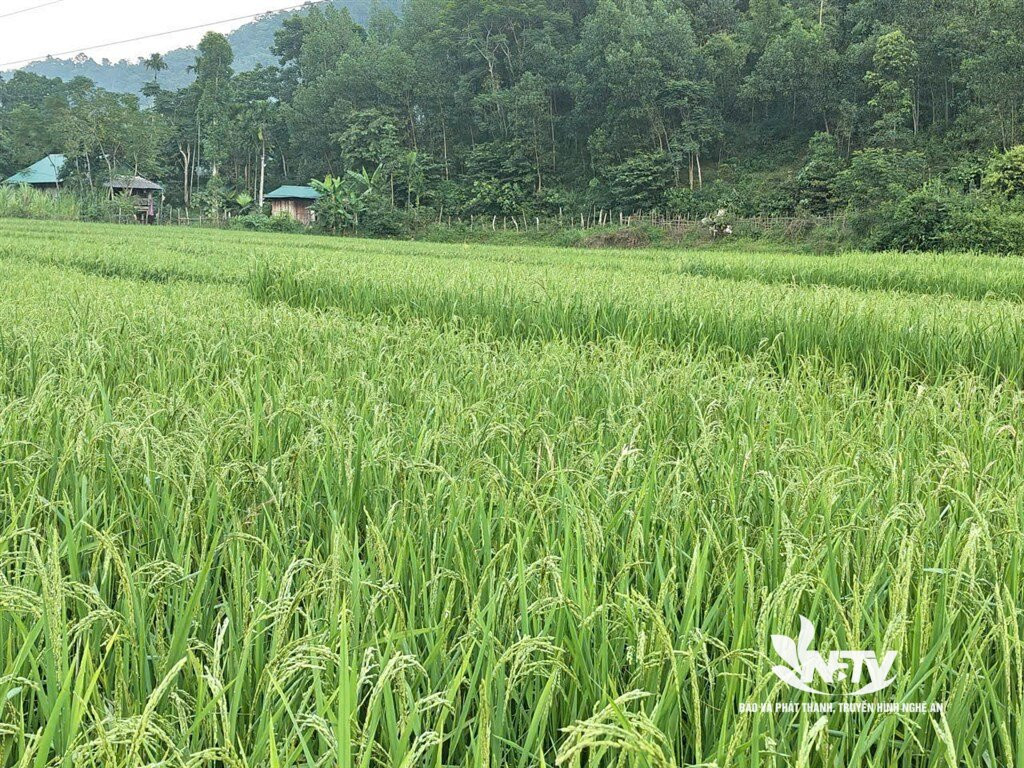
In the rice paddies of western Nghe An province, the harvest season still carries the familiar fragrance of the mountains and forests. But today's joy lies not only in the heavy, ripe rice stalks or the bountiful harvest. It is also the joy of restoring rice varieties that have been cherished for generations, of adding value to local produce, and of giving people more motivation to preserve what their ancestors left behind.
Khanh Ly - Hoai Thu