
Culture - A resource for national development
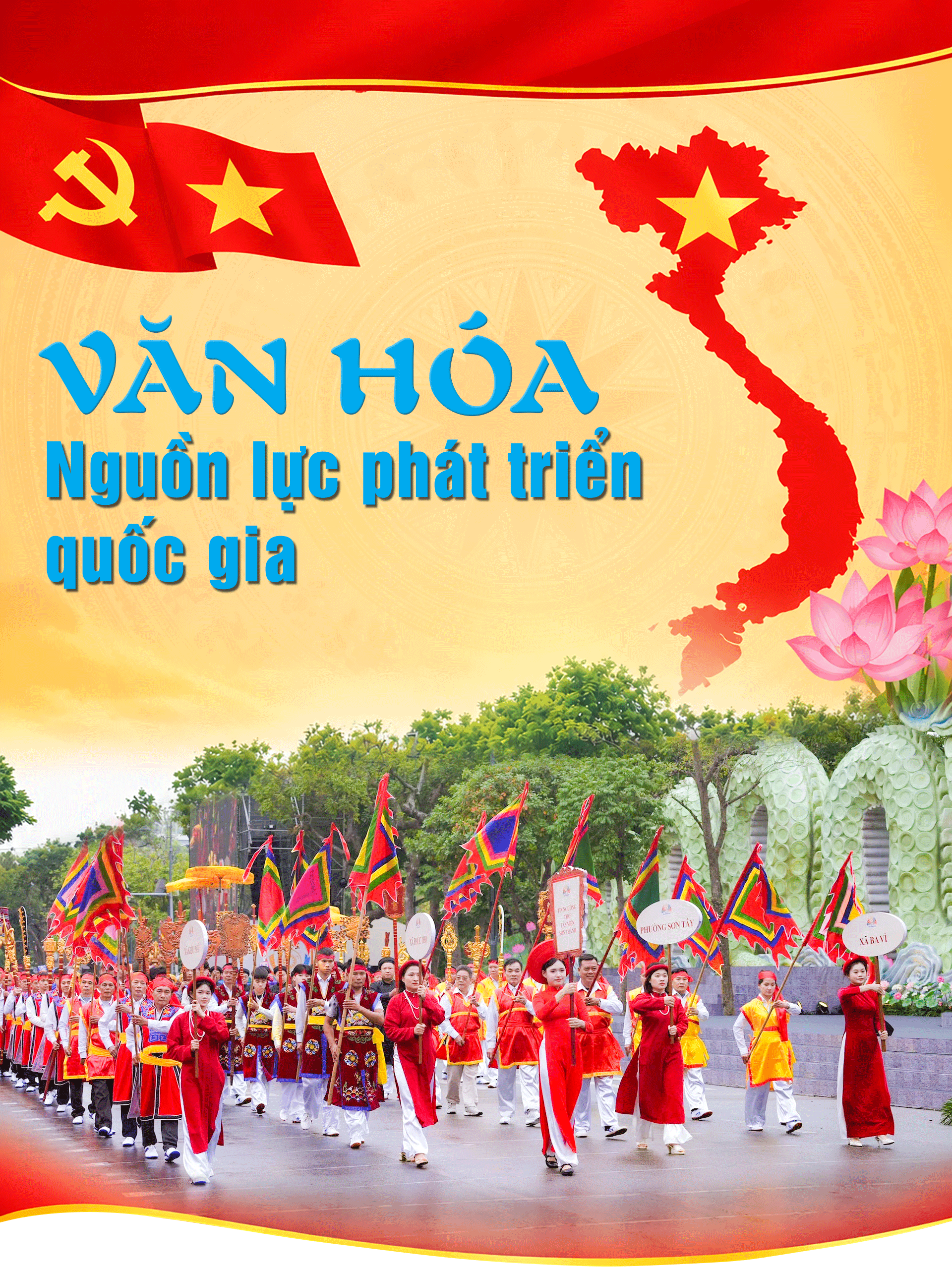
On November 24, 1946, the First National Cultural Conference opened, with the participation and guidance of President Ho Chi Minh. Eighty years later, November 24 was chosen as Vietnam Culture Day. This continuation not only signifies gratitude to history but also reminds us of a contemporary requirement: Culture must truly become the spiritual foundation, the intrinsic strength, and the driving force for national development.
Assoc. Prof. Dr. Do Chi Nghia
Member of the National Assembly's Committee on Culture and Social Affairs
********
On November 24, 1946, the First National Cultural Conference opened, with the participation and guidance of President Ho Chi Minh. Eighty years later, November 24 was chosen as Vietnam Culture Day. This continuation not only signifies gratitude to history but also reminds us of a contemporary requirement: Culture must truly become the spiritual foundation, the intrinsic strength, and the driving force for national development.
Resolution No. 80-NQ/TW of the Politburo on the development of Vietnamese culture represents a significant shift in thinking. Culture is not only a field that needs to be preserved, invested in, or enjoyed, but also an endogenous resource, a soft power, a pillar and driving force of rapid and sustainable development. The National Assembly has institutionalized November 24th as Vietnam Culture Day, with workers entitled to a day off with full pay. The profound significance of these decisions lies not in a holiday or commemorative activities, but in the requirement to place culture at the center of the national development strategy.
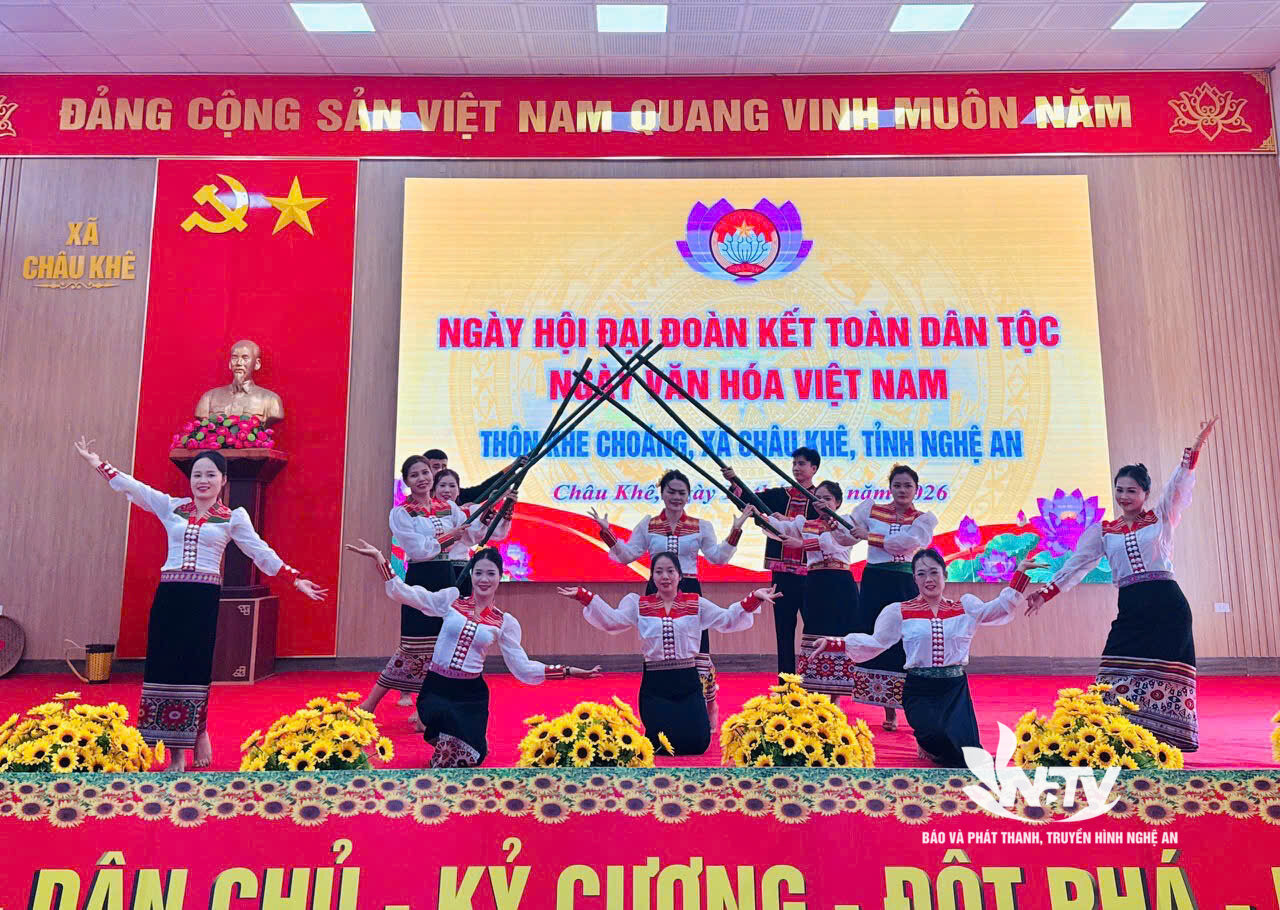
The reality presents a thought-provoking paradox. Vietnam possesses a rich heritage, a history, and a unique identity that creates its own appeal, yet the number of internationally competitive cultural products, cultural brands capable of defining Vietnam, and the extent to which Vietnamese culture permeates contemporary life are still insufficient. Many heritage items remain primarily present in festivals, museums, or seasonal performances, failing to truly become vibrant materials for creativity, business, and daily life. This demonstrates that cultural development cannot simply stop at preserving what already exists. Preservation is necessary, but if culture is not continued, innovated, and renewed in contemporary life, heritage is more likely to become merely admired values than dynamic resources.
The experience in South Korea offers a noteworthy lesson. The success of the Korean Wave doesn't simply stem from talented artists or a few popular films and groups. Behind its widespread influence lies a well-organized ecosystem connecting government policies, businesses, creative teams, technology, education, and the global market. South Korea invests not only in content production but also focuses on the entire value chain: discovering and training talent, developing ideas, production, promotion, distribution, copyright exploitation, and market expansion. The value of a product doesn't stop at initial revenue but is built upon continued creativity and the exploitation of intellectual property. In particular, copyright protection is considered essential for creators and businesses to thrive on their products.
From that experience, it is clear that the strategic requirement for Vietnam is to form a creative cultural ecosystem capable of connecting ideas to the market. Focusing solely on the quantity of events, projects, or performances is insufficient; emphasis must be placed on product quality, creative capacity, distribution capabilities, and the economic value generated. Mechanisms for risk-taking investments, encouragement of experimentation, commissioned creative work, and support for young talents are necessary. Alongside this is a strong legal environment to protect copyright and related rights, especially in the digital space, where a product can spread rapidly but is also easily copied and exploited illegally.
In the digital age, opportunities for cultural development are more abundant than ever. A short film, a video game, a musical product, or a historical narrative told through creative language can transcend geographical boundaries to reach millions of people. But technology doesn't create identity on its own. Artificial intelligence can assist in the production, distribution, and personalization of content, but the value that creates lasting appeal lies in ideas, emotions, cultural depth, and human imprint. Without these elements, we can create a lot of content, but it's difficult to create works that truly resonate.
This is also the time to view culture not just as an economic sector, but as a foundation shaping the quality of development. Society cannot achieve sustainable development if economic growth is accompanied by a degradation of behavioral norms, if material success is not accompanied by compassion and community responsibility. Culture is present in how an official treats the people, how businesses treat their employees, how schools nurture character, and how each person debates and shares on the internet. These seemingly small things create the spiritual face of a nation.
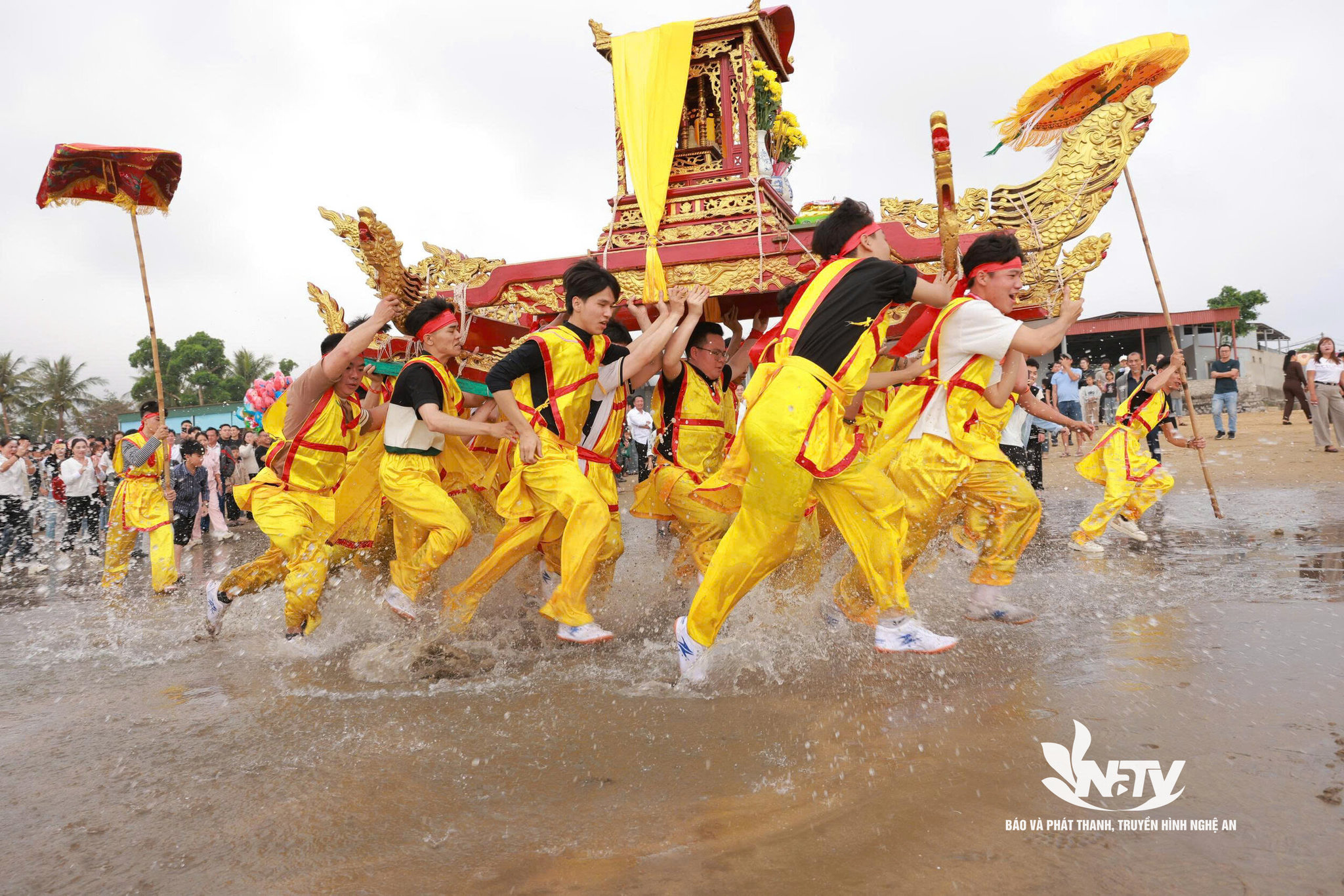
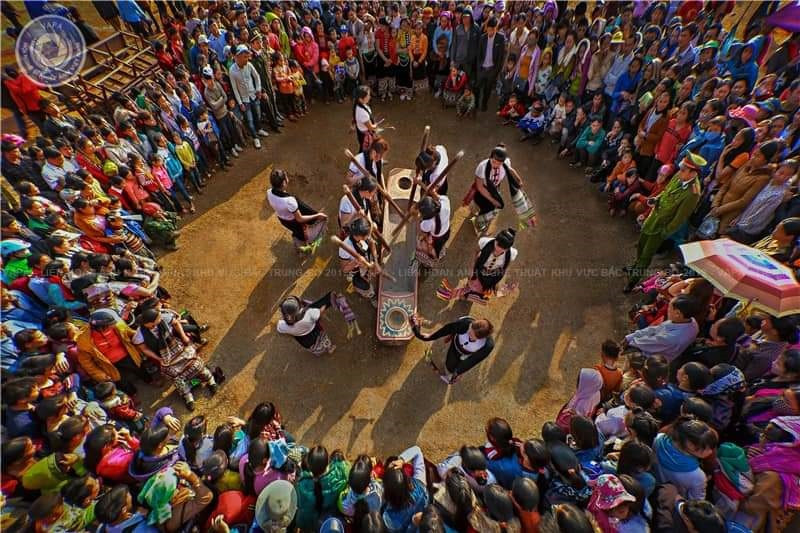
Looking at the reality of Nghe An, a land rich in historical and cultural traditions, the need to transform heritage into a resource for development is clear. The folk songs of the Ví and Giặm genres are not only UNESCO-recognized heritage, but also the voice of the people in their work and daily lives, expressing their love for their homeland, filial piety, loyalty, and how people treat each other. The Kim Lien Historical Site, traditional craft villages, the cultural identity of ethnic groups, and historical spaces can become materials for tourism, performing arts, design, and digital content. However, the important thing is not to exploit heritage at all costs, but to ensure that the community continues to own and utilize it, that artisans can earn a living from their craft, and that cultural values are passed on in contemporary life.
Developing the cultural industry does not mean commercializing all values. Heritage is not a resource that can be exploited to the point of depletion. Economic efficiency must go hand in hand with responsibility for preservation, the rights of the community, and respect for the values that constitute identity. Artisans must have a livelihood from their craft, but they also have the right to preserve the spirit of their craft. Businesses can profit from culture, but they cannot shirk their responsibility to the community that created those values.
Therefore, Vietnamese Culture Day should not just be a holiday or an occasion for organizing performances. It should be an opportunity for everyone to visit museums, theaters, libraries, and historical sites; for children to hear historical stories; for artisans to be appreciated; and for creative people to have more space to express themselves. And more importantly, that spirit needs to be maintained in daily life.
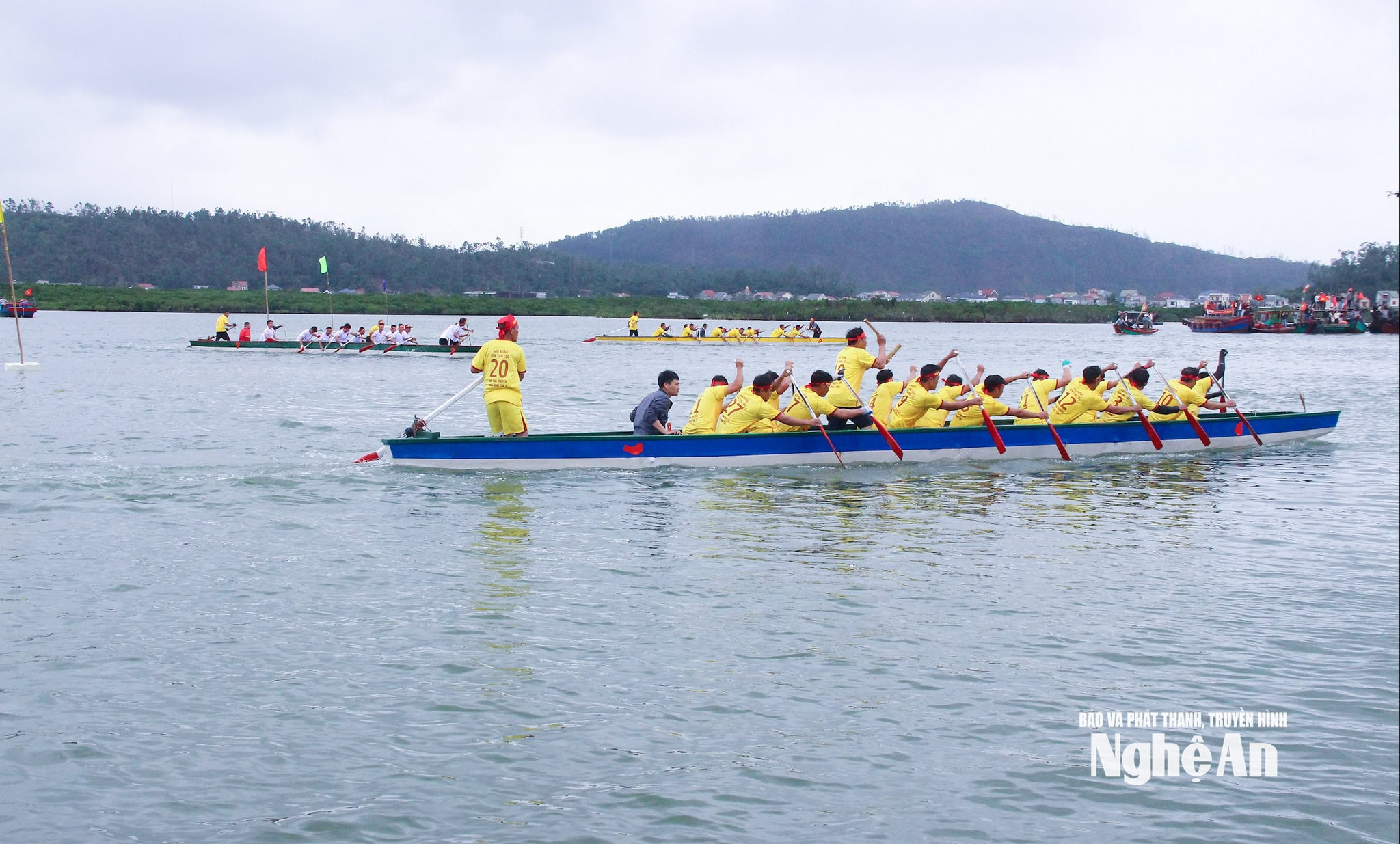
Imagine an artisan making a living from their craft, finding joy in seeing their products sought after and appreciated by young people. Imagine a child growing up to love folk songs and the historical stories of their homeland, not because they have to memorize them for schoolwork, but because they find in them the feelings of their grandparents, parents, and their national roots. Imagine a tourist leaving Vietnam not just with a few photos, but also carrying in their heart a story, a melody, a beautiful memory of the people and the country. When these simple things become reality, culture truly comes alive, creating value and spreading its power.
Transforming heritage into assets, transforming identity into strength, but above all, preserving the people and the humanistic depth in each cultural value. This is not only the path to developing the cultural industry, but also the way for Vietnam to advance based on what constitutes its identity, dignity, and attractiveness.
Assoc. Prof. Dr. Do Chi Nghia - Member in charge of the Committee on Culture and Society of the National Assembly