
Traditional village customs of Dong Bich
In the village of Dong Bich, Thuan Trung commune, the tradition of studiousness and love of literature has been preserved through many generations. Not only is it the birthplace of renowned poets such as Thach Quy, Vuong Trong, and Vuong Cuong, but Dong Bich also has families and clans where poetry has become a beautiful aspect of cultural life, contributing to the unique identity of the village.
The village customs bear the imprint of past stories.
One morning, we returned to Dong Bich village, now part of Trung Son hamlet, Thuan Trung commune, as the sun gently shone on the village roads, the banyan tree's shadow still silently casting a familiar green expanse. People passed by, stopping to chat, asking each other about the harvest, their children, village affairs, and family matters... These seemingly ordinary things created the familiar rhythm of life in a village that has witnessed many layers of time.
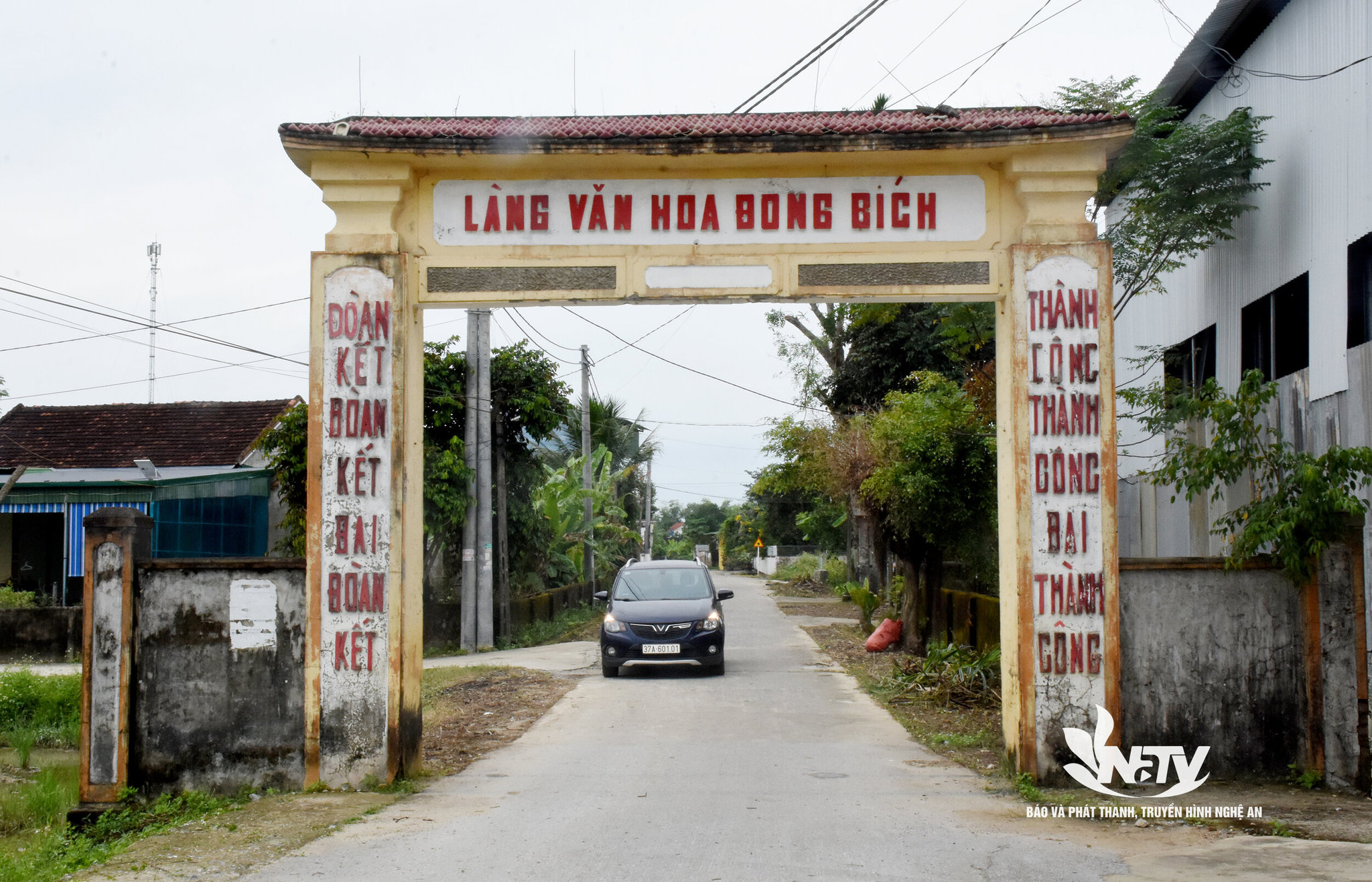
In Dong Bich, landmarks like Dong Son Temple, Khai Long Shrine, and the village banyan tree are not just markers on the map of the homeland. They are also repositories of memories, beliefs, and stories passed down by the villagers. Through countless changes, the village has preserved these spiritual anchors, so that when each person mentions their hometown, they feel a sense of nostalgia and pride.
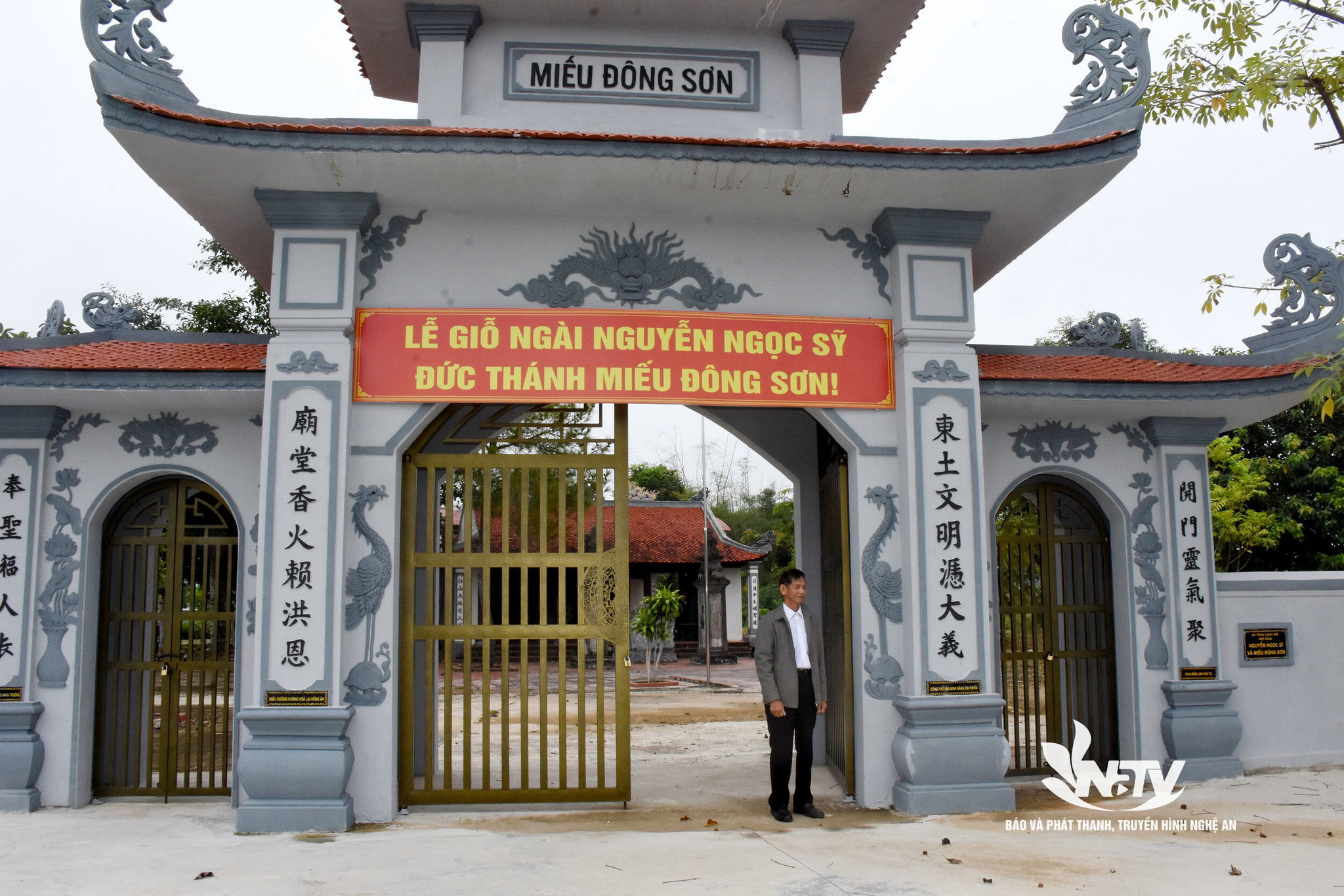
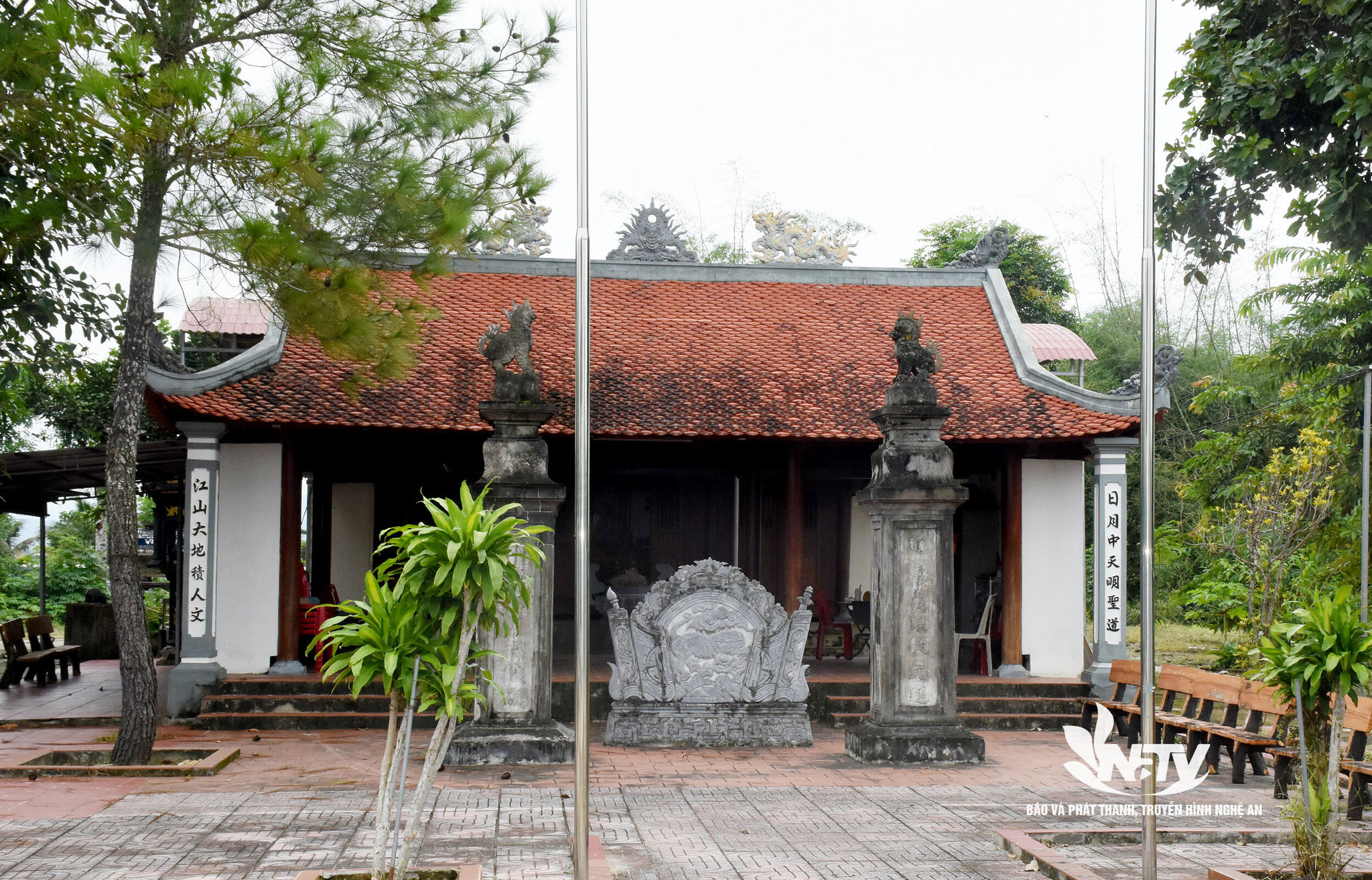
Dong Son Temple is one of the cultural and spiritual landmarks closely associated with the people of Dong Bich. It is a place of worship for Nguyen Ngoc Sy, an ancient intellectual who was once admitted to the National Academy (Quoc Tu Giam) and later returned to Dong Bich to open a school and provide medical care to the poor. From a man of knowledge, he chose to dedicate himself to the villagers, contributing to the development of education and community spirit.
The people's respect for him is reflected in the worship, preservation, and restoration of the relics over hundreds of years. The Dong Son Temple and the tomb of Nguyen Ngoc Sy have been recognized as a provincial-level historical relic, becoming an important part of the heritage of Dong Bich village.
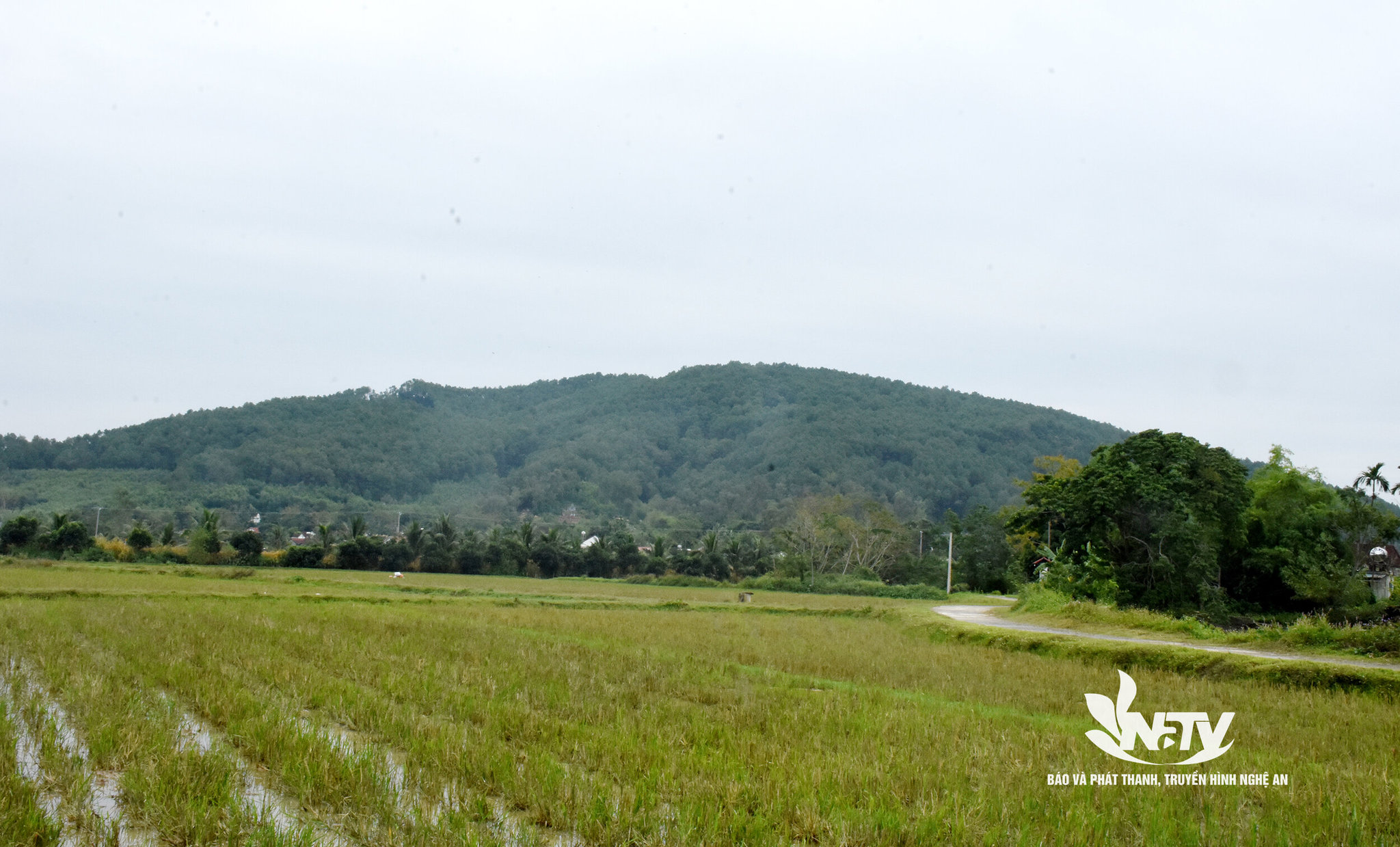
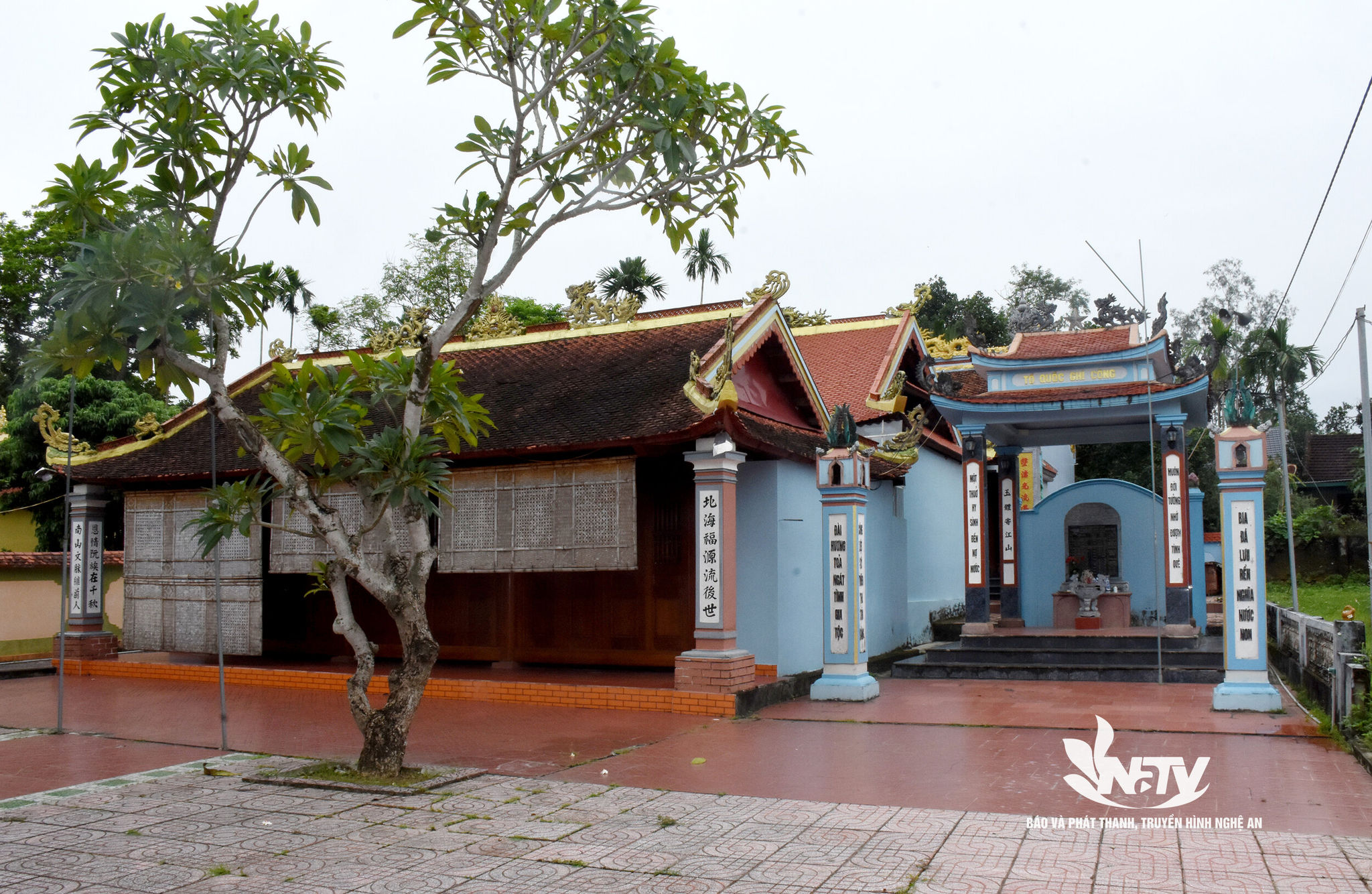
Not far from those historical sites, Khai Long Temple lies at the foot of Ru Den hill, carrying stories of religious beliefs and the close ties between the inhabitants of the old countryside. The temple is dedicated to Khai Long Warlord Ngo Xuong Xi, grandson of Ngo Quyen, eldest son of Thien Sach King Ngo Xuong Ngap, and one of the 12 warlords during the turbulent 10th century of Vietnam.
The temple has gone through periods of upheaval and was at one time damaged and dilapidated, but it was later restored by the Ngo family and the local people, demonstrating the community's affection and responsibility towards their homeland's traditions.
In Dong Bich, historical sites are not isolated from life, but are connected to conversations among the elderly, to gatherings among relatives, and to the hope that their descendants will learn more about their birthplace. Whenever the temples and shrines are mentioned, people recall stories of the village, its people, and the generations who lived, worked, and contributed to building their homeland.
Distinguished Teacher Vuong Dinh Long, who has devoted much effort to researching and documenting his hometown, believes that these historical relics and stories are an immeasurable spiritual asset of the village.
Every historical site, every story from the past, helps us understand more about our origins, about what our ancestors have built. I always think that preserving historical sites is not just about protecting a structure, but also about preserving the values, lessons, and feelings of our homeland so that future generations will know where they came from and grew up.”
Distinguished Teacher Vuong Dinh Long
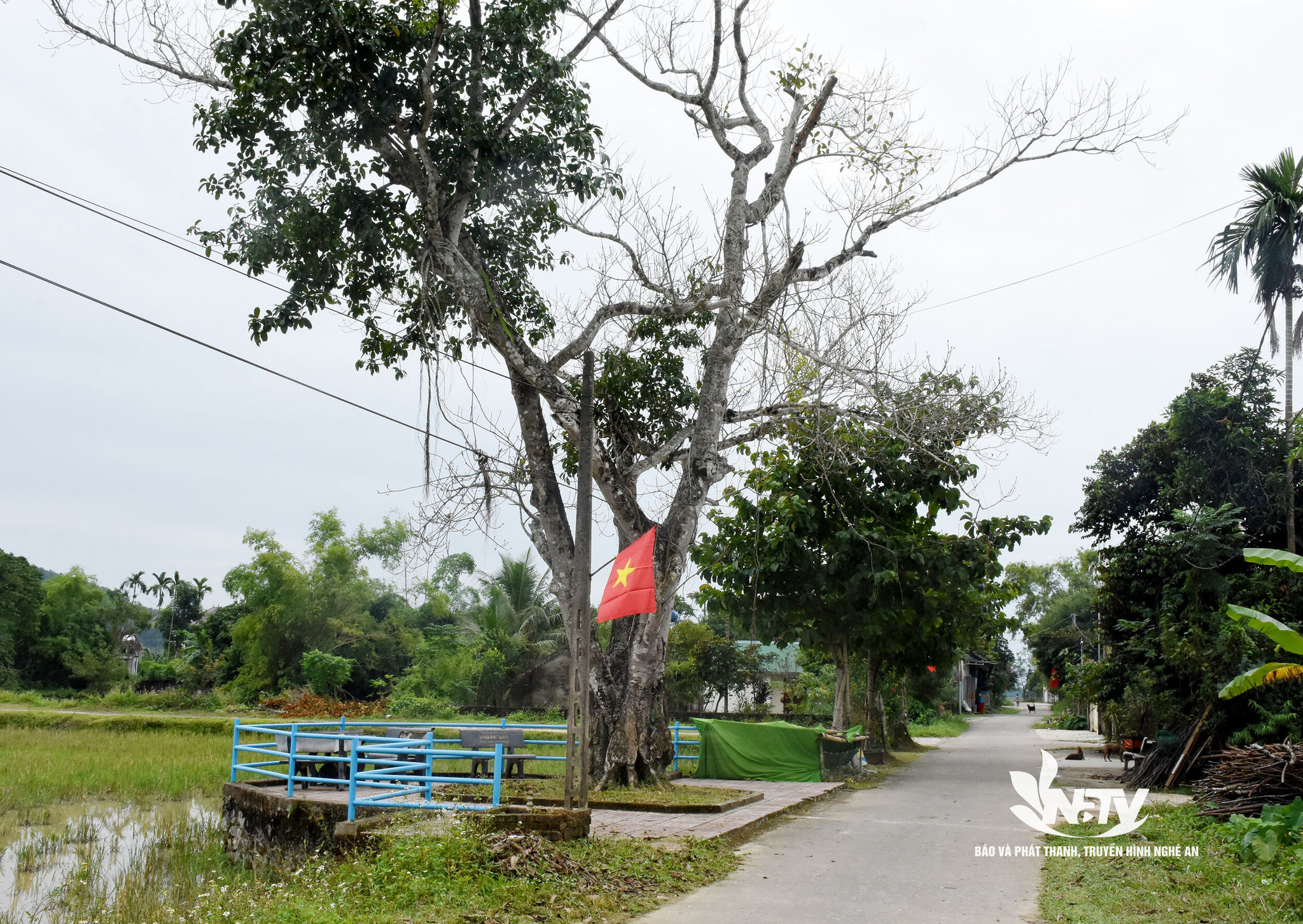
The village banyan tree is also an indispensable image in Dong Bich's memory. No elaborate introductions are needed; just the shade of the tree, a familiar patch of land, is enough to evoke a feeling of closeness. The banyan tree was once a place where villagers met, rested, and chatted; a meeting point on afternoons and hot days, a place where stories continued from generation to generation.
For those who have left their homeland, the image of the banyan tree, the temple roof, the village road may seem like small things, but they hold a great power of attachment. Because sometimes, homeland is not found in grand things, but begins in a corner of the yard, under a tree, a simple greeting, and landmarks deeply etched in their minds.
Poetic flow and love of words
Dong Bich is known not only for its historical landmarks but also for a unique tradition: a love of poetry. In this region, words and literature are not just the domain of poets; they seem to have become an integral part of life, a way for people to express their feelings for their homeland, its people, and life itself.
When mentioning Dong Bich, many people remember the poets Thach Quy, Vuong Trong, and Vuong Cuong (members of the Vietnam Writers Association), along with other sons and daughters who were deeply involved in literature and writing. Each had their own style and path, but together they contributed to creating the distinctive mark of a region rich in love of words and literature.
The poems of the people of Dong Bich, whether they write about the fates, lives, anxieties, or simple things, still carry within them, to a greater or lesser extent, the essence of their homeland. From childhood memories, village life, family feelings to reflections on life, poetry becomes a way of preserving things that sometimes cannot be fully expressed in everyday words.
What is valuable is that the love of literature in Dong Bich is not only expressed through well-known names. Within families and clans, there are still people who love poetry, write poetry, and collect and preserve the works of their relatives. Compiled poetry collections, poems read at gatherings, and stories about writers and readers have created a unique cultural life.
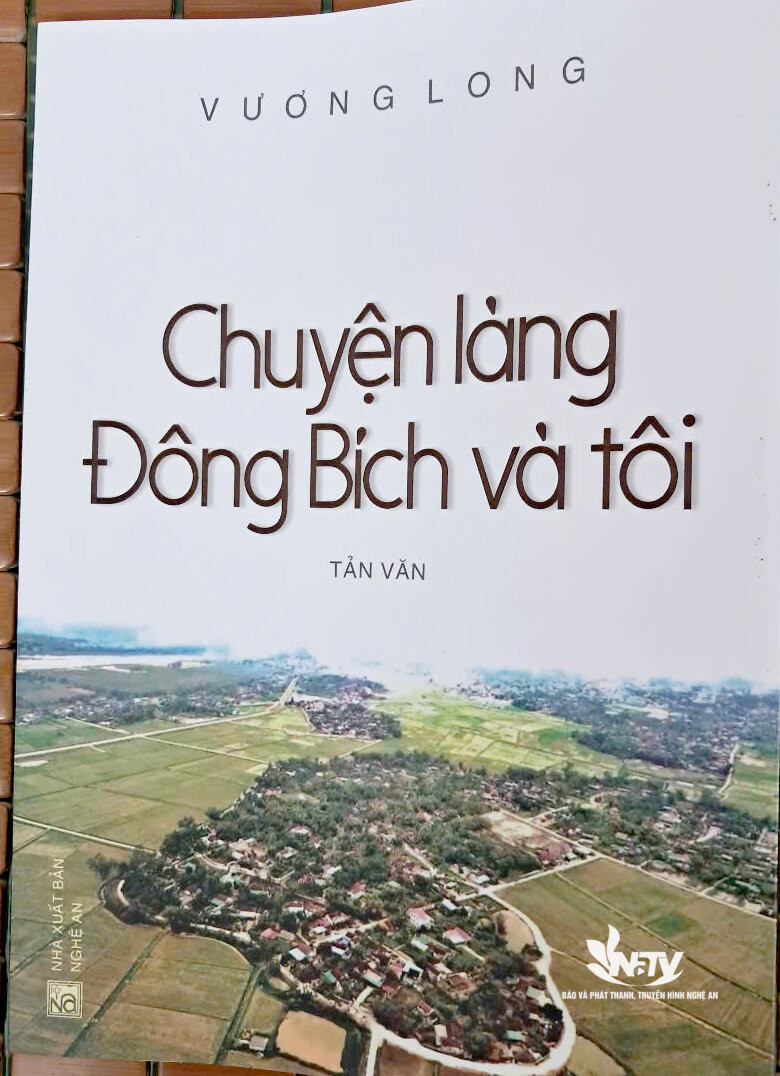
Notably, the poetry collection "The Vuong Family - Selected Poems" brings together works from many generations, with 28 authors and nearly 1,000 pages, marking a significant effort to preserve the literary heritage of the family. More than just a collection of works, the book demonstrates respect for literature, the connection between those sharing a common ancestry, and the awareness of preserving the spiritual values of their homeland.
Beyond poetry, Dong Bich has also fostered another tradition – the tradition of valuing education. In many families, the education of their children is always a priority, and those who achieve success are mentioned as a source of pride and motivation for future generations to strive for. The villagers are not only proud of their poets, but also of the many successful individuals from their hometown who have contributed to education, science, culture, and society.
This tradition is continued through practical actions: caring for education, encouraging students, building a movement to promote learning and talent, and encouraging children and grandchildren to strive for success. Whether in their hometown or far away, many people still look towards their village, contributing their efforts to community activities, preserving historical relics, and caring for the younger generation. Currently, Dong Bich village has 160 households, and almost every family has someone working as a teacher or holding a university degree.
"The historical and cultural values, the spirit of learning, and the love of literature are the pride of the people of Dong Bich. The village has historical relics, famous people, a tradition of learning, and a love of poetry. These are precious things that we always want to preserve. The important thing is how to ensure that this tradition is not only remembered, but also becomes a driving force for the people to unite, build their homeland, and for future generations to continue to develop."
Mr. Phan Chinh Dung - Head of Trung Son hamlet, Thuan Trung commune
Like many other villages, Dong Bich village is changing every day. Roads are being widened, houses are becoming more spacious, and people's lives are gradually improving. Amidst these changes, the village still retains its spiritual pillars: historical relics, the ancient banyan tree, stories about ancestors, a love of poetry, and a tradition of valuing education.
Cong Kien