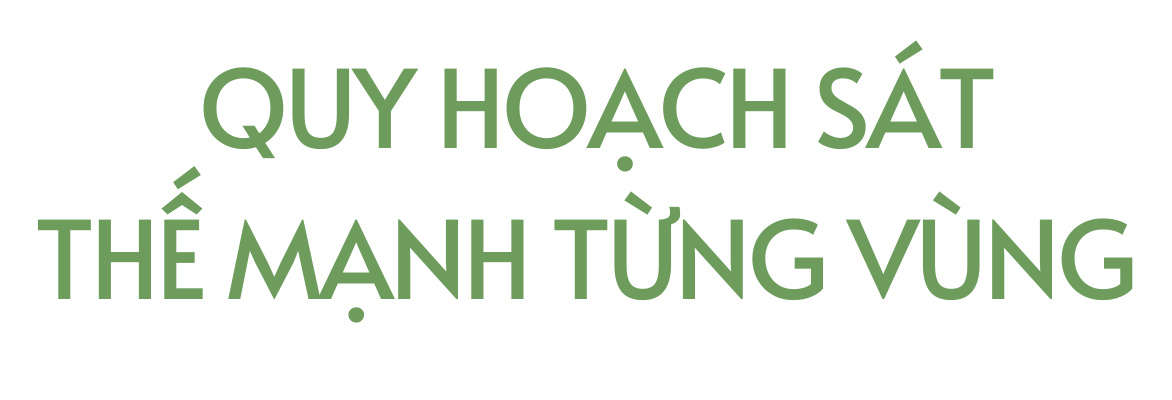
The transformed appearance of Hanh Dich commune today has "masked" the inherent difficulties of this remote commune, with most roads now paved with concrete, houses built in a modern style, and production and livestock farming models clearly planned. According to Mr. Lo Van Viet, Chairman of the People's Committee of Hanh Dich commune, this transformation is due to the district's directives and the actual situation. The commune has planned three production and livestock farming zones based on the advantages of each village and hamlet. In addition, there is a conservation and development zone for medicinal plants such as *Mu Tun*, *Bo Bo*, and *Chè Hoa Vàng* in Quang Vinh, Hanh Tien, and Long Tien hamlets; and the development of ecotourism linked with community tourism in the Seven-Tier Waterfall area and the ancient Thai village of Long Thang.
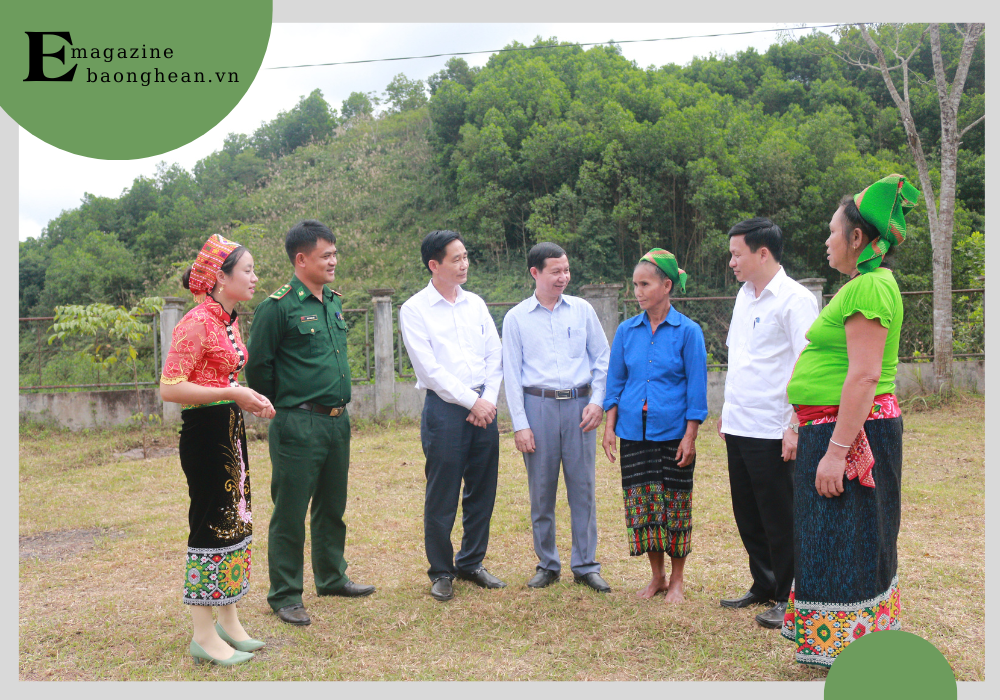
Currently, Hanh Dich commune has 5 households operating homestays to serve tourists visiting for sightseeing and relaxation. In addition, it maintains and develops 23 effective economic models, such as: a model of planting sorghum on an area of 10 hectares with 4,000 plants supported by the District People's Committee; a model of breeding female buffaloes supported by the 4th Economic-Defense Brigade for 32 poor and near-poor households in Vinh Tien village; and a model of growing taro in Long Thang and Quang Vinh villages… In 2023, the poverty rate in the commune decreased by 5.17%, with 32 households escaping poverty.
In Thong Thu commune, economic development has focused on three main priority areas: the border region, prioritizing the planting of raw material forests and the development of livestock farming; the outer region, focusing on investing in high-yield, high-quality rice varieties, strengthening the development of small-scale industries, and planting forests; and the area around the Hua Na hydroelectric reservoir, focusing on developing eco-tourism services, cage fish farming, and the development of bamboo and rattan forests.
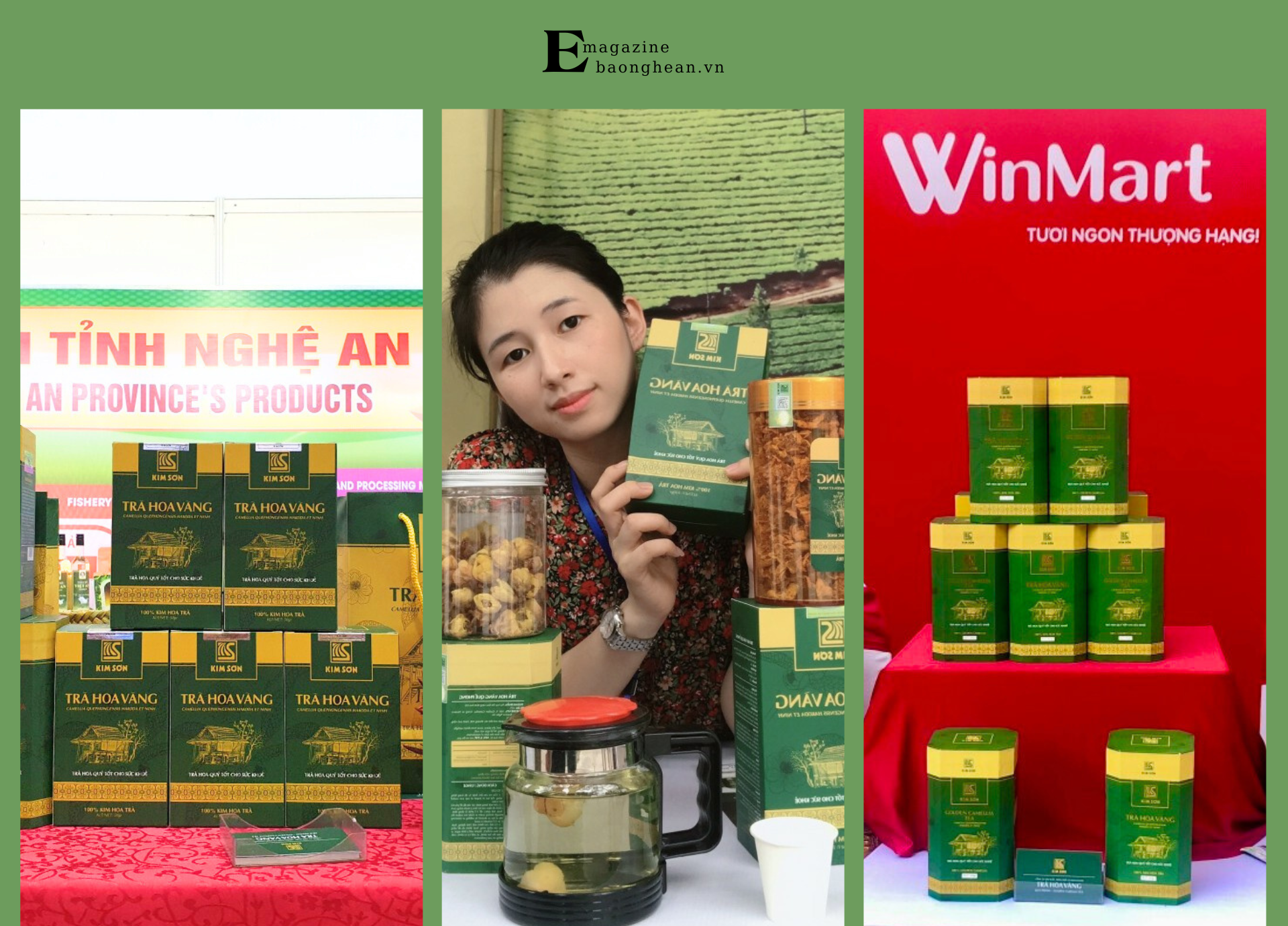
To realize the above objectives, Thong Thu commune has mobilized the maximum area of agricultural land for rice cultivation (the total area of rice planted in 2023 reached 196 hectares, an increase of 23% compared to the beginning of the term and exceeding the target by 28.15%). Forest conservation and protection have been emphasized, covering 32,729.79 hectares. The exploitation and processing of non-timber forest products such as bamboo, reeds, fresh bamboo shoots, and medicinal plants have increased significantly annually, thereby generating substantial income from forestry development. Currently, the entire commune has 313 hectares of reed-covered forest that have been granted Sustainable Forest Management (FSC) certification.
In particular, the aquaculture area in Thong Thu commune has expanded to 19 hectares, with an estimated production of 47 tons, an increase of 2.62% compared to 2020; the number of fish cages has reached 227, providing a stable income for people in the villages around the reservoir. There is a model of raising climbing perch, where after 6 months each fish reaches an average weight of 2-2.5 kg, and after double the rearing time, the weight reaches 3-4 kg/fish; with a selling price of 150,000-200,000 VND/kg, the household earns hundreds of millions of VND upon sale.
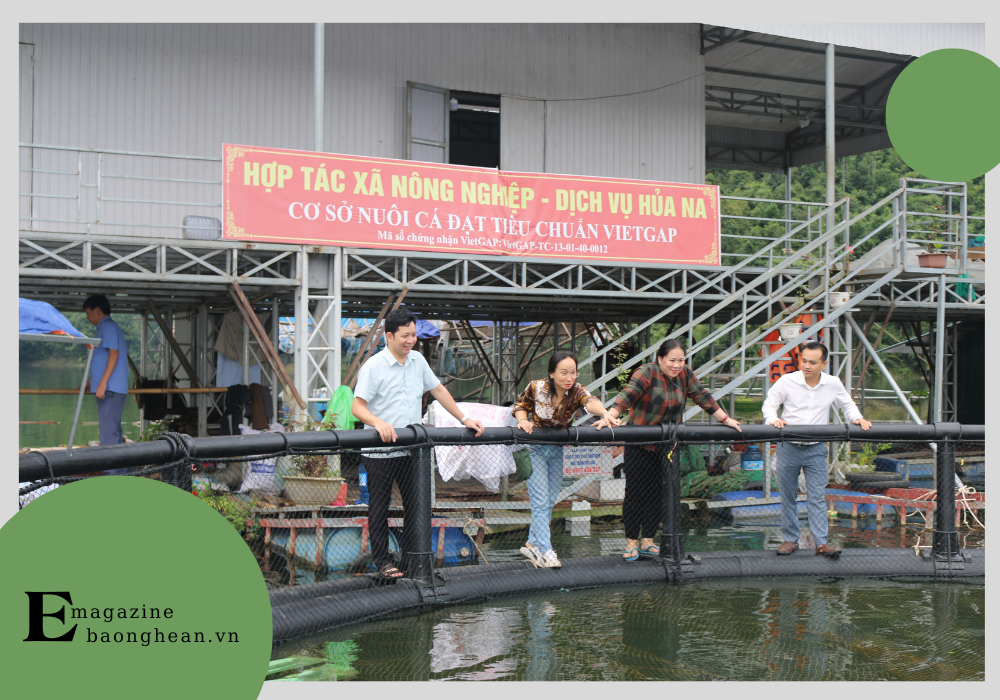
In Chau Kim commune, besides areas for vegetable cultivation and livestock farming, Lien Phuong village has been identified as a suitable area for growing Japonica rice; to date, 185 households in the village have received support in terms of seeds and fertilizers to cultivate on an area of 50 hectares, with an average yield of 62 quintals/hectare. Ms. Ngan Thi Minh, a Japonica rice grower in Chau Kim commune, said that with its fragrant and delicious rice quality, Japonica rice fetches twice the price of other local purebred and high-yield rice varieties, so the villagers are very enthusiastic about cultivating it…
During the 2020-2025 term, to gradually realize the goal of making Que Phong district a prosperous district in the Northwest region of Nghe An province, along with 6 key tasks, the Party Committee and people of Que Phong district are united in implementing 4 strategic breakthroughs. Among these, the breakthrough focusing on promoting the application of science and technology in production to improve productivity, quality, efficiency, and competitiveness, especially in commercial agricultural production, is given special attention.

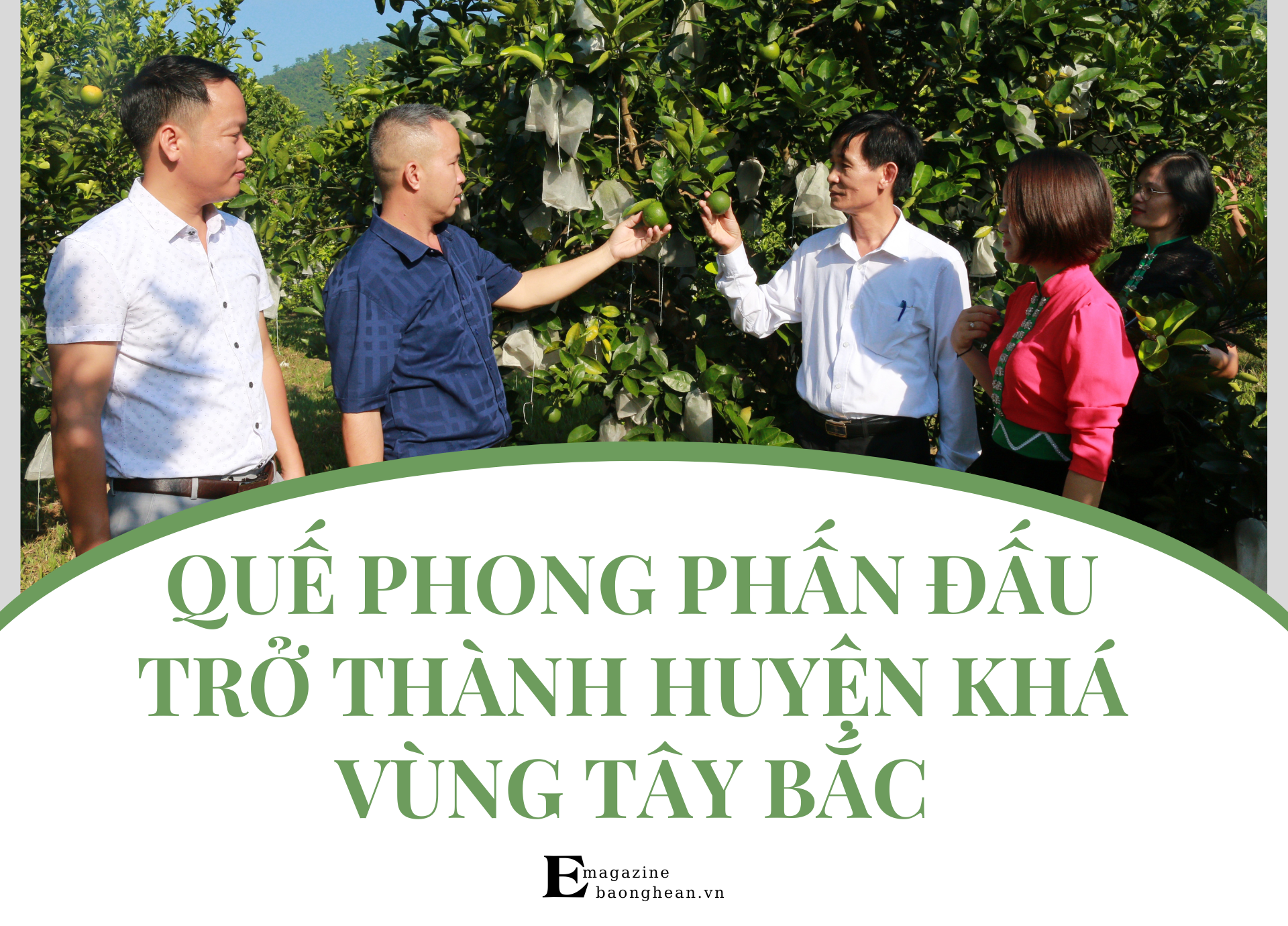
During the period 2021-2023, the district proposed 6 models and 2 projects applying science and technology, of which 3/4 models were evaluated as successful and have the potential for replication, including: Establishing a medicinal herb garden of golden flower tea plants in Chau Kim commune; Preserving the local glutinous rice variety (khau cay noi); and Preserving the genetic resources of the Quang River spiny softshell turtle.
The district has also proactively sought and connected with investors focusing on various sectors, thereby attracting 2 new investment projects with a total investment of over 285 billion VND; 3 mining projects are currently undergoing procedures for investment licensing. Simultaneously, the district has proactively developed a list of 7 projects to focus on attracting investment during the 2021-2025 period.
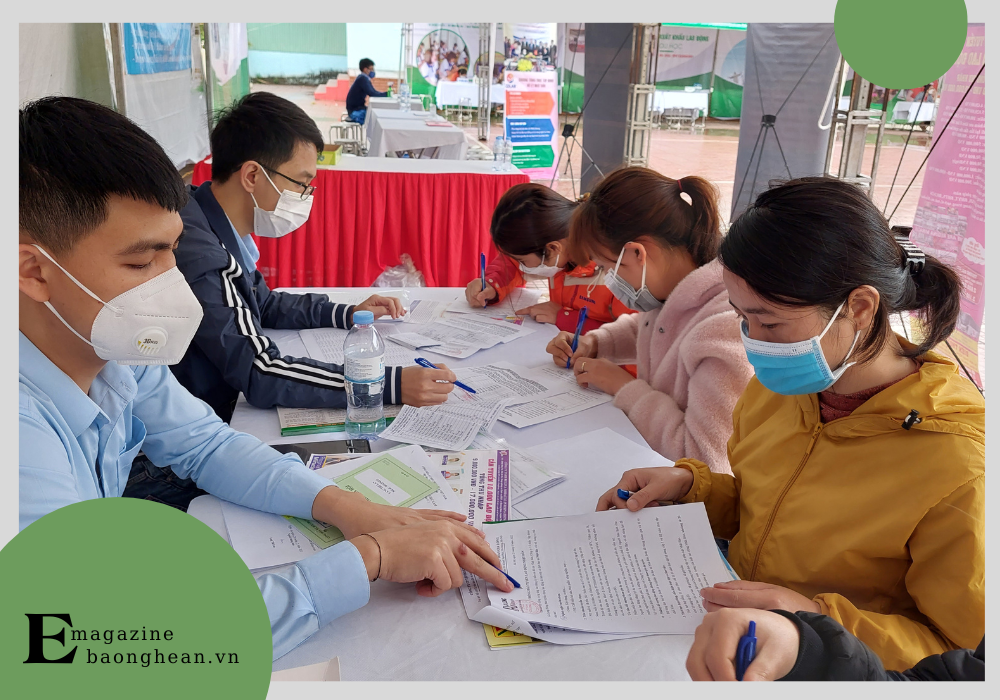
Notably, the intensified propaganda and mobilization efforts, the renewal of thinking, and the overcoming of stagnant attitudes, along with the awakening of aspirations, the will to strive for progress, dynamism, creativity, innovation, and development, have created momentum for poverty eradication, livelihood creation, job creation, improved living standards, and sustainable poverty reduction in the district. The poverty rate is estimated to have decreased by 5.29% to 35.6%, with the near-poverty rate at 32%; 646 households escaped poverty in 2023.
Mr. Duong Hoang Vu, Chairman of the People's Committee of Que Phong District, stated: The goal set at the 22nd District Party Congress, term 2020-2025, is to strive to reduce the multidimensional poverty rate by 3-4% per year by 2025 and complete housing for poor households. In the coming time, along with continuing to integrate and effectively utilize funding sources to support production development from the Central Government, the province, and the district budget, Que Phong will implement and support people in expanding existing models, as well as implementing new models. The district will also focus on linking local authorities, businesses, and farmers to improve the effectiveness of the models; focusing on building brands, promoting trade, and researching markets for people's products…