As I hoisted the national flag in front of our house to commemorate the 77th anniversary of the August Revolution and National Day on September 2nd, I overheard my 7-year-old son talking to his cousin, who is 3 years older than him:
"Do you know how many people were in our army when it was founded?" "Only 34," the boy replied, while his sister mumbled in response.
– So, do you know how badly our soldiers were wounded in the first battle?
…I bet you don't know! Only one of our soldiers had his little finger broken, while the enemy had two outposts destroyed. Those were the Phai Khắt and Nà Ngần outposts! Our soldiers are amazing, aren't they!
"Who told you that?" the older sister asked.
– It's my grandfather and father, of course!
I felt a warmth in my heart listening to the children's conversation, and I also felt truly proud to have been born and raised in this land, this homeland, this country.
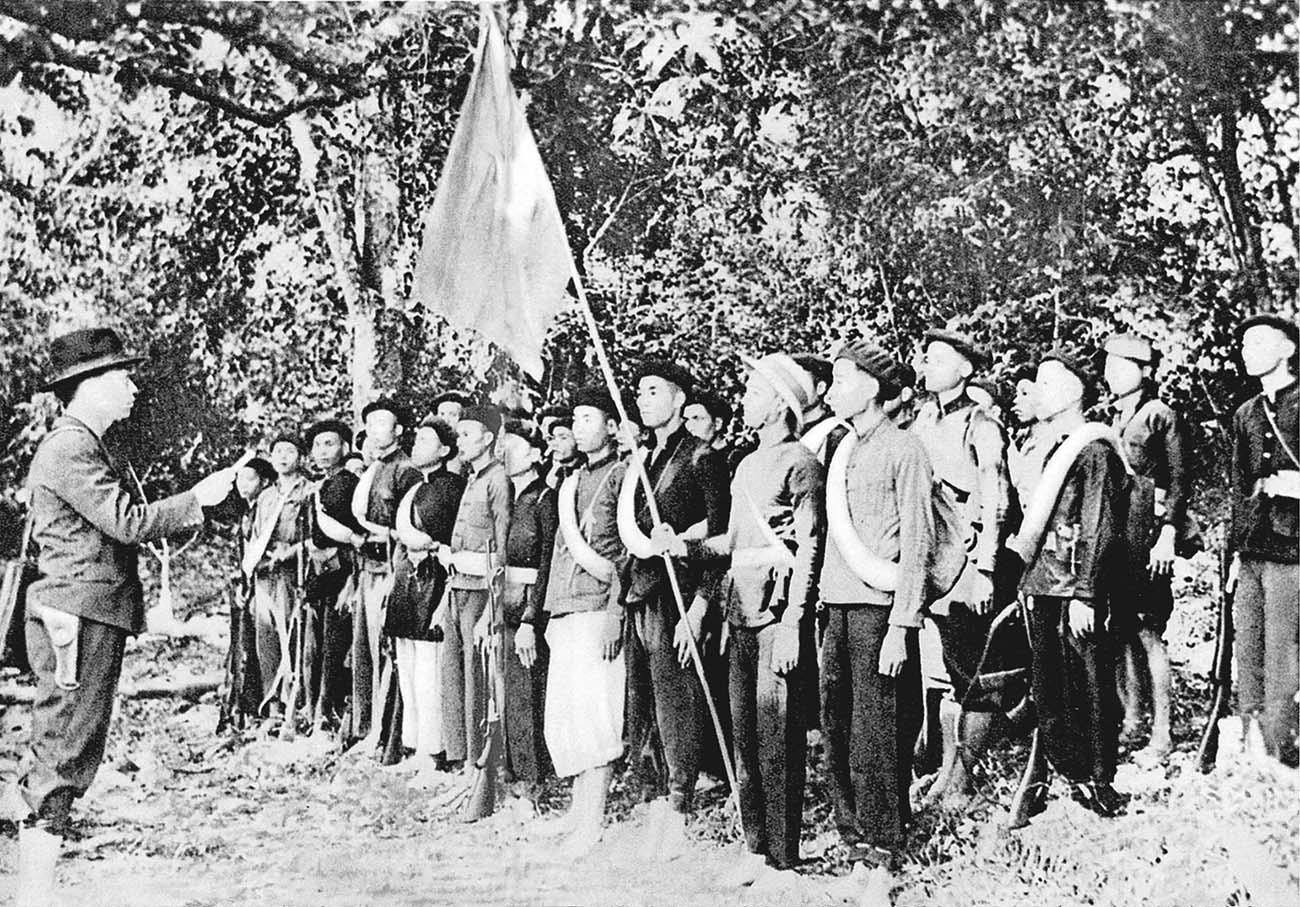
Perhaps millions of Vietnamese hearts are filled with immense pride in their country's history. Pride in the event of December 22, 1944, in the Tran Hung Dao forest, Tam Kim commune, Nguyen Binh district, Cao Bang province, where the Vietnam Propaganda and Liberation Army was established according to the directive of President Ho Chi Minh. Initially, the force was called the Vietnam Liberation Army, but at the time of its establishment, our strength and capabilities were not yet sufficient. Therefore, according to President Ho Chi Minh's directive: "The name Vietnam Propaganda and Liberation Army means that politics is more important than military affairs, it is a propaganda team… and at the same time it is the starting point of the liberation army, it can go from South to North…".
Just three days after its formation, on December 25th, the entire unit used a clever tactic to launch an attack and completely capture the Phai Khat outpost. Following that, on December 26th, the unit attacked and completely destroyed the enemy's Na Ngan outpost. As a result, we killed 5 enemy soldiers, captured 34 others, and seized 34 weapons, ammunition, and some military equipment. Although the initial victory was modest in scale, it had immense military and political significance, creating strong confidence within the Party and the people in an army born from the people, growing thanks to the people, and fighting and sacrificing for the people.
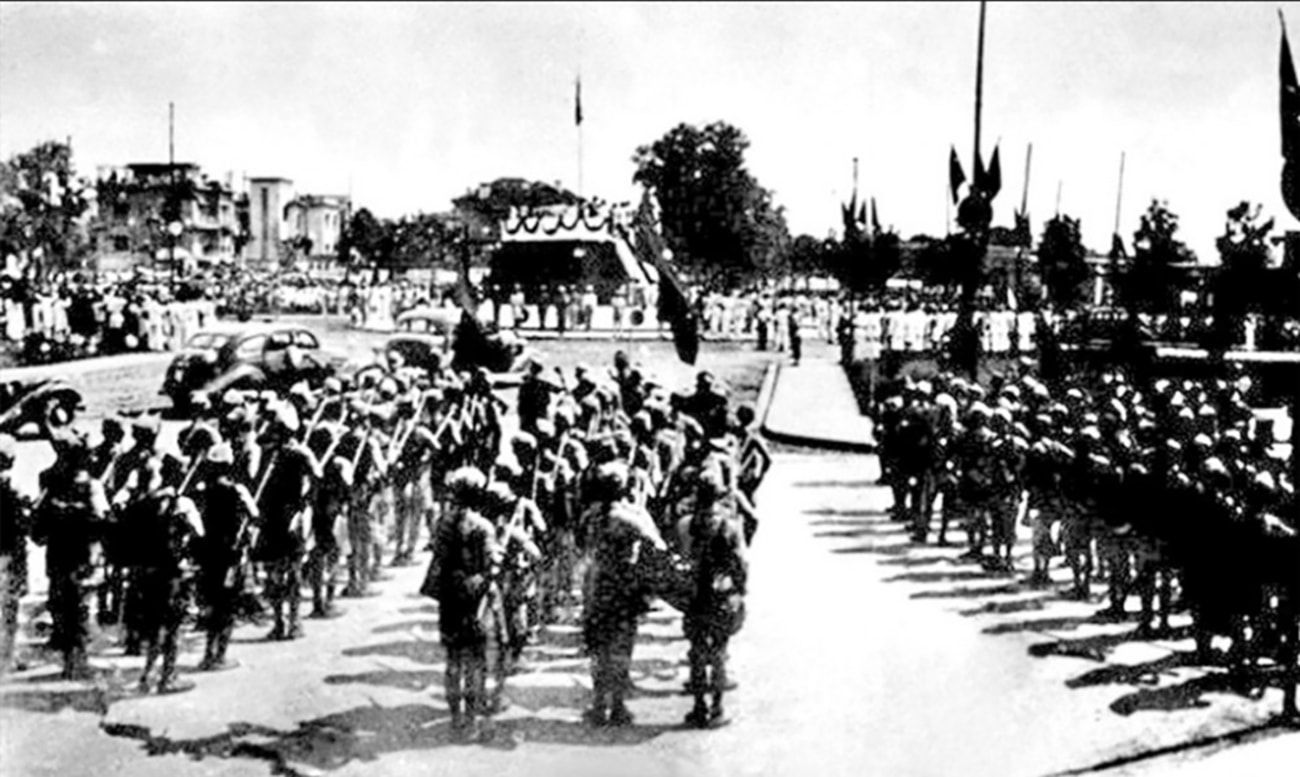
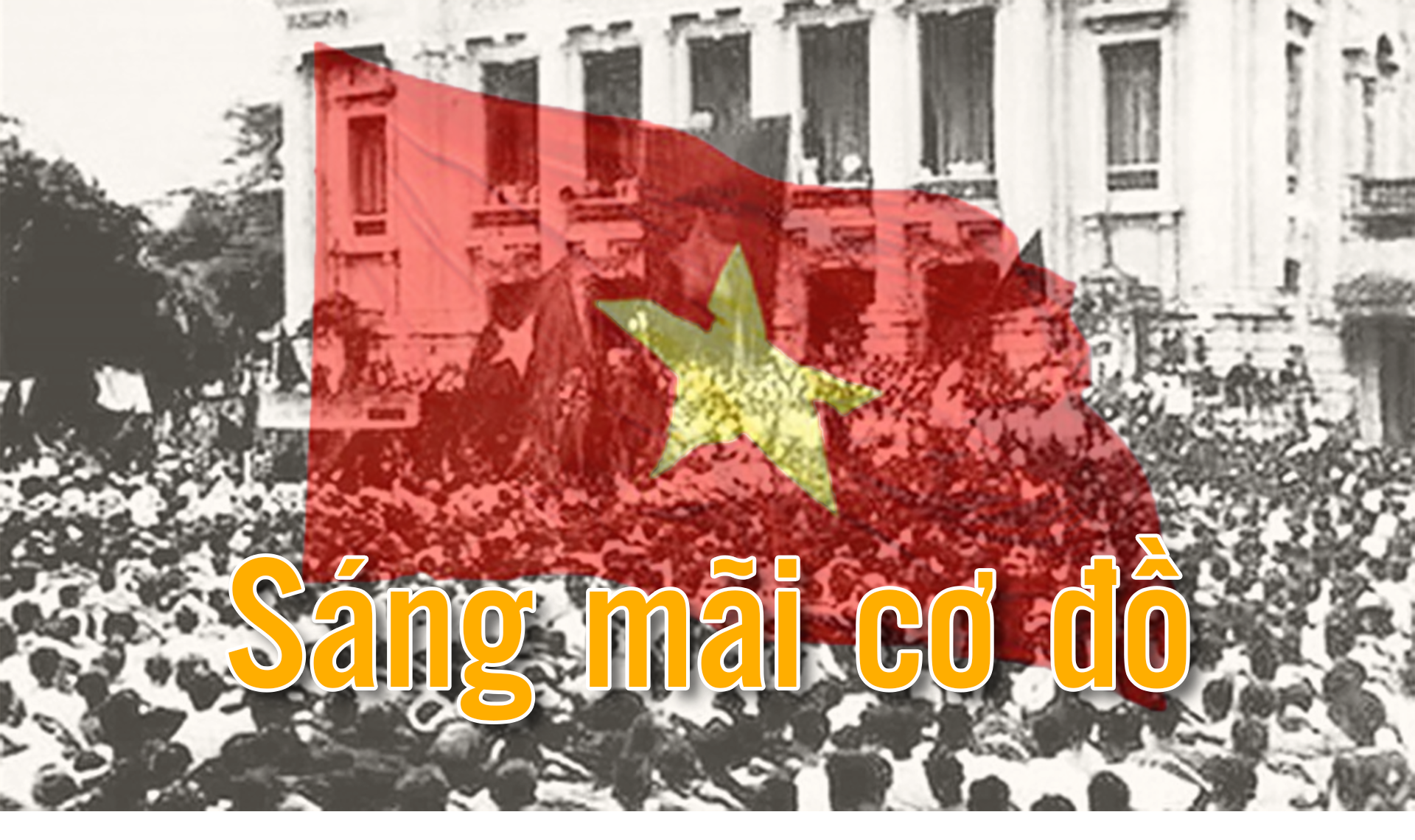
Less than a year later, from its humble beginnings, the Vietnamese revolutionary armed forces, together with the masses throughout the country, surged like a flood to create the earth-shattering August Revolution of 1945. Then, on the morning of September 2nd, in "Ba Dinh Square, the capital of golden flowers and sunshine, where millions of hearts waited, even the birds fell silent," President Ho Chi Minh read the Declaration of Independence, giving birth to the Democratic Republic of Vietnam. He declared to the world that:"The Vietnamese nation has the right to freedom and independence, and in fact has become a free and independent nation. The entire Vietnamese people are determined to dedicate all their spirit and strength, lives and property, to upholding that right to freedom and independence."
Since that autumn, a new era for the nation has begun – the era of national independence linked with socialism. And let me quote General Secretary Nguyen Phu Trong at the opening ceremony of the 13th National Congress of the Party:"With all humility, we can still say that our country has never had the foundation, potential, position, and international prestige it enjoys today."