
On August 23rd, during a meeting with the Supervisory Delegation of the National Assembly of Nghe An province, the leaders of Nghe An Friendship General Hospital proposed that the province and the central government establish a special mechanism to help the hospital soon achieve special status.
Specifically, Mr. Nguyen Van Huong – Director of Nghe An Friendship General Hospital – proposed: “During the construction of the North Central Region's top-tier hospital, to perfect the organizational structure and better meet the healthcare needs of the people, Nghe An Friendship General Hospital requests the approval of the Nghe An Provincial People's Committee and relevant departments and agencies to establish a Nuclear Medicine Oncology Department. At the same time, the province and the Department of Health should create the best possible conditions for the unit when it becomes a Group I autonomous unit. Support the hospital in health insurance settlement, and provide a special mechanism to build the hospital to be worthy of a regional hospital and soon become a Special Class hospital.”
Previously, on March 25, 2021, the Nghe An Friendship General Hospital was recognized and assigned the task of being the highest-level medical examination and treatment center in the North Central region by the Minister of Health in Decision No. 1670/QD-BYT. In addition, the Nghe An Friendship General Hospital is a satellite unit of many central-level hospitals. It can be affirmed that this remains the best medical examination and treatment facility in Nghe An today.
So what exactly is a special-grade hospital? What conditions must it meet?
In simple terms, a hospital classified as "special" needs to meet certain "hard" criteria such as: a long-standing tradition, meeting criteria regarding the number of beds, departments, wards, and centers; a highly qualified and skilled team of doctors, nurses, and medical staff; and being a medical facility that effectively implements and masters high-tech medical procedures. To date, six medical facilities nationwide have been recognized as special-class hospitals: Bach Mai Hospital, Viet Duc Hospital, Cho Ray Hospital, Hue Central Hospital, Military Hospital 108, and Thai Nguyen Central Hospital.
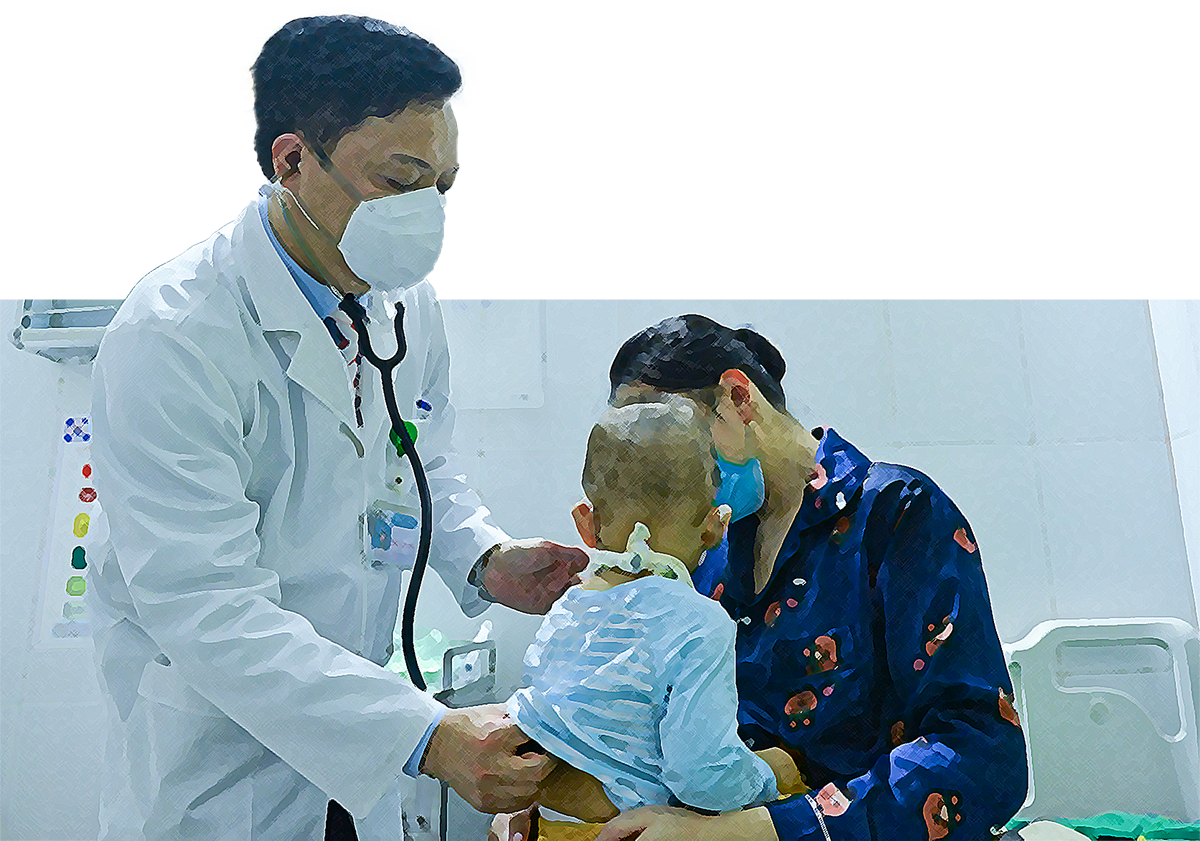
The desire of the leadership of the Provincial Friendship General Hospital to become a top-tier hospital is correct, appropriate, and in line with current trends. However, before that becomes a reality, special attention must be paid to the team of doctors, nurses, and medical staff. Why do I say this? Because for a long time, not only in Nghe An but also nationwide, there has been an increasing number of highly skilled and specialized doctors and medical staff with extensive experience transferring from the public sector to private medical facilities.
At the 7th session of the 18th Nghe An Provincial People's Council, term 2021-2026, Mr. Duong Dinh Chinh – Director of the Provincial Department of Health – expressed his concern, stating that from 2021 to the present, Nghe An has seen 119 medical staff resign, nearly half of whom are doctors. The primary reason is the inadequate remuneration. The Director of the Provincial Department of Health also stated that Government Decree 56 on special benefits for medical staff, after 10 years of implementation, is no longer suitable. Meanwhile, the prices of medical services at public health facilities do not meet practical requirements. Therefore, the policies and remuneration offered by public hospitals to doctors and medical staff are too low. For example, the head of the Nghe An Health Department cited that a newly graduated doctor working at a provincial-level public hospital earns only 5-7 million VND per month. Meanwhile, private hospitals pay between 15-20 million VND/month. For resident doctors, right after graduation, public hospitals pay between 15-20 million VND/month, while private hospitals pay between 70-100 million VND/month.
We always bestow upon doctors honorifics such as: medical ethics, compassionate healers, and merciful mothers. Indeed, regardless of the era or stage of development, these ethical values remain unchanged and are revered by society. However, there is also a folk proverb, summarized as a philosophical concept: "Only with substance can one uphold morality." Society cannot demand that a doctor always uphold medical ethics, work diligently and wholeheartedly, and continuously contribute and innovate without adequately rewarding them. To become a doctor, the first prerequisite is academic excellence, with top grades in specialized subjects; one must undergo seven years of university training, followed by several more years of specialist training, specialization, or residency. A doctor's training to practice medicine takes a total of ten years. And it seems that this is why many doctors, after graduating, both want to showcase their abilities and have the opportunity to earn enough to compensate for their hard work. But public hospitals don't easily help them satisfy both needs, especially with salaries and bonuses. Not long ago, a young doctor working at a state-run medical facility shared with the author that, at the hospital, the night shift pay for doctors "only amounts to tens of thousands, not hundreds." While the salary and other income of doctors may seem high compared to the general standard at the hospital, it's actually insignificant compared to society as a whole.
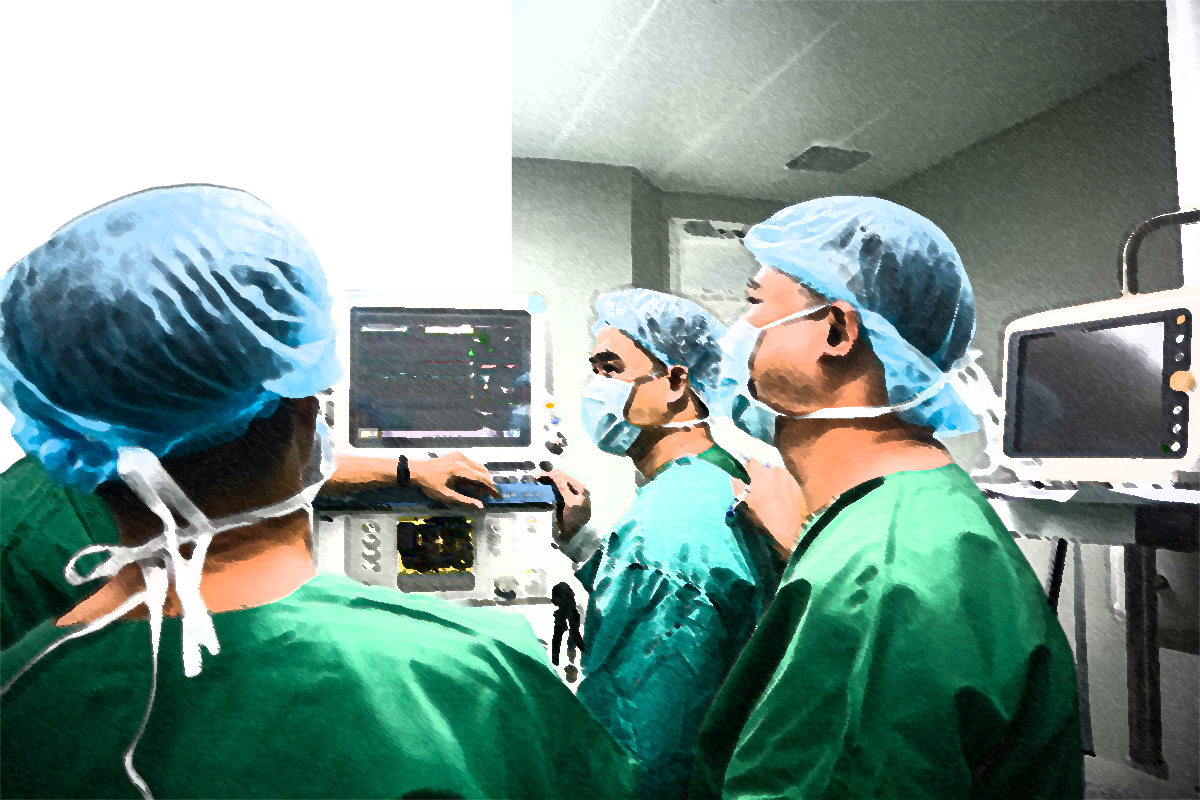
"But why are doctors so rich?" – many people ask. It's because they work outside the home. They open private clinics or participate in the activities of private hospitals and clinics after finishing their work at the medical institution. Many doctors even dedicate more of their time and effort to private medical facilities than to their official workplaces. That's a fact!
An ophthalmologist recently stated that after 10 years working at the top provincial hospital, he transferred to a private hospital in Ha Tinh. The reason? It was all about the income. Working outside the hospital, he earns around 50 million VND per month, and in his free time, he earns extra income from his personal clinic. Meanwhile, as this doctor said: "In state-run hospitals, there's no 'room to maneuver,' and doctors sometimes compete for even minor surgeries and procedures. A few envelopes of money from patients can easily lead to bad habits."
Nghe An is considered the central province of the North Central region. The province has also been designated by the central government as a priority area for investment, construction, and planning to become a regional medical center. In fact, excluding public hospitals and medical facilities, Nghe An currently has 16 private hospitals. In addition, there are many private clinics and treatment centers established by doctors. This is very encouraging for the people, giving patients more opportunities to choose medical facilities that suit their circumstances for examination and treatment. However, most patients, especially the poor, prefer to be treated and examined at public hospitals because they benefit from health insurance. Nevertheless, there is a concern about a paradox: the quality of medical services at state-run hospitals remains low, while controversies surrounding prescribing, prescribing, and bribery persist. In addition, patients are also worried that doctors may not be motivated enough to give them the best possible care.
The image is for illustrative purposes only. Source: 자료 (자료 - 자료).