



Nghe An province boasts numerous cultural and spiritual sites that represent the cultural heritage of Vietnam. These include the Cờn Temple (Hoang Mai town, considered the most sacred temple in Nghe An), the Cuông Temple (Dien Chau, associated with the legend of An Duong Vuong), the Quang Trung Temple (Vinh city, dedicated to King Quang Trung – Nguyen Hue), the Dai Tue Pagoda (Nam Dan), and especially the Hoang Muoi Temple (Hung Nguyen, dedicated to Saint Hoang Muoi – an important figure in the pantheon of the Mother Goddess worship system of the Vietnamese people)…
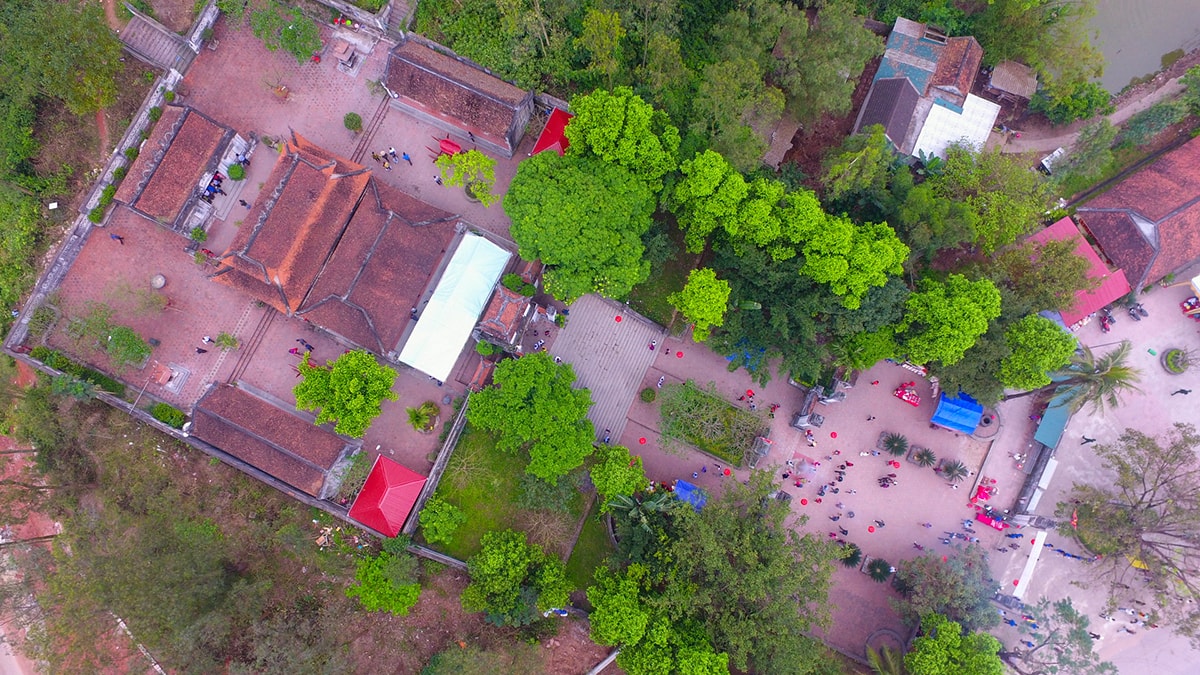
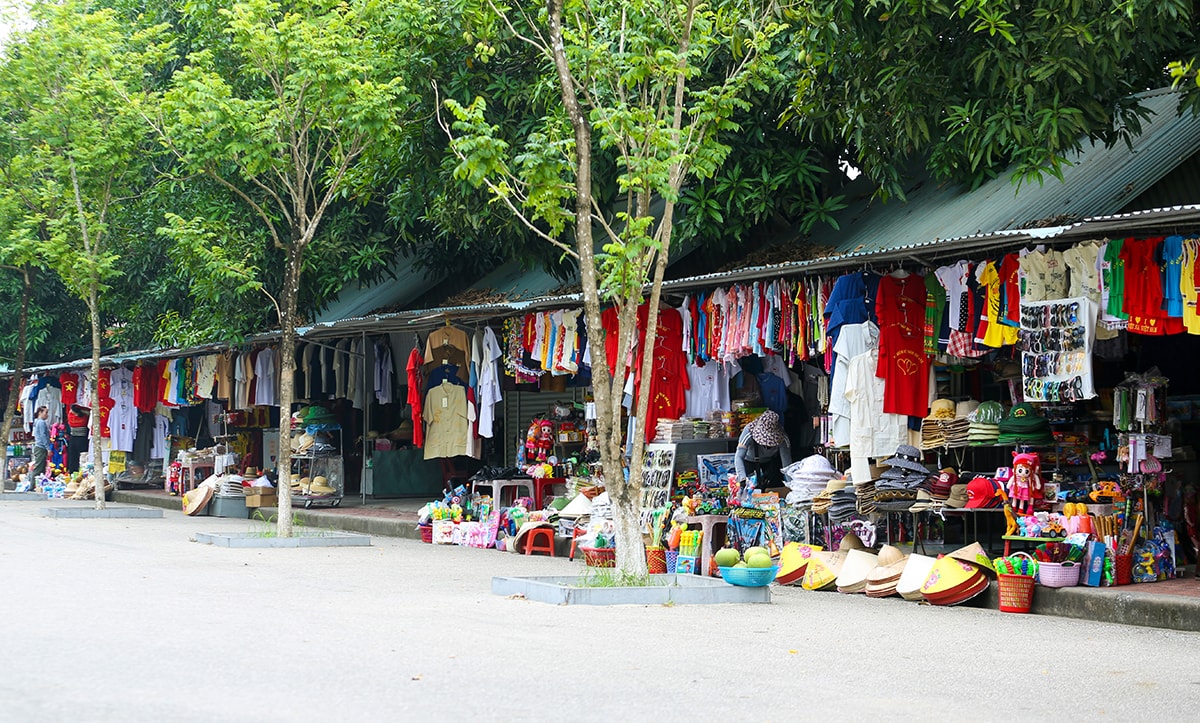
However, in recent times, the aforementioned cultural and spiritual sites have not attracted as many visitors as expected; and it must be acknowledged that even domestic tourists are not yet very impressed or aware of the value of these relics. And after visiting, many tourists are dissatisfied with the landscape and the service provided… During a pilgrimage to Hoang Muoi Temple, Ms. Nguyen Thi Hoa (from Hanoi) expressed: "Here, I find the parking area and the vending area to be poorly arranged, which diminishes the temple's solemnity."
Hoang Muoi Temple is a very famous destination, especially for people in Northern Vietnam who follow the Tam Phu and Tu Phu Mother Goddess worship. However, Hoang Muoi Temple has not yet been as effective as Hoang Bay Temple (Bao Yen district, Lao Cai province) or Cui Temple (Nghi Xuan district, Ha Tinh province) as a spiritual destination for tourists. While Hoang Bay and Cui Temples attract visitors year-round, Hoang Muoi Temple is only crowded during the main festival season (the beginning and end of the year).
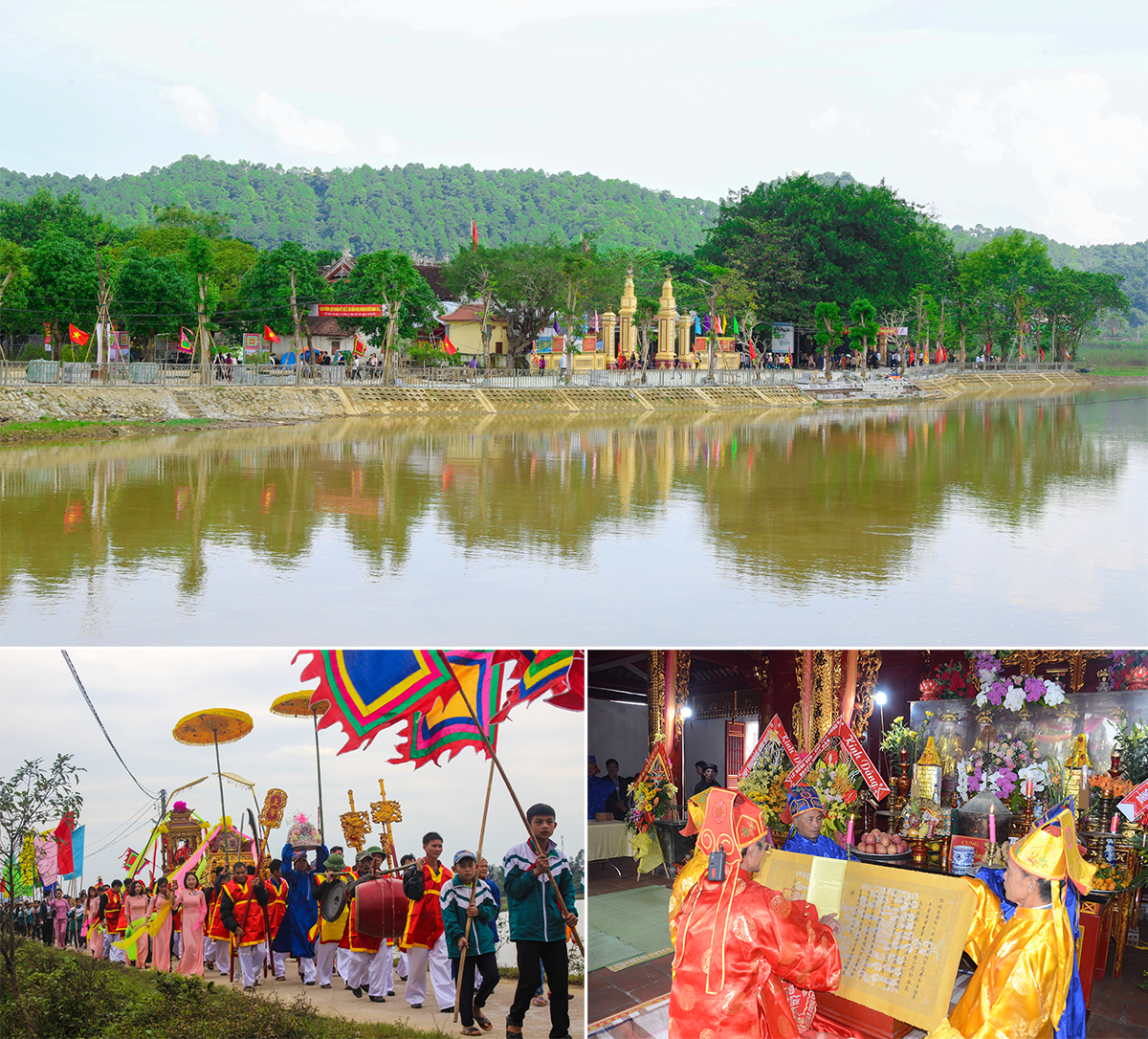
The limitations regarding the "destination" goal of Hoang Muoi Temple are highlighted, including: weak promotion efforts; lack of necessary and appropriate signposts; inadequate on-site service infrastructure; lack of connection between the temple and other historical sites in the province; monotonous surrounding landscape; and infrequent environmental sanitation, especially in the Vinh Giang River area in front of the temple… A practical comparison: Also dedicated to Saint Hoang Muoi, Cui Temple has a more beautiful landscape, with the Lam River flowing in front of Cui Temple offering a picturesque scene of boats and people…

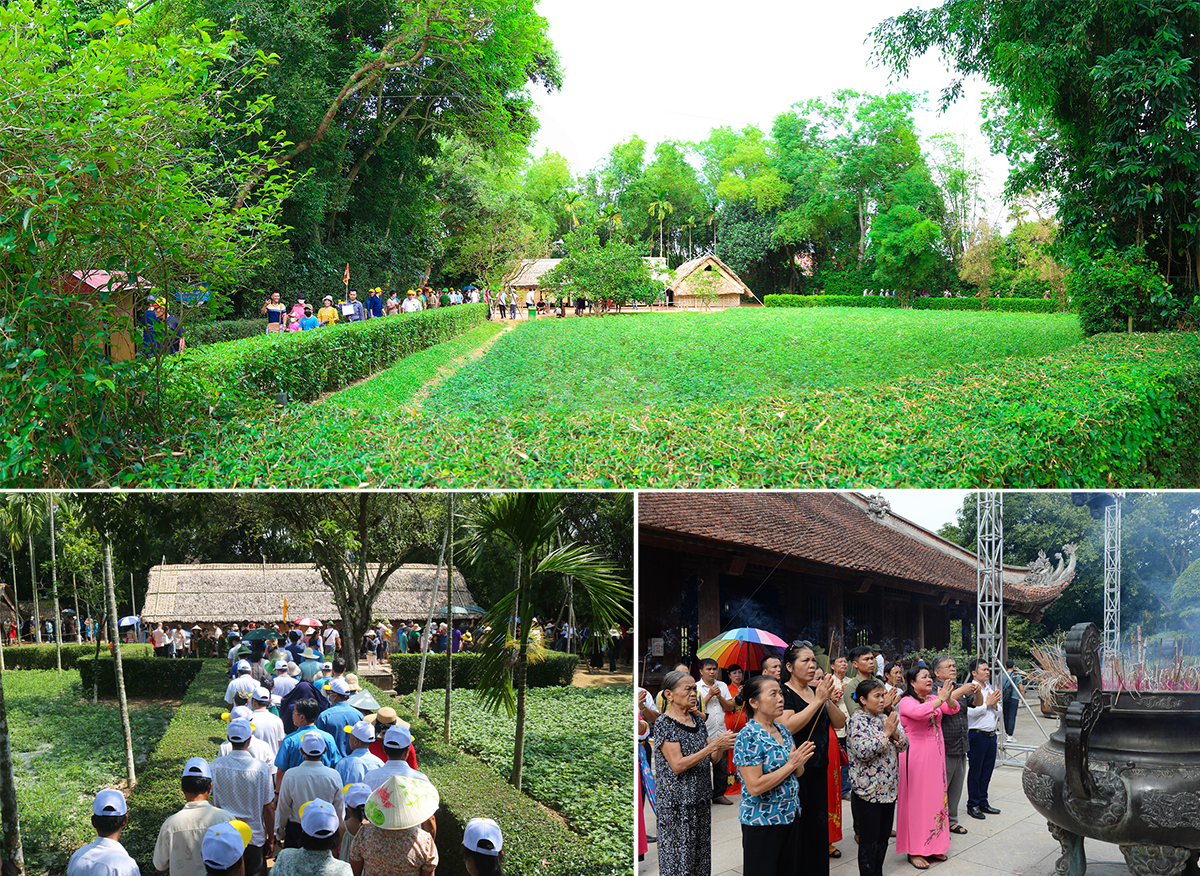
For many years, the Kim Lien National Special Historical Site has been a major tourist destination in Nghe An province. Annually, the site welcomes 1.2 to 2 million visitors, with some days seeing up to 500 tour groups comprising tens of thousands of people. However, the Kim Lien National Special Historical Site still fails to fully satisfy visitors. Many tourists express regret over the lack of food and accommodation services; they are disappointed that they cannot enjoy a traditional local meal or stay overnight to experience the peaceful atmosphere of President Ho Chi Minh's hometown.
Mr. Phan Trong Hoa, a tourist from Ho Chi Minh City, shared his impressions: “There are no accommodation services at the Kim Lien Historical Site; after visiting, we had to return to Vinh City. The souvenir sales are not well-organized and lack proper control. The souvenirs sold here are not very diverse, lacking many typical local products; many items are unsuitable as souvenirs or gifts. The areas for experiencing the traditional Vietnamese village around Uncle Ho's house are monotonous and similar, lacking uniqueness. They only show visitors the model, not the actual experience. Folk song performances seem to only take place on certain holidays.”

According to travel businesses, spiritual tourism and heritage tourism are among the most important types of tourism to attract visitors, as this type of tourism can take place year-round and is not affected by seasons. Nghe An – the birthplace of President Ho Chi Minh – with its vast system of historical sites, has great potential and advantages for developing this type of tourism. However, in recent years, the results of tourism in general, and spiritual tourism in particular, for Nghe An have been too modest and not commensurate with its potential.
Mr. Ta Khac Uyen – Vice Chairman of the Nghe An Tourism Association and Head of the Nghe An Travel Agency Branch – stated: The number and value of historical sites in Nghe An are immense; however, it must be said that the number of pilgrims is still relatively small, especially when compared to the number of tourists visiting cultural and spiritual sites in provinces such as Ninh Binh, Ha Nam, Quang Ninh, Tay Ninh, or An Giang… According to statistics, approximately 10 million pilgrims visit Ba Den Mountain (Tay Ninh) annually, and about 10 million also visit the Ba Chua Xu Temple on San Chau Doc Mountain (An Giang). It should also be noted that the spiritual and cultural aspect is not as highly valued in the South as in the North and Central regions, and many of the pilgrims to these sites are from Nghe An.
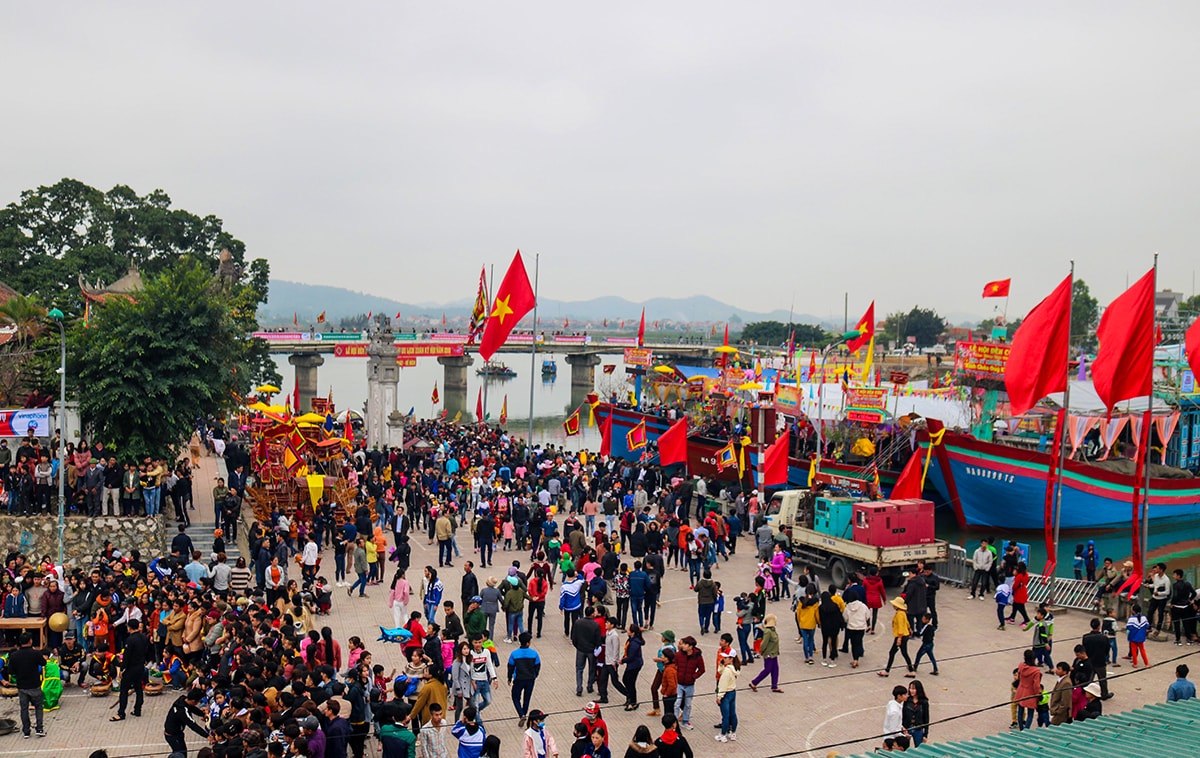
Why hasn't spiritual tourism and heritage tourism developed in Nghe An? According to our research: In recent years, various levels of government and localities in the province have made many efforts in protecting, restoring, and preserving historical sites. However, promoting the value of these sites has only focused on enhancing traditional education and satisfying the spiritual needs of local people, rather than truly linking them to tourism development goals. Currently, no historical site in Nghe An charges an entrance fee. The areas surrounding these sites and their vicinity lack tourism products and services for visitors to experience. In short, spiritual tourism and heritage tourism have not been given the importance they deserve.
Furthermore, the promotion of spiritual tourism and heritage tourism in Nghe An has not received sufficient investment. While other localities have learned how to "breathe life" into existing spiritual values to attract tourists and widely promote these values and stories, in Nghe An, many local people are still unaware of the historical sites in their area. For example, many people are unaware that Dai Tue Pagoda (Nam Dan), dedicated to the Goddess Dai Tue, has been recognized by the Vietnam Record Holders Association with four records: the pagoda on a mountain with the largest artificial lake; the pagoda with the most ruby statues; the pagoda with the most statues made from solid mulberry wood; and the pagoda with the most purely Vietnamese calligraphy couplets in Vietnam. Similarly, many are unaware of Lang Vac – the cradle of ancient Vietnamese people in the northwestern part of the province.

Many spiritual destinations lack supporting tourism products, or if they do exist, they are fragmented and small-scale, thus failing to maximize their potential. For example, there is a lack of shopping areas for local specialties and souvenirs; the selection is not diverse enough to attract tourists. Therefore, in tour itineraries, travel companies only include the most prominent attractions; the time spent on sightseeing and worship is primarily focused on religious practices, with little attention paid to shopping and, especially, accommodation needs.
Currently, regional connectivity and links between historical sites and other tourist destinations in Nghe An are not well-developed, leading to a situation where tourists don't know of any other places to visit besides their initial destination and pilgrimage to Kim Lien, President Ho Chi Minh's birthplace. Furthermore, the historical sites are quite far apart, lack appeal, and the roads are narrow and the tourism infrastructure underdeveloped, causing tourists to hesitate about whether or not to visit…
Mr. Ta Khac Uyen – Vice Chairman of the Nghe An Tourism Association and Head of the Nghe An Travel Agency Branch – suggested that for developing spiritual and historical tourism, Nghe An should focus on building, developing, and strongly promoting clusters of historical sites to stimulate demand. These sites should be located within the triangle of "Cua Lo – Vinh City – Nam Dan". Resorts and other tourist attractions should also be located within this triangle. Other historical sites and attractions should only serve as supplementary elements. Nghe An also needs to improve the quality of its human resources. Simultaneously, it needs to diversify souvenir products and increase the promotion of local OCOP products (3 stars and above) at tourist destinations.