
Rice prices in Nghe An province this summer-autumn season are at their highest level in the last three years. This is truly good news for rice farmers, as Nghe An produces over 1.1 million tons of rice annually, of which only one-third is used for domestic consumption, with the rest being surplus. The reason for the price increase is the rise in both the volume and price of Vietnamese rice exports, leading to fierce competition among traders for domestic rice. However, most of the rice in Nghe An is not for export but for domestic consumption, used to make noodles, cakes, and even animal feed.
A question frequently asked is: Vietnam is the world's third-largest rice exporter, so where does Nghe An stand in the current rice export market? The answer isn't difficult, because according to statistics from the Ministry of Industry and Trade, six businesses in Nghe An export around 30,000 tons of rice annually. However, all of this exported rice is purchased by Nghe An traders from provinces in the Mekong Delta. To clarify, has Nghe An's rice been exported yet? Yes, it has, but only a small amount goes to Laos.
This issue requires significant efforts from all levels of government, relevant sectors, and farmers to "position Nghe An rice in the market." Clearly, Nghe An's rice production reaching over 1.1 million tons annually, with two-thirds sold on the market, is a positive sign, indicating that rice production is moving towards a commercial model. However, to increase its value, rice must meet export quality standards. The government has approved the Strategy for the Development of Vietnam's Rice Export Market until 2030 (Decision No. 583/QD-TTg dated May 26, 2023, of the Prime Minister). This is one of the crucial factors in elevating the status of Nghe An rice.
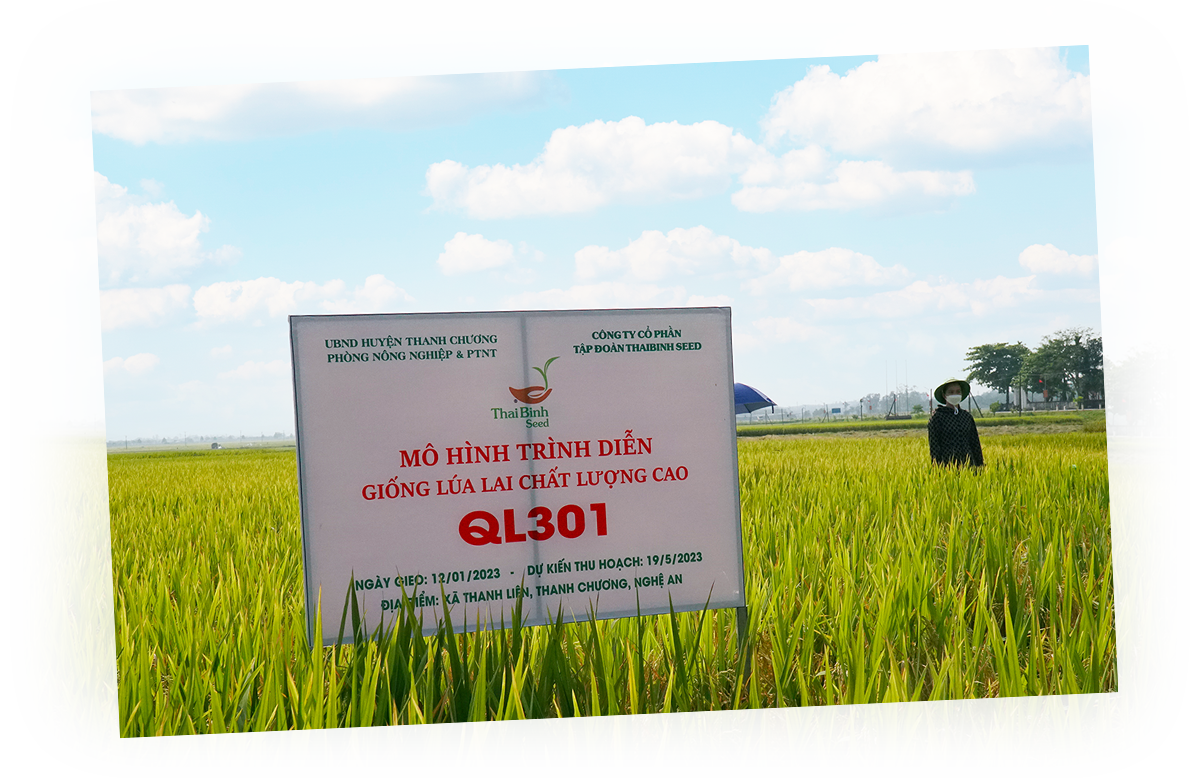
The People's Committee of Nghe An province issued Official Document No. 6128/UBND-KT (dated July 26, 2023) on implementing the strategy for developing the rice export market according to Decision No. 583/QD-TTg. Prior to this, many businesses and cooperatives in the province had already established linkages for producing high-quality, organic rice, linking it with processing and building the Nghe An rice brand. This pioneering effort is gradually contributing to the cultivation of high-quality rice varieties. Simultaneously, there is a strong application of scientific and technical advancements in production, care, harvesting, and post-harvest preservation to ensure the quality of rice suitable for export. The key issue is the need for stronger involvement from all levels, sectors, and rice farmers to widely implement high-quality rice varieties for export. Only then can the position of rice grains be quickly established, contributing to increased income for farmers. Nghe An's agricultural sector has long been focused on productivity, but to effectively position its products in the new era, a race to improve product quality is urgently needed for export.
Article by: Nguyen Nguyen
Illustrative photo: TP – PH