
These days, Vinh City is immersed in the colors of spring, with flowers blooming everywhere. Along the streets, trucks loaded with flowers arrive at various selling points. Apricot blossoms, kumquats, pomelos, chrysanthemums, orchids, camellias, roses… all display their vibrant colors. The atmosphere is bustling as many people come to see, admire, and buy flowers. Those selling flowers and ornamental plants come from all over. They are apricot growers from as far away as Binh Dinh, kumquat growers from Quang Nam, or peach blossom growers from Hanoi. They are farmers from rural areas who grow flowers to sell in the city, or people taking advantage of the days leading up to Tet to earn some extra money for the holiday.
Unfortunately, selling flowers is extremely risky, likened to a gamble by many. Renting space at high prices, living and sleeping in makeshift tents, and worrying about the flowers blooming or wilting quickly on sunny days. If the weather turns cold, the buds rot. They spend their days tending to the flowers, caring for them, and showing them to customers; their meals consist of cold boxed meals, hastily cooked instant noodles, or a simple sandwich. At night, they huddle in their tents, exposed to the wind. After enduring all this hardship and suffering, they only hope to sell everything quickly, earn a profit, and return home for Tet (Lunar New Year) to celebrate and reunite with their families. But this dream is rarely realized…
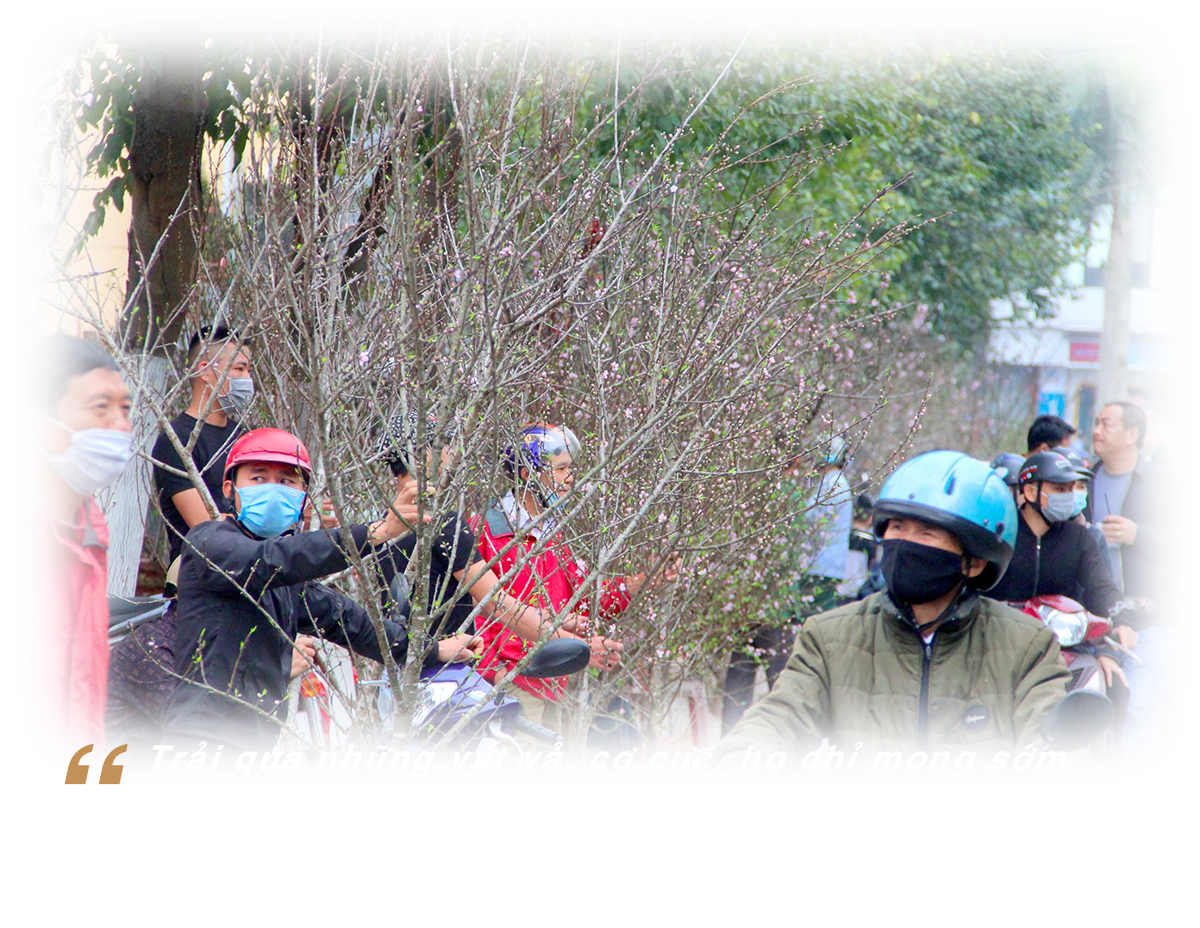
During Tet (Vietnamese New Year), everyone shops. Some people start shopping early, buying kumquats and apricot blossoms after the 15th day of the 12th lunar month, while those that wilt quickly are bought after the Tet Ong Cong, Ong Tao (Kitchen God) festival. Buying early is partly to decorate their homes for the Tet atmosphere, and partly to help flower vendors sell off their stock so they can return home for Tet, in the spirit of "everyone is happy." However, many people wait until the 29th or 30th of Tet, or even just before New Year's Eve, to shop, hoping that when the market closes, the sellers will have to sell off their stock at bargain prices.
I remember during Tet in 2017, a flower market in Southern Vietnam started bustling with activity from the 15th day of the 12th lunar month, but there were mostly people looking, checking, and asking prices; hardly anyone bought anything. It wasn't until noon on the 30th day of the lunar month that a large crowd gathered and haggled over prices. Many had to swallow their pride and sell at rock-bottom prices, trying to salvage whatever they could to get back to their hometowns for Tet. But some were determined to take their goods home, while others, in their anger, smashed their flower pots and threw the flowers away rather than sell them off cheaply.
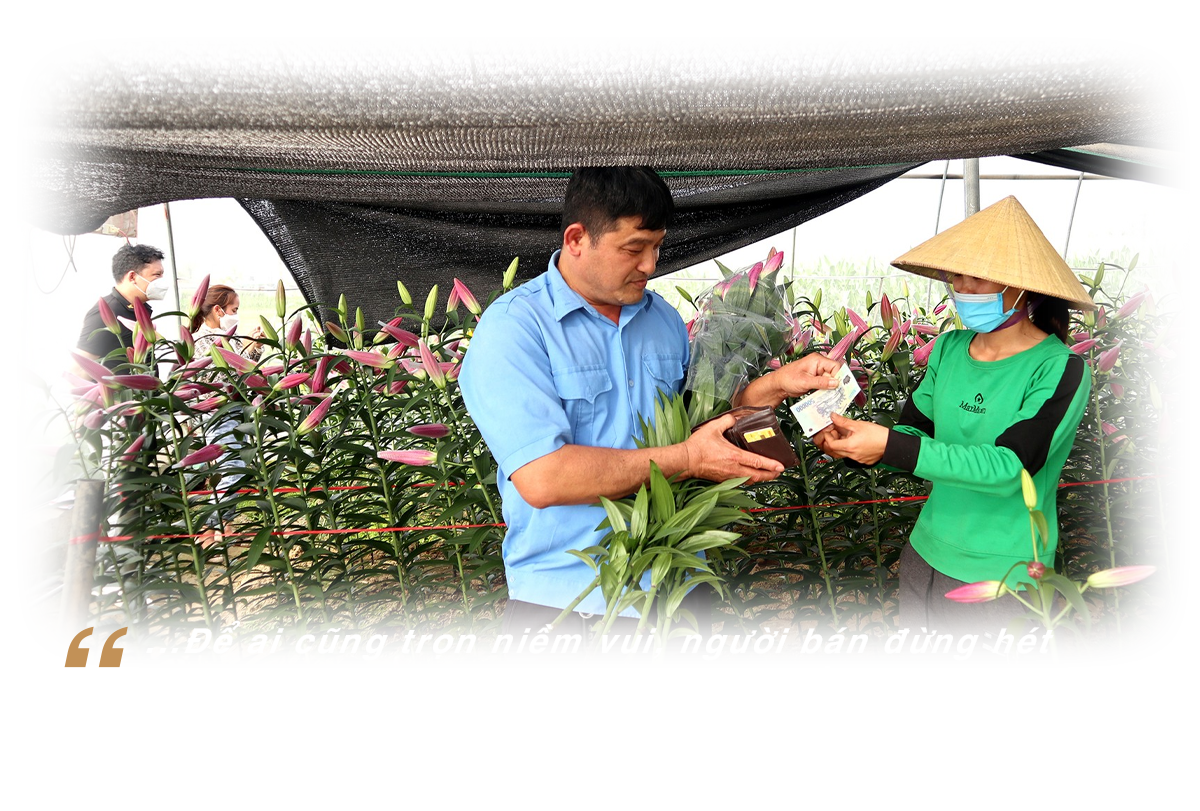
And in previous Tet holidays, flower vendors have often sadly endured unsold stock, losses, and even going bankrupt, but they absolutely refused to let buyers haggle over prices. And as Tet approaches, social media is flooded with messages urging people to "Don't wait until the 30th to buy flowers for Tet." One Facebook user shared: "Don't buy flowers or ornamental plants on the 30th of Tet if you can buy them earlier. Don't wait until noon, afternoon, evening, or even after New Year's Eve to buy them cheaper. Flower growers work hard all year round, meticulously caring for their plants through many stages. At the end of the year, they bring blankets and sleeping mats to their selling spots, guarding them for a whole week, standing in the middle of the road to sell regardless of rain or freezing temperatures, sleeping huddled under tarpaulins at night, while you sleep in warm blankets. So don't hesitate to share joy and smiles at the end of the year."
Tet is approaching, so that everyone can enjoy the festivities to the fullest. Sellers shouldn't overcharge, and those in need should shop early. Let everyone experience the joy of Tet, instead of a situation where "flowers bloom while people weep."
Article by: Tue Anh
Illustrative image: Archival material