
Health benefits of cabbage
As a popular food during the cold season, cabbage also has many therapeutic benefits and reduces the risk of diseases such as vitamin C deficiency, constipation, and obesity.
As a popular food during the cold season, cabbage also has many therapeutic benefits and reduces the risk of diseases such as vitamin C deficiency, constipation, and obesity.
Cabbage is a popular winter vegetable. The colder it gets, the tighter the cabbage curls, and the crispier and sweeter it tastes. From a nutritional standpoint, cabbage is a vegetable, but from a health perspective, it goes far beyond just a food.
Vitamin C deficiency: Carefree
Vitamin C is a common vitamin in everyday life. It has many uses: it strengthens blood vessel walls, boosts overall immunity, accelerates cell division, eliminates excess free radicals, and protects and promotes collagen production in the skin. A deficiency in vitamin C can lead to bleeding under the skin, increased risk of infection, and various other health problems.
If you happen to be deficient in vitamin C, choose cabbage as your food source. This vegetable is considered a natural source of vitamin C. People often think of oranges and lemons when they think of vitamin C, but surprisingly, cabbage contains even more vitamin C than these juicy fruits. Therefore, if you have subcutaneous bleeding due to vitamin C deficiency, peeling skin due to vitamin C deficiency, or bleeding gums due to vitamin C deficiency, choose cabbage as your meal today.
Chronic constipation: Cabbage is a direct remedy.
Chronic constipation is a dreaded ailment for many. It causes an uncomfortable feeling of heaviness and bloating in the abdomen. It leads to the accumulation of toxins from intestinal metabolism, causing insomnia, depression, headaches, and fatigue. It makes people afraid to eat and drink because the more they eat, the fuller their stomachs become, and the more they dread bowel movements. Each bowel movement feels like torture, with burning pain in the anus.
Don't worry, let cabbage help you. Among vegetables that treat constipation, cabbage is one of the most effective. The reason is that cabbage is very high in fiber. Fiber stimulates intestinal contractions, encourages the secretion of digestive juices, and increases the ability of the intestines to retain water. As a result, stools soften, bowel movements become more frequent, and people feel more appetite.
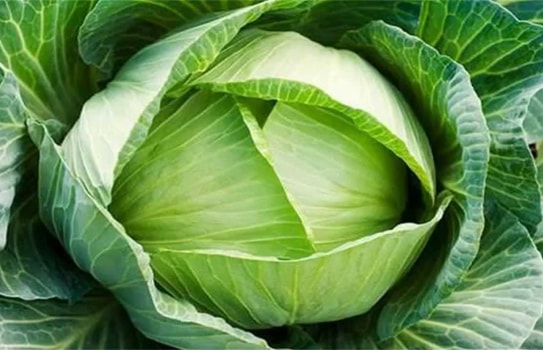 |
| Cabbage is a healthy food (Illustrative image: Internet) |
Slow wound healing: Cabbage patch
Wound healing is a complex process, requiring many factors such as vascular factors, growth factors, epithelial factors, and various nutrients like protein, fat, and vitamins. However, one of these factors is sulfur.
Sulfur is a substance that enhances the body's ability to kill bacteria, which are the main culprits behind infections. Sulfur helps the body clear out infected areas of pus, allowing for complete epithelial coverage.
If you happen to get a scrape or cut on your legs or arms, and despite proper treatment the wound isn't healing, you might be deficient in sulfur. Don't worry, continue treatment and remember to include more cabbage in your diet. This vegetable will provide you with more sulfur, which will help you fight bacteria and heal the wound better.
Cancer is hereditary: Lowering the risk
Cancer is a terrifying disease that threatens our lives. Although cancer is not hereditary—meaning that if a father has cancer, his child is not guaranteed to have it—it is clear that individuals in families with a history of cancer, according to a family tree, have a higher risk of developing cancer than others.
Actively consume cabbage if you want to lower this risk. Cabbage is believed to lower the incidence and risk of bowel cancer in vulnerable individuals, especially stomach and colon cancer. Why? Because cabbage helps relieve constipation, which is very bad for your colon. Cabbage is also a vegetable rich in vitamin C, which helps eliminate excess free radicals, a factor that causes malignancy in damaged cells.
In particular, cabbage contains many substances with anti-cancer activity such as lupeol, sinigrin, and sulforaphane. These substances are known to help inhibit tumor growth. Therefore, cabbage will be an effective shield for you.
Chronic rheumatism: Cabbage may reduce pain.
Chronic rheumatoid arthritis causes very unpleasant swelling and pain in the joints. It makes movement difficult every morning, causes joint stiffness every afternoon, and makes walking difficult and painful with every movement. If these things are really hindering your life, cabbage may help.
Cabbage isn't a painkiller, but it is a food that can help reduce inflammation. Its anti-inflammatory properties reduce swelling in the joints, lessen pain during movement, and restore joint lubrication. Why does cabbage have this property? The simple reason is that cabbage contains cadmium-binding complexes, such as glutamine-cadmium complexes.
Glutamine-cadmium is a complex with strong anti-inflammatory activity. It inhibits the activity of white blood cells in benign joints, reducing the activation of inflammatory chemical mediators, thereby allowing the joint to gradually recover. Besides fighting arthritis, cabbage is also found to fight inflammation in cases such as feverish inflammation, bacterial infections, dermatitis, and sore throat. You should eat the young, white inner part of the cabbage for the highest concentration of this compound.
Tired eyes? Cabbage will help.
The eyes are our most important information-receiving organs. After passing through the transparent parts of the eye, light reaches the retina. Here, photosensitive substances receive the light, allowing you to see objects and colors clearly.
If you experience eye strain, blurred vision, or eye pain, it's possible your retina is having problems, lacking light-sensitive substances in the photoreceptor cells, making it more difficult to receive light. The eyes have to work harder to see clearly, leading to eye strain and fatigue.
In this case, cabbage is quite helpful. The aforementioned discomforts will be noticeably alleviated if you make an effort to include cabbage in your meals very often. Why is that so miraculous? Because cabbage, like carrots, is rich in beta-carotene, a precursor to photosensitive substances in the retina of your eye. When you consume cabbage as a food, your eyes will no longer lack these valuable photosensitive substances. Everything becomes clearer and sharper.
 |
| Cabbage is rich in beta-carotene, a precursor to photosensitive substances in the retina (Illustrative image: Internet) |
Obesity: Cabbage removes excess fat.
Obesity is a problem of our time, causing discomfort for those with strong appetites. You look at fried foods with longing, you look at a glass of milk with craving, you look at a plate of meat with eager anticipation. Don't worry, you don't have to give them up completely. You can still eat them, provided you eat them with cabbage as an accompaniment.
Cabbage can be quite effective for weight loss. It doesn't contain any weight-loss drugs with many side effects; it simply possesses surprisingly beneficial weight-loss properties. Cabbage is full of fiber, which will fill your stomach and reduce your appetite because you'll feel too full. Cabbage is very low in calories, so even if you eat a lot, you won't gain weight.
Cabbage slows down and reduces fat absorption, thus preventing fat accumulation and reducing obesity. If you want to lose weight, try making a cabbage soup with plenty of vegetables and eating it first. If you persevere, you'll see surprising results; layers of excess fat will be shed, restoring your slender figure.
Feeling uncomfortable and stressed? Relax with cabbage.
Irritability and mental stress are chronic ailments of office workers. This is due to processing too much information, lack of naps at lunchtime, work pressure, and excessive computer use. You need to relax your head to relieve the throbbing discomfort after work, so try eating cabbage for dinner. Cabbage will help you relax mentally and feel comfortable returning home to your family.
The key is that cabbage contains vitamin K and anthocyanins. Vitamin K has a relaxing effect on the mind, reducing overthinking and mental stress. Vitamin K also increases the protective sheath of nerve fibers, allowing nerve impulses to be transmitted more effectively. Anthocyanins will soothe the mind, increase concentration, and improve your mental clarity. You will find your mind suddenly feels light and refreshed. So don't hesitate to choose cabbage whenever you feel like your brain is about to explode.
In addition, cabbage is rich in iodine, which strengthens the endocrine activity of the pituitary gland and hypothalamus, as well as the thyroid gland, thus helping to keep your brain sharp. Cabbage also contains plenty of vitamin B6, a vitamin that aids in nerve transmission. As a result, the electrical pathways in the brain become clearer.
According to vietnamnet
| RELATED NEWS |
|---|