

How to choose Tet jam, melon seeds, etc., that are free from harmful chemicals.
To celebrate Tet safely, everyone needs to pay attention to the quality and hygiene of jams, wines, candies, etc., when choosing and buying them.
Choosing Tet jam
When buying confectionery, choose products with clear packaging, labels, and addresses. Also, select those with complete quality certifications from relevant authorities.
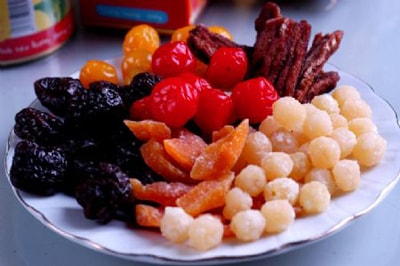
For cakes and candies with bright, garish colors, the use of industrial dyes containing heavy metals can seriously affect the health of consumers, potentially leading to various diseases such as cancer, digestive disorders, and neurological problems.
When buying dried fruit preserves, choose those with natural colors and avoid those with many artificial colors. Note that you should buy preserves with intact packaging, displayed in a cool, dry place, recently produced, and within their expiration date.
When buying, carefully read the packaging label and choose jams from reputable manufacturers; buy from reliable places like supermarkets and authorized dealers, as they have quality and hygiene control over the products.
Use your senses—sight, smell, touch, taste—to detect if the jam is moldy, has a foul odor, is watery, or smells sour.
Watermelon seeds
Watermelon seeds are easily contaminated and dyed with harmful chemicals such as Rhodamine B, which is detrimental to the body. Long-term consumption of watermelon seeds dyed with Rhodamine B can cause liver and kidney failure and cancer.
Melons dyed with Rhodamine B typically have a deep red color, resembling paint, and the color does not fade in the mouth when eaten.
If watermelon seeds are dyed with industrial dyes (used in dyeing fabrics, etc.), they usually have a bright, glossy color that doesn't fade, even when exposed to water.
Watermelon seeds dyed with food coloring have a natural color that is not too intense, not glossy, and easily fades or smudges when exposed to water, making them prone to staining hands and skin during use. When damp, the color will transfer to cotton and silk fabrics.
When buying watermelon seeds, choose those with a natural reddish-brown color, avoiding bright red or pink seeds, and ensuring they are not burnt or blackened.
Avoid nuts with a smooth, oily coating. Choose nuts that, when bitten, don't leave red residue on your hands, lips, or tongue; the inside should be off-white and have a characteristic rich, nutty flavor. Before buying, test the nuts by putting a whole nut in your mouth to let it absorb saliva, then rub it in your palm to see if the color fades.
If you notice that watermelon seeds have an unusual color, a rancid or moldy smell, or a strange bitter taste, you should not consume them.
Alcohol
Before buying wine, consumers should check if the seals, labels, and bottle caps are clear and intact.
When opening a bottle of wine, pay attention to the strong smell of alcohol; this indicates a high alcohol content. Drinkers should gently swirl the glass to check how the wine clings to the sides.
Authentic, aged wines often have a distinctive aroma and a thick consistency; when swirled, the wine will lightly cling to the sides of the glass.
Confectionery
Choose quality products from reputable brands. Don't be tempted by cheap prices or the "foreign" label to buy imported candies and snacks of unknown origin or questionable quality and food safety.
If choosing a pre-packaged gift basket, carefully examine the contents to avoid mistakenly buying low-quality imported goods, which could harm the recipient's health and diminish the value and meaning of the gift.
According to Knowledge - NT