The 'mushroom house' is a place to withstand the scorching heat of summer and the biting cold of winter.
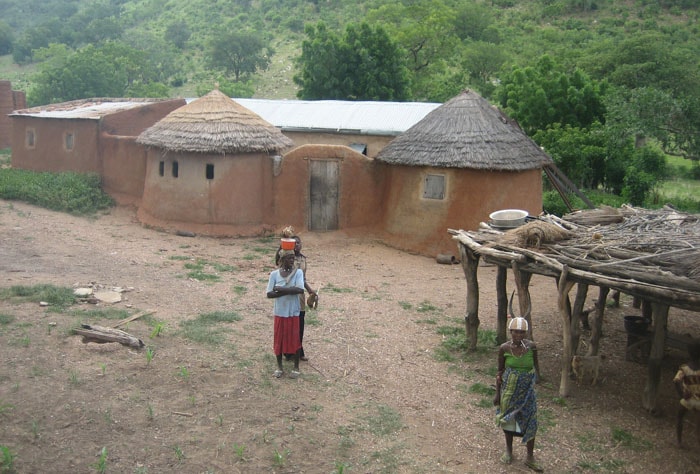 |
| Anyone fortunate enough to set foot in the remote land of Taberma, in the Atakora Mountains of West Africa, will feel as if they have wandered into a fairytale world. |
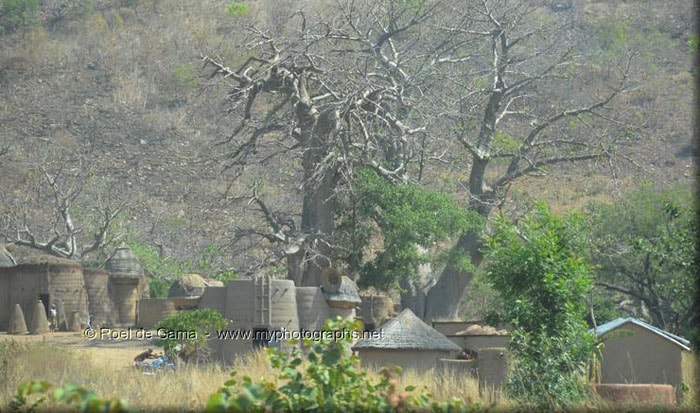 |
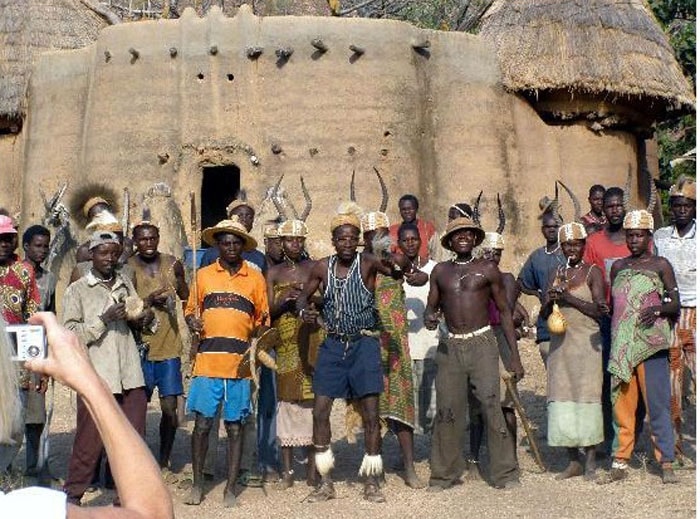
| These mushroom-shaped houses are home to a tribe called Taberma, who live isolated from the modern world. |
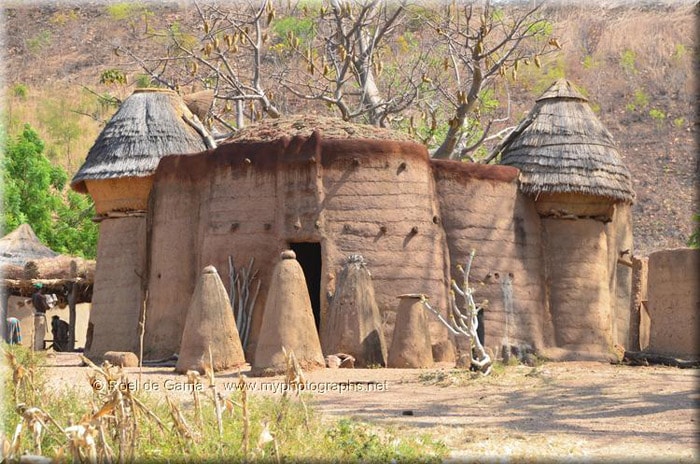 |
| The 'mushroom house' is a place to live and cope with the extremes of the weather, from the scorching heat of summer to the biting cold of winter. |
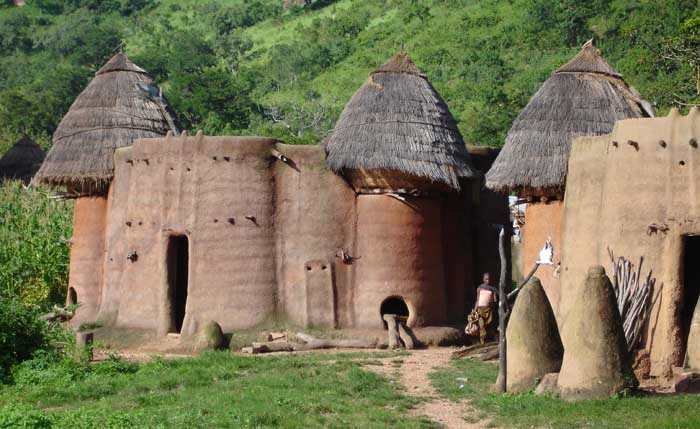 |
| The main materials used to build the mushroom house are malleable clay and barley straw. |
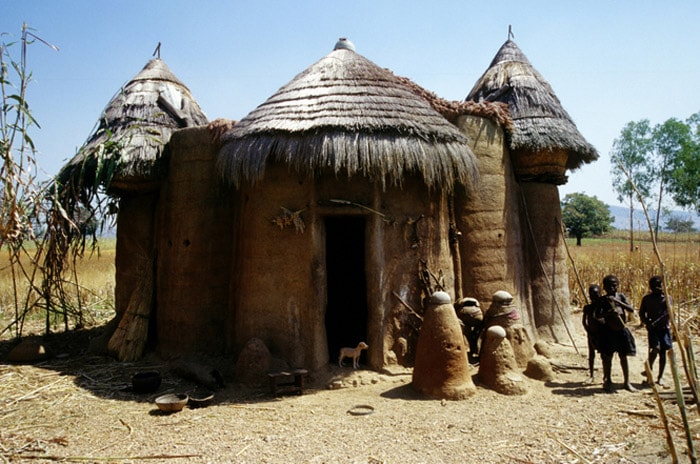 |
| The "mushroom houses" all have their doors facing west. They believe that the west direction brings vitality and good fortune to the homeowner. |
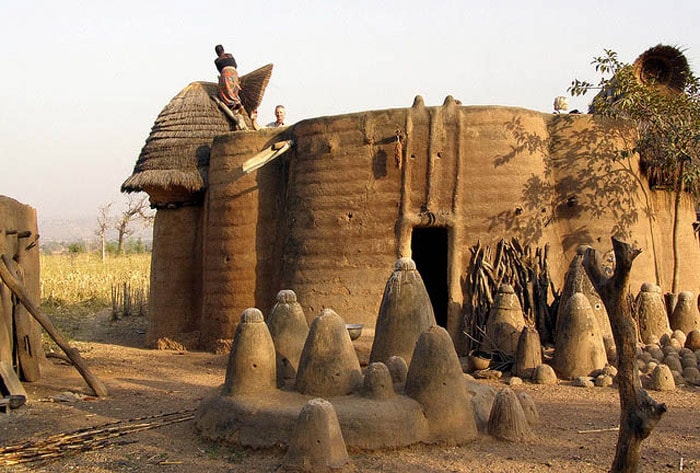 |
| Each house was designed separately for men and women and symbolized different aspects of fertility. |
 |
| The unique architecture and feng shui create a space flooded with natural light from the outside, while the interior walls are shrouded in darkness. From the outside, you see the dark areas of the house, and vice versa. |
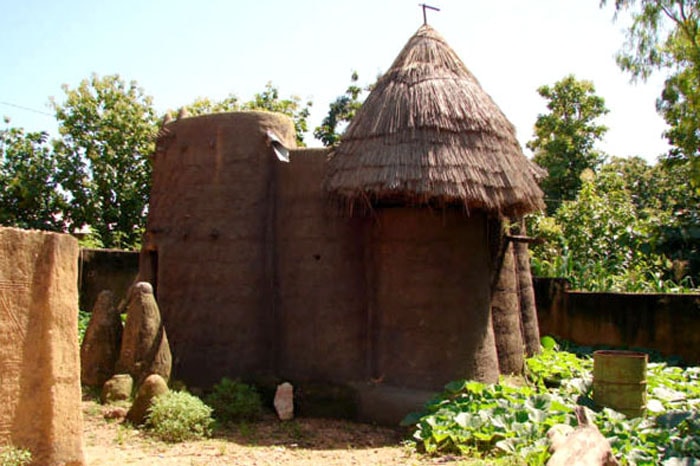 |
| Each house typically has two floors: one floor is used for the kitchen and common living area, while the upper floor is used for drying clothes and as sleeping quarters for the whole family. |
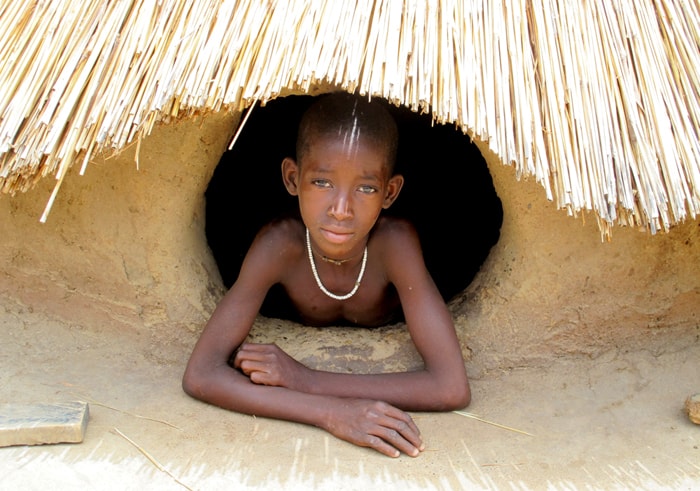 |
| What's particularly striking is the large number of altars set up inside the 'mushroom house'. According to the tribe's beliefs, the number of altars in the house corresponds to the number of people living in the family. |
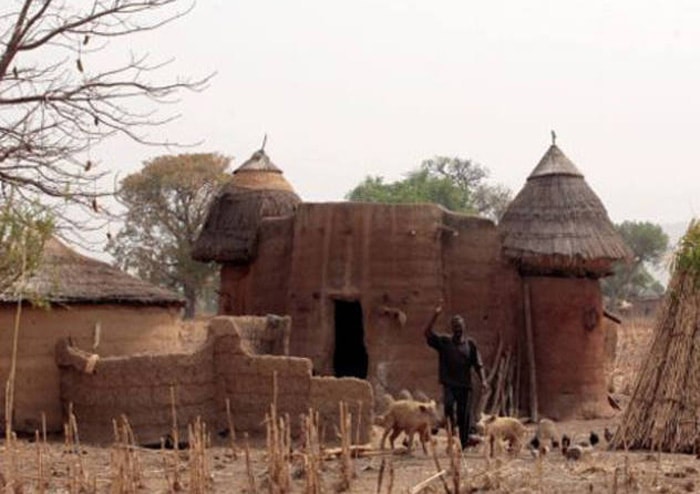 |
| Tourists who want to know the number of people in a particular family in this country only need to count the number of altars in the house. |
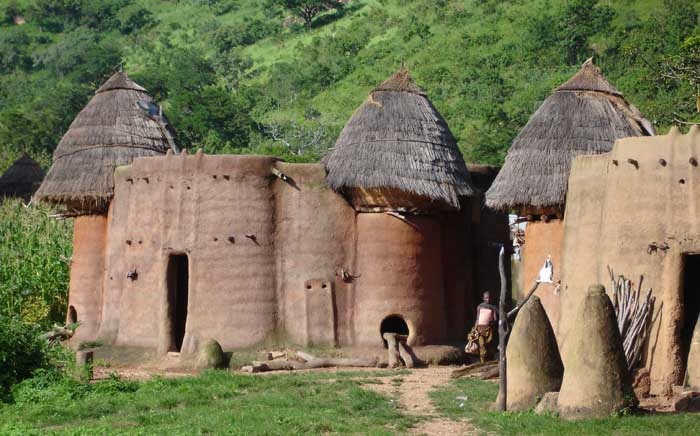 |
| These "mushroom houses" have now been preserved and honored by UNESCO. |
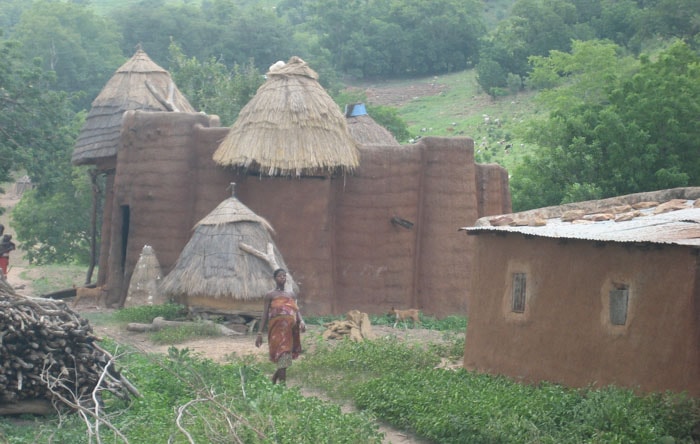 |
| This remote area has become a popular tourist destination attracting many visitors. |
Source: VTC

