

Figs are good for your health.
Figs have many uses and are effective in treating and preventing a wide range of diseases.
Figs are a seasonal fruit, a member of the mulberry family. The benefits of figs come from the minerals, vitamins, and fiber they contain.
Figs contain powerful nutrients beneficial to health, including vitamin A, vitamin B1, vitamin B2, calcium, iron, phosphorus, manganese, sodium, potassium, and chlorine.
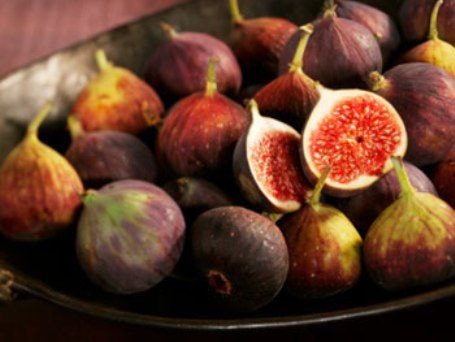 |
| Figs are seasonal fruits, members of the mulberry family. |
Preventing many types of cancer
Traditional medicine provides many instructions on how to use the sap of the fig fruit as medicine. To extract fig sap, people chop up the tree trunk and collect the sap.
Modern medicine has also studied fig tree sap and found that this medicinal substance has the effect of inhibiting the growth of many types of cancer cells such as connective tissue cancer, spontaneous breast cancer, lymph node sarcoma... This sap can also slow down the metastasis of cancer cells.
In addition, figs are a fruit that contains a lot of pectin - a type of soluble fiber.
This fiber helps cleanse the digestive system, remove excess cholesterol from the body, stimulate the elimination of free radicals and harmful toxins that cause cancer, especially in the colon. At the same time, it increases bowel motility, helping the intestines function better.
Therefore, eating figs regularly can help prevent abdominal cancers, especially colon cancer.
This source of fiber also helps balance hormones in women, combats free radicals from oxidants, and therefore offers protection against breast cancer, especially in postmenopausal women.
Losing weight
The fiber in figs also helps with weight loss and is a good choice for obese people. However, the high calorie content of figs can also lead to weight gain, especially when consumed with milk. A small amount of figs provides sufficient nutrients, so don't overdo it! Remember that too much is not good.
Preventing coronary heart disease
Dried figs contain phenols, omega-3 and omega-6 fatty acids. These fatty acids reduce the risk of coronary heart disease. Furthermore, fig leaves have a significant impact on triglycerides in the body. Fig leaves inhibit the effects of triglycerides, reducing their levels in the body. Triglycerides are another major cause of heart disease.
Preventing high blood pressure
Like bananas, figs are rich in potassium. This is very good for people who want to lower their blood pressure and prevent the risk of hypertension that can harm their health.
When people consume too much sodium in the form of table salt, it leads to a potassium deficiency, which in turn causes high blood pressure.
Eating figs regularly every day can help replenish potassium levels, which helps stabilize blood pressure.
Good for cardiovascular health.
Figs contain a significant amount of phenols, omega-3 and omega-6 fatty acids, which help reduce the risk of coronary heart disease.
Fig leaves have a significant impact on triglycerides in the body – a type of fat that causes heart disease.
Therefore, regularly consuming these two parts of the fig tree will benefit your cardiovascular health.
Preventing macular degeneration
Vision loss in older adults is often due to macular degeneration. Fruits, especially figs, are particularly good at helping you avoid the common symptoms of aging.
Relieves sore throat
The soothing properties of figs and their natural juice can reduce pain and tension on the vocal cords in the throat. Figs are quite useful in treating various respiratory disorders such as coughs and asthma.
Supports the treatment of diabetes.
Figs are rich in potassium, so they can help people with diabetes regulate the amount of sugar absorbed into their bodies, reduce the amount of sugar absorbed into the bloodstream, and help stabilize blood sugar levels.
Furthermore, the soluble fiber (pectin) found in figs may promote better diabetes management.
Good for the skeletal system
Figs are rich in calcium and phosphorus – important components for bone development and reducing the risk of osteoporosis.
Phosphorus is a nutrient not found in all foods, yet it is extremely important for promoting bone formation and regeneration, especially when the skeletal system is damaged or degenerated.
According to Alobacsi.vn