
Quy hoạch báo chí là cần thiết và cấp bách
Nhiều đại biểu tham dự Hội nghị phổ biến quy hoạch phát triển và quản lý báo chí toàn quốc đến năm 2025 bày tỏ sự đồng tình với việc cần thiết phải quy hoạch lại báo chí.
Nhiều đại biểu tham dự Hội nghị phổ biến quy hoạch phát triển và quản lý báo chí toàn quốc đến năm 2025 bày tỏ sự đồng tình với việc cần thiết phải quy hoạch lại báo chí.
Quy hoạch là sắp xếp lại, thay đổi cơ bản cấu trúc theo một trật tự nhất định. Nếu nói đến mức độ ảnh hưởng đến từng cơ quan báo chí không phải là không có. Mỗi người làm báo, mỗi cơ quan báo chí sẽ có những tâm tư, lo lắng khác nhau. Nhưng nhiều người đồng tình quan điểm, đã đến lúc phải quy hoạch lại báo chí. Bởi, chính thực tiễn báo chí gần đây đã bộc lộ quá nhiều vấn đề cần phải điều chỉnh một cách triệt để ở tầm vĩ mô. Chỉ có quy hoạch lại, báo chí mới có thể loại bỏ được những khuynh hướng xấu như bị “lá cải hóa”, giật gân câu khách, bị “thương mại hóa”, bị tư nhân chi phối và làm mờ nhạt lòng tin của công chúng với báo chí...
“Quy hoạch báo chí là cần thiết và cấp bách”
Phát biểu tại hội nghị phổ biến quy hoạch báo chí, Nhà báo Nguyễn Như Phong cho rằng: “Việc đưa ra quy hoạch báo chí là hết sức cần thiết và cấp bách. Quy hoạch đưa ra là phù hợp với thực tiễn”. Mặc dù, bản thân Nhà báo Như Phong cũng có nhiều băn khoăn thắc mắc về bài toán nhân sự, bài toán xử lý các ấn phẩm viết “kiểu lá cải” và vấn đề trách nhiệm cơ quan chủ quản “đẻ ra báo” mà không nuôi được báo, khiến anh em báo chí khó khăn tự bươn trải dẫn đến nhiều hệ lụy phía sau.
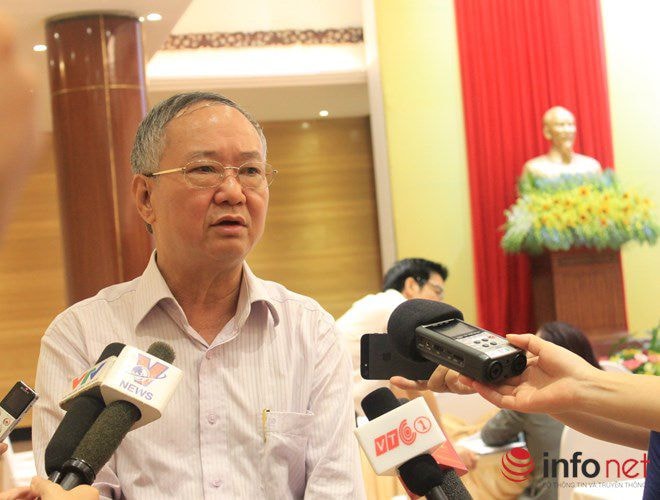 |
| Nhà báo Nguyễn Như Phong, Tổng Biên tập Báo Năng Lượng Mới: “Quy hoạch báo chí là cần thiết và cấp bách” |
Sau khi nghe ông Nguyễn Thế Kỷ, Phó Trưởng Ban Tuyên giáo Trung ương và ông Hoàng Hữu Lượng, Cục trưởng Cục Báo chí giải thích về những thắc mắc của mình, bên lề hội nghị, Nhà báo Nguyễn Như Phong tiếp tục chia sẻ cùng các phóng viên báo chí. Ông Phong cho rằng: “Vấn đề nhân sự là vấn đề chúng ta rất lo lắng và anh em báo chí cũng rất lo. Nếu theo quy hoạch sẽ có nhiều tờ báo của các cấp hội, đoàn thể sẽ phải từ báo xuống tạp chí, thậm chí phải giải tán. Có lượng đông anh em phải thất nghiệp. Trong chỉ đạo của Bộ Chính trị tránh đến mức tối đa việc này. Bảo vệ đời sống cho anh em báo chí. Lãnh đạo vừa giải thích rồi. Cái này phải có lộ trình, thứ 2 sắp xếp lại cơ quan báo chí, để cho mạnh lên. Đặc thù, quy hoạch này được tổ chức, tính toán một cách kỹ lưỡng, đặc biệt tính toán đến vị trí của các tờ báo, tờ nào cần để, tờ nào không cần để. Ảnh hưởng xã hội của tờ báo như thế nào?”
Despite these concerns, Mr. Nguyen Nhu Phong also expressed confidence: "If the press planning is implemented correctly according to the Politburo's directives and the Prime Minister's views, I think there is nothing to worry about too much."
Furthermore, Mr. Nguyen Nhu Phong also emphasized the role of the governing body. This is also included in the draft amended Press Law and in the press planning orientation, the responsibility and role of the governing body of the press have been clearly defined. According to Mr. Phong: “The governing body that created the newspaper must ensure the minimum funding for its development. If it fails to ensure the conditions for the newspaper to operate and allows the press agency to pursue profit, resorting to writing for hire to make money, then that is the fault of the governing body. At that time, the head of the governing body, who created the newspaper, must bear the responsibility.”
"Press planning reduces overlap and minimizes waste of state investment resources."
Speaking to Infonet reporters on the sidelines of the press planning conference, Mr. Nguyen Hoan, Deputy Director of the Quang Tri Department of Information and Communications, also affirmed: "I find the plan to reduce the number of press agencies unnecessary."
Mr. Hoan shared: “In my opinion, this arrangement is appropriate for the locality. Each locality has one radio channel and one television channel. For print media, there is one newspaper of the Party Committee and one magazine of the local Literature and Arts Association. Provinces in key areas can propose adding a magazine. This is suitable and convenient for management, ensuring that media outlets operate according to their stated purpose and license, avoiding overlapping functions and wasting state investment resources.”
 |
| Mr. Nguyen Hoan, Deputy Director of the Department of Information and Communications of Quang Tri Province: "The press planning reduces overlap and minimizes waste of state investment resources." |
"It's time for this kind of planning."
Sharing his views with Infonet, Mr. Phan Tan Linh, Director of the Department of Information and Communications of Ha Tinh province, also stated that such planning facilitates the management of the press and creates favorable conditions for the press to operate.
Mr. Phan Tan Linh explained: "As we know, the current state of journalism involves numerous media outlets across the country. With a very large number of journalists, both those with and without press cards, managing local media outlets is very difficult."
Mr. Phan Tan Linh expressed his confidence: “This planning creates more favorable conditions for state management of the press at both the local and central levels. We must clearly see that this is absolutely necessary. Previously, we granted too many press operating licenses to too many media outlets, resulting in overlap, inefficiency, and wasted state resources. It is time for this planning.”
 |
| Mr. Phan Tan Linh, Director of the Department of Information and Communications of Ha Tinh Province: "It's time for this planning to be in place." |
In the basic content section of the press planning project, presented by Deputy Minister of Information and Communications Truong Minh Tuan, the role and contributions of the press were highlighted. This also demands an even greater contribution from the press to the country's development in the current situation.
However, the proposal also frankly pointed out some limitations in the current practice of journalism. This is the practical basis and urgent situation that necessitates fundamental adjustments and changes to the current media system. This is because the media system is large in quantity but its quality is not commensurate, and there is overlap in principles, objectives, content, and target audiences.
The trend of "commercialization" in journalism, the indiscriminate exploitation of information, the heavy focus on reflecting the negative aspects of society, and the sensationalism and clickbait content of many news articles have led to a decline in journalistic integrity. Furthermore, the phenomenon of some online newspapers, radio and television channels being controlled by private entities has reduced the political, cultural, scientific, and professional quality of journalism.
On the other hand, the leadership of some media organizations has been lax in managing and providing political and ideological education to its staff, reporters, and editors. The editing and review process has not been given due importance or implemented seriously; in some cases, it has even been done without proper verification, leading to some media organizations and journalists publishing inaccurate and irresponsible information, with many false reports not corrected, violating journalistic ethics, exploiting the profession for personal gain, and in some cases even violating the law.
Furthermore, the role of state management and the role of the press's governing body have not been fully utilized, resulting in limited management effectiveness and failure to keep pace with the development of various forms of media in the new situation; there has been a lack of research, classification, and identification of the nature and tasks of the press to develop appropriate mechanisms and policies; and there is a need to strengthen measures and sanctions to address violations and ensure discipline in press management.
Simultaneously, the lack of timely information provided to the press has hampered the operations of media organizations.
Furthermore, there remains a significant disparity in access to news and information across different regions and areas.
According to Infonet