

12 effective hangover remedies
Here are a few tips to guide you on what to do before, while, and the morning after drinking to "save" yourself from getting drunk.
A. Before drinking
Drink plenty of water.
 |
Drinking plenty of water, in addition to helping you wake up feeling refreshed the next morning, can also help prevent dehydration before you start drinking alcohol. Alcohol interferes with the production of a hormone called vasopressin. Drinking alcohol causes the kidneys to release water directly into the bladder, instead of absorbing it into the body.
In fact, drinking alcohol means you'll excrete four times more water than you would from drinking regular water. Therefore, it can lead to dehydration. Dehydration is a major cause of headaches and dry mouth the next morning. So, before you start drinking alcohol, try to drink plenty of water.
Eating foods high in fat
Food can help slow down alcohol absorption. In particular, if you eat fatty foods before drinking alcohol, the fat will build up on the stomach lining and reduce the rate at which alcohol is absorbed into the bloodstream, meaning it will take longer to get drunk. You can also drink a glass of milk or a little olive oil, which have a similar effect.
B. While drinking alcohol
Avoid drinking multiple types of alcohol at the same time.
Different types of alcohol contain different chemicals in varying concentrations. That's why different types of alcohol have different effects on you.
If you drink several types of alcohol at once, they can combine and create a very bad effect. By drinking only one type of alcohol, you will minimize the risk of waking up with a severe headache the next morning.
Drink slowly
Staying calm while drinking is crucial. The U.S. National Institutes of Health recommends that men should not consume more than 30-40ml of pure alcohol (equivalent to 3-4 units) per day.
For women, the recommended amount is 20-30ml of pure alcohol. A glass of beer contains approximately 20-30ml of pure alcohol, while a glass of wine contains about 15ml of pure alcohol.
It takes the body an hour to absorb 10ml of pure alcohol (1 unit), which is why you shouldn't drink too quickly. If you drink too fast, your body won't have enough time to process the alcohol, leading to unwanted reactions.
You should allow time for your body to process the alcohol you've just consumed and reduce your risk of getting drunk.
Drink it with a carbonated beverage.
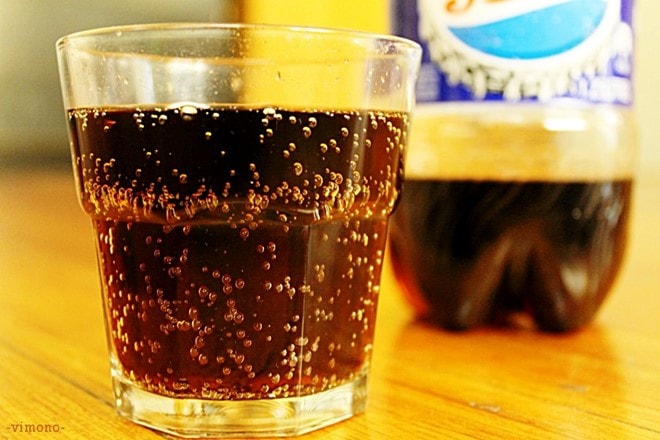 |
In a 2013 study, Chinese researchers showed that drinking decaffeinated sodas helps the body metabolize alcohol better. This is because these types of sodas increase the rate of aldehyde dehydrogenase (ALDH) metabolism. ALDH is believed to be the cause of hangover symptoms. Therefore, drinking carbonated beverages while drinking alcohol may help reduce the effects of intoxication.
Always drink water.
Alcohol is known to have a diuretic effect. Therefore, after drinking alcohol and before going to bed, you should drink about 400-600ml of water. You can also drink a glass of water with each glass of beer to replace the fluids you lose while drinking alcohol.
C. The following morning
Rest
Going to sleep will help your body recover. Sleeping an extra 1-2 hours than usual will help your body recover faster. You may have to postpone all your plans for the next day just to rest. However, if you absolutely must work, you can take an aspirin.
Continue drinking water or fruit juice.
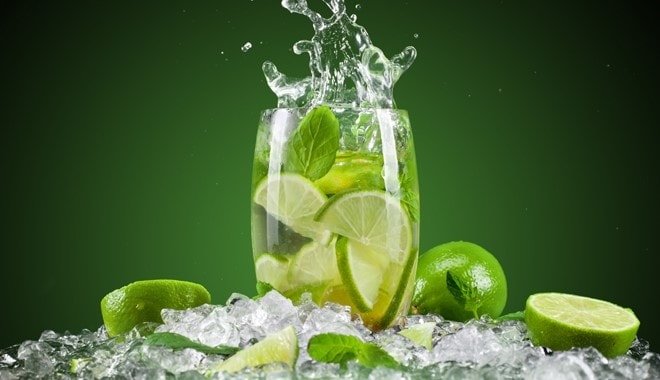
You will need to continue drinking water, herbal tea, or vegetable juices to help your body recover. One of the best drinks to help you recover is lemon juice mixed into a glass of warm water.
 |
Eat toast or crackers.
Toast or crackers are great snacks if you vomited the night before from drinking too much. The carbohydrates will help raise your blood sugar levels the next morning.
Normally, when your blood sugar levels drop below normal, your liver will trigger the production of more glucose from stored carbohydrates in your body.
However, if you drink too much, your liver will focus on metabolizing the alcohol instead of producing more glucose. As a result, you will have lower-than-normal blood sugar levels and will feel tired and unwell the next morning.
Drink coffee and aspirin.
In a 2010 study published in the journal PLOS ONE, researchers found that caffeine in coffee and the anti-inflammatory components of aspirin counteract the chemical properties of ethanol (pure alcohol). Ethanol can cause headaches because it contains acetate.
However, you should be cautious, as coffee can also dehydrate you. Furthermore, coffee can cause a surge in adrenaline, giving you extra energy, in the wrong way. Therefore, you should be careful when drinking coffee and taking painkillers at the same time.
Shower
Taking a cold shower can make you feel more refreshed and help you regain your senses. You can also try alternating between hot and cold showers. However, you should be careful when doing so as it could cause thermal shock and injury.
Practice
The endorphins released during exercise will improve your mood. Exercise will also help you burn off the extra calories you consumed while drinking alcohol. However, you should make sure you drink enough water while exercising to avoid severe dehydration.
You'll need a lot of motivation to exercise after a night of heavy drinking, but it will definitely make you feel better, both physically and mentally.
According to Suckhoedoisong